D. Don


Description
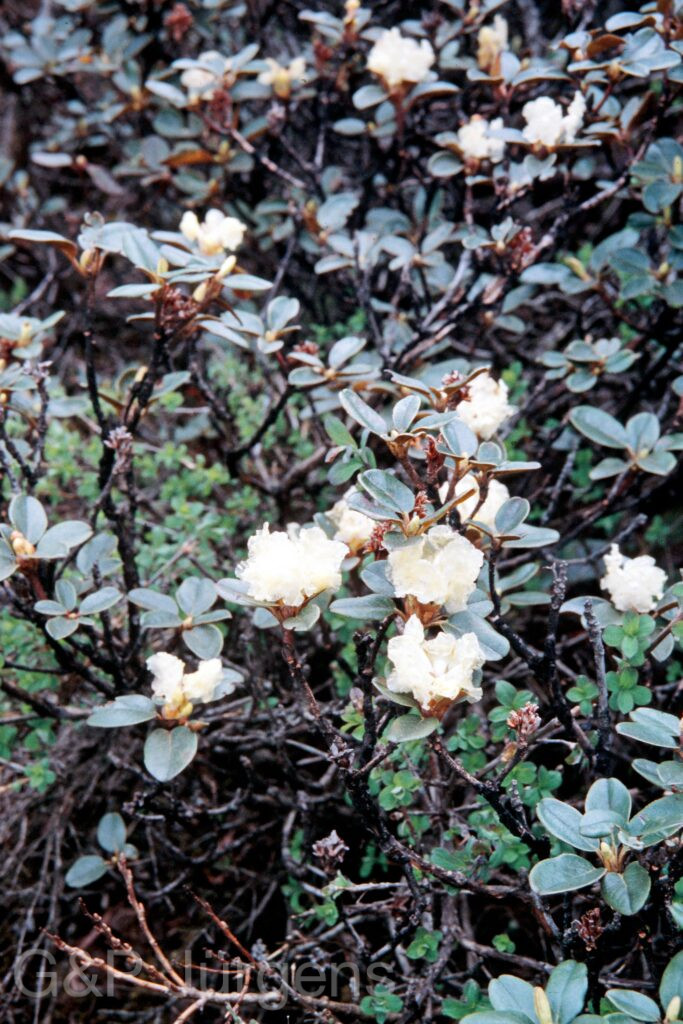
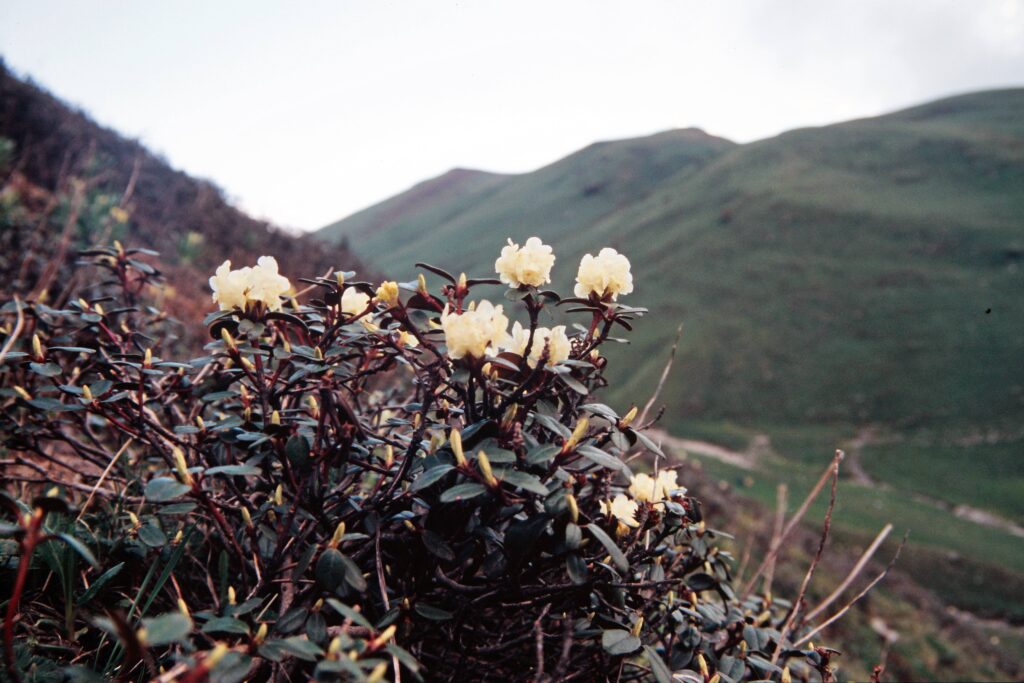
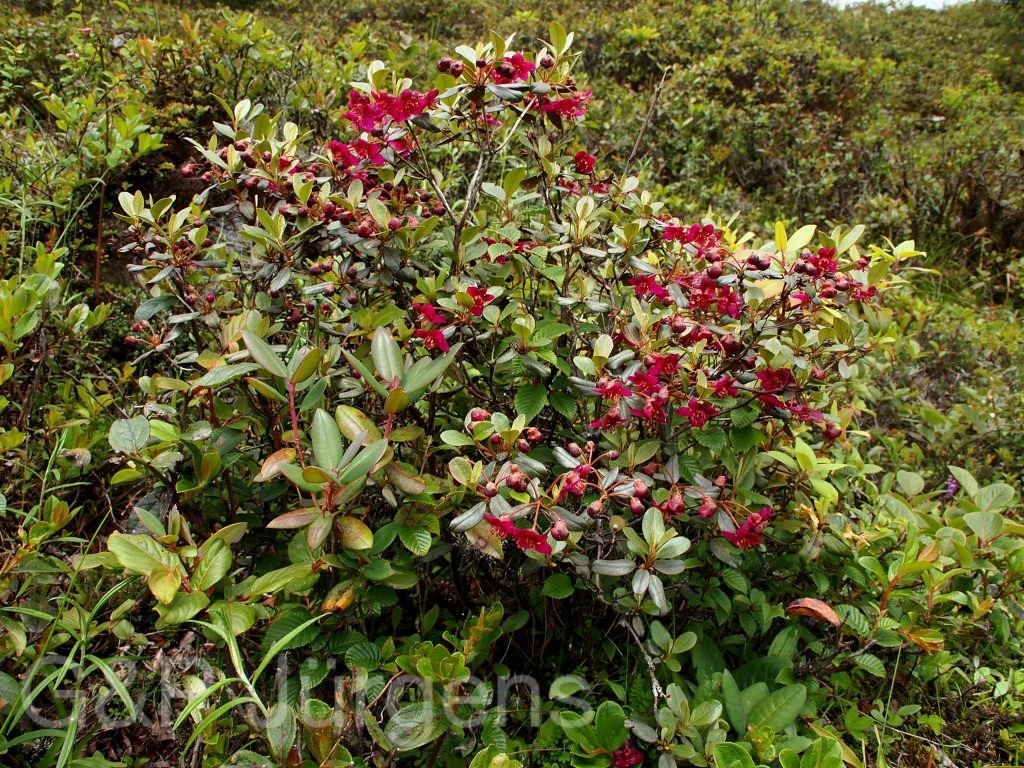
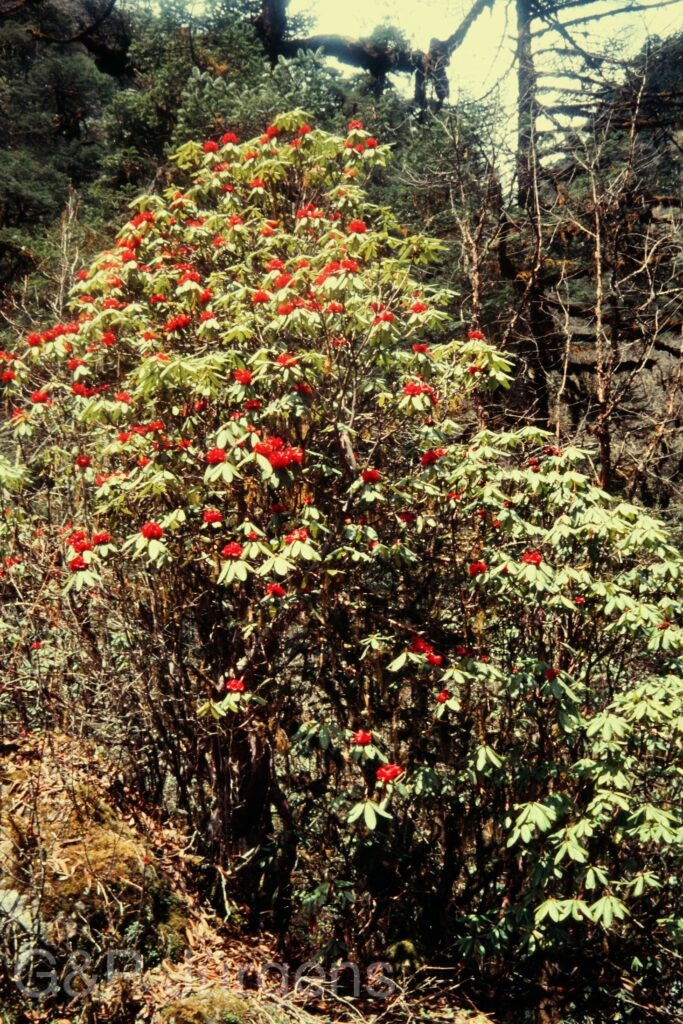
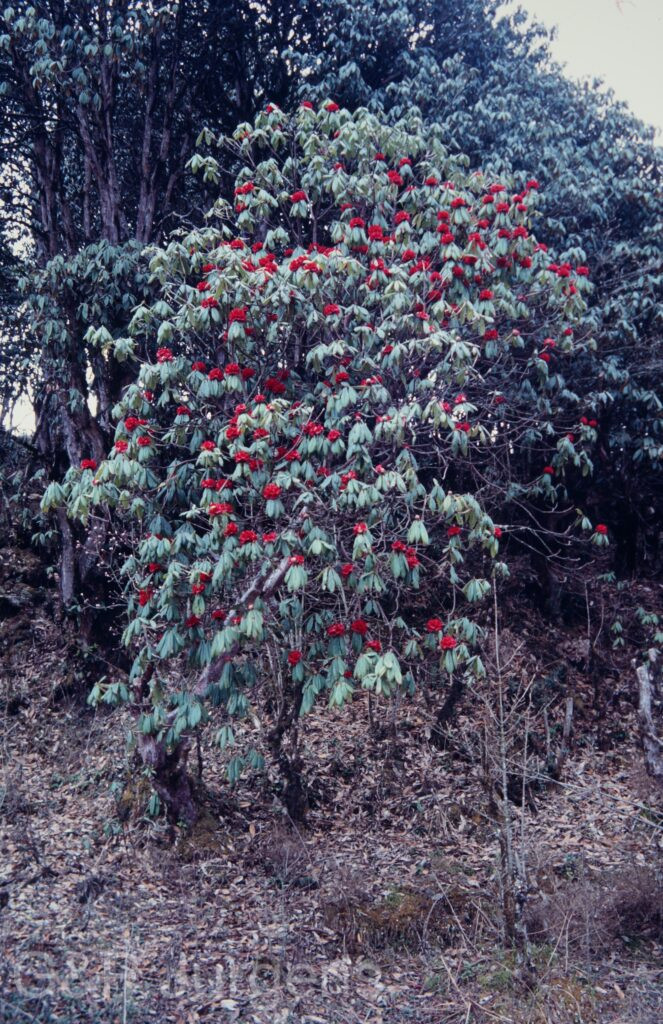
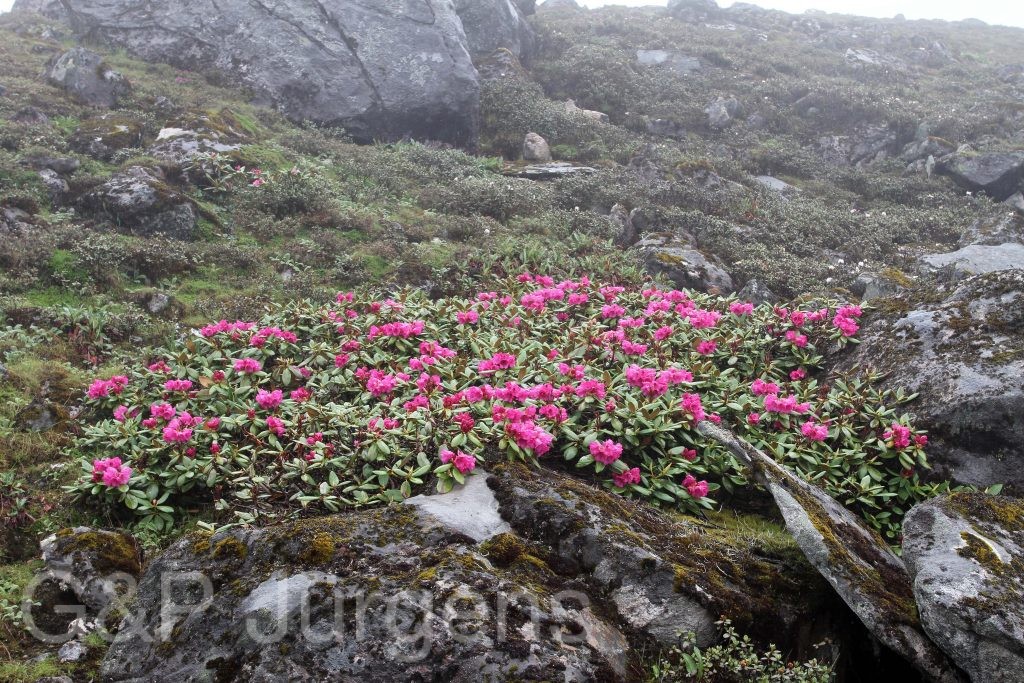
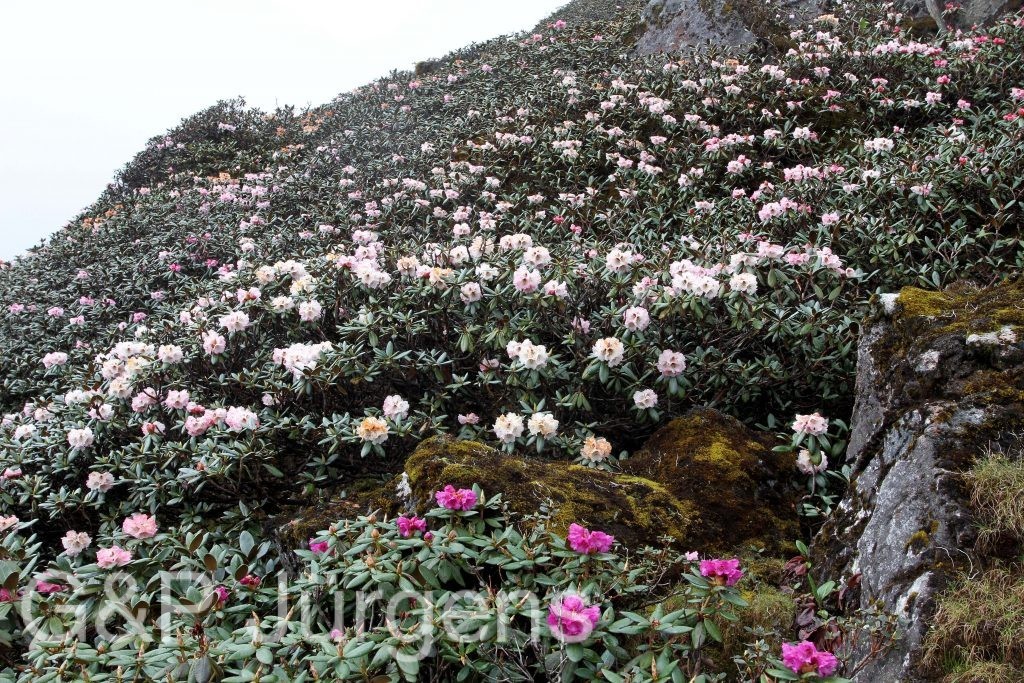
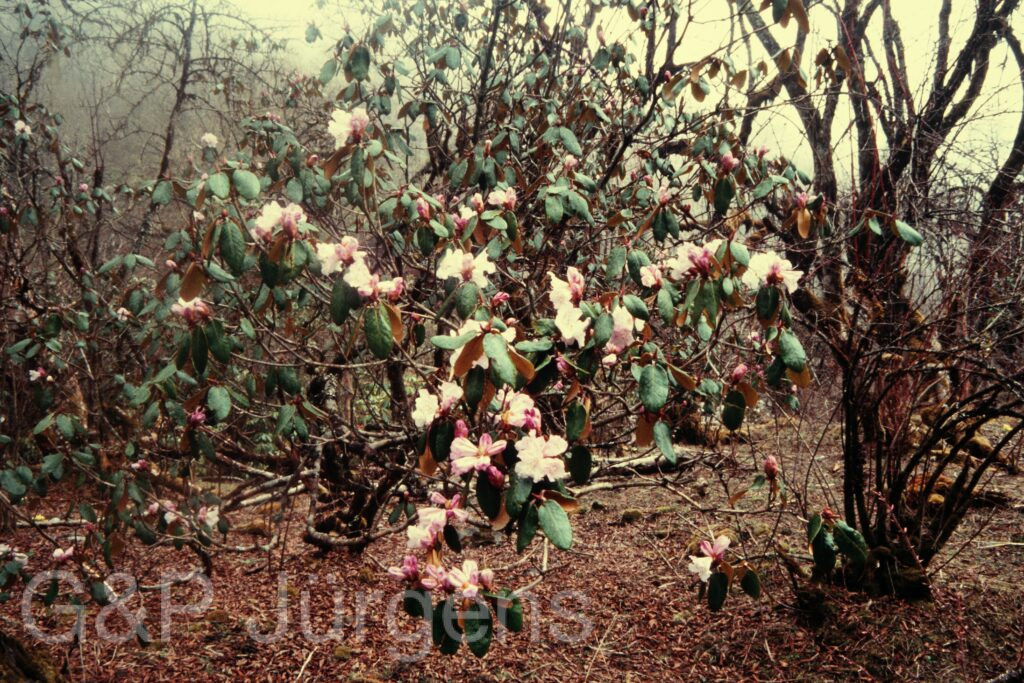
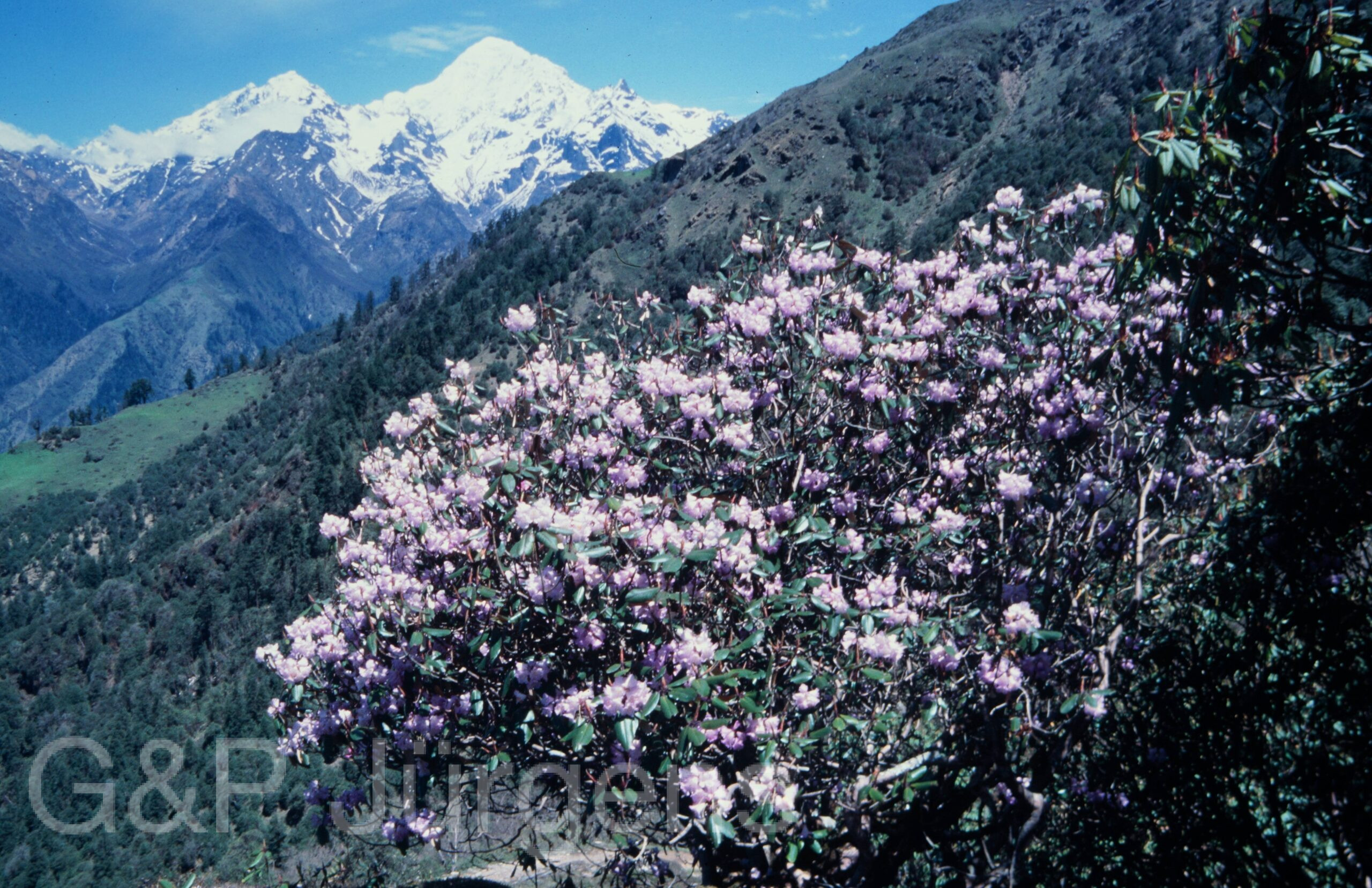
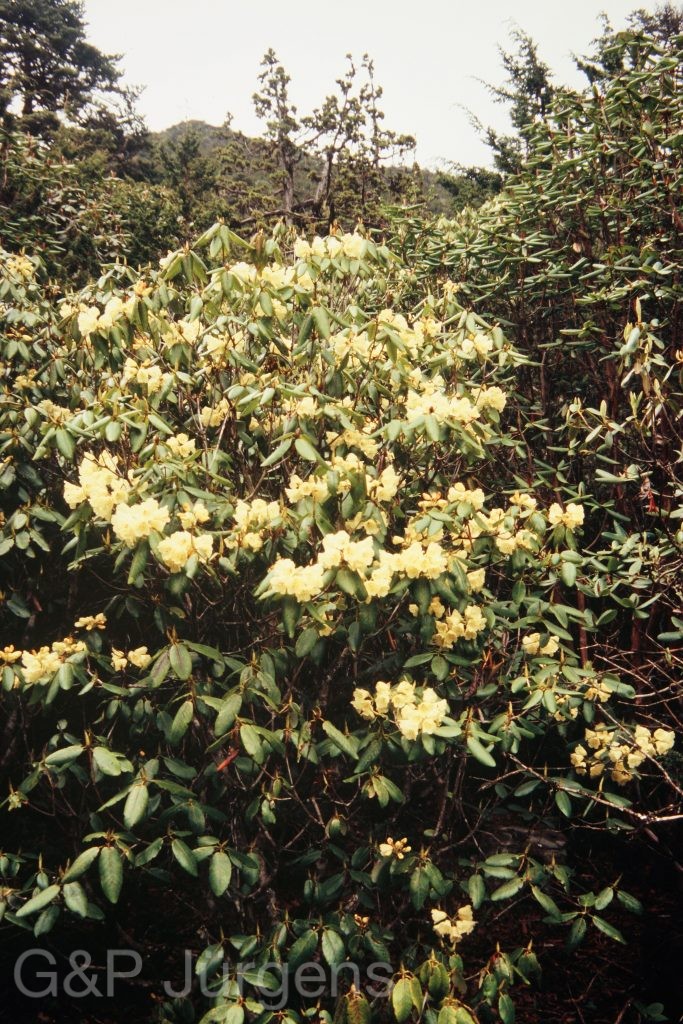
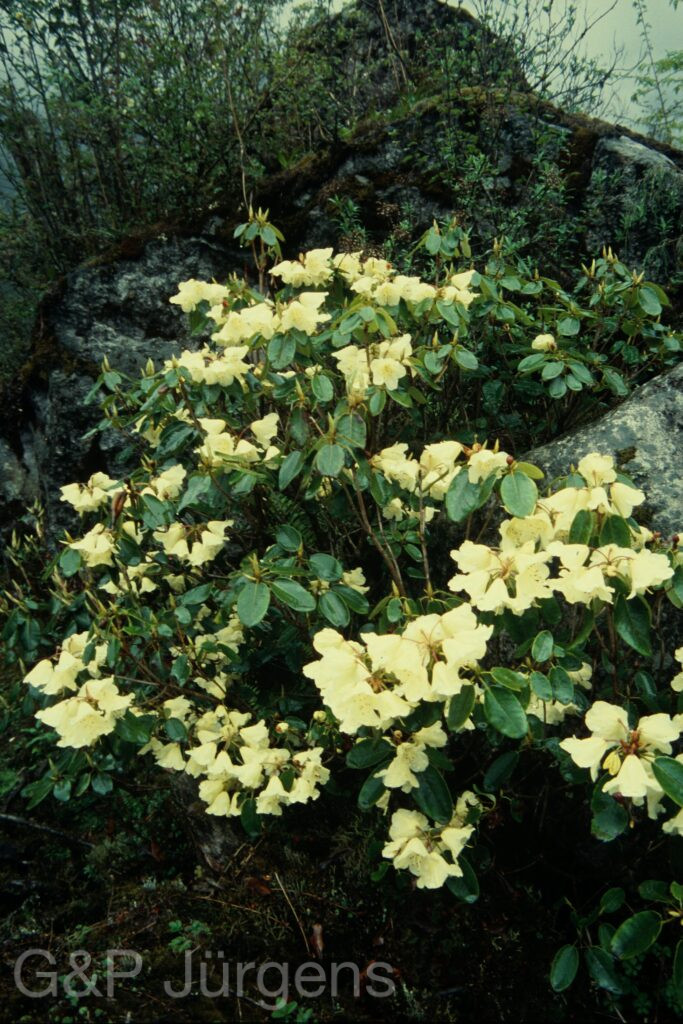
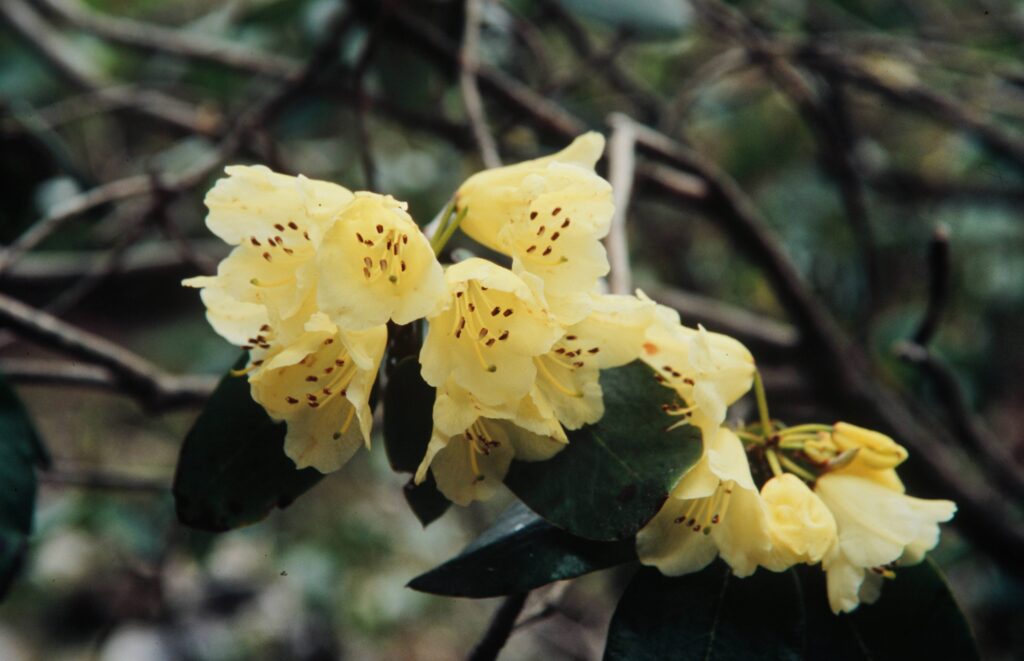
Rhododendron anthopogon is a dwarf, aromatic alpine shrub of the Himalaya, recorded in GBIF (around 1052 occurrences) from Nepal, India, China, Bhutan and Pakistan. It dominates open alpine slopes, moorland, rocky ridges and the upper limit of shrub vegetation, generally between 3000 and 5000 m, often forming extensive low thickets above the tree line together with junipers and other dwarf rhododendrons. The photographed population in the Chopra valley of Sikkim at 4200 m in June represents this typical high-alpine, exposed habitat, where it flowers as snow recedes in early summer.
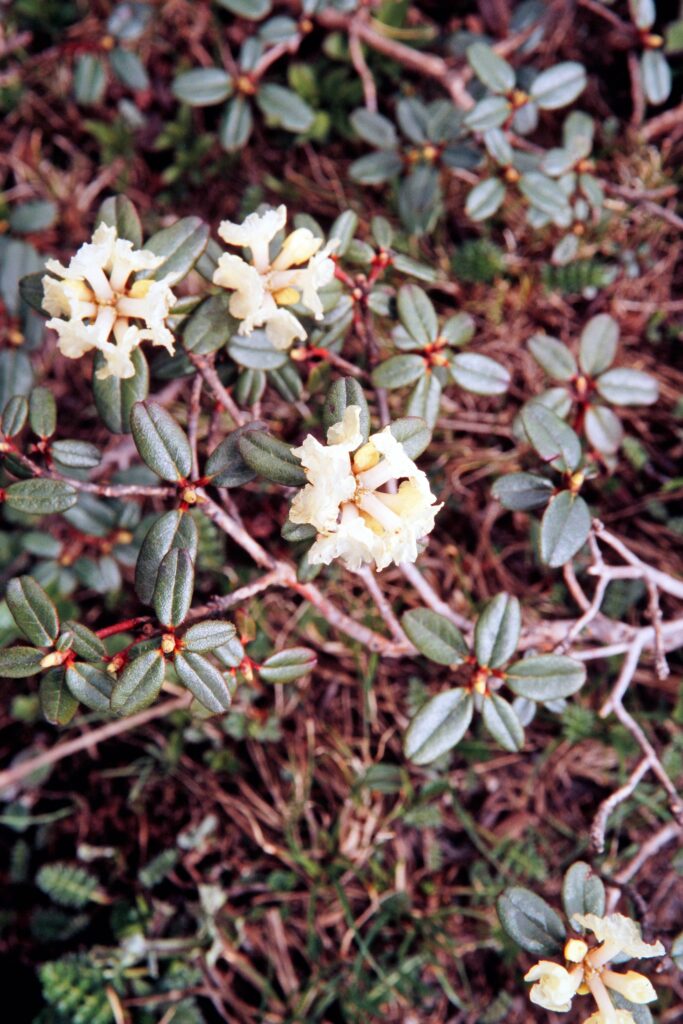
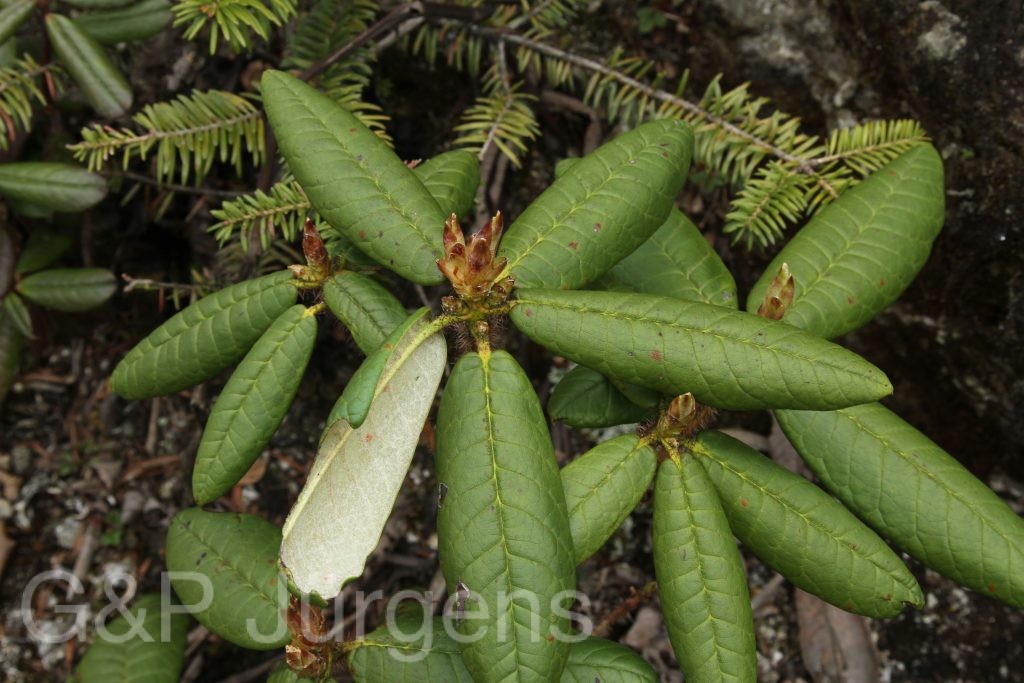
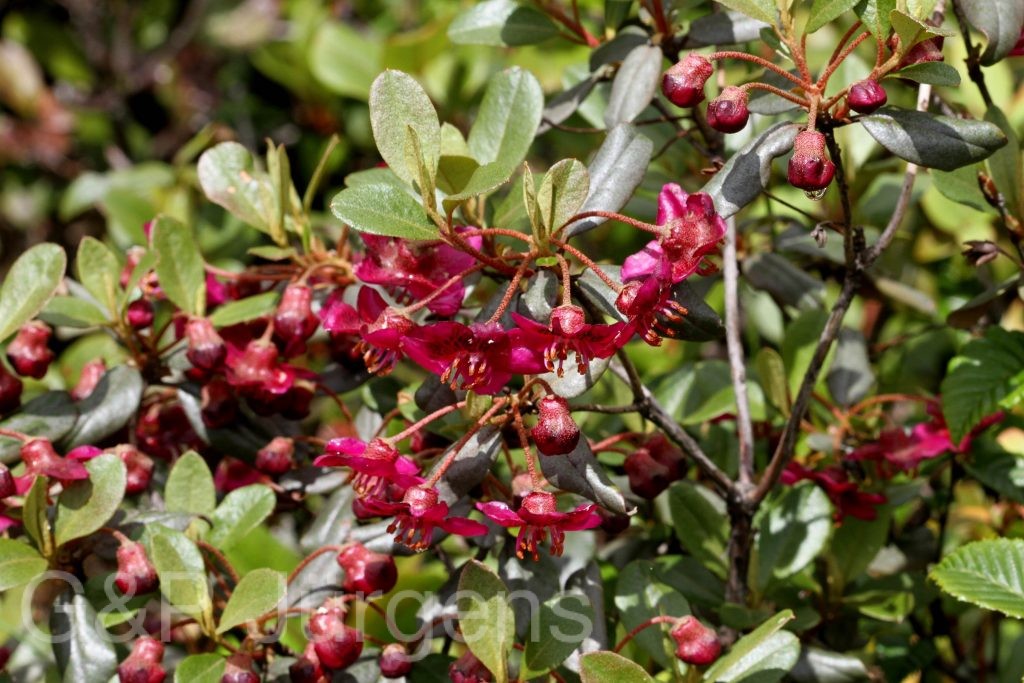
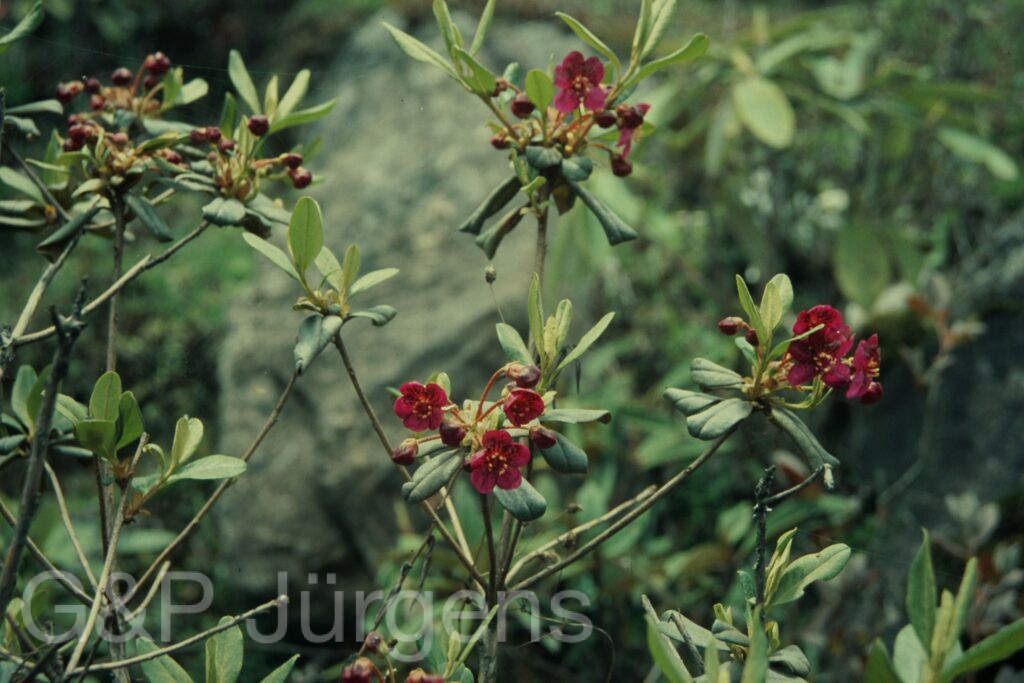
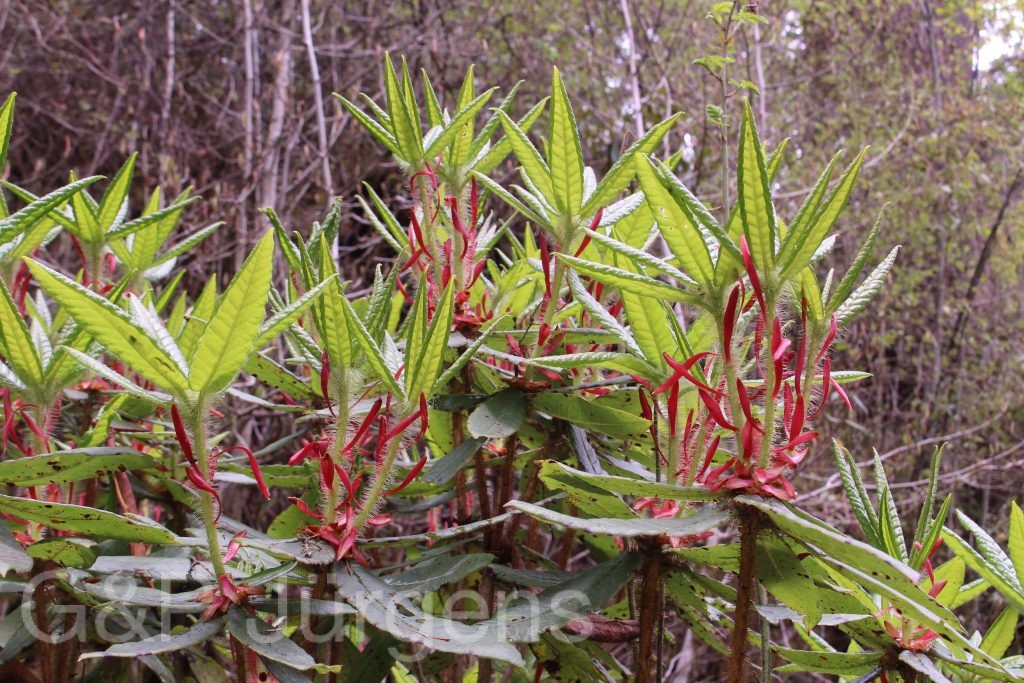
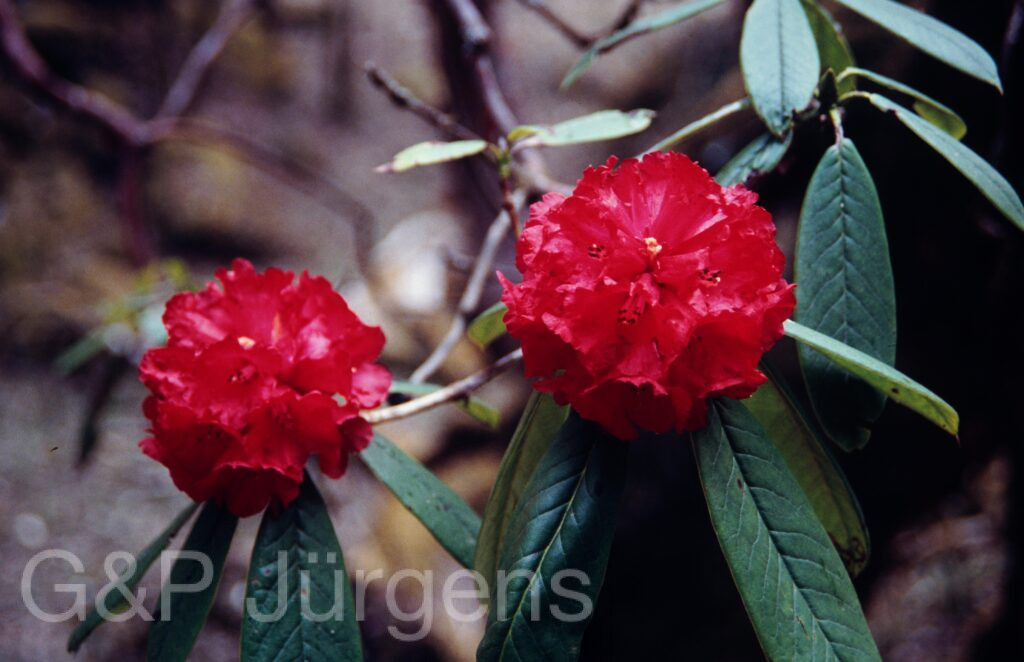
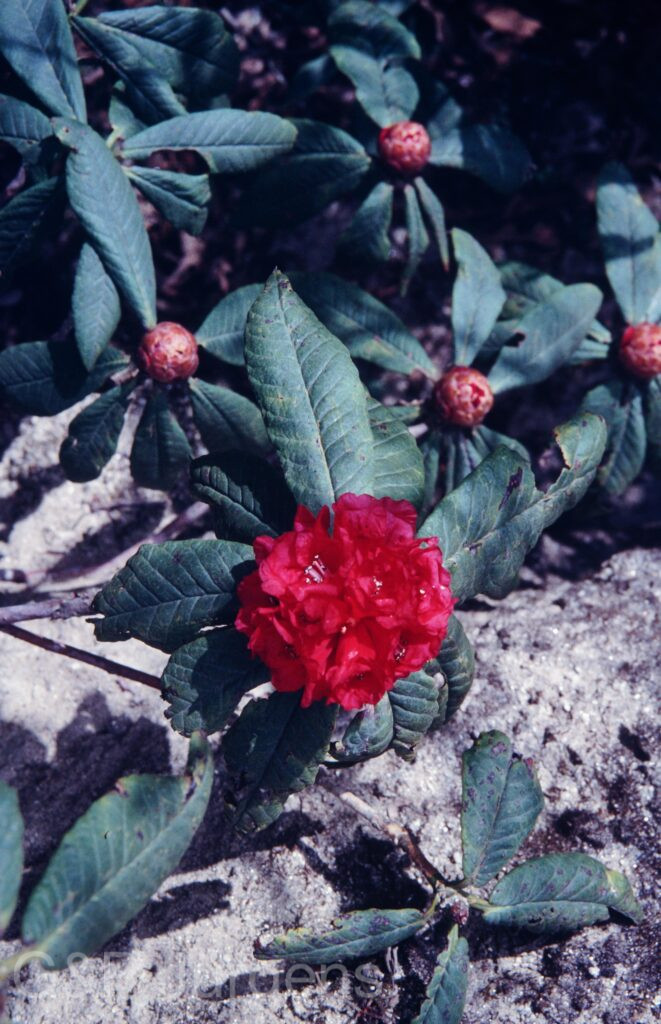
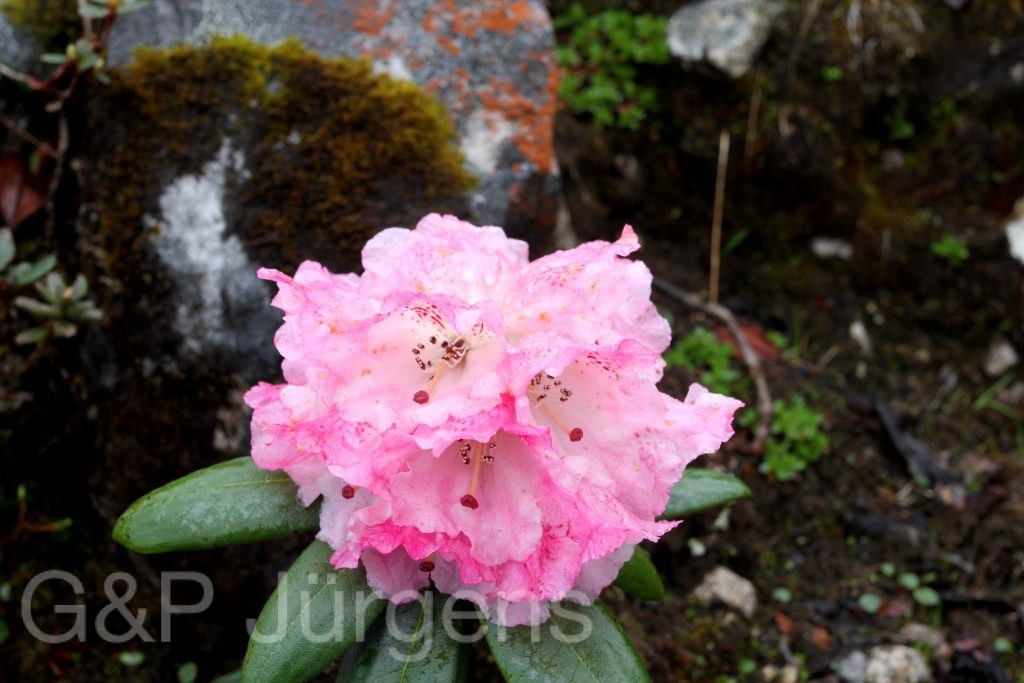
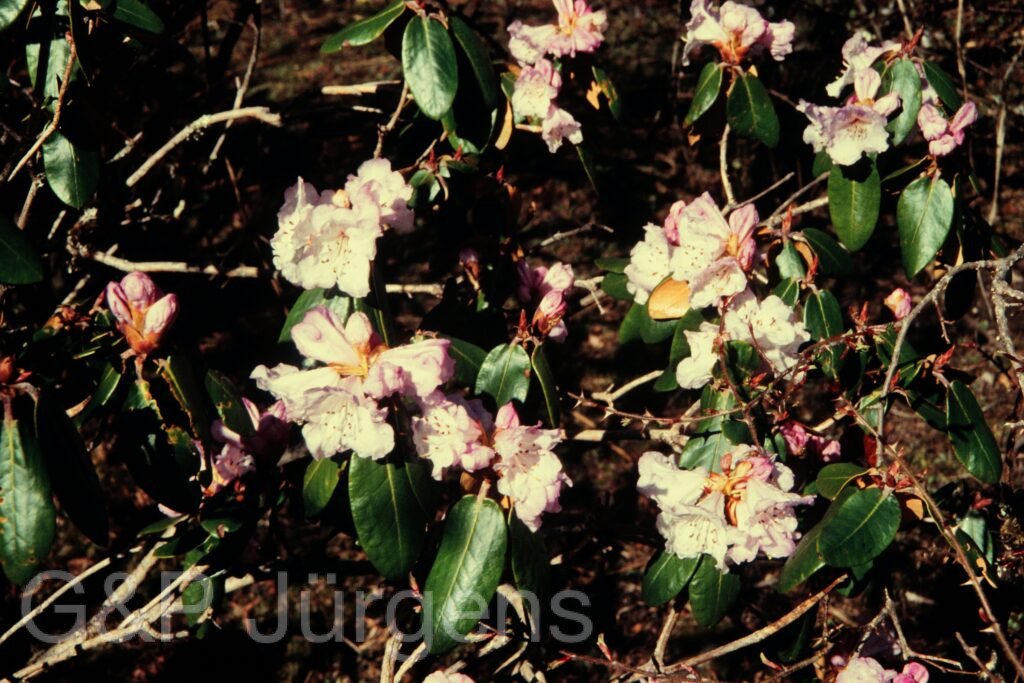
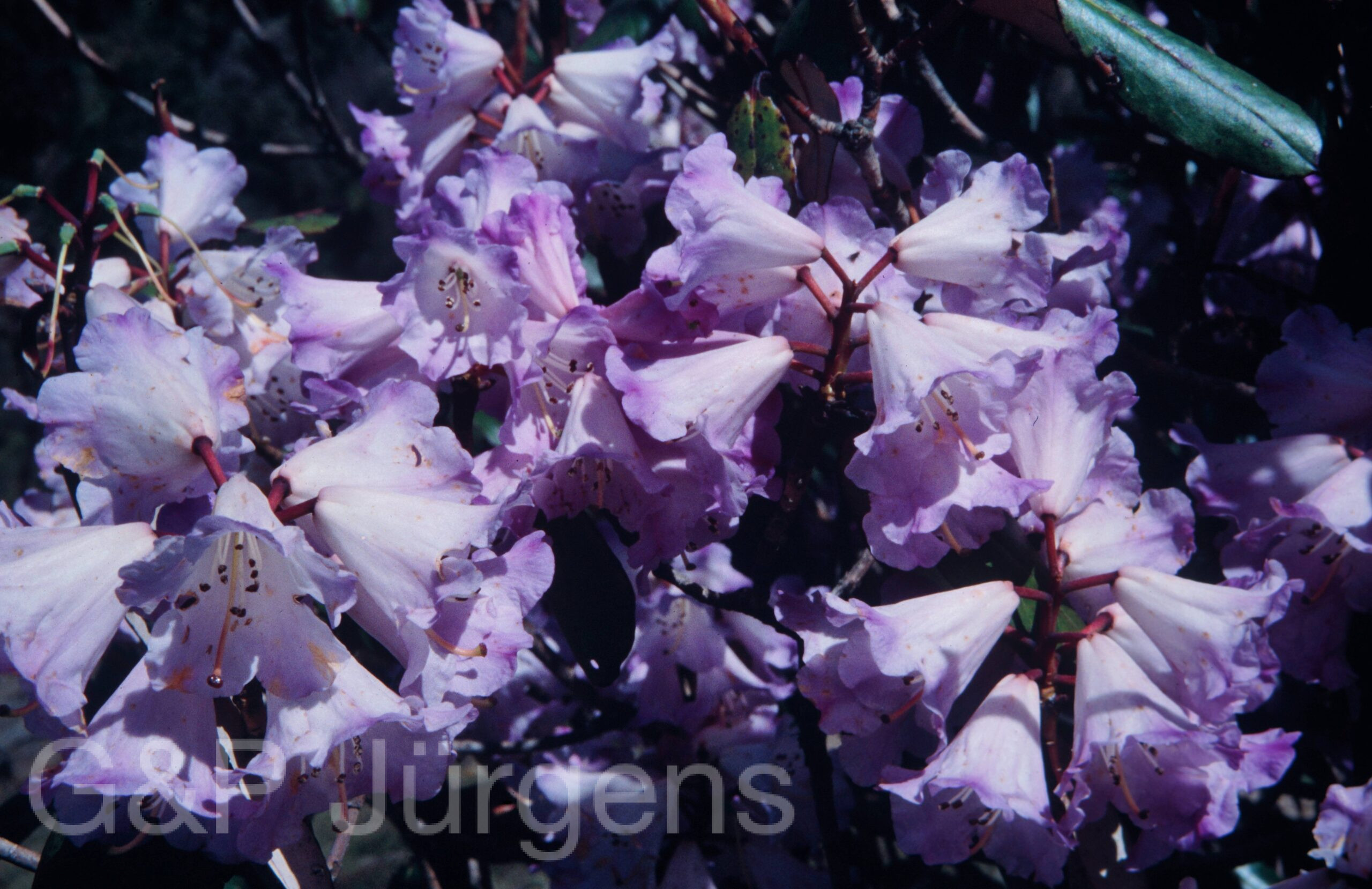
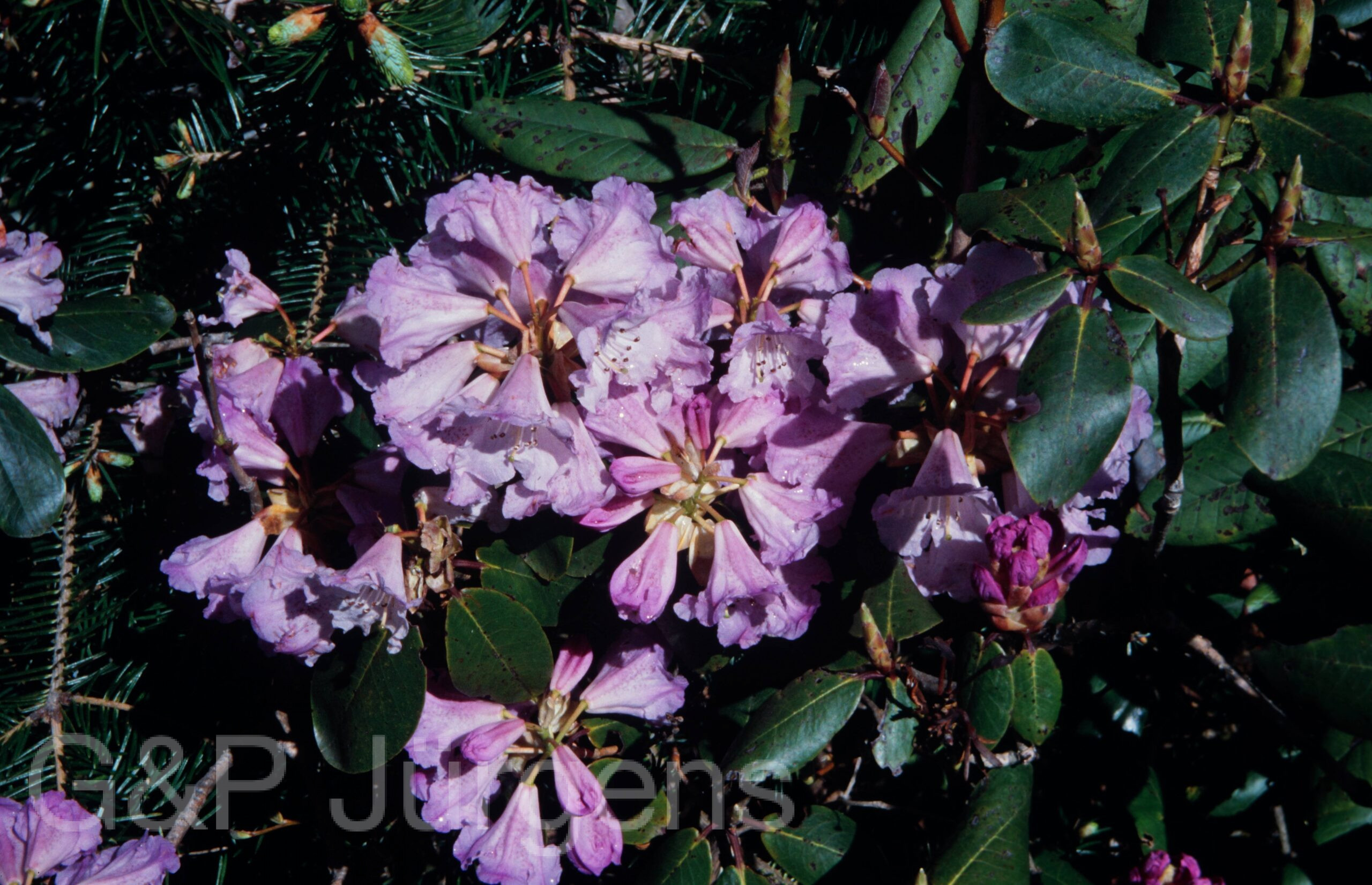
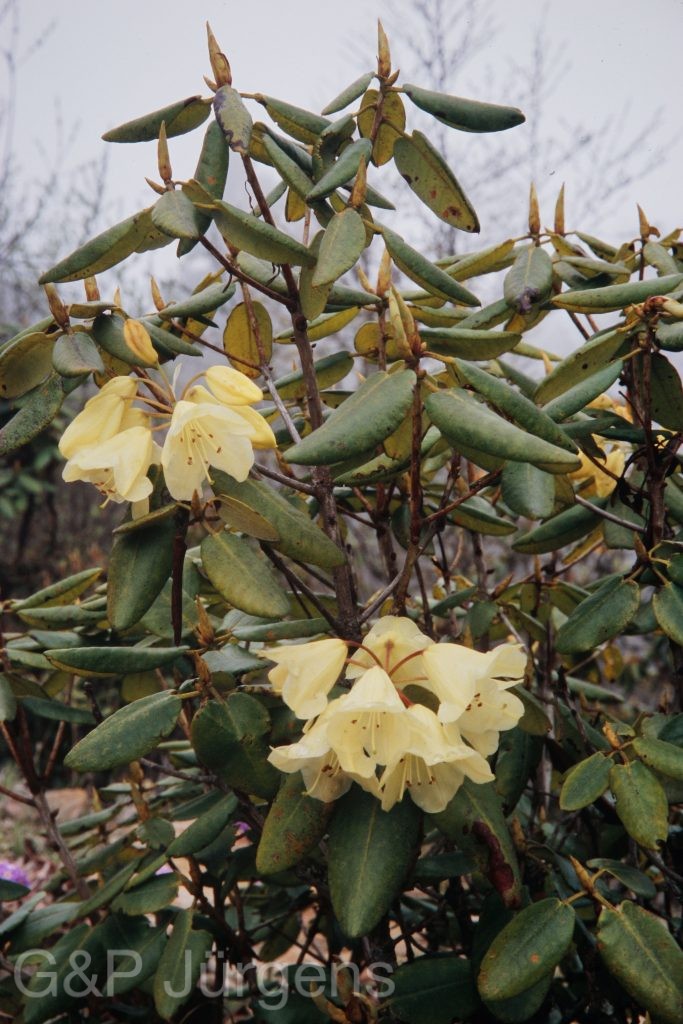
It is a low, much-branched, evergreen shrub usually under 1 m tall, with young shoots bearing peltate scales. The small, alternate, leathery leaves are elliptic to ovate, aromatic when crushed, densely brown-scaly (lepidote) beneath and with a slightly recurved margin. The flowers are borne in compact terminal clusters; each has a narrowly tubular corolla, white to pale pink or cream, with a short spreading limb of five lobes and a hairy throat, and characteristically only five to ten included stamens. The fruit is a small, scaly, dehiscent capsule releasing minute seeds.
Rhododendron anthopogon is the type of subsection Pogonanthum within section Rhododendron (the lepidote rhododendrons), a group of aromatic, scaly, tubular-flowered dwarf alpines centred on the Himalaya and western China. Its foliage is rich in essential oils and is harvested as the incense and herbal medicine sunpati. Widespread and often locally abundant across the high Himalaya, it is assessed as Least Concern, functioning as a key soil-stabilising and structural component of alpine heath ecosystems.
Author: D. Don · Sources: POWO (Kew), GBIF, Flora of Bhutan, The Rhododendrons of Sikkim-Himalaya, Annotated Checklist of the Flowering Plants of Nepal, Cullen revision of lepidote Rhododendron