(G.Don) Griseb.
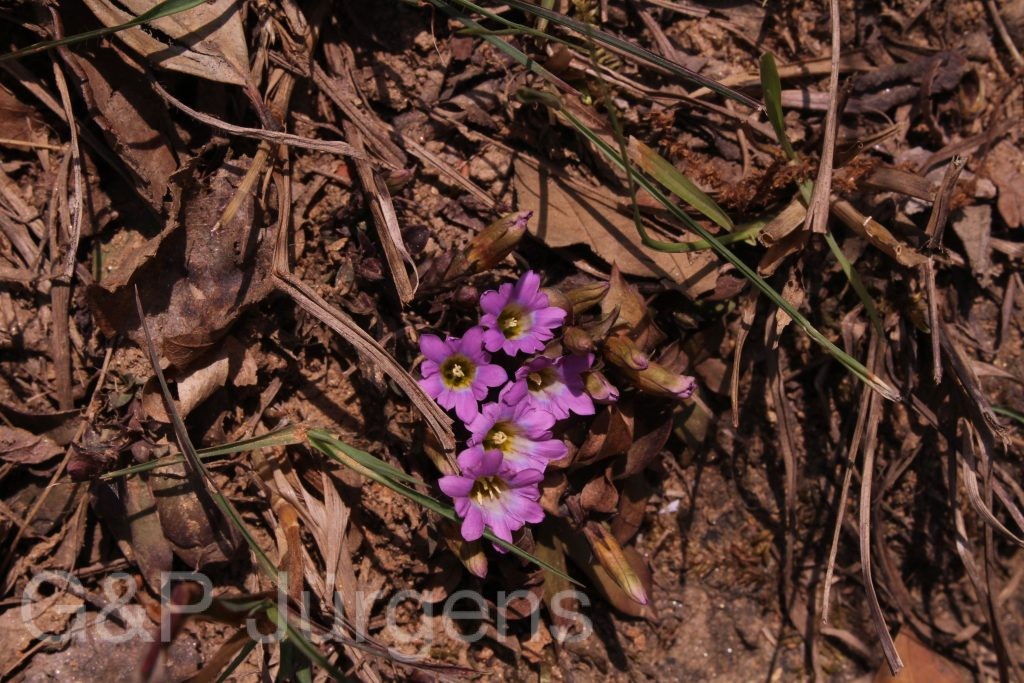
Description
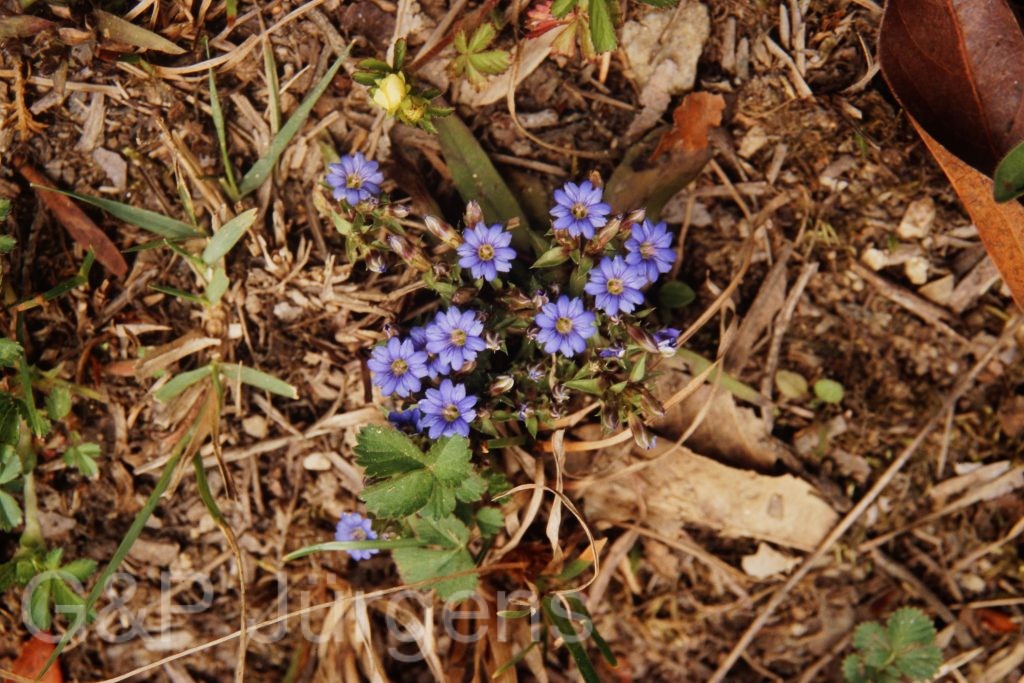
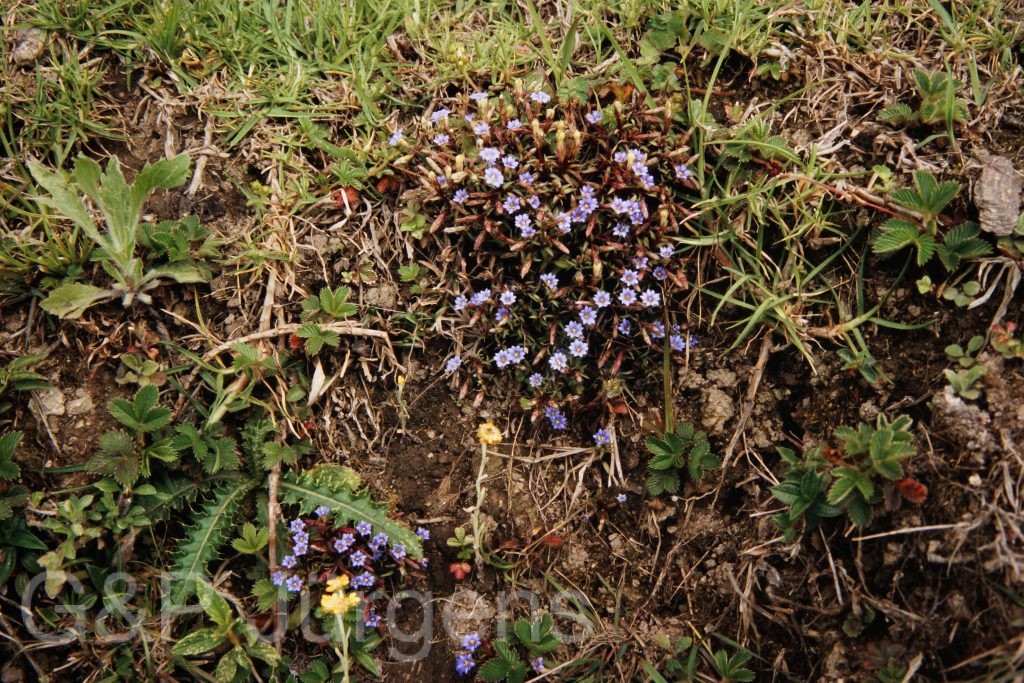
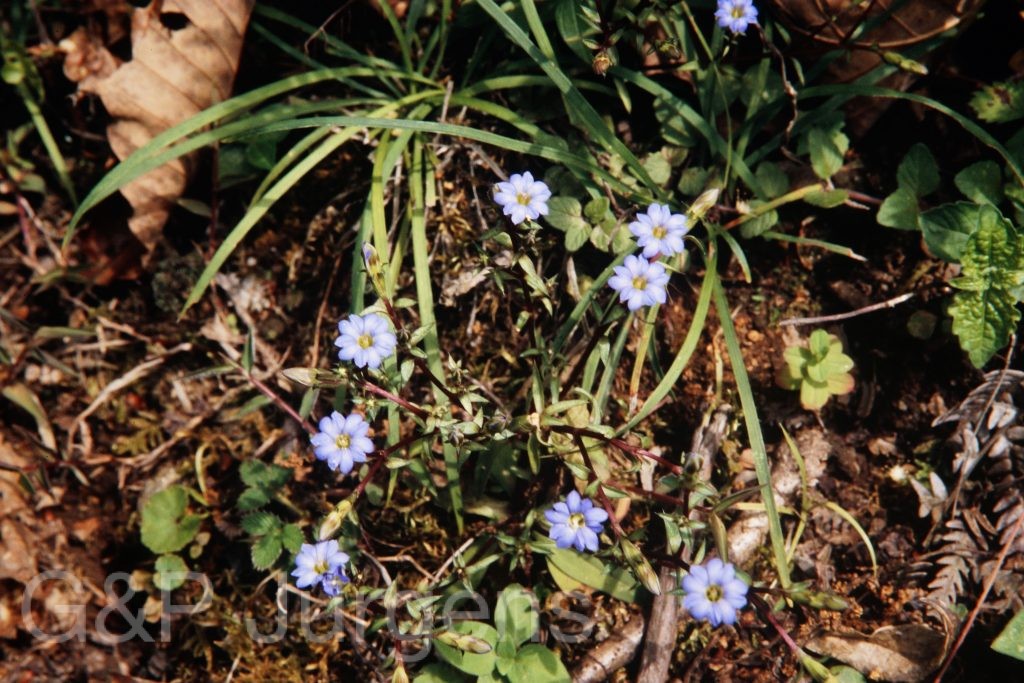
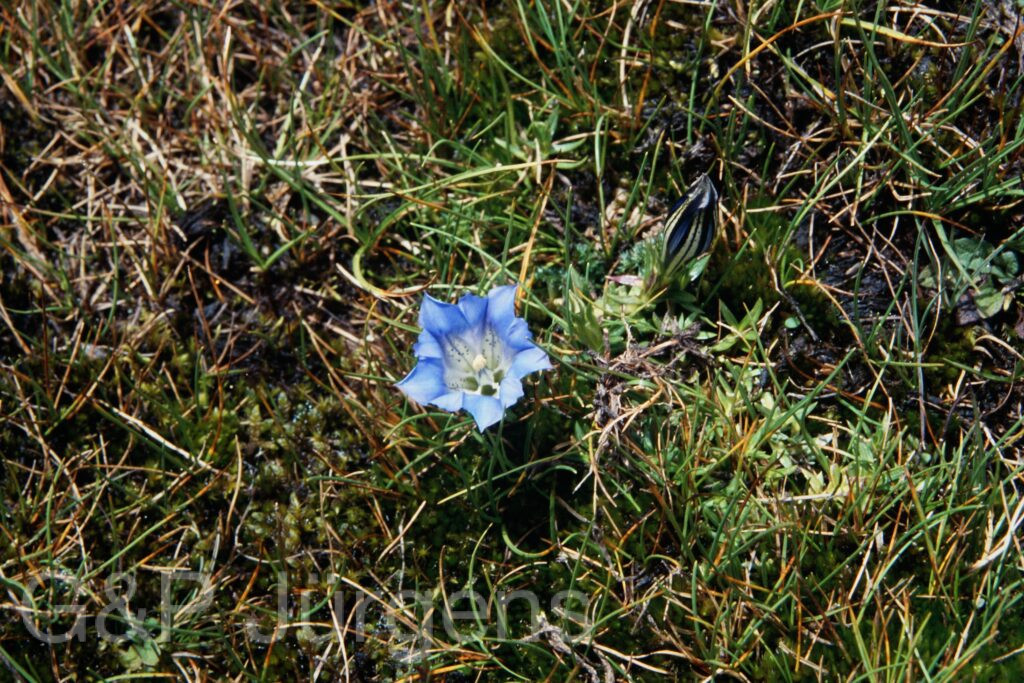
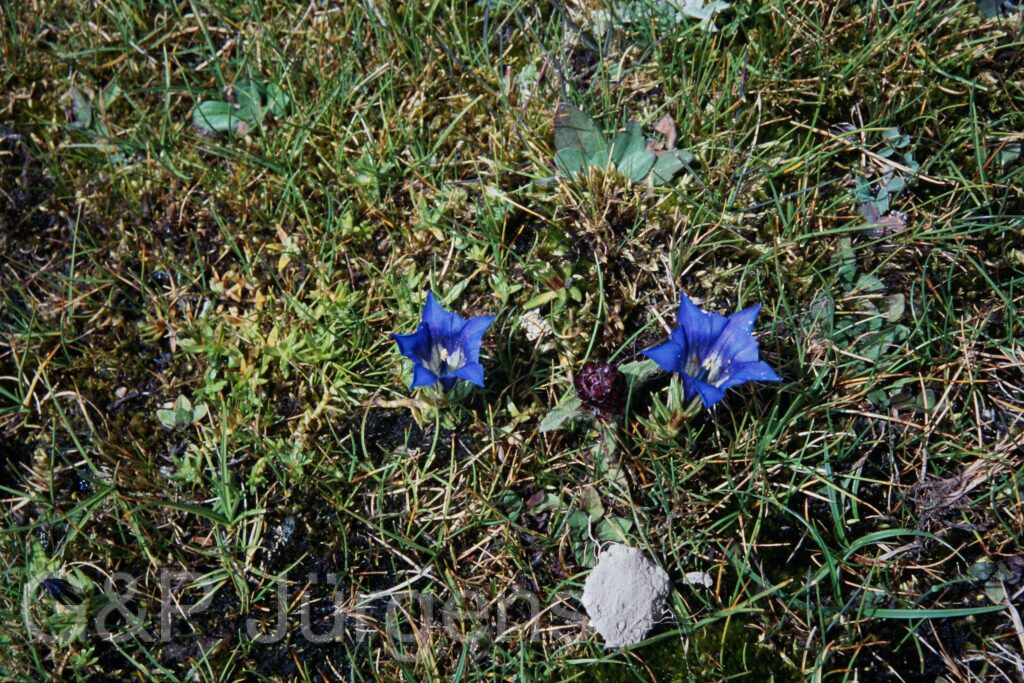
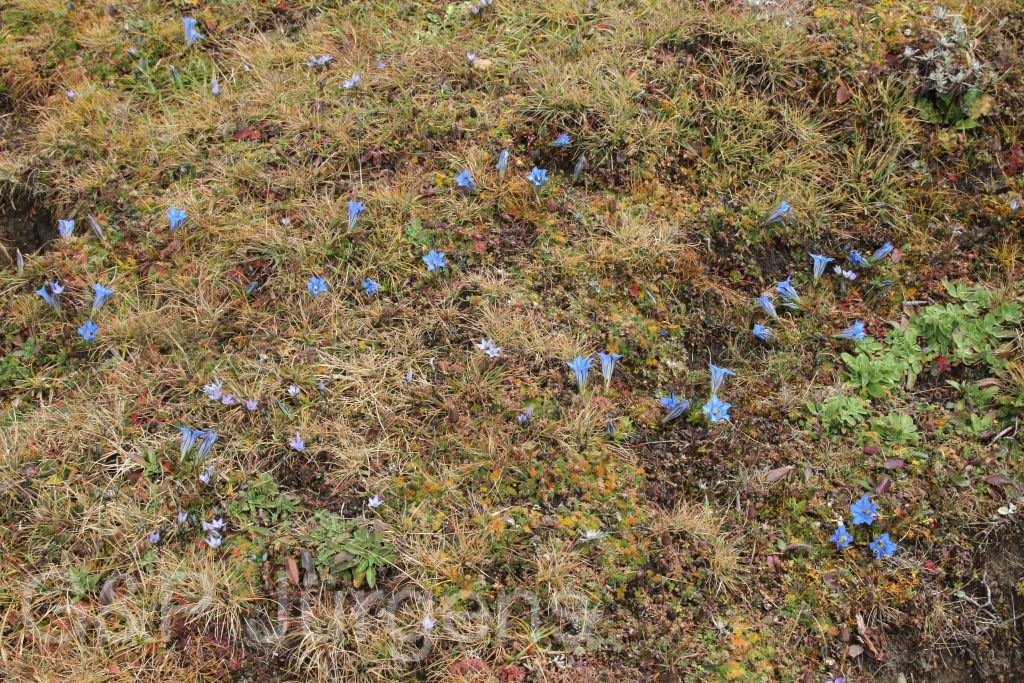
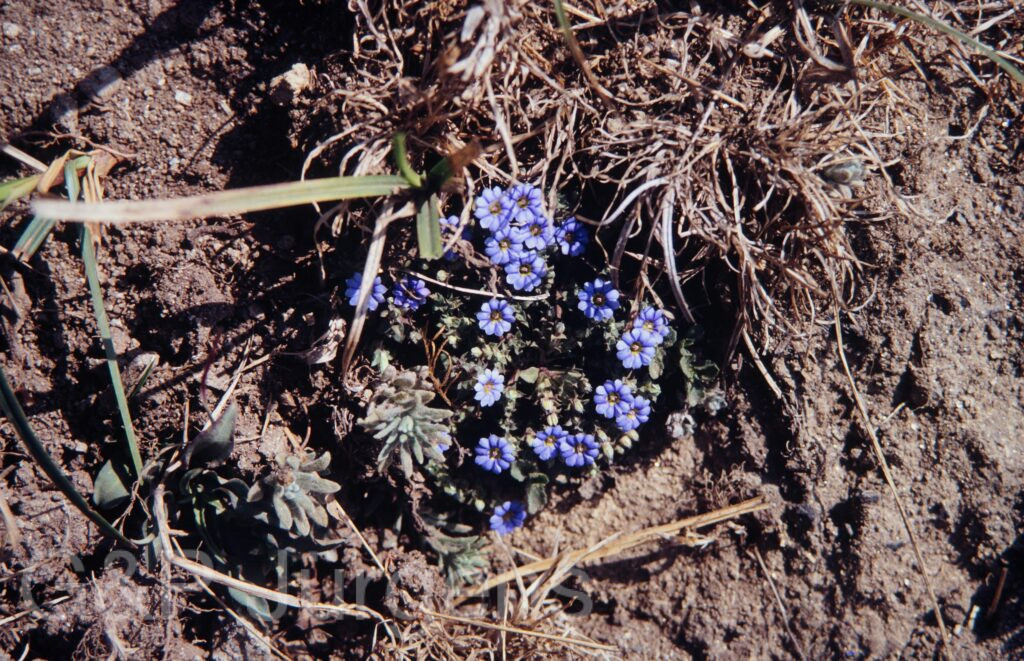
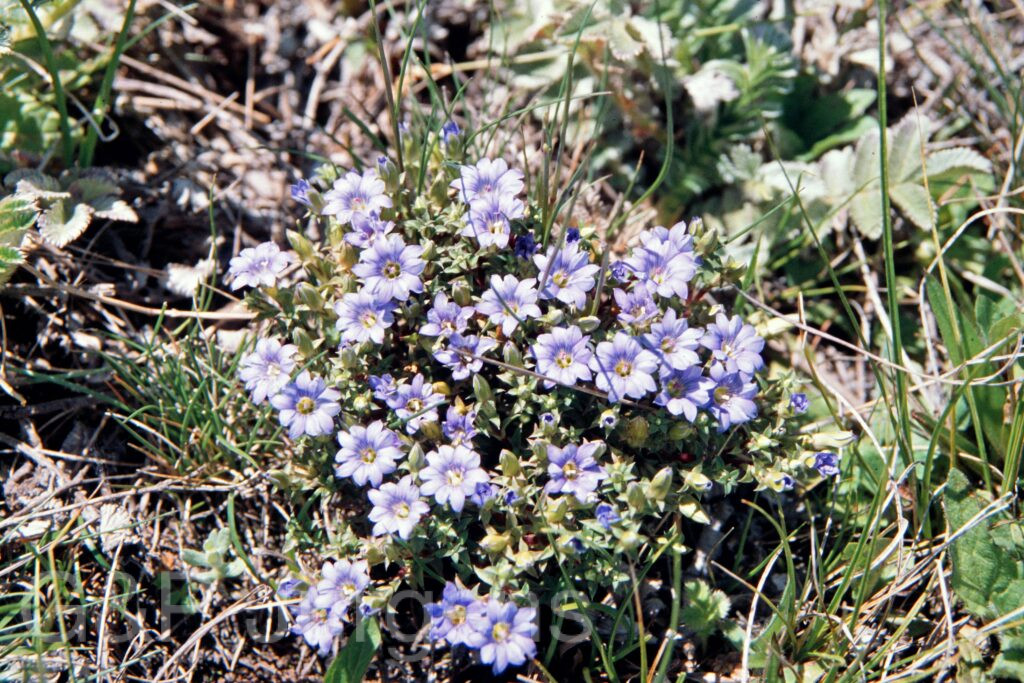
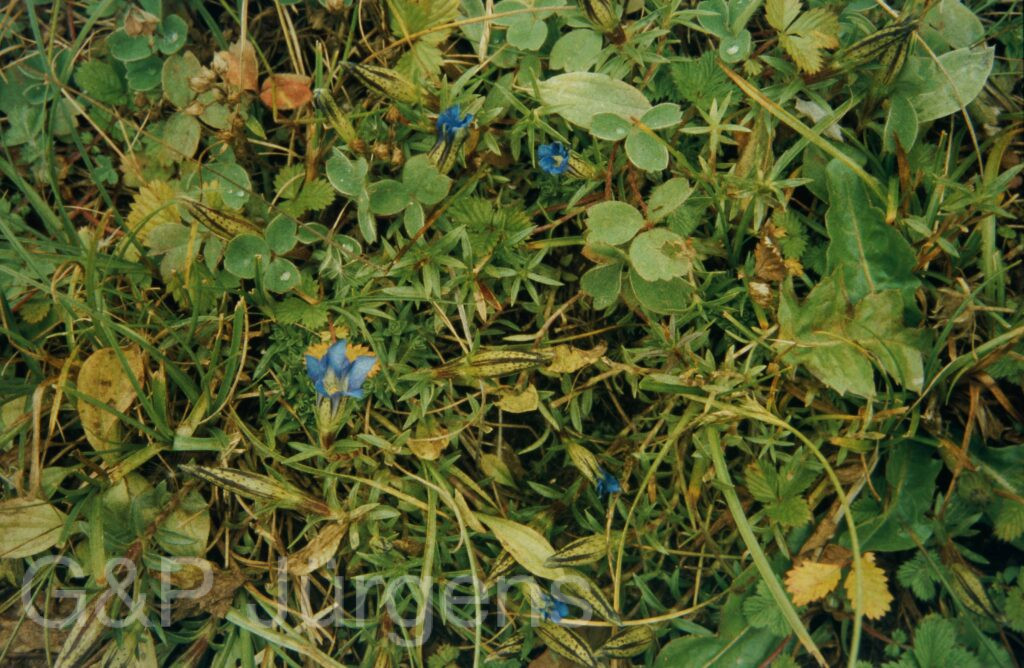
Gentiana loureiroi is a small Asian gentian distributed from China and Hong Kong through Thailand, Laos, Vietnam and Myanmar to India and Bhutan, with more than 500 GBIF records making it one of the better-documented species in this account. It is a plant of open grassy places, pasture, roadside banks and moist montane meadows, generally in the lower and middle montane belt. The collection from Phobjika in central Bhutan at about 2900 m, flowering in May, typifies its occurrence in damp, short-turf glacial-valley grasslands where it appears early in the season among grazed sward.
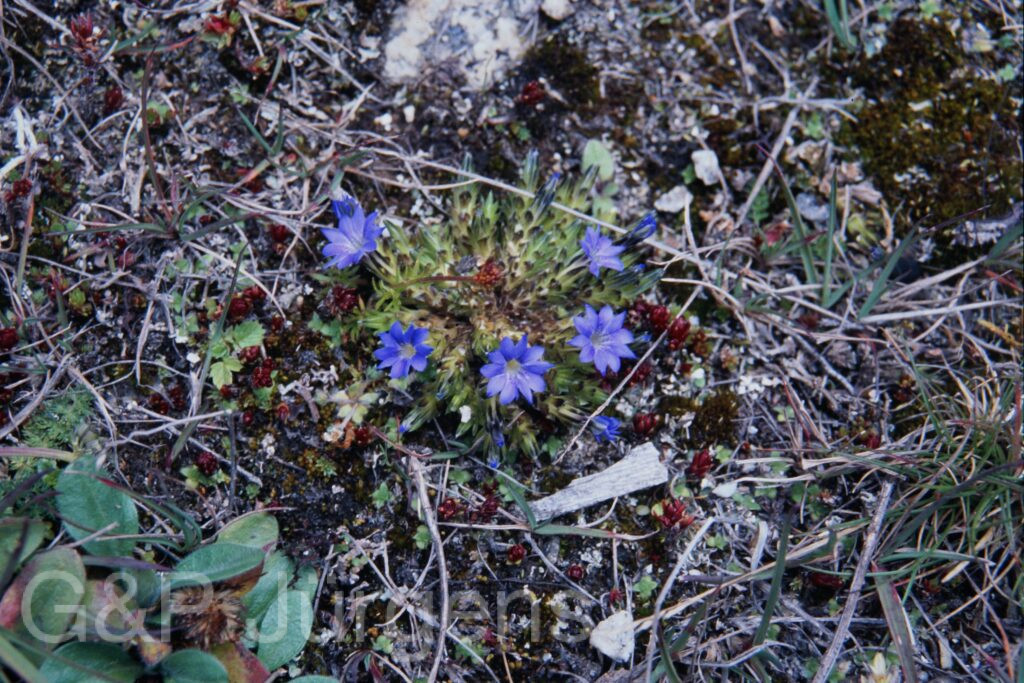
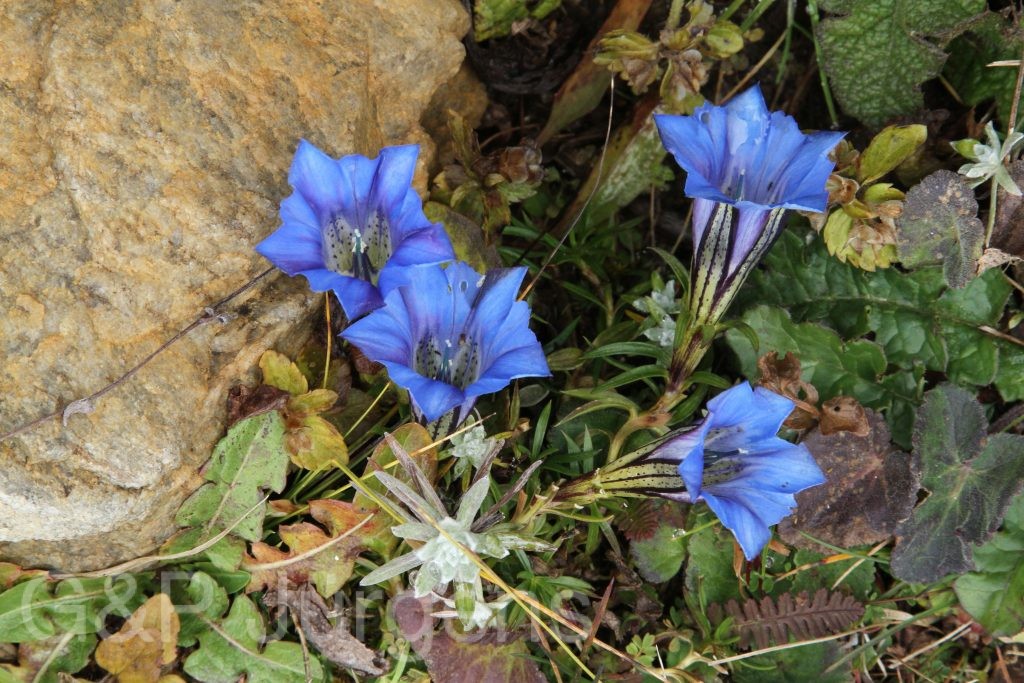
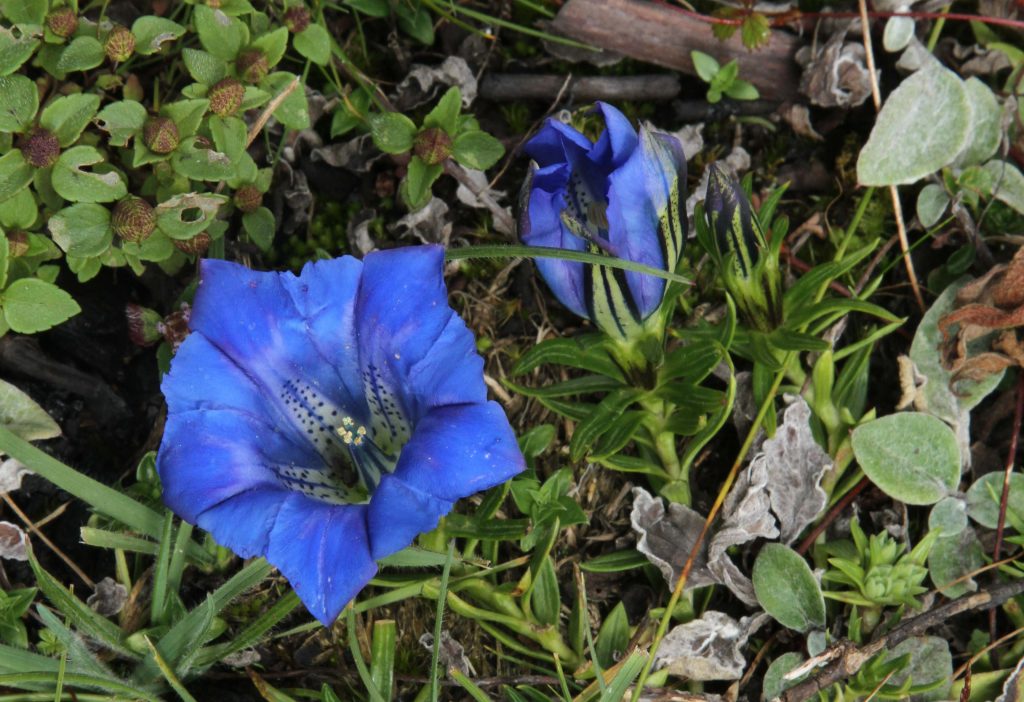
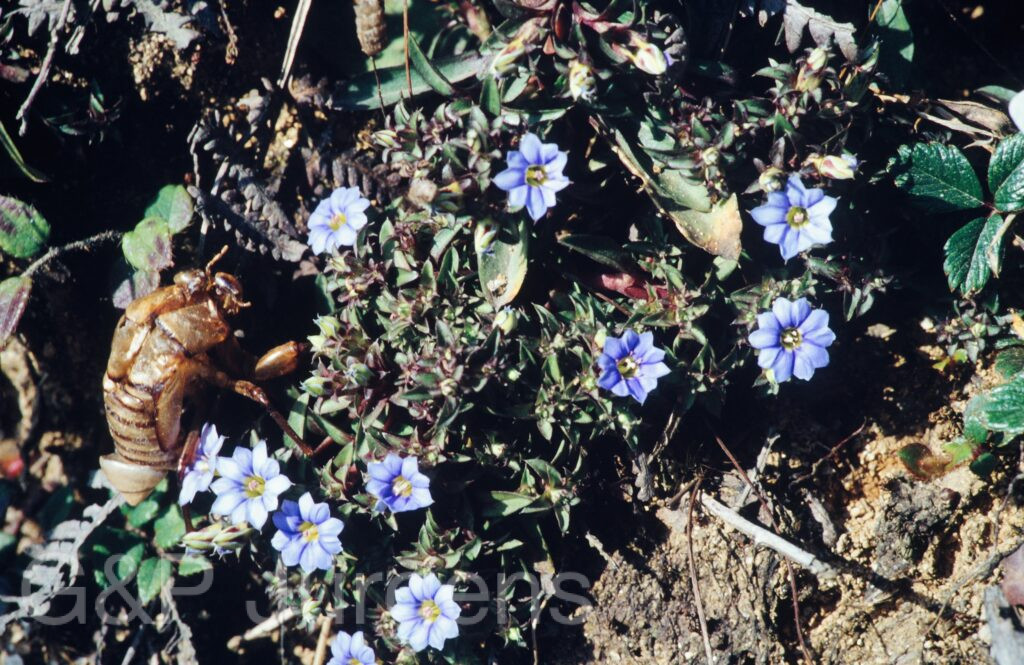
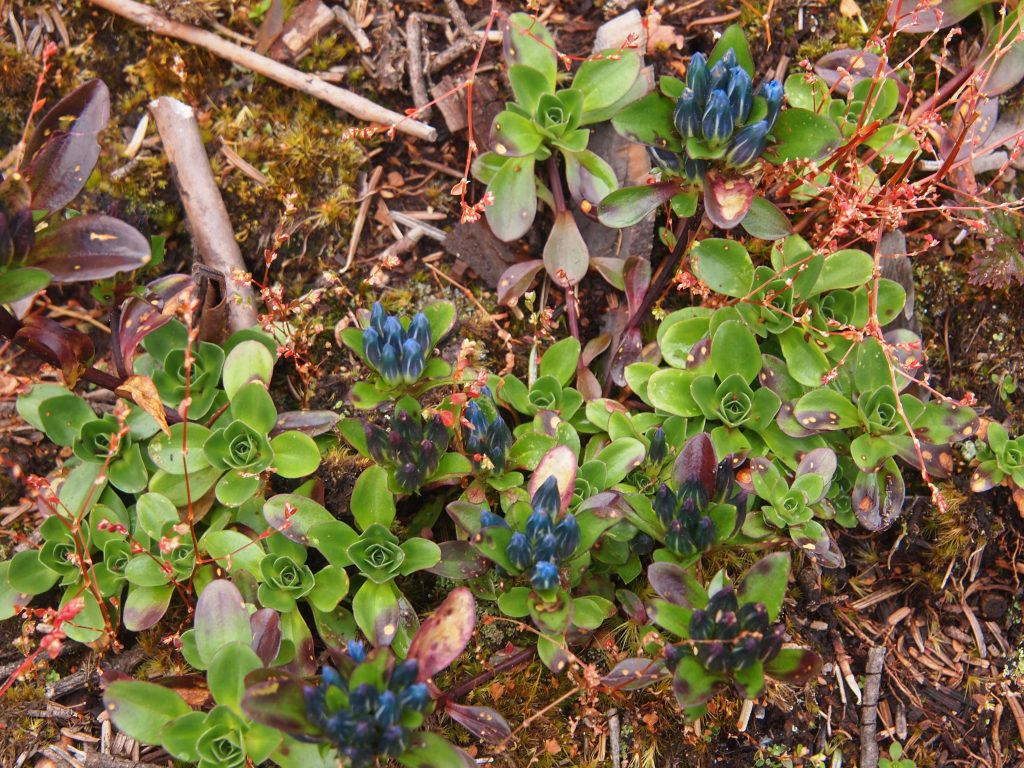
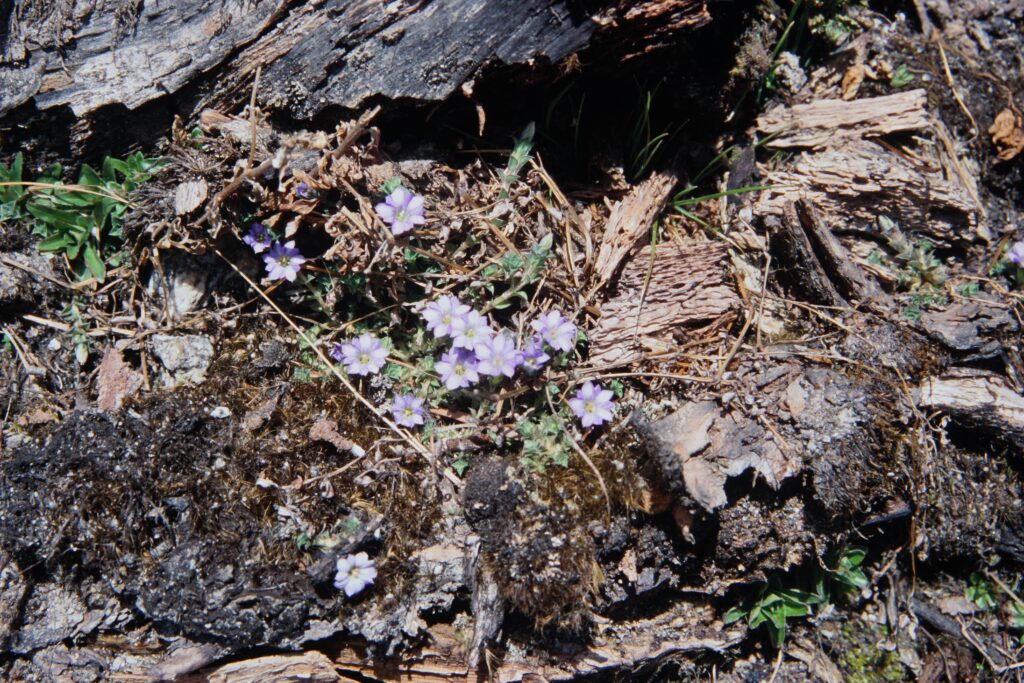
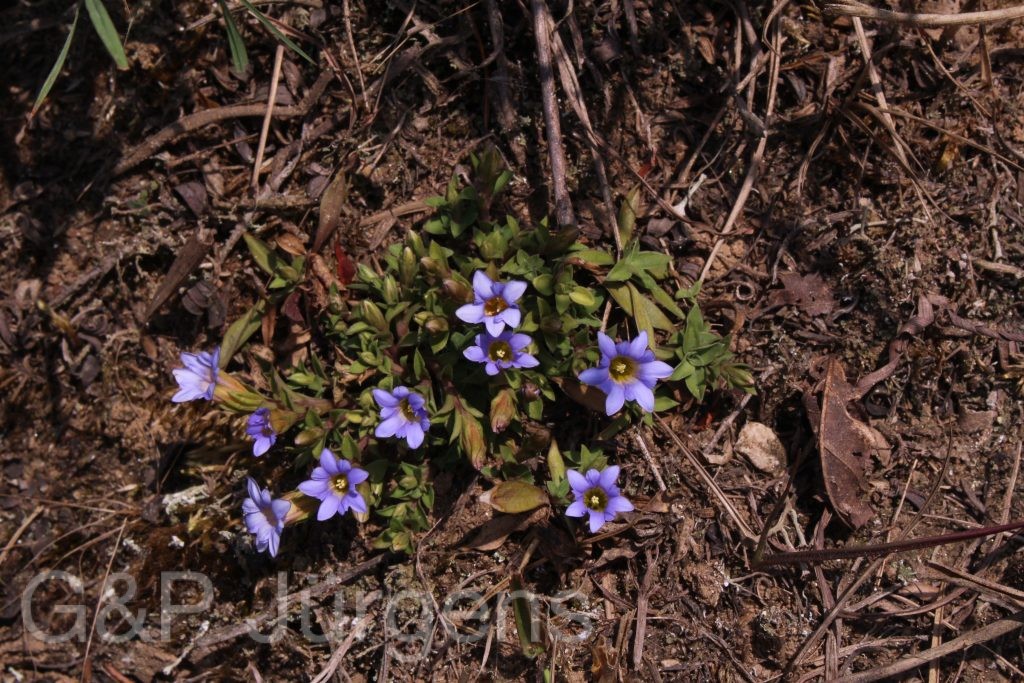
The plant is a low, slender annual or short-lived perennial with prostrate to ascending, often branched stems forming small mats or tufts. The leaves are small, opposite, ovate to elliptic, sessile, with cartilaginous margins, the basal ones frequently forming a loose rosette. The flowers are solitary and terminal on the branchlets, with a tubular calyx of five lobes and a funnelform to salverform corolla that is typically blue to violet-blue, the five spreading lobes alternating with smaller plicate folds in the sinuses. The fruit is a stipitate capsule projecting from the withered corolla and releasing numerous minute seeds.
Described by G. Don and combined in Gentiana by Grisebach, G. loureiroi belongs to the largely small-flowered annual section of the genus characteristic of disturbed and grazed montane grassland. Its wide geographic and elevational range, tolerance of human-modified habitats and prolific seed production make it ecologically resilient and of least conservation concern across its extensive distribution.
Author: (G.Don) Griseb. · Sources: POWO (Kew), GBIF, Flora of China, Flora of Bhutan, Ho & Pringle's account of Gentiana