Wall. & Griff. ex C.B.Clarke
Description
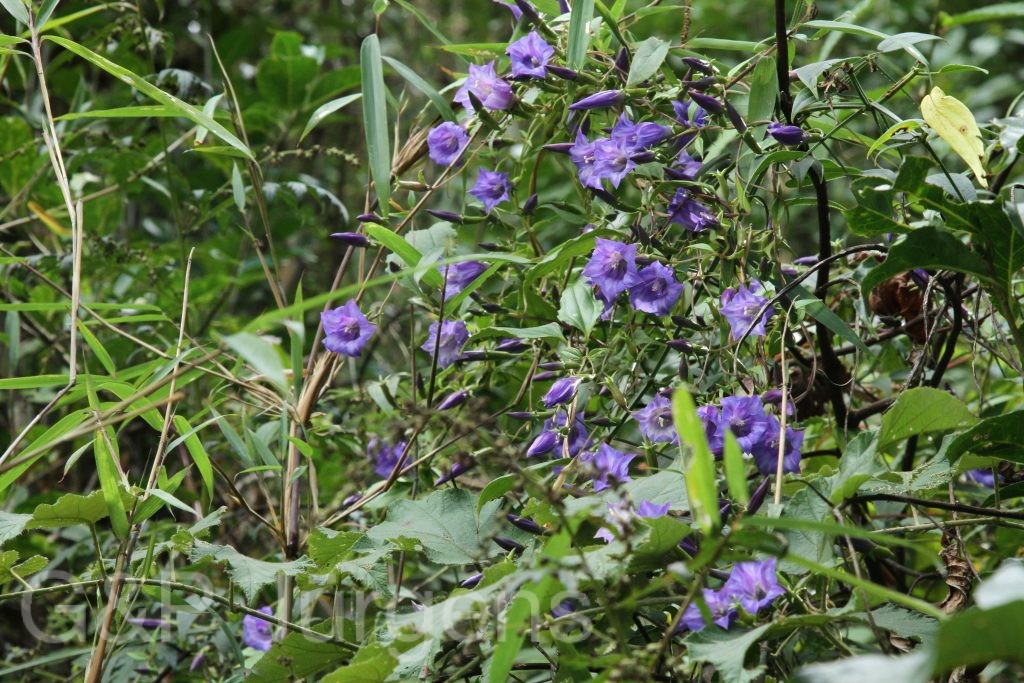
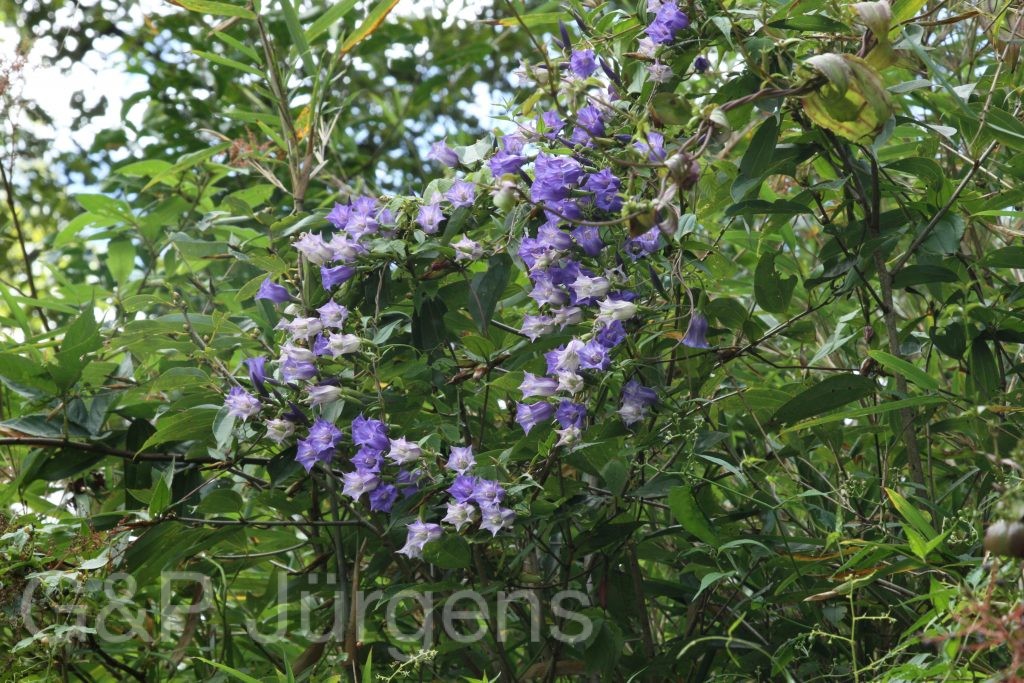
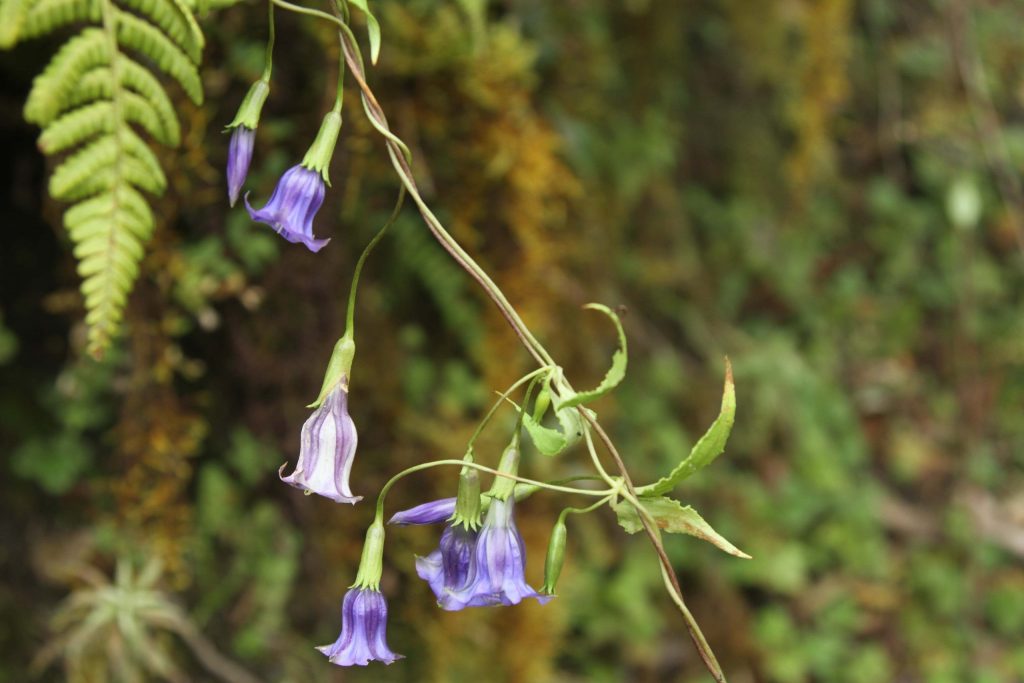
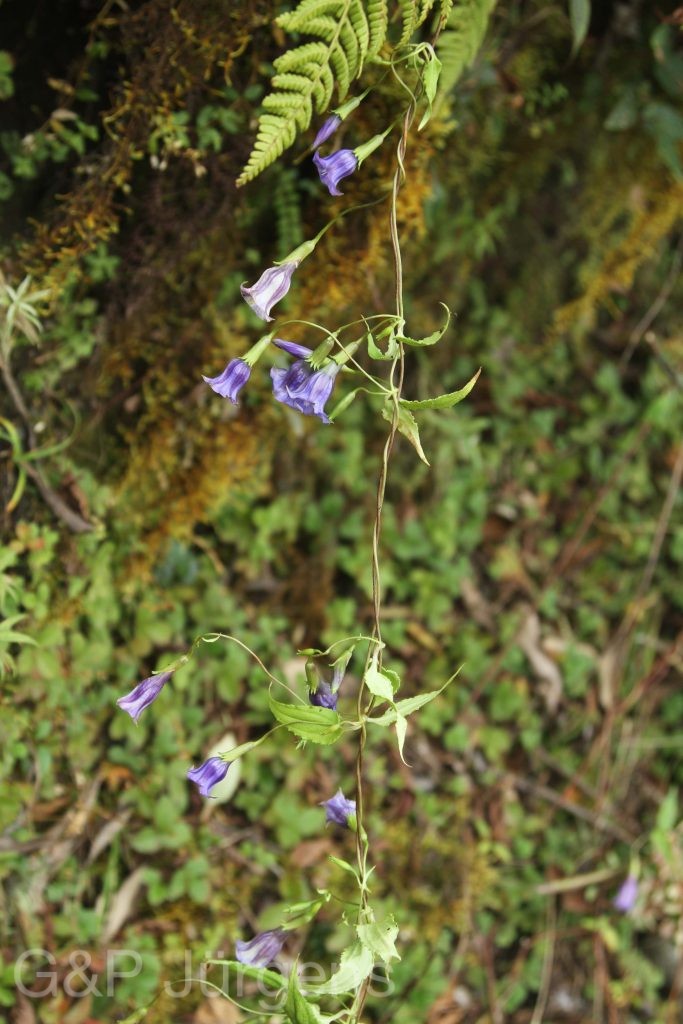
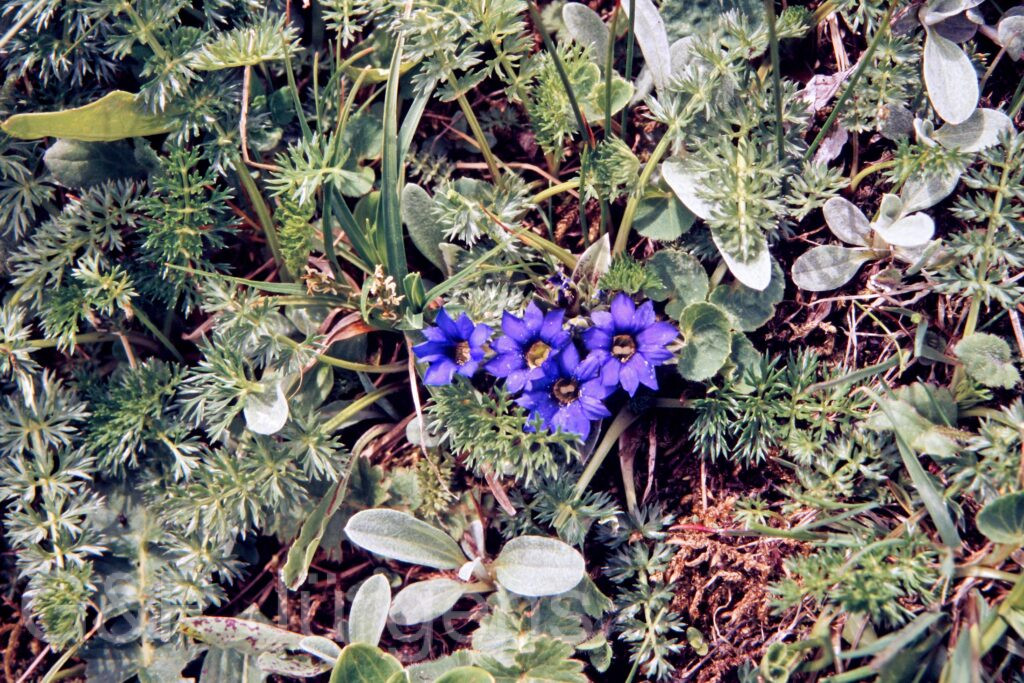
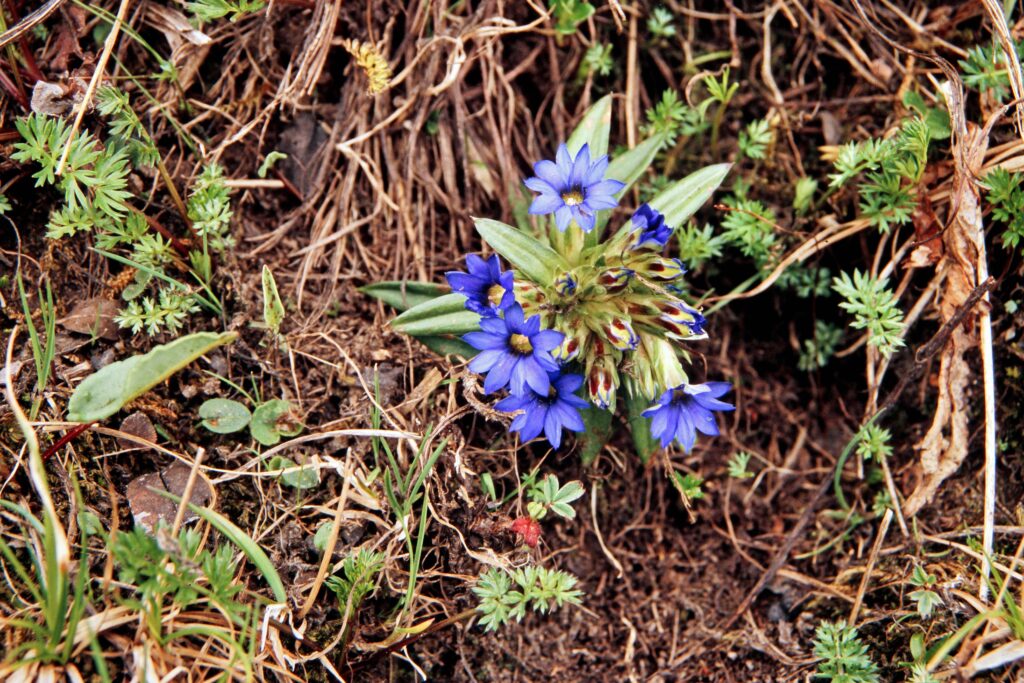
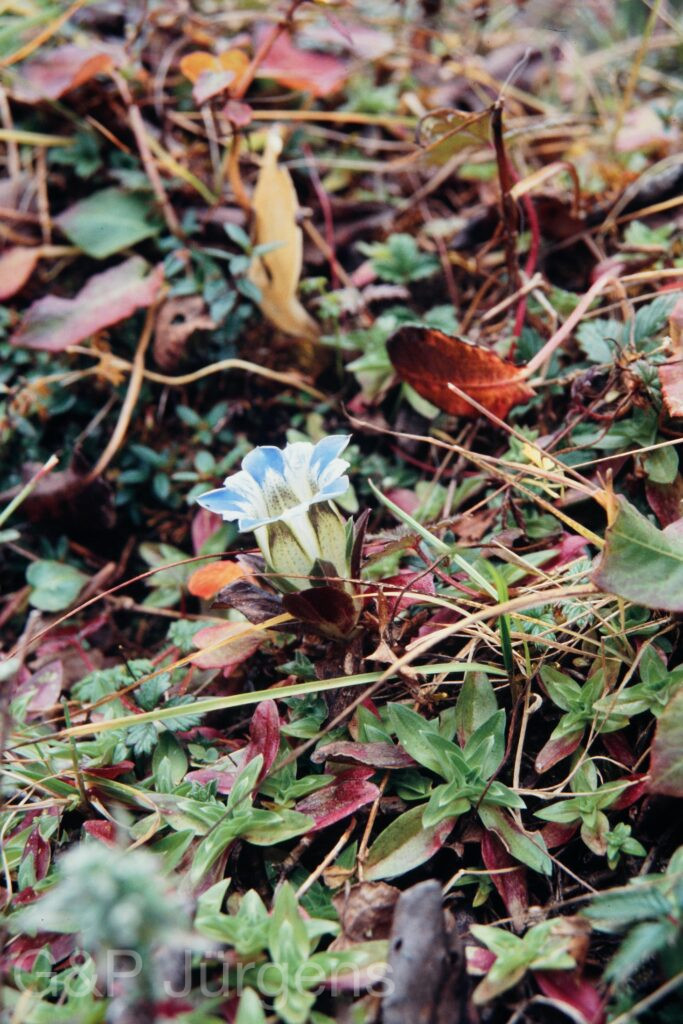
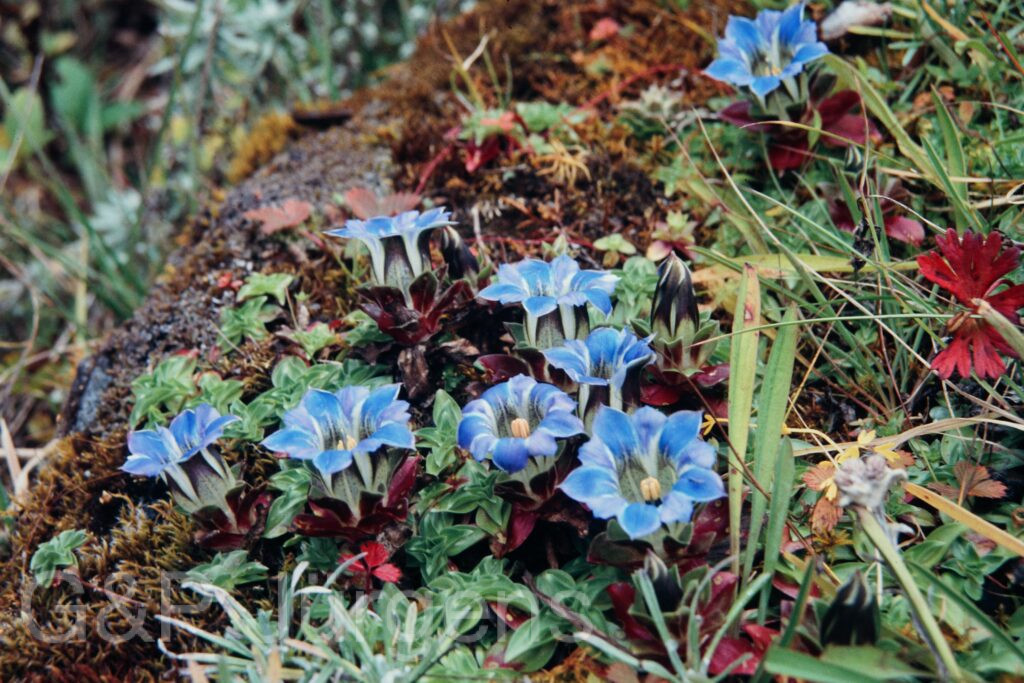
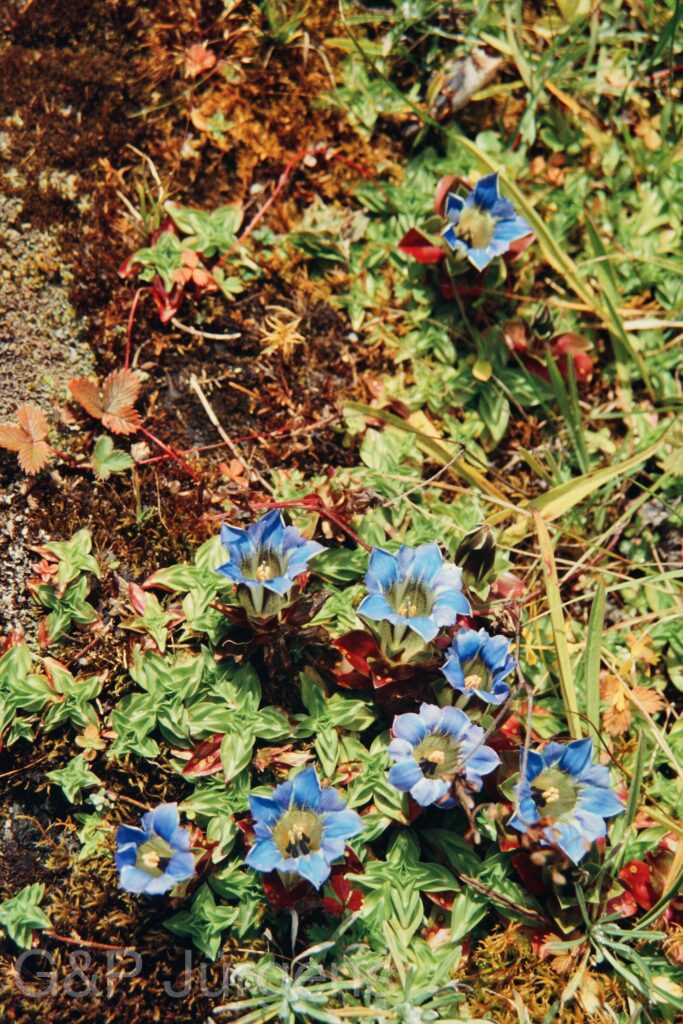
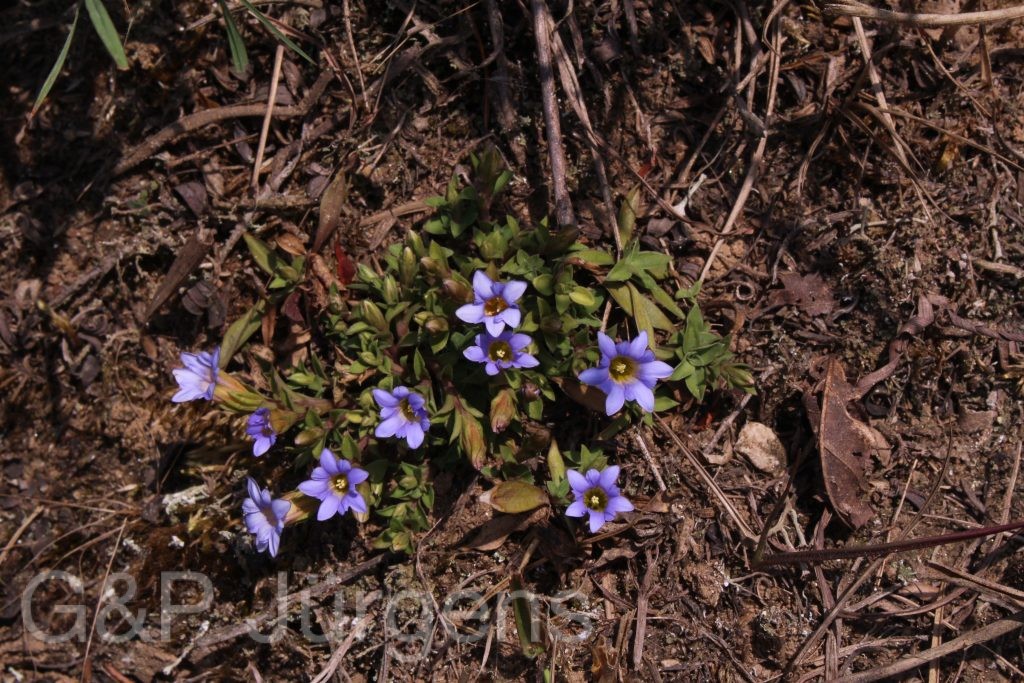
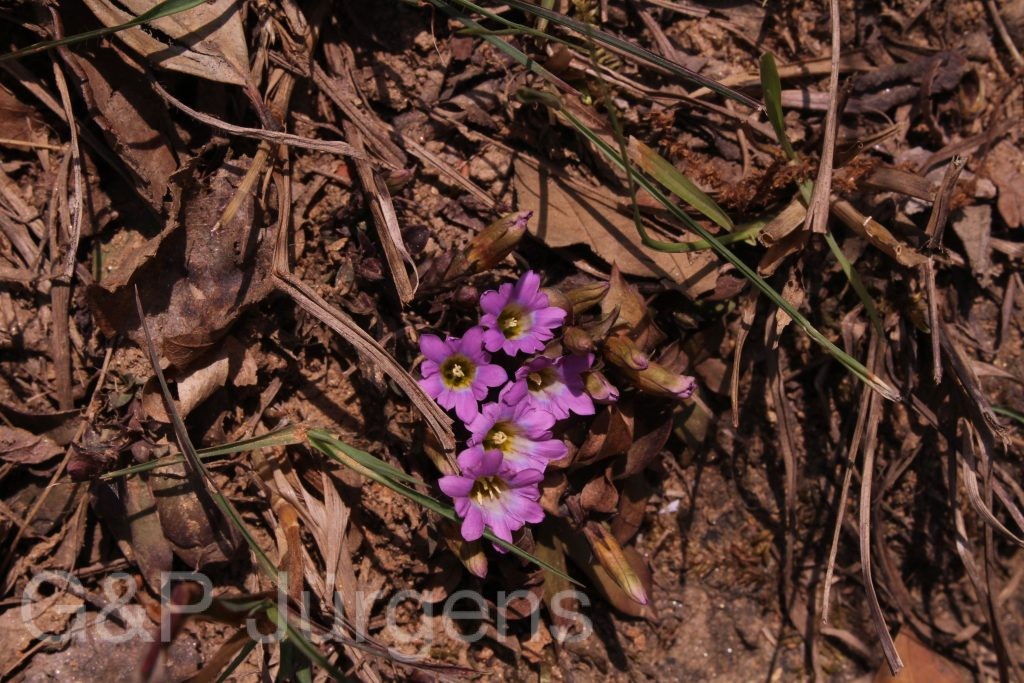
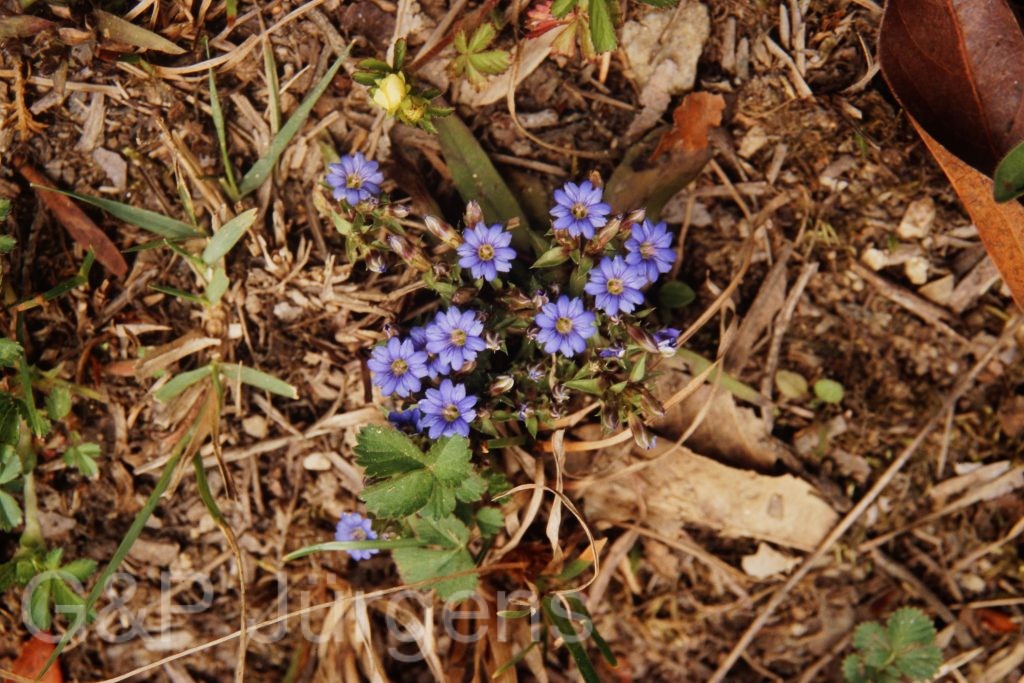
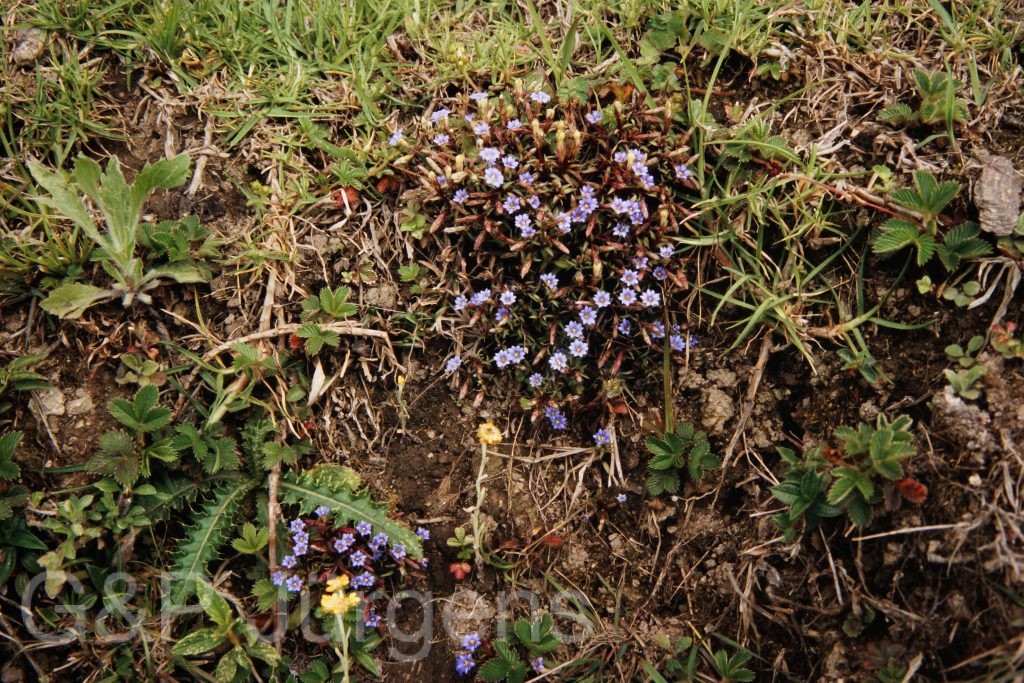
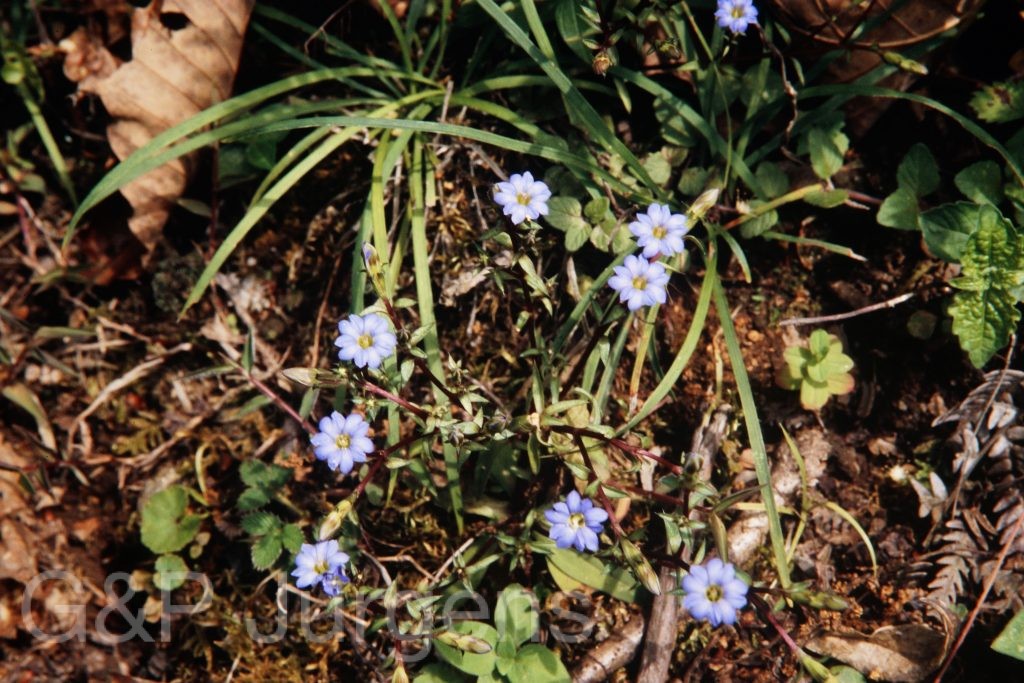
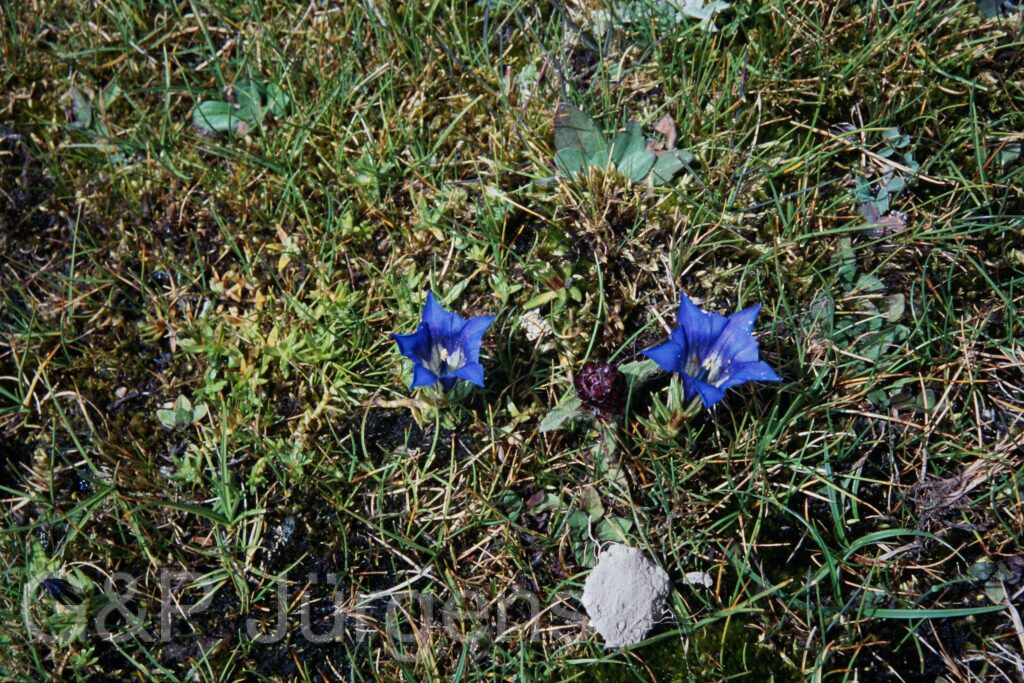
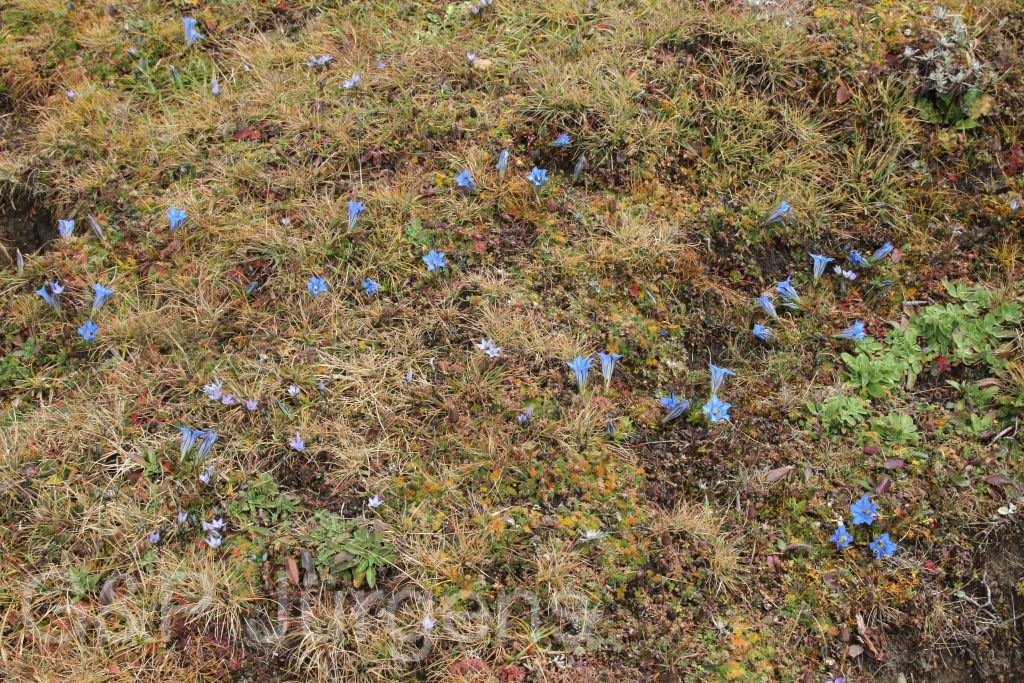
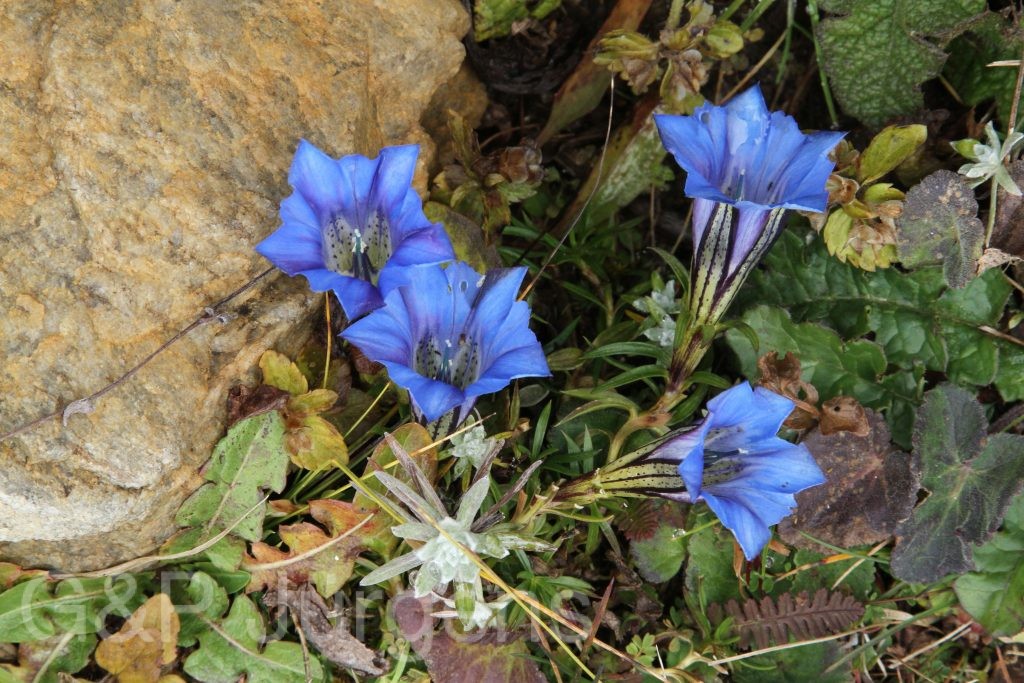
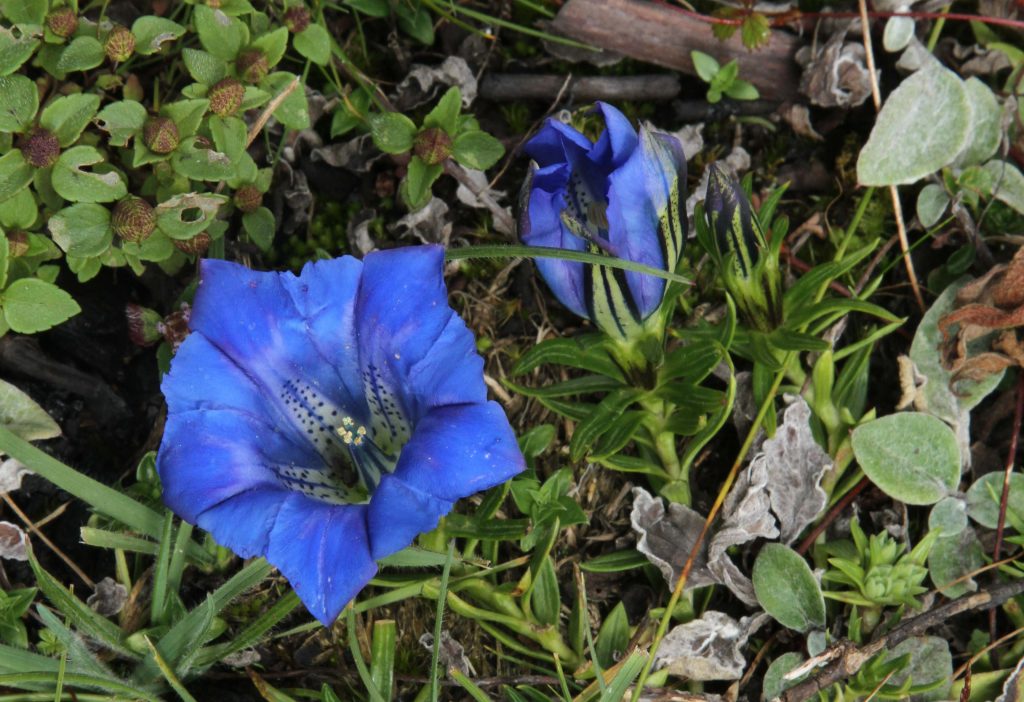
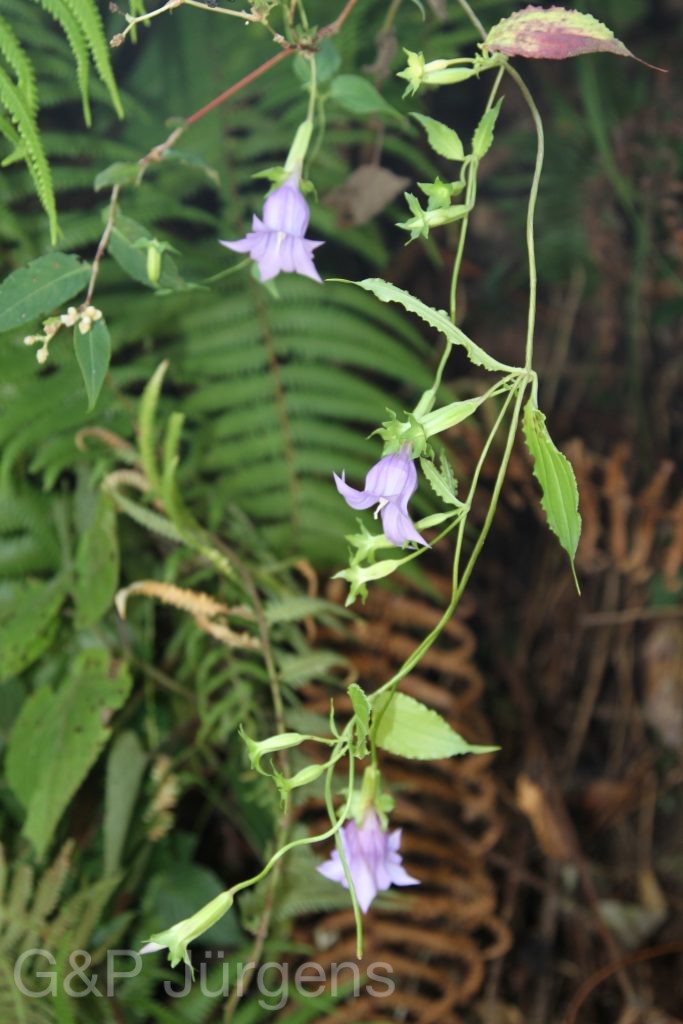
Crawfurdia campanulacea is a twining gentian of the eastern Himalaya and adjacent China, distributed from north-eastern India through Bhutan and Bangladesh into Myanmar, Vietnam and south-western China; its roughly 220 georeferenced occurrences (CN, IN, MM, BD, BT, VN) mark it as a regional element of the moist subtropical-to-temperate forest belt. It is a climbing herb of forest margins, thickets, shaded slopes and stream banks, generally between about 1500 and 2800 m, flowering in the autumn. The plant photographed at Tashiyangtse in eastern Bhutan at 1850 m in October illustrates this late-season blooming within humid broad-leaved forest.
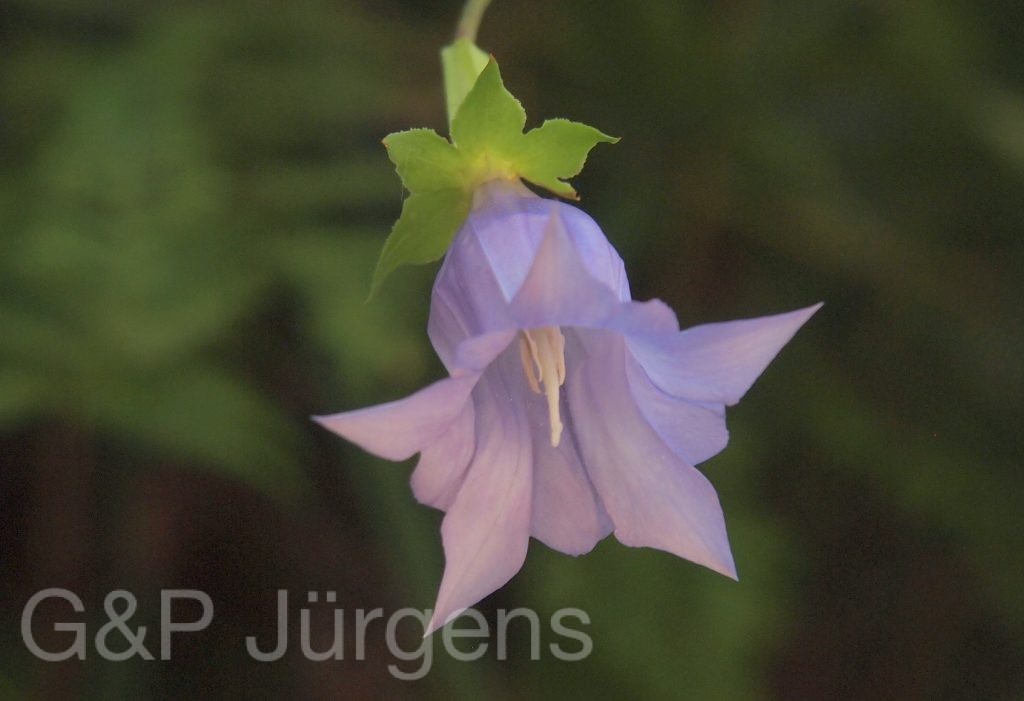
It is a perennial herbaceous climber with slender, twining stems scrambling over surrounding vegetation. The leaves are opposite, ovate to ovate-lanceolate, acuminate, three- to five-nerved and short-petiolate, with entire margins. The conspicuous flowers are solitary or few in the upper axils, the corolla broadly campanulate (bell-shaped, as the epithet records), bluish-purple to violet, with five lobes and small plicate folds in the sinuses typical of the gentian alliance; there are five epipetalous stamens and a superior, stalked (stipitate) ovary. The fruit is a stipitate, ellipsoid capsule containing numerous small, flattened and often winged seeds.
Crawfurdia is a small Asian genus closely allied to Gentiana and Tripterospermum, distinguished by its twining habit and stipitate, winged-seeded capsules; some authors have submerged it within those genera, and its limits remain debated. Adapted to scrambling through forest understorey, C. campanulacea depends on intact woodland and is not regarded as threatened, though it is restricted to undisturbed montane forest across its range.
Author: Wall. & Griff. ex C.B.Clarke · Sources: POWO (Kew), GBIF, Flora of China, Flora of Bhutan, Flora of India, Ho & Pringle's treatment of Gentianaceae