Gentianaceae

(D.Don) Wall.

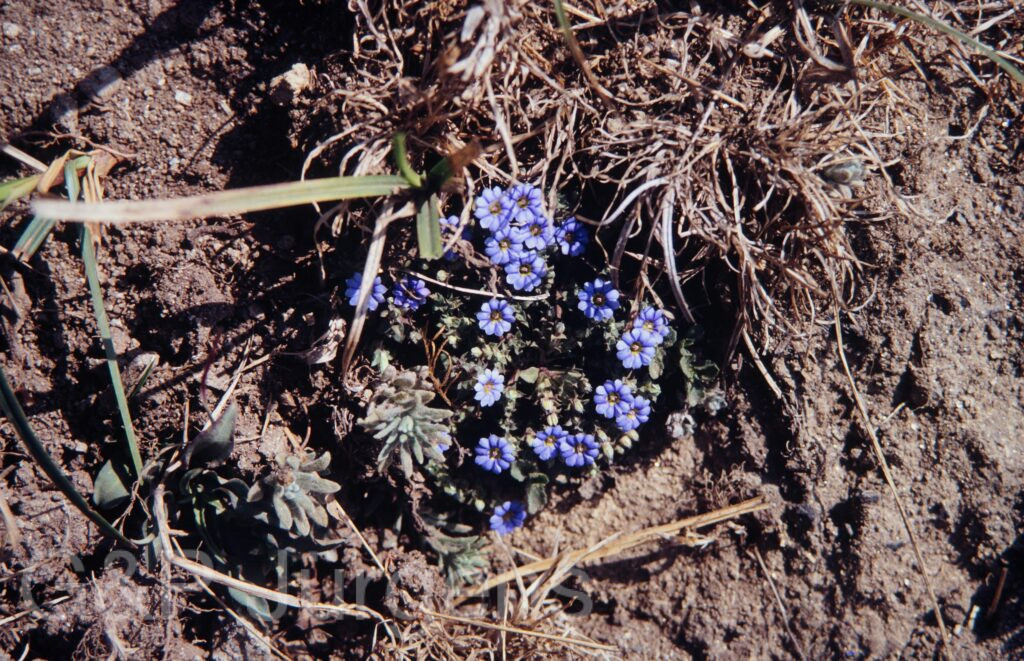
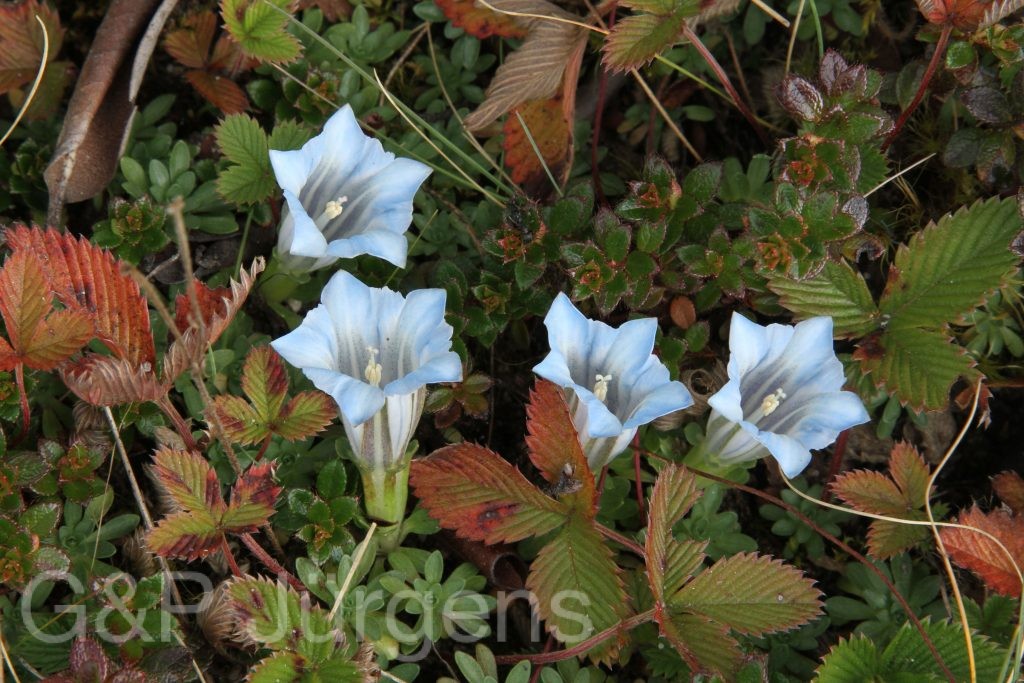
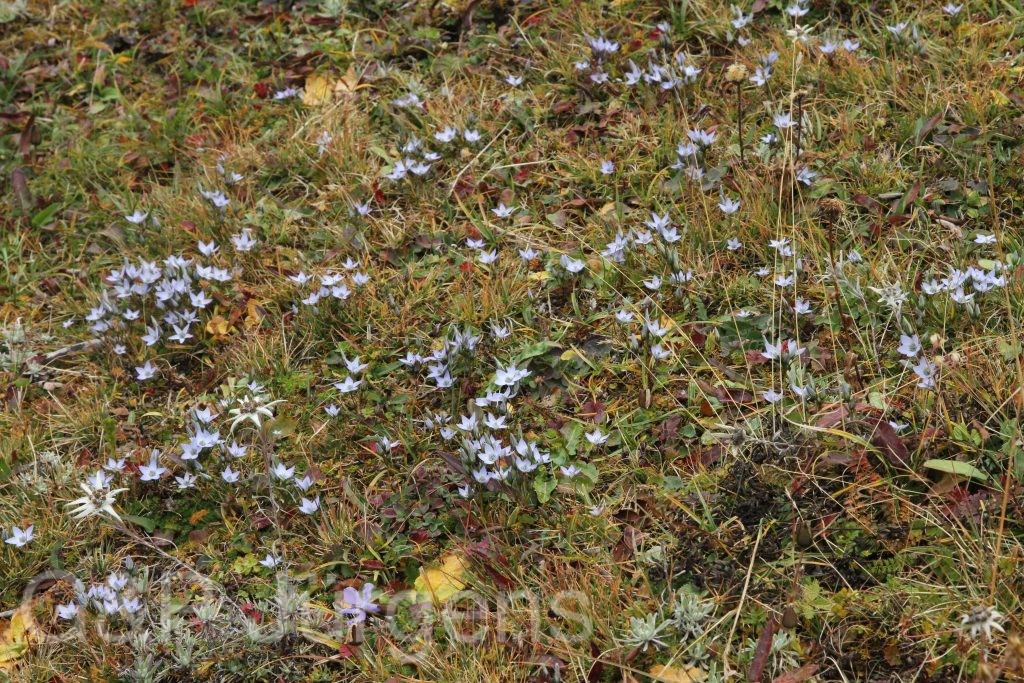
Nepal 1994 80 ergebnis
Ost-Nepal Jaljale Himal
2900m April
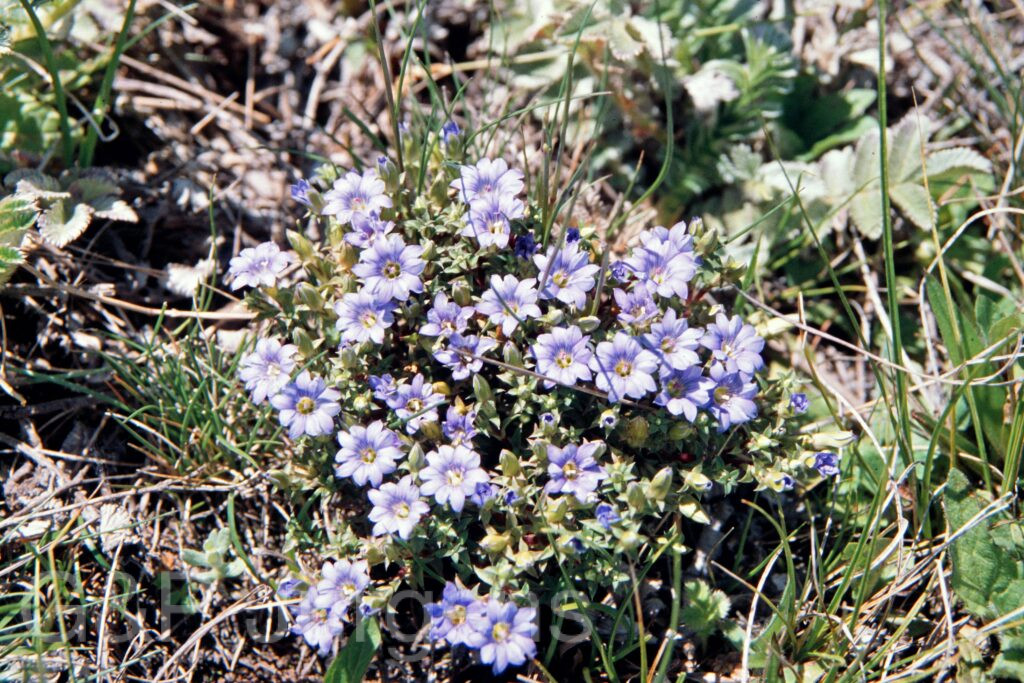
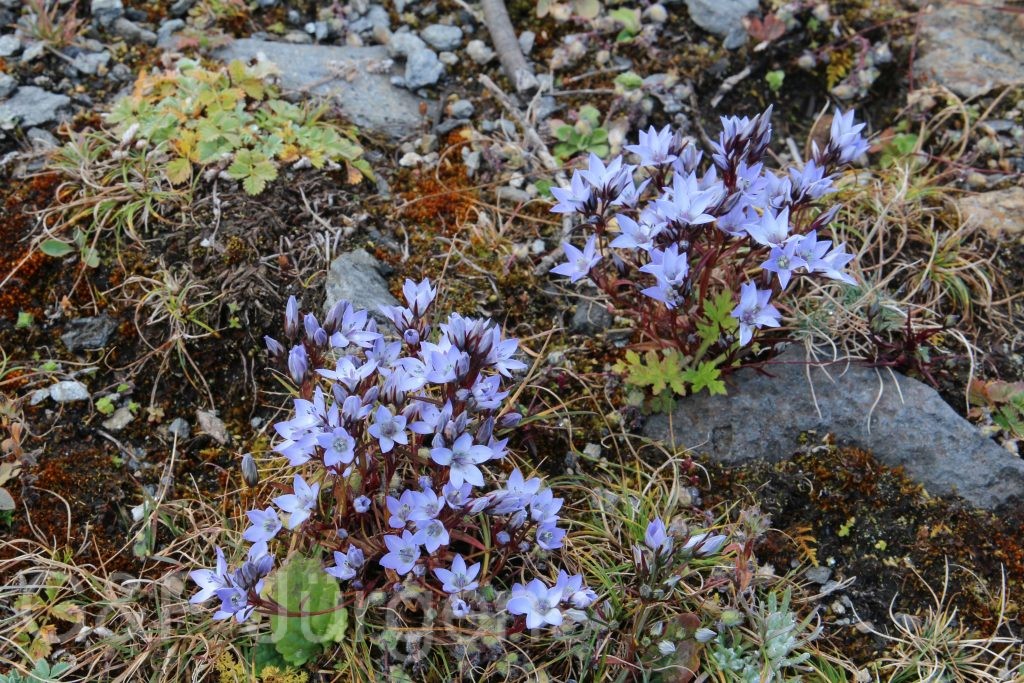
Nepal1992 43 W61 ergebnis
Nepal Nundhaki 1600m March 
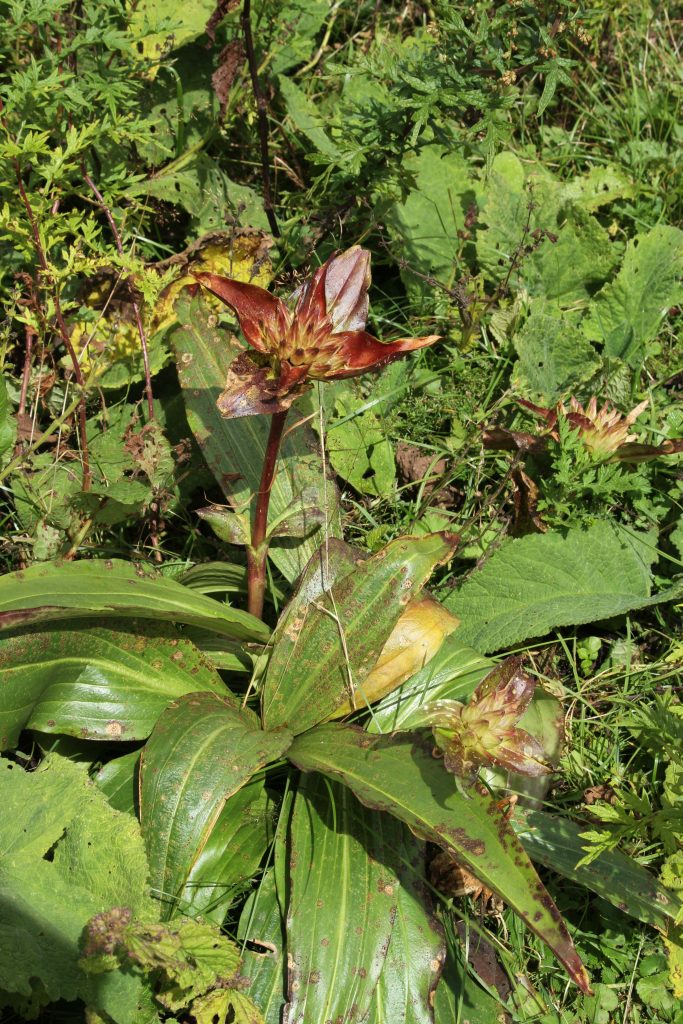
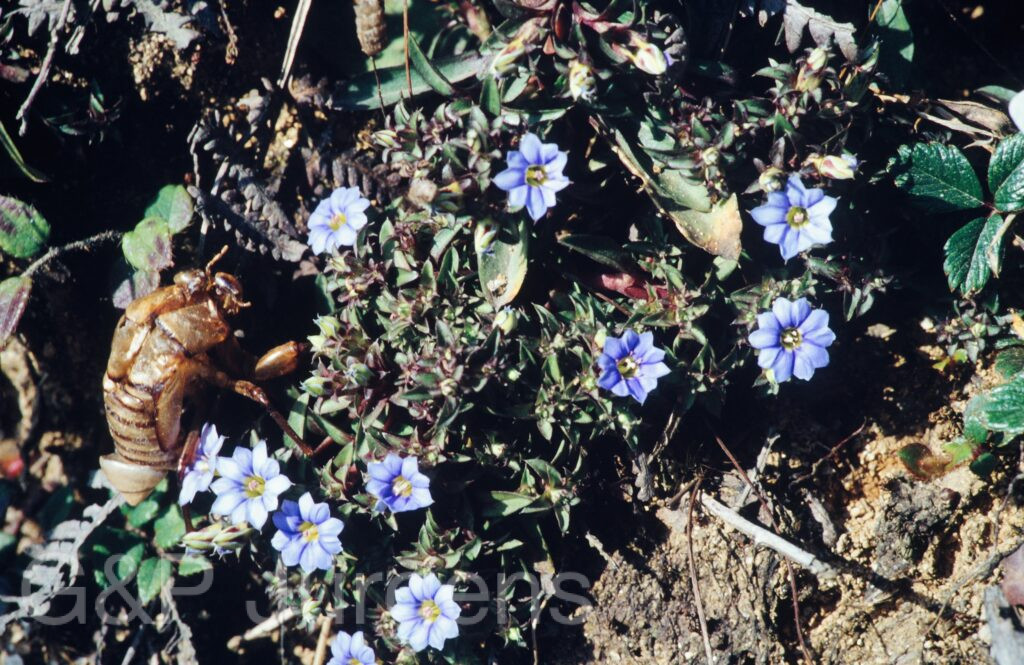
Nepal 99 227 ergebnis
West-Nepal Gumghadi 2400m, June

Description

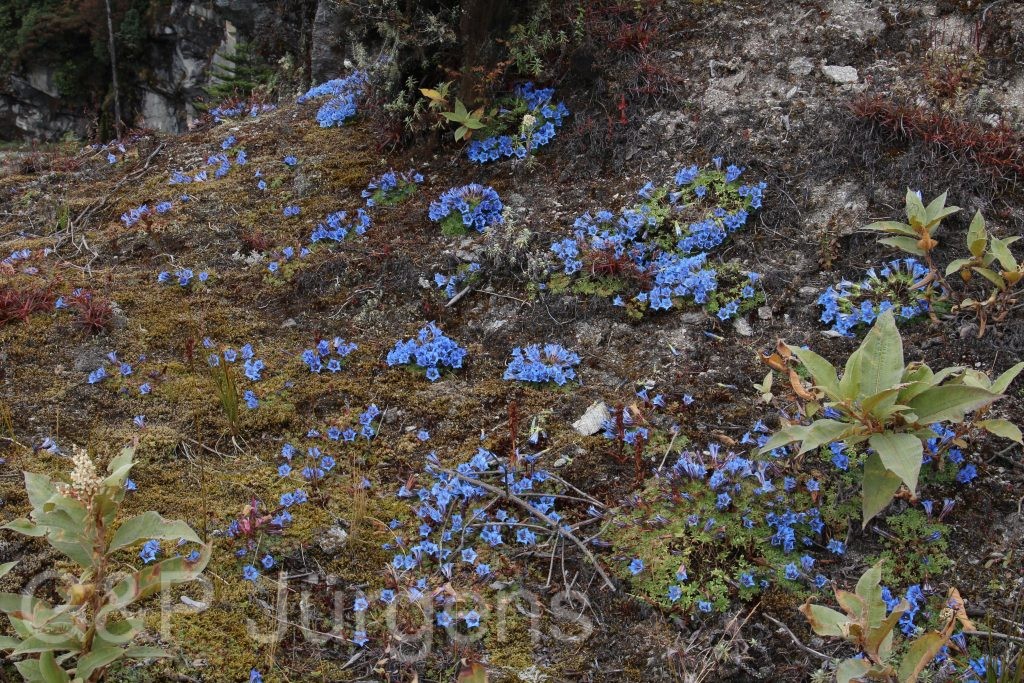
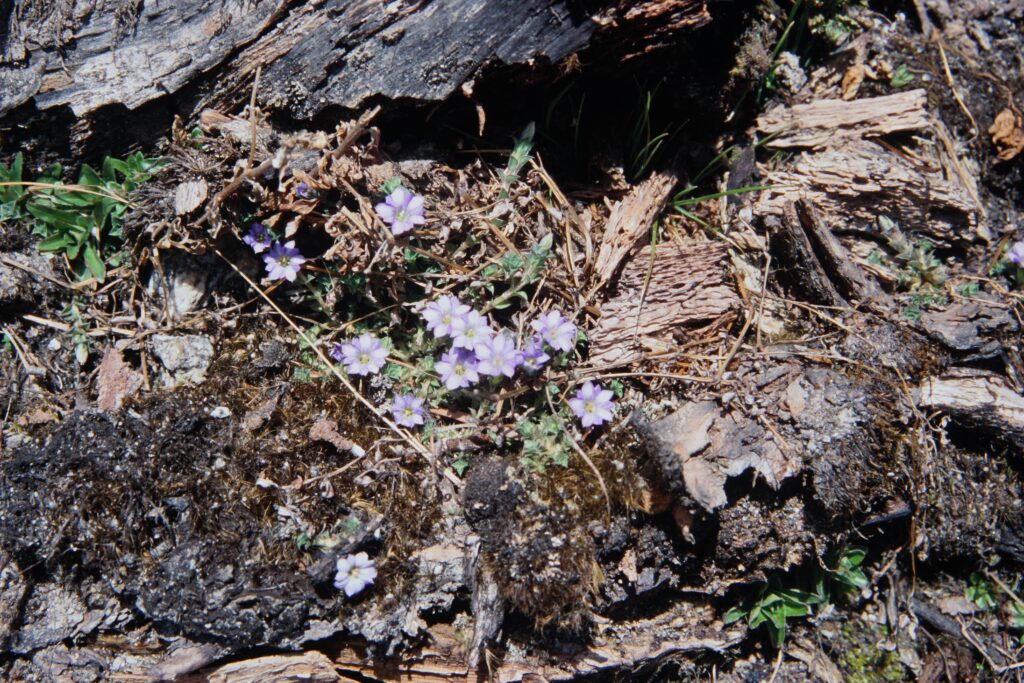
Gentiana pedicellata is a small annual gentian widely distributed across the Himalaya and into south-western China and Sri Lanka, with records also from Myanmar, Laos and Bangladesh and a documented base of some 466 occurrences (European and East Asian points largely cultivated or curated). It occupies open grassy slopes, terraced fields, forest clearings and moist disturbed ground over a broad altitudinal span. The images here span eastern Nepal's Jaljale Himal at 2900 m in April, Nundhaki at 1600 m in March, and Gumghadi in west Nepal at 2400 m in June, reflecting a flowering season tied to spring and early summer at middle elevations.

The plant is a slender, diminutive annual a few centimetres to about 15 cm tall, often branched from the base. The leaves are small, opposite, ovate to elliptic, sessile or shortly petiolate and somewhat fleshy, the lower forming a loose basal rosette. The flowers are solitary and terminal on conspicuously elongate, thread-like pedicels (the source of the epithet), the calyx tubular with five lobes, and the corolla narrowly funnel-shaped, pale blue to bluish-white with intervening plicate folds between the five spreading lobes. The fruit is a stalked, two-valved capsule exserted from the persistent calyx, releasing numerous minute seeds.

Gentiana pedicellata belongs to the Gentianaceae and to the annual gentians (section Chondrophyllae), a group well represented in the temperate Himalaya by many small, ephemeral species. Its long pedicels readily distinguish it from related dwarf annuals. The flowers are insect-pollinated, opening in bright conditions, and the light seeds are dispersed passively. Common, weedy and adaptable across a wide range, the species is of least conservation concern.

Author: (D.Don) Wall. · Sources: POWO (Kew), GBIF, Flora of China, Flora of Bhutan, Annotated Checklist of the Flowering Plants of Nepal, Ho & Liu monograph of Gentiana
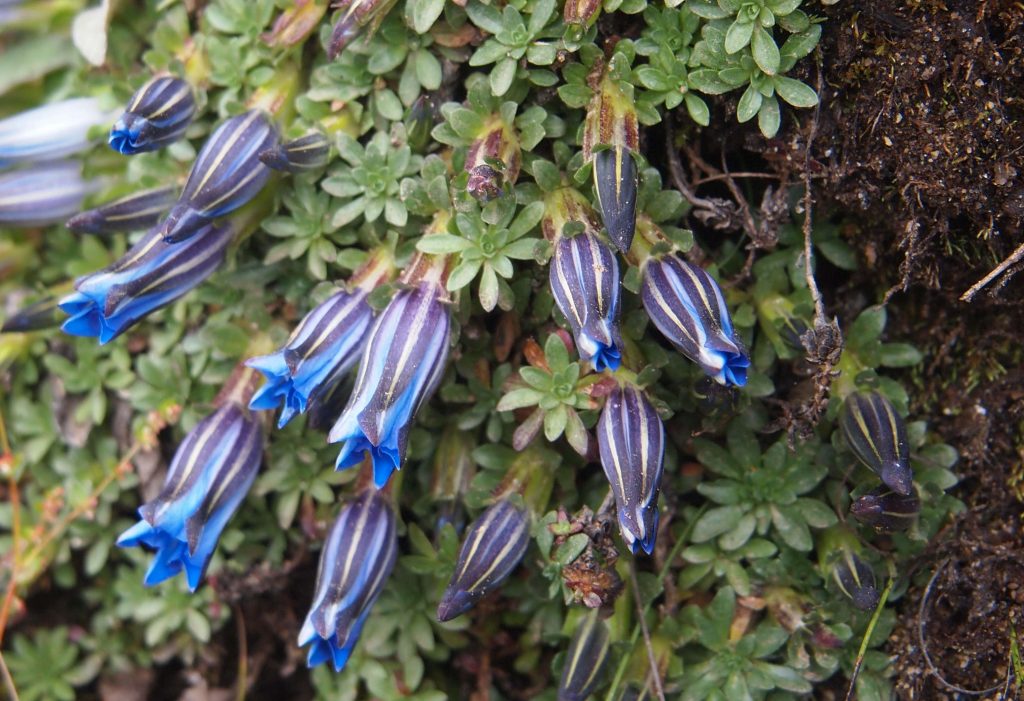
C.B.Clarke

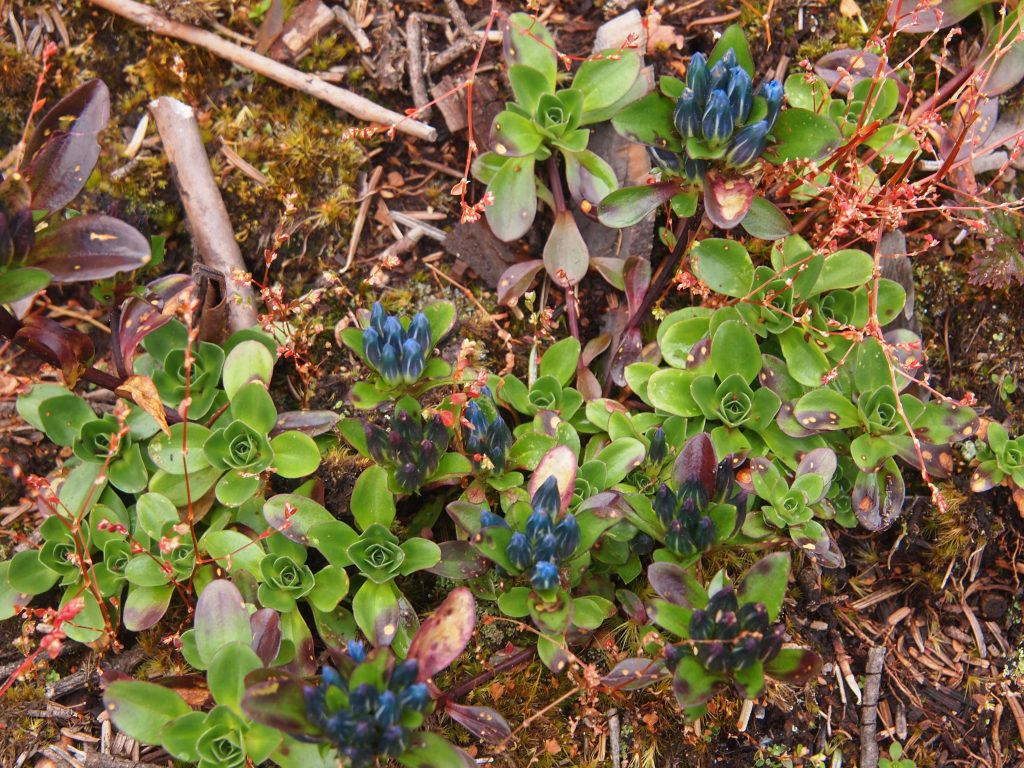
Bhutan2012 913
Bhutan Tumching-La 4100m, October

Description

Gentiana sikkimensis is an eastern Himalayan and Sino-Himalayan gentian recorded from China, India, Nepal and Bhutan, with nearly 200 georeferenced occurrences in GBIF. It is a characteristic plant of alpine turf, open moist meadows and the margins of dwarf-shrub heath in the high mountains, generally between about 3500 and 4500 m. The illustrated plant from Tumching-La in Bhutan at 4100 m, flowering in October, reflects the genus's late autumnal flowering, when these small gentians colour the alpine sward after the main summer bloom has passed.

It is a small tufted perennial herb with a short caudex and slender, ascending to decumbent flowering stems. The basal leaves form a rosette and are narrowly oblong to spathulate, while the cauline leaves are smaller, opposite and sessile, with cartilaginous margins. The flowers are solitary or few in terminal clusters, the campanulate to narrowly funnelform corolla deep blue with paler longitudinal bands and bearing well-developed plicae (folds) between the lobes. The calyx is tubular with unequal lobes, and the fruit is a stipitate, two-valved capsule releasing numerous small seeds.

The species belongs to Gentiana section Frigida (or allied sections of the autumn-flowering Asian gentians), a group much diversified across the Qinghai-Tibetan Plateau and its margins. It is widespread and not regarded as threatened, although alpine gentians of this kind are sensitive to overgrazing and to the upward shift of vegetation belts under a warming climate, making long-term monitoring of high-elevation populations worthwhile.

Author: C.B.Clarke · Sources: POWO (Kew), GBIF, Flora of Bhutan, Flora of China, Ho & Pringle monograph of Gentiana

C.Marquand

Sikkim2004 286 G499 ergebnis
Sikkim/India Dzongri 3900m May

Description

Gentiana simulatrix is an alpine gentian of the eastern Himalaya and adjacent China, with GBIF records concentrated in south-central China (Xizang, Yunnan) and Bhutan, and extending into Sikkim in the Indian Himalaya; the roughly forty-three documented occurrences indicate a localised but reasonably collected high-altitude range. It inhabits open alpine turf, moist pastures, stony slopes and seepage margins above the treeline. The illustrated plant from Dzongri in Sikkim at about 3900 m, flowering in May, exemplifies its spring-to-early-summer phenology in the upper alpine zone, where it emerges as snowmelt exposes the short-cropped sward.

The species is a small tufted perennial with a slender rootstock giving rise to numerous decumbent to ascending leafy shoots. The leaves are small, opposite, ovate to oblong and somewhat fleshy, forming dense basal and cauline pairs. The flowers are solitary and terminal or few in the upper axils; the calyx is tubular with narrow lobes, and the corolla is campanulate to narrowly funnelform, blue to deep azure with darker stripes and conspicuous plicae (folds) between the lobes. The capsule is stipitate within the persistent corolla and releases numerous small seeds.

Gentiana simulatrix belongs to the genus Gentiana (Gentianaceae) and is an accepted species, placed among the small-flowered alpine gentians of section Chondrophyllae, a critical complex where it has been confused with allied taxa such as G. prolata. Its cushion-forming habit, fused corolla plicae and protective floral folds are adaptations to the cold, windy, high-radiation alpine environment. No formal IUCN status has been published, but its dependence on intact alpine grassland makes it sensitive to overgrazing and climate-driven upslope shifts.

Author: C.Marquand · Sources: POWO (Kew), GBIF, Flora of China, Flora of Bhutan, Ho & Liu monograph of the genus Gentiana

Edgew.

Garw 2005 356 ergebnis
India Garhwal Baganathi 3900m, September

Description

Gentiana stipitata Edgew. is a small alpine gentian endemic to the Sino-Himalayan region. GBIF data (some 239 occurrences) place it across the high mountains of China, India, Nepal, Bhutan and Taiwan, where it inhabits alpine and subalpine meadows, open turf, moist grassy slopes and the margins of seasonal snow-melt flushes. It is a plant of high elevations, typically between 3,000 and 4,500 m. The individual photographed at Baganathi in Garhwal (NW India) at 3,900 m in September captures it in late-season flower, when many high-altitude gentians provide a final burst of colour before the onset of winter.

The species is a low, tufted perennial herb with a slender rootstock and basal rosettes of narrowly lanceolate to spathulate leaves. The flowering stems are short and often several, each bearing a solitary, erect, narrowly funnel-shaped to campanulate corolla. The corolla is blue to purplish-blue, frequently with greenish or pale spotting in the throat, the five lobes alternating with smaller plicate folds (plicae) characteristic of section Frigida-allied gentians. The calyx is tubular with linear lobes, and the fruit is a stipitate capsule, the elongate gynophore (the stipe) giving the species its epithet and a useful diagnostic feature; seeds are numerous and small.

Gentiana stipitata belongs to the species-rich autumn-flowering Himalayan gentians and is distinguished from related taxa by its conspicuously stipitate capsule and floral proportions. Like many high-alpine gentians it is closely tied to short cool growing seasons and snow-influenced microhabitats. Though not assessed as threatened, its restricted high-elevation habitat makes it sensitive to alpine warming and grazing pressure across its range.

Author: Edgew. · Sources: POWO (Kew), Flora of China Vol. 16, Flora of Bhutan Vol. 2, GBIF, Ho & Liu: A Worldwide Monograph of Gentiana (2001)

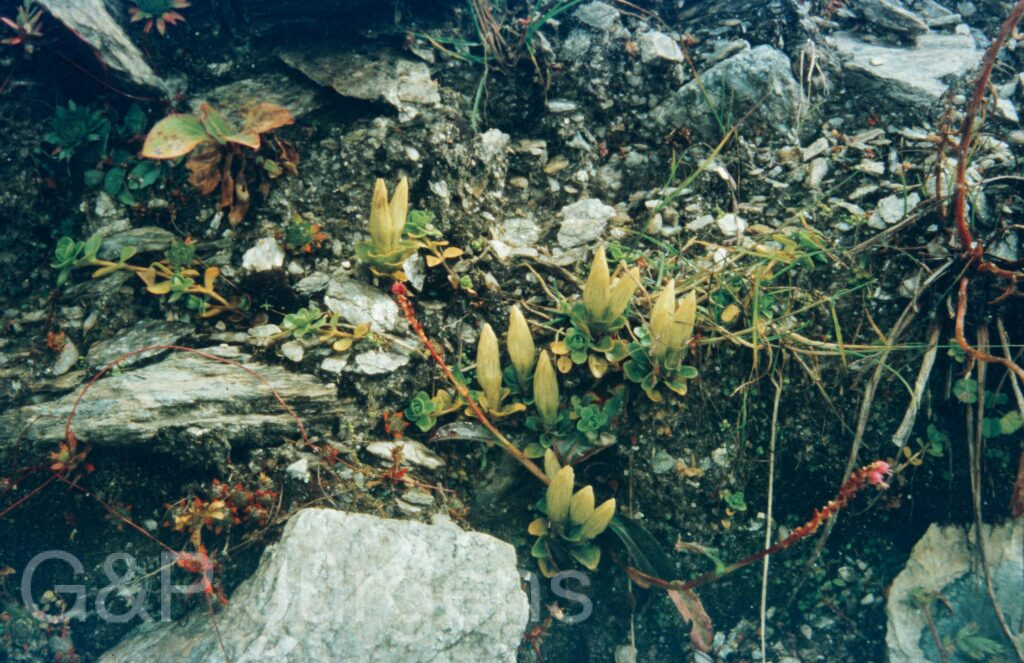
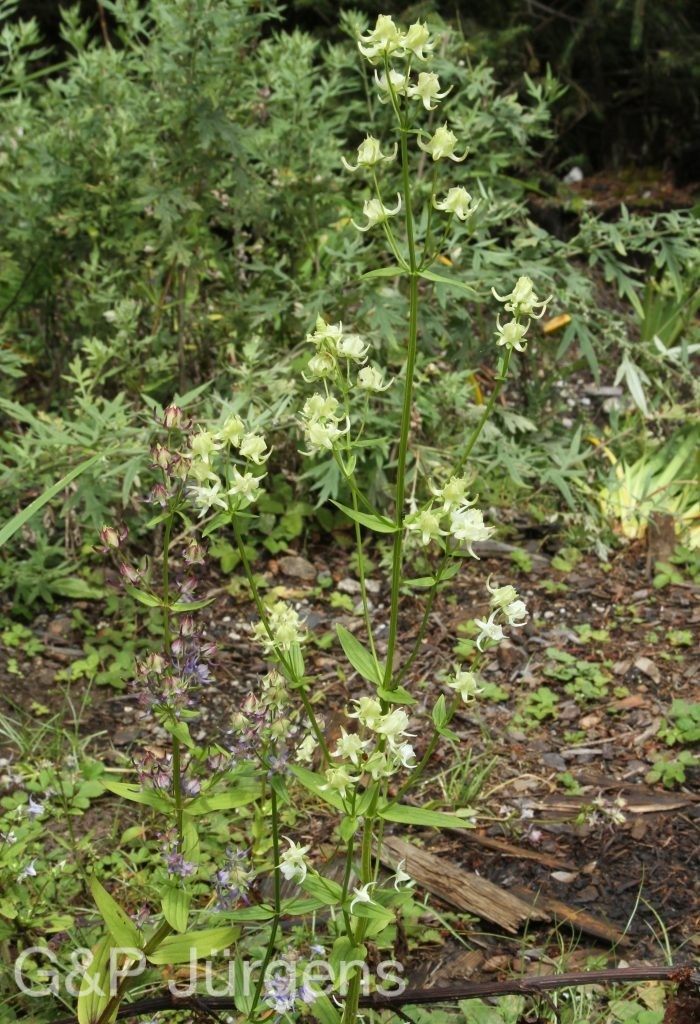
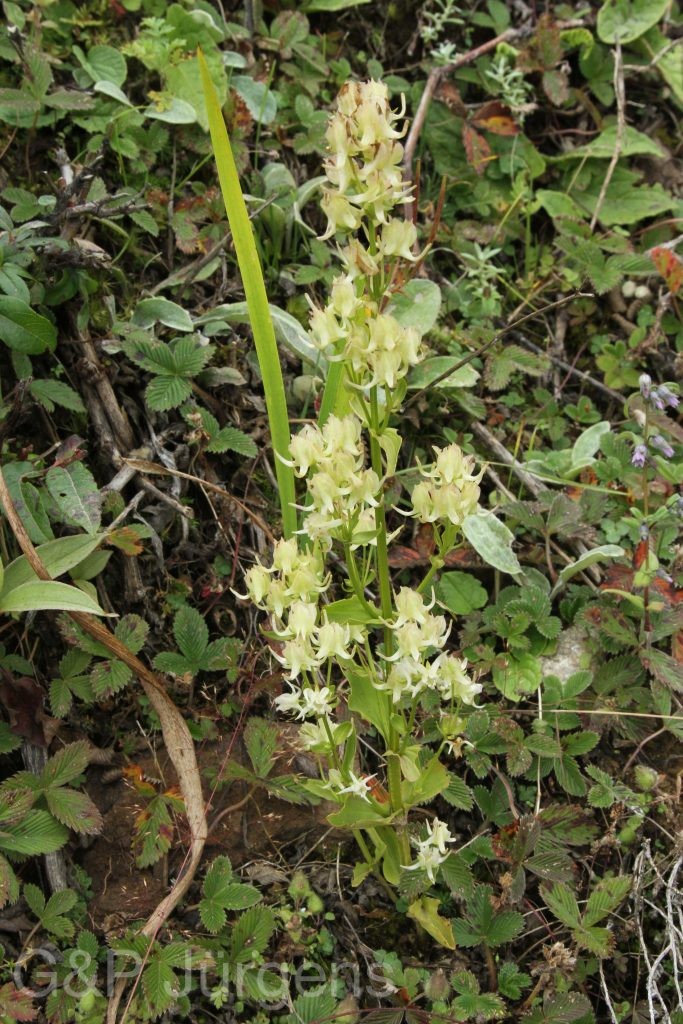
King ex Hook.f.

Bhutan2012 261
Bhutan Shele-La, 4100m September

Description

Gentiana tibetica is a robust perennial gentian of the high Himalaya and Tibetan Plateau, native to China (notably Xizang and Qinghai), Bhutan and Nepal; the scattered European, Korean and Japanese GBIF records derive from cultivation and herbaria rather than wild populations. It occupies the alpine and upper subalpine zone, growing in moist meadows, grassy hillsides, scrub margins and open stony slopes. The cited collection from Shele-La in Bhutan at about 4100 m in September places it among the late-flowering high-altitude flora of the eastern Himalaya, where it endures cold nights and a short growing season.

The plant is a stout, erect perennial herb forming a basal rosette from a thick rootstock. The basal and lower stem leaves are large, broadly elliptic to oblong-lanceolate, prominently several-veined and narrowed to a sheathing base, the cauline leaves becoming smaller and bract-like upward. The flowers are numerous and sessile, crowded into dense terminal and axillary clusters subtended by leafy bracts. Each flower has a membranous calyx and a tubular to narrowly funnelform corolla that is pale yellowish-white to greenish, often spotted, with short erect lobes and small plicate folds (plicae) between them. The fruit is a stipitate bivalved capsule releasing numerous small winged seeds.

Gentiana tibetica belongs to section Cruciata of the genus, the cluster-flowered gentians, and was described by King from Hooker's material. The pale tubular flowers are pollinated chiefly by bumblebees adapted to the cold montane climate. Like several large-rooted gentians it has a history of medicinal use of its bitter roots. Widespread and locally common on the plateau and its Himalayan rim, it is not considered threatened.

Author: King ex Hook.f. · Sources: POWO (Kew), GBIF, Flora of China, Flora of Bhutan, Ho & Liu's monograph of the Gentians of China (Gentiana)

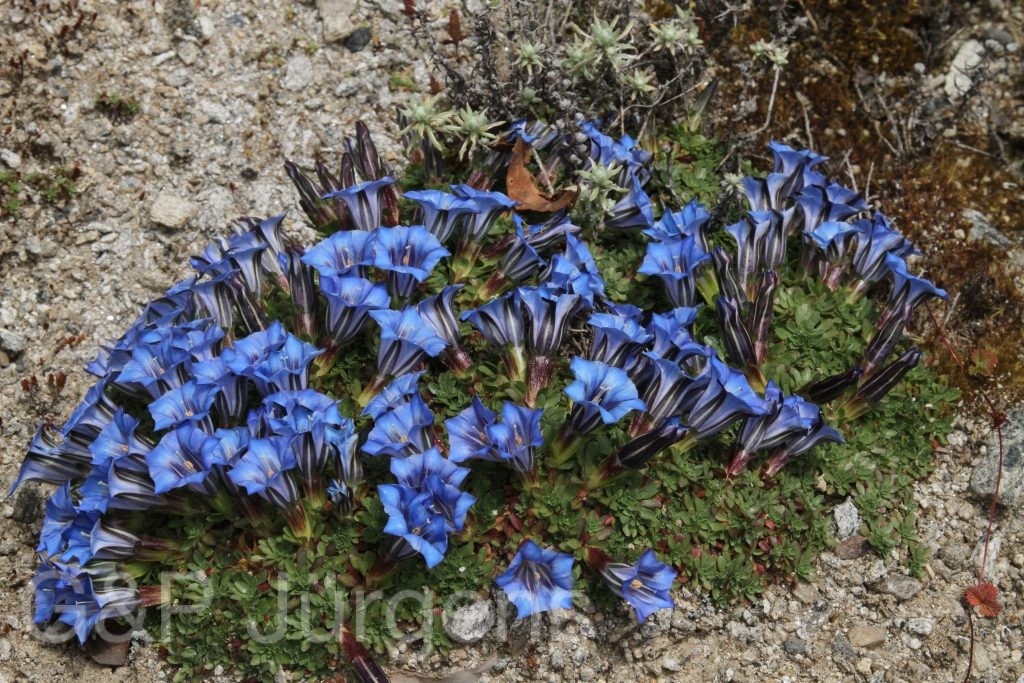
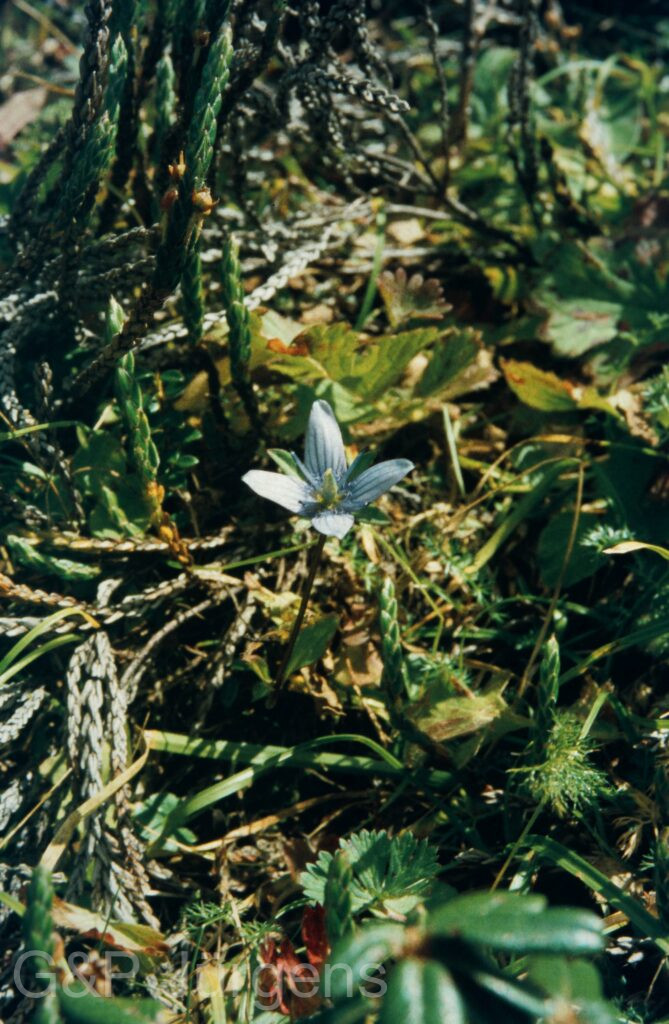
(G.Don) Griseb.

Bhutan2015 374
Bhutan Tumching-La 4000m, October
Bhutan2015 376
Bhutan Tumching-La 4000m, October
Bhutan2015 381
Bhutan Tumching-La 4000m, October
Bhutan2012 921
Bhutan Tumching-La 4000m, October

Description

Gentiana tubiflora is a dwarf alpine gentian of the Himalaya and the Tibetan plateau, recorded by GBIF from Nepal, India, Bhutan and China (a Malaysian datum is likely erroneous) across some 124 occurrences. It is a plant of high open ground: alpine turf, short grazed pastures, damp meadows, gravelly flushes and moist slopes near the upper limit of vegetation, typically between about 3500 and 4500 m. The specimen photographed at Tumching-La in Bhutan at 4000 m in October, flowering very late in the season, illustrates its tolerance of cold and its occupation of exposed, well-watered high-alpine grassland.

It is a small, tufted perennial herb forming low cushions or mats from a slender rootstock, with short, often prostrate to ascending leafy shoots. The leaves are small, opposite, linear to narrowly oblong, crowded and somewhat rigid, with cartilaginous margins. The flowers are solitary and terminal, the corolla narrowly tubular as the epithet indicates, with five short erect lobes alternating with small plicate folds, and coloured deep to pale blue. The calyx is tubular with narrow lobes, the stamens are inserted within the corolla tube, and the fruit is a stalked capsule that releases numerous minute seeds.

Gentiana is a large genus whose section of small-flowered, tube-corolla'd alpine species is especially diverse across the Sino-Himalaya, and G. tubiflora is a characteristic member of that high-elevation assemblage. The narrow tubular corolla and folds between the lobes channel access to specialised pollinators and protect the nectar, while the compact mat habit buffers the plant against wind and cold. The species is widespread and not regarded as threatened, forming a familiar element of late-flowering Himalayan alpine meadows.

Author: (G.Don) Griseb. · Sources: POWO (Kew), GBIF, Flora of China (Gentianaceae), Flora of Bhutan, Annotated Checklist of the Flowering Plants of Nepal, Ho & Liu monograph of Gentiana
(G.Don) Wall. ex Griseb.

Garw 2005 330 ergebnis
India Garhwal Bagubasa 4100m, September

Description

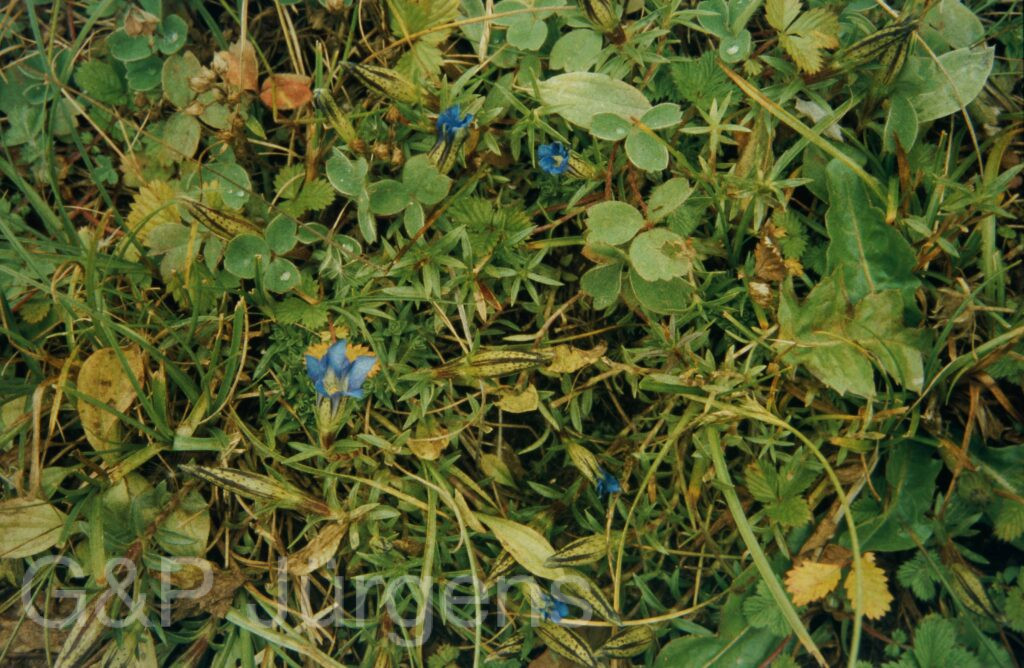
Gentiana venusta is a Himalayan alpine gentian ranging through India, Nepal, Pakistan and Bhutan, with about 103 documented occurrences tracing a broad arc along the high Himalaya from the western to the eastern ranges. It is a strict alpine, growing on open grassy slopes, alpine meadows, moist turf and stony pastures above the treeline, generally between roughly 3500 and 4500 m. The illustrated plant from Bagubasa in Garhwal at 4100 m, flowering in September, exemplifies its late-monsoon to early-autumn flowering, when these dwarf gentians colour the short alpine sward after the snow-fed turf has been grazed and the meadows begin to dry.

It is a small tufted annual or short-lived perennial forming low rosettes from which arise several decumbent to ascending, few-flowered stems. The leaves are small, sessile, obovate to spathulate and crowded basally, the cauline pairs more distant and lanceolate, with a narrow cartilaginous margin. The flowers are solitary or few, terminal, with a tubular calyx whose lobes are unequal, and a narrowly funnelform to club-shaped corolla that is pale blue, whitish or yellowish, often spotted within, with short erect lobes and conspicuous plicate, fimbriate to bifid intervening folds (plicae). The fruit is a stipitate, bivalved capsule containing numerous minute, smooth seeds.

The species belongs to Gentiana sect. Chondrophyllae, the large group of small-flowered annual Himalayan and Sino-Himalayan gentians, a notoriously difficult complex in which G. venusta is distinguished by floral and plical characters. The name G. venusta (G.Don) Wall. ex Griseb. is accepted. Flowering is closely tied to snowmelt and monsoon timing, and pollination is by small insects; the diminutive seeds are dispersed by wind and water. It is widespread and of least conservation concern.

Author: (G.Don) Wall. ex Griseb. · Sources: POWO (Kew), GBIF, Flora of Bhutan Vol. 2, Flora of Pakistan, Flora of Nepal, Ho & Liu A Worldwide Monograph of Gentiana

D.Don

Bhutan2012 18
Bhutan Shele-La, 3600m September
Bhutan2012 52
Bhutan Shele-La, 3600m September

Description

Halenia elliptica is a widespread Asian gentian-relative ranging across the Himalaya and the mountains of central and eastern Asia, recorded from China, India, Nepal, Bhutan, Myanmar, Kazakhstan, Mongolia, Russia and Taiwan (CN, IN, NP, BT, MM, KZ, MN, RU, TW, with further records), and one of the most abundantly collected species treated here, with about 4437 occurrences. It grows in moist alpine and subalpine meadows, on grassy slopes, forest clearings, streamsides and open disturbed ground over a wide altitudinal span. The plant illustrated was found at Shele-La in Bhutan at 3600 m in September, an elevation and late-season flowering typical of its appearance in the autumn alpine turf and roadside banks of the high passes.

It is an erect, glabrous annual or biennial with a four-angled, often branched stem. The leaves are opposite, sessile or shortly petiolate, elliptic to ovate-lanceolate with three to five prominent longitudinal veins. The flowers are borne in terminal and axillary cymes; the most distinctive feature is the corolla, which is four-lobed and blue to purplish, each lobe bearing at its base a slender, backward-projecting nectar spur, so that the open flower carries four divergent spurs, the character that defines the genus. The four stamens alternate with the lobes, and the superior, bicarpellate ovary ripens into a many-seeded capsule.

Halenia (subfamily Gentianoideae, tribe Gentianeae of the Gentianaceae) is unusual within its family for the conspicuously spurred corolla, an adaptation offering nectar to long-tongued pollinating insects and a notable instance of nectar-spur evolution within the otherwise spurless gentians. The species is highly variable across its enormous range. As a common, weedy, broadly distributed colonist of disturbed montane habitats, H. elliptica is of no conservation concern, and it is also gathered for use in Tibetan and Chinese traditional medicine.

Author: D.Don · Sources: POWO (Kew), GBIF, Flora of Bhutan, Flora of China, Gentianaceae monograph (Halenia revision)

(Wulfen) A.Braun

Garw 2005 135 ergebnis ergebnis
India Garhwal Kuari-Pass 3600m, September

Description

Lomatogonium carinthiacum is a small alpine gentian with an exceptionally broad Eurasian distribution, reaching from the European Alps eastward through the Caucasus, central Asia and the Himalaya to the Tibetan Plateau and Mongolia; GBIF records (over 2600) span Austria, Switzerland, China, Russia, India, Pakistan, Nepal and many other countries. It grows in alpine and subalpine meadows, damp turf, stream banks and open grassy slopes, generally between about 2500 and 4500 m. The photographed plant from the Kuari Pass in Garhwal, India (3600 m, September), is typical of the species flowering in late summer in moist alpine grassland.

The plant is a small annual or short-lived herb with an erect, often branched, somewhat quadrangular stem and opposite, sessile, ovate to lanceolate leaves. The flowers are solitary or few in lax cymes, with a rotate, deeply five-lobed corolla coloured pale blue to bluish-violet, often with darker veining; the lobes lack the plicate folds and basal fringed scales of Swertia and Gentiana. Diagnostically for the genus, the nectaries take the form of paired, scale-fringed grooves at the base of each corolla lobe. The five stamens alternate with the lobes, and the ovary is unilocular, maturing into a many-seeded capsule with the persistent styles forming decurrent ridges (the basis of the generic name).

Lomatogonium (tribe Swertieae) is closely allied to Swertia, from which it is separated chiefly by its decurrent stigmatic lines running down the ovary and by the form of its nectaries. The genus is centred on the Sino-Himalayan region, with L. carinthiacum being by far its most widespread member and a classic example of a circum-boreal/alpine disjunct distribution. It is common across much of its range and is not of conservation concern.

Author: (Wulfen) A.Braun · Sources: POWO (Kew), GBIF, Flora of China (Gentianaceae), Flora Europaea, Flora of Pakistan, A revision of Lomatogonium (Gentianaceae)

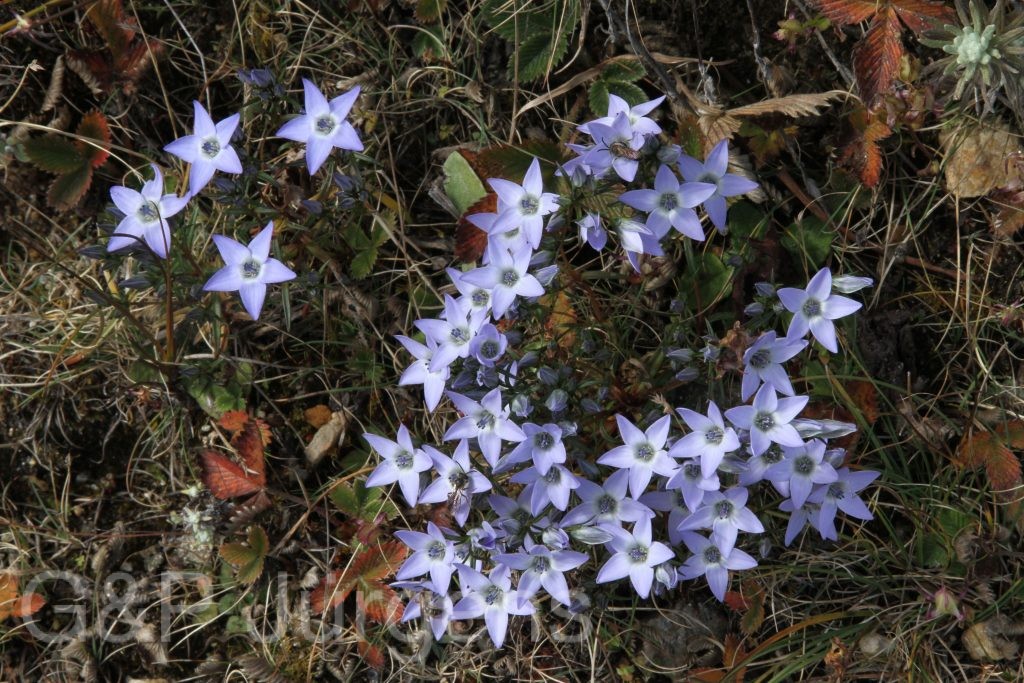
(Burkill) Harry Sm.

Bhutan2015 666
Bhutan Chele-La 4000m, October
Bhutan2015 682
Bhutan Chele-La 4000m, October
Bhutan2015 685
Bhutan Chele-La 4000m, October

Description

Lomatogonium sikkimense is a high-alpine gentian relative restricted to the eastern Himalaya and adjacent Tibet, recorded from Nepal, India, Bhutan and China, with about 74 occurrences in GBIF. It grows in the alpine zone on open turf, moist meadows, streamsides and gravelly slopes, characteristically between about 3500 and 4500 m, flowering late as the monsoon ends. The plants photographed at the Chele-La in Bhutan at around 4000 m in October exemplify this habitat, where the species blooms among short alpine vegetation just before the onset of winter.

It is a slender annual or short-lived herb with erect or ascending, often branched stems bearing opposite, sessile, narrowly lanceolate to linear leaves. The flowers, borne singly or in a few-flowered cyme, are rotate and deeply five-lobed, the blue to violet-blue corolla lobes acute and often delicately veined; characteristically for the genus, each lobe bears a pair of fringed nectary scales at its base, distinguishing Lomatogonium from the closely related Swertia and Gentianella. The five stamens alternate with the lobes, and the superior ovary develops into a many-seeded capsule.

Lomatogonium is a small Eurasian genus of high mountains and is centred on the Sino-Himalayan and Tibetan flora, with L. sikkimense among its narrowly distributed eastern Himalayan members, as its epithet referencing Sikkim records. The fringed paired nectaries and rotate corolla are key diagnostic features separating it from allied swertioid gentians. No formal conservation assessment exists; the species appears locally frequent within its restricted alpine range, though such narrowly zoned high-altitude annuals are potentially vulnerable to climate-driven shifts in alpine meadow vegetation.

Author: (Burkill) Harry Sm. · Sources: POWO (Kew), GBIF, Flora of Bhutan, Flora of China, Annotated Checklist of the Flowering Plants of Nepal, Ho & Liu Worldwide Monograph of Swertia and its Allies