
D.Don
Description
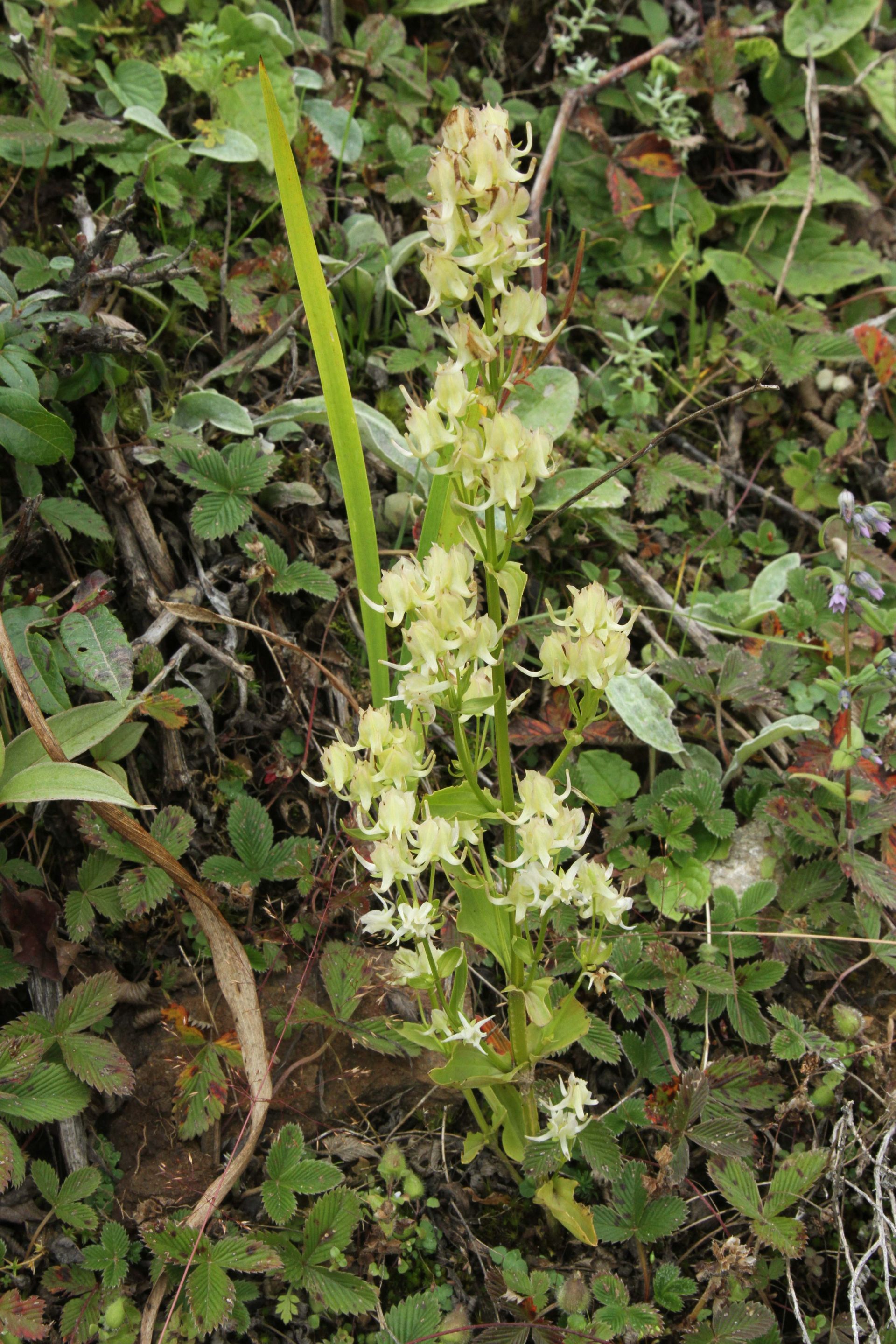
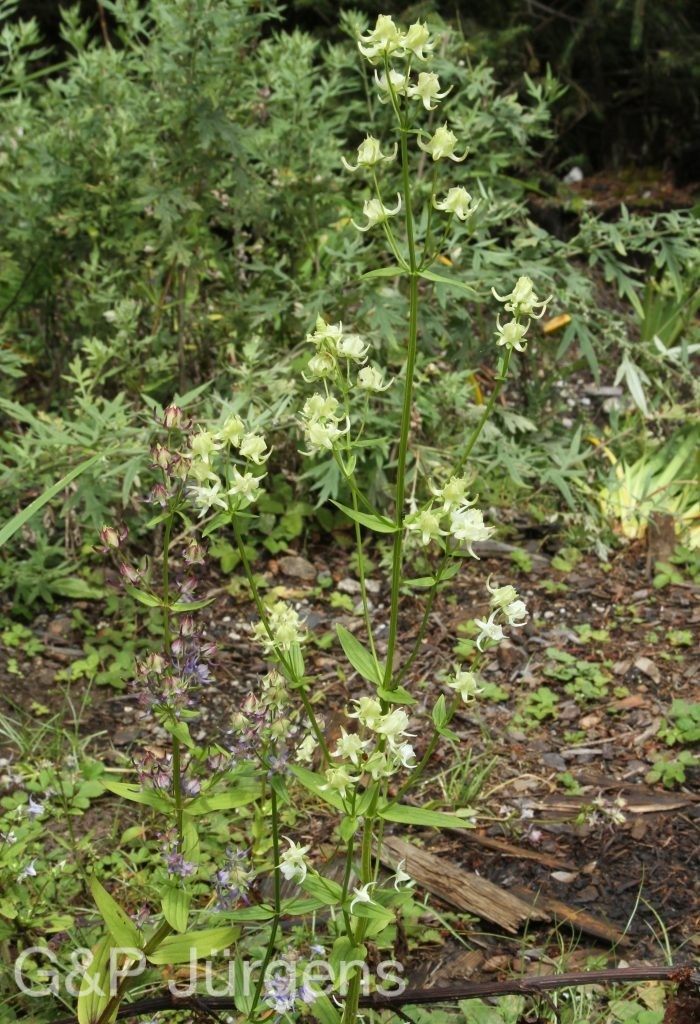
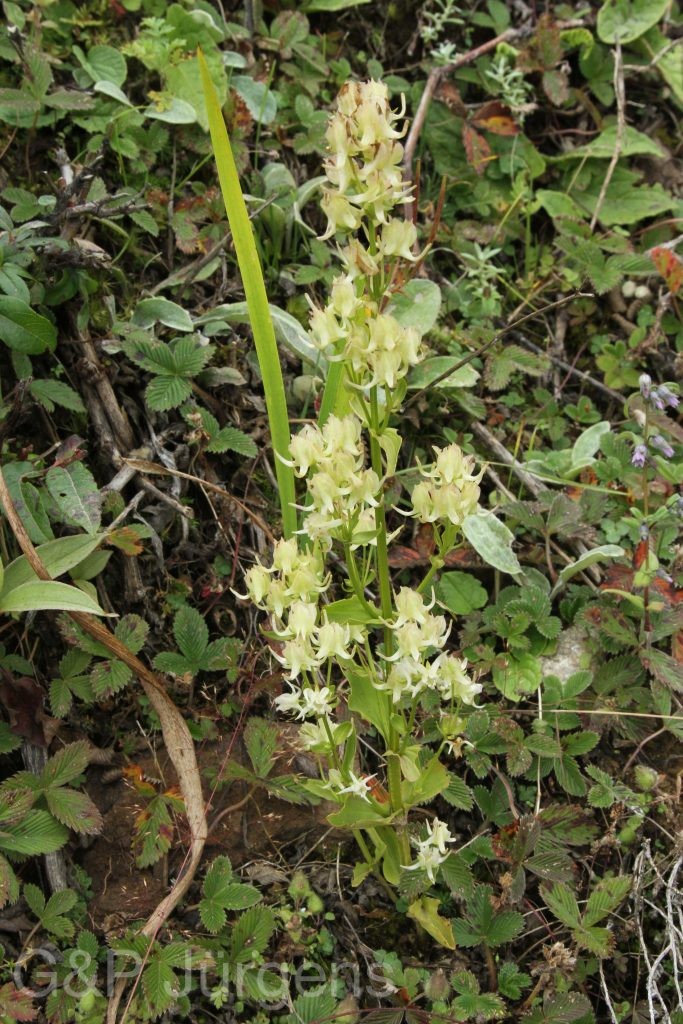
Halenia elliptica is a widespread Asian gentian-relative ranging across the Himalaya and the mountains of central and eastern Asia, recorded from China, India, Nepal, Bhutan, Myanmar, Kazakhstan, Mongolia, Russia and Taiwan (CN, IN, NP, BT, MM, KZ, MN, RU, TW, with further records), and one of the most abundantly collected species treated here, with about 4437 occurrences. It grows in moist alpine and subalpine meadows, on grassy slopes, forest clearings, streamsides and open disturbed ground over a wide altitudinal span. The plant illustrated was found at Shele-La in Bhutan at 3600 m in September, an elevation and late-season flowering typical of its appearance in the autumn alpine turf and roadside banks of the high passes.
It is an erect, glabrous annual or biennial with a four-angled, often branched stem. The leaves are opposite, sessile or shortly petiolate, elliptic to ovate-lanceolate with three to five prominent longitudinal veins. The flowers are borne in terminal and axillary cymes; the most distinctive feature is the corolla, which is four-lobed and blue to purplish, each lobe bearing at its base a slender, backward-projecting nectar spur, so that the open flower carries four divergent spurs, the character that defines the genus. The four stamens alternate with the lobes, and the superior, bicarpellate ovary ripens into a many-seeded capsule.
Halenia (subfamily Gentianoideae, tribe Gentianeae of the Gentianaceae) is unusual within its family for the conspicuously spurred corolla, an adaptation offering nectar to long-tongued pollinating insects and a notable instance of nectar-spur evolution within the otherwise spurless gentians. The species is highly variable across its enormous range. As a common, weedy, broadly distributed colonist of disturbed montane habitats, H. elliptica is of no conservation concern, and it is also gathered for use in Tibetan and Chinese traditional medicine.
Author: D.Don · Sources: POWO (Kew), GBIF, Flora of Bhutan, Flora of China, Gentianaceae monograph (Halenia revision)