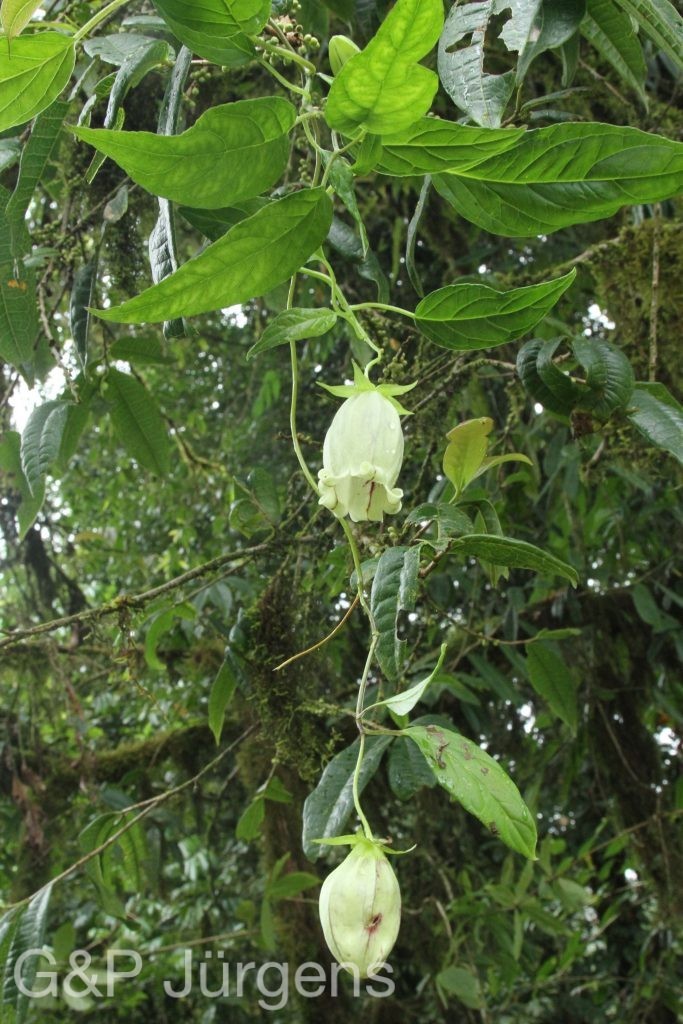
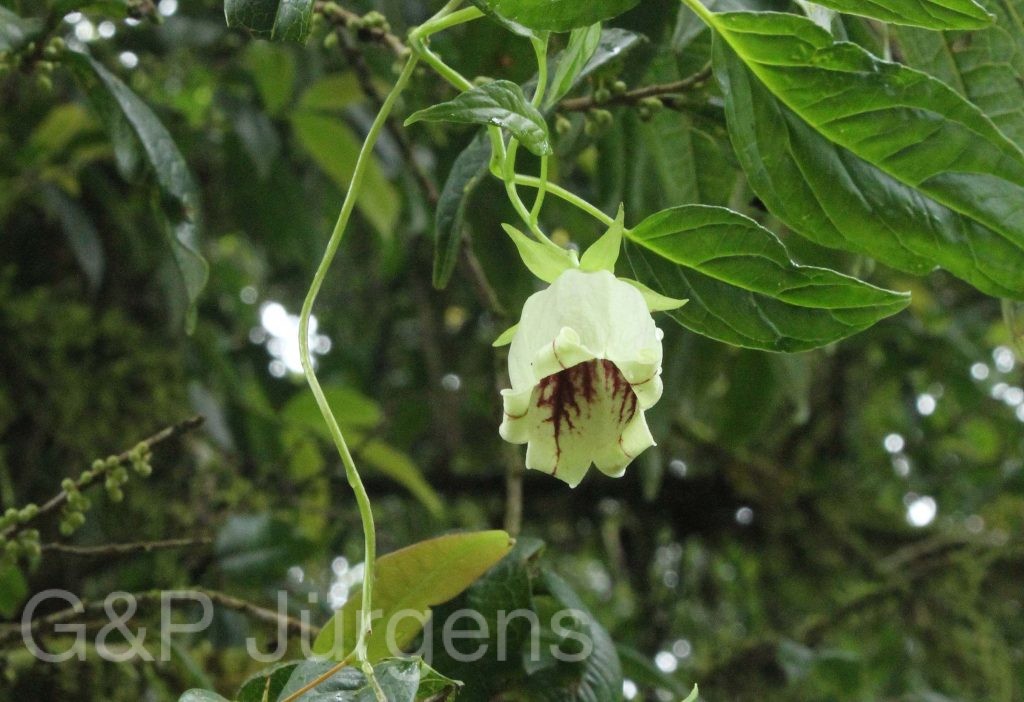
(Wall.) Briq.
Description
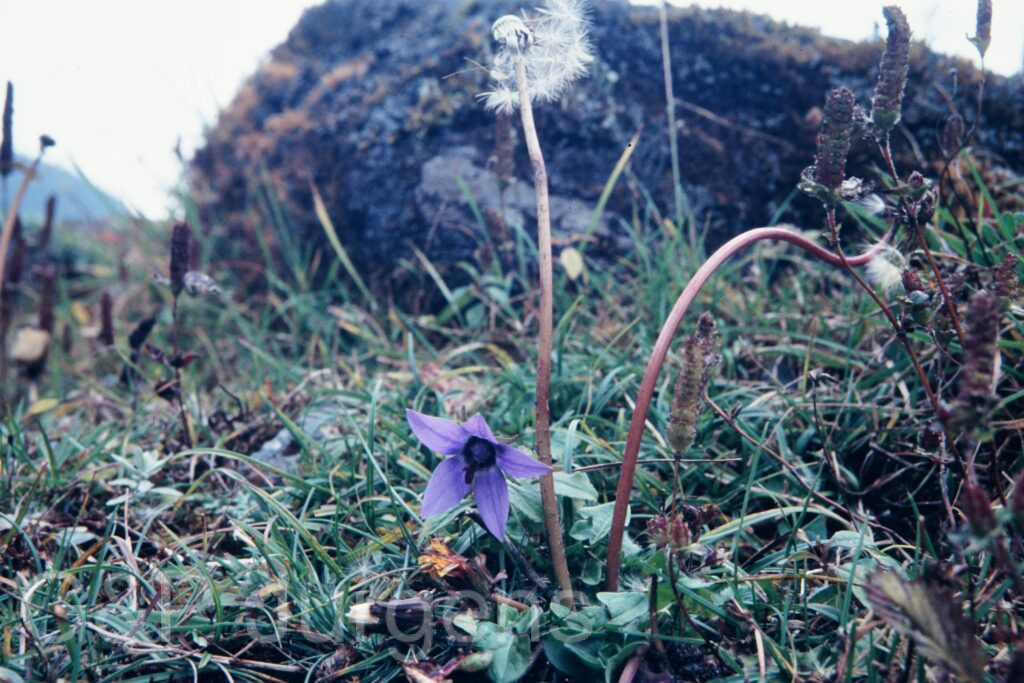
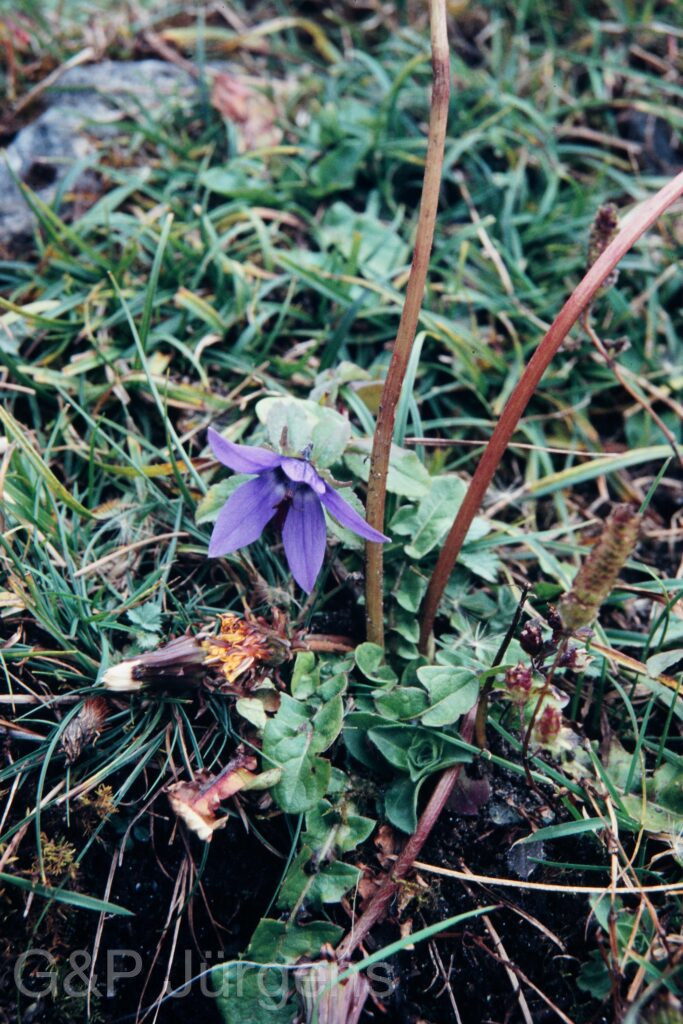
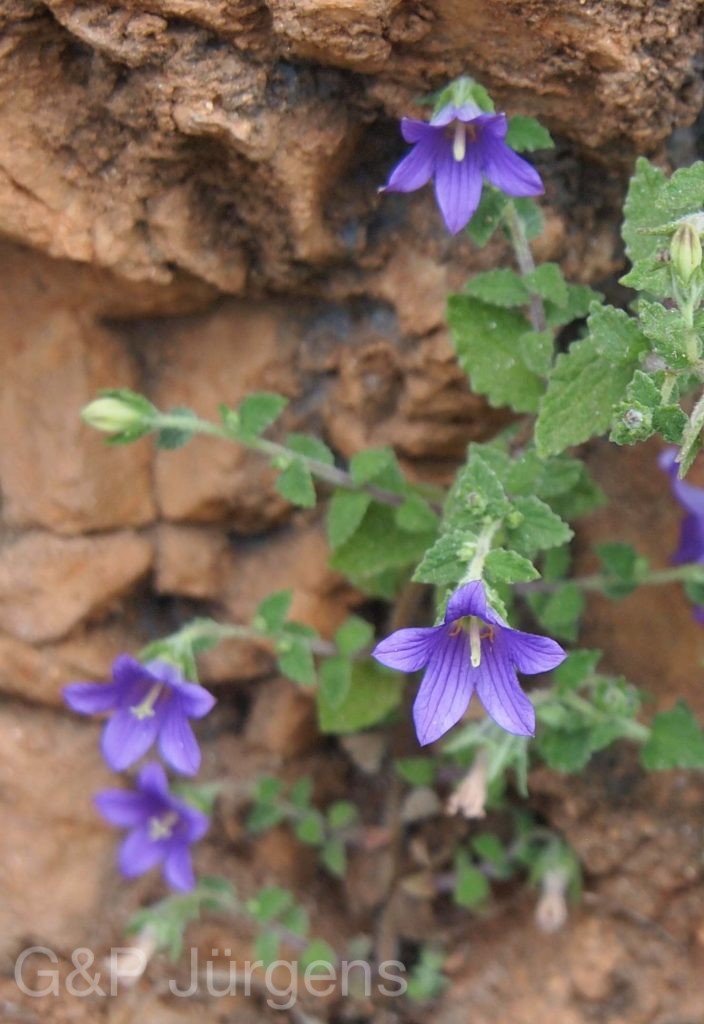
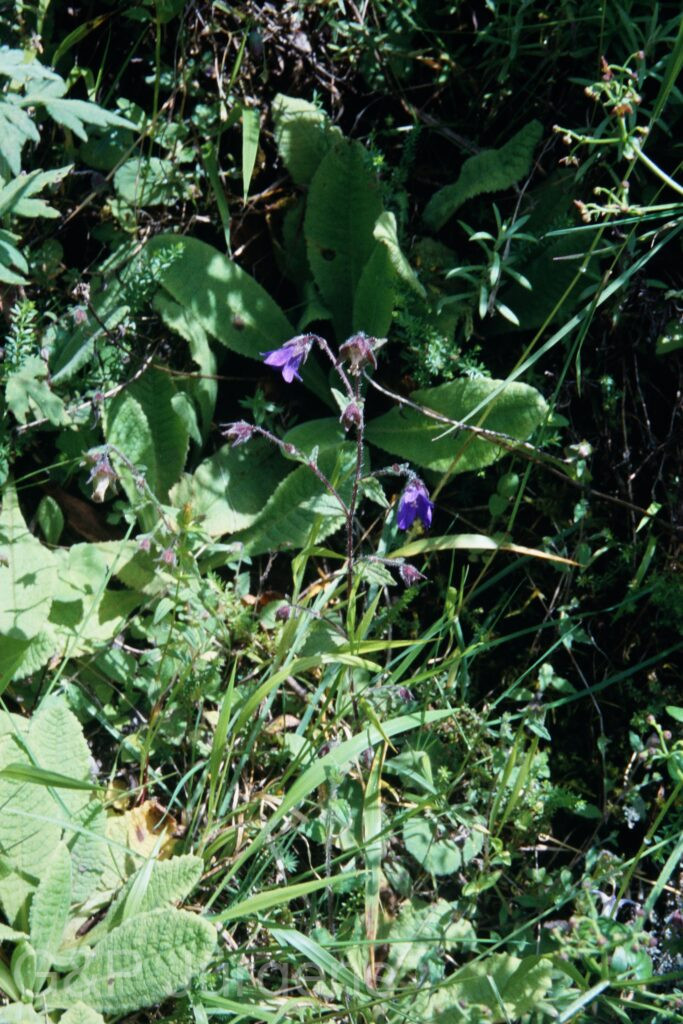
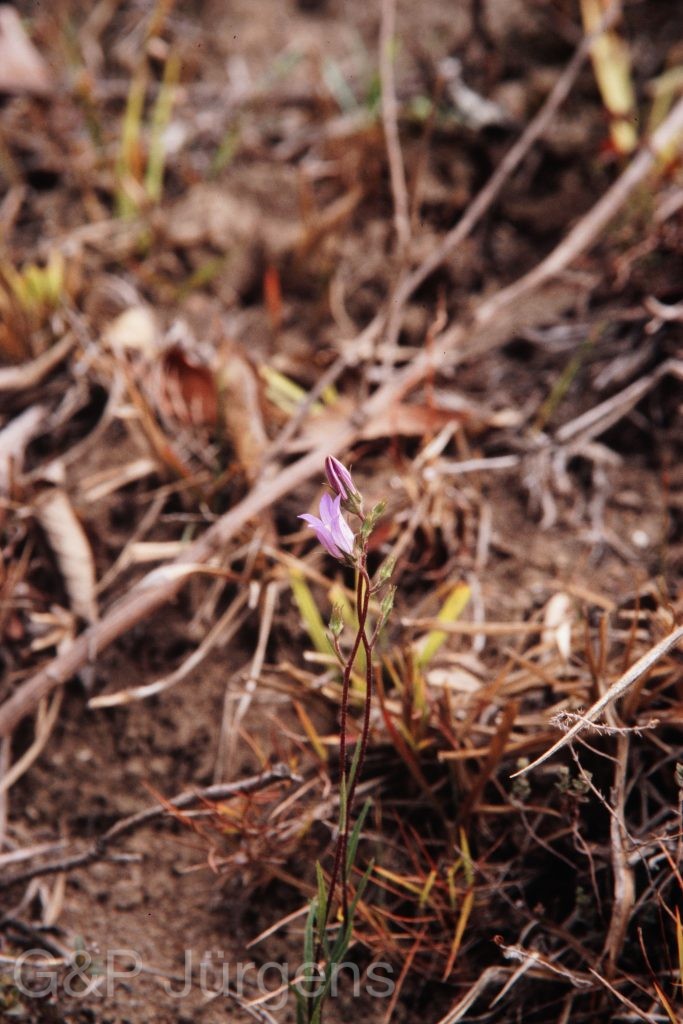
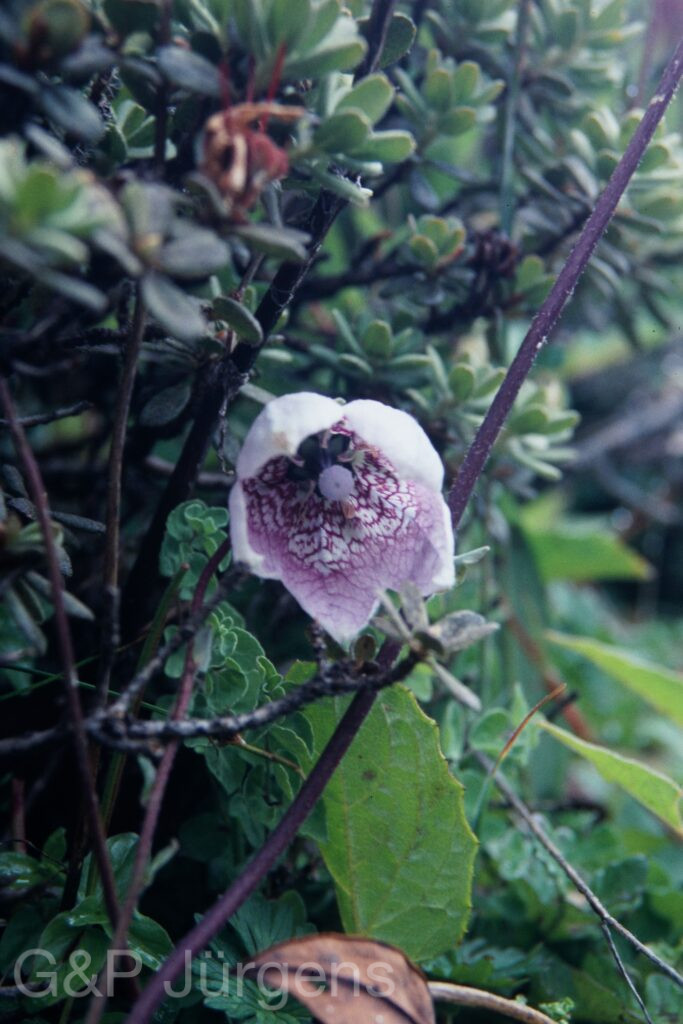
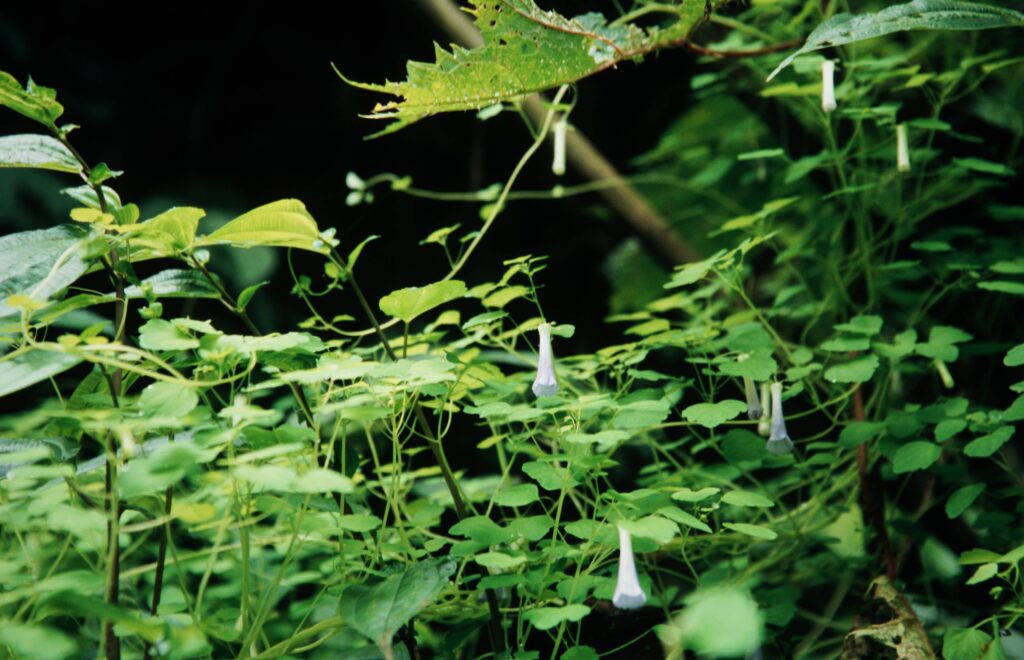
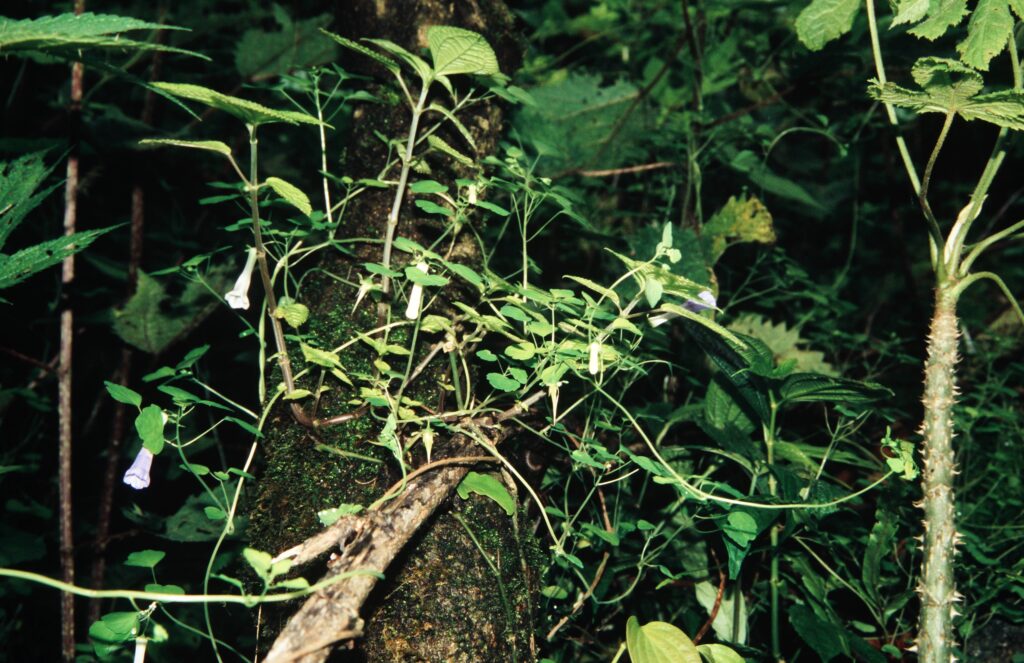
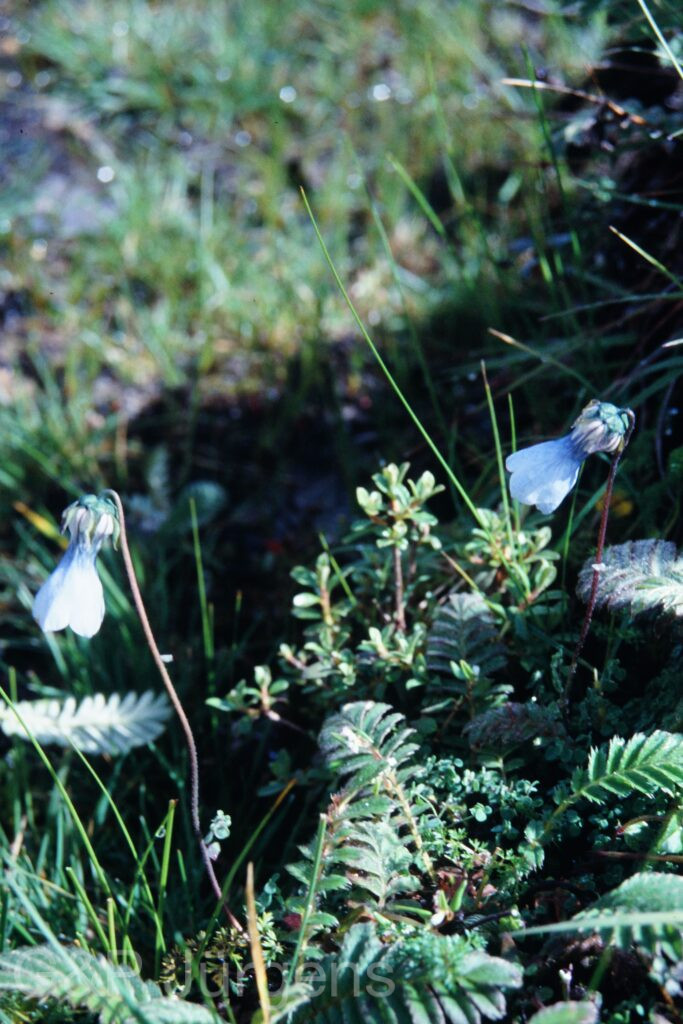
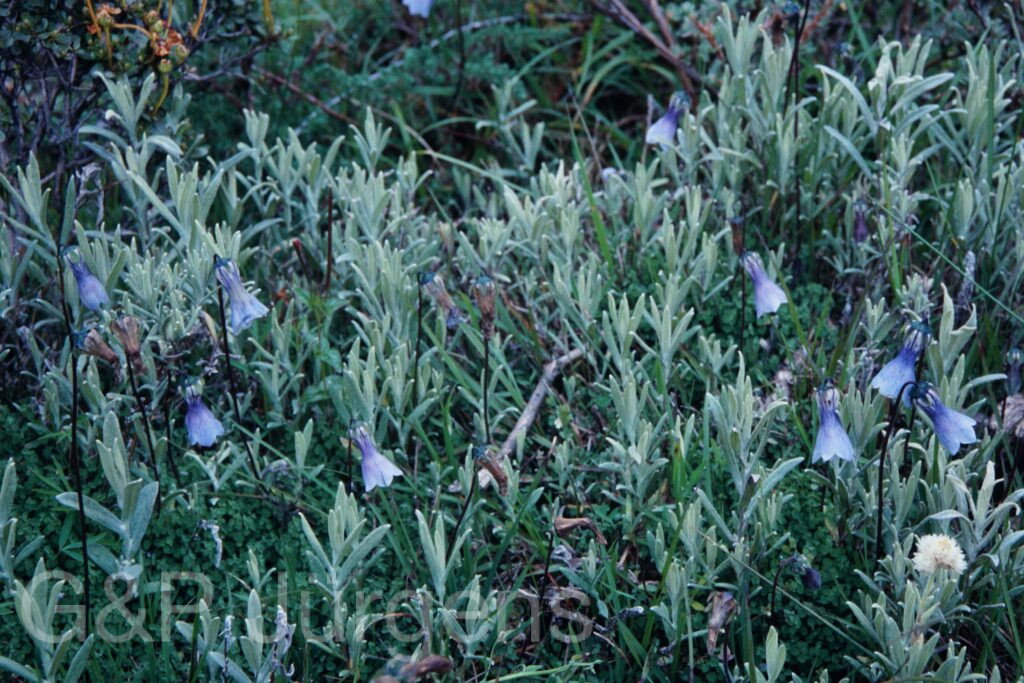
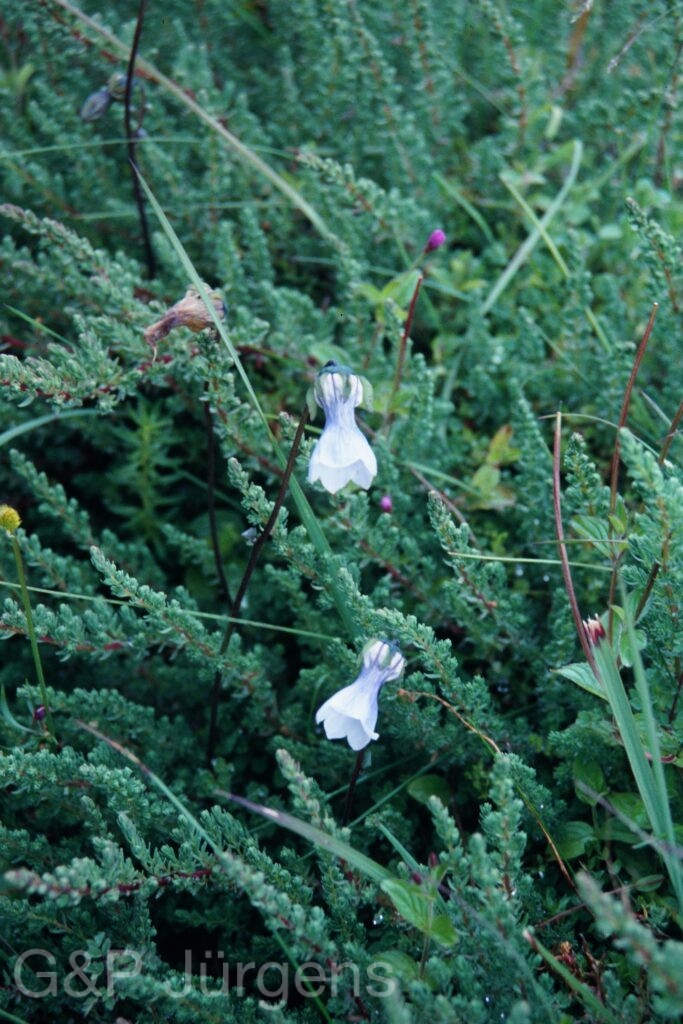
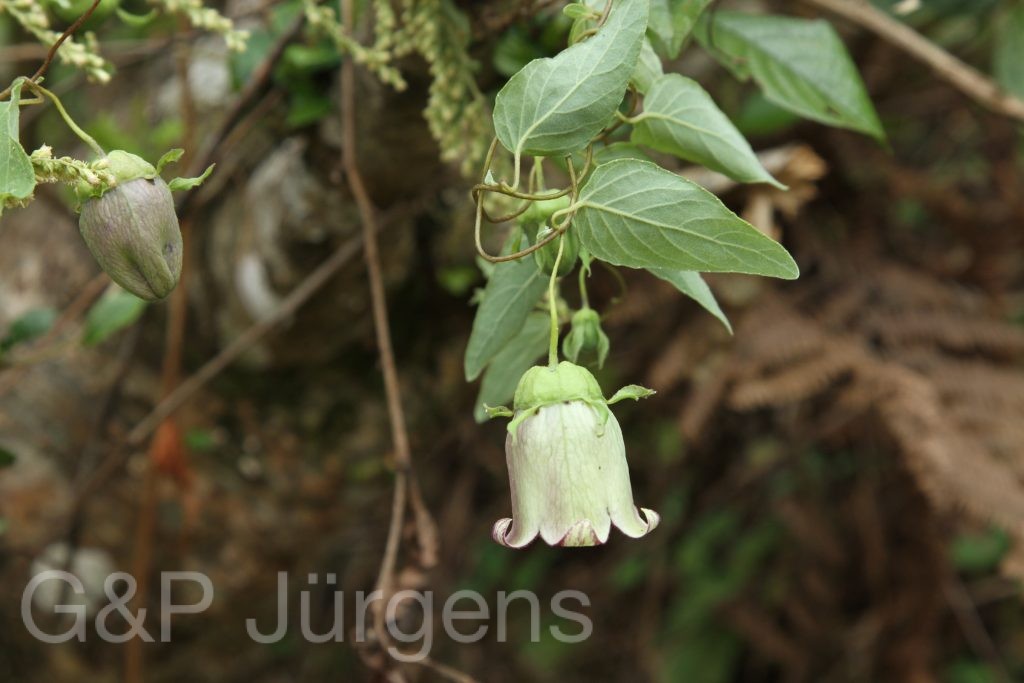
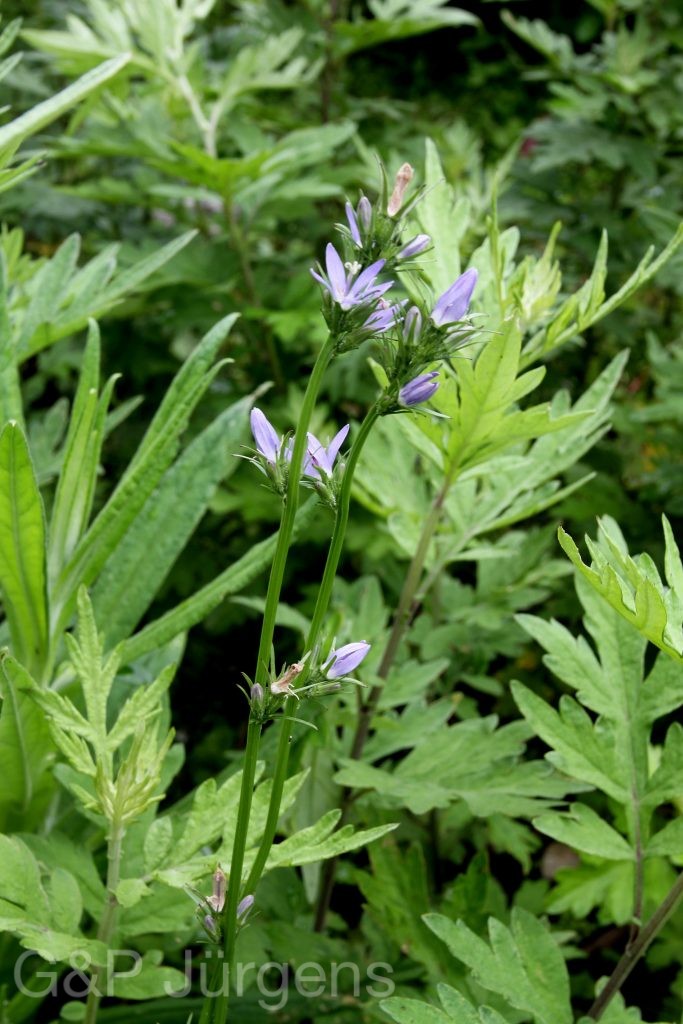
Asyneuma fulgens is a bellflower-family herb widely distributed across the Himalaya and adjacent Asia, well represented in GBIF with about 276 occurrences from China, India, Nepal, Bhutan, Myanmar and beyond. It is a plant of open, sunny situations, occurring on grassy and rocky slopes, banks, clearings, scrub and roadside verges in the warm-temperate to lower subalpine belt. The plant photographed along the Paro-Chu in Bhutan at about 2400 m in July was recorded in the monsoon flowering season, consistent with its preference for moist but well-drained montane slopes in the lower part of its altitudinal range.
It is an erect perennial herb, often slender and somewhat wiry, with simple or sparingly branched stems arising from a thickened rootstock and exuding latex when cut, as is typical of the family. The leaves are alternate, the lower ones petiolate and ovate to lanceolate, the upper sessile and narrower, with toothed margins. The flowers are borne in elongate, often interrupted spike-like or racemose inflorescences; each has a five-lobed calyx and a deeply five-parted, star-shaped corolla in shades of blue, violet or purple, the linear lobes spreading at anthesis. The style is exserted with a lobed stigma, and the fruit is a capsule dehiscing by lateral pores to shed many small seeds.
Asyneuma is segregated from Phyteuma and Campanula chiefly by its deeply divided, rotate corolla and the manner of capsule dehiscence. The genus is centred on Eurasia, with a notable Himalayan and Sino-Himalayan representation. As a widespread, ecologically tolerant species occupying disturbed as well as natural slopes, A. fulgens is not of conservation concern, and it provides a nectar and pollen resource for bees and other insect visitors in montane meadows.
Author: (Wall.) Briq. · Sources: POWO (Kew), GBIF, Flora of China, Flora of Bhutan, Hooker Flora of British India, Lammers World Checklist of Campanulaceae