(Baker) LaFrankie
Description
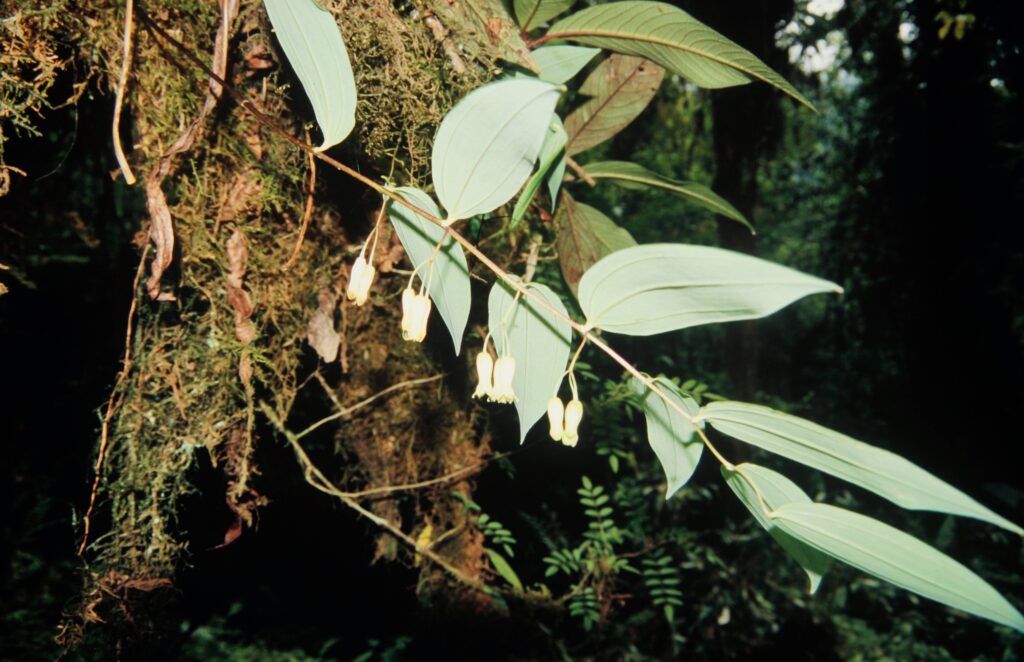
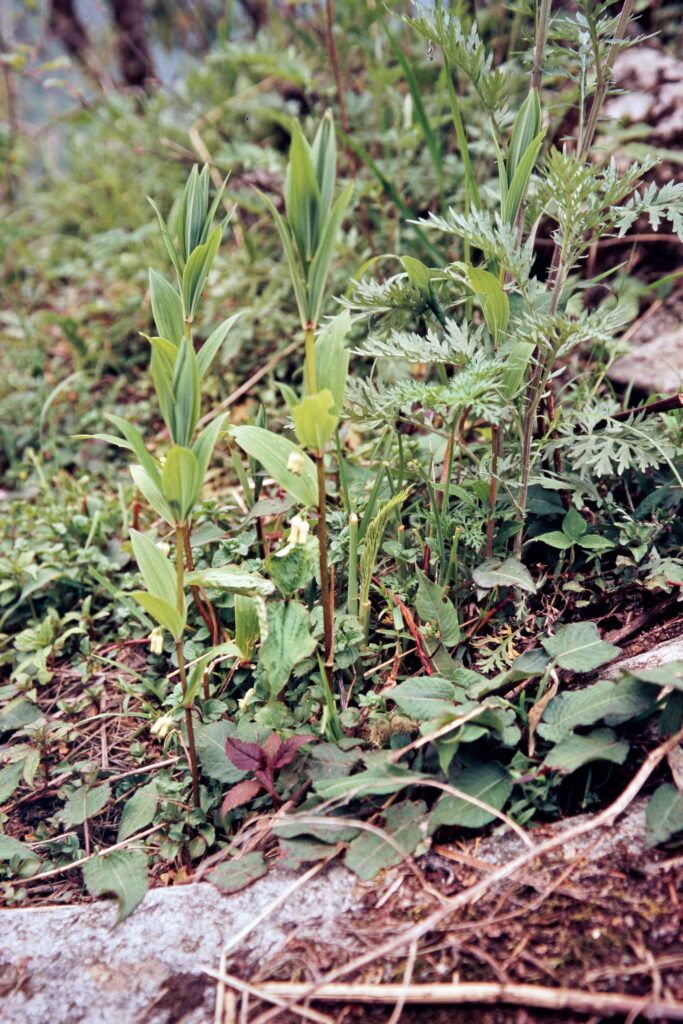
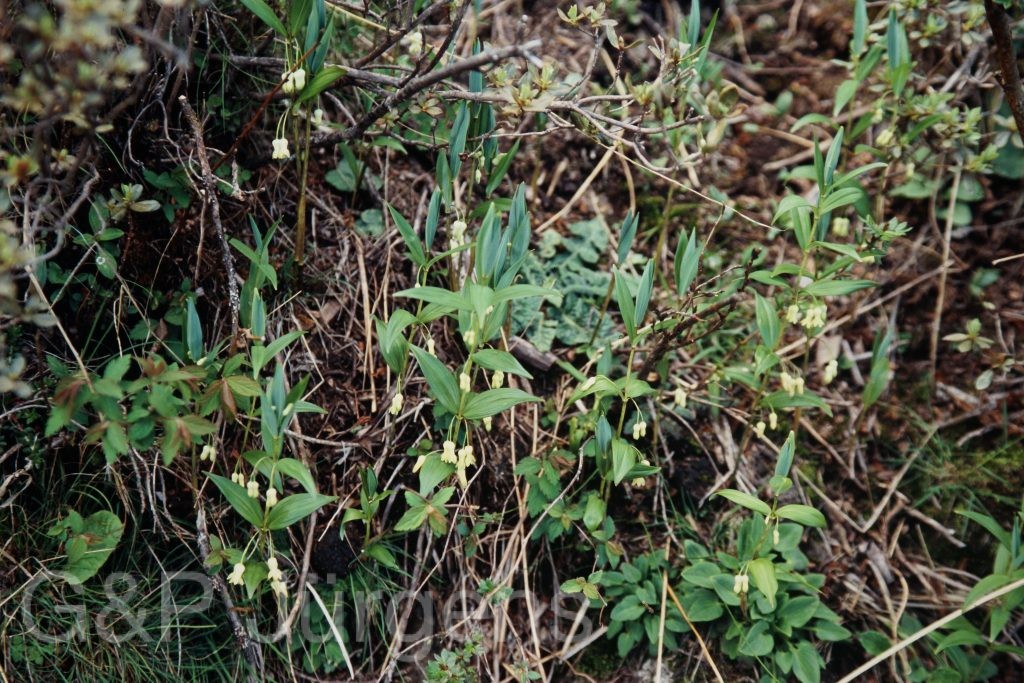
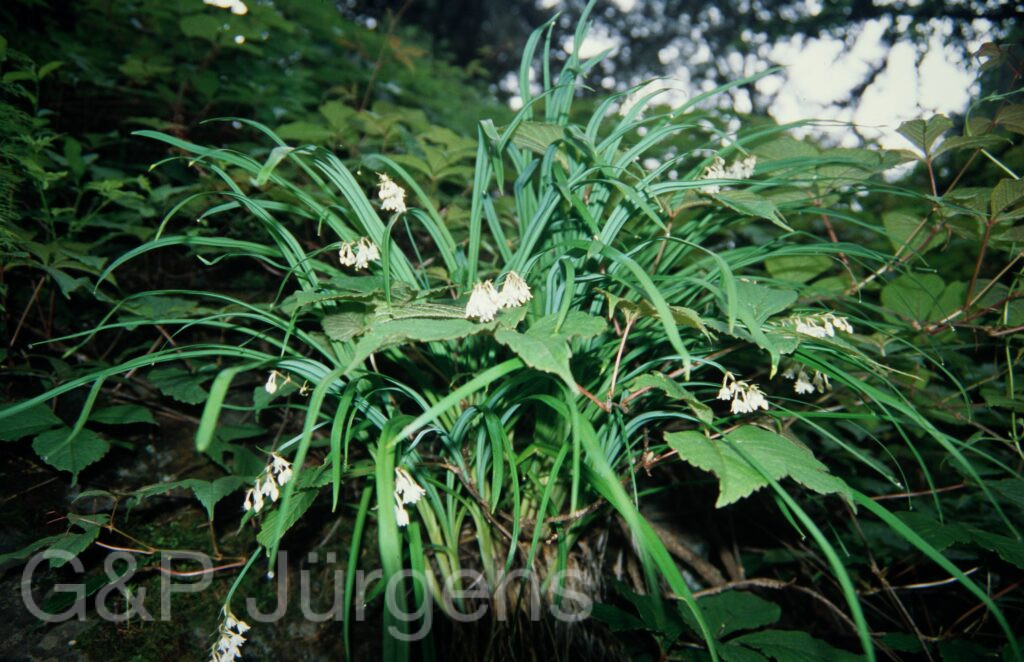
Maianthemum oleraceum is a robust rhizomatous herb of the eastern Himalaya and western China, recorded from China, Nepal, India, Bhutan and Myanmar, with roughly 259 documented occurrences. It is a woodland species inhabiting moist temperate and subalpine forests, shaded ravines, shrubberies and forest clearings on deep humus-rich soils, often forming loose colonies through its spreading rhizome. In the Indian eastern Himalaya it reaches the upper montane belt, exemplified by the gathering near Kalipokkri in West Bengal at about 3100 m in May, when the species comes into flower at the close of the cool season.
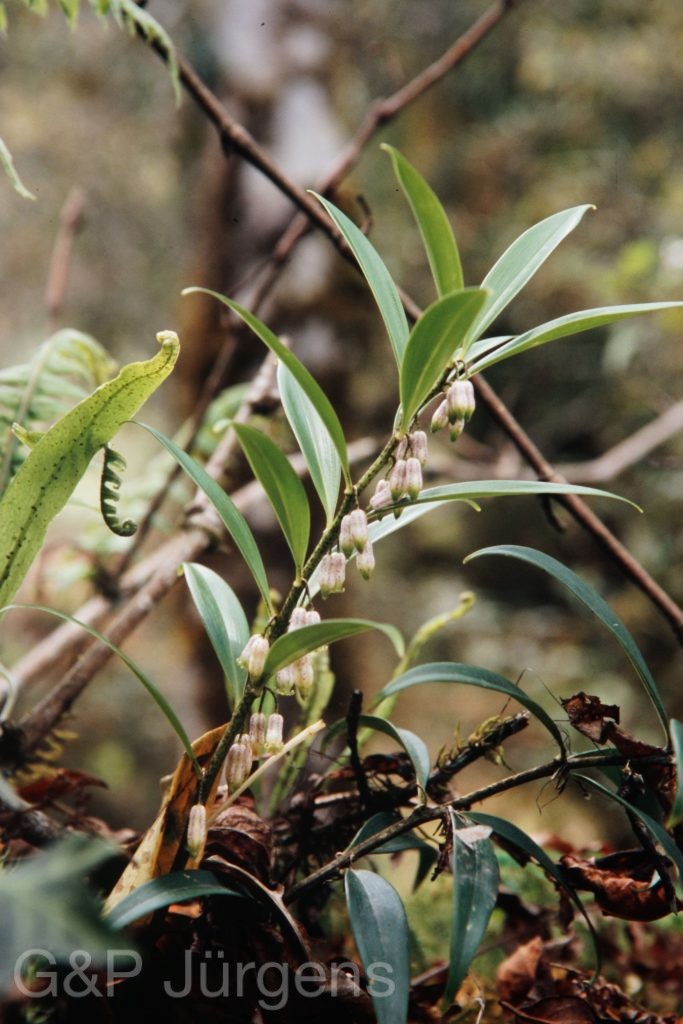
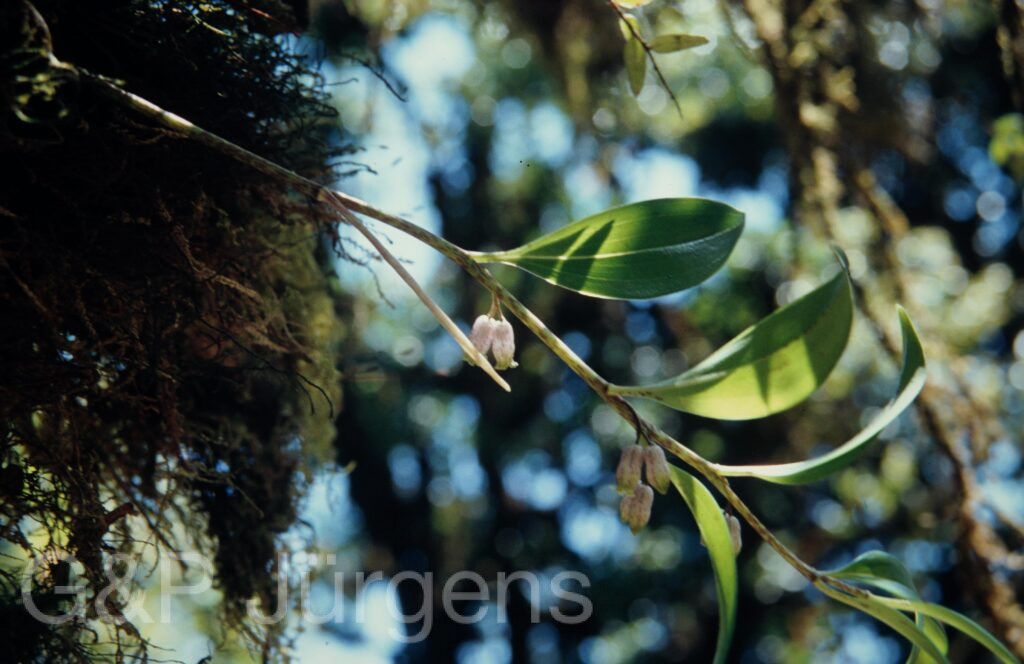
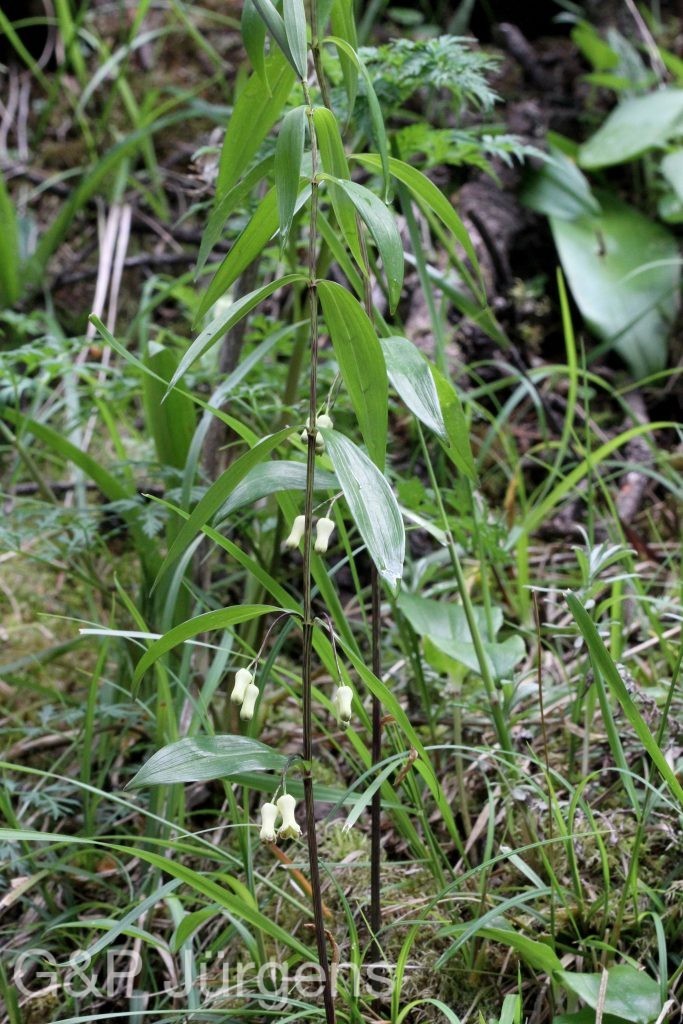
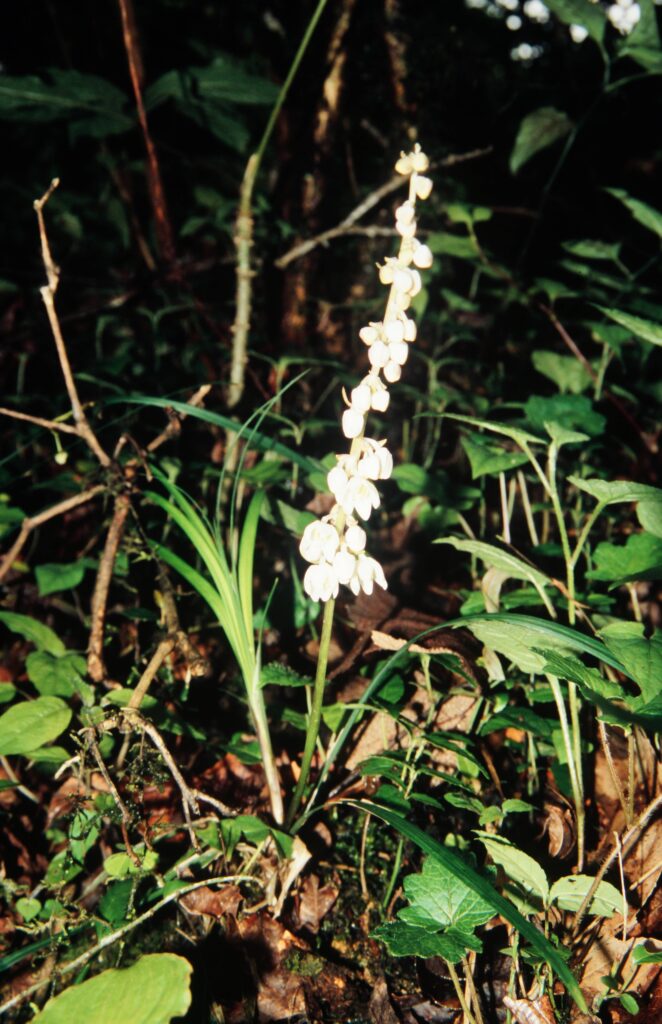
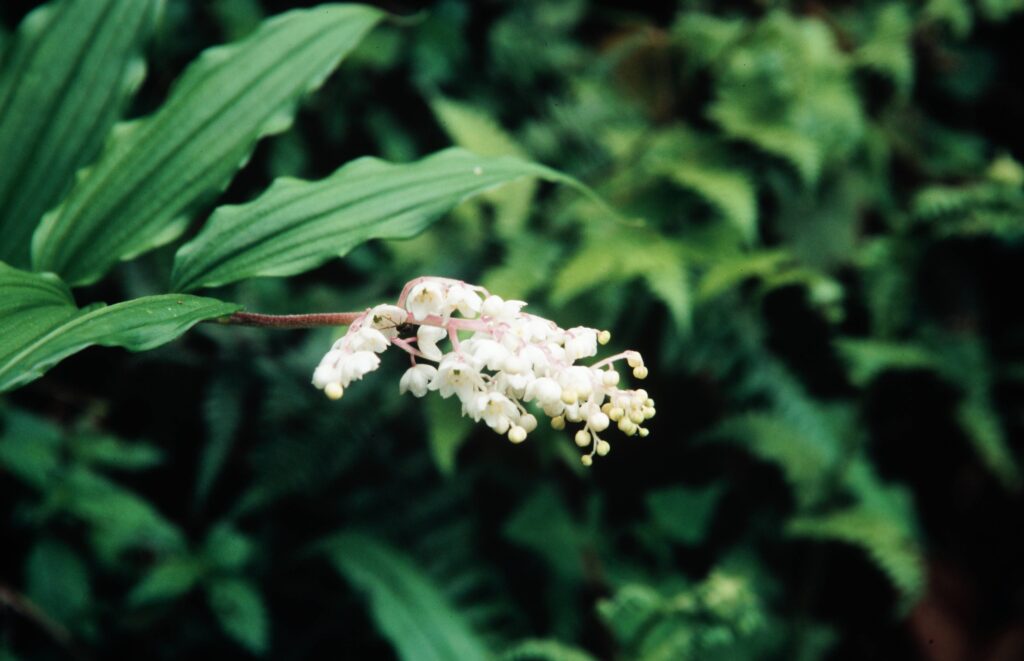
The plant produces stout, erect to arching leafy stems from a thickened creeping rhizome. The leaves are several, alternate, sessile or shortly petiolate, broadly ovate to ovate-lanceolate, acuminate at the apex and cordate to rounded at the base, with prominent arching venation. The inflorescence is a terminal branched panicle of numerous small flowers, each with six free, spreading, pinkish to greenish-white tepals and six stamens; the flowers are subtended by small bracts. The fruit is a globose berry, green and mottled when young, ripening through red to dark purple, containing few hard seeds.
Maianthemum, treated under Asparagaceae in modern classifications and long placed near Smilacina, comprises rhizomatous forest herbs of the northern hemisphere, of which M. oleraceum is one of the larger Asian species. The fleshy berries are dispersed by birds and small mammals, while clonal rhizome growth allows persistence in shaded understorey. The young shoots and leaves are gathered locally as a potherb, reflected in the epithet oleraceum. Common across its montane range, it is not considered threatened, though it depends on the maintenance of intact temperate forest.
Author: (Baker) LaFrankie · Sources: POWO (Kew), GBIF, Flora of China Vol. 24, Flora of Bhutan Vol. 3, Flora of Nepal, LaFrankie revision of Maianthemum (Smilacina)