Spreng.
Description
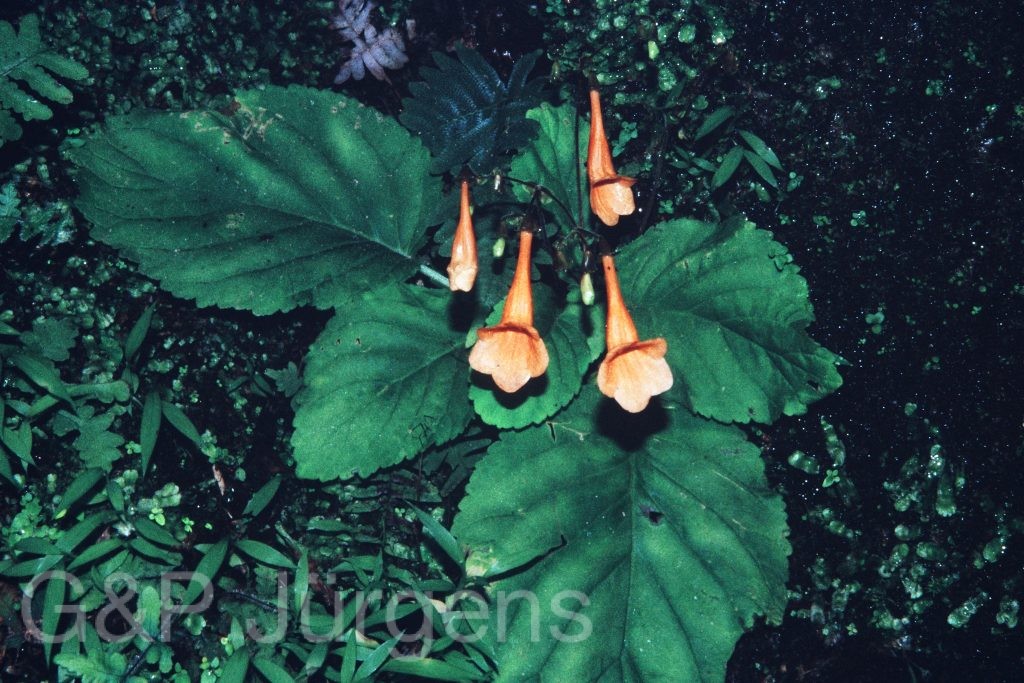
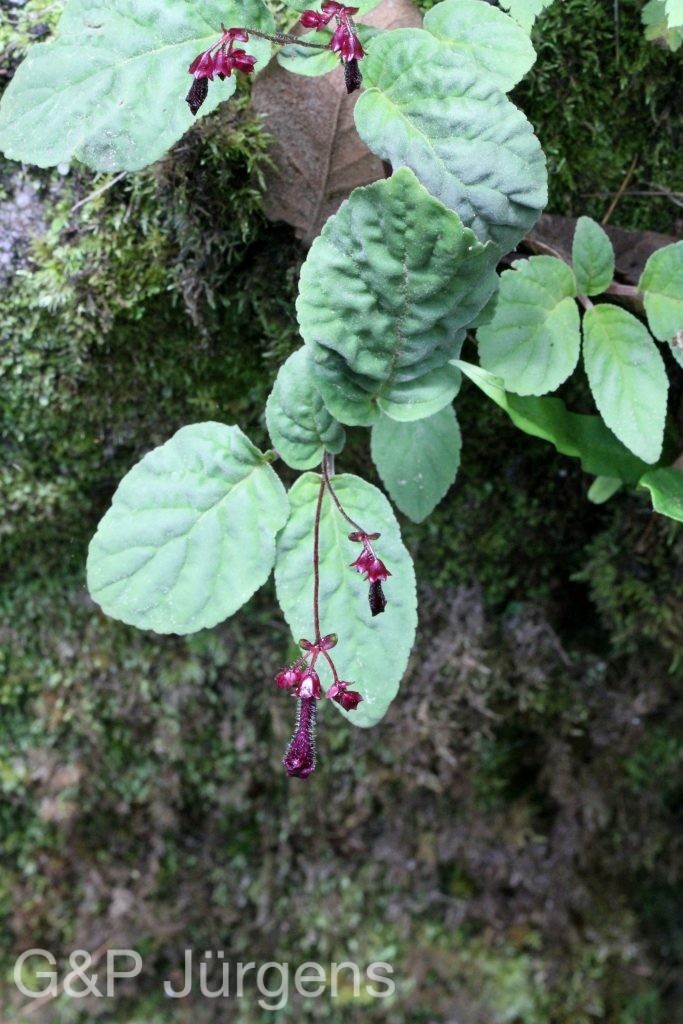
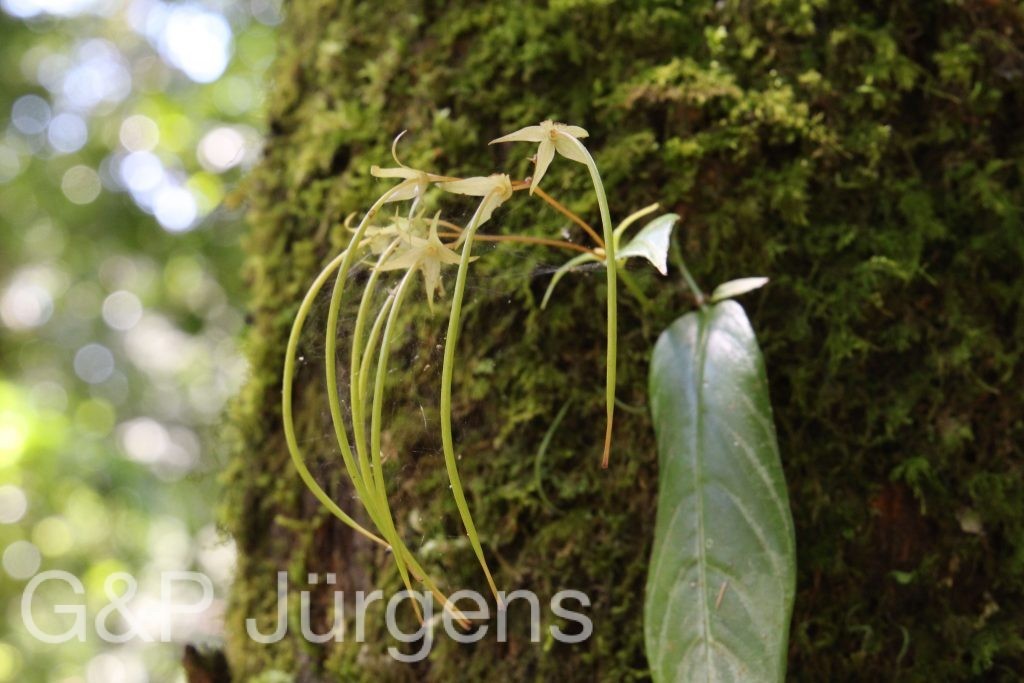
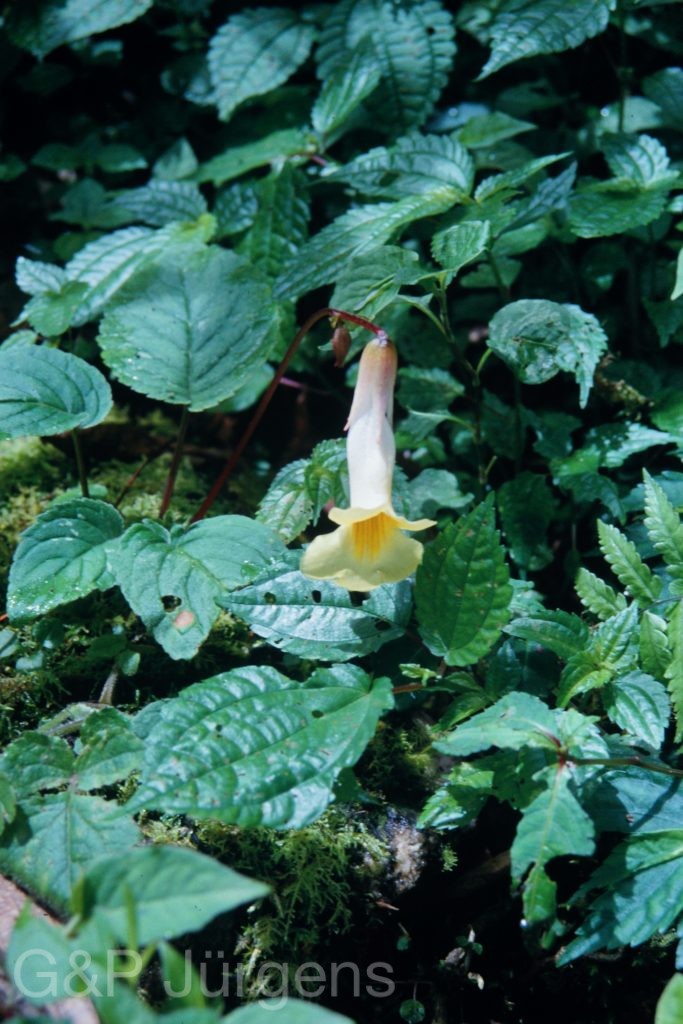
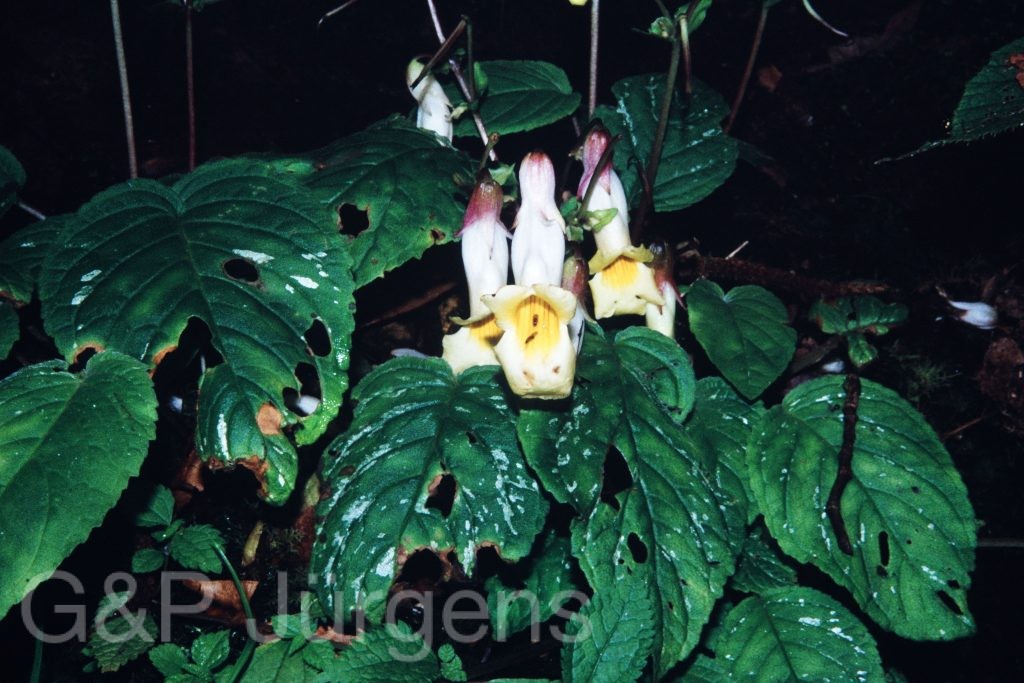
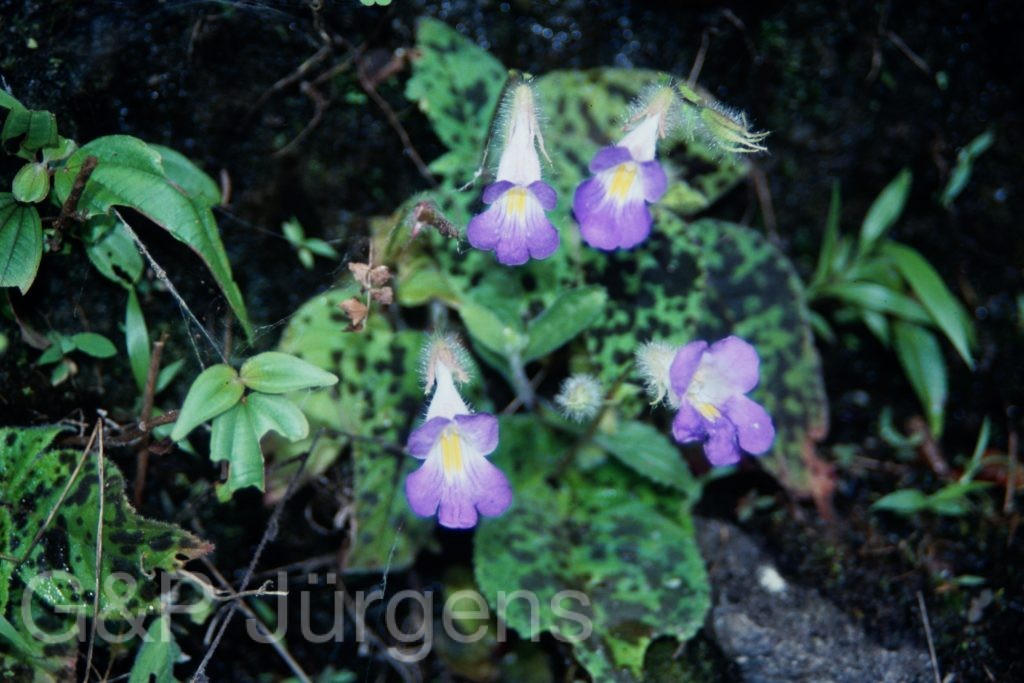
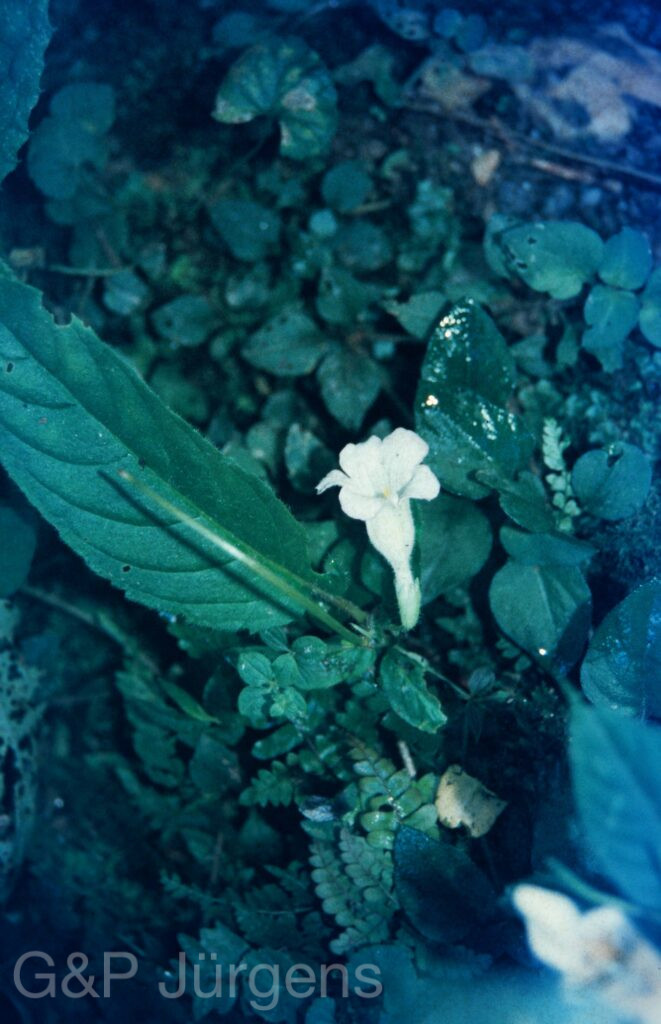
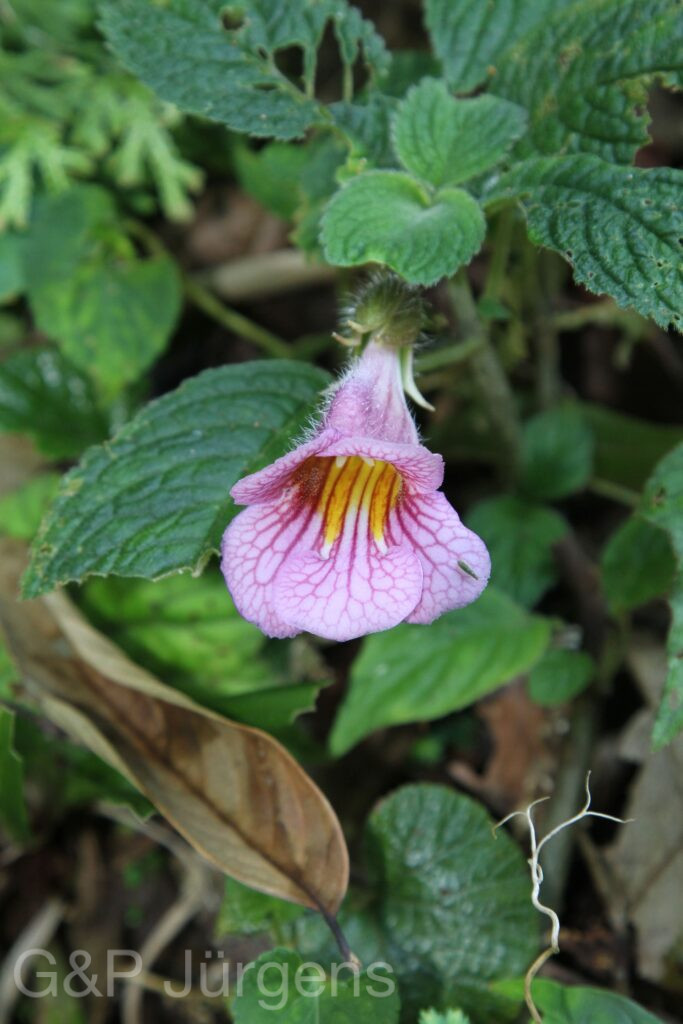
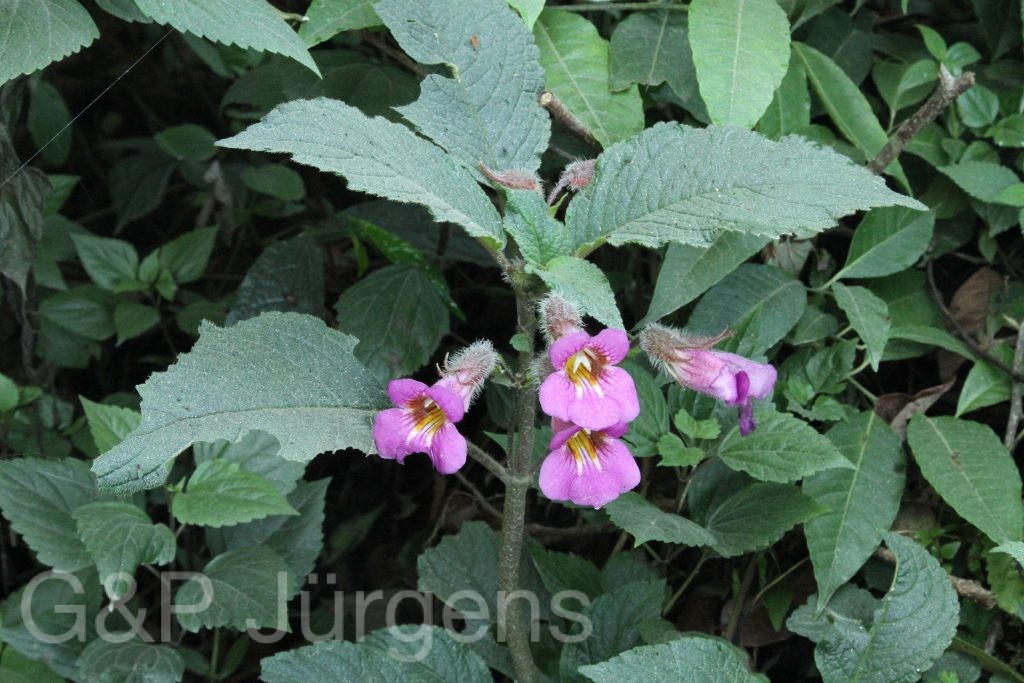
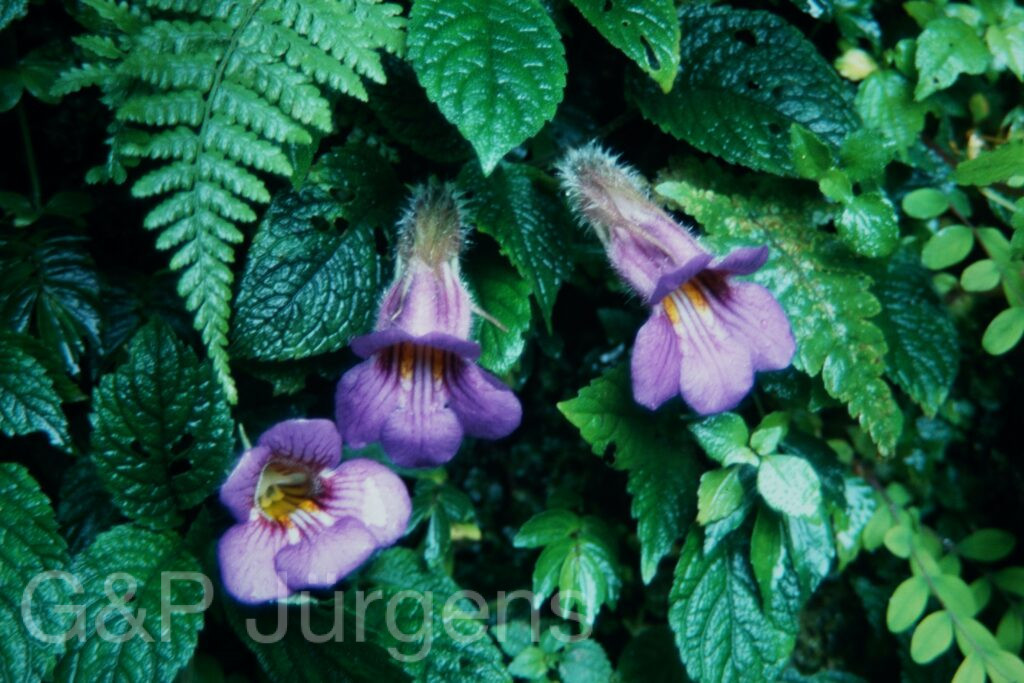
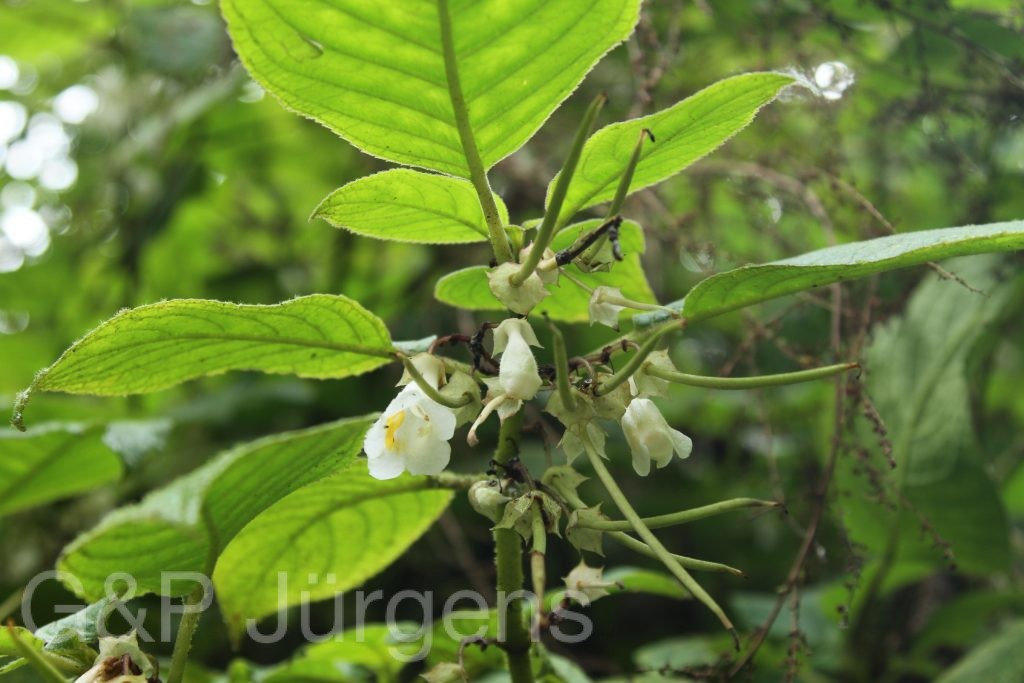
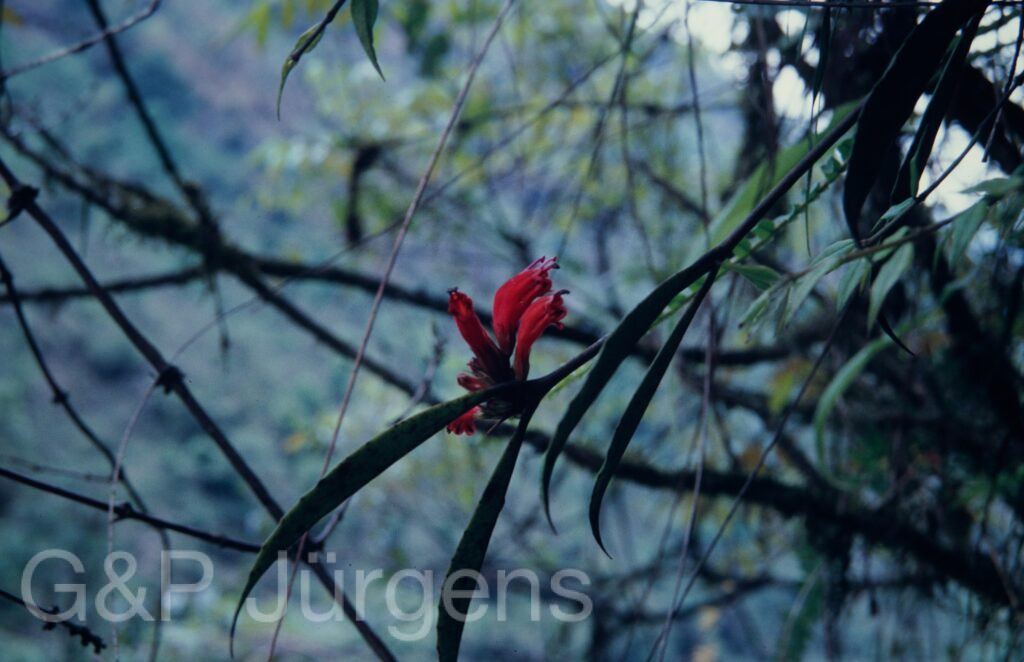
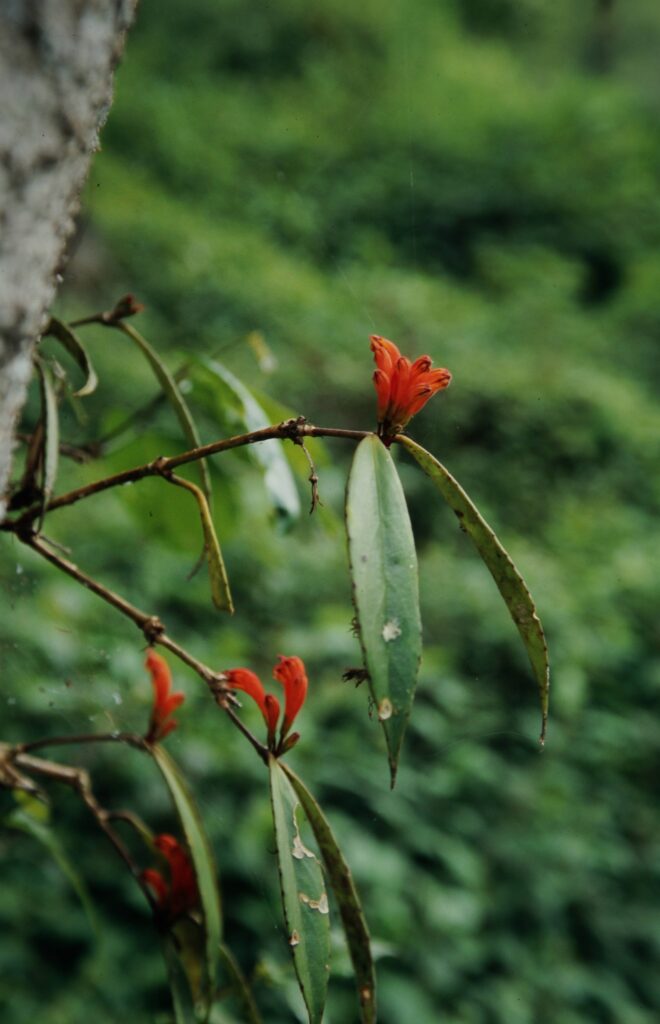
Aeschynanthus parviflorus is an epiphytic gesneriad widely distributed through the eastern Himalaya and into Southeast Asia, with GBIF records from Nepal, northeast India, Bhutan, Bangladesh, Myanmar, Thailand, Vietnam and southern China (additional codes represent herbaria and cultivation). It grows as an epiphyte or lithophyte on mossy trunks, branches and shaded rocks in humid broad-leaved evergreen and subtropical forest, mainly between 1,000 and 2,200 m. The featured collections come from the Mewa Khola in eastern Nepal at about 1,900 m in April and from Chaana in West Bengal at around 1,750 m in May, within its core mid-montane belt.
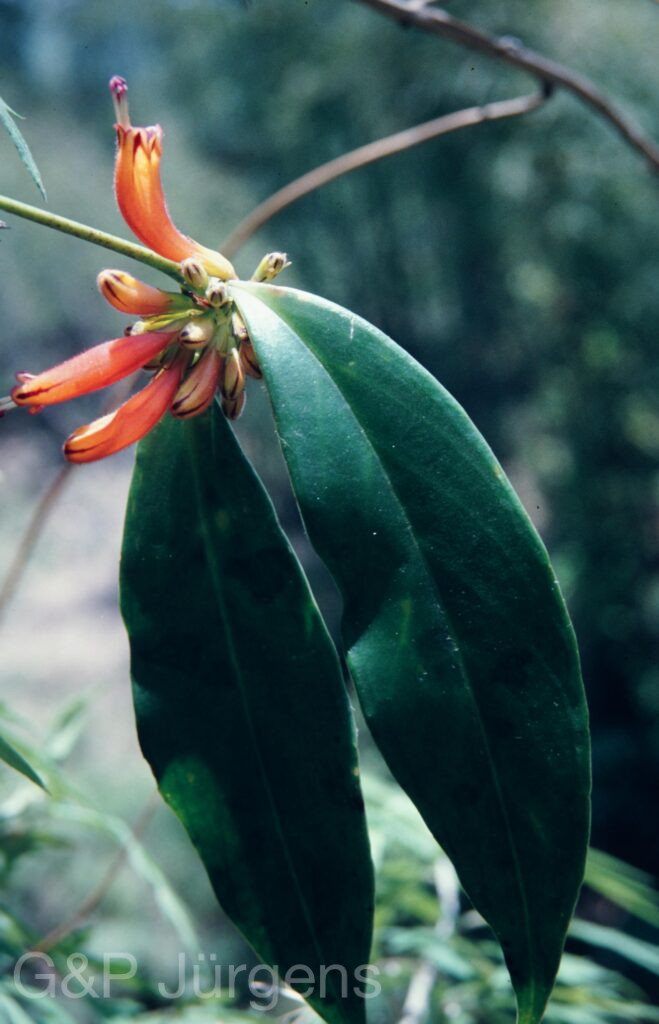
The plant has pendent to scrambling, somewhat fleshy stems rooting at the nodes and bearing opposite, coriaceous, elliptic to lanceolate leaves with entire margins and an acuminate apex. The flowers are clustered in the leaf axils or at the branch tips; the calyx is short and cupular, and the corolla is a curved, narrowly tubular structure, red to orange-red, with small spreading lobes, suited to nectarivorous bird and insect pollination. The fruit is a long, slender, two-valved capsule releasing numerous minute seeds, each furnished with a tuft of fine hairs that aids wind dispersal in the canopy.
The species is treated within Gesneriaceae (subtribe Didymocarpinae, genus Aeschynanthus), a large Asian genus of canopy epiphytes whose long-tubed flowers exemplify ornithophily in the Old World tropics. Aeschynanthus parviflorus is common and not regarded as threatened, but as a canopy specialist it depends on intact humid forest and declines where mid-elevation forest is fragmented or logged.
Author: Spreng. · Sources: POWO (Kew), GBIF, Flora of China Vol. 18 (Gesneriaceae), Grierson & Long: Flora of Bhutan Vol. 2, Mendum et al.: Revision of Aeschynanthus (Gesneriaceae)