Wall. & Ser.
Description
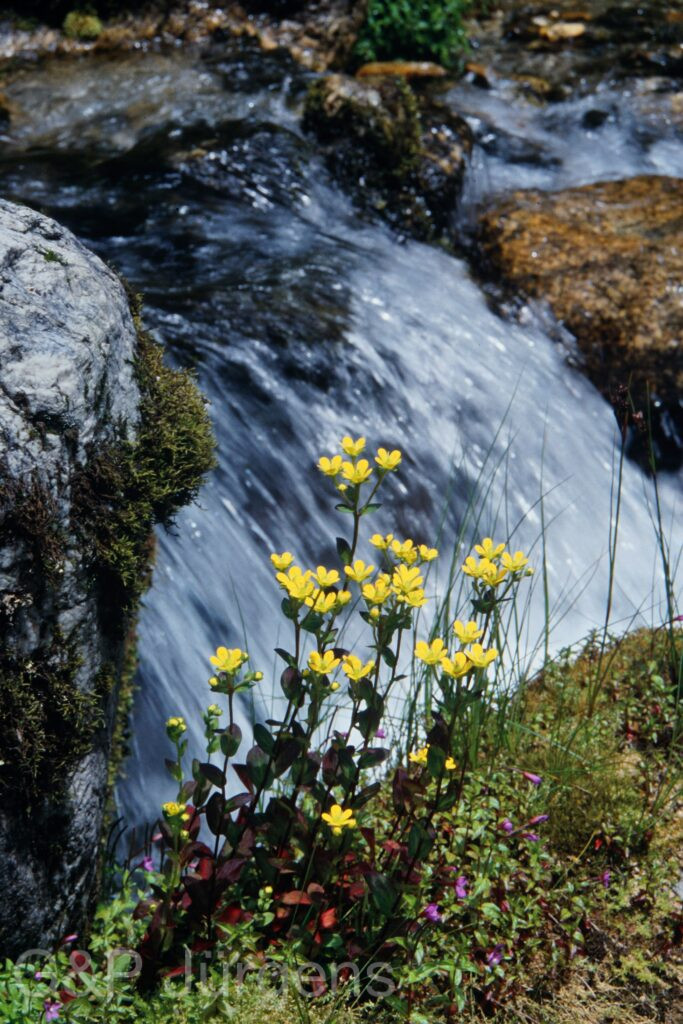
Saxifraga diversifolia Wall. & Ser. is a Sino-Himalayan alpine herb with GBIF recording 742 occurrences across China, Nepal, India, Myanmar, Bhutan and Pakistan. It is a plant of subalpine and alpine meadows, open slopes, shrubberies and damp grassy banks, typically growing between about 3000 and 4500 m. The cited collections — south of the Rupien La in Nepal at 3600 m in October, and from the Pele-La and Wangdi areas of Bhutan around 3100 m in September — show its broad occurrence through the central and eastern Himalaya and its autumn flowering at the close of the monsoon season.
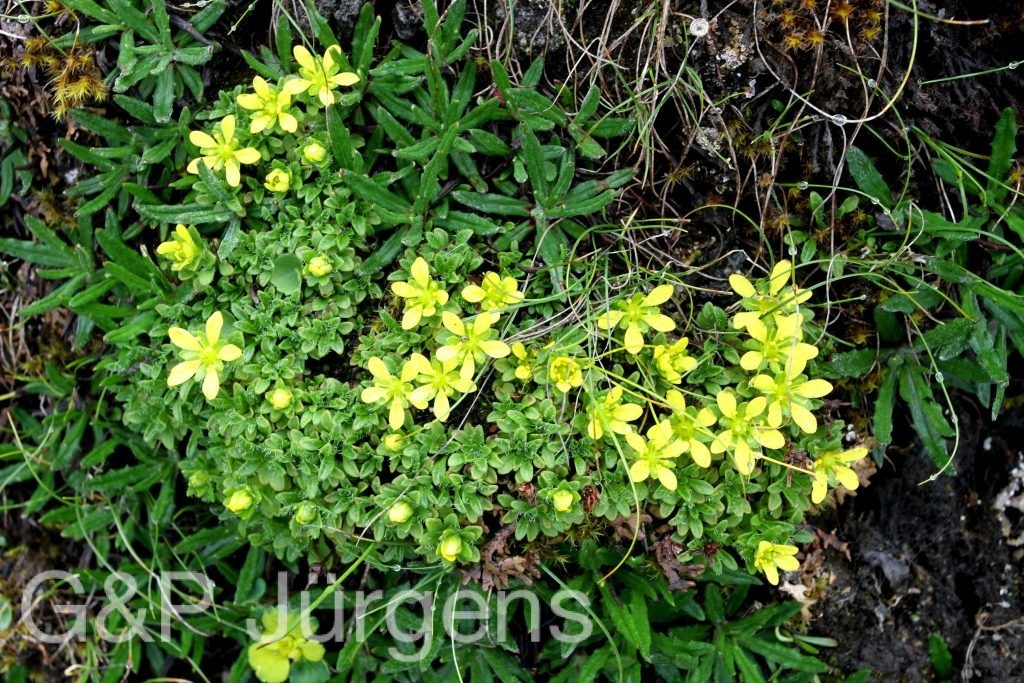
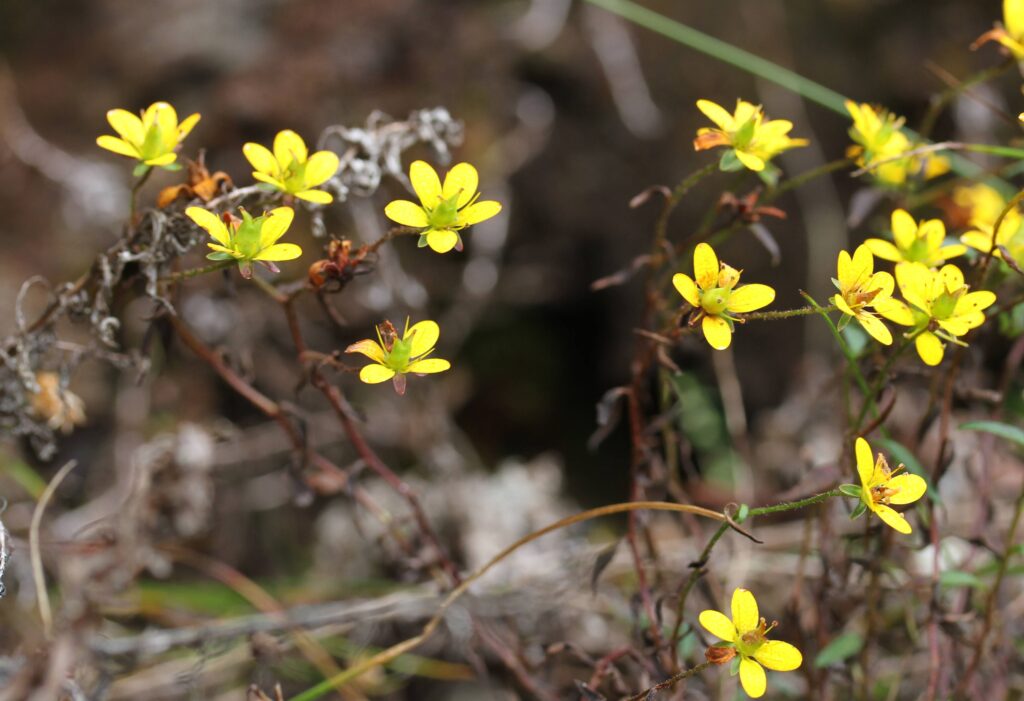
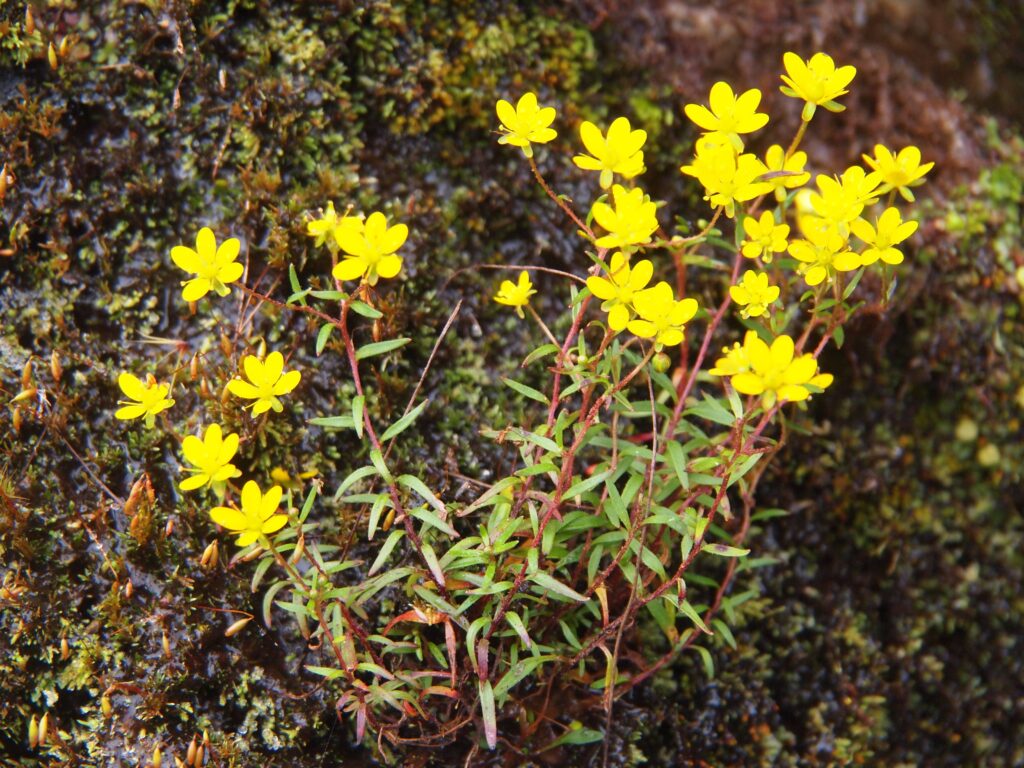
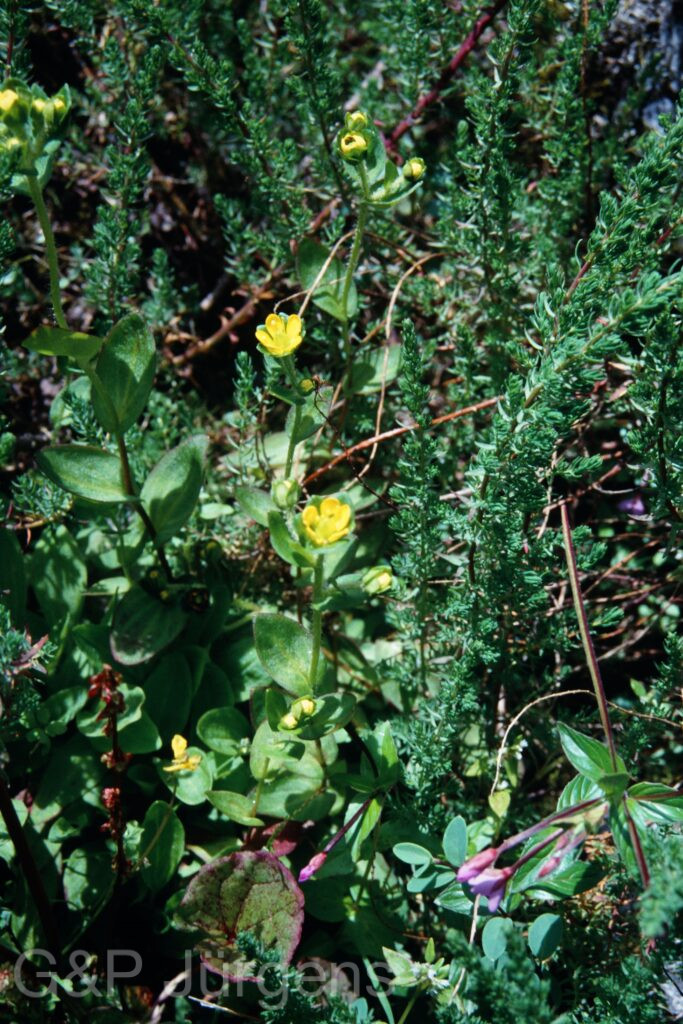
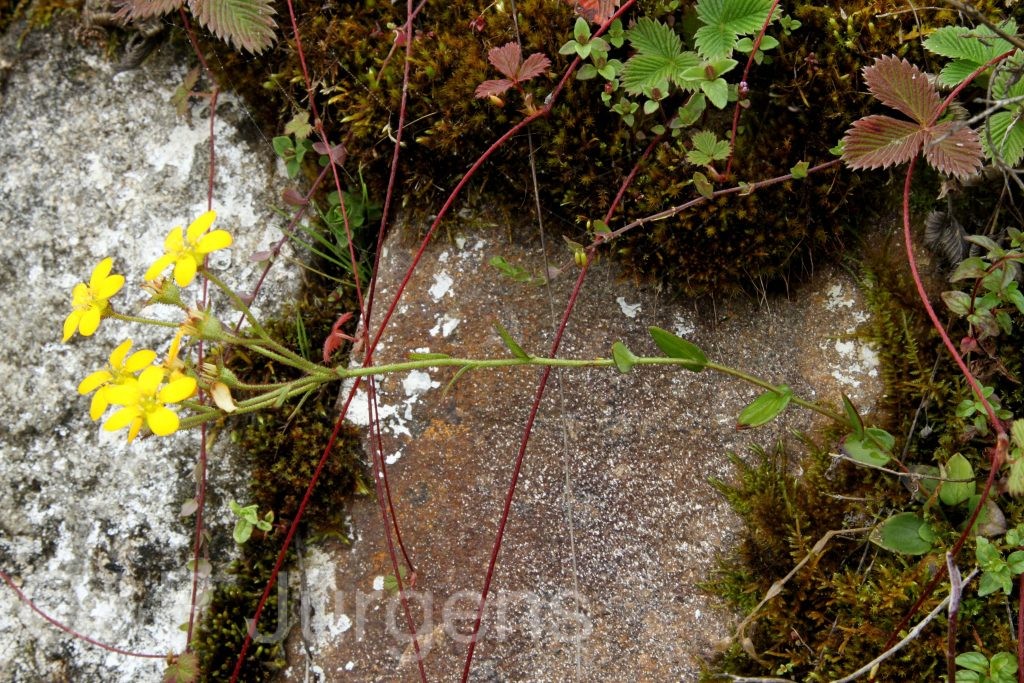
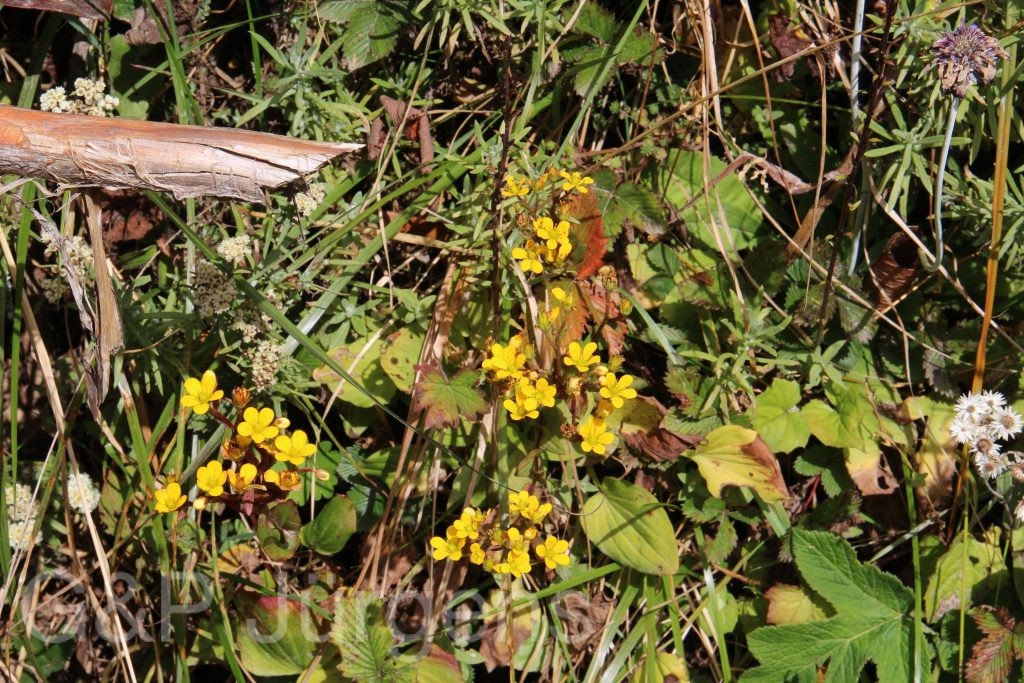
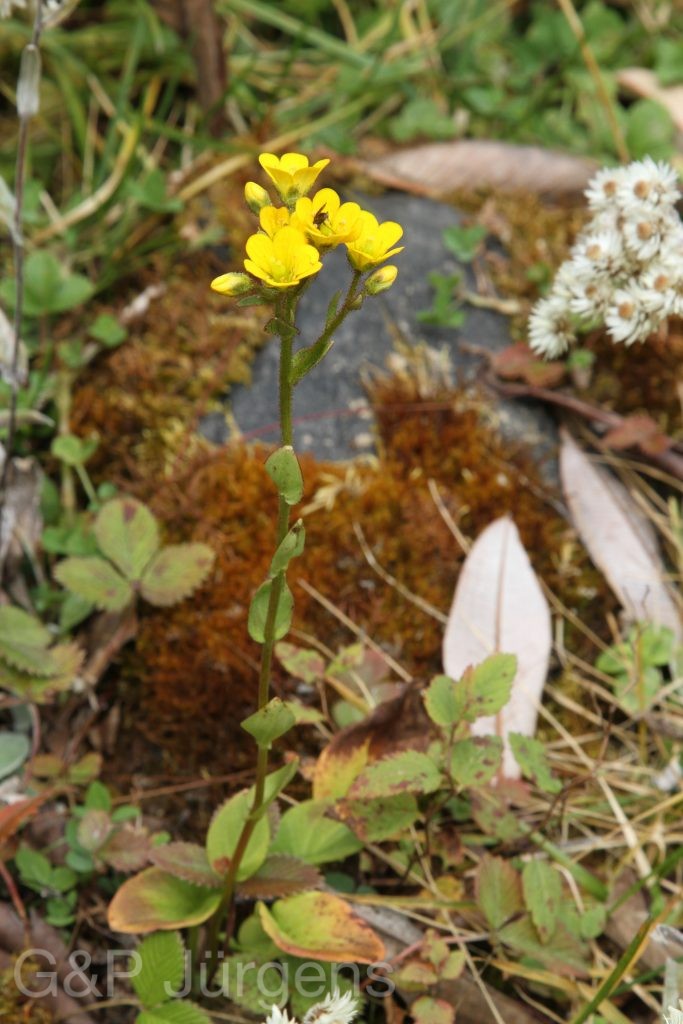
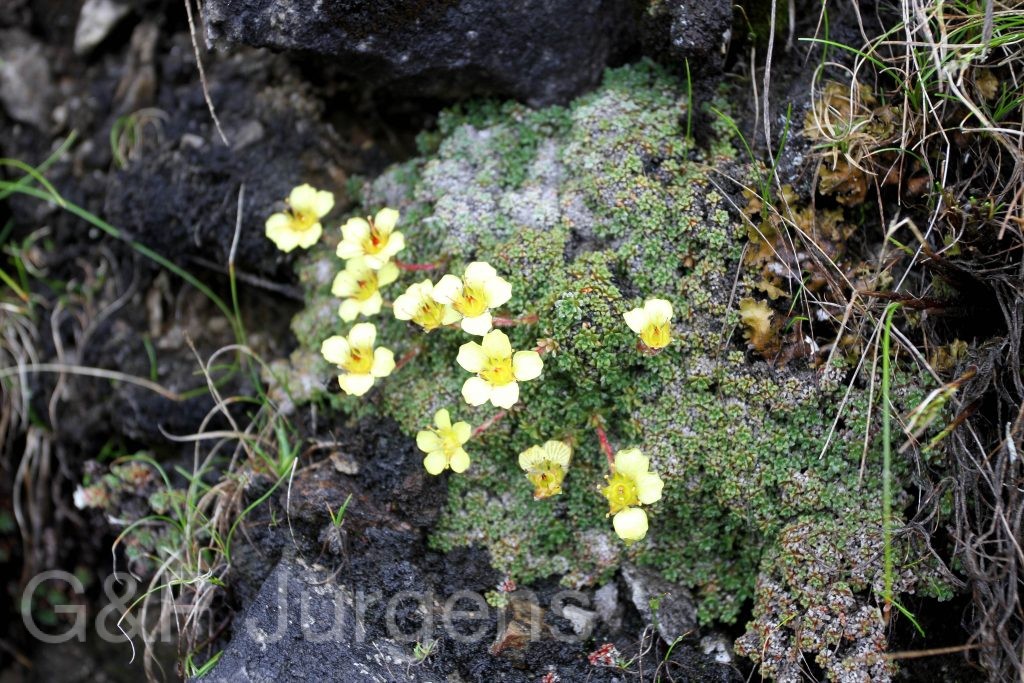
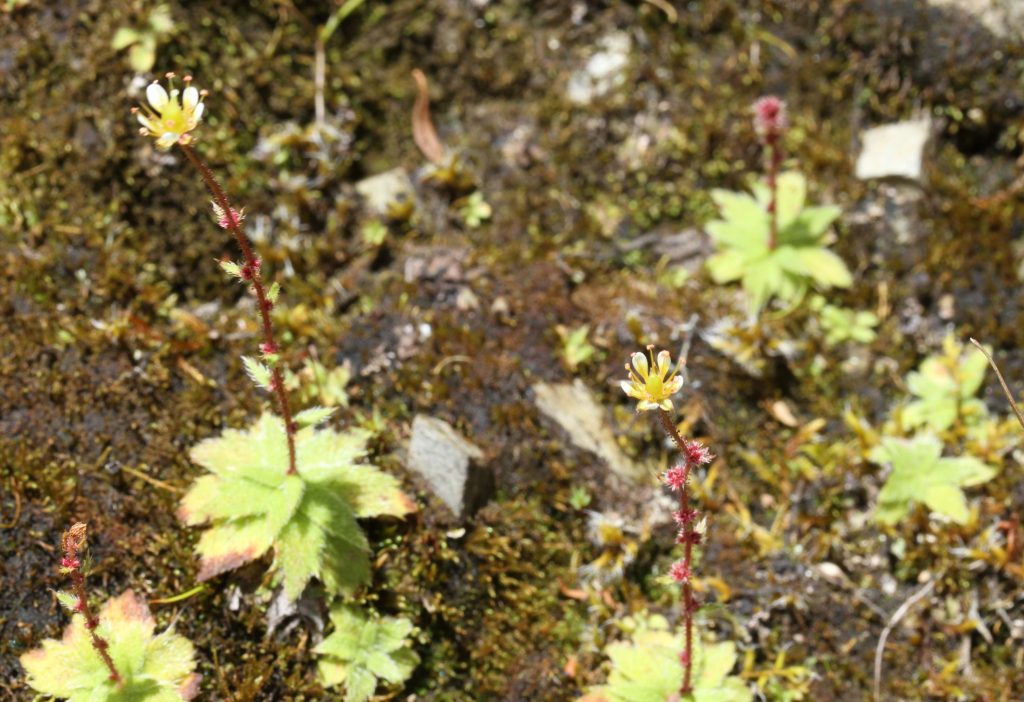
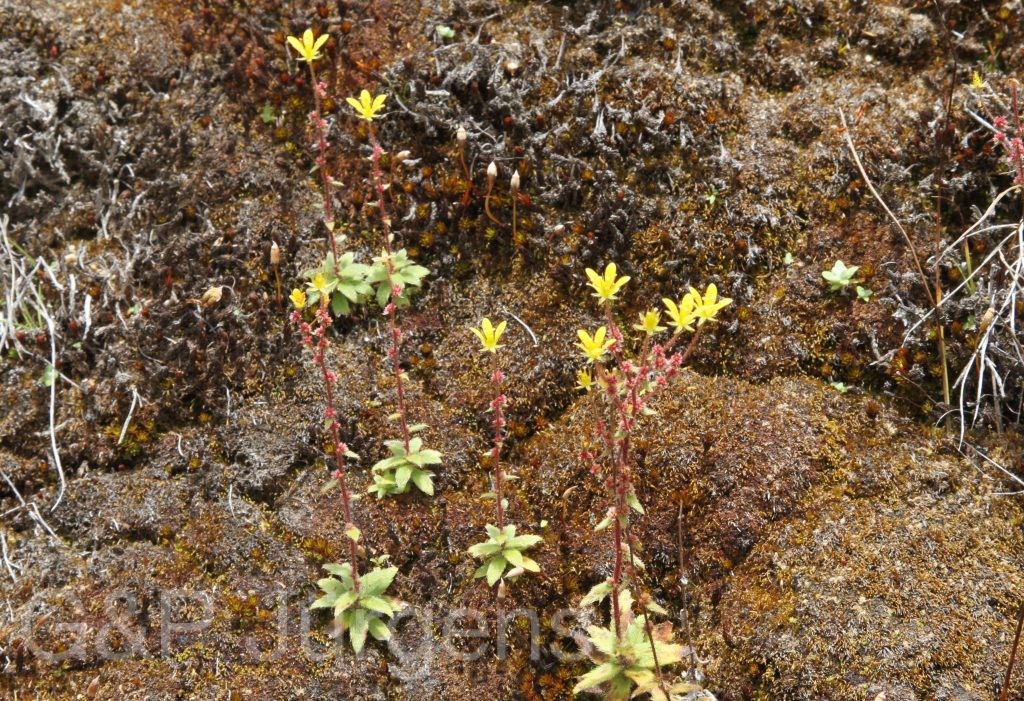
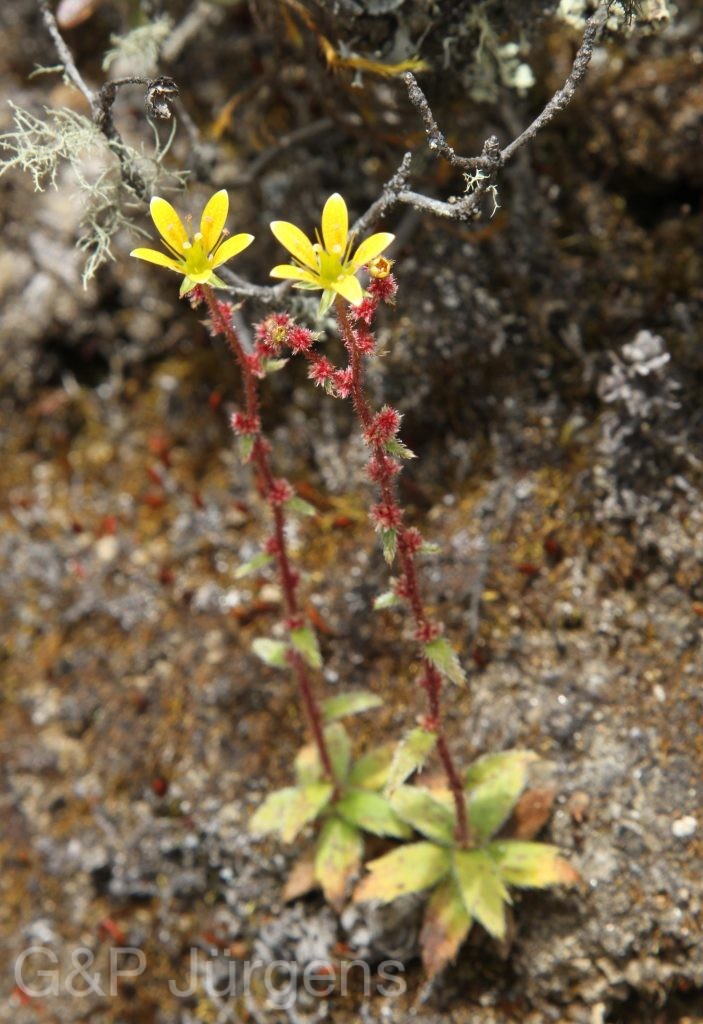
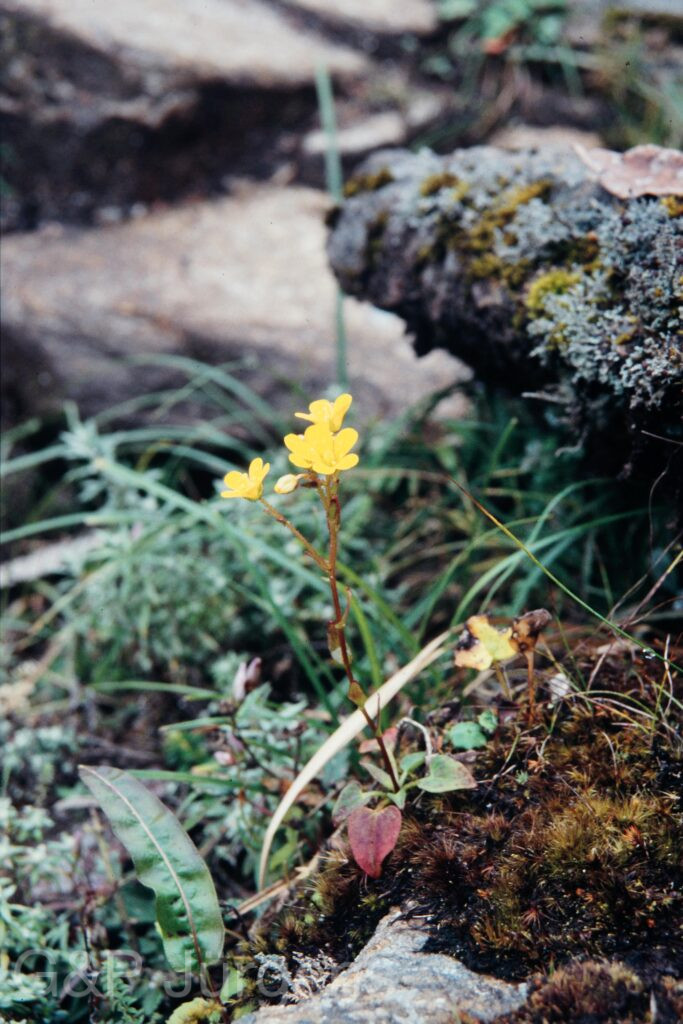
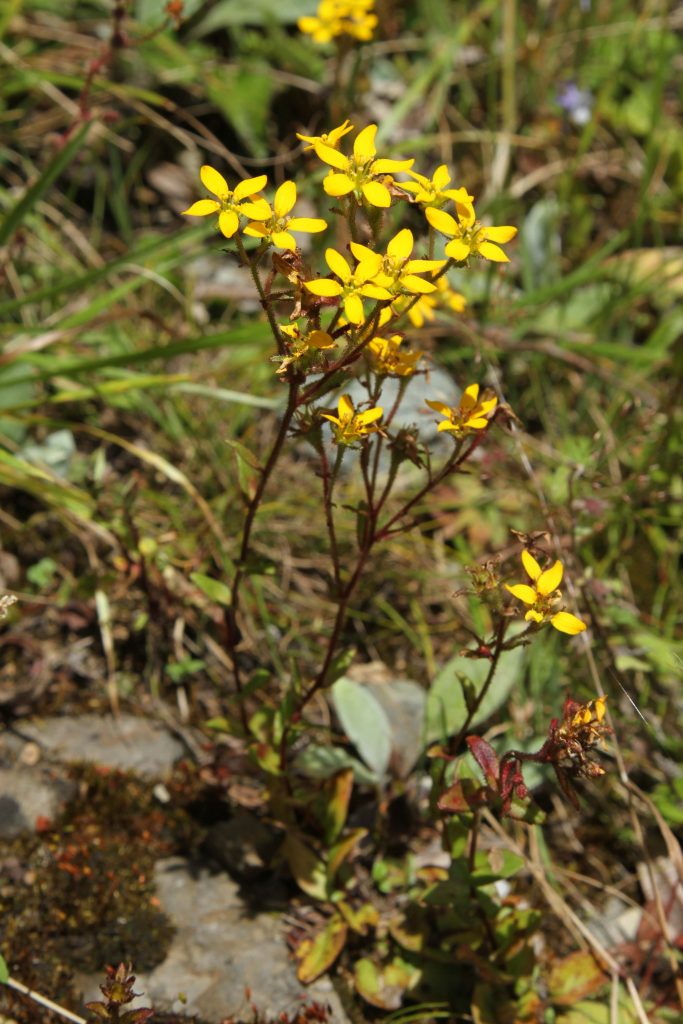
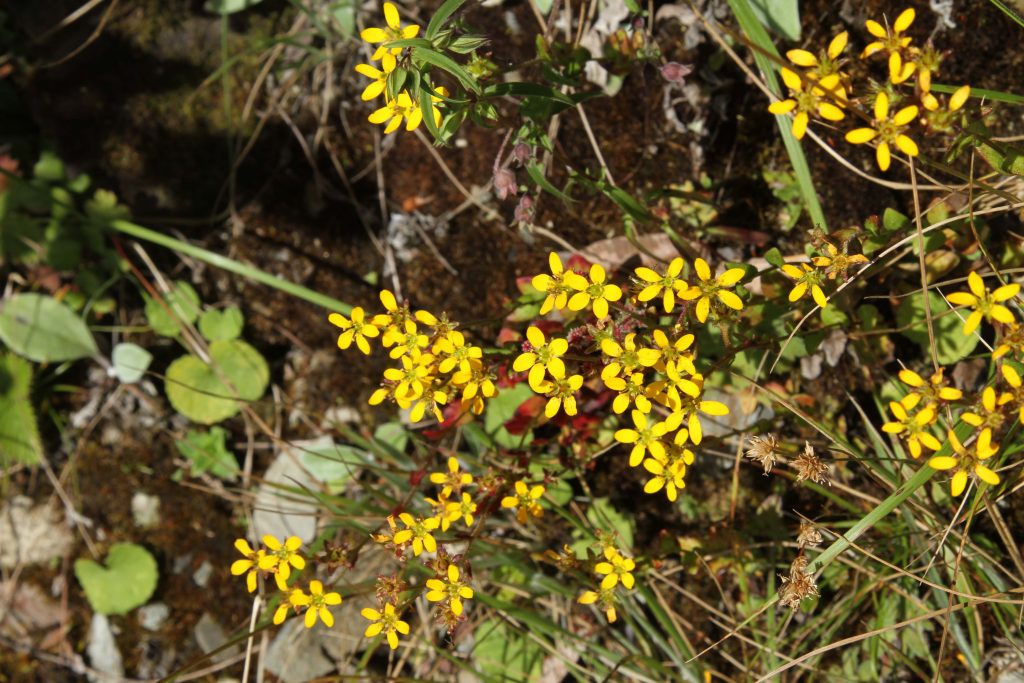
The species is a tufted perennial arising from a short rhizome, with erect, leafy flowering stems. As the epithet diversifolia implies, the foliage is dimorphic: the basal leaves are long-petiolate with cordate to reniform blades, whereas the cauline leaves are progressively sessile and amplexicaul, clasping the stem. The inflorescence is a terminal cyme of several yellow flowers; each flower has five spreading petals, ten stamens, and a bicarpellate, partly inferior ovary. The fruit is a two-beaked capsule splitting between the divergent styles to release numerous small seeds.
Within the very large genus Saxifraga, this species is placed in the yellow-flowered section Hirculus, a predominantly Asian alpine group well represented in the Himalaya and on the Qinghai-Tibetan plateau. Several Himalayan species of this section are morphologically close and have been variously circumscribed. The species is pollinated by alpine insects and is not considered threatened, being locally common across its extensive montane range, where it forms part of the diverse high-elevation meadow flora of the eastern Himalaya.
Author: Wall. & Ser. · Sources: POWO (Kew), GBIF, Flora of China, Flora of Bhutan, Flora of Nepal, Webb & Gornall monograph of Saxifrages