Hook.f. & Thomson
Description
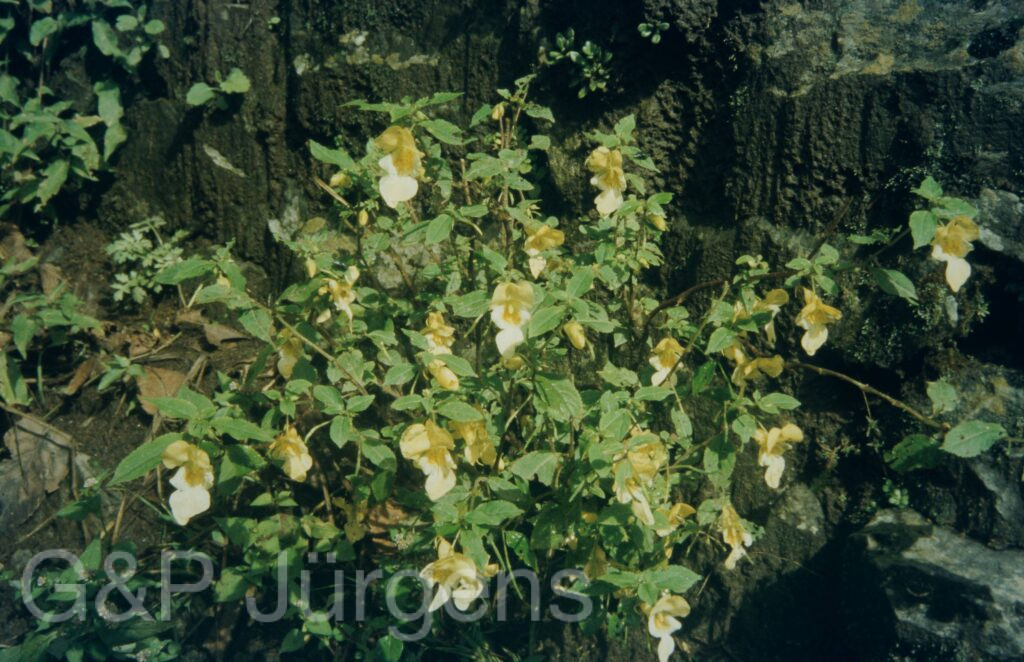
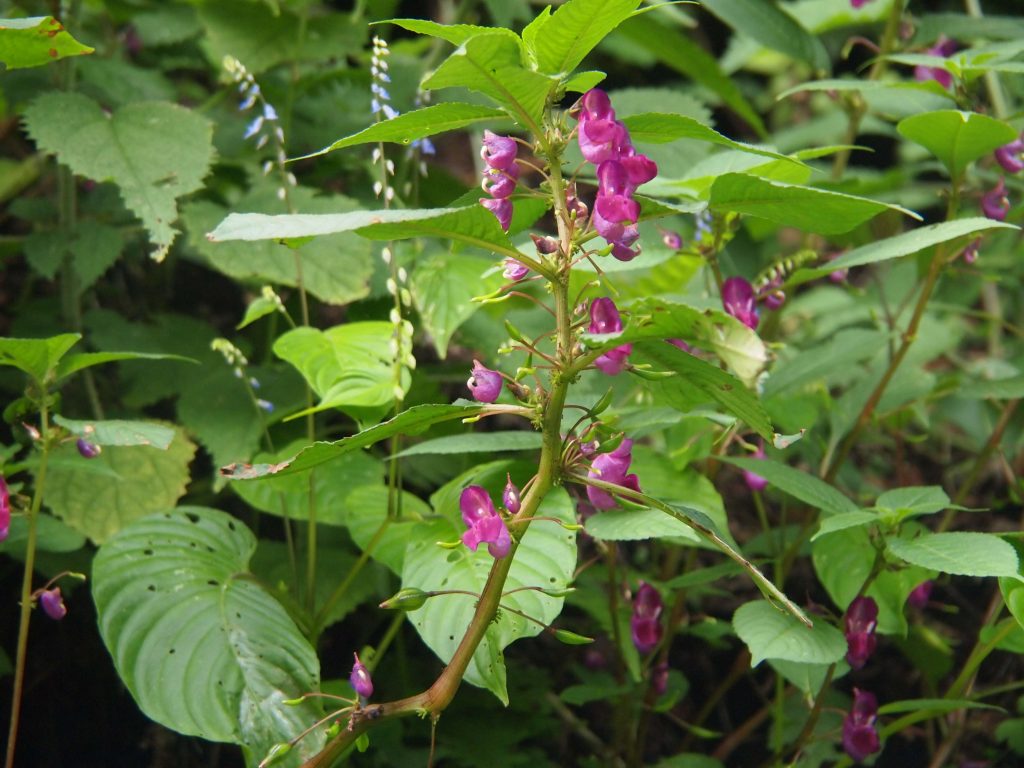
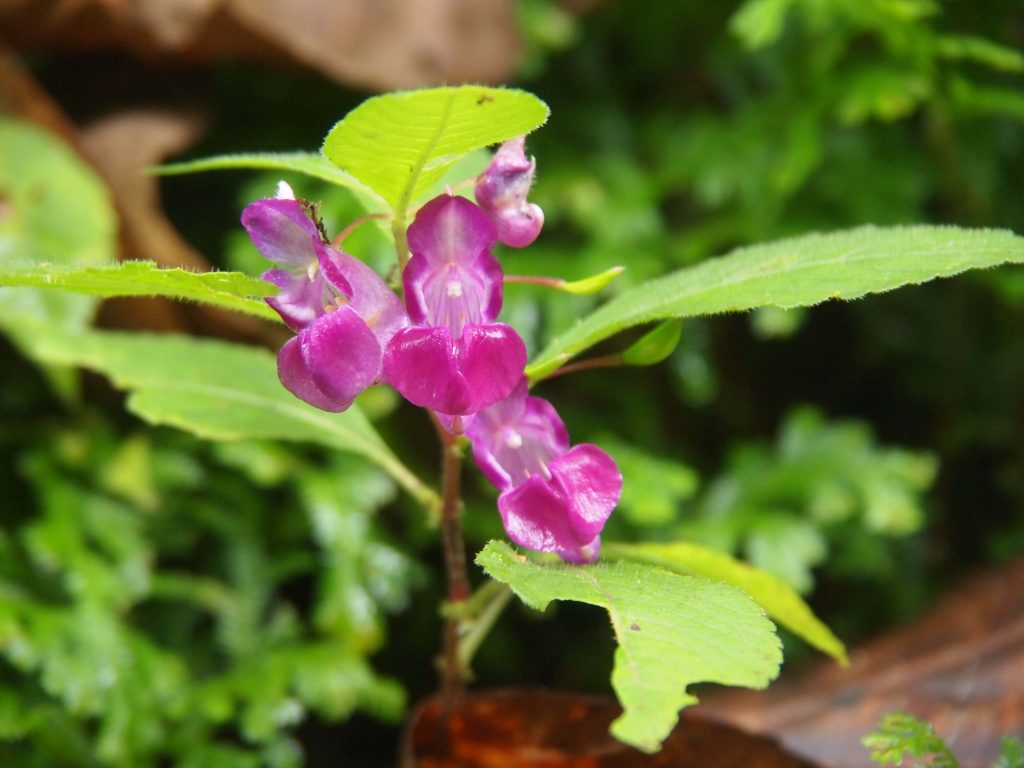
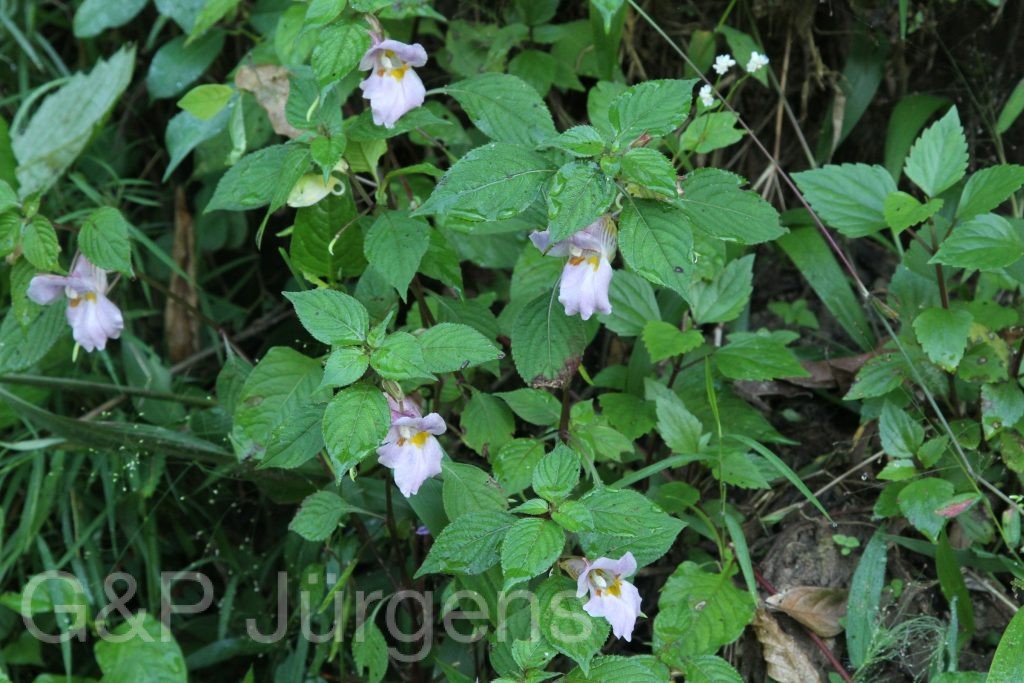
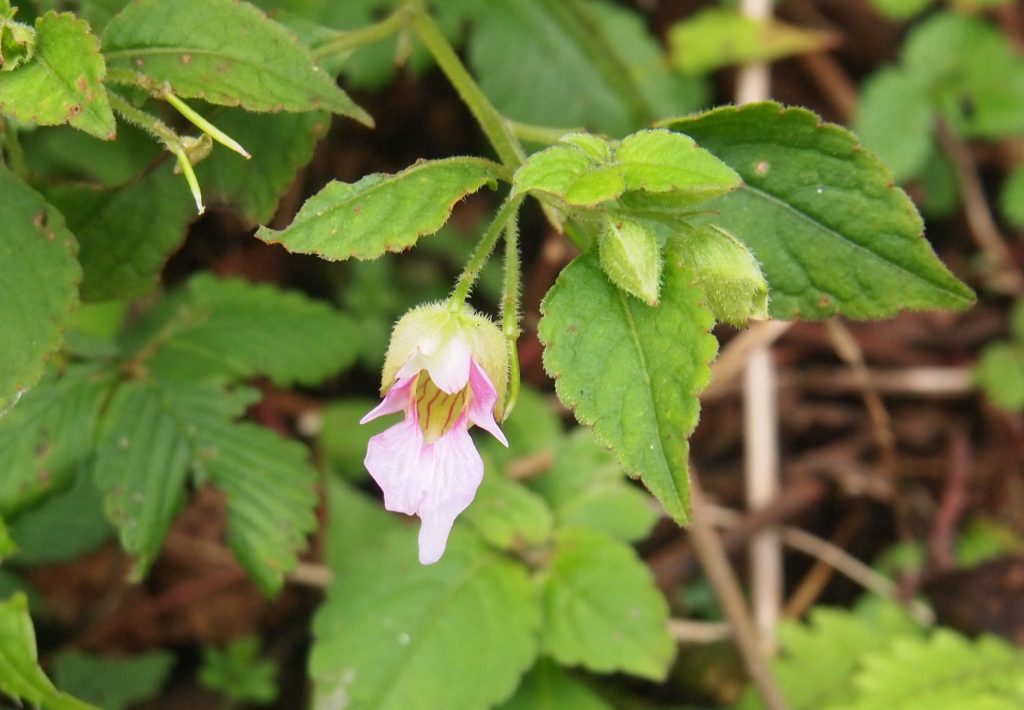
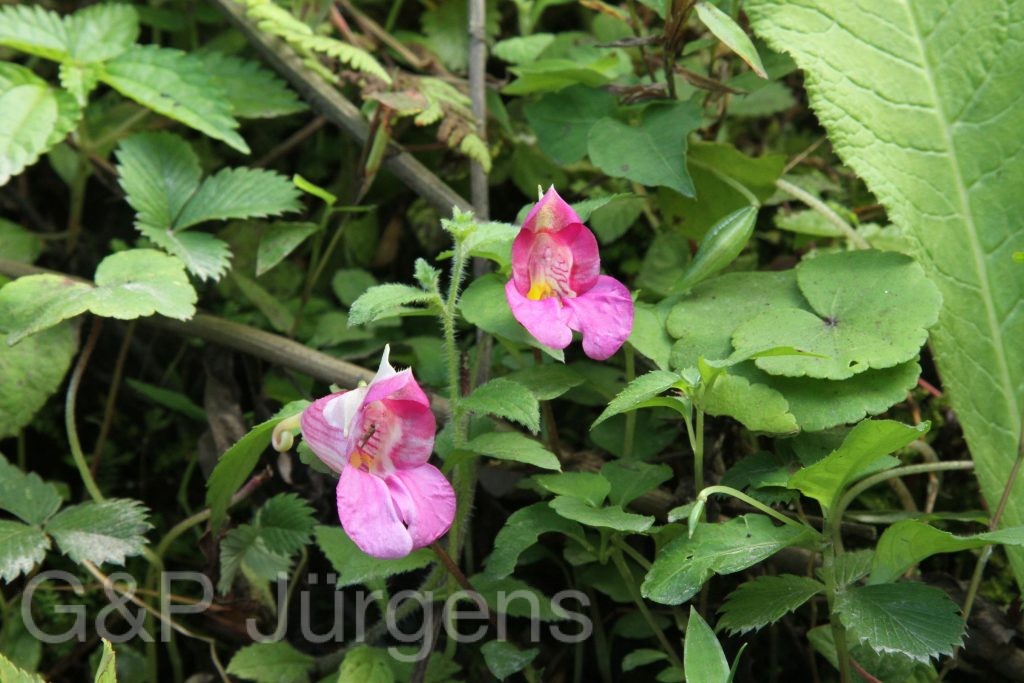
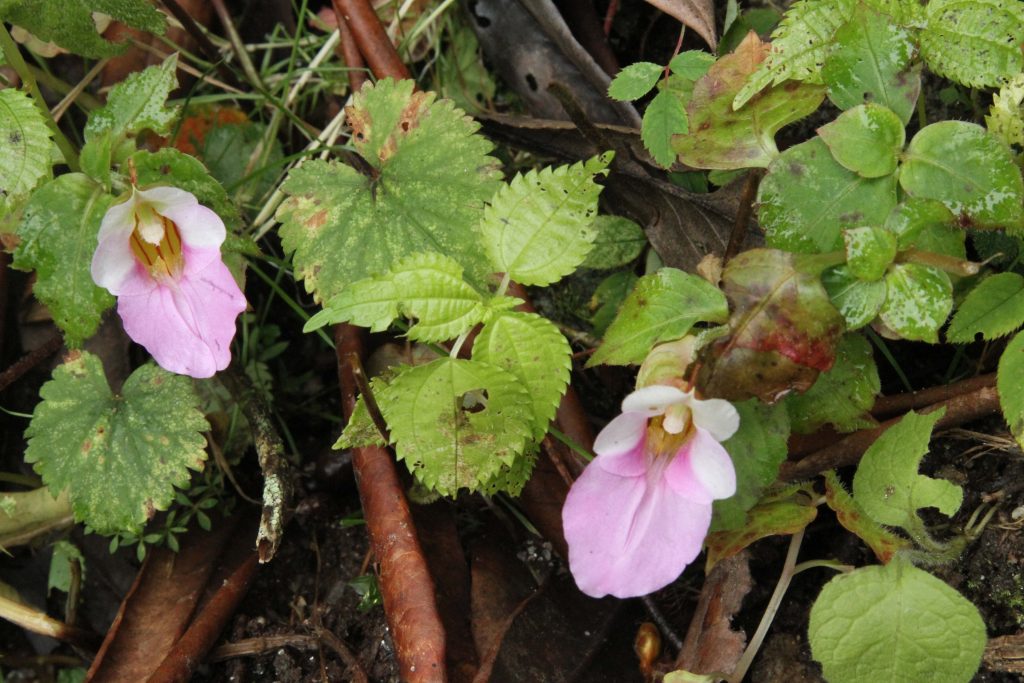
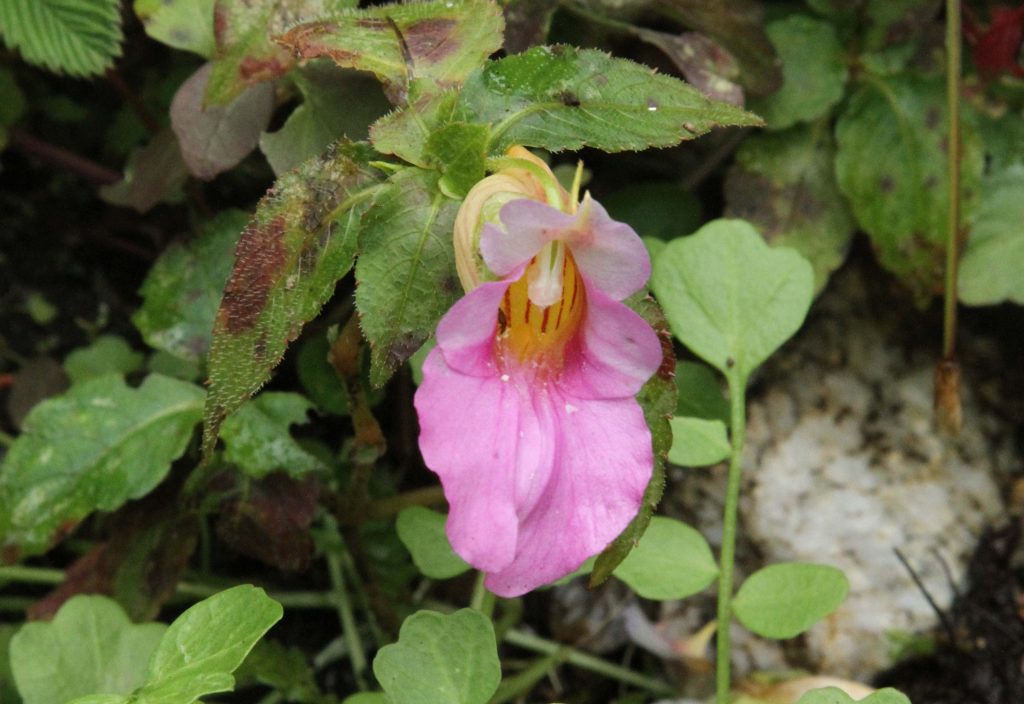
Impatiens arguta is a Sino-Himalayan balsam distributed from the central and eastern Himalaya through Myanmar into south-western China; GBIF records around 934 occurrences across China, India, Myanmar, Bhutan and Nepal. It is a plant of cool, humid temperate forest, growing on shaded moist banks, stream sides, forest margins and clearings, often in the broadleaved and mixed conifer belt. The image from Dochu-La in Bhutan at about 3200 m in September shows it flowering at a misty high pass late in the monsoon season, when temperate balsams reach their flowering peak in the abundant moisture and dappled shade of these slopes.
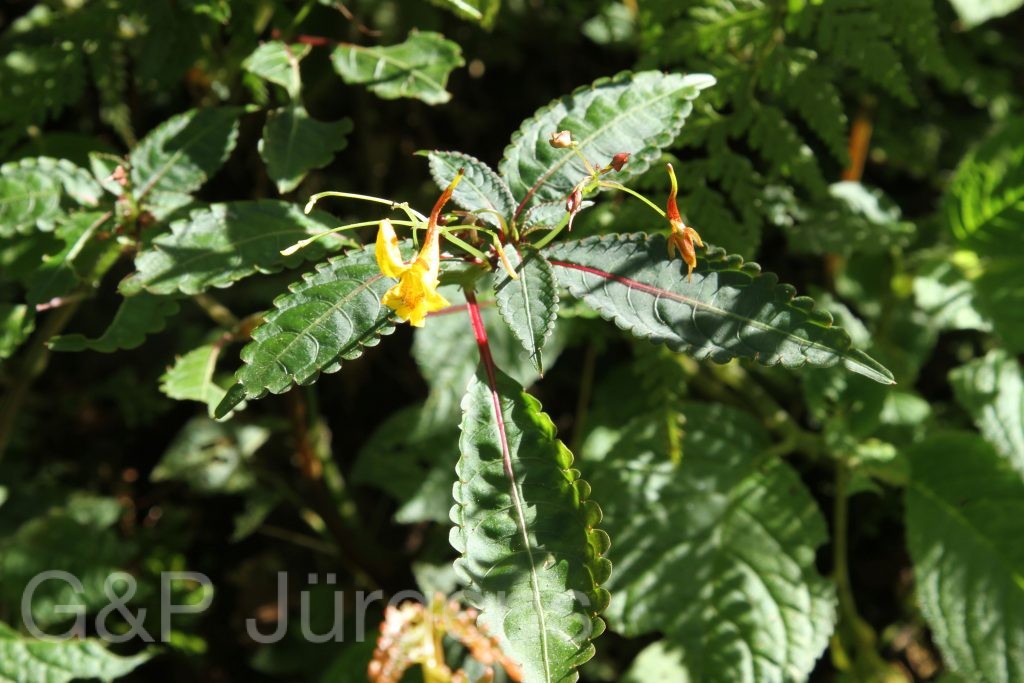
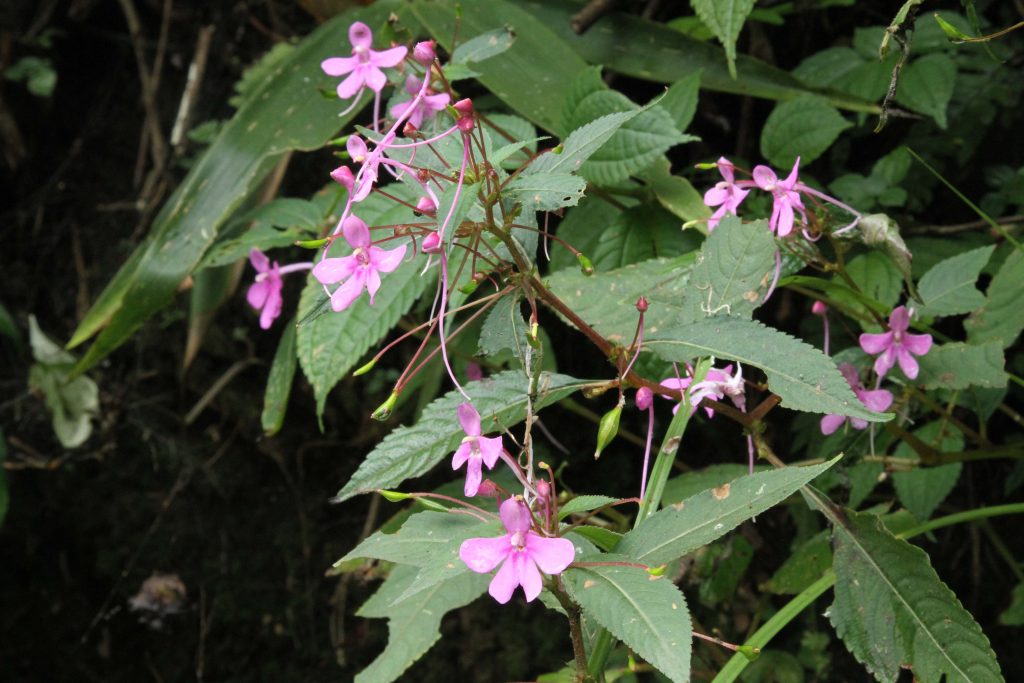
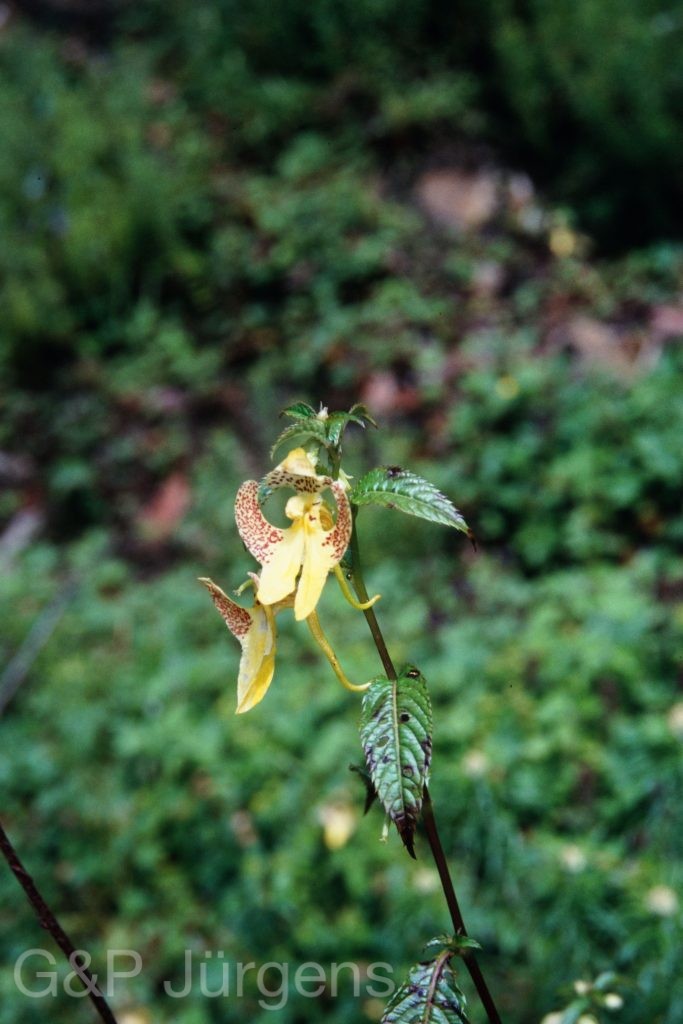
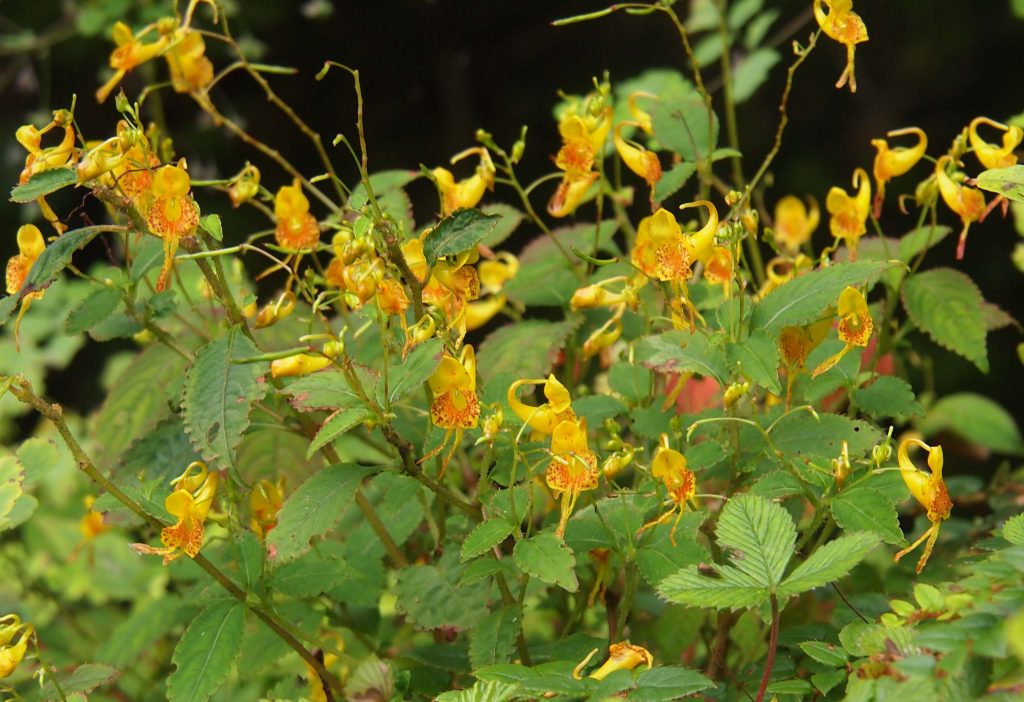
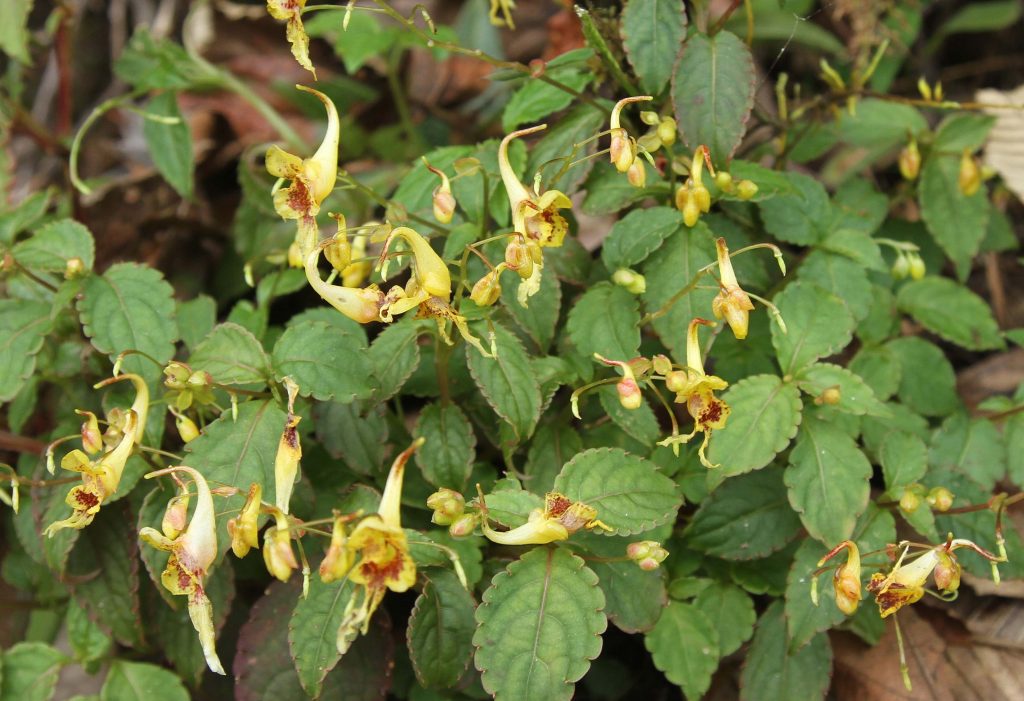
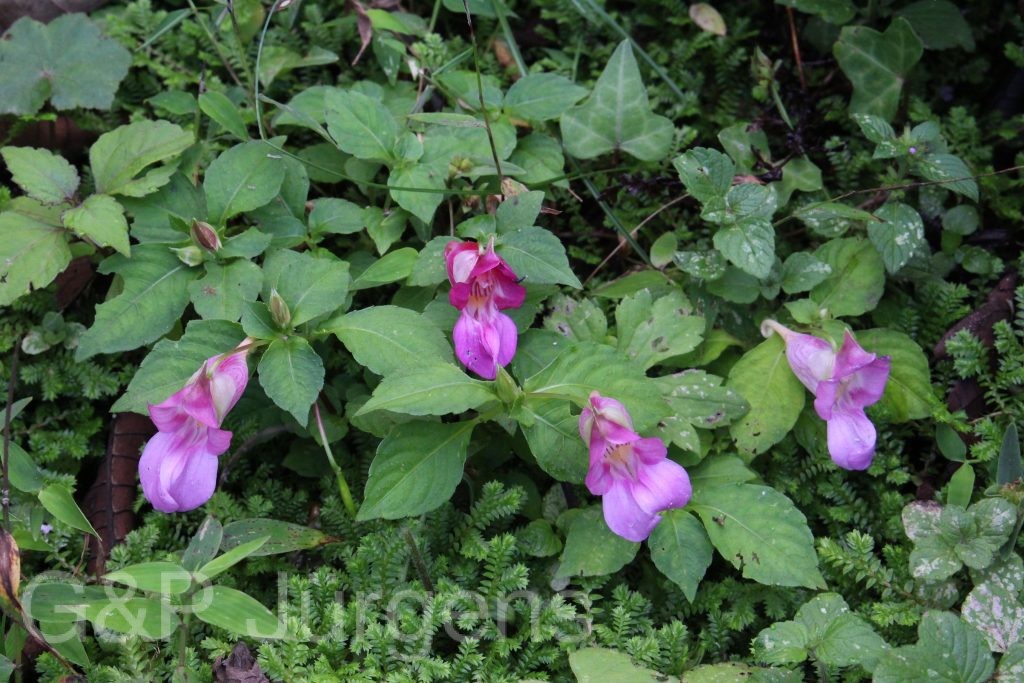
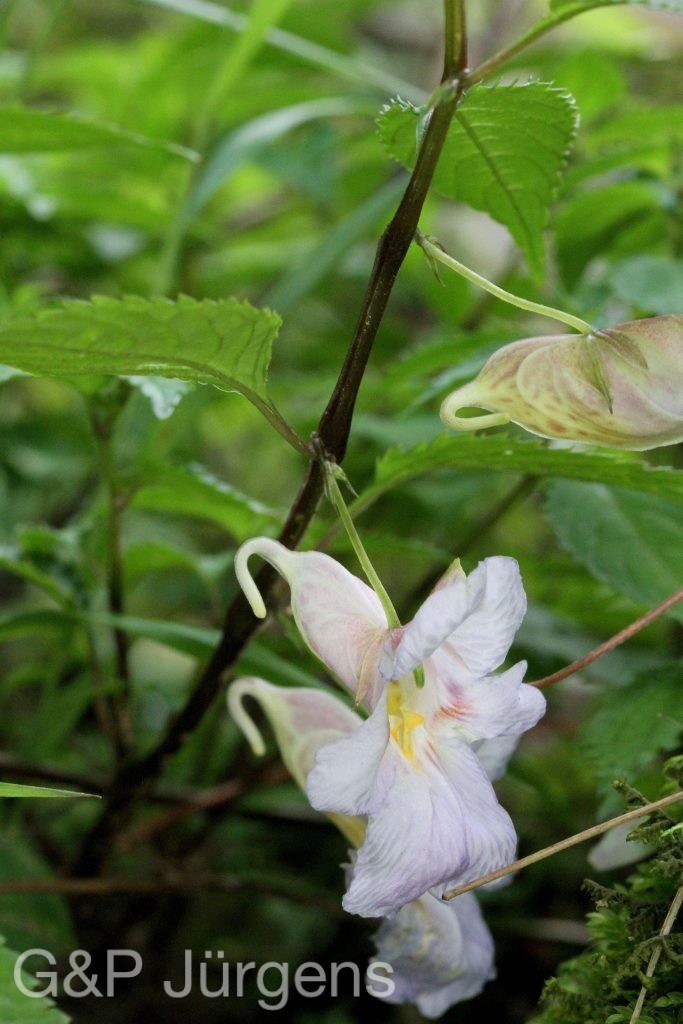
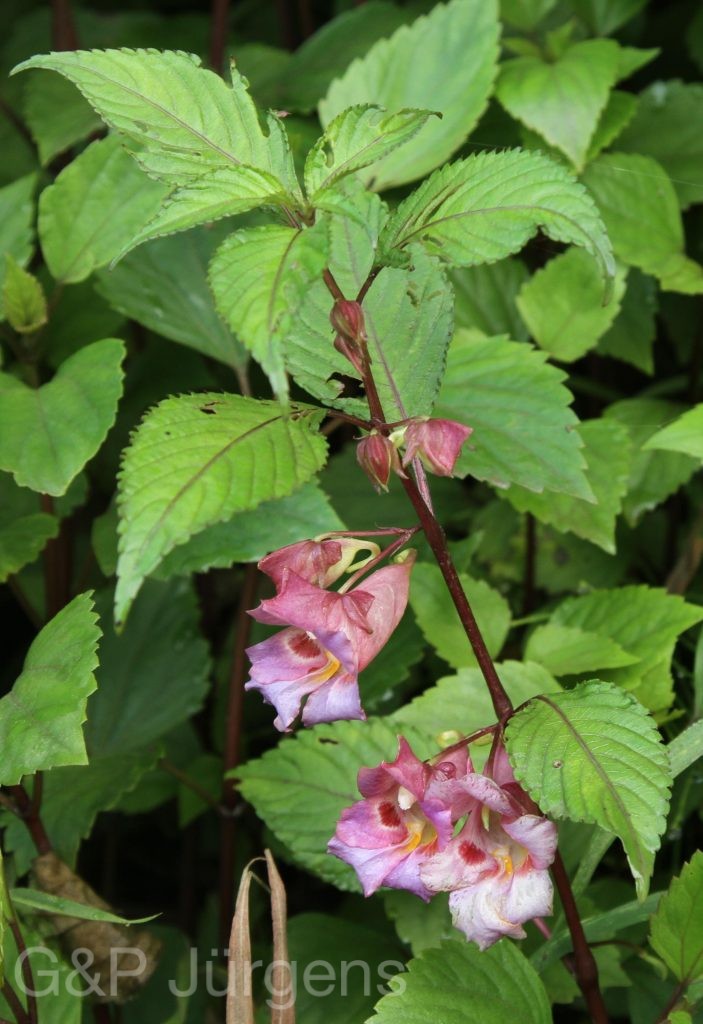
It is an erect, succulent perennial herb with stout, translucent, glabrous stems swollen at the nodes. The leaves are alternate or subopposite, ovate to lanceolate, with a sharply toothed (arguta, sharp-toothed) margin, an acuminate apex and a petiole sometimes bearing small glands. Flowers are borne singly or few together in the leaf axils on slender pedicels, zygomorphic and showy, typically purple to violet or pinkish; the lower sepal is boat-shaped and prolonged into a slender incurved spur, and the lateral united petals are two-lobed. The fruit is a fleshy, club-shaped capsule that dehisces explosively, scattering the seeds by elastic recoil of the valves.
The genus Impatiens is exceptionally species-rich and rapidly diversifying in the Himalaya, where many narrowly endemic taxa replace one another along altitudinal and longitudinal gradients. The explosive ballistic seed dispersal and nectar-spurred, insect-pollinated flowers of I. arguta are characteristic of the family. The species is widespread and not of conservation concern, but as a moisture-demanding forest herb it depends on the intact humid temperate woodlands of the eastern Himalaya.
Author: Hook.f. & Thomson · Sources: POWO (Kew), GBIF, Flora of Bhutan, Flora of China (Balsaminaceae), Grey-Wilson monograph of Impatiens