(Baker) H.B. Cui
Description
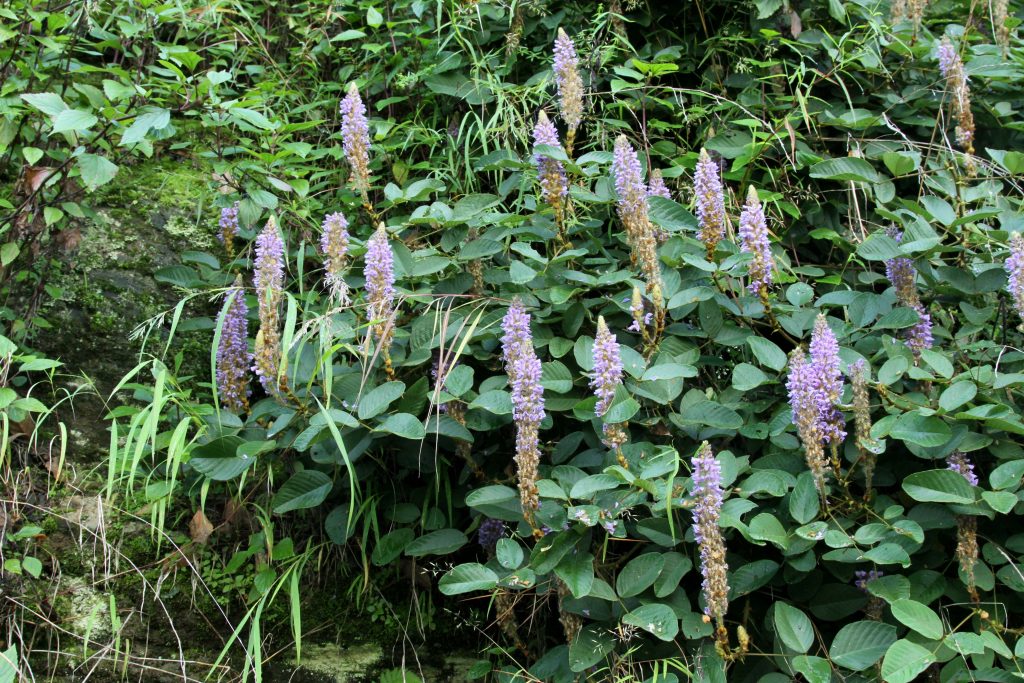
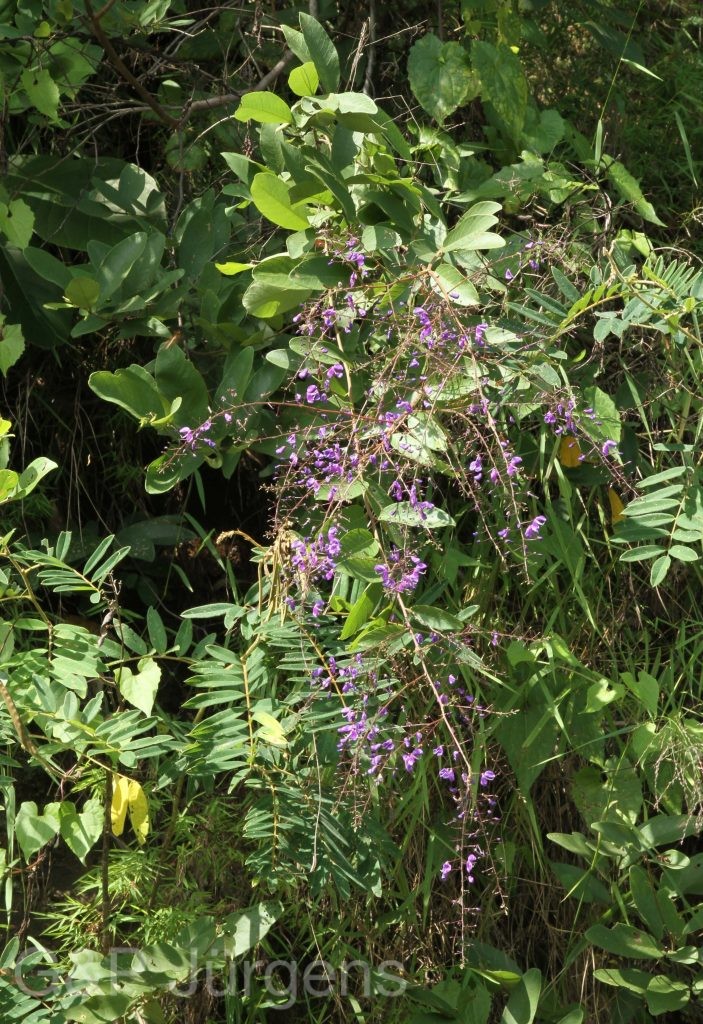
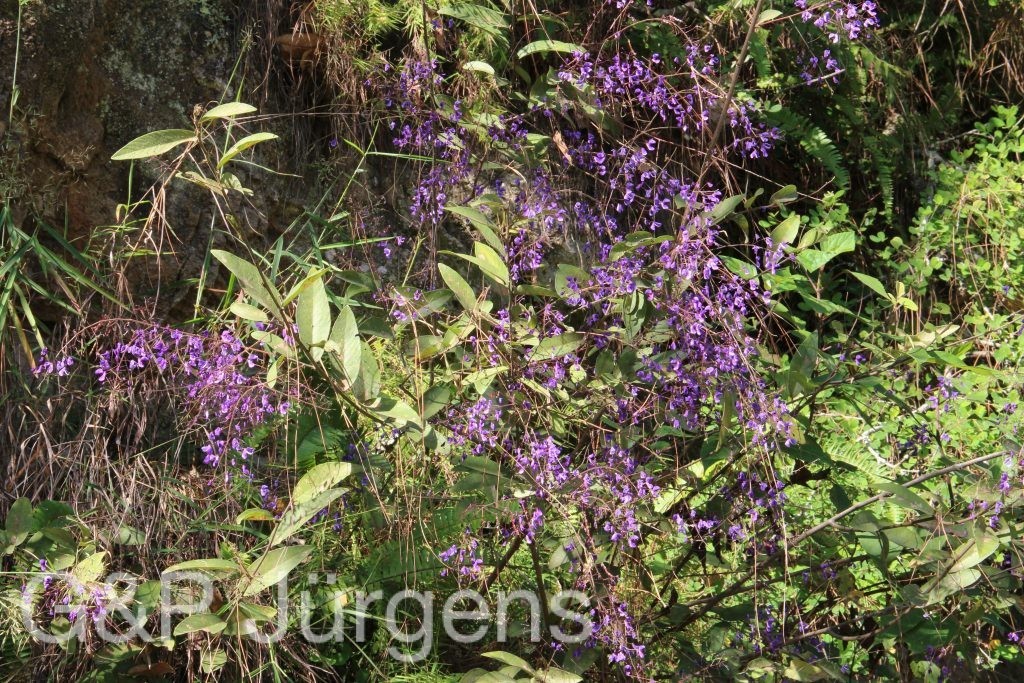
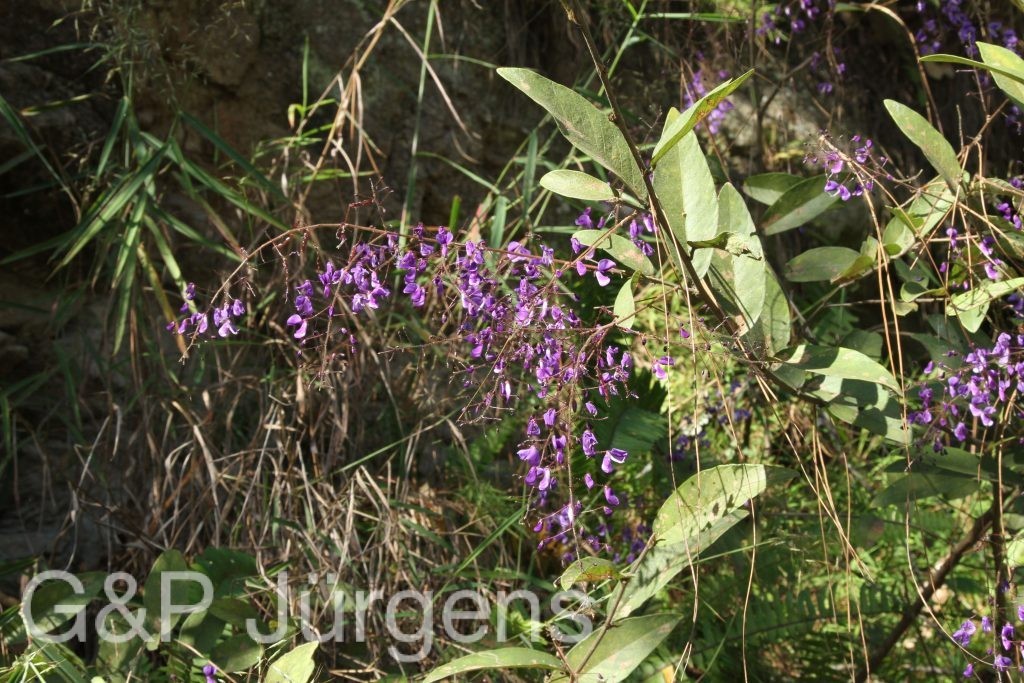
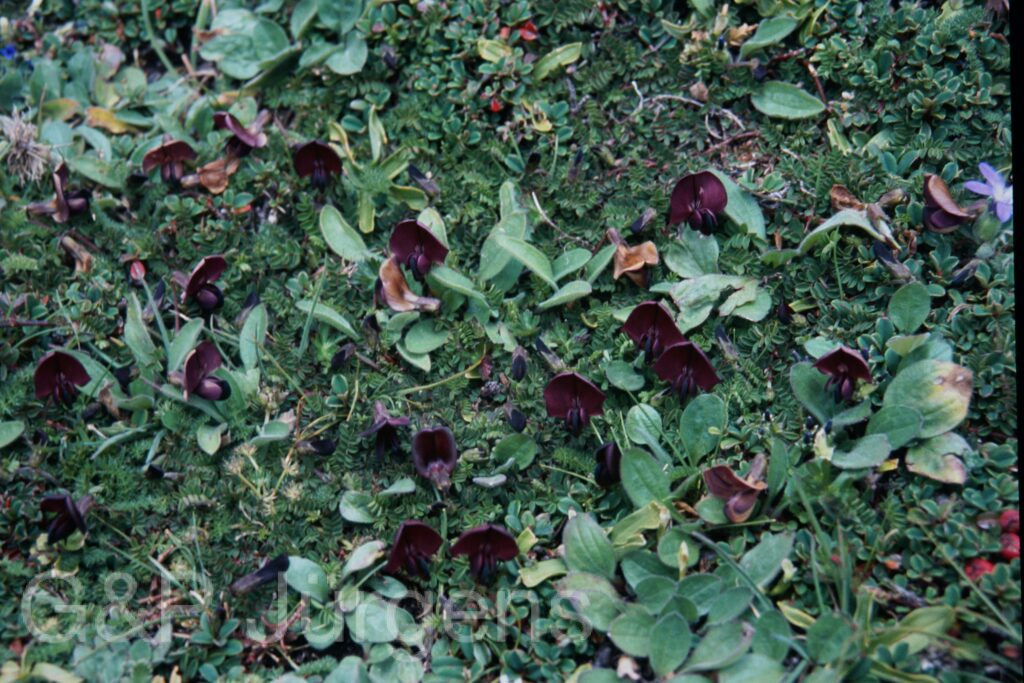
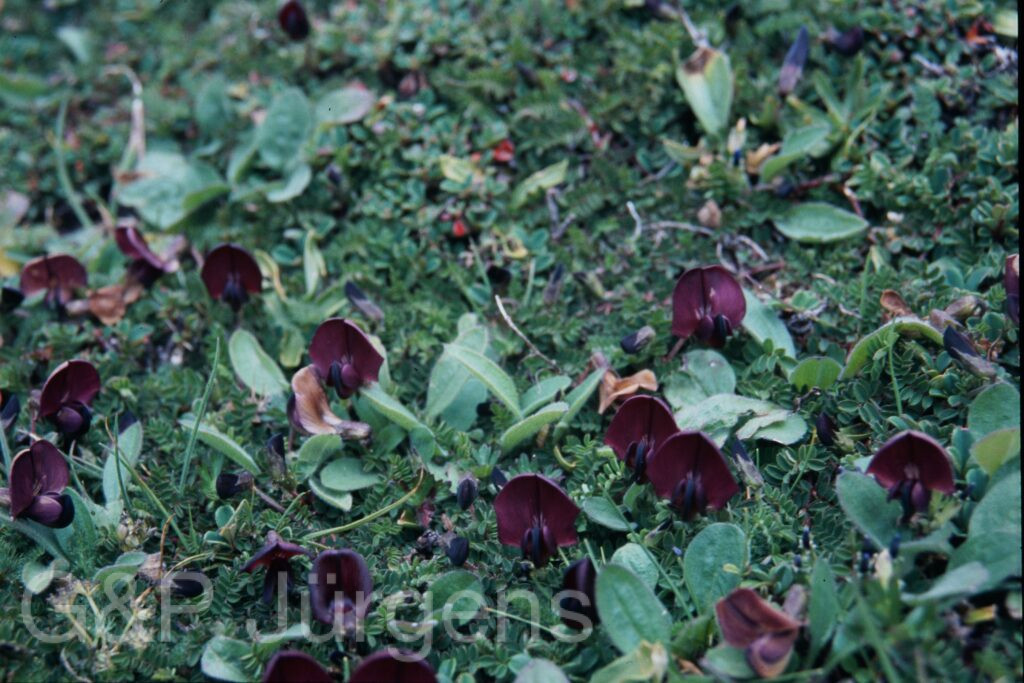
Tibetia himalaica is a high-altitude legume of the Sino-Himalayan region, distributed across the Tibetan Plateau and adjoining mountains in China, Nepal, India and Bhutan; GBIF records over 800 occurrences concentrated in the high alpine belt. It is a plant of alpine meadows, short turf, gravelly slopes, riverine flats and open stony ground, typically between 3,000 and 5,000 m. The individual photographed at Yume Samdong in northern Sikkim at 4,600 m in August captures the species near the upper limit of its range, flowering during the late-summer monsoon on the cold, well-drained alpine soils characteristic of this trans-Himalayan locality.
It is a low, cushion-forming or mat-like perennial herb arising from a slender, often woody taproot and a branched caudex, the stems short and largely prostrate. The leaves are imparipinnate, with several pairs of small, obovate to elliptic, often emarginate leaflets on short petioles, the whole appressed-pubescent. The flowers are solitary or few in an umbel-like arrangement on slender scapes; each is a typical papilionaceous flower with a campanulate, hairy calyx and a blue to purplish or violet corolla comprising a broad standard, oblong wings and an incurved keel. The fruit is a cylindrical, glabrescent legume that dehisces to release several small seeds.
Tibetia is a small genus of about half a dozen species segregated from Gueldenstaedtia, restricted to the high mountains of the Sino-Himalayan and Central Asian region and distinguished by its solitary or few-flowered scapes, persistent stipules and alpine cushion habit. As a nitrogen-fixing legume forming root nodules with rhizobia, T. himalaica contributes to soil enrichment in nutrient-poor alpine turf and is grazed by livestock and wild herbivores. Its wide but high-altitude distribution renders it ecologically secure at present, though high-elevation specialists of this kind are regarded as potentially sensitive to climate warming; it has not been formally assessed for the IUCN Red List.
Author: (Baker) H.B. Cui · Sources: POWO (Kew), GBIF, Flora of China, Flora of Bhutan, Annotated Checklist of the Flowering Plants of Nepal, revision of Tibetia and Gueldenstaedtia (Fabaceae)