Fabaceae

Benth. ex Baker

Nepal 99 720 ergebnis ergebnis
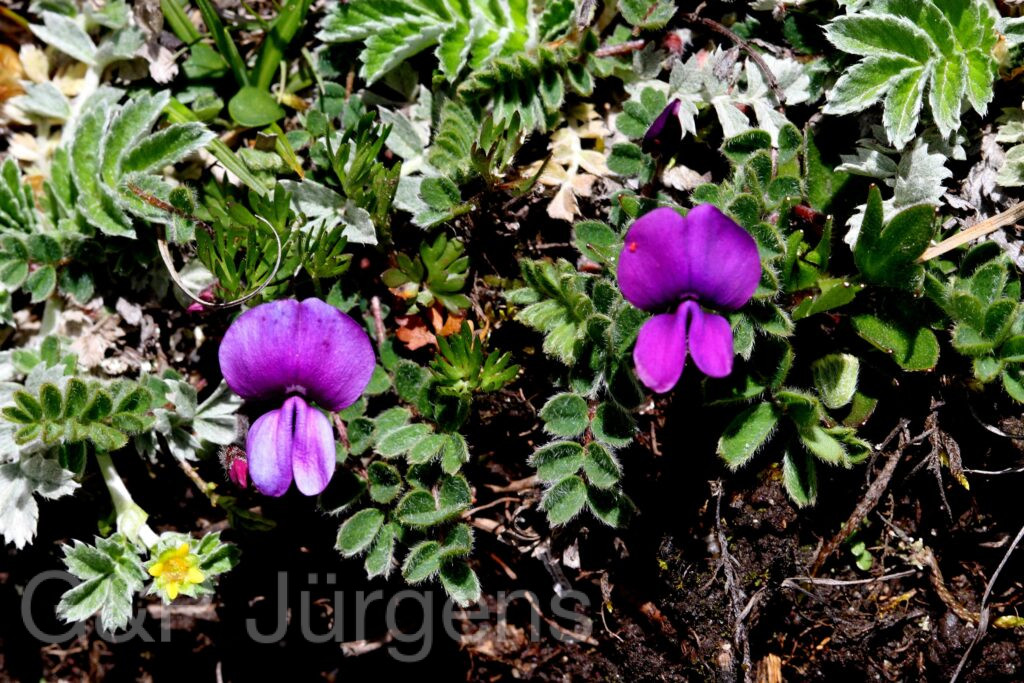
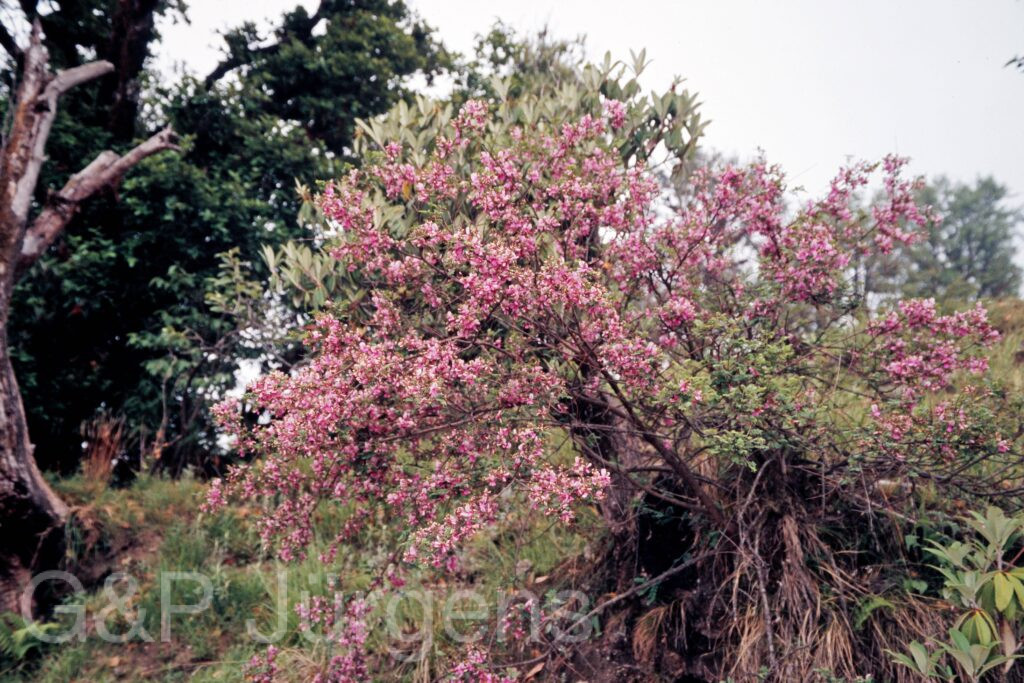
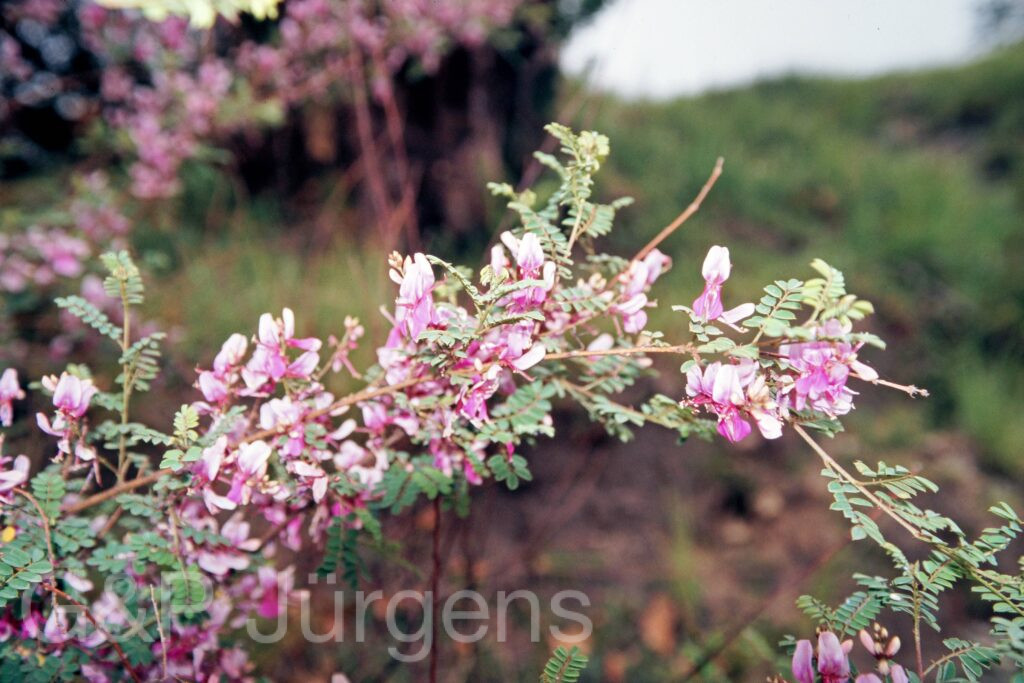
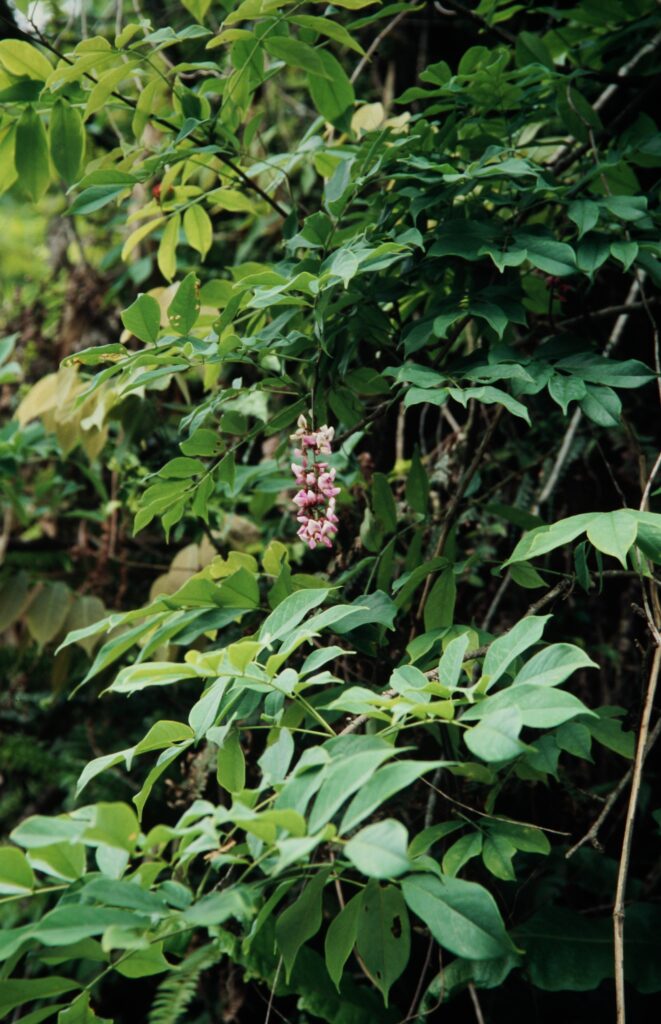
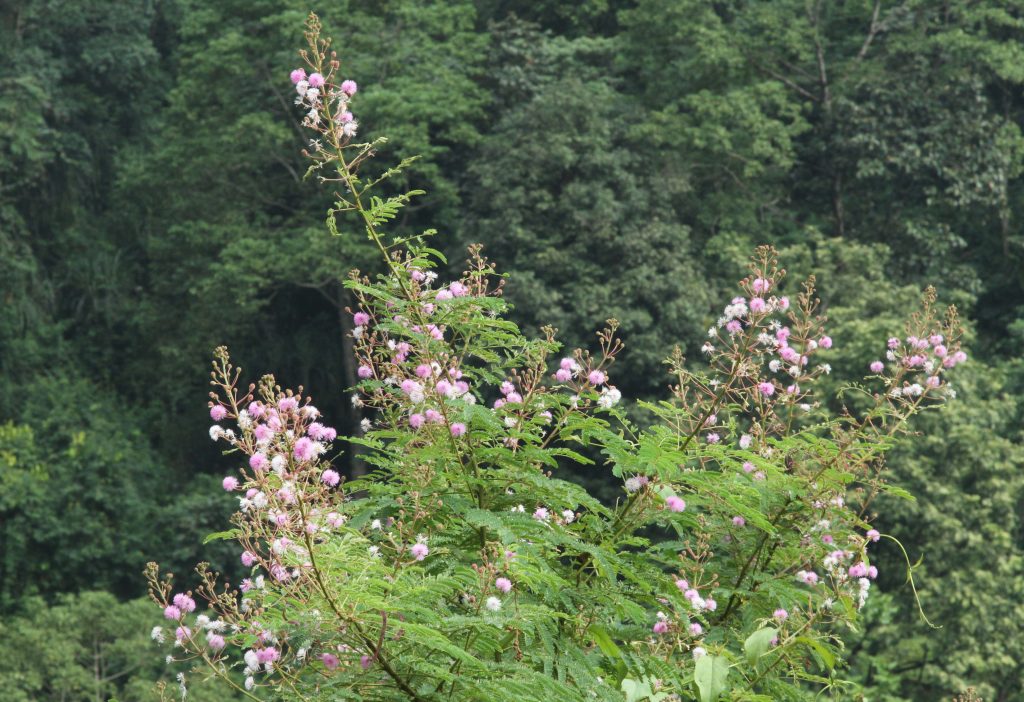
West-Nepal Bauli-Khola 3550m, July

Description

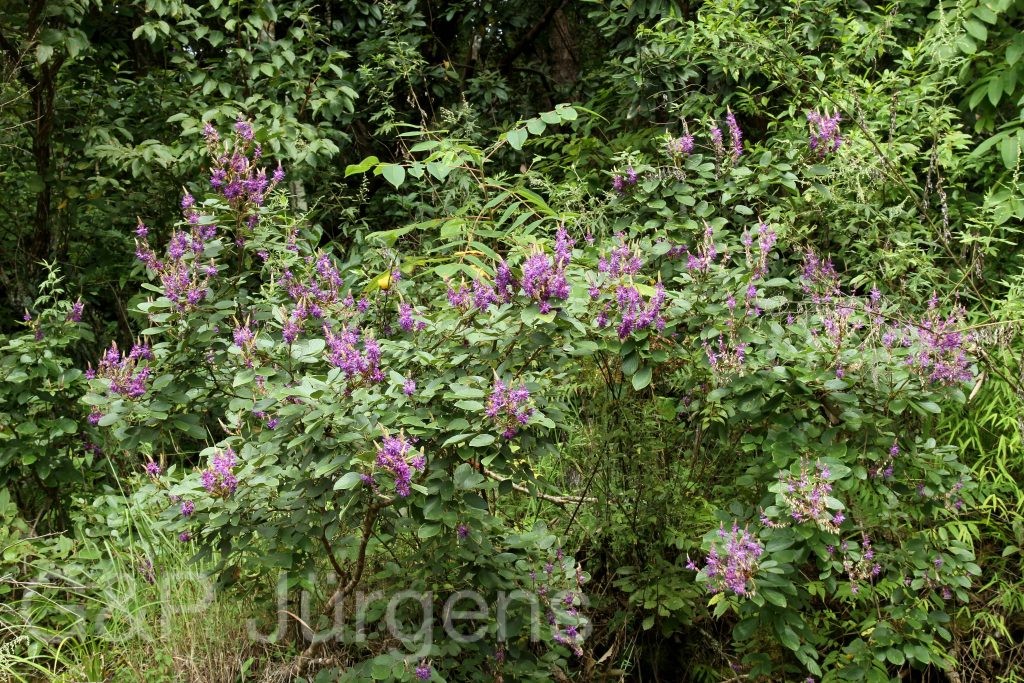
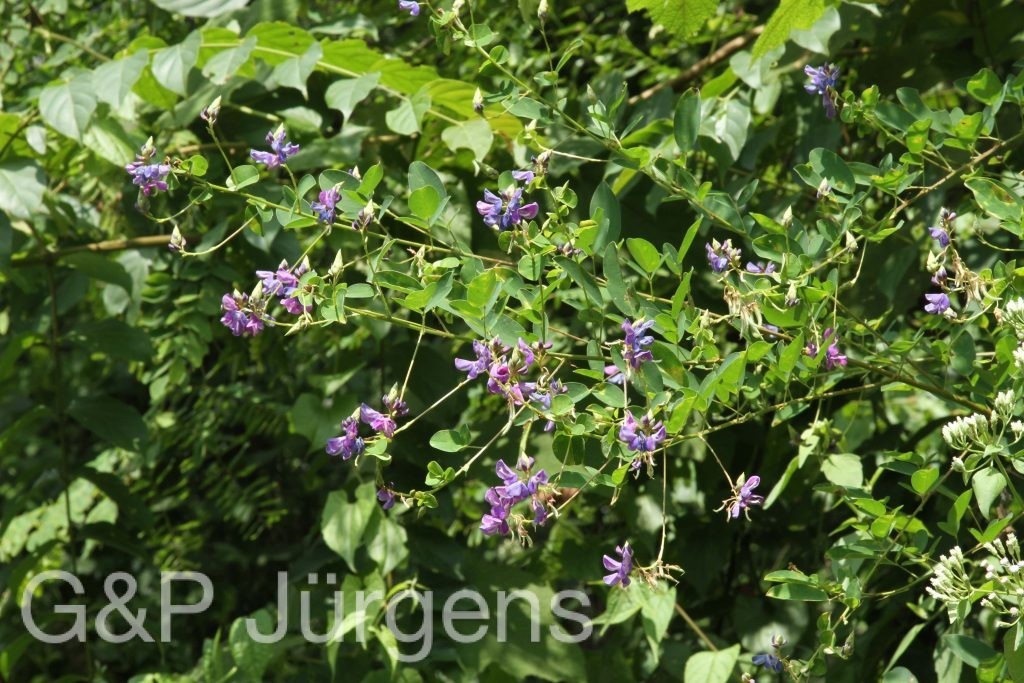
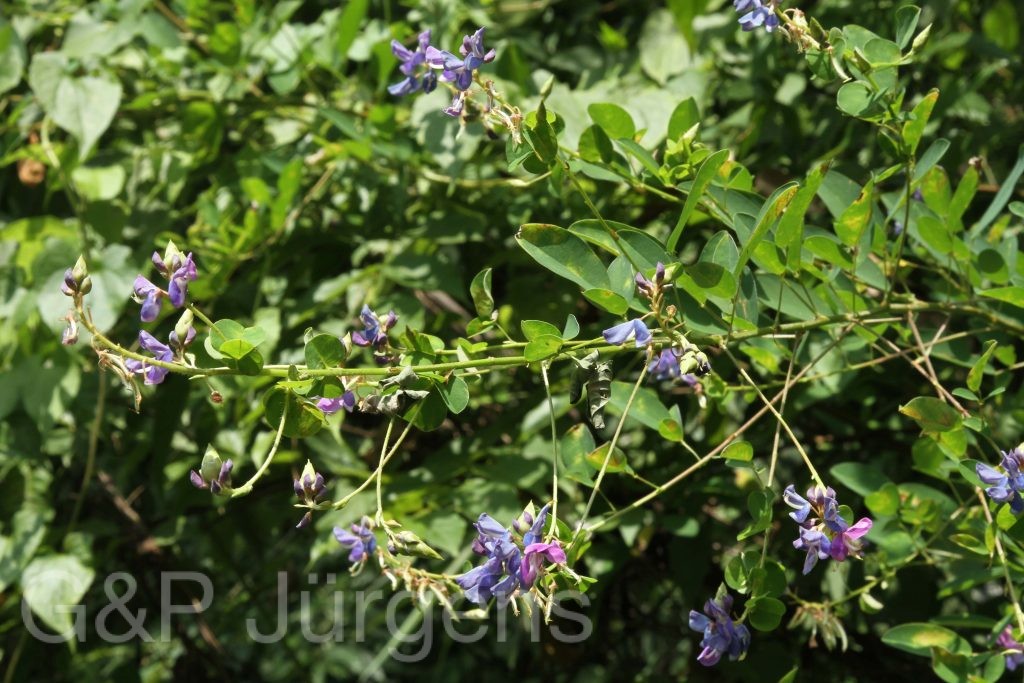
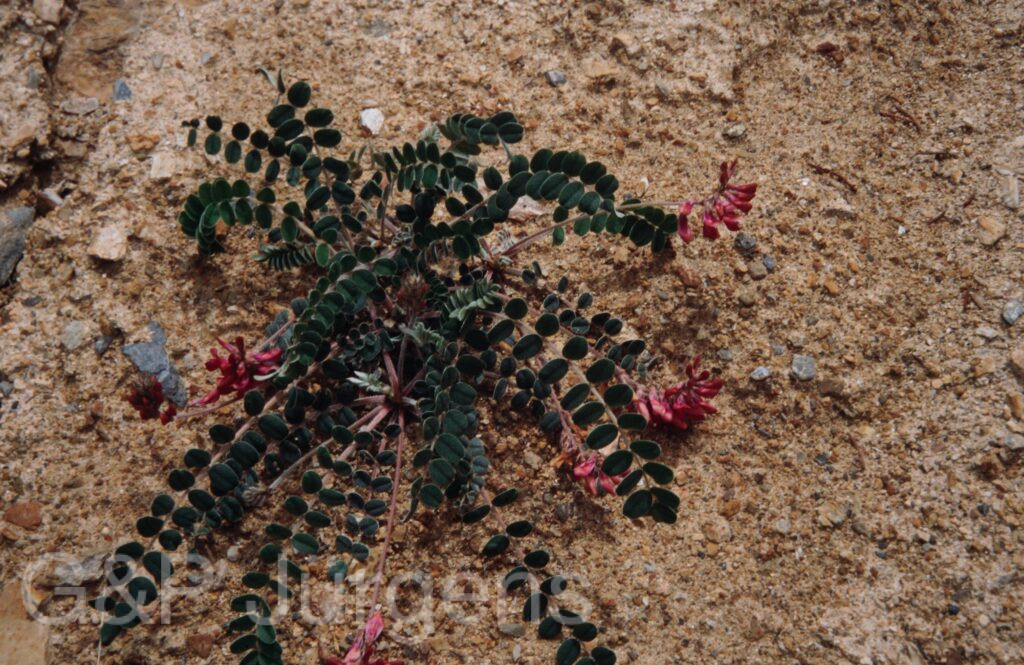
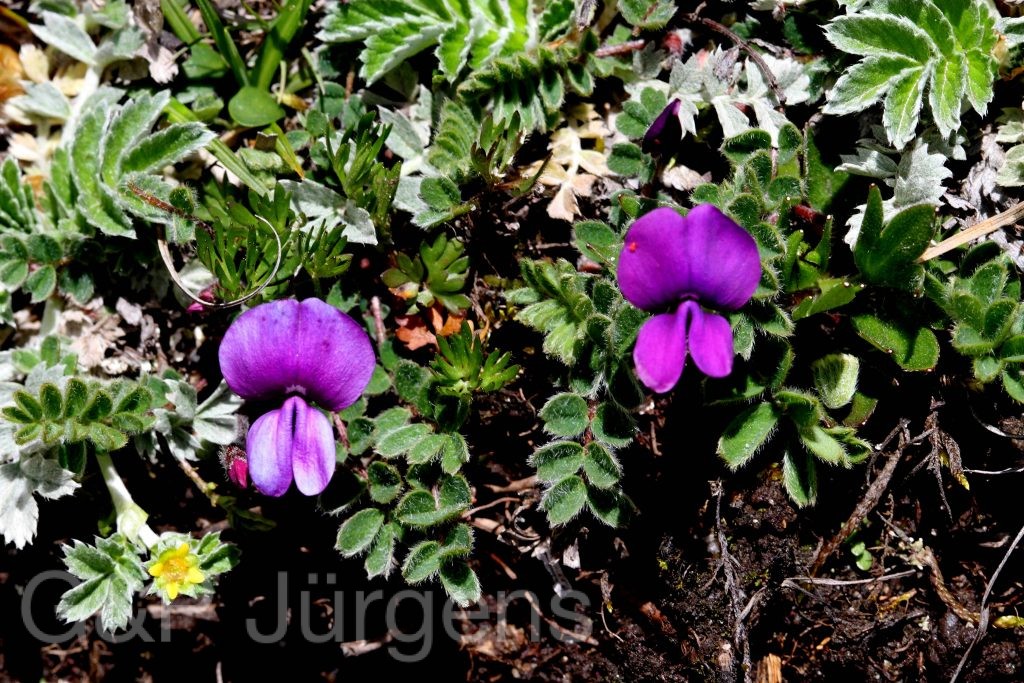
Hedysarum kumaonense is an alpine legume of the western and central Himalaya, recorded from Nepal, China and India across some 63 GBIF occurrences. The photographed plant was found at Bauli-Khola in West Nepal at about 3550 m in July. It inhabits open alpine and subalpine slopes, stony meadows, gravelly riverbanks and grazed turf, typically between 3000 and 4500 m, growing on well-drained, often calcareous substrates in the high-elevation grasslands that flower briefly during the short summer.

The plant is a perennial herb with a stout woody rootstock and ascending to erect stems. The leaves are imparipinnate, bearing several pairs of elliptic to oblong leaflets, with membranous stipules at the base of the petiole. The flowers are papilionaceous, pink to purple or reddish, arranged in dense axillary racemes; each has the standard, wing and keel petals characteristic of the Fabaceae. The diagnostic fruit is a flattened, transversely jointed loment that breaks at maturity into one-seeded, reticulate articles, a feature that distinguishes Hedysarum (sweetvetches) from related genera.

Like most legumes the species fixes atmospheric nitrogen through root nodules in symbiosis with rhizobia, enriching the impoverished alpine soils it colonises. The lomentaceous fruit segments are dispersed individually, aided by their textured surface. As a member of the Himalayan alpine flora with a regionally restricted range, H. kumaonense is not formally assessed as threatened but is subject to heavy summer grazing across its montane pastures.

Author: Benth. ex Baker · Sources: POWO (Kew), GBIF, Flora of China, Flora of Nepal, Flora of Pakistan, Fedtschenko – Monograph of the Genus Hedysarum
(Benth.) B.H.Choi & H.Ohashi

Sikkim2011 44
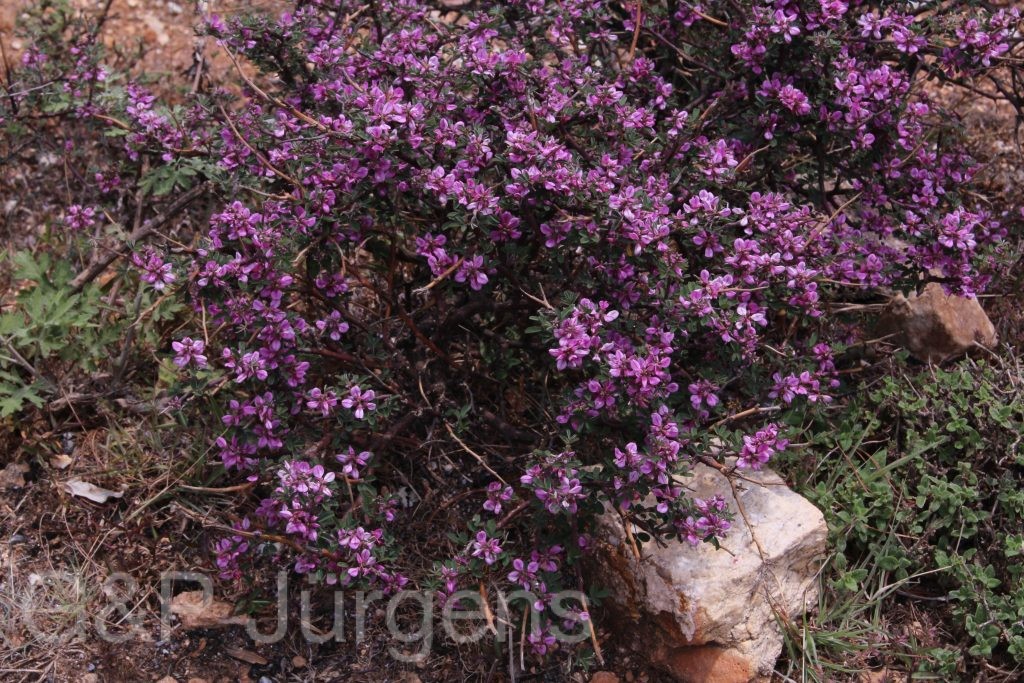
Bhutan Chele-La 4000m, May
Sikkim2011 78
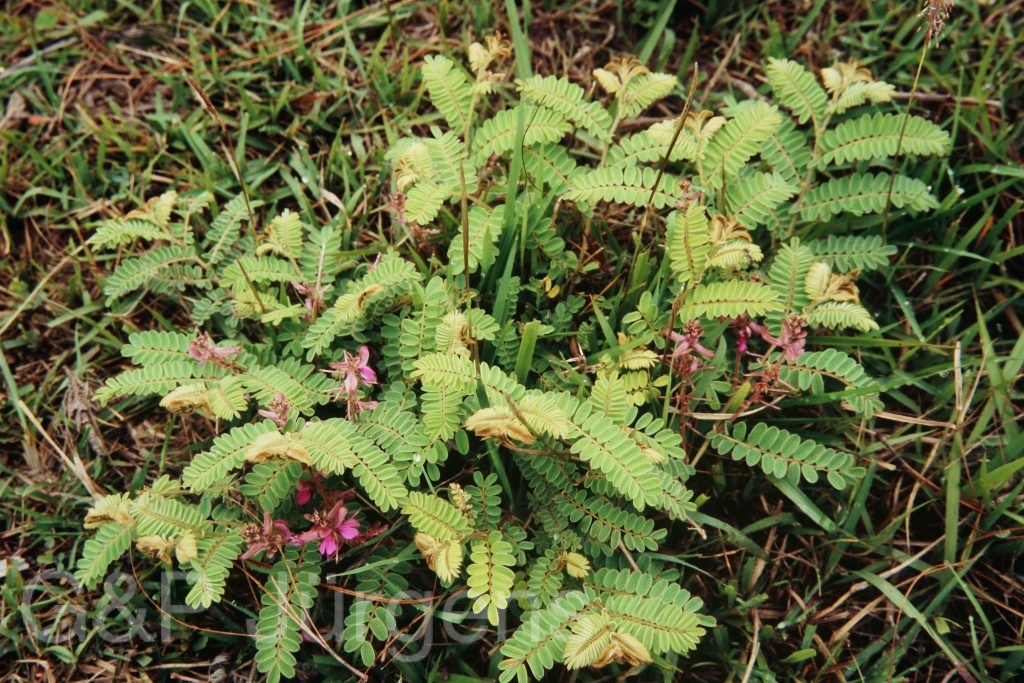
Sikkim Vista-valley 3700m, June
Sikkim2011 44 1
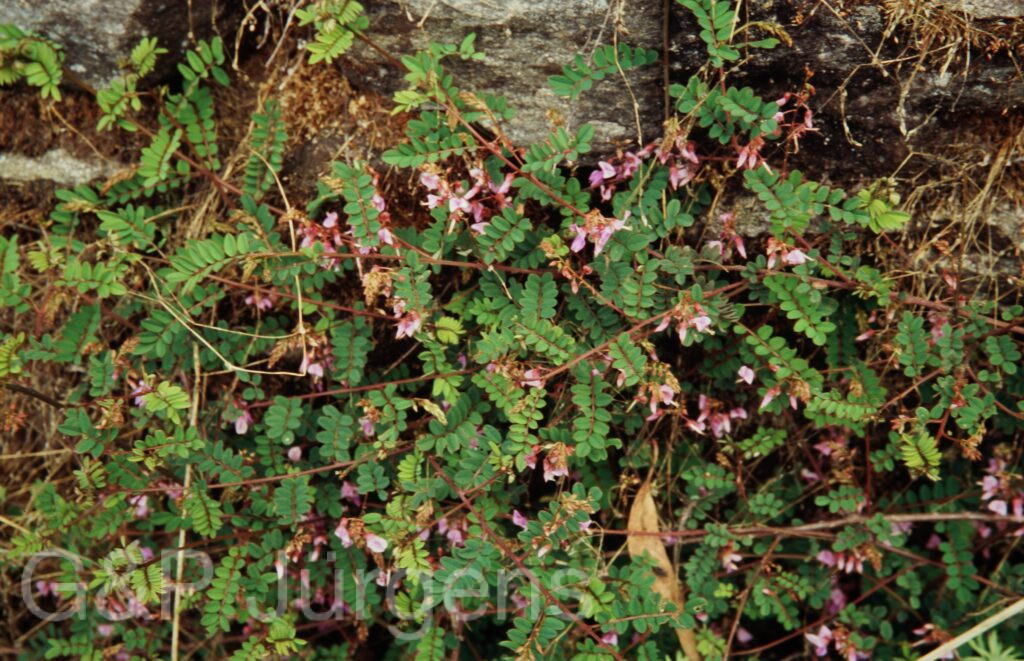
Sikkim Vista-valley 3700m, June

Description

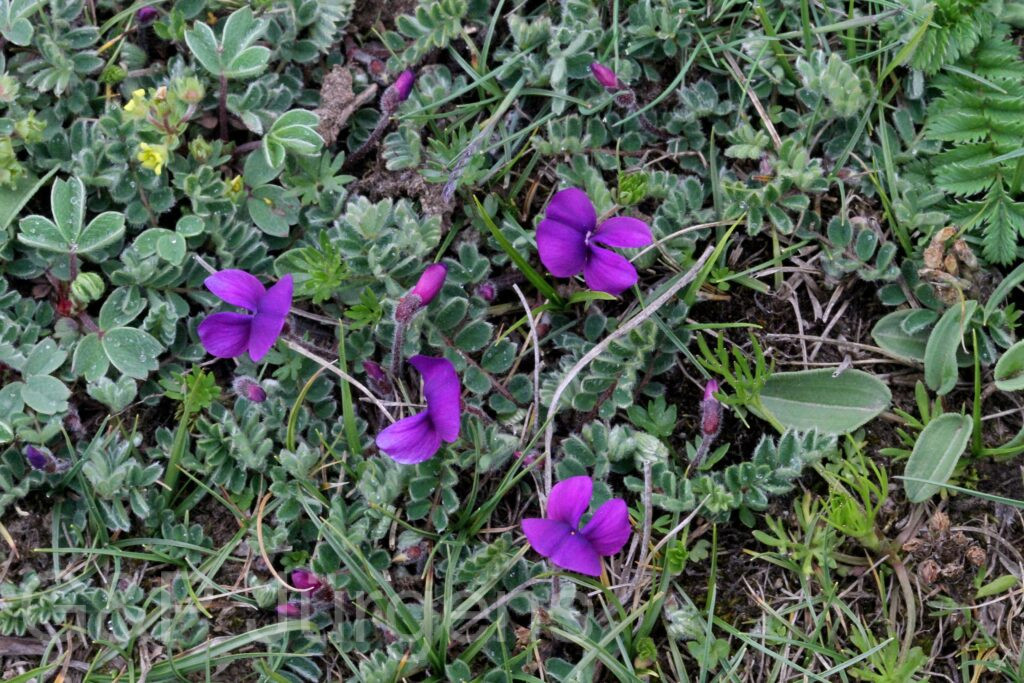
Hedysarum tibeticum is a high-alpine legume of the Himalaya and Tibetan plateau, distributed across China, India, Nepal and Bhutan, with around 295 GBIF records; it has historically also been treated under the name Stracheya tibetica, reflecting earlier generic placement. It grows on open stony alpine slopes, gravelly pastures, moraine flats and dry grassy banks near and above treeline, generally between about 3500 and 4500 m. The collections cited from Chele-La in Bhutan at 4000 m in May and from the Vista-valley in Sikkim at 3700 m in June show its early-summer flowering across the high eastern Himalaya.

It is a low, cushion- or mat-forming perennial herb arising from a stout woody rootstock and deep taproot. The leaves are imparipinnate with several pairs of small, oblong to elliptic leaflets that are often appressed-hairy. The flowers are borne in short, dense racemes; each is the typical papilionaceous pea-flower, with a standard, two wings and a keel, coloured pink to purplish-red. The diagnostic fruit is a flattened, transversely jointed lomentum that breaks at maturity into one-seeded segments, the articles often margined or prickly, aiding epizoochorous dispersal.

The taxon has been the subject of nomenclatural revision, the monotypic genus Stracheya having been merged into Hedysarum by Choi and Ohashi on the basis of morphological and molecular evidence, so that POWO now treats Hedysarum tibeticum as accepted. The low cushion habit and deep root are adaptations to wind, cold and the thin soils of the high plateau, while the jointed lomentum is an efficient dispersal device. Widespread across the Tibetan borderlands, the species is not considered threatened and is a characteristic component of high-alpine legume communities.

Author: (Benth.) B.H.Choi & H.Ohashi · Sources: POWO (Kew), GBIF, Flora of China (Fabaceae), Flora of Bhutan, Annotated Checklist of the Flowering Plants of Nepal, Choi & Ohashi systematic revision of Hedysarum

Buch.-Ham. ex D.Don

Bhutan2014 844
Bhutan Thimphu 2230m, May
Bh09 393 G625
Bhutan Mo-Chu, 1550m June

Description

A shrubby indigo widespread across the Himalaya and South to South-East Asia, native to India, Nepal, China, Bhutan, Myanmar, Thailand and Vietnam, with around 436 GBIF occurrences (numerous European and other records represent cultivated or herbarium material). It grows on sunny open slopes, scrub, forest margins, roadbanks and disturbed ground in the warm-temperate and subtropical zones, mostly between about 1200 and 2700 m. The featured plants were recorded in Bhutan in May and June, at Thimphu around 2230 m and the lower Mo-Chu valley at about 1550 m, both warm montane settings.

The species is a much-branched, erect to spreading shrub with slender, ribbed twigs bearing characteristic appressed, biramous (medifixed) hairs. The leaves are imparipinnate with numerous small, opposite, oblong to obovate leaflets that are sparsely strigose and minutely mucronate. Flowers are borne in slender, elongate axillary racemes; each papilionaceous flower has a small campanulate calyx and a pink to purplish-red corolla comprising a broad standard, two wings and a spurred keel, with diadynamous stamens. The fruit is a slender, straight, linear, terete to slightly compressed pod that splits along both sutures to release several small, cylindric seeds, the valves often twisting on dehiscence.

Accepted by POWO and GBIF, I. dosua belongs to the large, taxonomically complex genus Indigofera, distinguished from relatives by its leaflet number, indumentum and pod form. As a nitrogen-fixing legume it enriches poor montane soils and colonises disturbed sites, while its flowers attract bees. Widespread, adaptable and frequent in secondary habitats, it is of no conservation concern and is sometimes used locally for fodder, green manure and as a dye source.

Author: Buch.-Ham. ex D.Don · Sources: POWO (Kew), GBIF, Flora of Bhutan, Flora of China, Sanjappa monograph of Indian Indigofera

Nepal 2009 84 ergebnis
Nepal Helambu Bolgoau 2030, May

Description

Indigofera dosua var. dosua is a Himalayan shrub of the indigo genus, recorded by GBIF from Nepal and India with a comparatively small number of occurrences, around 19, reflecting limited collection rather than rarity. It grows on open hillsides, in scrub, along forest margins and on disturbed slopes in the subtropical to warm-temperate montane belt. The photographed plant was found in Nepal in the Helambu region at Bolgoau, around 2030 m, in May, a typical mid-elevation setting for this colonising legume of sunny, well-drained terrain.

It is an erect, branching shrub whose young shoots bear the appressed, two-armed (medifixed) malpighiaceous hairs characteristic of Indigofera. The leaves are imparipinnate with several pairs of small, opposite, elliptic to obovate leaflets, each mucronate and finely hairy. The flowers are borne in slender axillary racemes and have the typical papilionaceous structure, with a standard, two wings and a keel, generally pink to reddish or purplish, the keel bearing lateral spurs. The stamens are diadelphous and the superior ovary develops into a slender, cylindrical, several-seeded legume, the pod straight to slightly curved and dehiscing along both sutures.

GBIF accepts the name and its autonymic variety. Indigofera is a large pantropical genus historically significant as a source of natural indigo dye, and several Himalayan species are nitrogen-fixing pioneers of degraded slopes. The recognition of var. dosua implies the existence of other infraspecific variants distinguished by indumentum and leaflet number. As a widespread early-successional shrub, it is of no conservation concern.

Sources: POWO (Kew), GBIF, Flora of Nepal, Flora of British India, monograph of Asian Indigofera

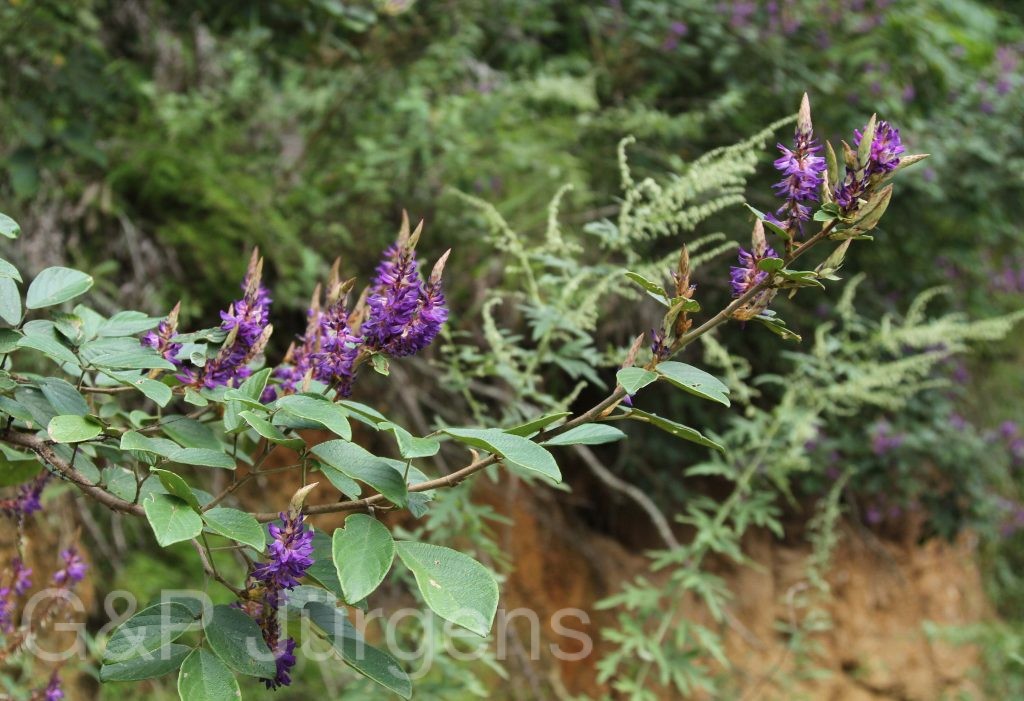
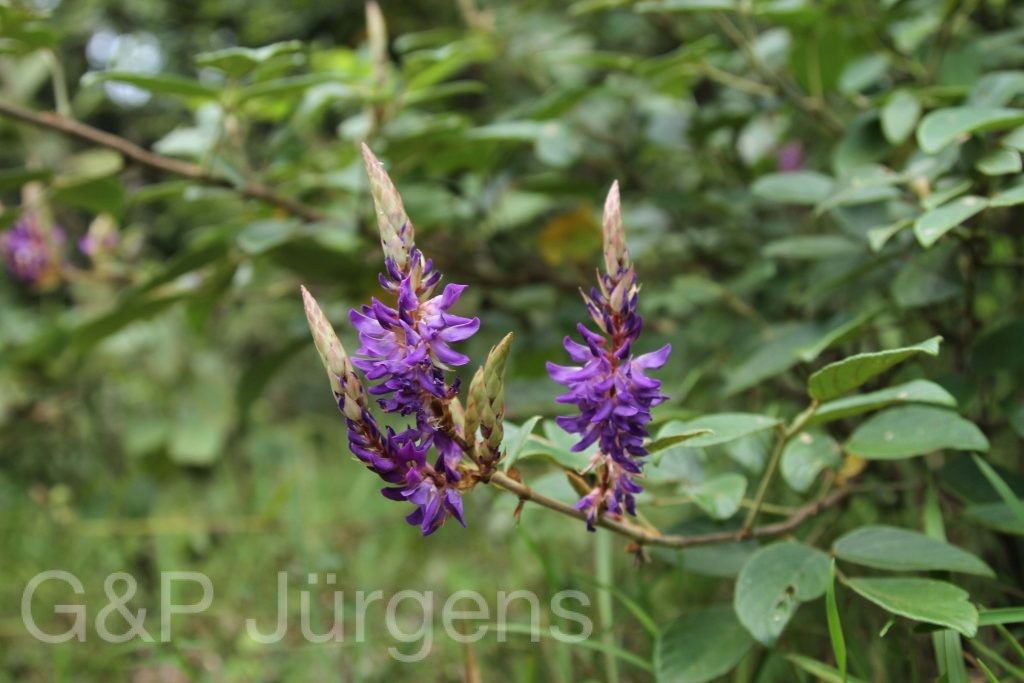
Wall. ex Brandis

Garh 07 220 ergebnis
India Garhwal Kawara 2000m, June
Garh 07 221 ergebnis
India Garhwal Kawara 2000m, June

Description

Indigofera heterantha (Wall. ex Brandis), a deciduous shrub of the subfamily Faboideae, is widely distributed across the western and central Himalaya, ranging from Afghanistan and Pakistan eastward through northern India, Nepal and Bhutan into southwest China. With over 1,100 georeferenced occurrences recorded in GBIF, it is a common and conspicuous element of the temperate zone, and has additionally become naturalised in cultivation across Europe, North America, Japan and the Southern Hemisphere. The species favours open hillsides, forest margins, dry stony slopes and degraded scrub, typically between 1,500 and 3,000 m, as reflected in the collection from Garhwal at Kawara, India, at 2,000 m in June, where it forms part of the sun-loving sub-alpine shrubbery.

The plant is an erect, much-branched shrub reaching 1–2 m in height, with slender, angular, greyish branchlets bearing appressed, biramous (medifixed) hairs that lend a canescent aspect to young growth. The leaves are imparipinnate with 11–21 small, obovate to elliptic leaflets, each mucronate at the apex and silky-pubescent beneath. Numerous purplish-red to bright pink-crimson papilionaceous flowers are borne in dense, erect axillary racemes that often exceed the subtending leaf; the calyx is shortly toothed and the standard petal silky on its outer face. The fruit is a slender, terete, glabrescent legume containing several cuboid seeds.

Formerly treated under the name Indigofera gerardiana, the species is taxonomically allied to the I. hebepetala group of Himalayan legumes. It is an important soil-binding pioneer on eroding slopes, contributing nitrogen through rhizobial symbiosis, and the tough stems are traditionally harvested for basketry and fuel. Its hardiness and floriferous habit have made it a popular ornamental in temperate gardens. The species is not considered threatened, being abundant throughout its broad montane range.

Author: Wall. ex Brandis · Sources: POWO (Kew), Flora of Pakistan, GBIF, Flora of China Vol. 10, Sanjappa: Legumes of India (1992)

Benth.

Sikkim 2006 269 ergebnis
India West-Bengal, Lingza 1300m, May

Description

Millettia pachycarpa is a robust woody climber of the eastern Himalaya and South-East Asia, ranging from Nepal, Bhutan and north-east India through Bangladesh, Myanmar, Thailand, Laos and Vietnam to southern China and Taiwan. GBIF holds around 2140 occurrences across this subtropical to warm-temperate range. It grows in broad-leaved forest, forest margins, ravines and along streams, scrambling over trees at low to middle elevations. The plant from Lingza in the Darjeeling hills of West Bengal at 1300 m in May represents a typical eastern Himalayan population, flowering in spring before the monsoon.

It is a large, woody, deciduous liana with stout twining stems. Its leaves are alternate and imparipinnate, with numerous opposite, oblong to oblong-lanceolate leaflets that are dark green and somewhat leathery, glabrescent above and finely appressed-hairy beneath. The flowers are borne in long, dense, pendulous axillary racemes or panicles, the corolla papilionaceous and lilac to purplish-pink, the standard broad and often silky-hairy outside enclosing the wing and keel petals; the stamens are diadelphous and the ovary superior. The fruit is a large, thick, woody pod (the epithet pachycarpa meaning thick-fruited), pendulous and often tuberculate, indehiscent or tardily so, with one to several large hard seeds.

Millettia belongs to tribe Millettieae of the papilionoid Fabaceae, a group much revised in recent decades with several Asian species transferred to allied genera; M. pachycarpa is retained in Millettia in current treatments. The plant is notable for its high content of rotenoids and isoflavonoids: the seeds and roots have long been used as fish poison and insecticide across its range, and it is an important source of rotenone-type compounds. Widespread and frequent in eastern Himalayan forests, it is of no conservation concern.

Author: Benth. · Sources: POWO (Kew), GBIF, Flora of China Vol. 10, Flora of Bhutan Vol. 1, Annotated Checklist of the Flowering Plants of Nepal, Geesink revision of Millettieae

(Gamble) Ohashi

Bhutan2012 723
Bhutan Galephu 400m, October

Description

Mimosa rubicaulis subsp. himalayana is a scrambling, prickly shrub of the lower Himalayan foothills and adjacent plains, recorded from India, Pakistan, Nepal, Afghanistan and Bhutan, with additional scattered records (IN, PK, NP, AF, BT, MM, JP, MU) totalling around 219 occurrences. It favours warm, seasonally dry sites: open scrub, forest margins, hedgerows, ravines and disturbed roadside thickets in the subtropical zone, generally below about 1500 m. The plant photographed at Galephu in southern Bhutan at 400 m in October grew in the hot, humid duar foothills, where its straggling, armed branches form dense, often impenetrable tangles among other secondary vegetation following the monsoon.

It is a much-branched shrub or subscandent woody climber with terete, reddish stems bearing scattered, recurved prickles. The leaves are bipinnate, with several pairs of pinnae each carrying numerous small, oblong-linear, asymmetric leaflets, the rachis prickly and often glandular. The flowers are tiny and crowded into globose or shortly cylindrical heads, pink to pale purple, each flower with numerous long, exserted stamens giving the heads a fluffy appearance. The fruit is a flat, oblong, jointed pod (a craspedium) that breaks transversely into one-seeded segments at maturity, the persistent margins remaining as an empty frame.

Mimosa belongs to the mimosoid clade of the Fabaceae (subfamily Caesalpinioideae in current circumscription), characterised by actinomorphic flowers with valvate petals and free stamens. Subsp. himalayana, raised from M. rubicaulis, represents the montane-fringe Himalayan element of a widespread Asian species. The recurved prickles and rapid clonal spread make it an effective coloniser of degraded land, and locally it is used as a living hedge and for fuel. It is not of conservation concern, being common and weedy across its broad subtropical range.

Author: (Gamble) Ohashi · Sources: POWO (Kew), GBIF, Flora of Bhutan, Flora of Pakistan, Mimosoid legumes monograph (Barneby, Sensitivae Censitae)

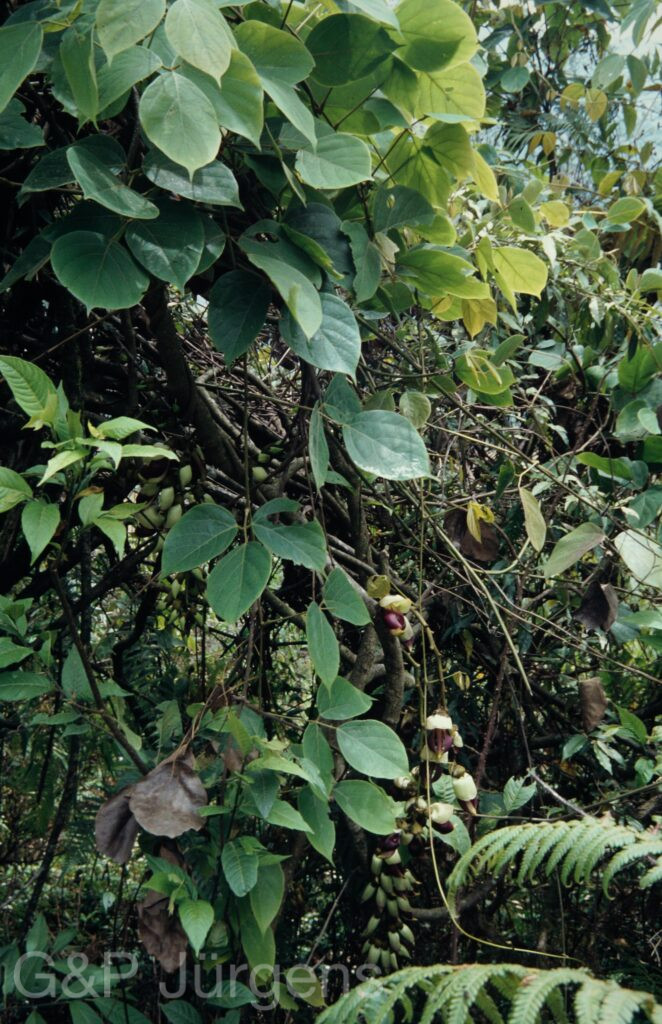
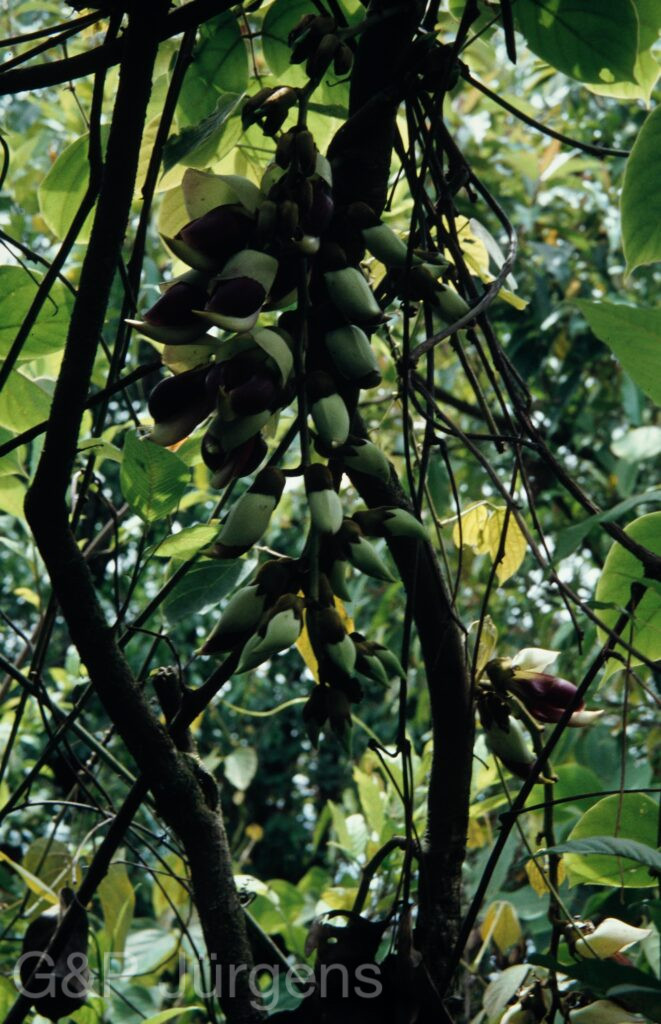
Mucuna macrocarpa

by GP Jürgens

Wall.

Nepal 1994 57 ergebnis
Ost-Nepal Bhalukhob 
1800m April
Nepal 1994 55 ergebnis
Ost-Nepal Bhalukhob 
1800m April

Description

Mucuna macrocarpa is a large woody climber of subtropical and tropical Asia, ranging from Taiwan, Japan and China through Thailand, Laos, Myanmar, India, Vietnam, Nepal, Malaysia and Bhutan; GBIF records some 2100 occurrences, making it by far the best-documented species in this set. It scrambles through warm broadleaved and evergreen forest, along forest edges and ravine slopes at lower montane elevations. The photographed plant grows at Bhalukhob in East Nepal at about 1800 m, flowering in April, in humid subtropical hill forest.

It is a robust, perennial liana with stout woody stems and trifoliolate leaves bearing large, broadly ovate to elliptic leaflets. The pendent, cauliflorous to ramiflorous inflorescences carry showy papilionaceous flowers with a dark, often deep purple to maroon or greenish keel and standard, the keel curved and enclosing the stamens and style. The fruit is a large, woody, oblong pod, broad and often flattened, conspicuously ribbed or winged and clothed in irritant hairs, enclosing several hard, disc-shaped seeds.

The species is accepted. Mucuna is noted for explosive, mechanically triggered flowers adapted to vertebrate pollination: in this and related species the keel snaps open under the manipulation of nectar-feeding bats and, locally, other mammals or large birds, a celebrated case of chiropterophily. The stinging pod hairs deter herbivores, while the buoyant seeds are reported to disperse by water. Its wide range and frequency indicate a secure conservation status across monsoon Asia.

Author: Wall. · Sources: POWO (Kew), GBIF, Flora of China, Flora of Bhutan, Wilmot-Dear's revisions of Asian Mucuna (Leguminosae)

Ototropis conferta

by GP Jürgens

 (DC.) H.Ohashi & K.Ohashi.

Bhutan2012 958
Bhutan Trithangebe 1200m, October
Bhutan2012 959
Bhutan Trithangebe 1200m, October
Bhutan2012 1004
Bhutan Trithangebe 1400m, October

Description

Ototropis conferta is a Himalayan legume distributed through Nepal, India and Bhutan, with GBIF recording about 112 occurrences across the central and eastern ranges. It is a shrub of warm temperate and subtropical hill forest, growing on open slopes, forest edges, scrub and roadside banks typically between roughly 1000 and 2000 m. The accompanying records from Trithangebe in southern Bhutan at 1200 and 1400 m, flowering in October, capture its characteristic autumn flowering in the lower-montane belt, where it forms part of the shrubby understorey and edge vegetation alongside other broom-like legumes on well-drained, often disturbed ground.

It is a woody shrub with slender, sometimes arching branches that are finely pubescent when young. The leaves are pinnately trifoliolate, the leaflets elliptic to ovate with entire margins and an appressed indumentum, subtended by small stipules. The inflorescences are dense, many-flowered terminal and axillary racemes or panicles, the epithet referring to the crowded arrangement of the flowers. Each papilionaceous flower has a campanulate calyx and a corolla of standard, wings and keel, coloured pink to purple, fading as it ages. The diadelphous stamens are enclosed within the keel. The fruit is a flattened, several-jointed loment that breaks at maturity into one-seeded articles, their surfaces clad in hooked hairs that promote epizoochorous dispersal.

The species was long placed in the large genus Desmodium as D. confertum, and was transferred to Ototropis by H.Ohashi and K.Ohashi following molecular and morphological revision of the Desmodieae, which fragmented the traditional broad Desmodium into several segregate genera. As a nitrogen-fixing pioneer of forest edges and disturbed slopes it contributes to soil enrichment and early successional cover, and its adhesive loment articles make it an effective colonist of new ground. It is neither rare nor of particular conservation concern across its Himalayan range.

Author: (DC.) H.Ohashi & K.Ohashi. · Sources: POWO (Kew), GBIF, Flora of Bhutan, Annotated Checklist of the Flowering Plants of Nepal, Ohashi & Ohashi revision of the Desmodium group, Legumes of the World

(DC.) H.Ohashi & K.Ohashi

Bhutan2012 985
Bhutan Trithangebe 1050m, October
Bhutan2012 986
Bhutan Trithangebe 1050m, October

Description

Ototropis multiflora (DC.) H.Ohashi & K.Ohashi, long familiar as Desmodium multiflorum, is a shrubby legume widely distributed through tropical and subtropical Asia. GBIF records (over 1400 occurrences) extend from Pakistan, Nepal, northern India and Bhutan eastward through southern China, Taiwan, Myanmar, Thailand, Laos, Vietnam and Malaysia. It grows in open forest, scrub, forest margins, roadsides and grassy hill slopes at lower and middle elevations, broadly from near sea level to about 2400 m. The specimen photographed at Trithangebe in Bhutan at 1050 m in October, flowering late in the warm season, typifies its preference for warm, well-lit subtropical foothill habitats.

It is an erect, much-branched shrub up to about 1-2 m tall, with young stems and foliage softly pubescent. The leaves are pinnately trifoliolate; leaflets are ovate to elliptic, the terminal one largest, densely soft-hairy beneath, and subtended by persistent stipules. Flowers are borne in many-flowered terminal and axillary racemes or panicles, each papilionaceous corolla pink to purple, the keel enclosing the diadelphous stamens. The fruit is a flattened, several-jointed loment, the segments shallowly constricted and clothed in hooked uncinate hairs that adhere to fur and clothing, promoting epizoochorous dispersal.

The segregation of Ototropis from the broadly defined Desmodium follows molecular work by H. Ohashi and K. Ohashi that resolved tribe Desmodieae into several well-supported genera; Ototropis multiflora is therefore the currently accepted name. As a nitrogen-fixing legume it contributes to soil fertility on disturbed slopes and is used locally as fodder and in traditional medicine. Widespread, weedy and adaptable, it is of least conservation concern and readily colonises secondary habitats.

Author: (DC.) H.Ohashi & K.Ohashi · Sources: POWO (Kew), GBIF, Flora of China, Flora of Bhutan, Ohashi & Ohashi revision of tribe Desmodieae, Annotated Checklist of the Flowering Plants of Nepal