
Benth. ex. Bunge
Description
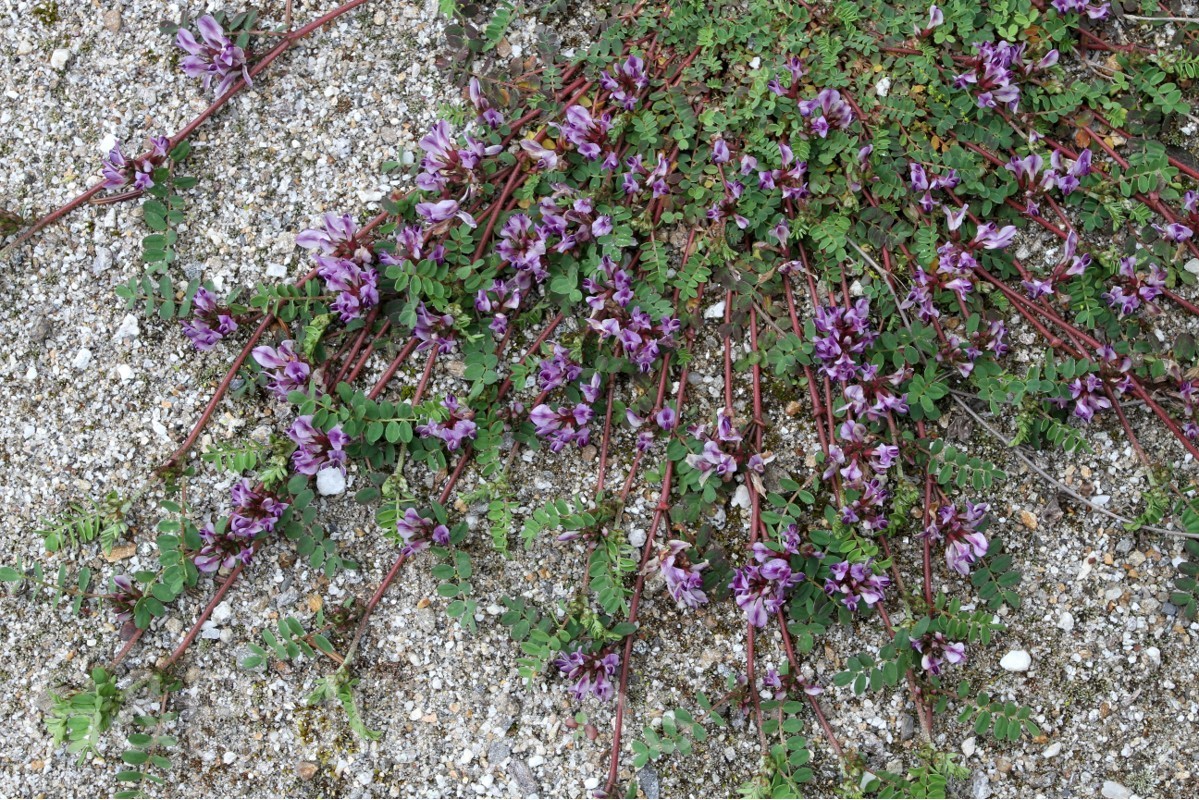
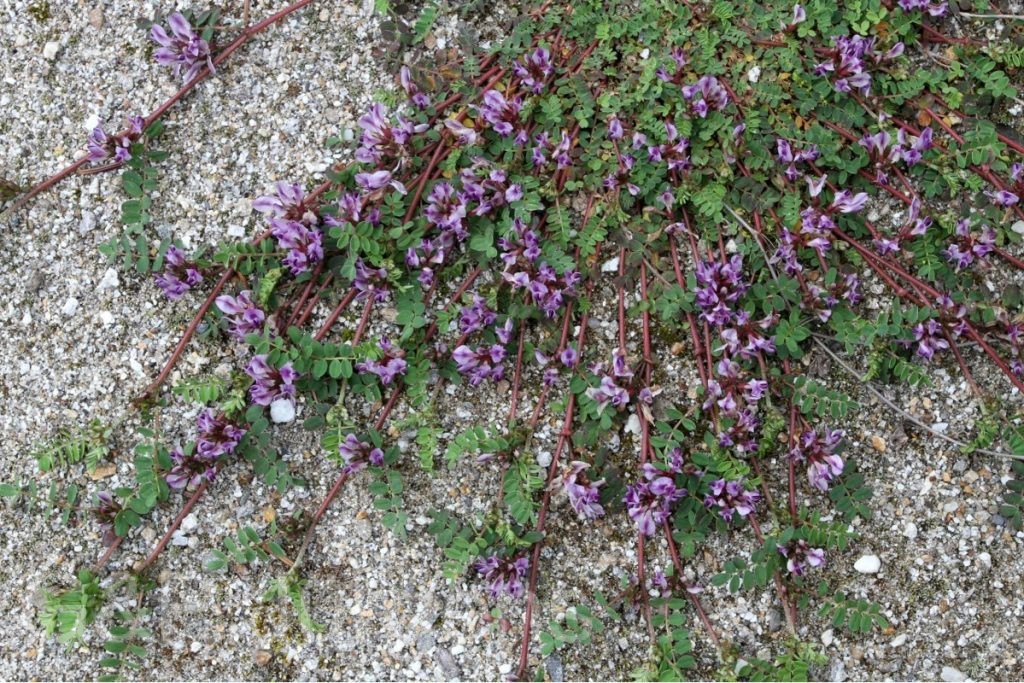
Astragalus sikkimensis is a Himalayan milkvetch recorded from India, Nepal, Bhutan and China, with about 68 GBIF occurrences distributed across the central and eastern range. It is a plant of open alpine and subalpine slopes, stony pastures and grassy meadows, typically growing between roughly 3000 and 4500 m. The photographed plant at Tsochenchen in Bhutan at 3550 m, flowering in June, reflects its early-summer anthesis at the onset of the growing season, when it occupies well-drained, often gravelly turf in the cool, exposed conditions of the high meadows above the forest line.
The species is a perennial herb arising from a woody rootstock, with stems that are decumbent to shortly ascending and an indumentum of fine appressed hairs. The leaves are imparipinnate, composed of several pairs of small elliptic to oblong leaflets, with persistent stipules at the base of the petioles. The flowers are borne in short axillary racemes or head-like clusters and are typically pink-purple to violet, with the standard, wing and keel petals of the papilionaceous corolla and a tubular, hairy calyx with triangular teeth. The fruit is a small legume (pod), often somewhat inflated and enclosed within or shortly exceeding the persistent calyx, splitting to release the seeds.
Astragalus is one of the largest of all plant genera, and its Himalayan alpine representatives such as A. sikkimensis form symbiotic root nodules with nitrogen-fixing rhizobia, an asset in nutrient-poor high-altitude soils. The papilionaceous flowers are bee-pollinated. The species is reasonably widespread within its montane band and is not regarded as threatened, though its alpine pastures are subject to grazing pressure across the inhabited Himalayan ranges.
Author: Benth. ex. Bunge · Sources: POWO (Kew), GBIF, Flora of Bhutan, Flora of China (Fabaceae), Podlech & Zarre Taxonomic Revision of Astragalus