Wall.

Description
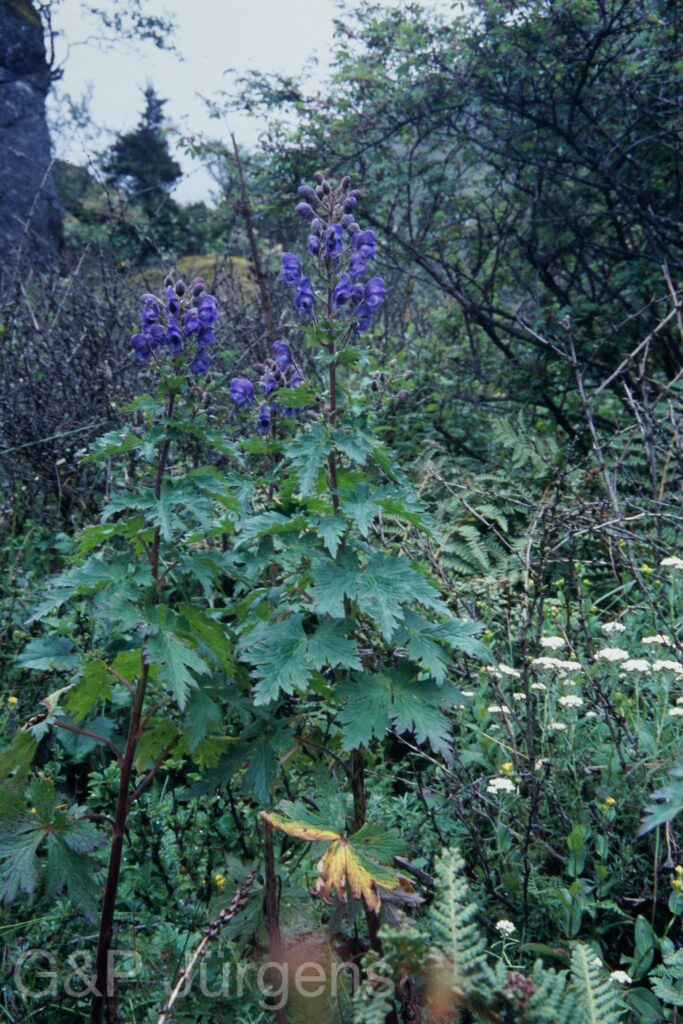
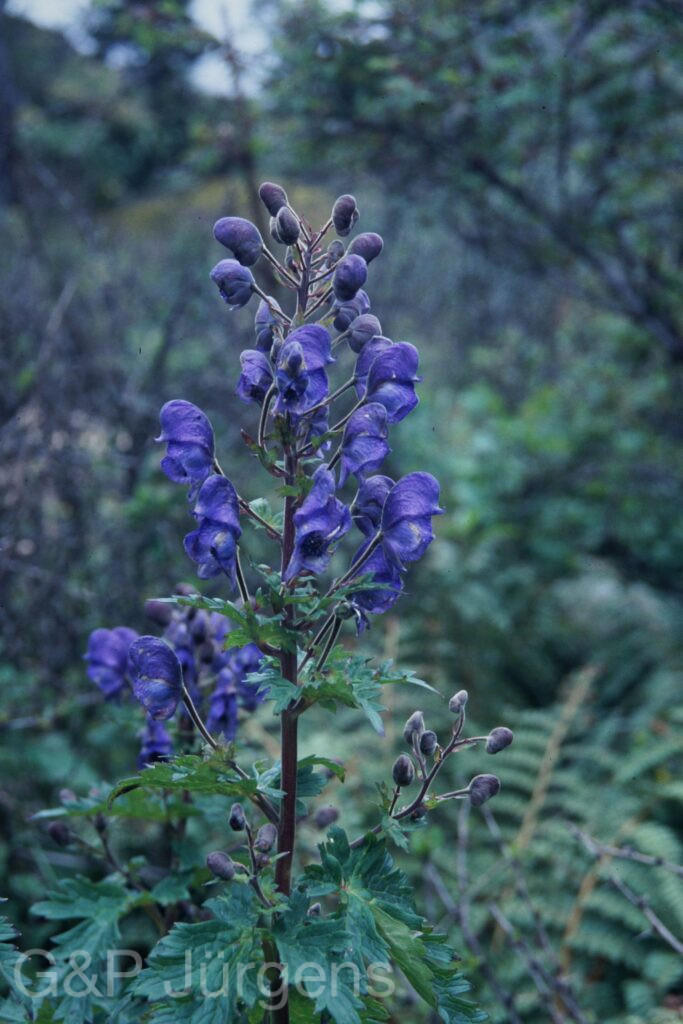
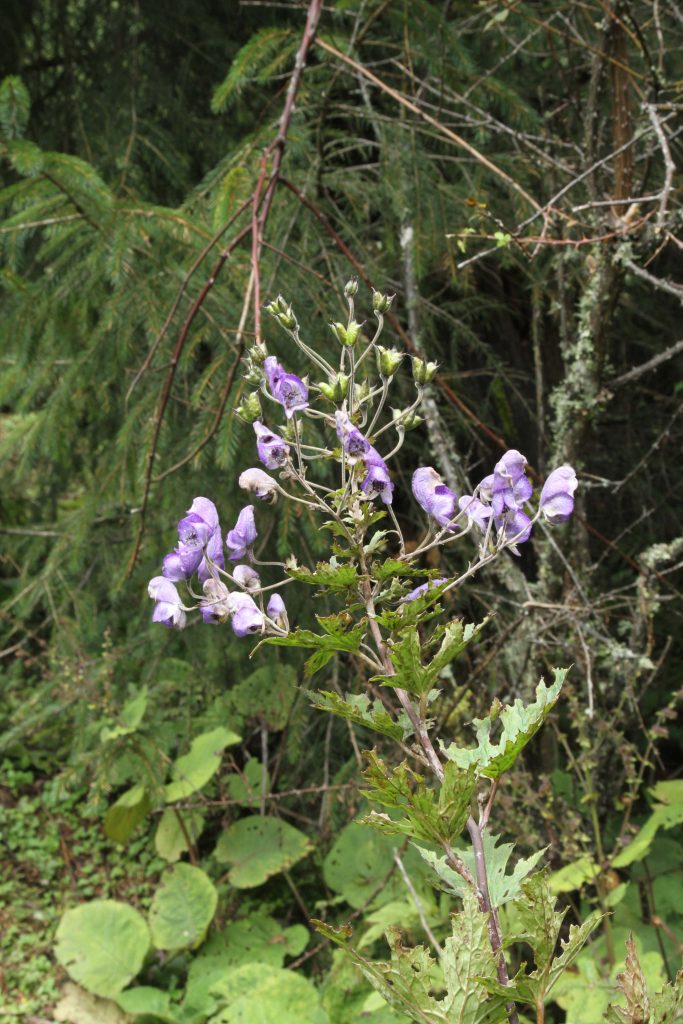
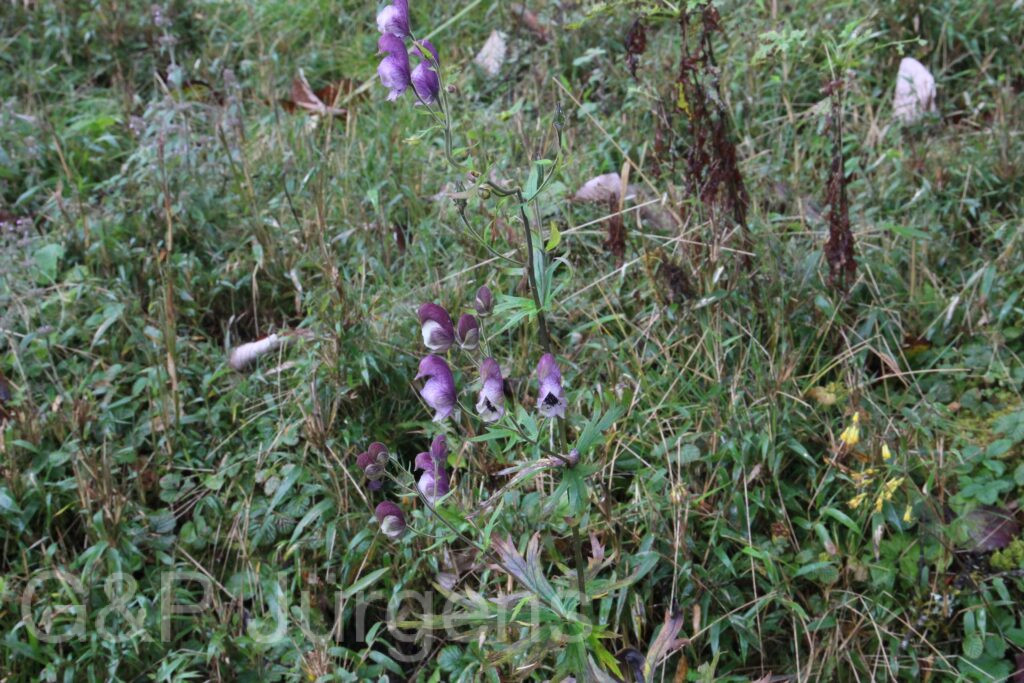
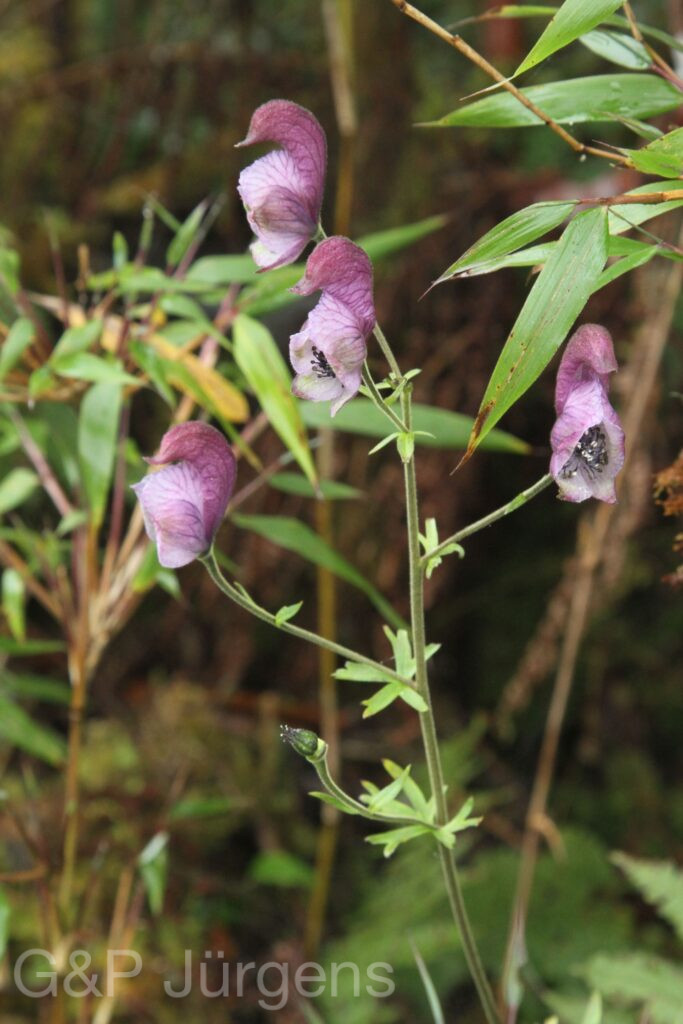
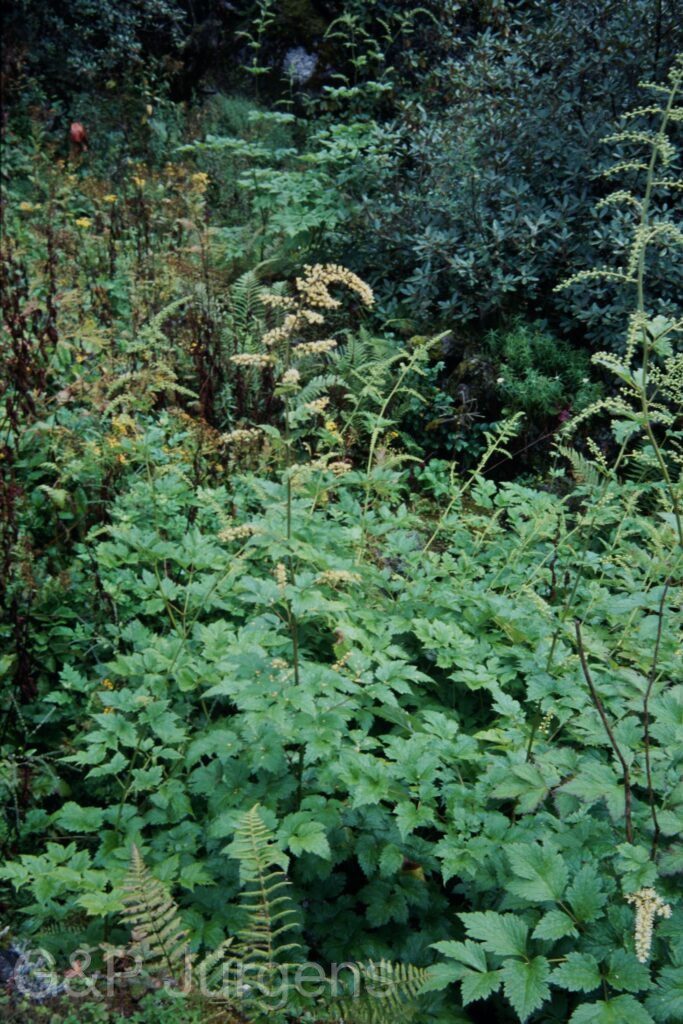
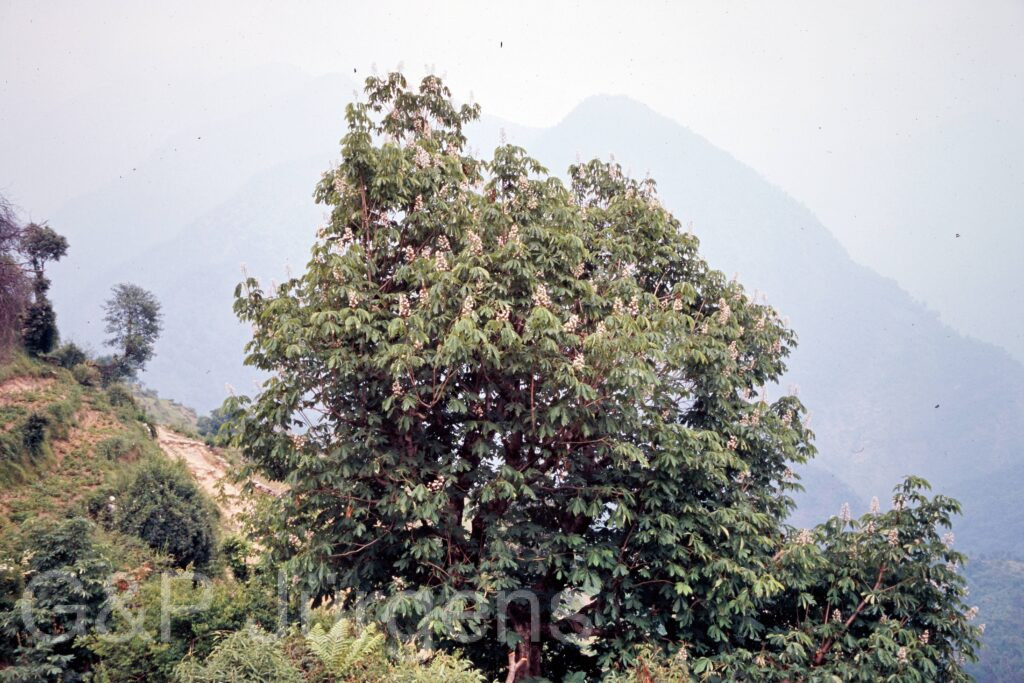
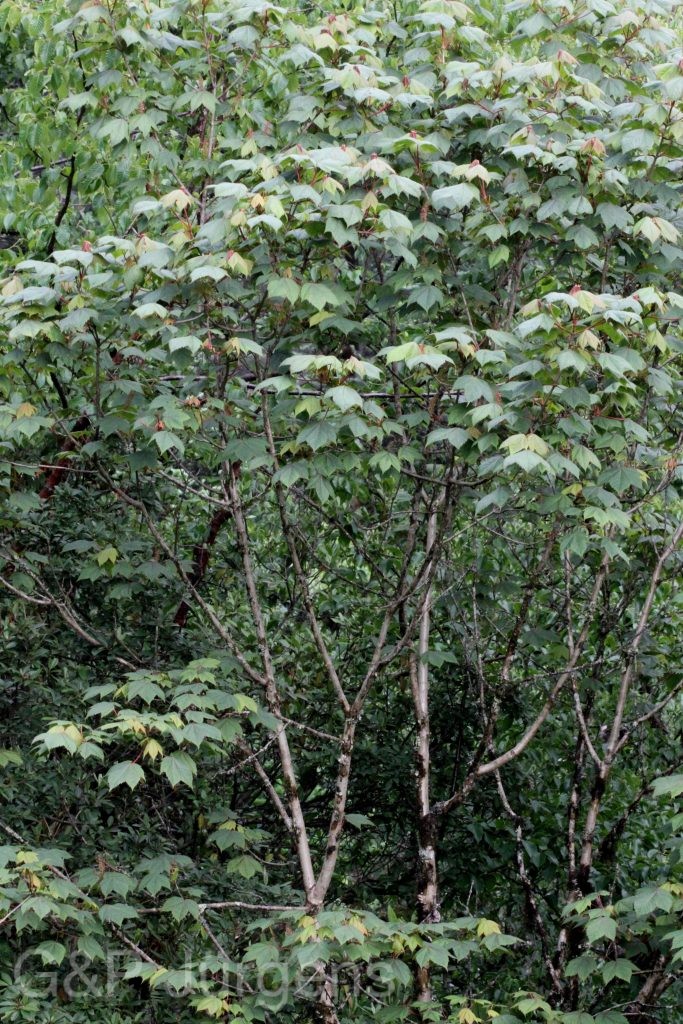
Acer caudatum is a deciduous maple of the Himalaya and the mountains of China, distributed through China, Nepal, India, Bhutan, Myanmar, Afghanistan and into Russia, with over two thousand recorded occurrences across this broad range. It is a tree of moist temperate and subalpine forest, growing in mixed broad-leaved and conifer woodland, along ravines and on cool shaded slopes on humus-rich soils. In Bhutan it occurs in the middle montane belt, as illustrated by the collection near Jakar in the Bumthang region at about 2100 m in June, when the trees are in full leaf and flower.
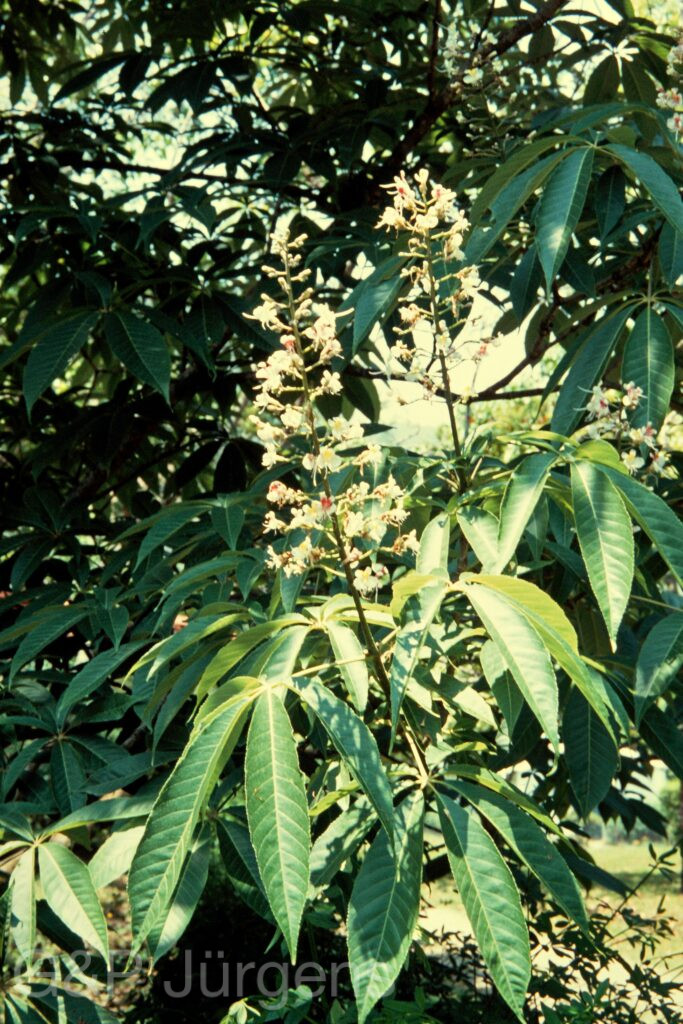
The species is a small to medium-sized tree with smooth greyish bark and slender branchlets. The leaves are opposite, long-petiolate and orbicular in outline, palmately five- to seven-lobed with the lobes ovate-acuminate and the margins sharply and doubly serrate, often softly hairy on the veins beneath. The inflorescence is an erect terminal raceme or narrow panicle bearing numerous small yellowish-green flowers. The fruit is the typical maple double samara, the two nutlets each bearing a membranous wing, the wings spreading at a wide to nearly horizontal angle to enable anemochorous dispersal of the seeds.
Acer caudatum, described by Wallich and now placed in Sapindaceae following the merger of the former Aceraceae, is a variable species classified within section Spicata, the group of maples with erect spike-like inflorescences. Several geographical varieties have been recognised across its range, reflecting its wide montane distribution. The species is a normal component of Himalayan temperate forest and is not threatened, contributing to autumn colour and, through its winged fruits, to the regeneration dynamics of mid-elevation woodland.
Author: Wall. · Sources: POWO (Kew), GBIF, Flora of China Vol. 11, Flora of Bhutan Vol. 2, Flora of Nepal, Flora of Pakistan, van Gelderen et al. Maples of the World