
B.Heyne ex Roth
Description
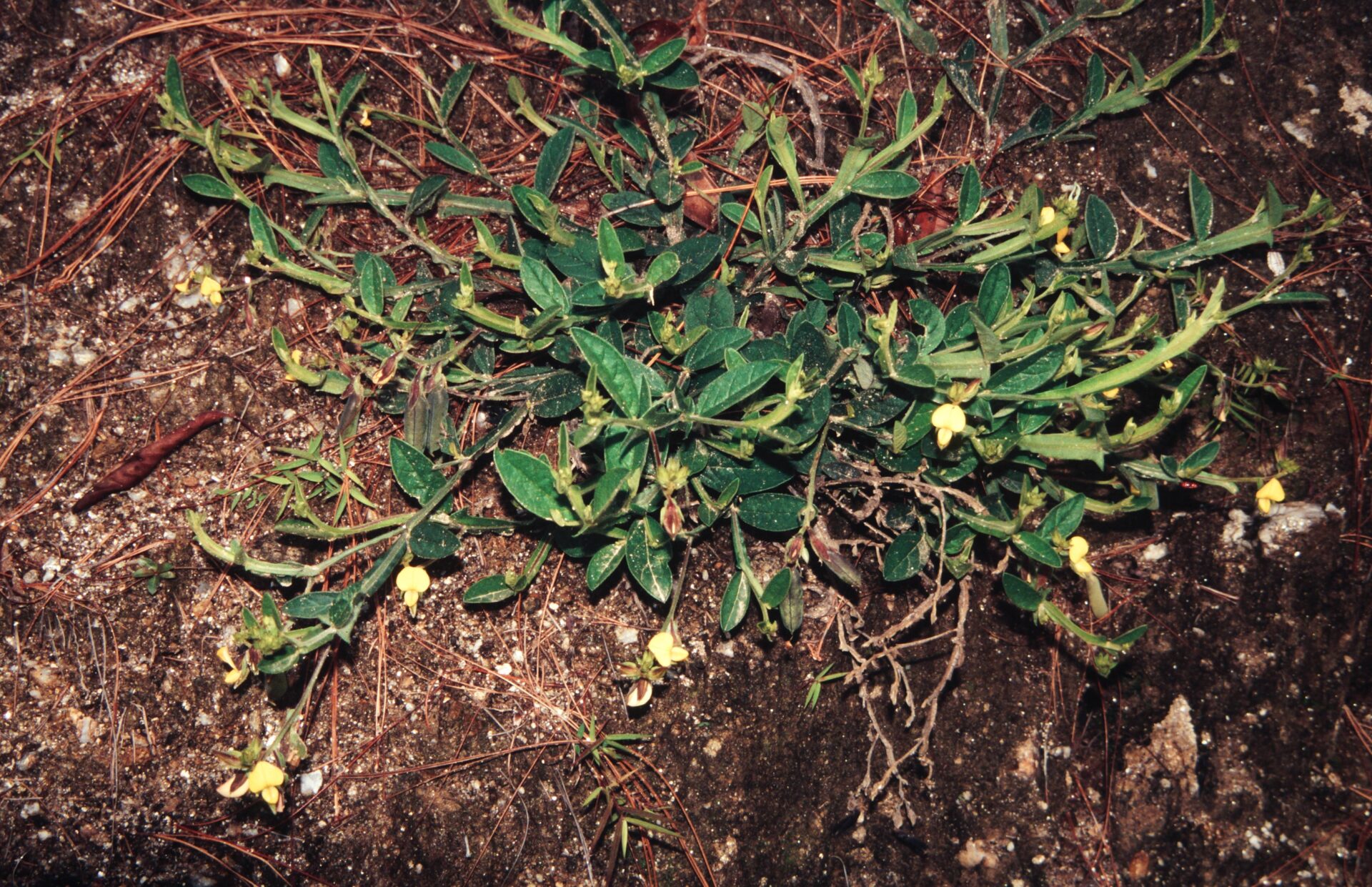
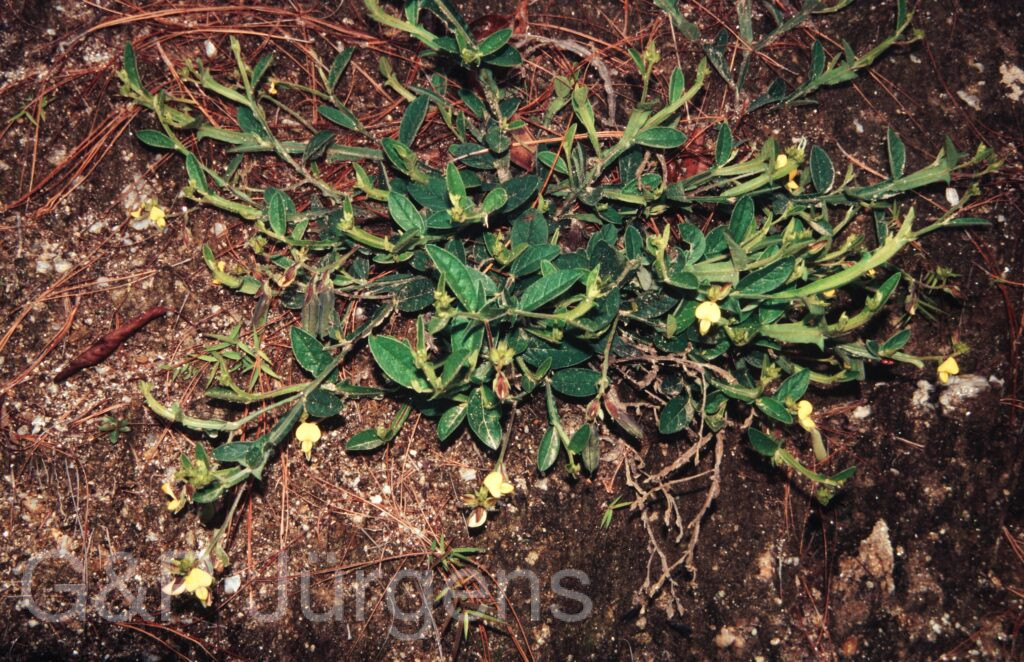
Crotalaria albida is one of the most widespread Asian rattlepods, ranging from Pakistan, India, Nepal, Bhutan and Bangladesh eastward through China, Taiwan, Hong Kong, Myanmar, Thailand, Laos, Vietnam and Malesia to the Philippines, Indonesia, New Guinea and Australia, with naturalised records in Sri Lanka and the United States; over 2100 GBIF occurrences attest to this amplitude. In the Himalaya it favours open grassy hillsides, dry banks, pine-forest margins and disturbed roadsides on well-drained, often acidic soils. The plant photographed near Melamchi Pul in the Helambu region of central Nepal, at about 1080 m in May, typifies its preference for warm, low to mid-montane slopes between roughly 300 and 2300 m.
It is a slender, erect to ascending perennial herb or subshrub 30-90 cm tall, the wiry stems clothed in appressed silvery hairs. The leaves are simple, unifoliolate, oblong to oblanceolate and shortly petiolate, paler and pubescent beneath. The inflorescence is a slender terminal raceme of small papilionaceous flowers; the standard is pale yellow, often veined reddish-brown, and the keel is incurved and beaked. The calyx is bilabiate and hairy. As in the genus, the fruit is a short, inflated, glabrescent legume in which the loosened seeds rattle when dry.
The epithet albida alludes to the whitish, silky indumentum. Crotalaria is a large pantropical genus, and many species, including this one, contain pyrrolizidine alkaloids that render them toxic to livestock, though the plant is used locally in folk medicine. Its nitrogen-fixing root nodules enrich degraded slopes, and the species behaves as a pioneer colonist of disturbed ground, accounting for its extensive distribution and naturalisation.
Author: B.Heyne ex Roth · Sources: POWO (Kew), GBIF, Flora of China, Flora of Nepal, Flora of British India, Le Roux monograph of Crotalaria