
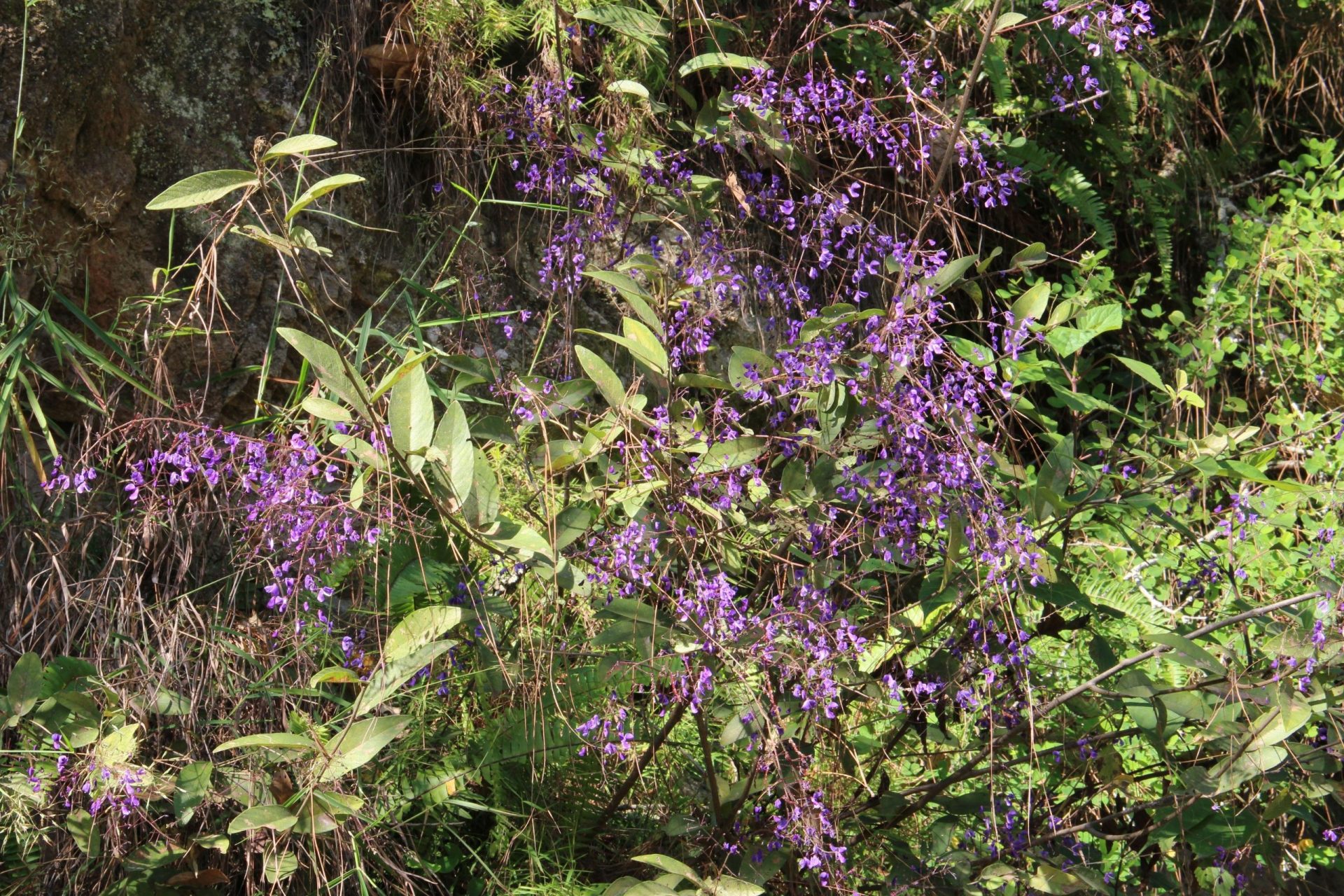
(Wall. ex Benth.) H.Ohashi & K.Ohashi
Description
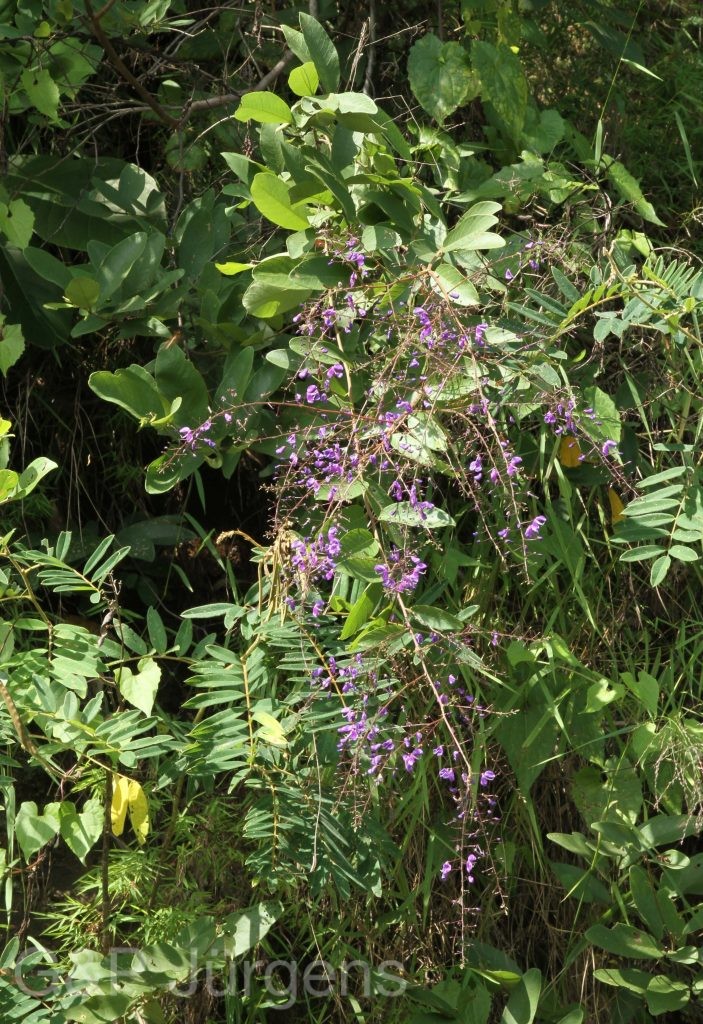
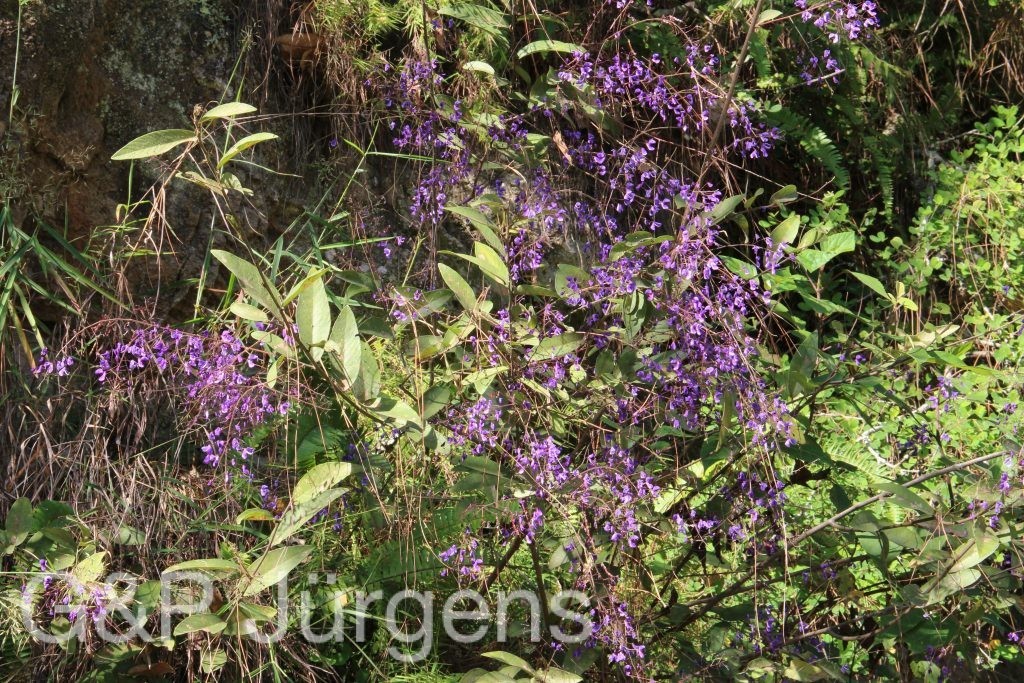
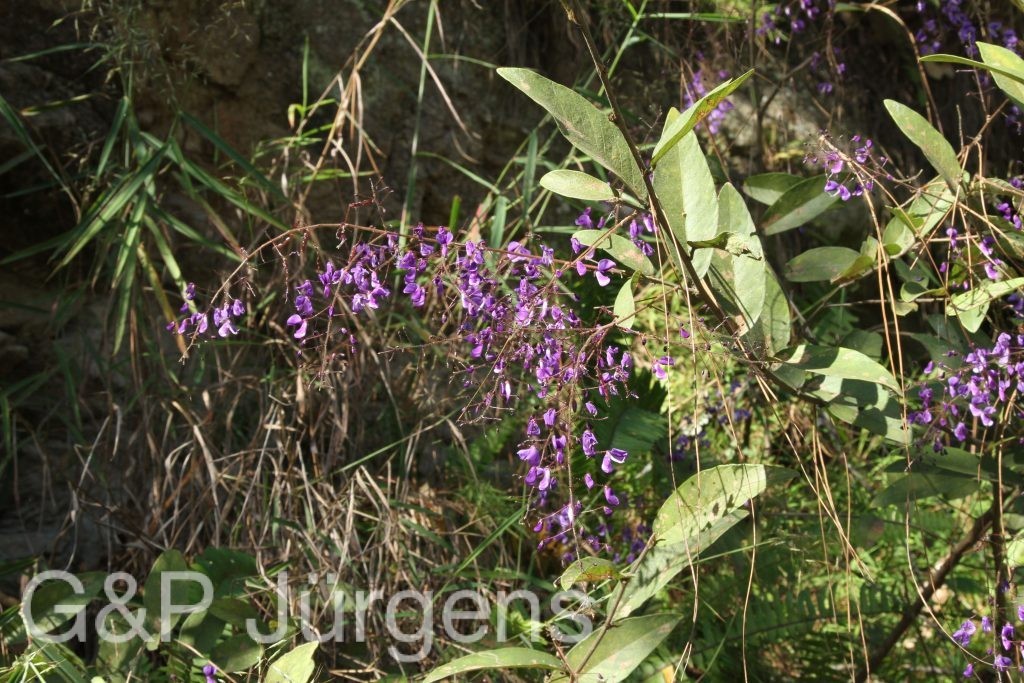
Uraria oblonga is distributed across the warm-temperate and subtropical belt of mainland Asia, with georeferenced records spanning Thailand, China, India, Myanmar, Laos, Vietnam, Bhutan and Japan; the roughly 235 documented occurrences reflect a continuous range along the southern Himalayan foothills and through Indochina. In Bhutan it has been recorded at lower montane elevations, as the accompanying images from Trithangebe at about 1050 m and Punaka at about 1240 m attest, both gathered in October at the close of the monsoon. It favours open grassland, scrub margins, forest clearings and disturbed roadsides on well-drained slopes, behaving as a light-demanding component of secondary herbaceous communities.
The plant is an erect to ascending perennial herb or subshrub arising from a woody rootstock, the stems sparingly branched and clothed in spreading hairs. Leaves are imparipinnate, typically with one to three pairs of leaflets that are oblong to elliptic-oblong, with entire margins, a reticulate venation prominent beneath, and stipels at the base of the petiolules. The inflorescence is an elongate terminal raceme bearing numerous small papilionaceous flowers, the calyx deeply lobed with elongate teeth and the corolla pink to purplish. The fruit is a small lomentum breaking into several folded, indehiscent one-seeded articles characteristic of the genus.
The species belongs to tribe Desmodieae of the Fabaceae (Faboideae), allied to Desmodium, a relationship echoed in the synonymy and the herbarium history of the basionym described by Wallich and Bentham before transfer by H. Ohashi and K. Ohashi. The jointed, hook-haired lomentum promotes epizoochorous dispersal, while the legume root nodules fix atmospheric nitrogen, allowing the plant to colonise nutrient-poor disturbed ground. With its broad transcontinental range and tolerance of human-modified habitats, U. oblonga is not considered threatened.
Author: (Wall. ex Benth.) H.Ohashi & K.Ohashi · Sources: POWO (Kew), GBIF, Flora of China, Flora of Bhutan, Ohashi revision of Desmodieae (Leguminosae)