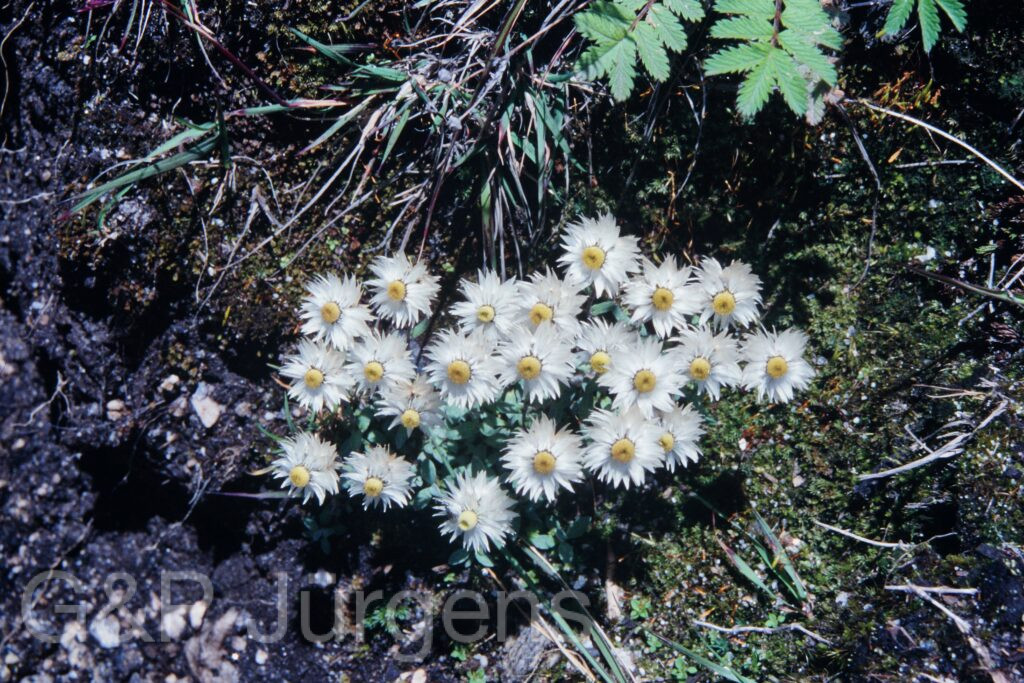
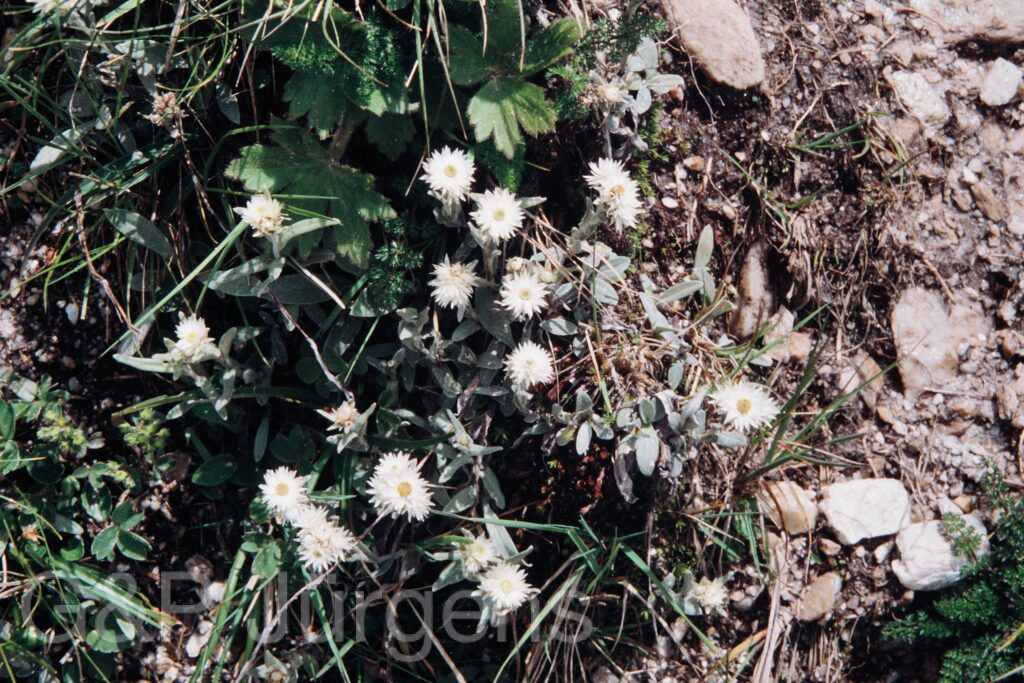
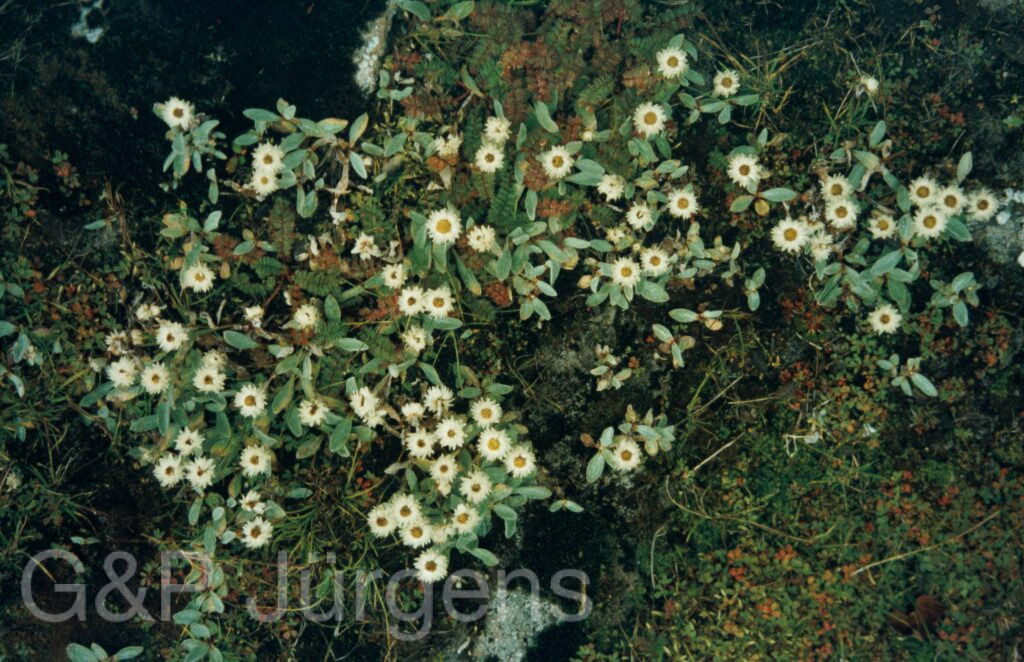
(Wall. ex DC.) Muldashev
Description
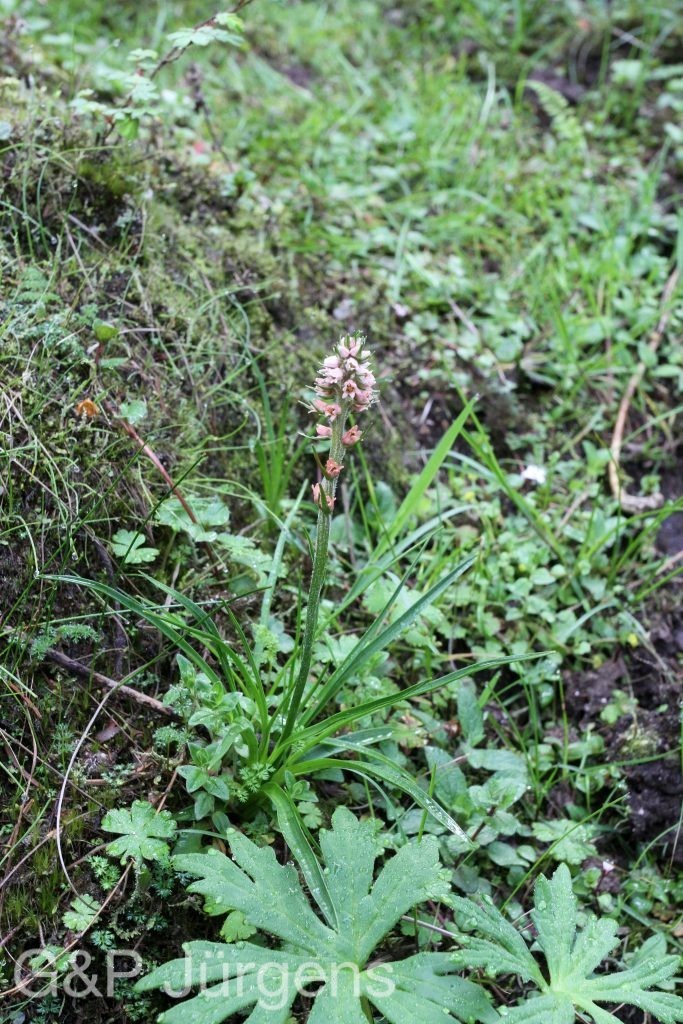
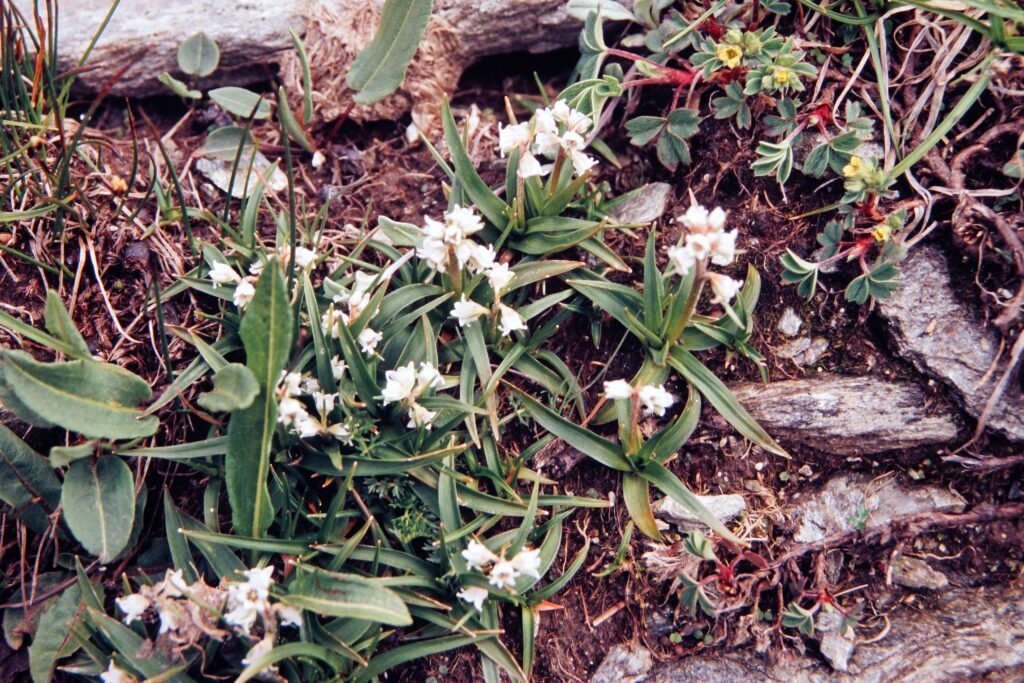
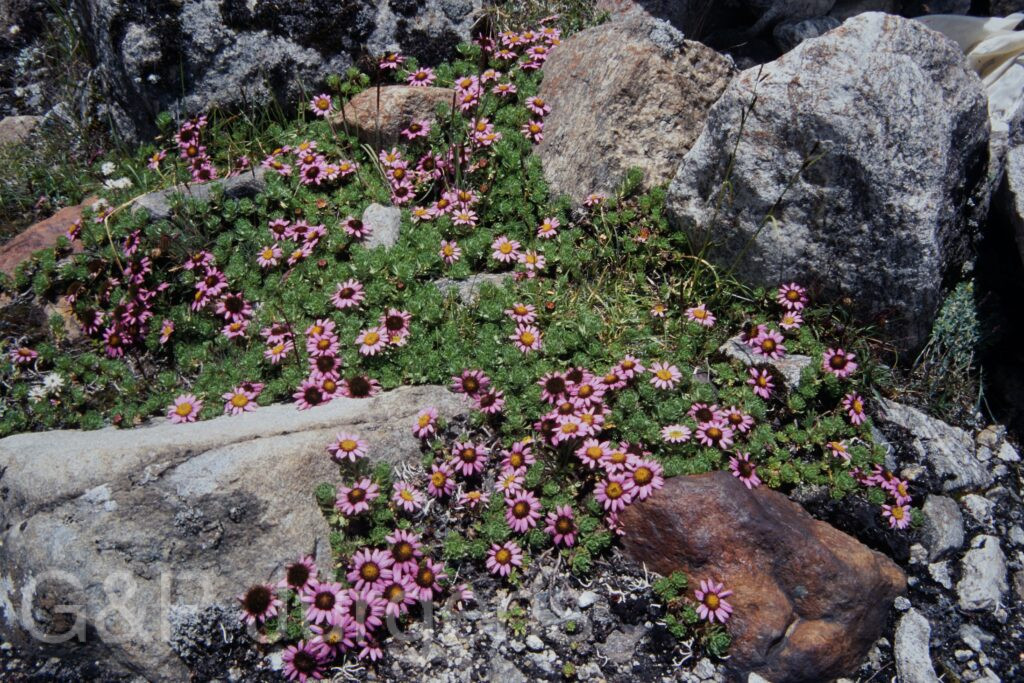
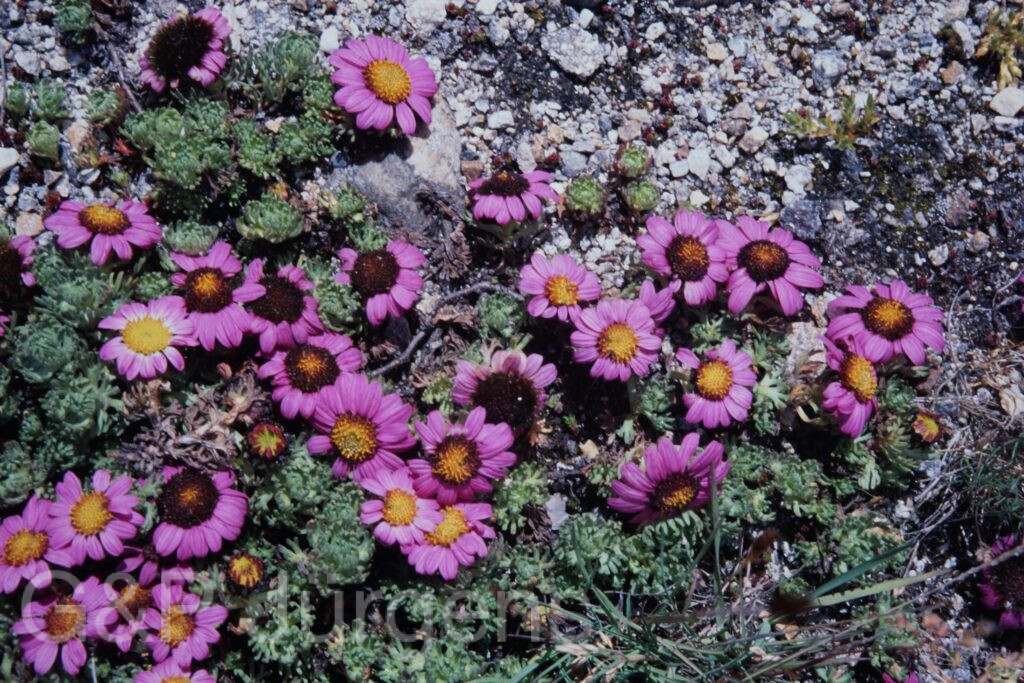
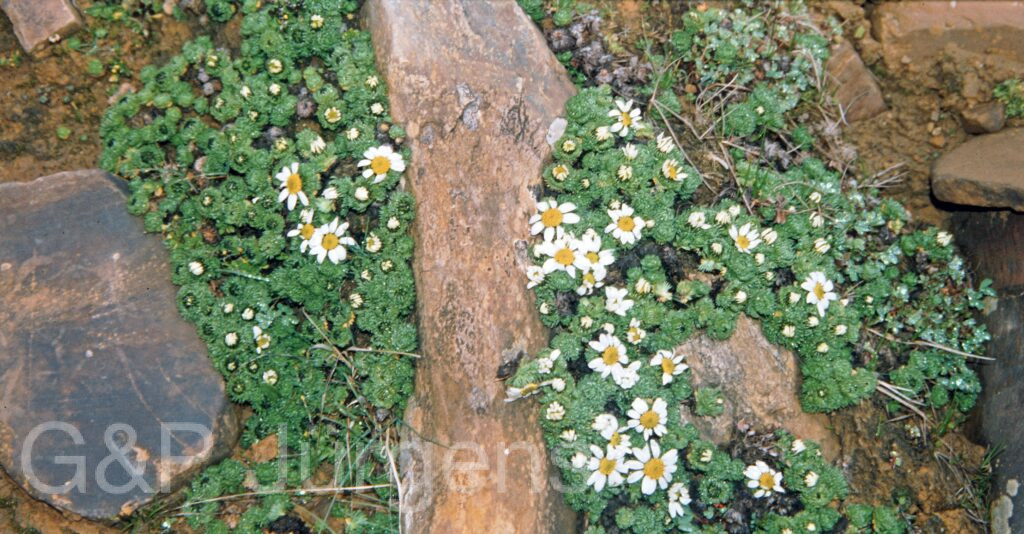
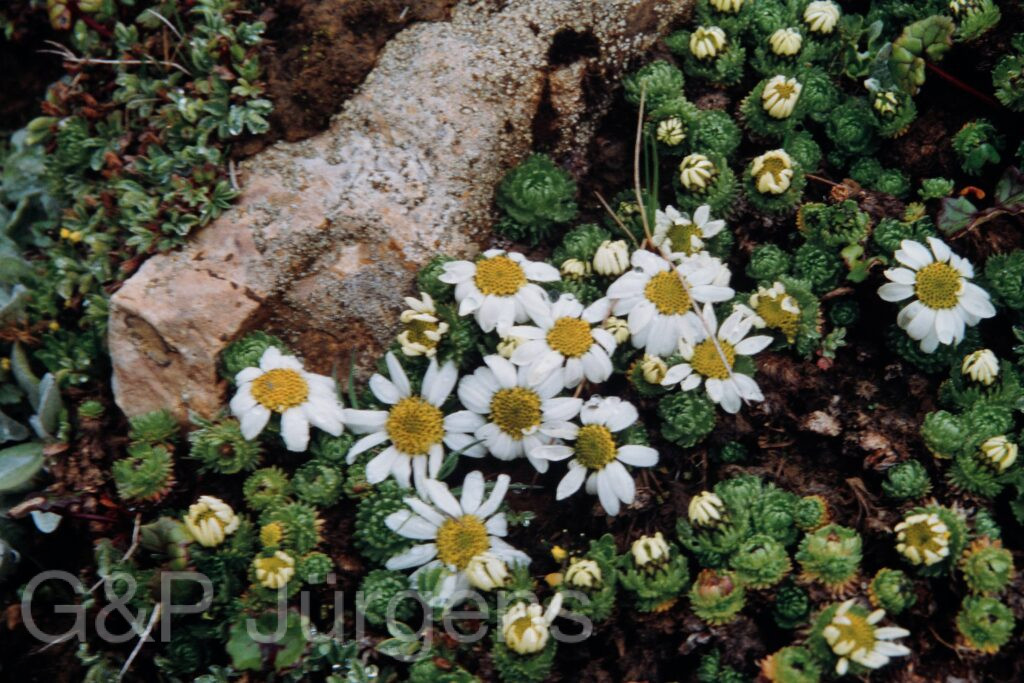
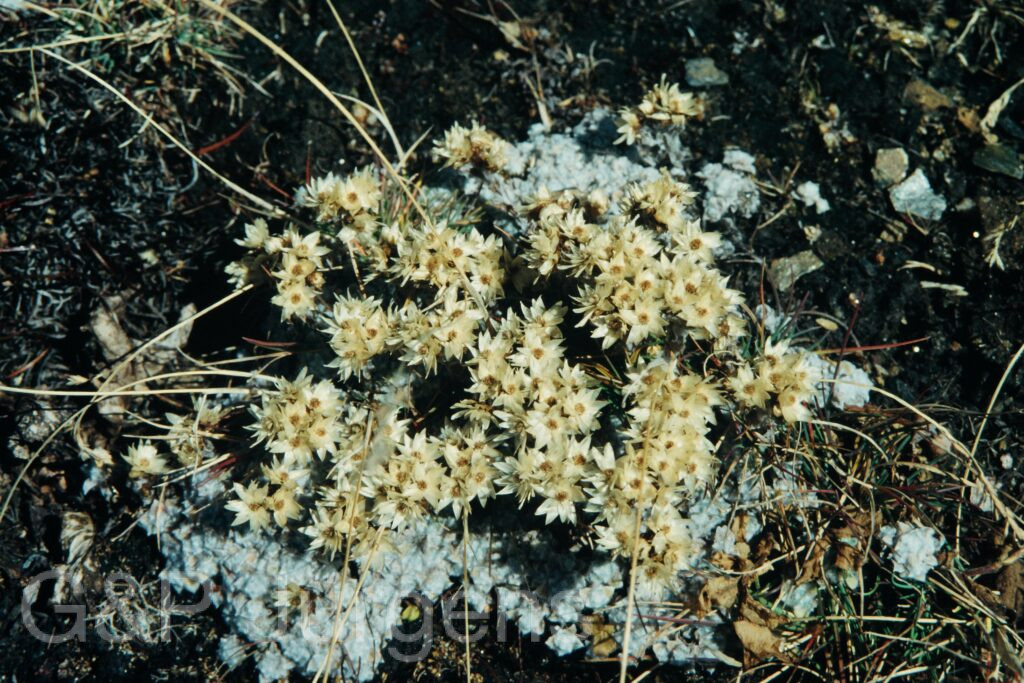
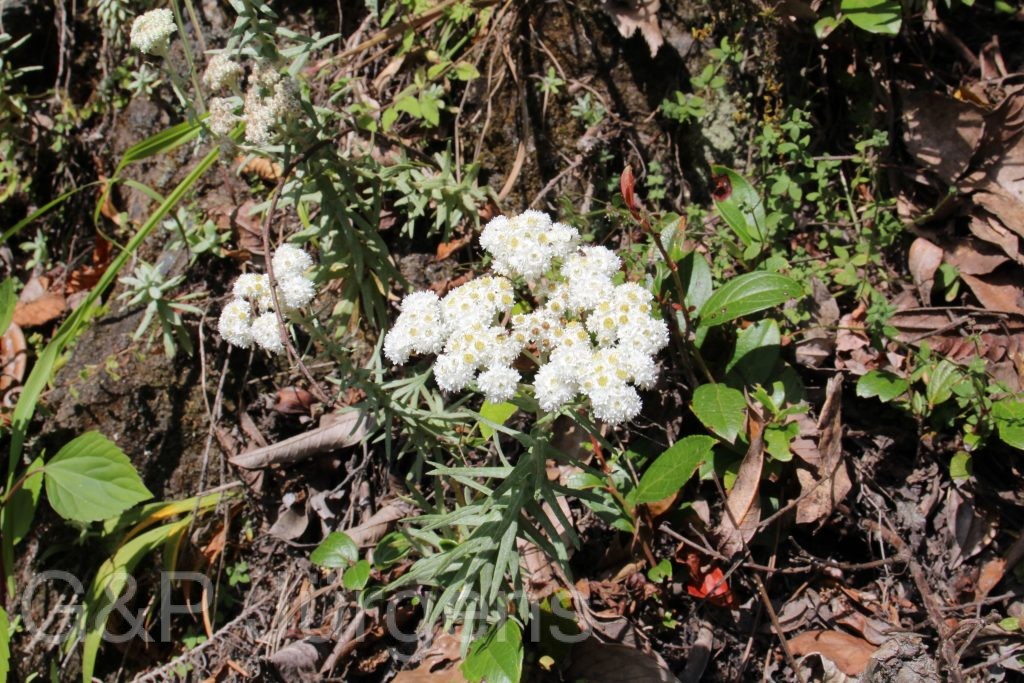
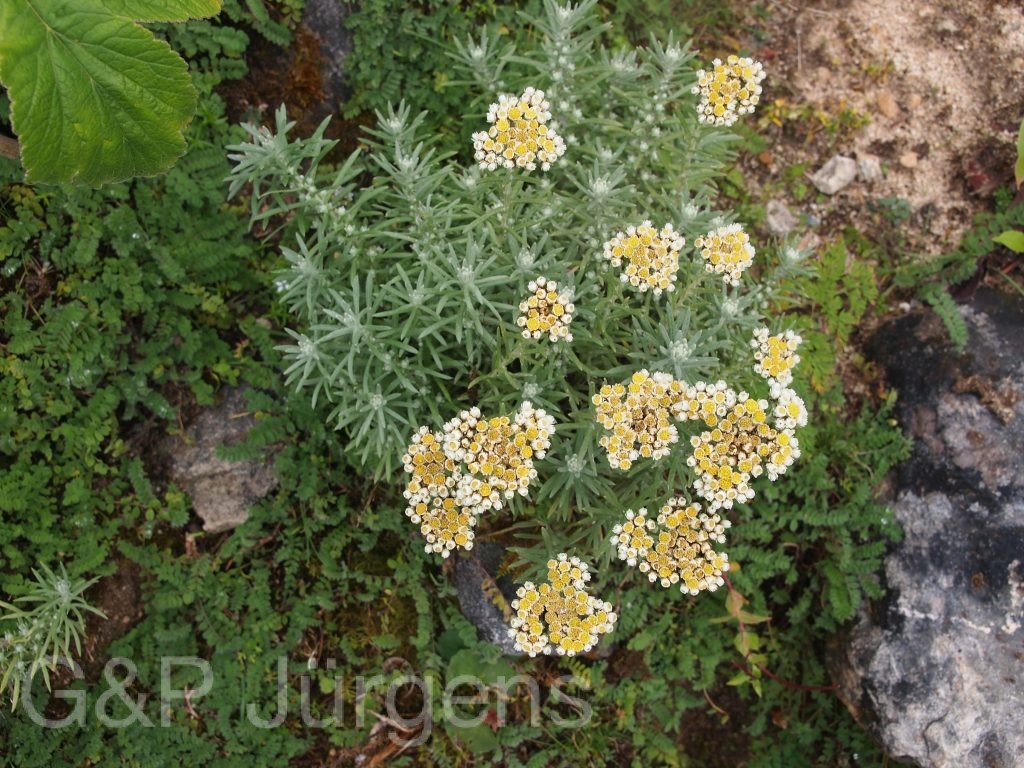
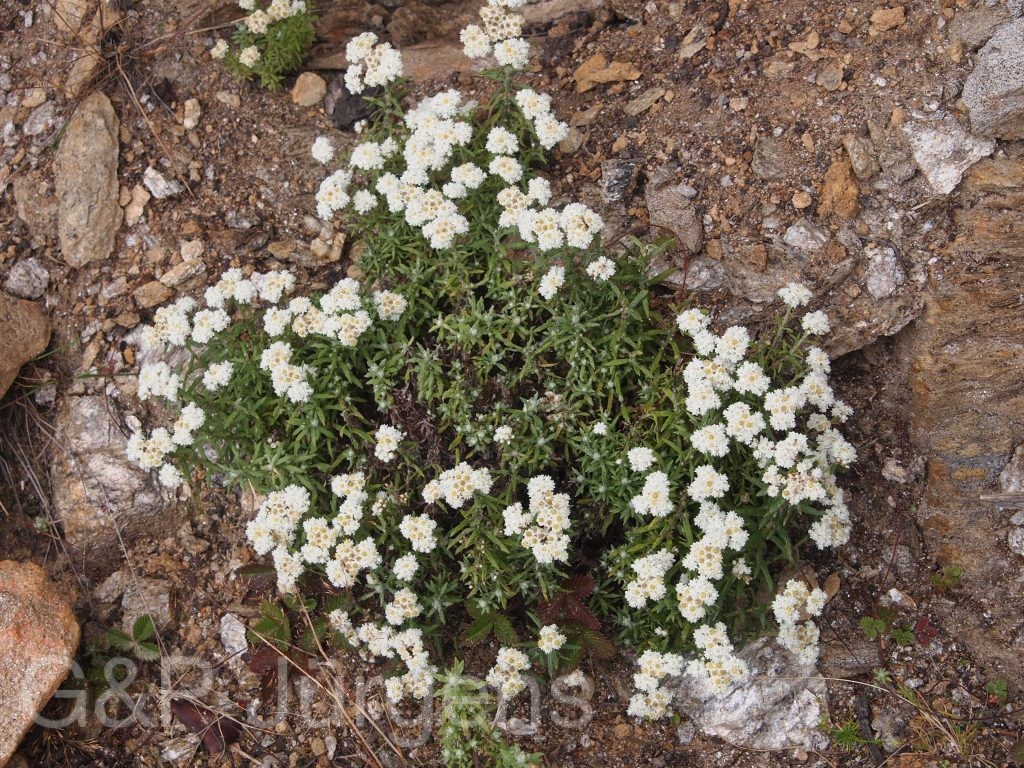
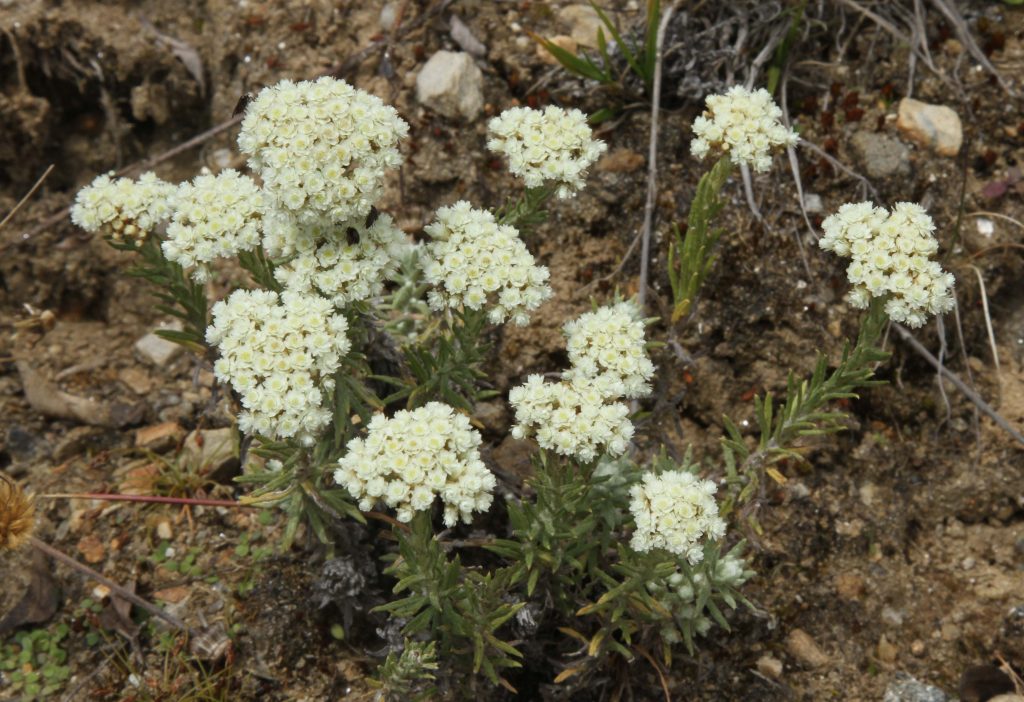
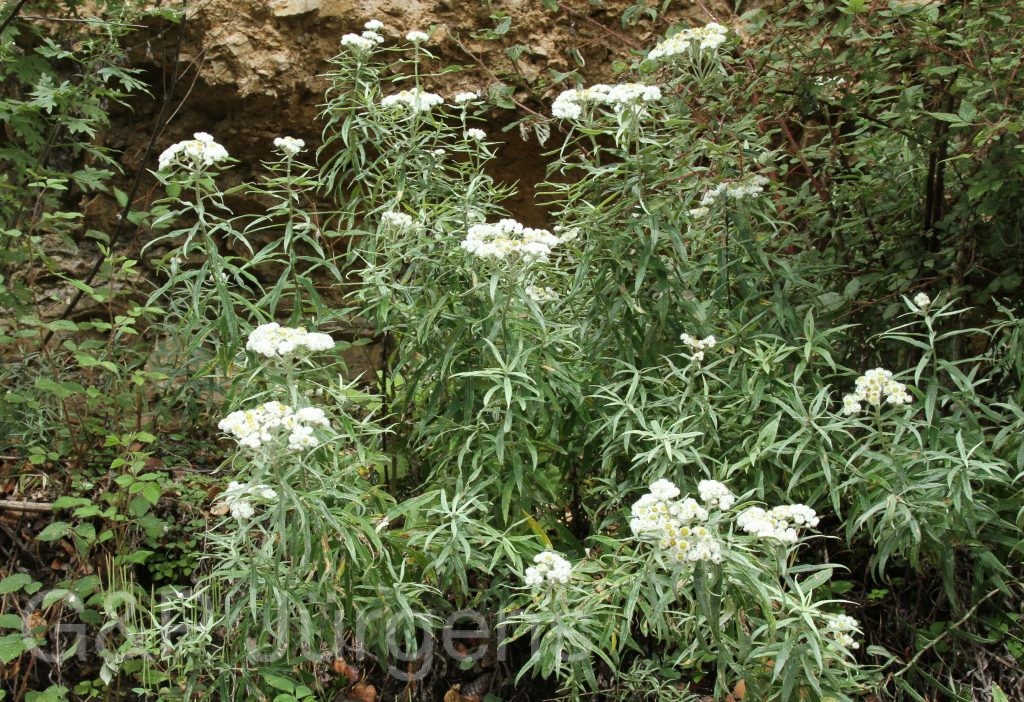
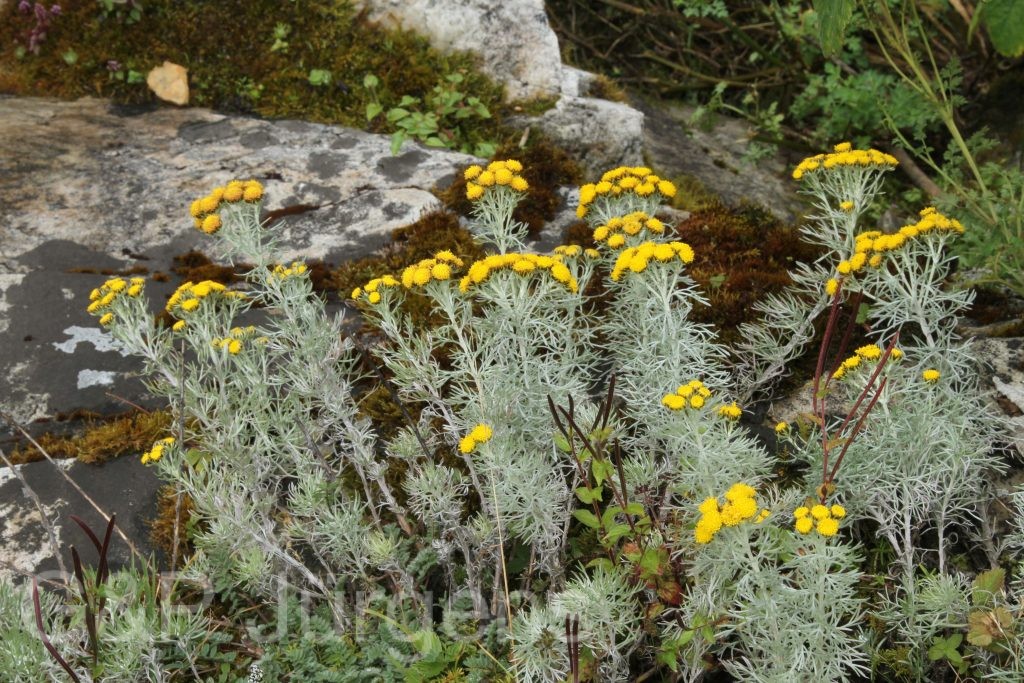
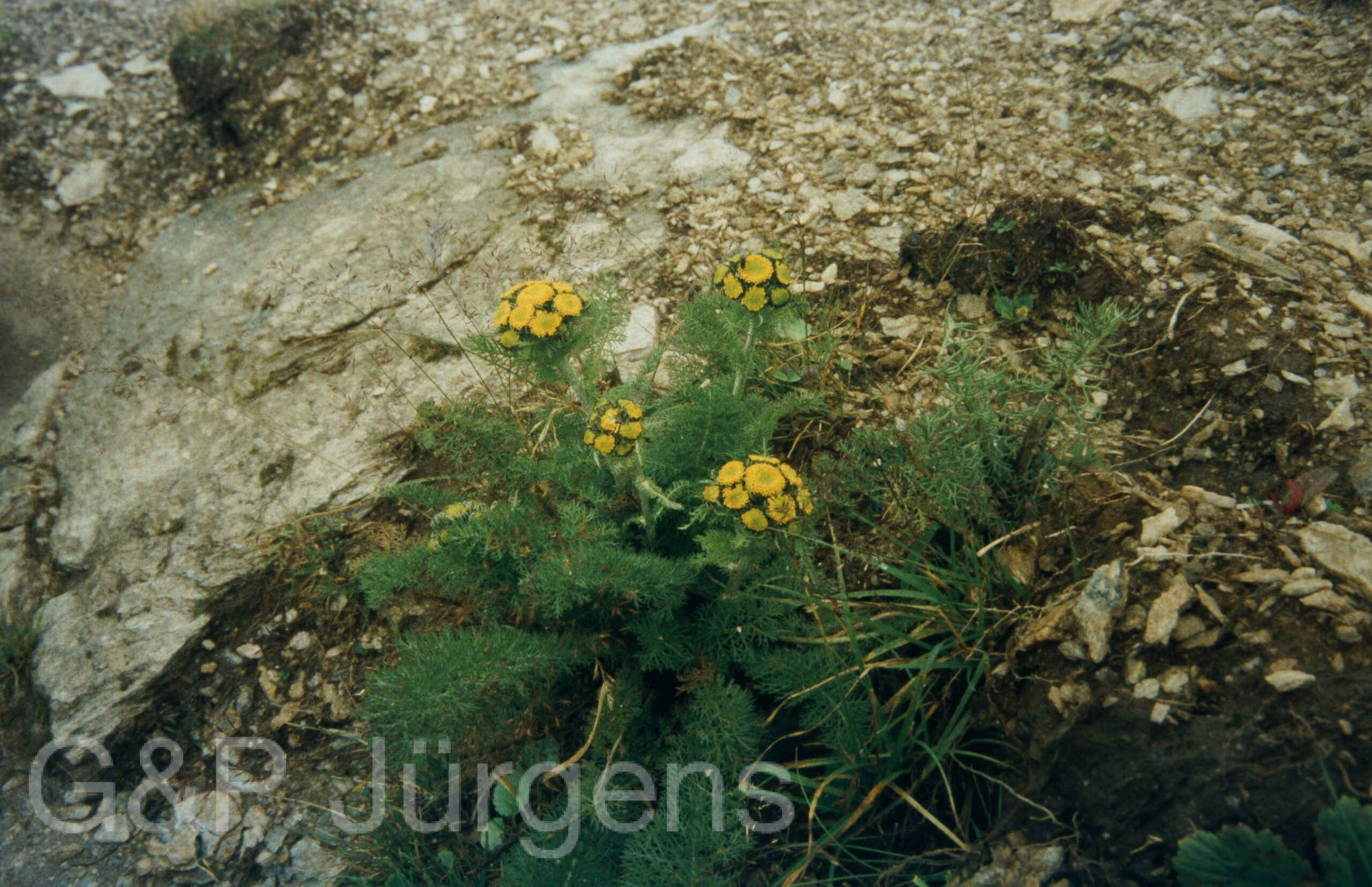
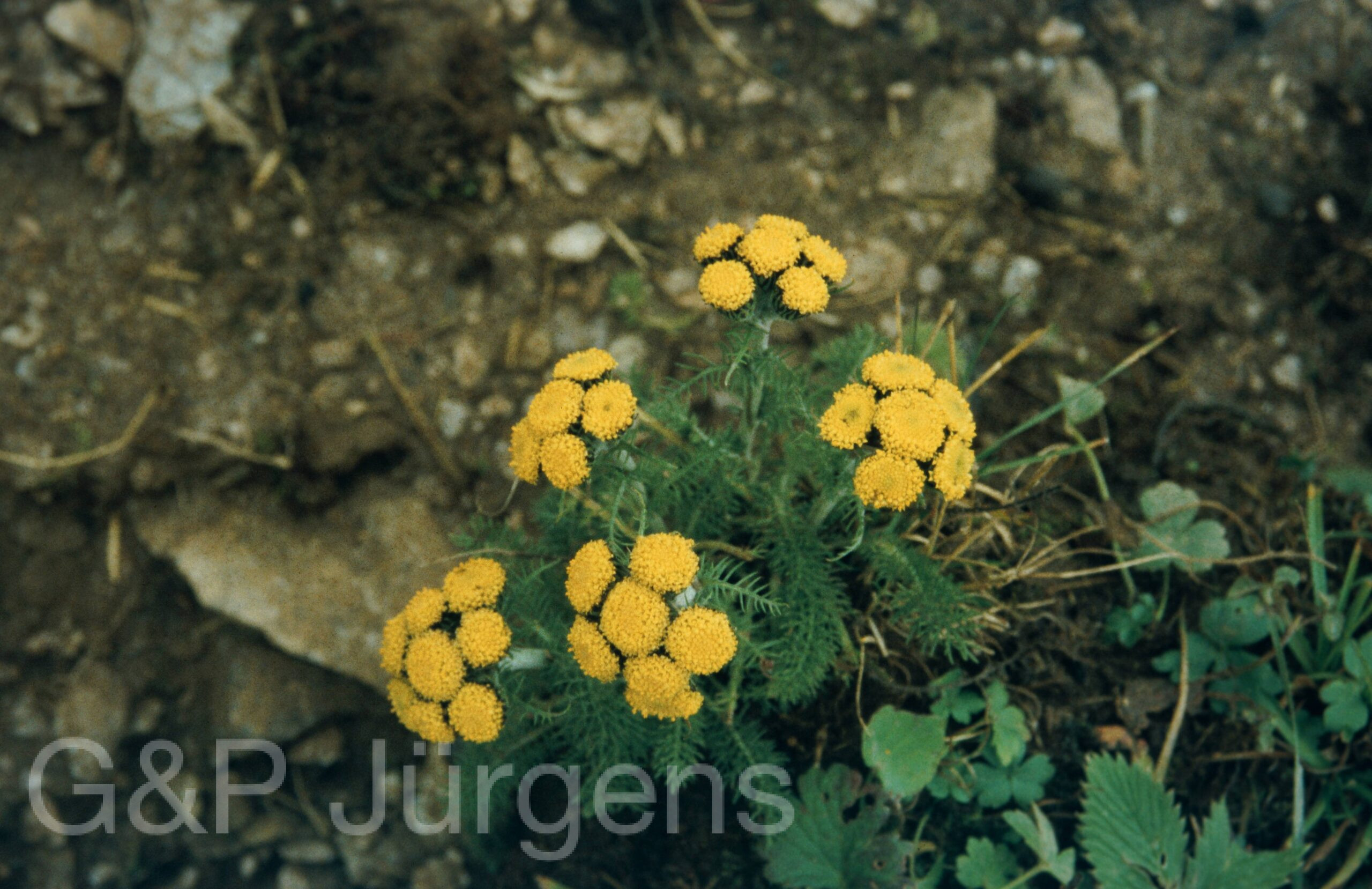
Ajania nubigena is a high-altitude aromatic composite of the Himalaya and Tibetan borderlands, recorded from Nepal, China (Tibet), India and Bhutan, with 266 georeferenced occurrences spanning the alpine zone of the main range. It grows on dry, stony alpine slopes, gravelly screes, rock crevices and exposed ridges, typically in the upper subalpine to alpine belt. It was photographed on the Shale-La in Bhutan at 4300 m and in Garhwal, India, at Patanathi at 3600 m, both in September, when its yellow heads flower amid the dry autumn alpine turf of these high passes.
It is a low, tufted, somewhat woody-based perennial subshrub or herb forming compact clumps, the stems and foliage clothed in dense grey to silvery appressed hairs that give a felted appearance and impart drought and frost tolerance. The leaves are small, alternate and pinnately or bipinnately dissected into narrow lobes, grey-tomentose especially beneath. The flower heads are small, discoid (lacking ray florets) and yellow, aggregated into dense terminal corymbs; each head has an involucre of imbricate, scarious-margined phyllaries and numerous tubular hermaphrodite and marginal female florets. The fruit is a small ribbed cypsela, usually lacking a pappus.
The genus Ajania, segregated from Chrysanthemum and Tanacetum within tribe Anthemideae, comprises mostly silvery-leaved, discoid-headed species of arid Central Asian and Himalayan uplands; the combination (Wall. ex DC.) Muldashev reflects this transfer. Its dense indumentum and dissected leaves are adaptations to the cold, dry, high-radiation alpine environment. Ecologically it is a xerophytic specialist of open stony ground, widespread within its altitudinal band and of no conservation concern.
Author: (Wall. ex DC.) Muldashev · Sources: POWO (Kew), GBIF, Flora of Bhutan, Flora of China, Anthemideae systematics (Bremer & Humphries monograph)