D.Don
Description
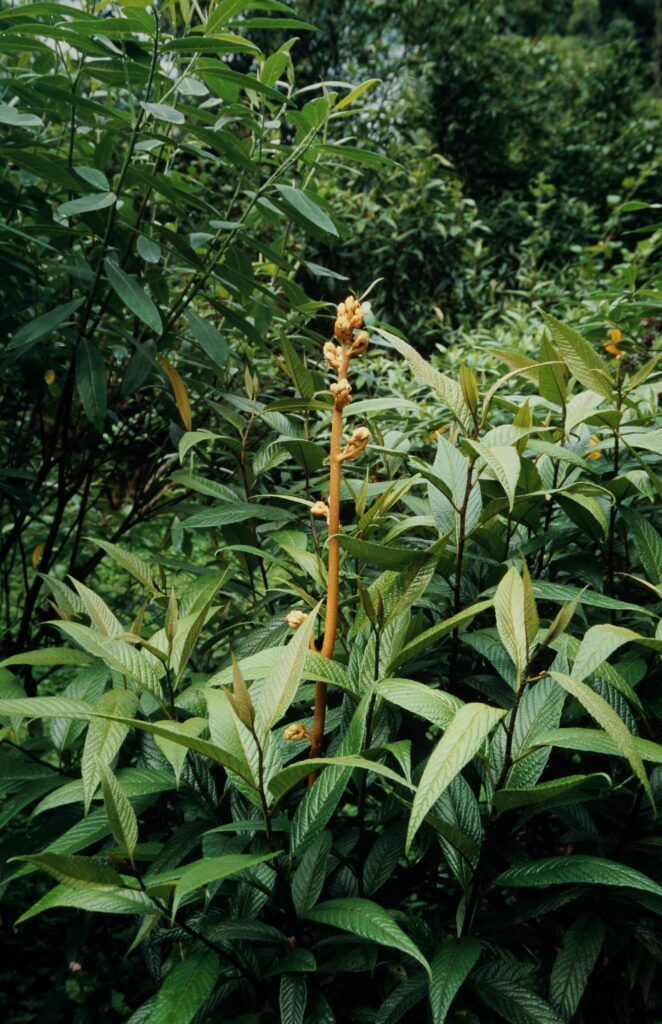
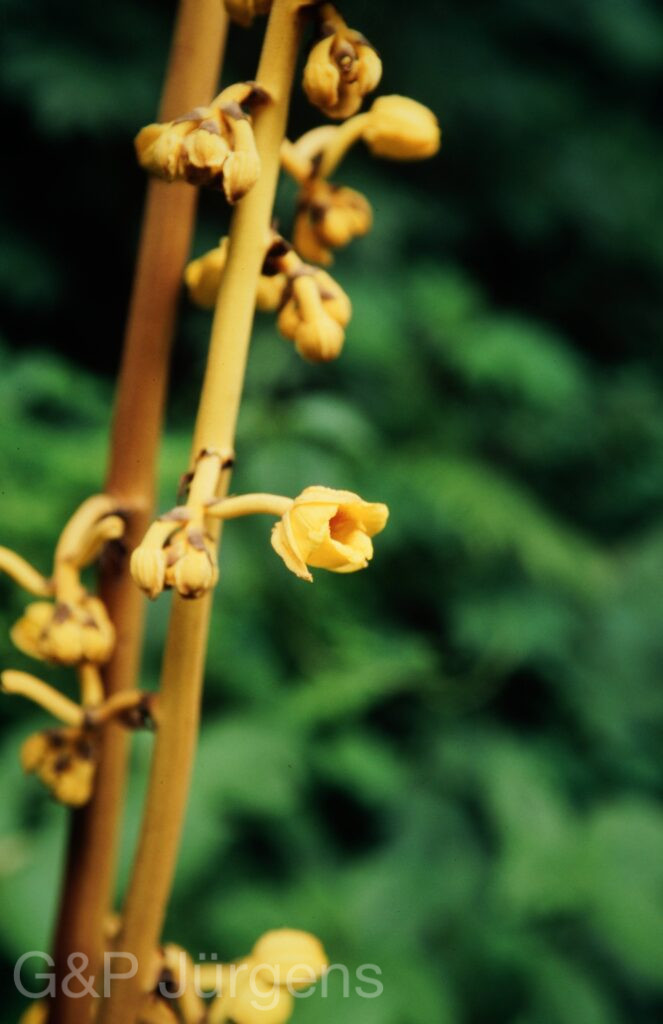
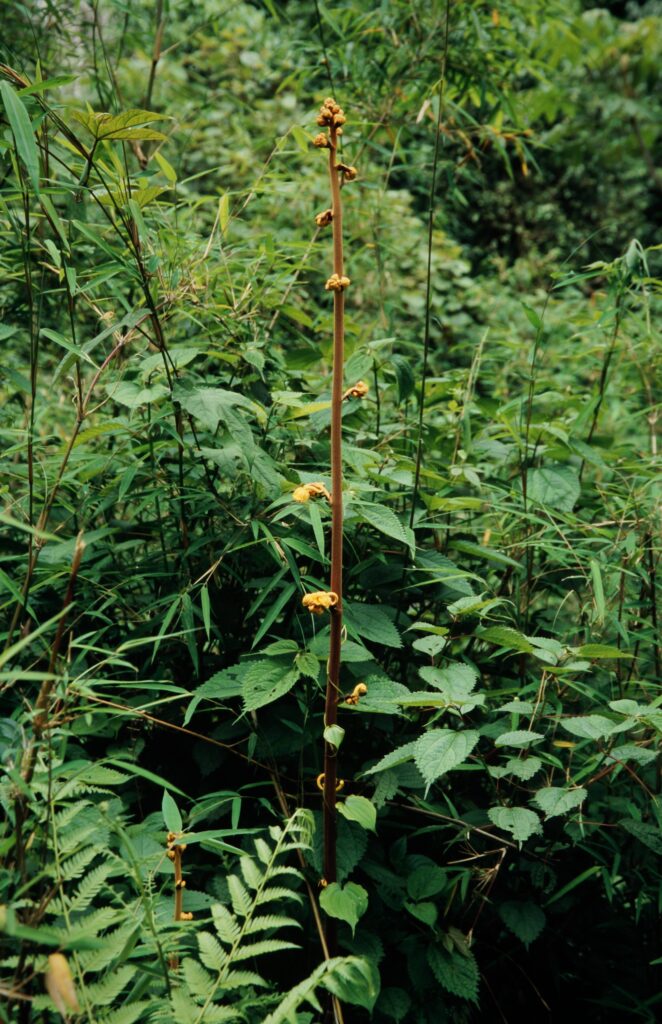
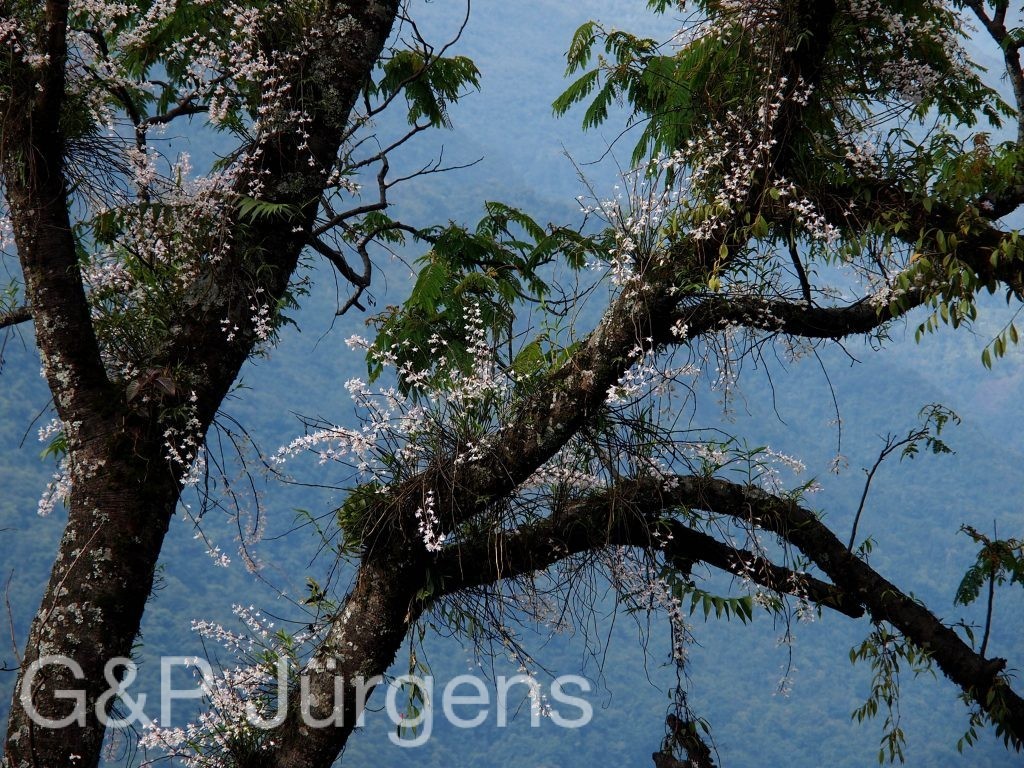
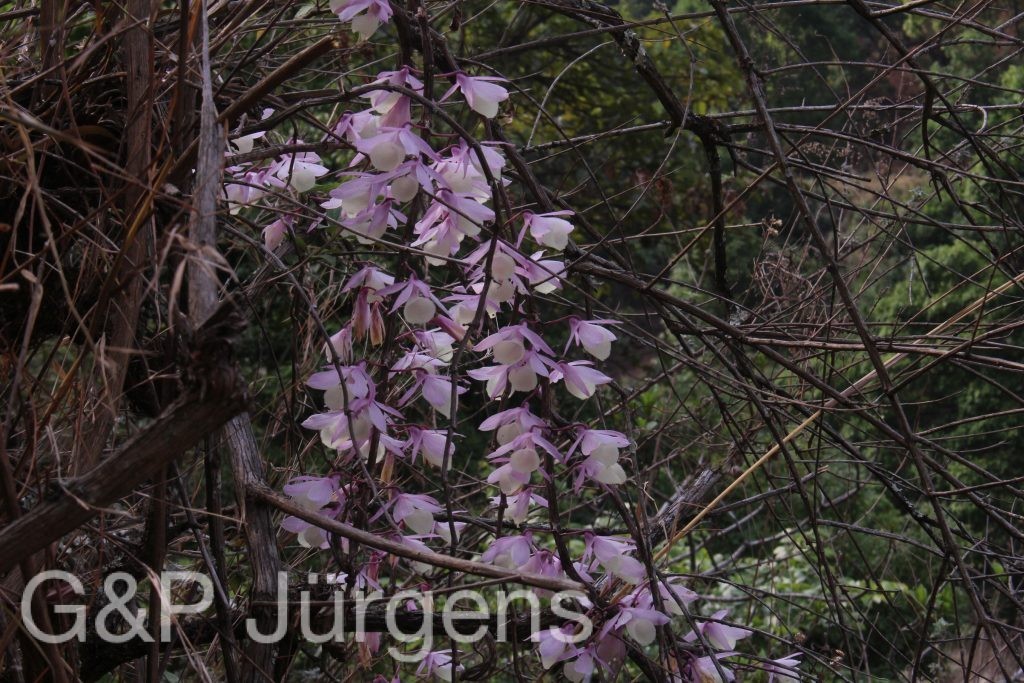
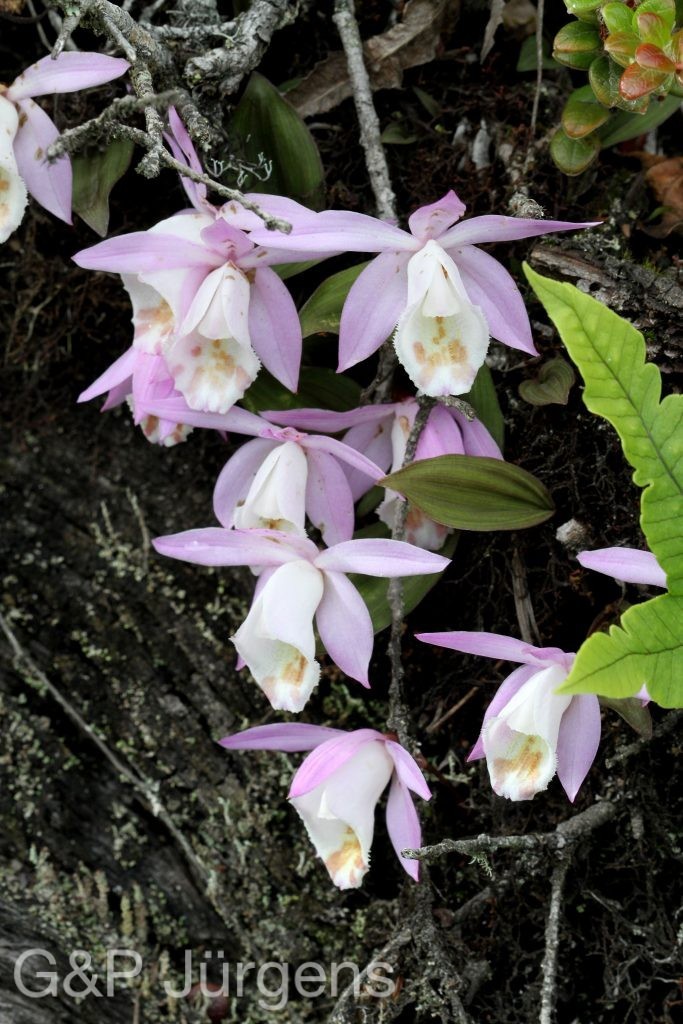
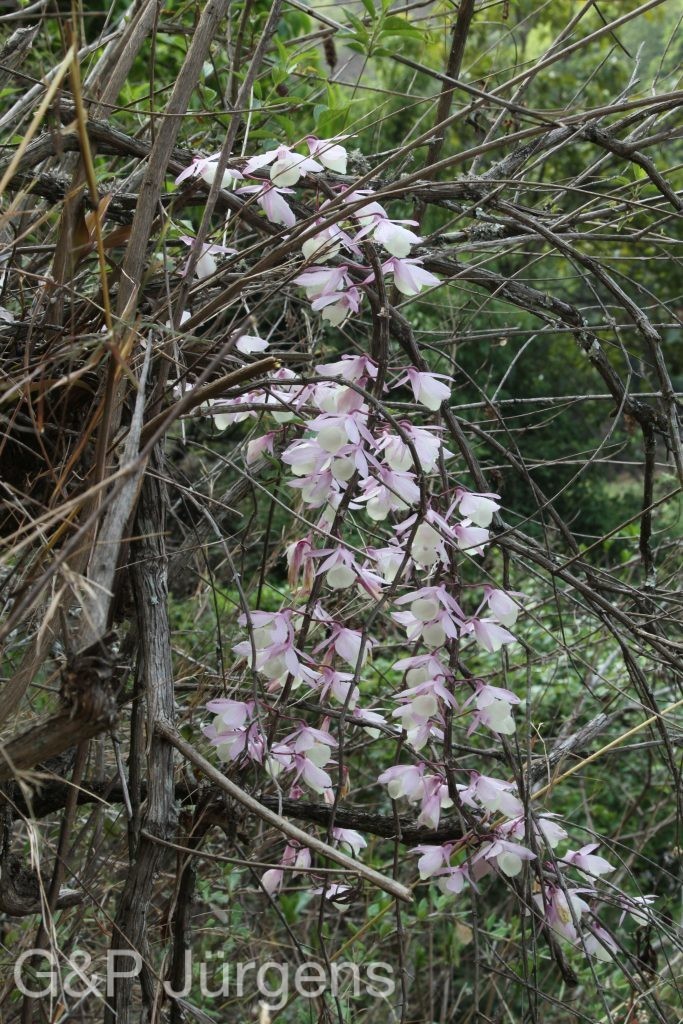
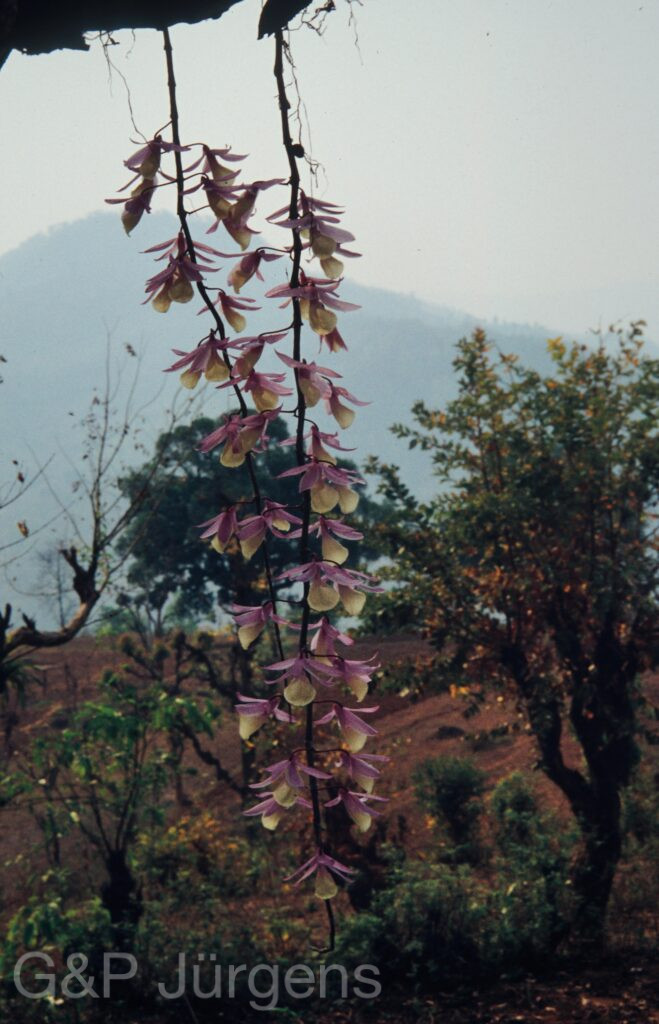
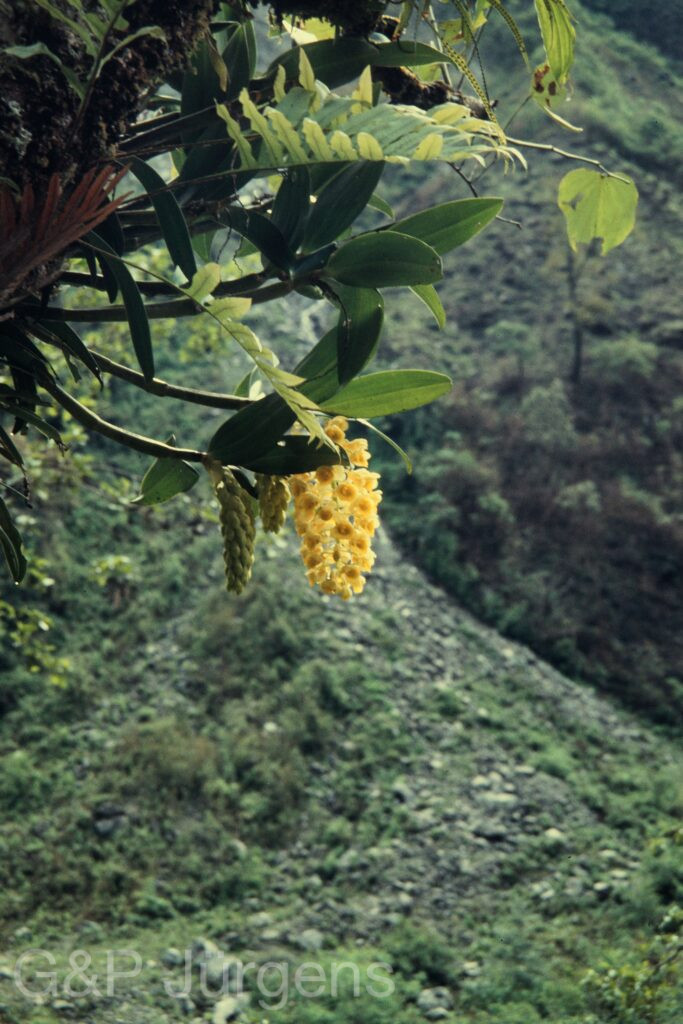
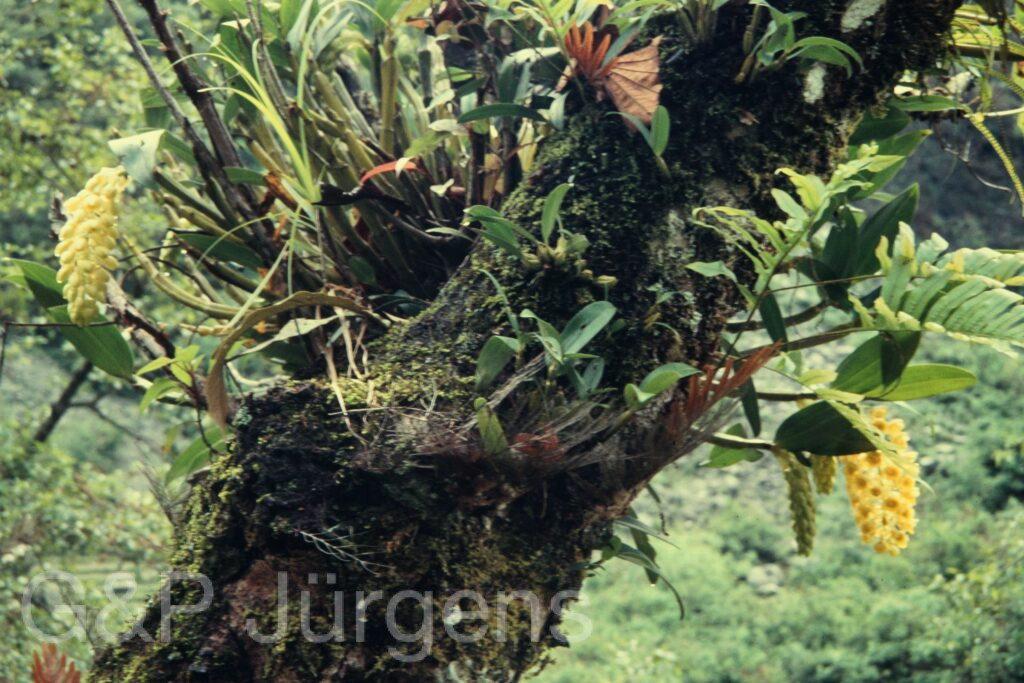
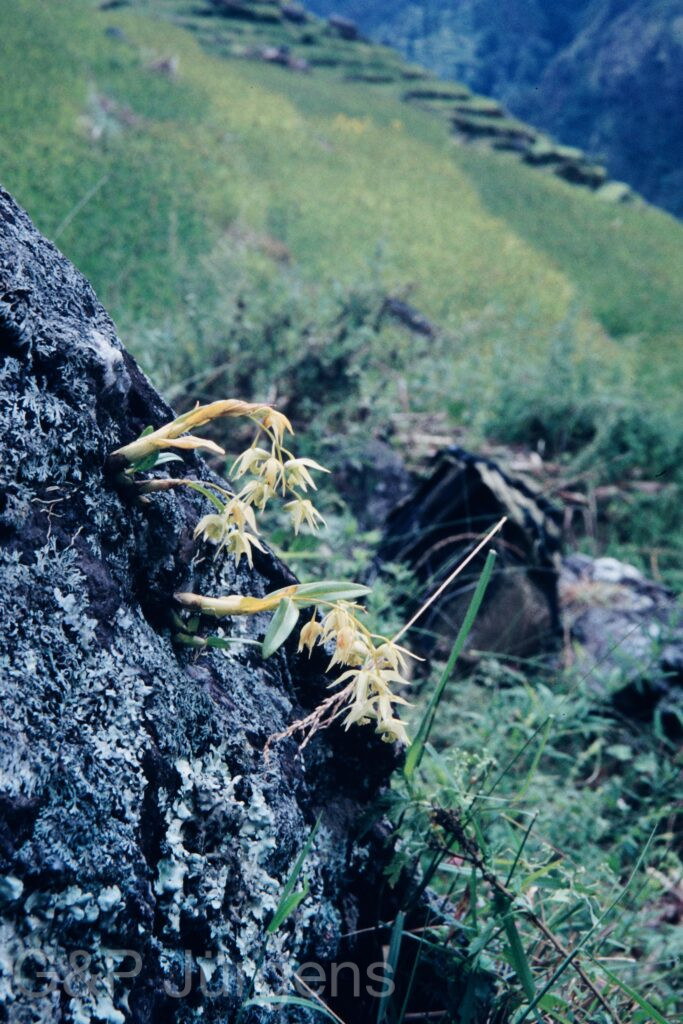
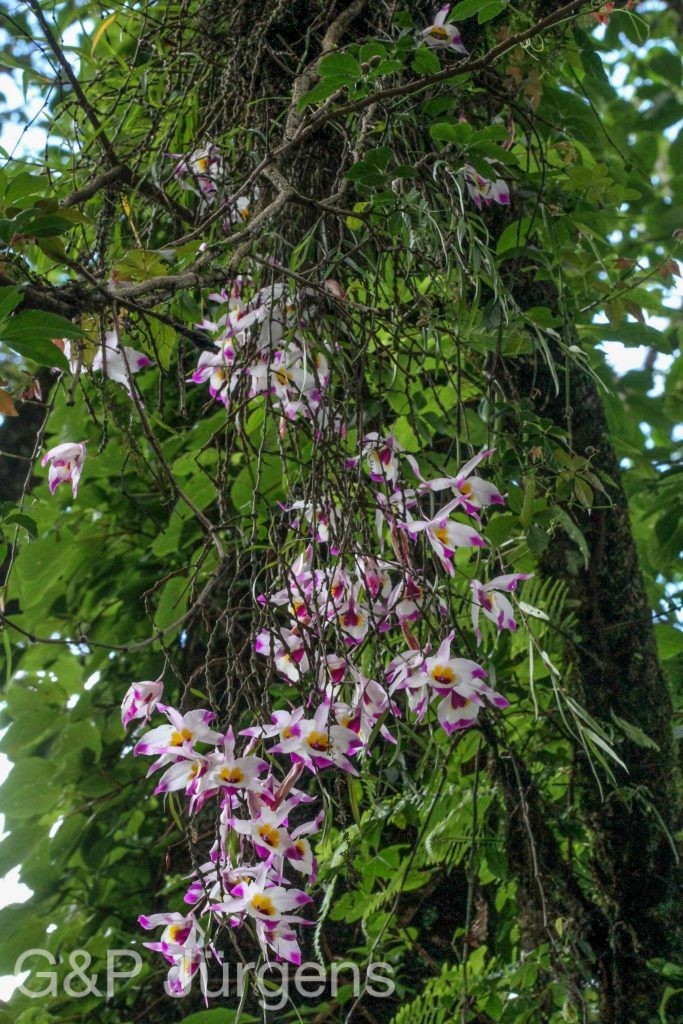
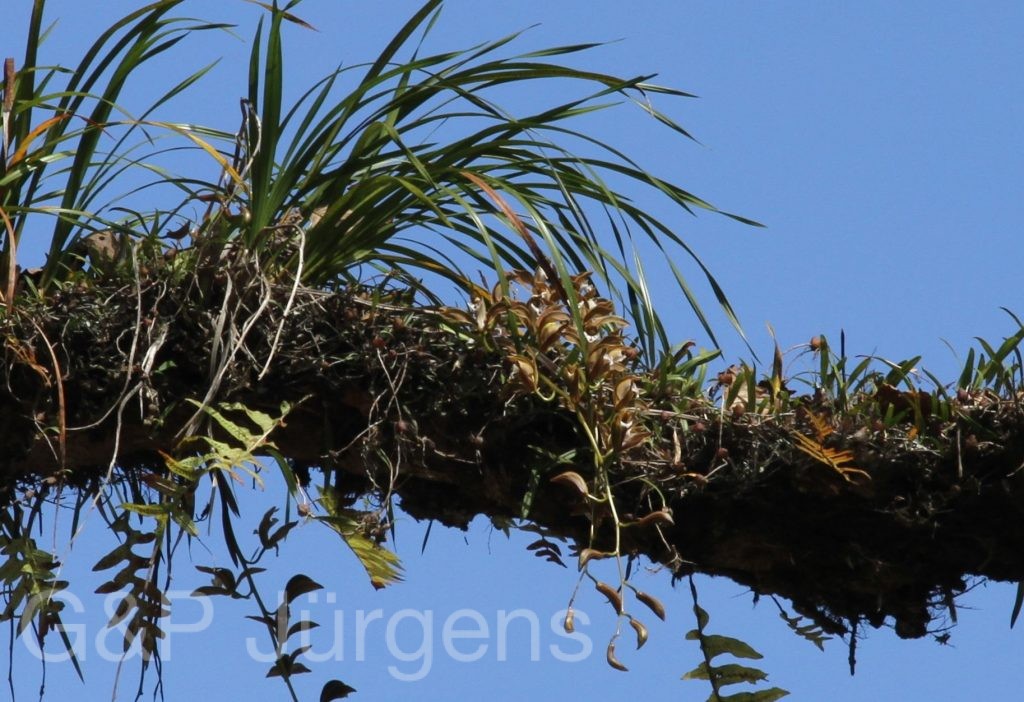
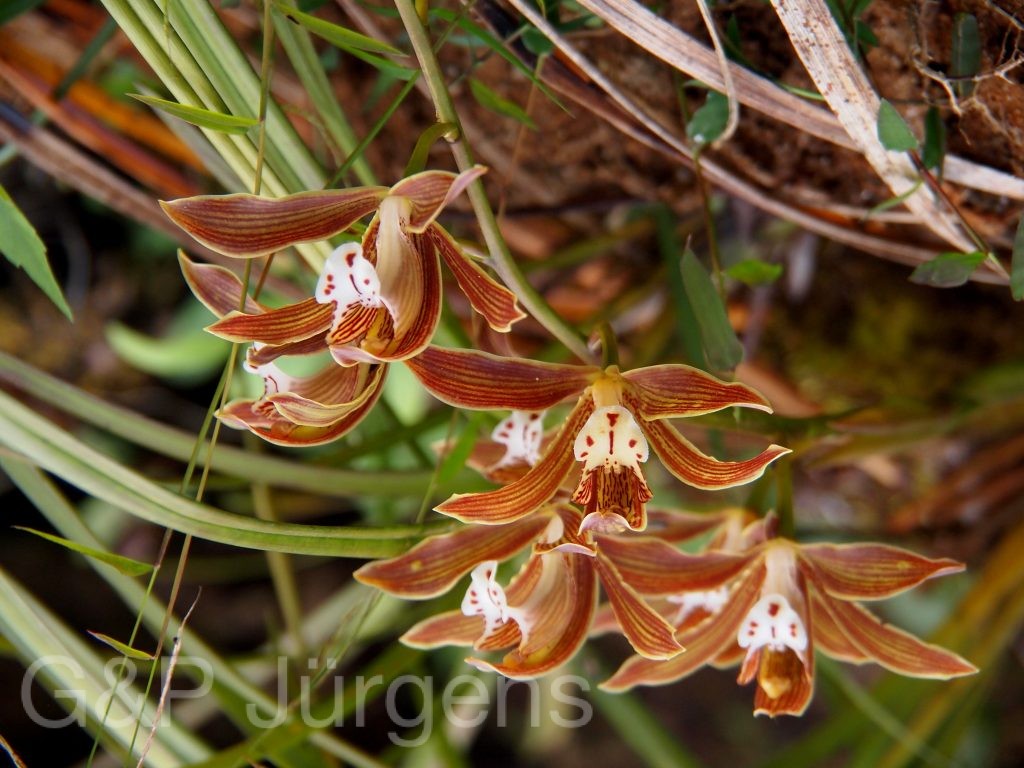
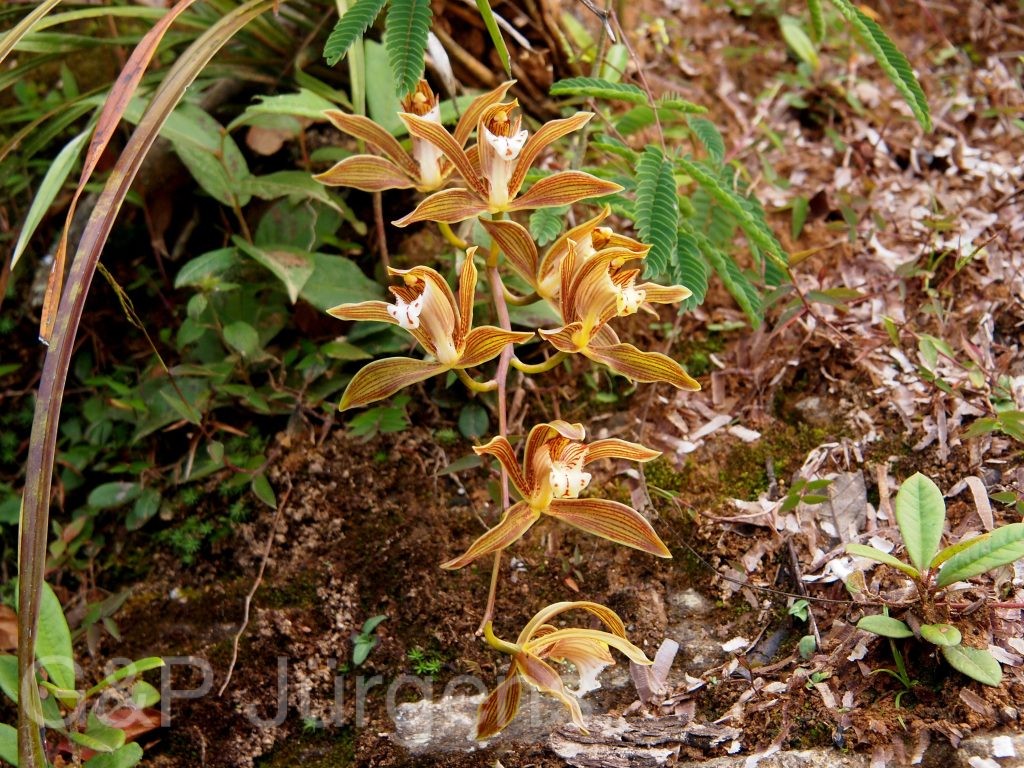
Cymbidium iridioides is a large epiphytic orchid of the Sino-Himalayan and Indochinese region, native from China and the Himalaya (India, Nepal, Bhutan) through Myanmar to Vietnam, with the GBIF dataset reflecting both wild records and cultivated specimens in Europe and North America. It grows as an epiphyte, and occasionally a lithophyte, on mossy trunks and rocks in humid broad-leaved and evergreen montane forest, generally between about 1,200 and 2,800 m. The plants figured were photographed near Tashiyangtse in eastern Bhutan at roughly 1,900 to 2,000 m in October, where the species comes into flower at the close of the monsoon.
It is a robust, tufted epiphyte with stout, fusiform to ovoid pseudobulbs largely enclosed by the bases of several distichous, linear-ligulate, leathery leaves. The inflorescence is a stout, arching to pendent raceme arising laterally from the pseudobulb and bearing numerous large, showy flowers. The sepals and petals are yellowish-green, longitudinally veined and streaked with reddish-brown; the trilobed labellum is recurved, marked with red lines and crested with two longitudinal, papillose-pubescent keels, the side lobes erect about the column. The fruit is an ellipsoid, ribbed capsule releasing copious dust-like seeds.
The species belongs to Cymbidium section Iridorchis, marked by large pseudobulbs, many-flowered pendent racemes and hairy lip keels. Like other large Cymbidium it is bee-pollinated and depends on mycorrhizal fungi for establishment. Long valued in horticulture and medicine, it has been heavily collected; the genus is listed on CITES Appendix II, and over-collection with forest loss is the principal threat.
Author: D.Don · Sources: POWO (Kew), GBIF, Flora of China, Flora of Bhutan, The Orchids of Bhutan (Pearce & Cribb), Du Puy & Cribb's monograph The Genus Cymbidium