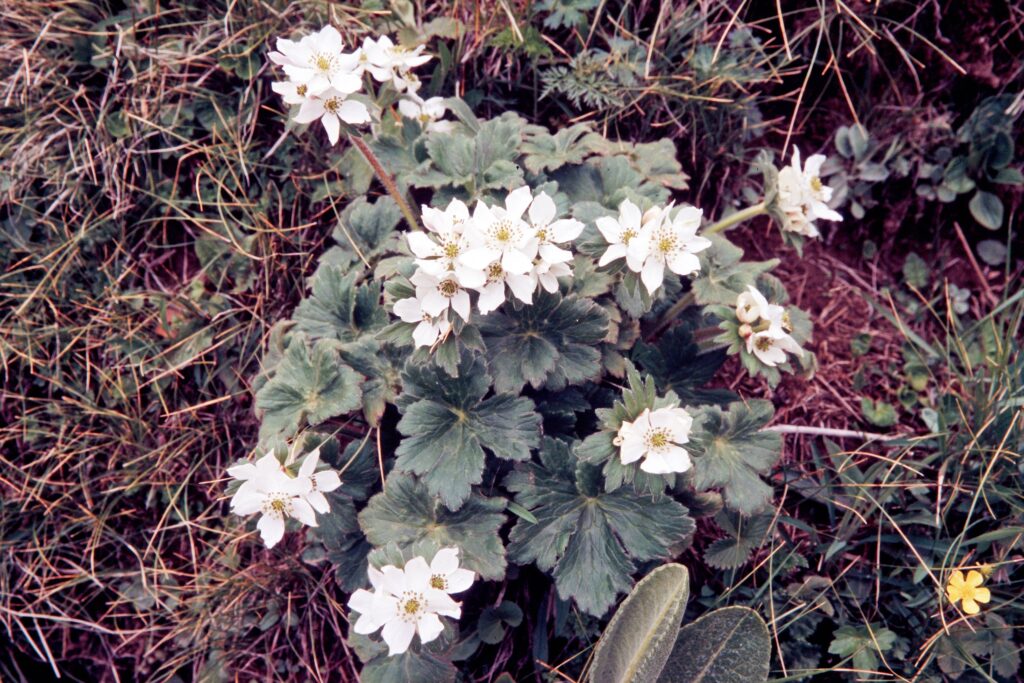
Duby
Description
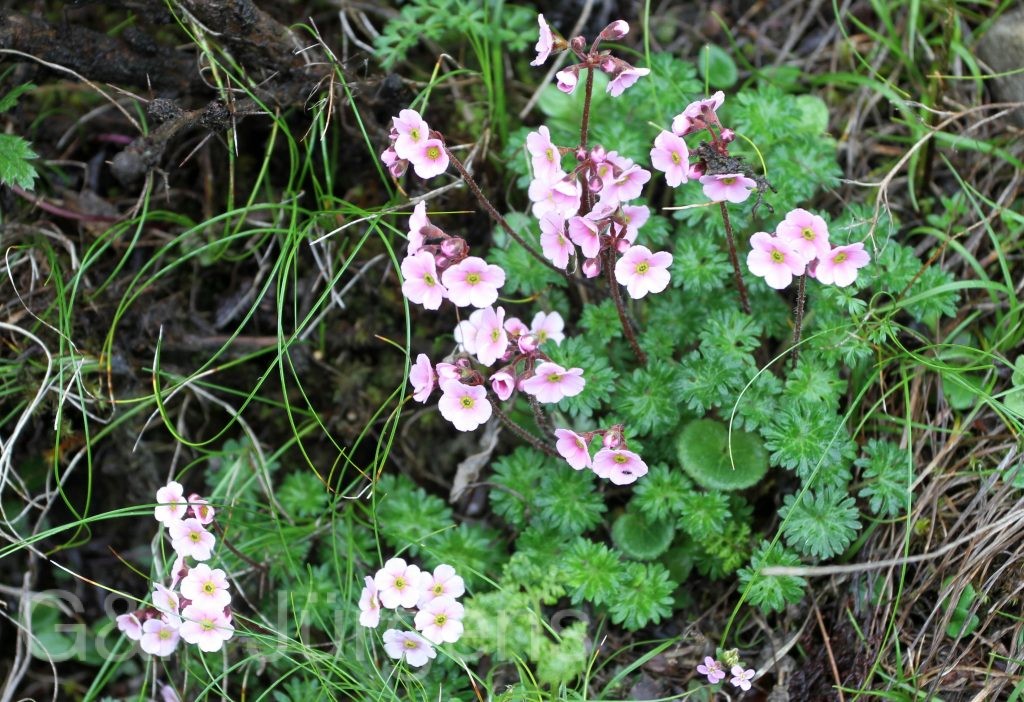
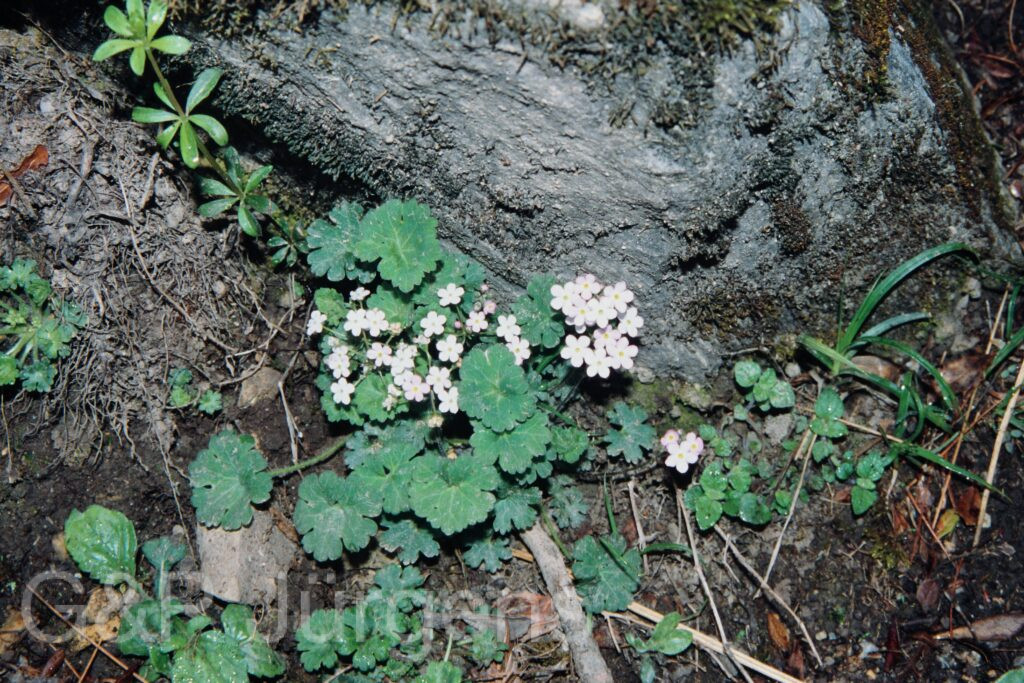
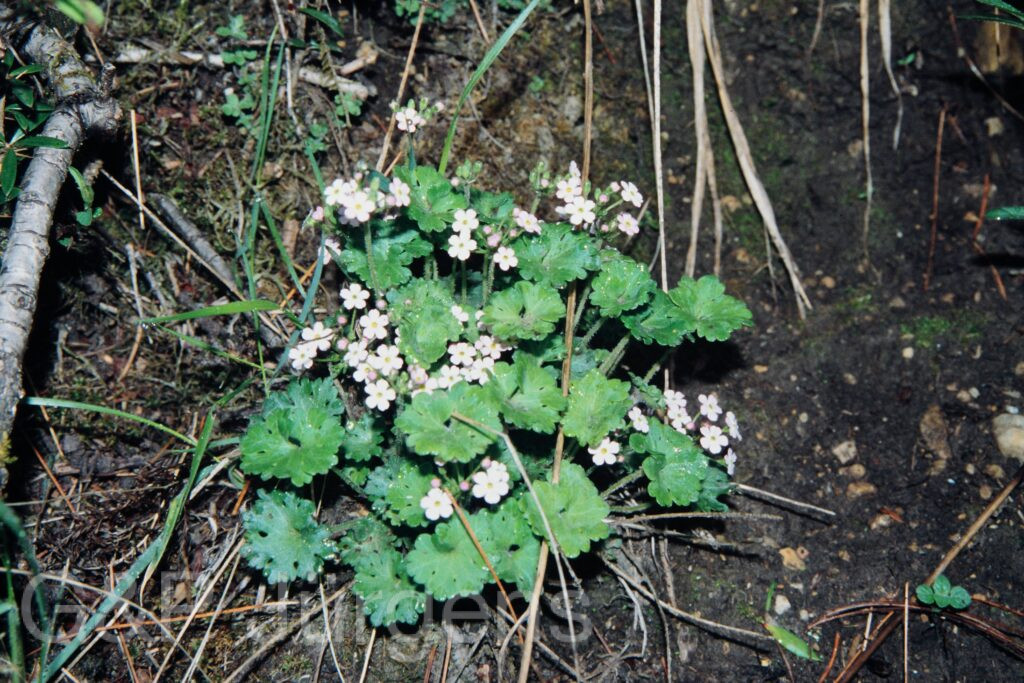
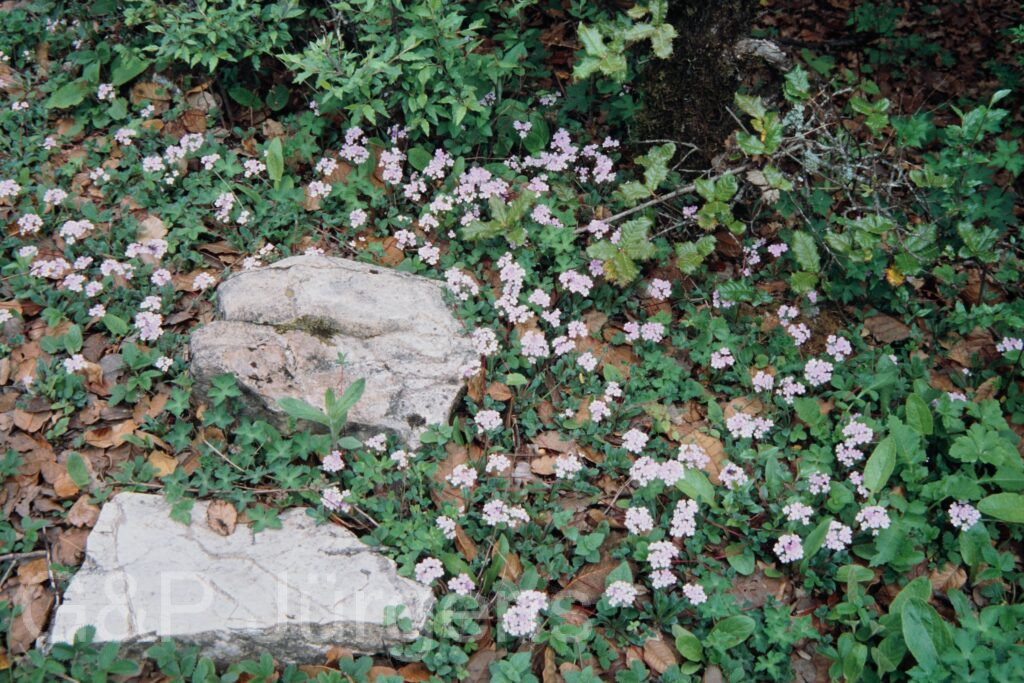
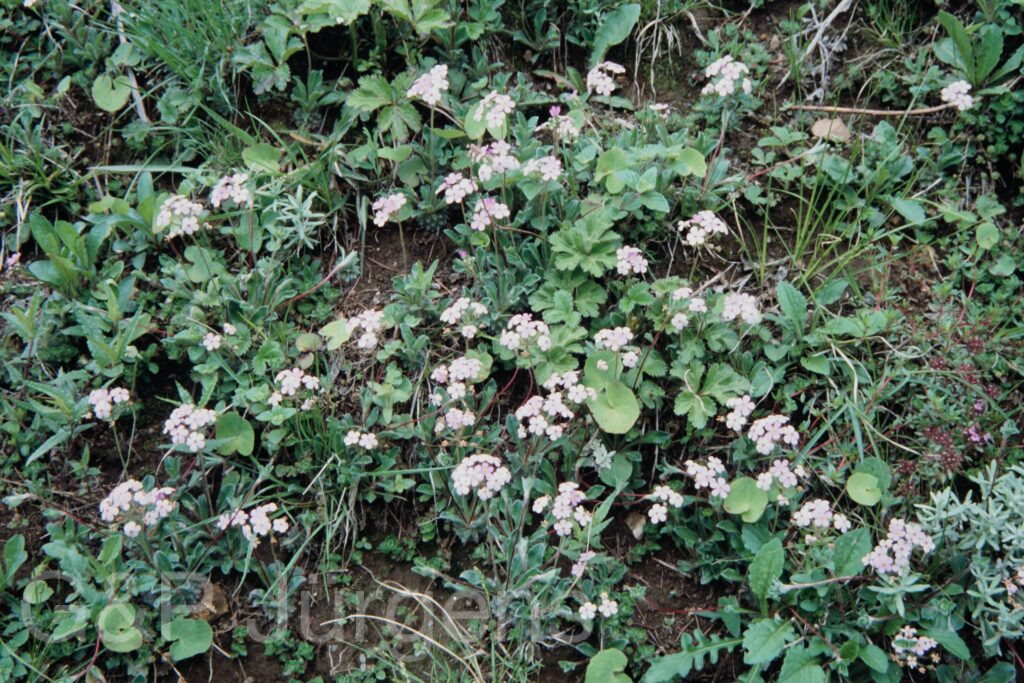
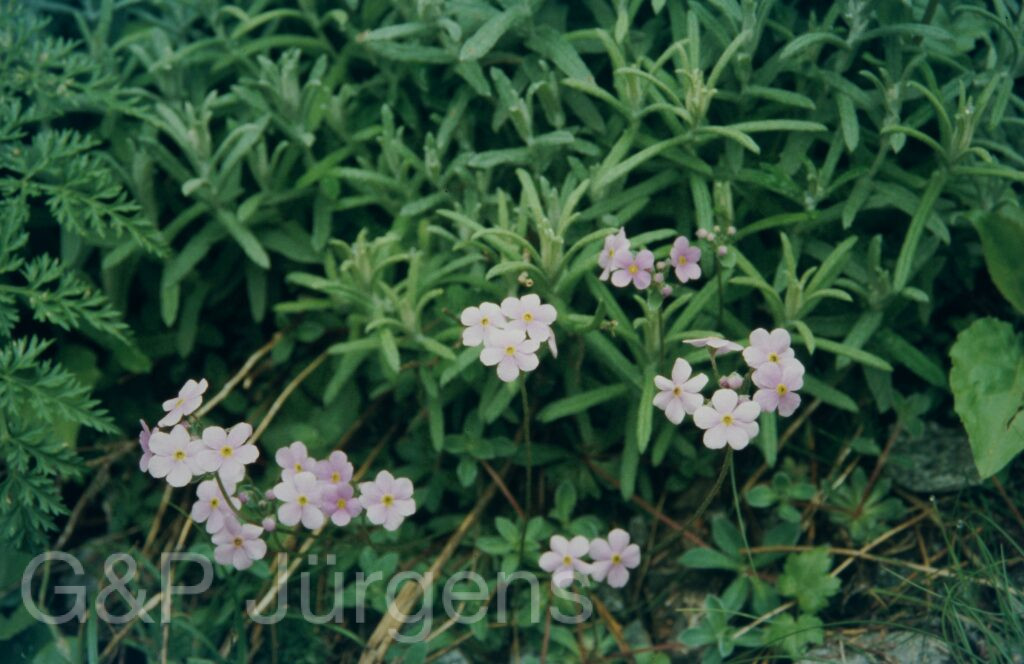
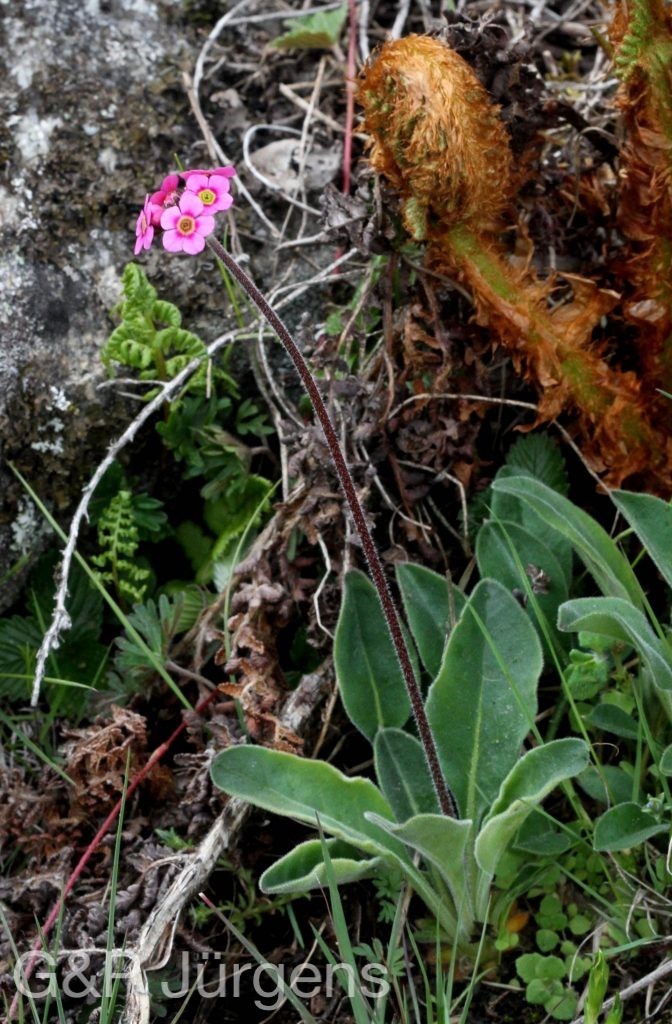
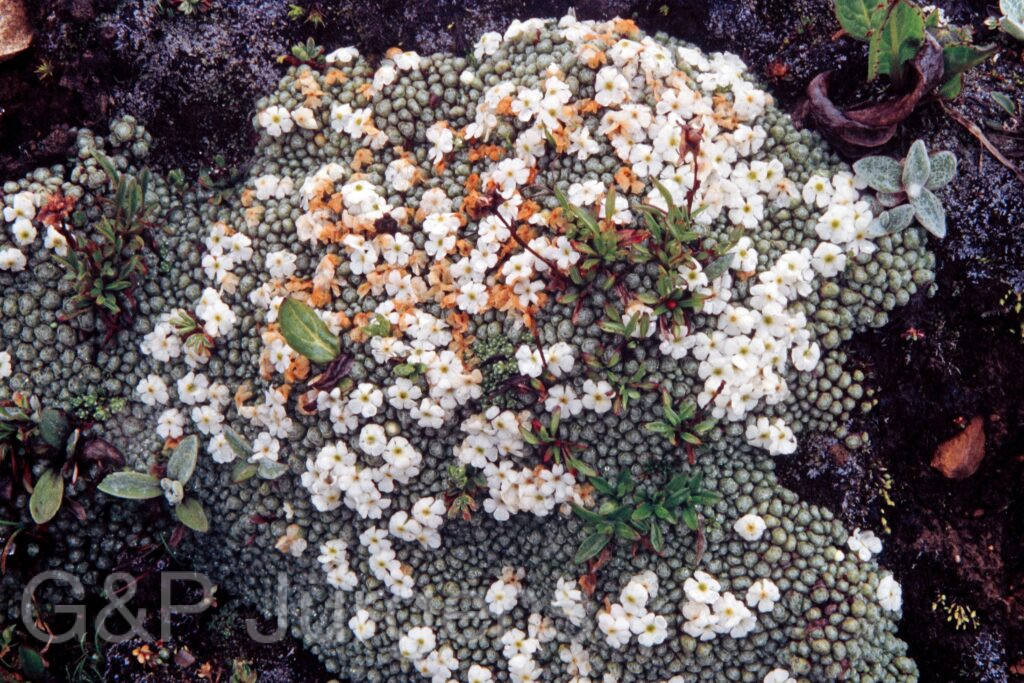
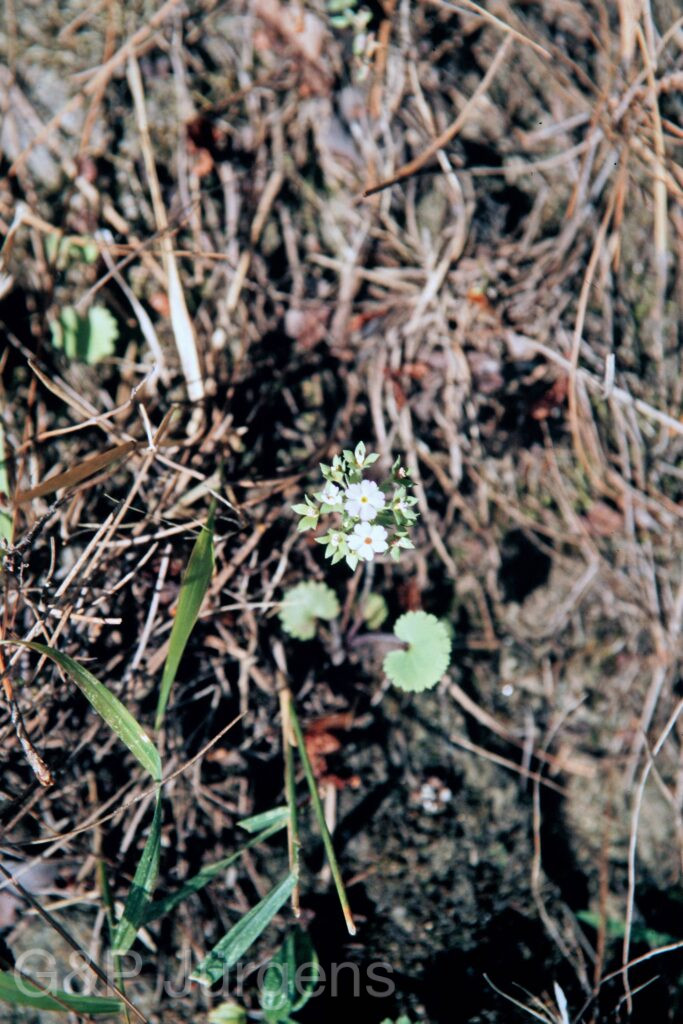
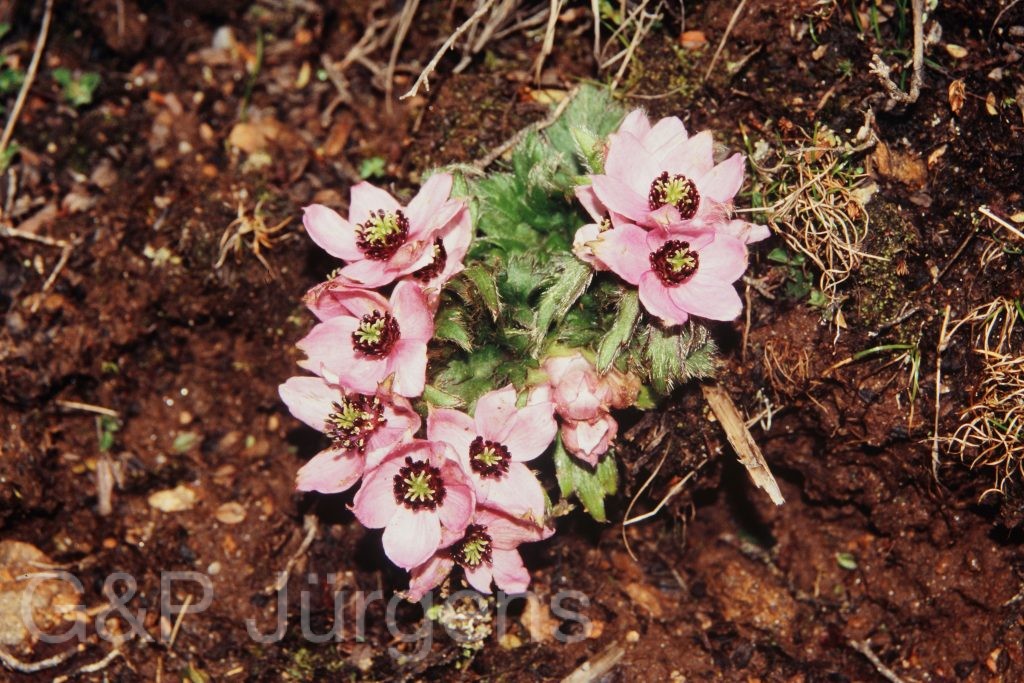
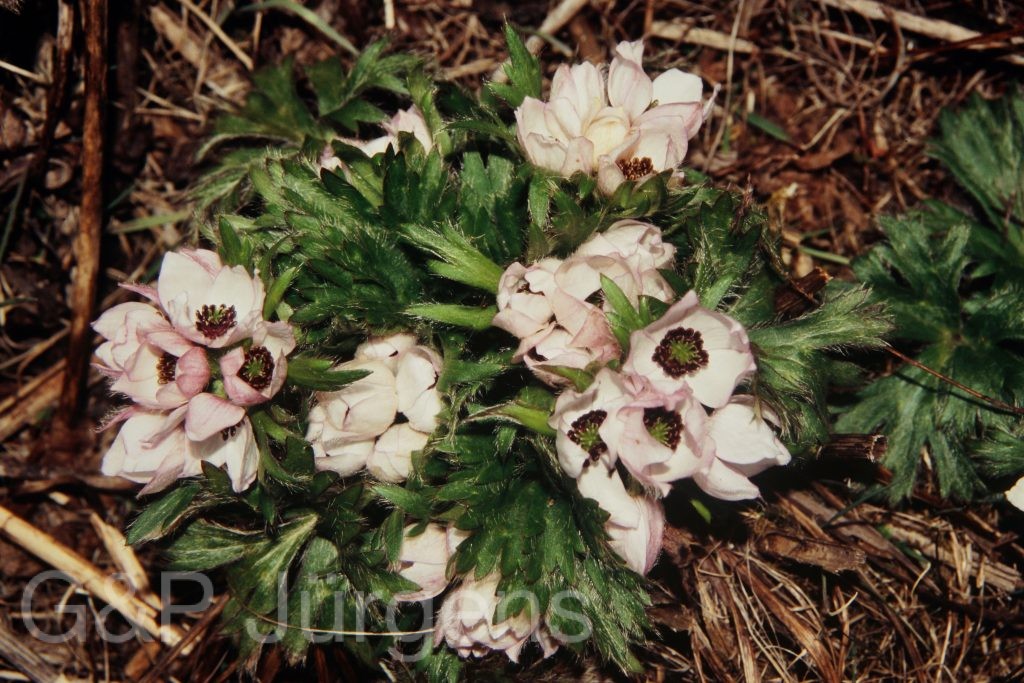
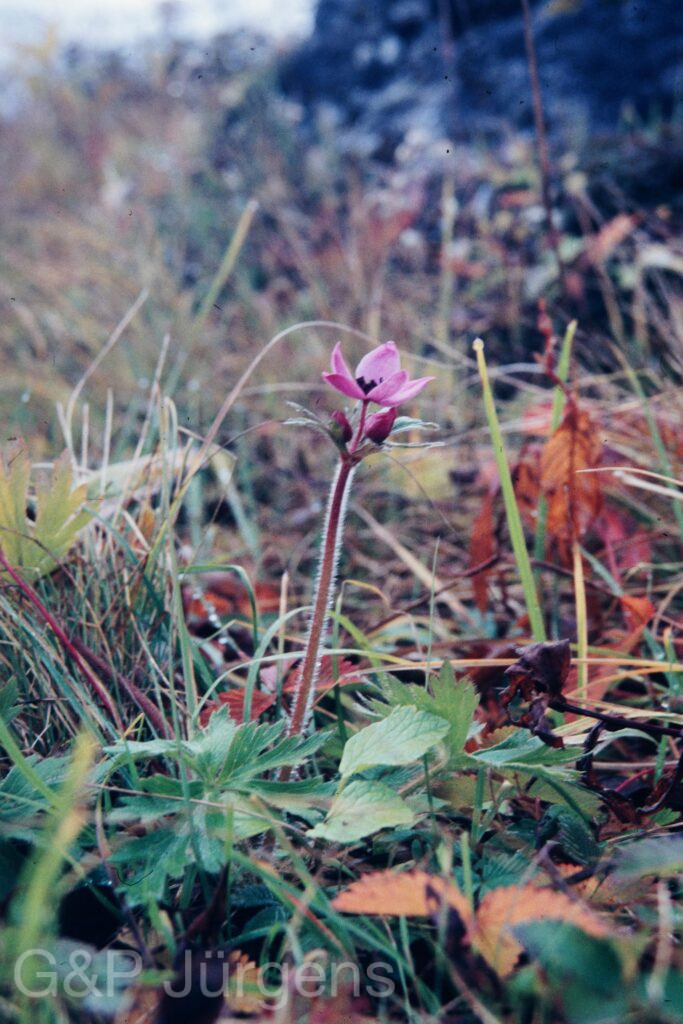
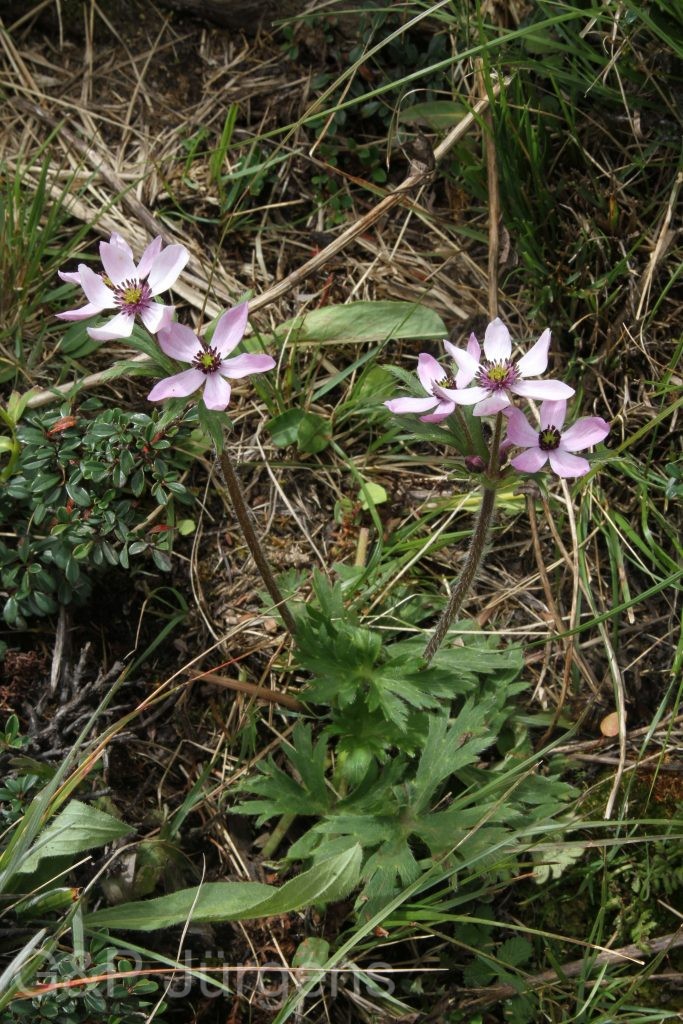
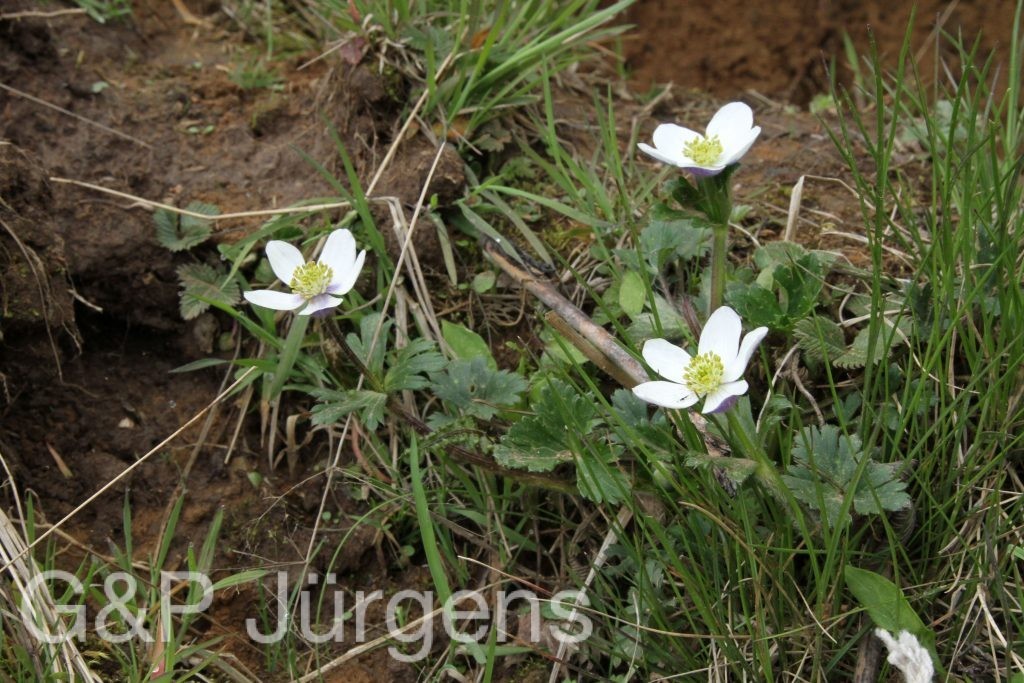
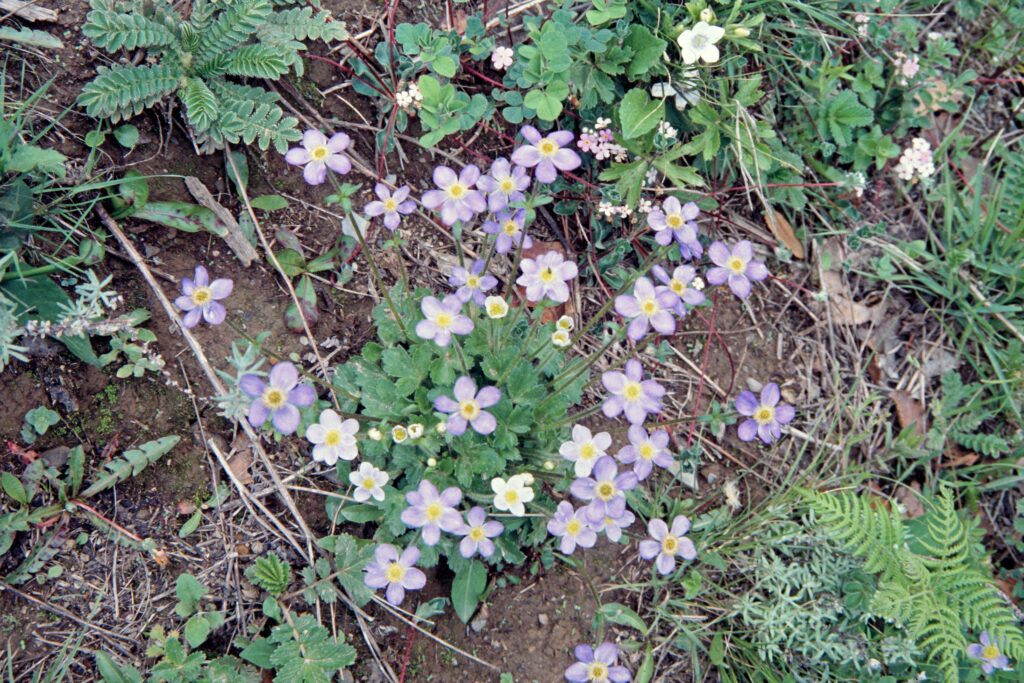
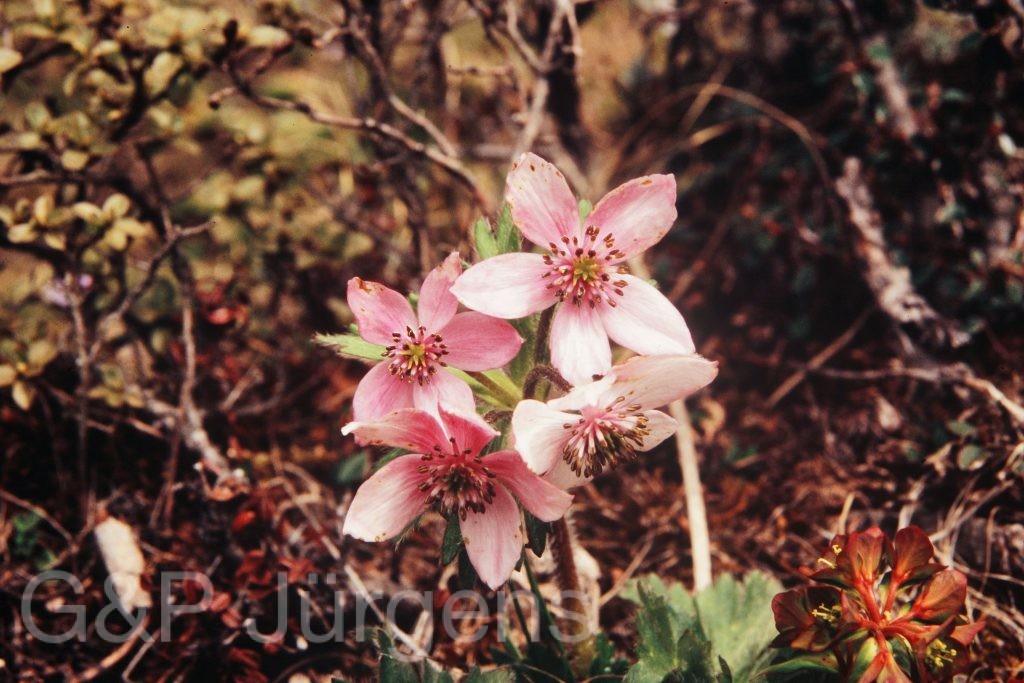
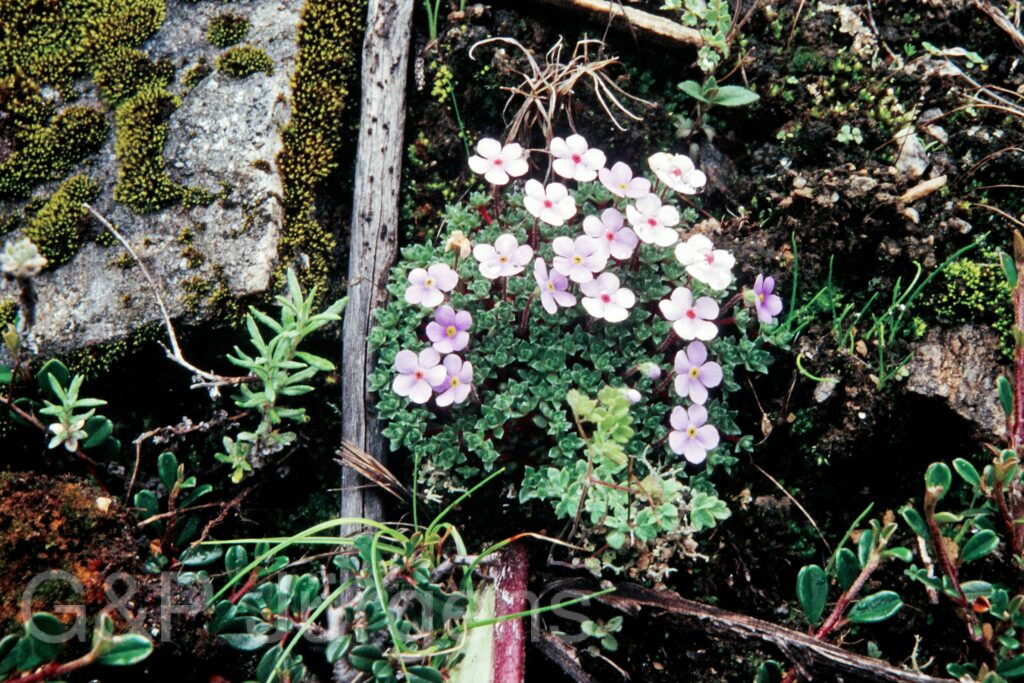
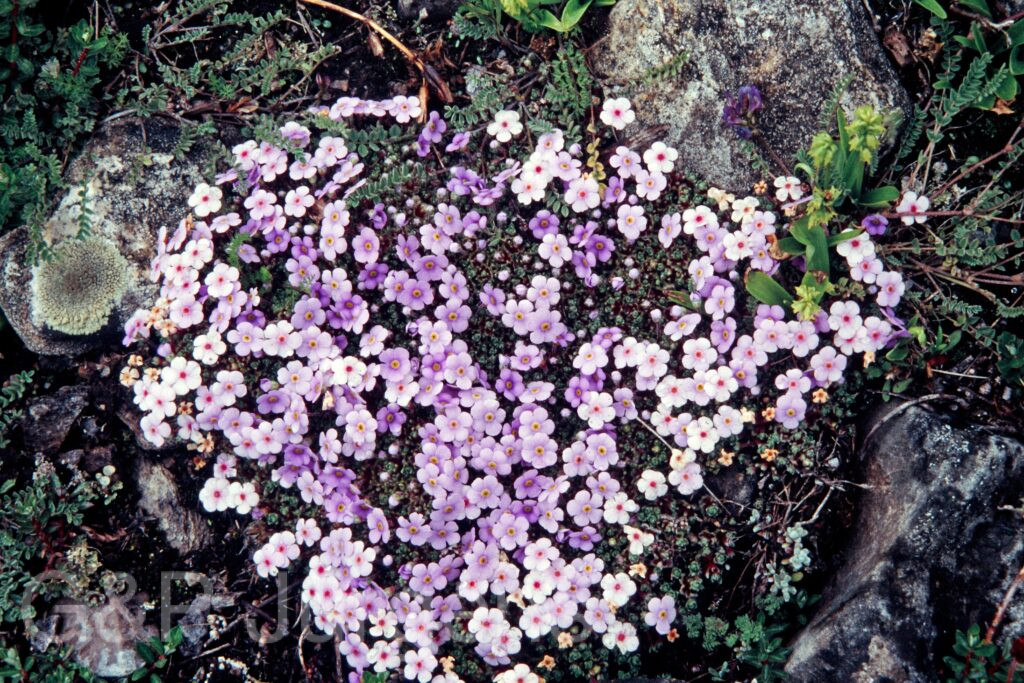
Androsace muscoidea is a cushion-forming rock-jasmine widely distributed along the Himalaya and into the adjoining mountains of Pakistan, Afghanistan, India, Nepal and China, with around 120 georeferenced records reflecting its frequency across the high ranges. It is a true alpine, growing on stony slopes, gravelly flats, moraines and in rock crevices of the subalpine and alpine zones, often where snow lies late. The photographed material from West Nepal, gathered at Garpung-Khola around 3300 m and at Kagmara Phedi near 3900 m in July, illustrates the broad altitudinal band over which the species flowers during the brief high-mountain summer.
The plant forms dense, moss-like cushions or low mats, the epithet muscoidea aptly evoking its moss-like habit. Numerous tightly packed rosettes are composed of small, narrowly oblong to spathulate, imbricate leaves that are often densely hairy and somewhat fleshy, giving the cushion a hoary, grey-green appearance. The flowers are solitary or borne few together on very short, hairy scapes scarcely exceeding the foliage; each has a campanulate calyx and a salver-shaped corolla of five spreading lobes, white to pink with a contrasting yellow to reddish eye at the throat. The fruit is a small, few-seeded capsule dehiscing by valves.
Androsace is a large genus of mostly arctic and alpine Primulaceae, and the compact, cushion species such as A. muscoidea represent classic adaptations to cold, wind-exposed, drought-prone high-altitude environments, the densely packed rosettes conserving heat and moisture. Variable across its range, the species has given rise to several named forms and varieties. It is not regarded as threatened given its wide distribution, though localised alpine populations are sensitive to grazing, trampling and the warming of Himalayan high-mountain habitats.
Author: Duby · Sources: POWO (Kew), GBIF, Flora of Pakistan, Flora of China (Primulaceae), Smith & Lowe: The Genus Androsace (monograph)