(Lindl.) Christenson & Pradhan


Description
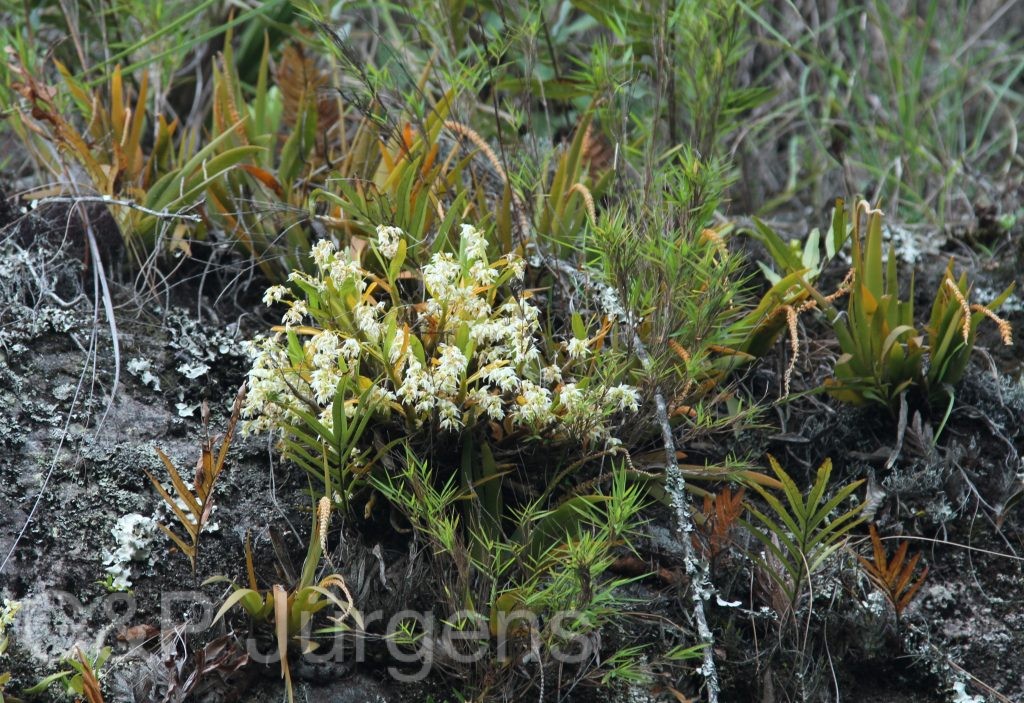
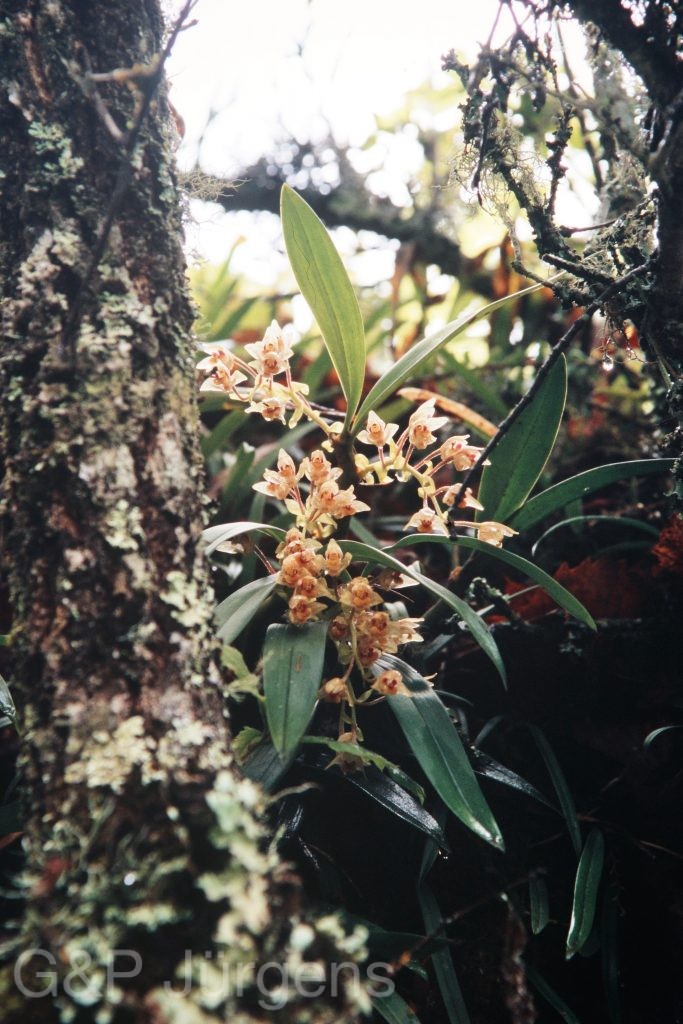
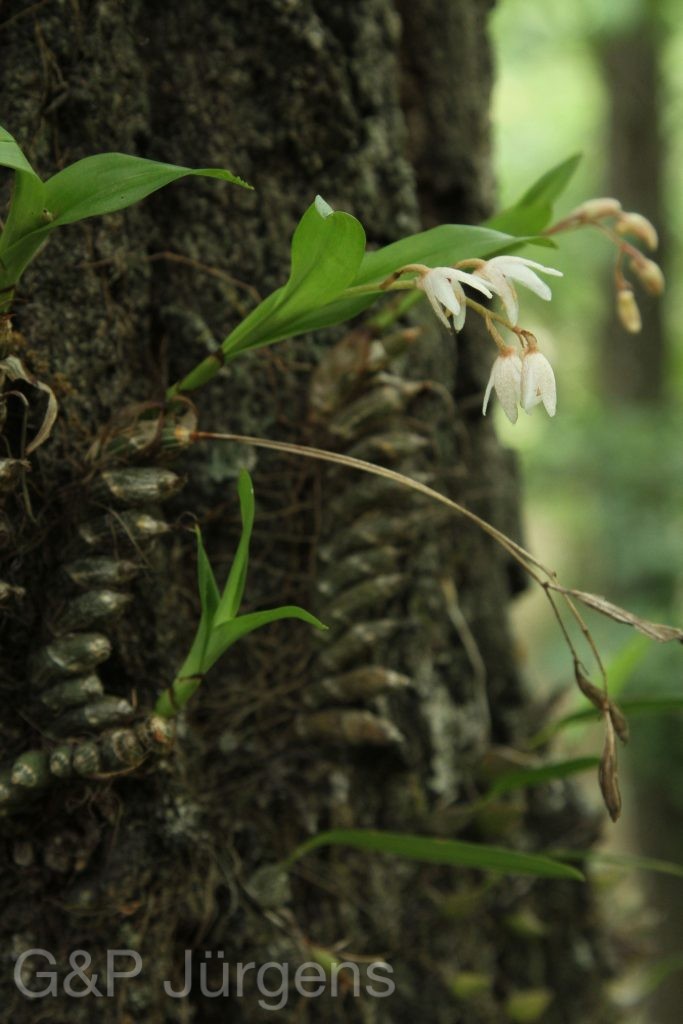
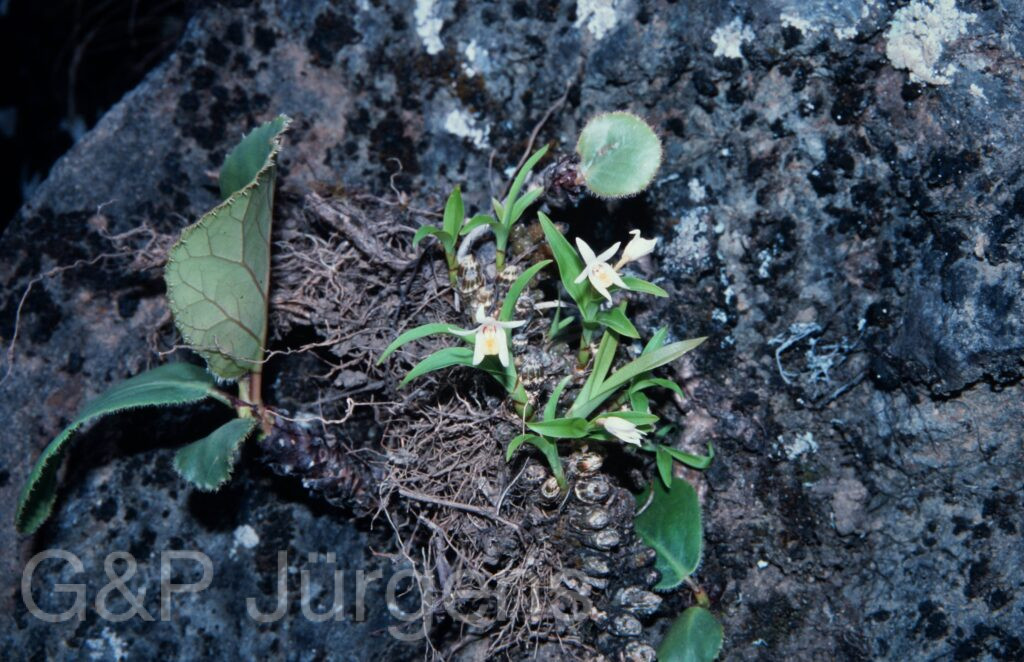
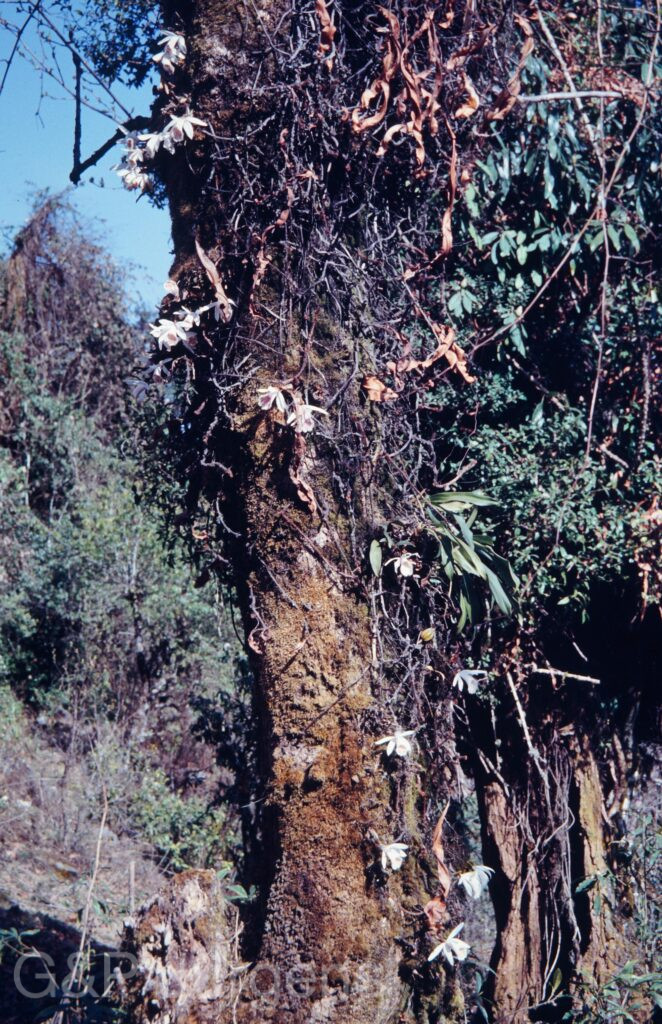
Phalaenopsis taenialis is a small epiphytic orchid distributed through the eastern Himalaya and adjacent regions, recorded from China, India, Nepal, Bhutan, Vietnam and Myanmar, with about 161 georeferenced occurrences. It grows on tree trunks and mossy branches in humid, broadleaved evergreen and semi-evergreen forest of the subtropical to lower temperate belt, broadly between 1500 and 2500 m. The cited Bhutanese localities at Wangdue (2280 m) in May and Chongsakha (1800 m) in April are typical of its moist, sheltered mid-elevation forest habitat, where it flowers in spring before the full monsoon.
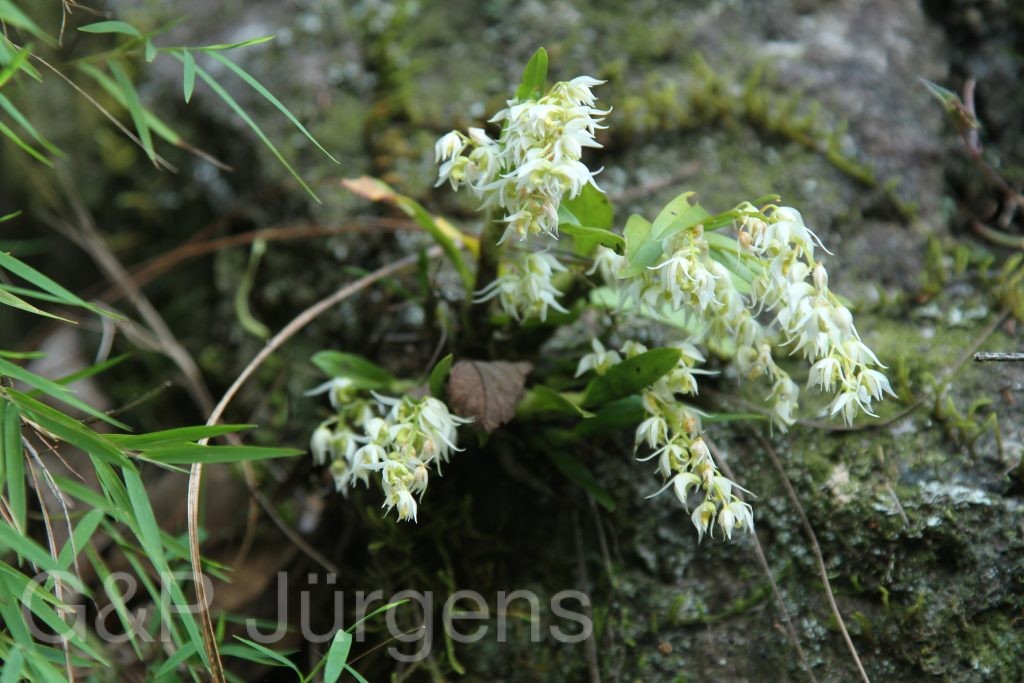
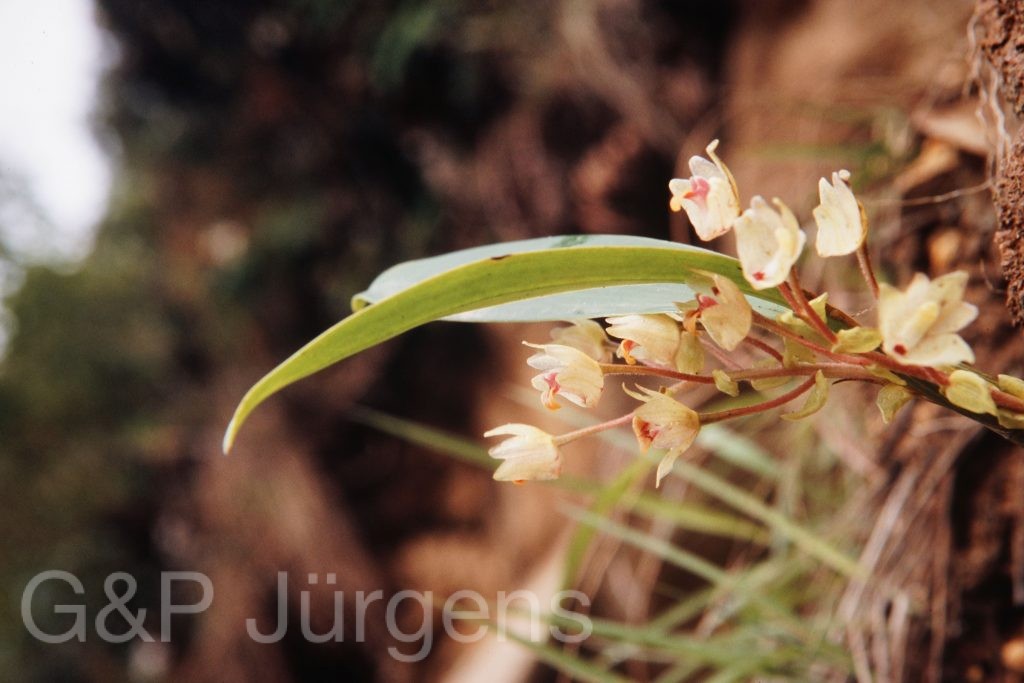
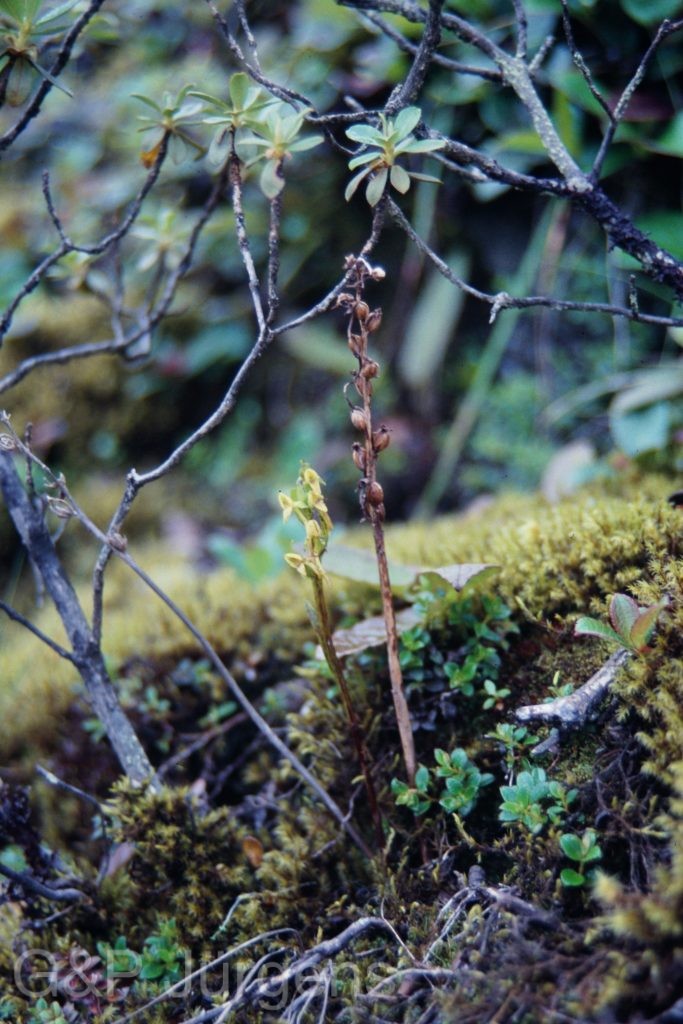
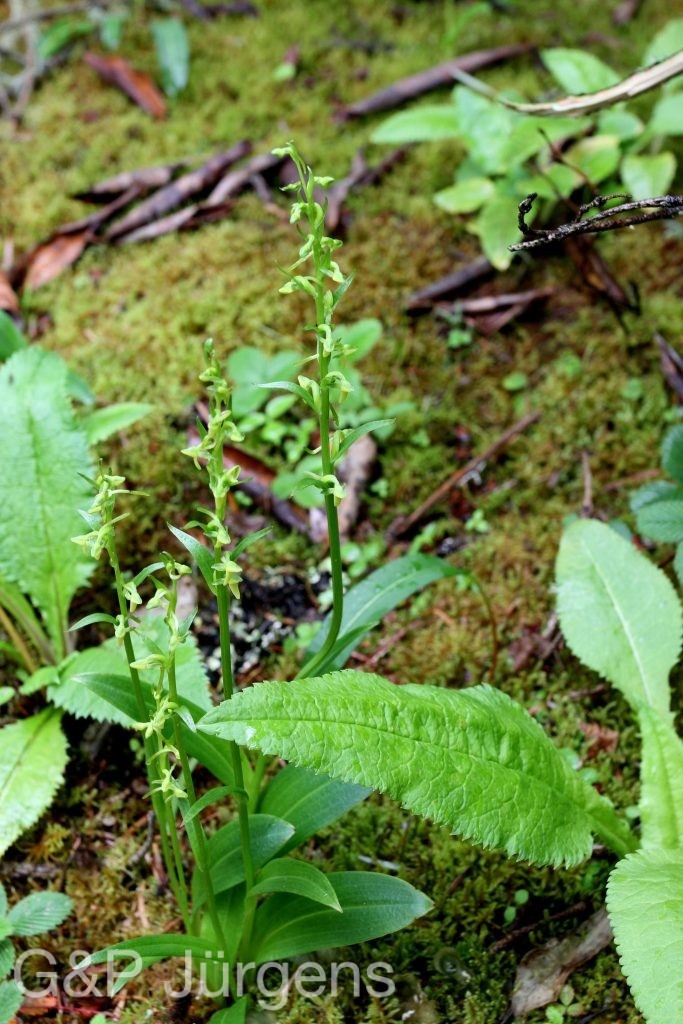
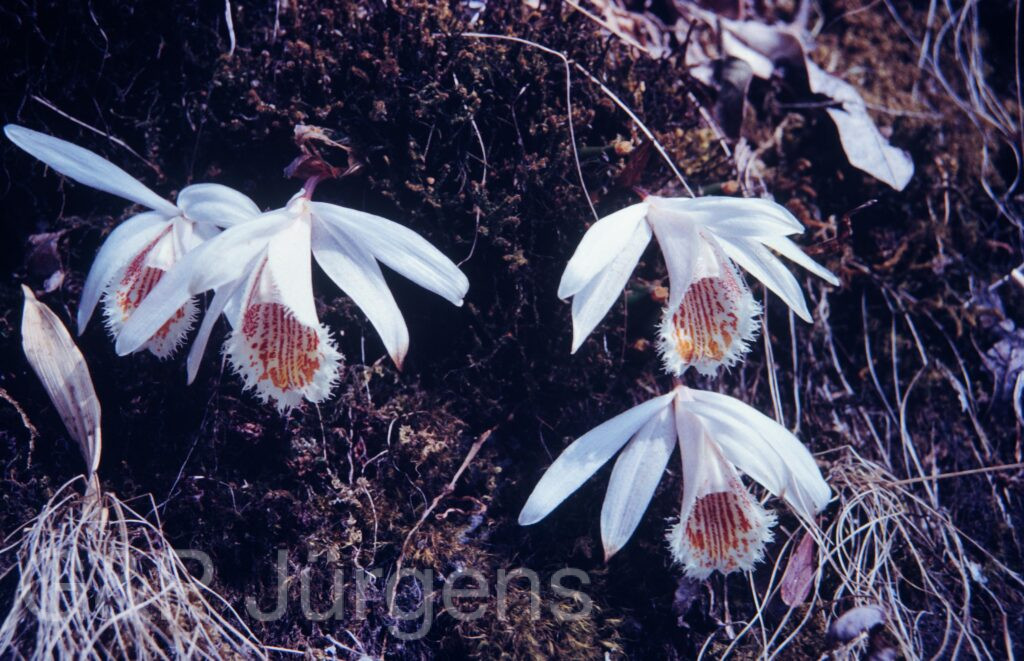
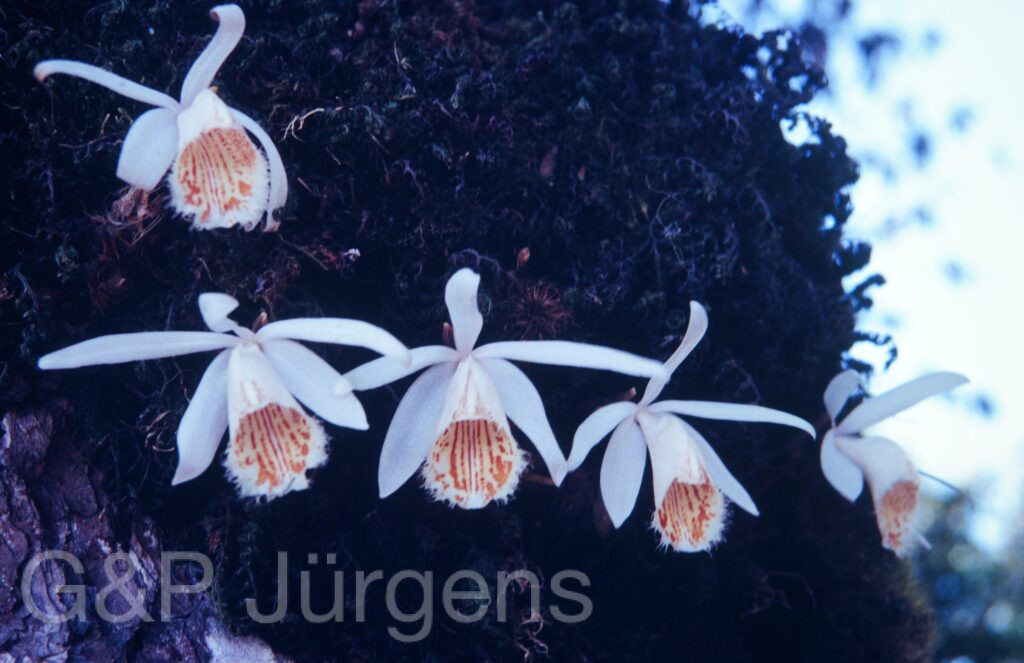
It is a dwarf, monopodial epiphyte, often nearly leafless at flowering, with a short stem bearing well-developed, flattened, photosynthetic roots that clasp the bark. The leaves, when present, are few, thin and elliptic, and may be shed during the dry season. The inflorescence is a slender raceme of small, delicate flowers; the sepals and petals are pinkish to pale lilac, spreading, and the three-lobed labellum is the distinctive feature, with a callus and small lateral lobes characteristic of the species. The fruit is a dry, ribbed capsule releasing dust-fine seeds.
The species was long placed in Kingiella or Doritis and is sometimes segregated as Hygrochilus or Aerides allies, but is now treated within an enlarged Phalaenopsis following the combination by Christenson and Pradhan. Its deciduous, root-dominated habit is an adaptation to seasonally dry epiphytic perches. As a forest-dependent epiphyte vulnerable to habitat loss and orchid collection, it is of conservation interest across its range.
Author: (Lindl.) Christenson & Pradhan · Sources: POWO (Kew), GBIF, Flora of China, Flora of Bhutan, Christenson's monograph of Phalaenopsis