
(Rchb.f.) Kuntze
Description
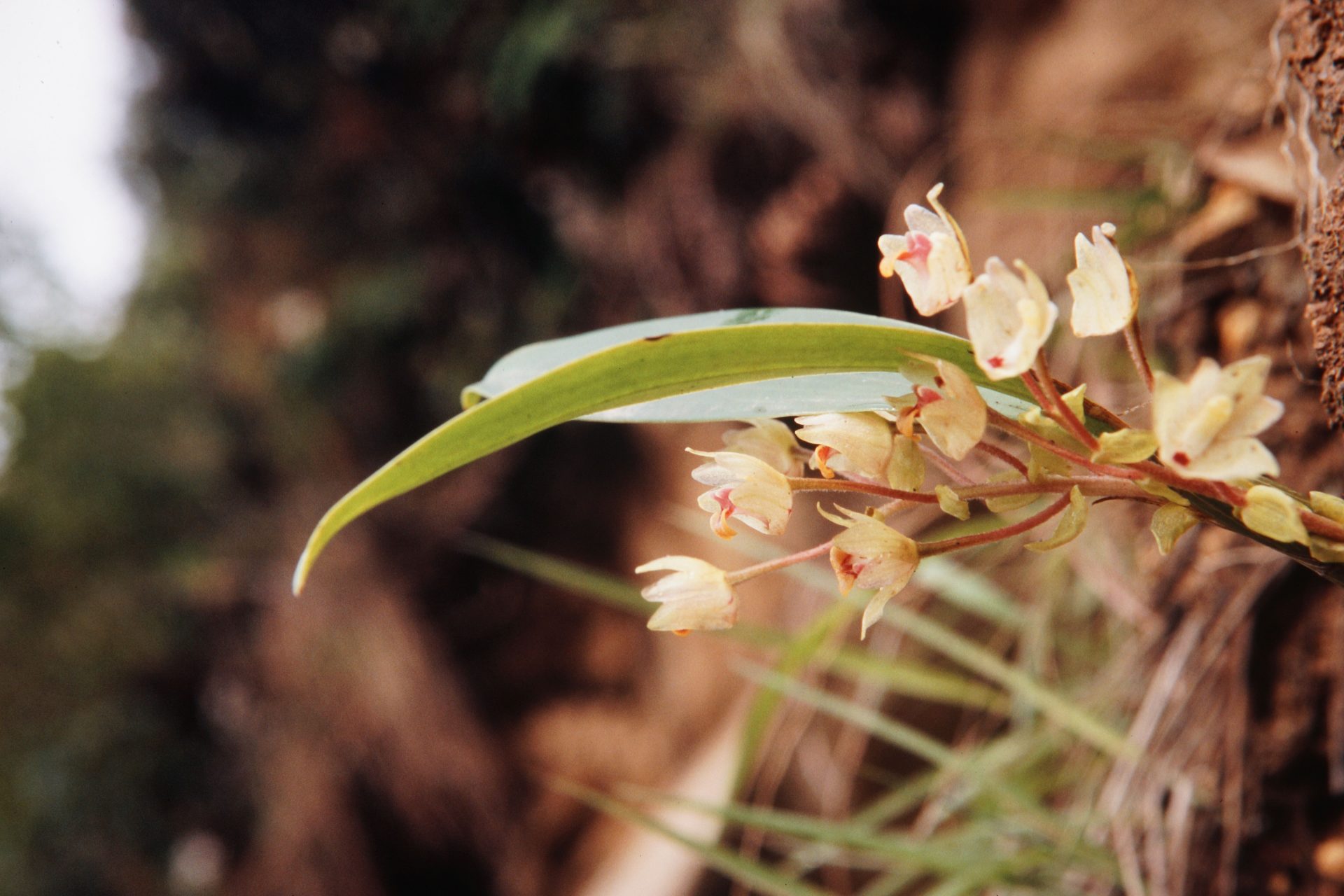
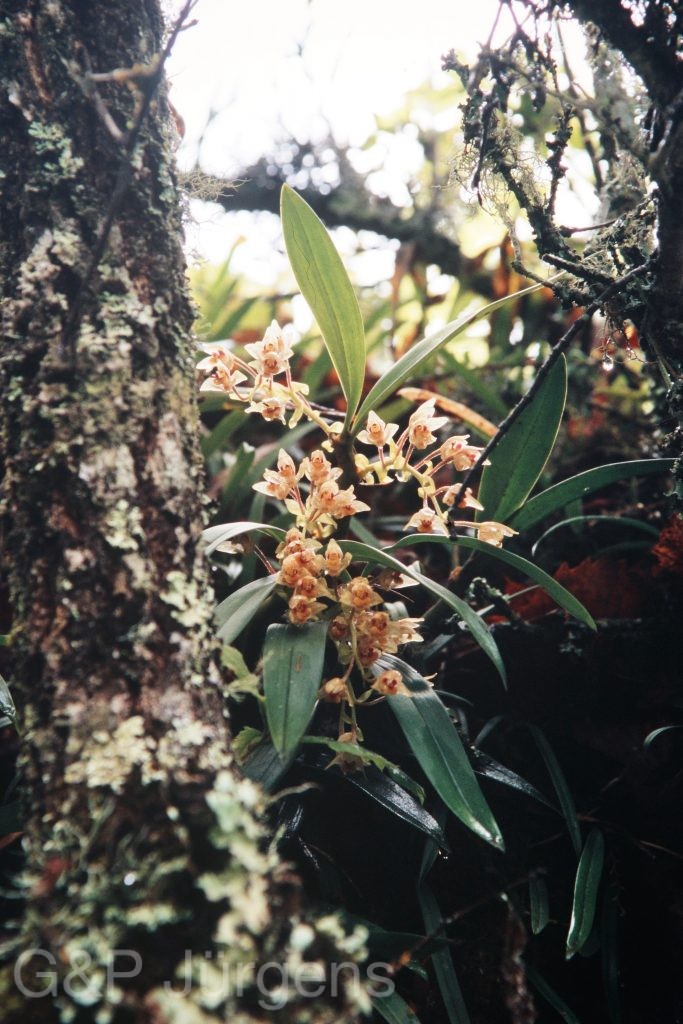
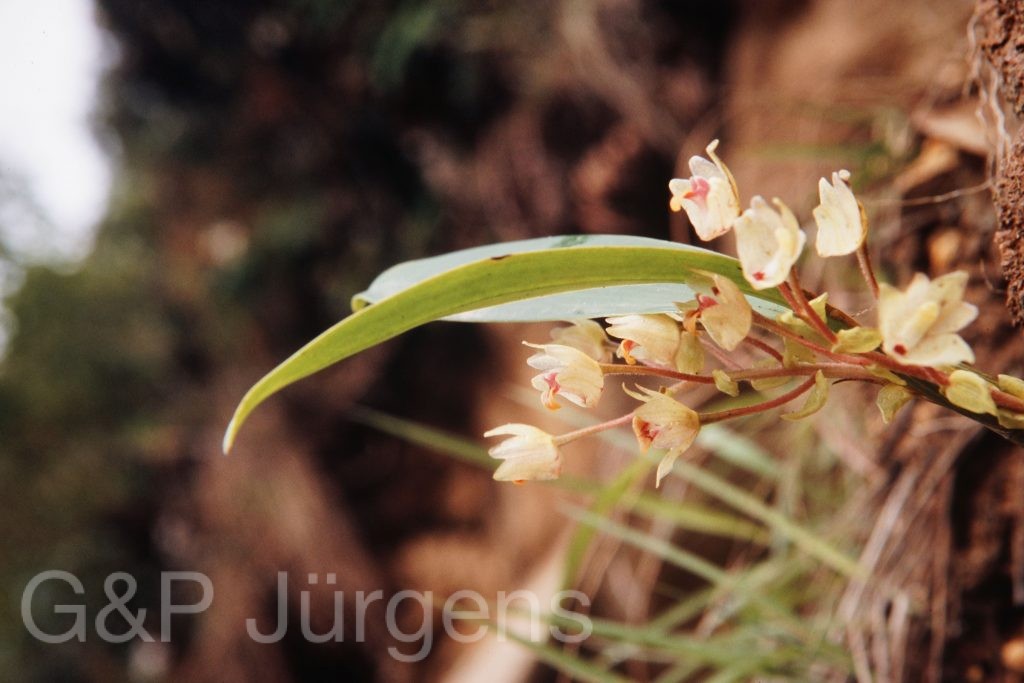
Pinalia amica (Rchb.f.) Kuntze, long known under Eria amica, is an epiphytic orchid widely distributed through tropical and subtropical Asia. GBIF records (about 203 occurrences) extend from Nepal, northern India and Bhutan eastward through Myanmar, southern China, Taiwan, Thailand, Laos, Cambodia, Vietnam and Malaysia. It grows as an epiphyte, occasionally a lithophyte, on mossy trunks and branches in humid broad-leaved and mixed forest, from the foothills up to about 2000-3000 m. The plant photographed at Jakar in Bhutan at 2950 m in April, flowering in spring, occurs near the upper part of its altitudinal range in cool, moist montane forest where high humidity and shaded, well-aerated bark provide its rooting substrate.
It is a sympodial epiphyte with cylindric to fusiform pseudobulbs or stems clustered on a creeping rhizome, each bearing a few apical leaves. The leaves are oblong-lanceolate, leathery and several-nerved. The inflorescence is a lateral raceme of several to many flowers, the rachis and ovaries usually finely hairy. The flowers are small, cream to pale yellow, often marked with reddish-brown striations; the sepals form a short mentum at the base with the column foot, and the lip is three-lobed and bears longitudinal keels or calli. The pollinarium carries eight waxy pollinia, and the fruit is a ribbed dehiscent capsule releasing dust-like seeds.
The broadly circumscribed genus Eria has been dismembered on molecular evidence, and species of the Eria amica group are now placed in Pinalia within tribe Podochileae; Pinalia amica is the currently accepted name. Like most epiphytic orchids it depends on mycorrhizal fungi for seed germination and produces enormous numbers of minute wind-dispersed seeds. Widespread across Asia, it is not regarded as threatened overall, though, as with all orchids, it is listed on CITES Appendix II, and local populations are sensitive to deforestation and collection.
Author: (Rchb.f.) Kuntze · Sources: POWO (Kew), GBIF, Flora of China, The Orchids of Bhutan, Annotated Checklist of the Flowering Plants of Nepal, Ng et al. molecular phylogeny of Eria and allied genera