Lindl.
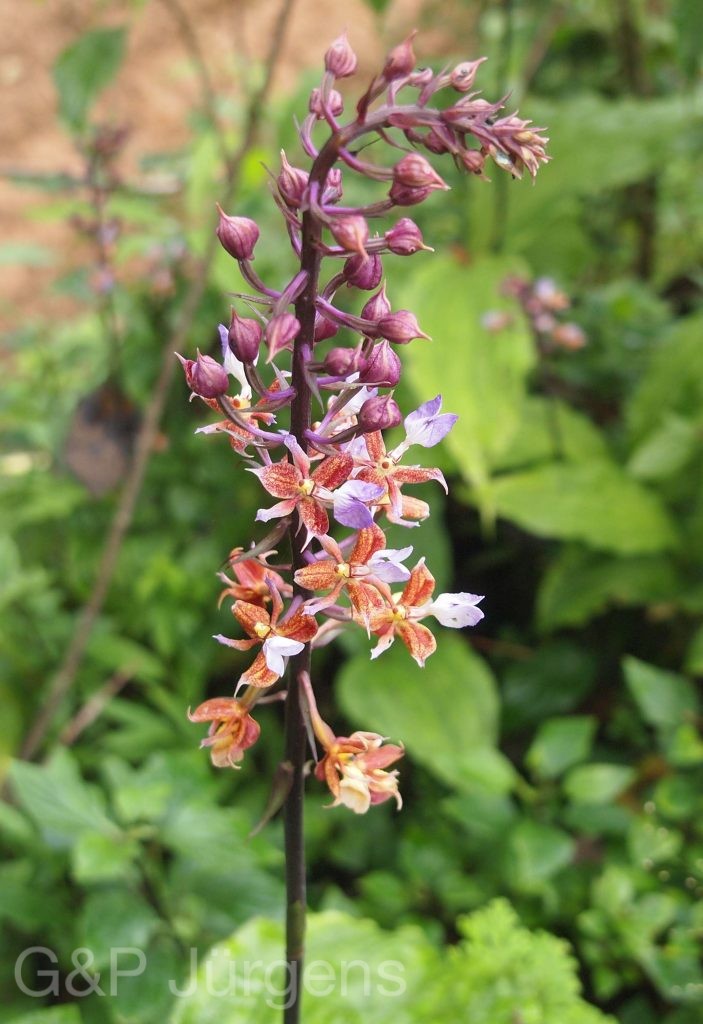
Description
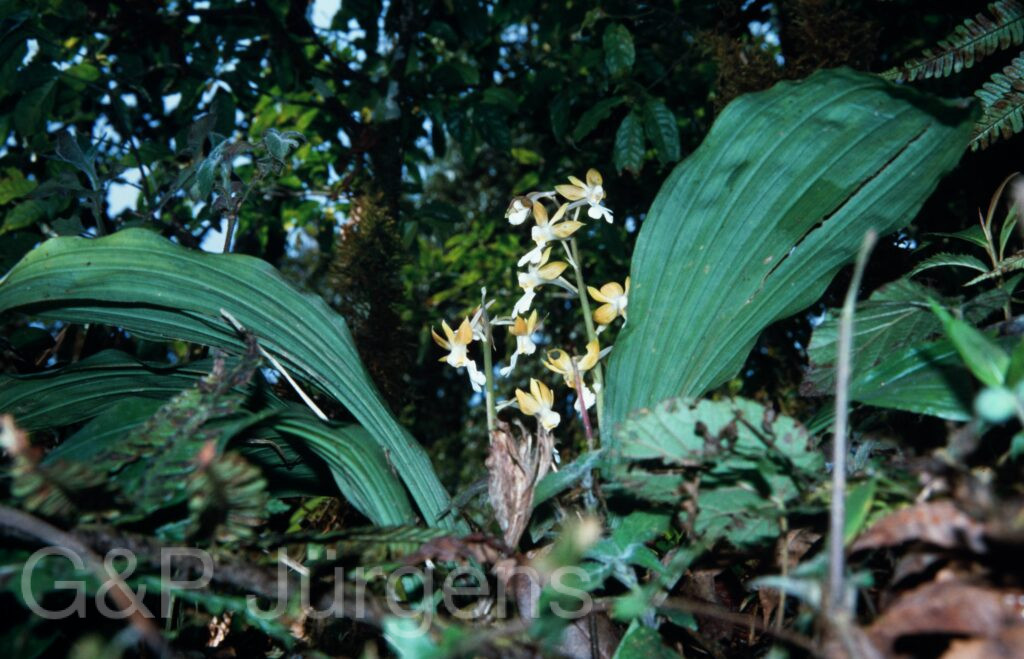
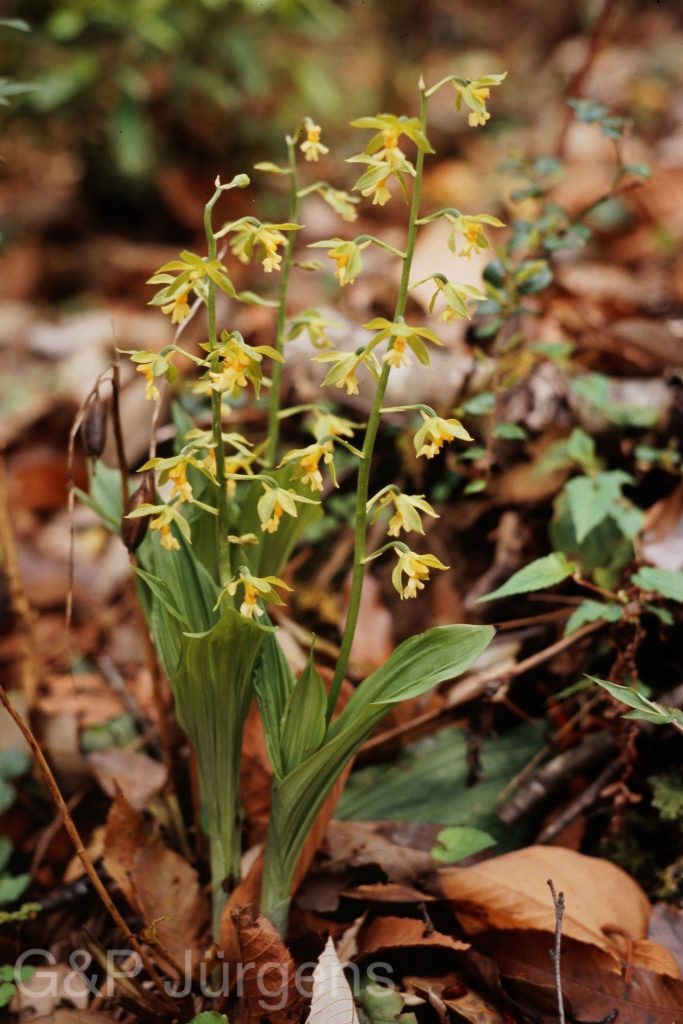
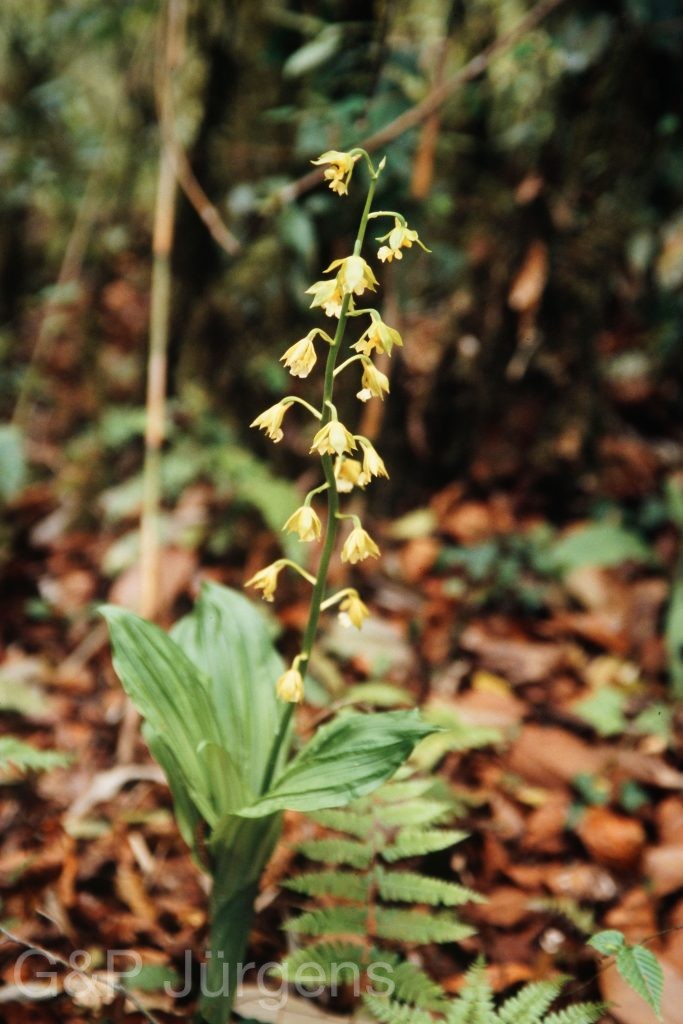
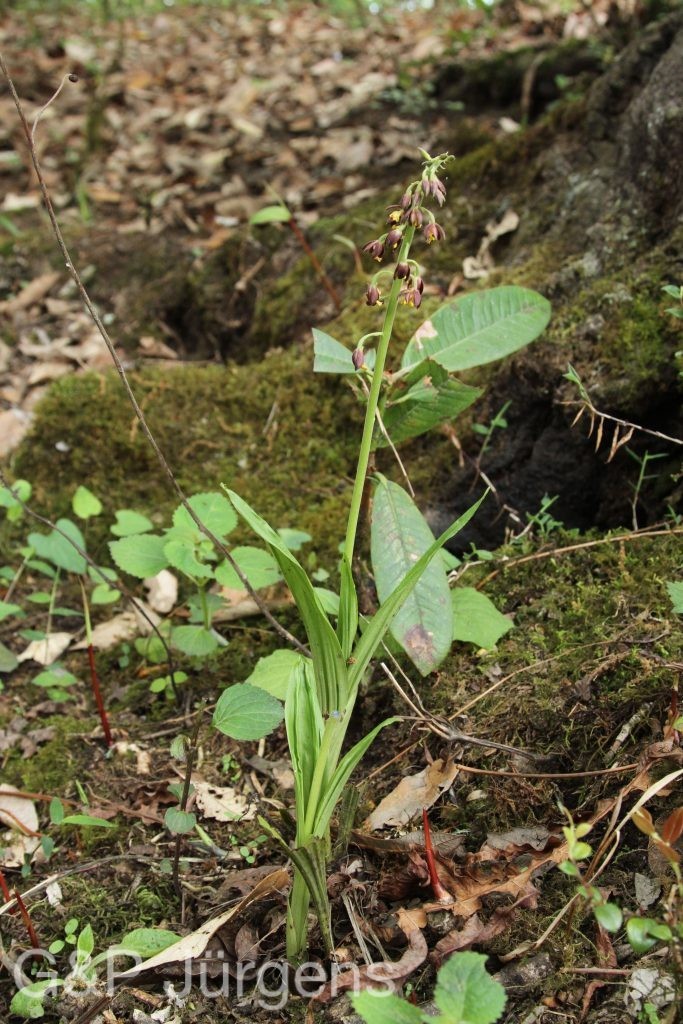
Calanthe biloba is a terrestrial orchid native to the eastern Himalayas and adjacent regions, occurring in northeast India (Sikkim, Assam, Meghalaya), Bhutan, Nepal, southwest China (Yunnan), and northern Vietnam. It grows in the understory of warm, humid broadleaved forests and along shaded stream banks at 500–1,500 m elevation, in well-drained, humus-rich soils.
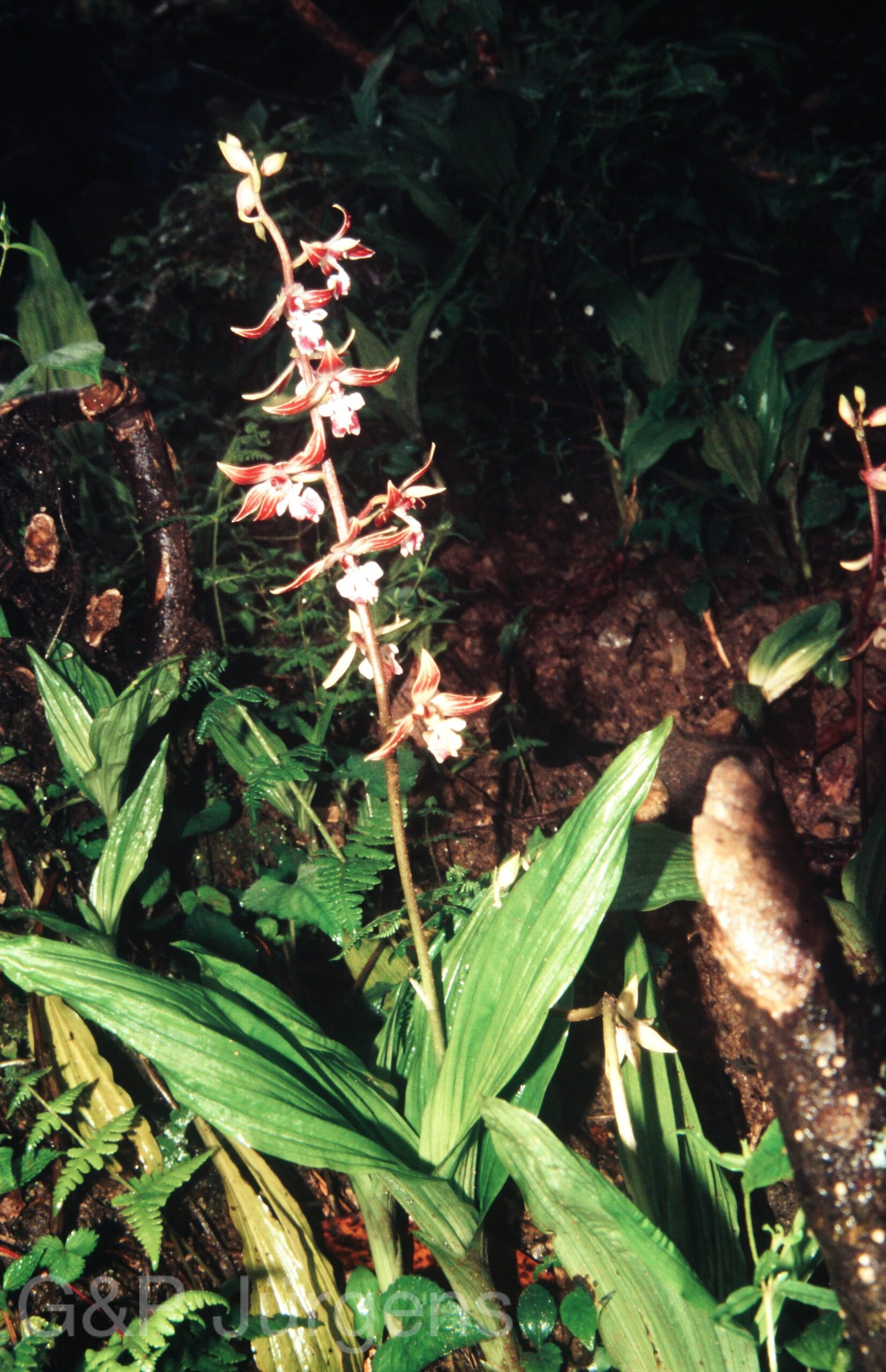
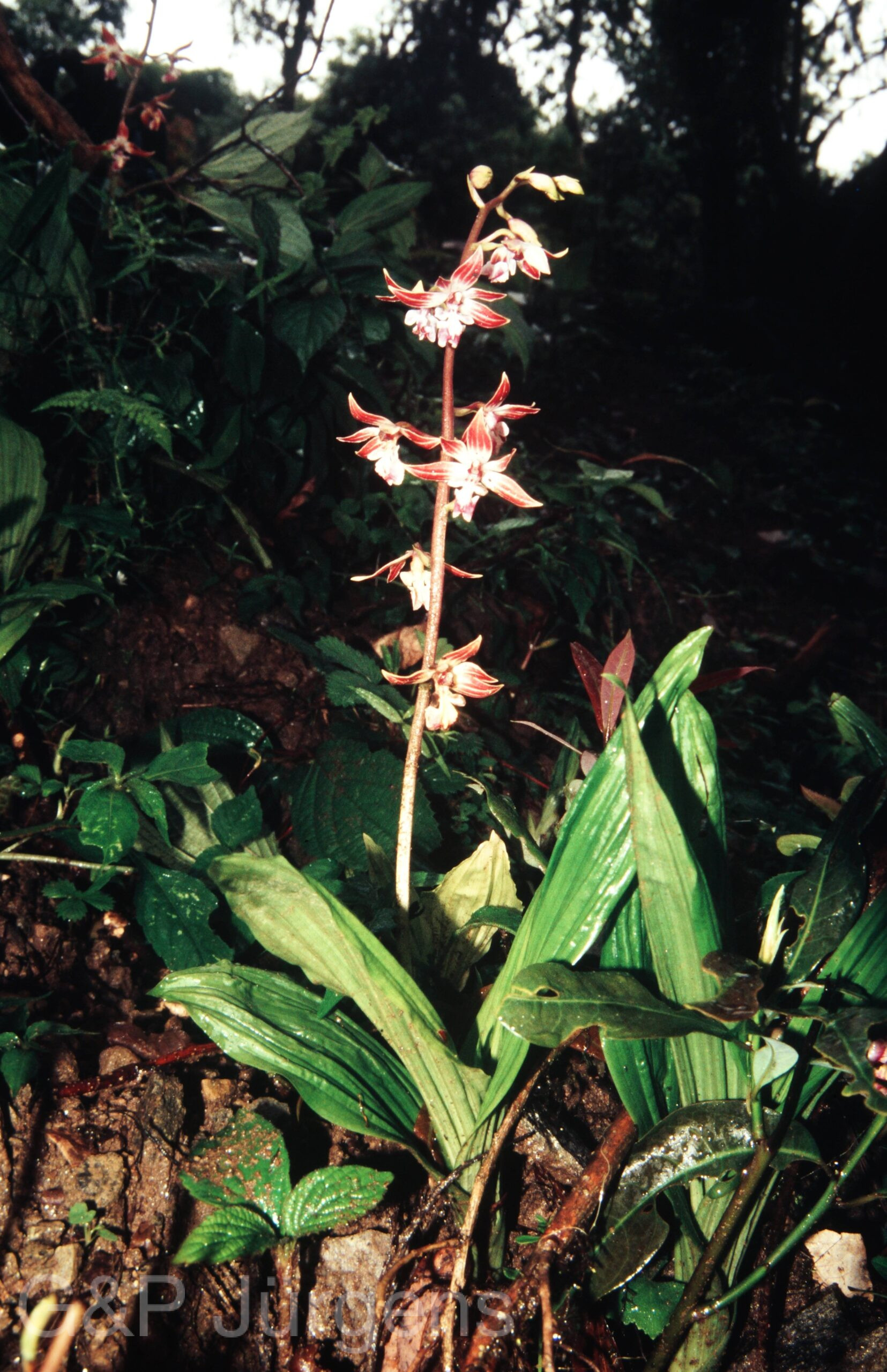
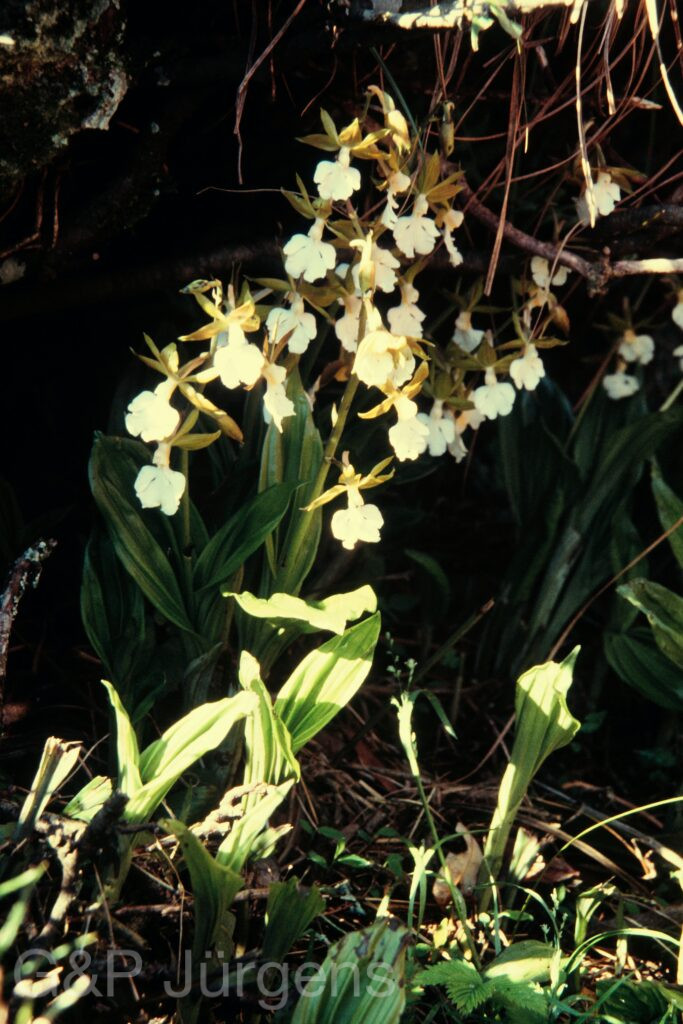
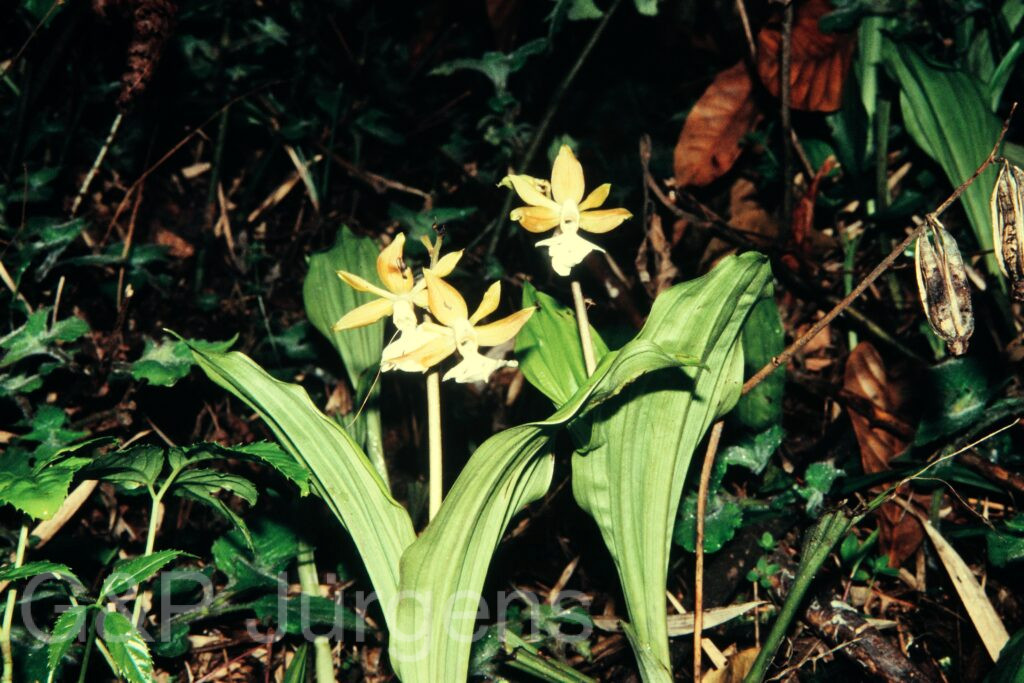
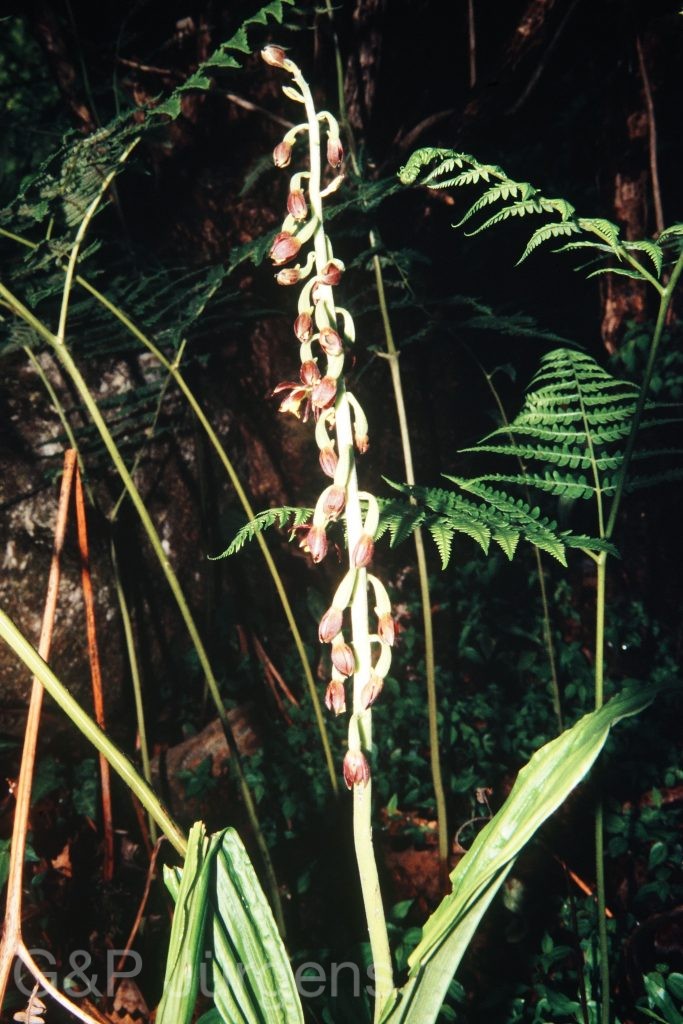
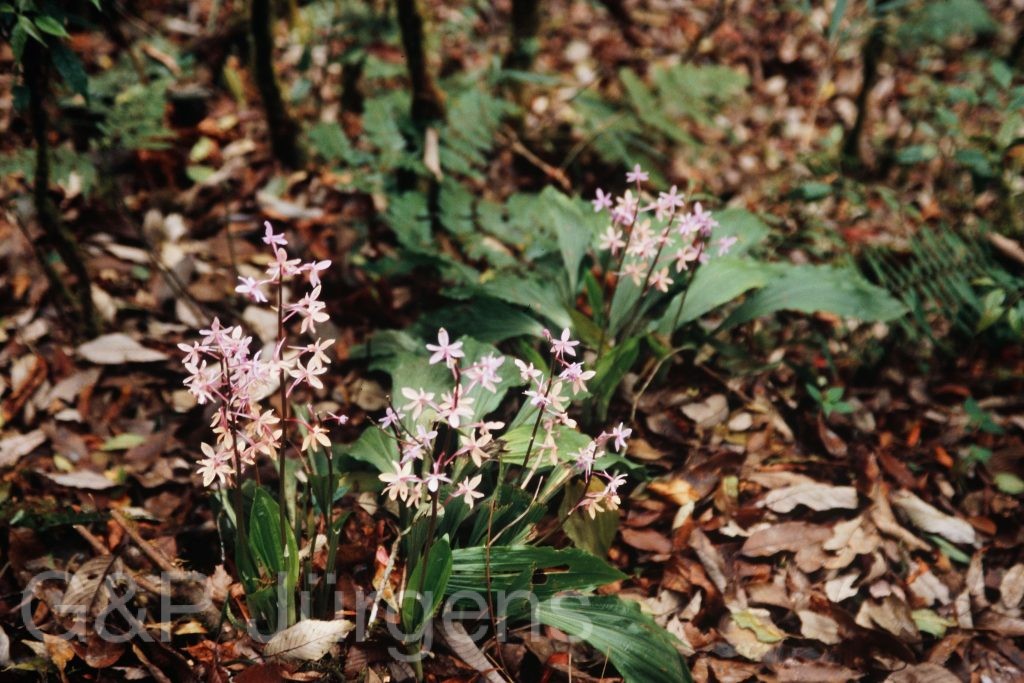
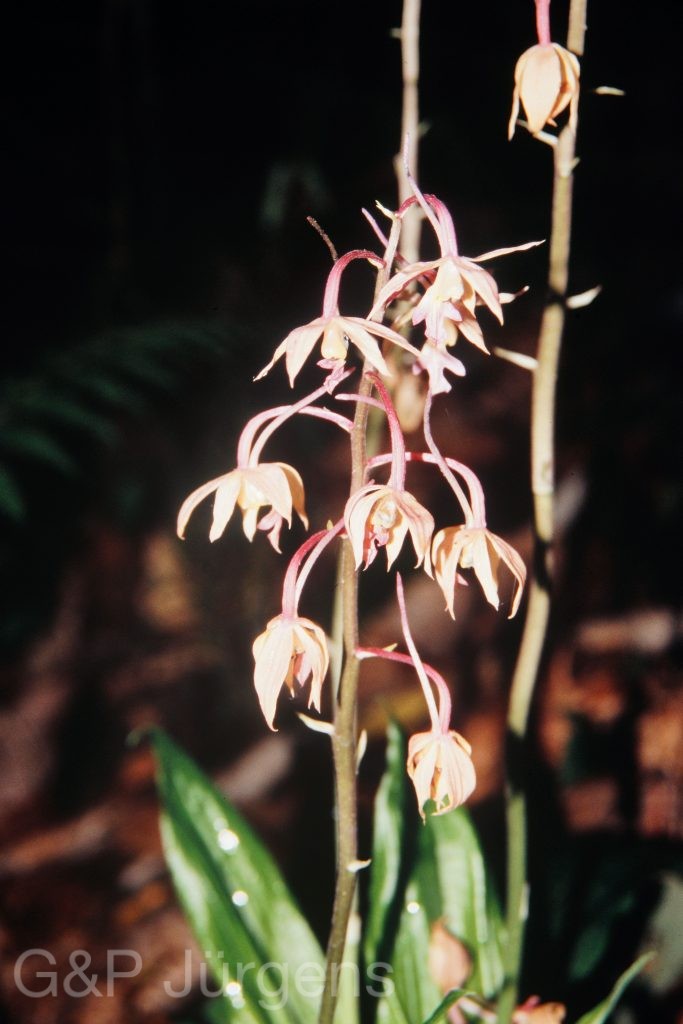
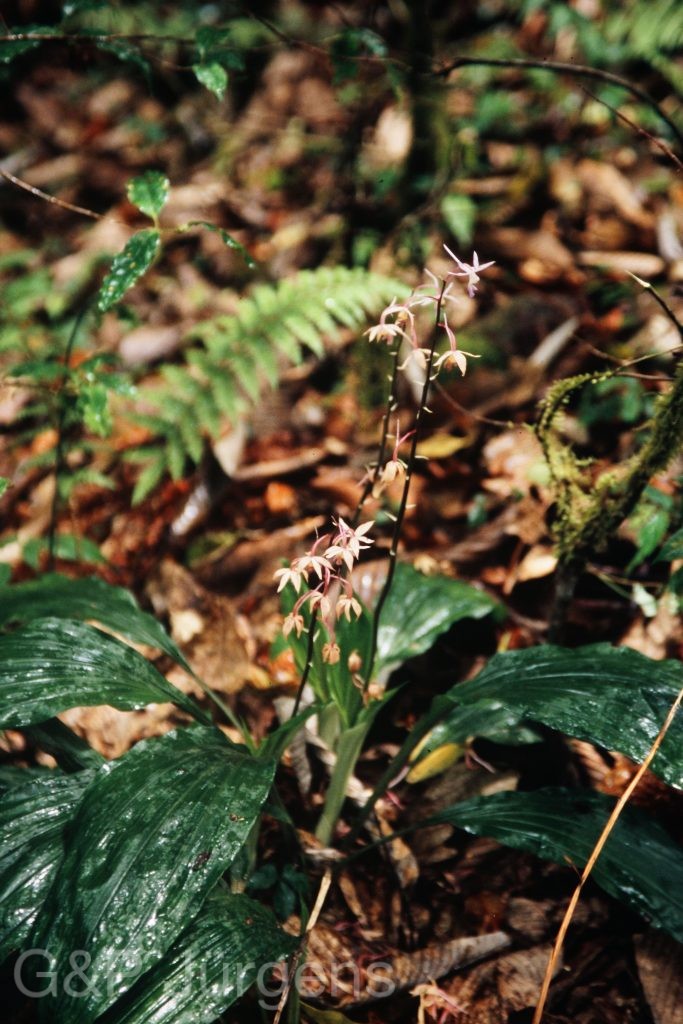
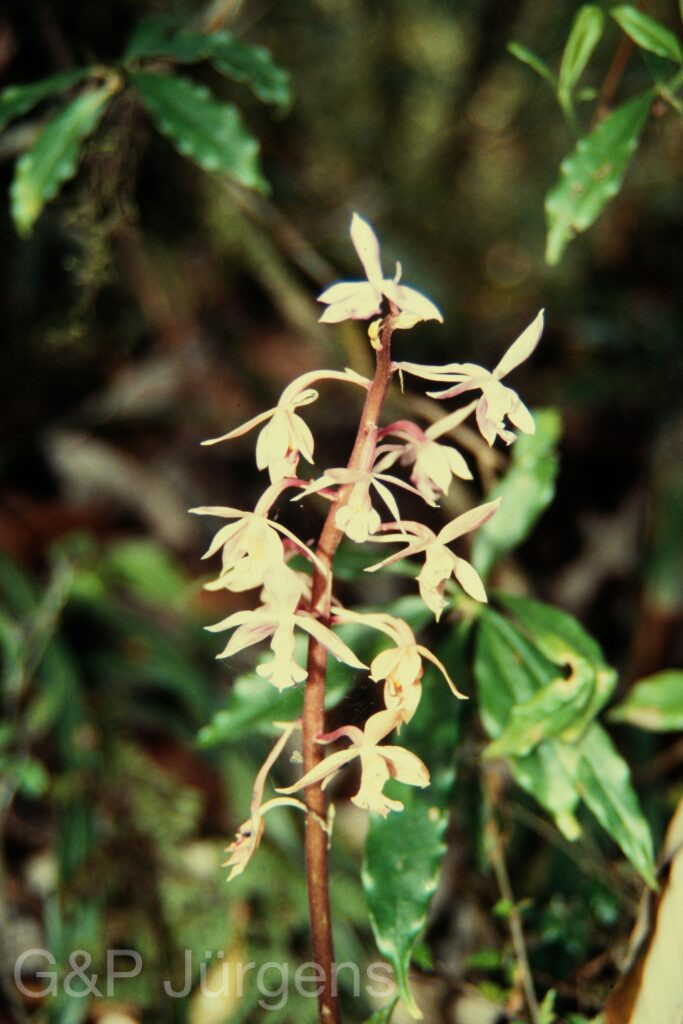
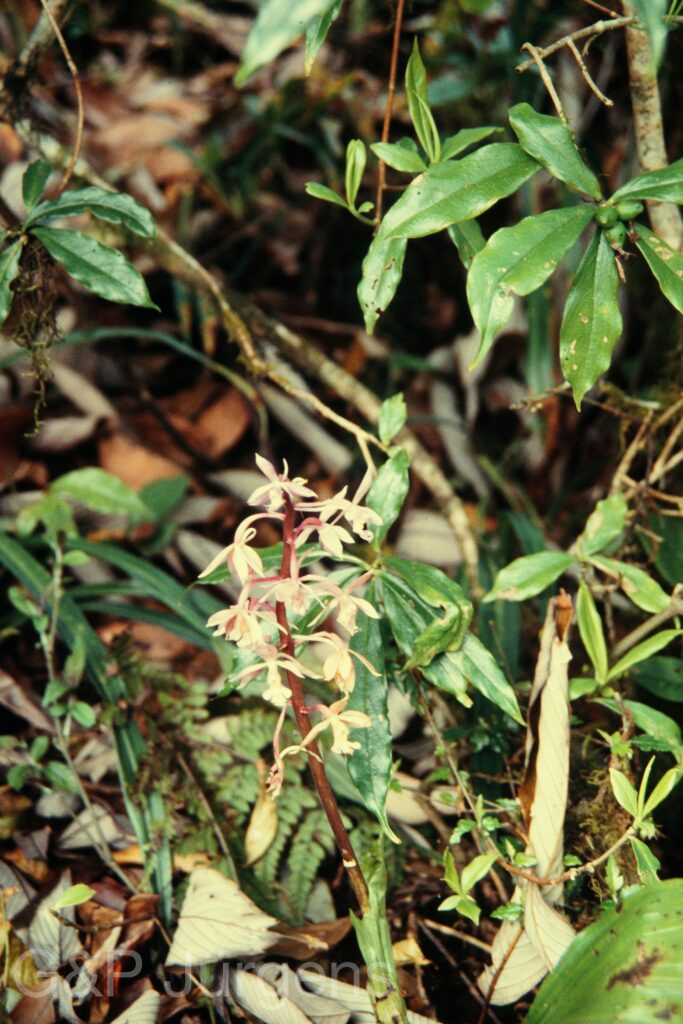
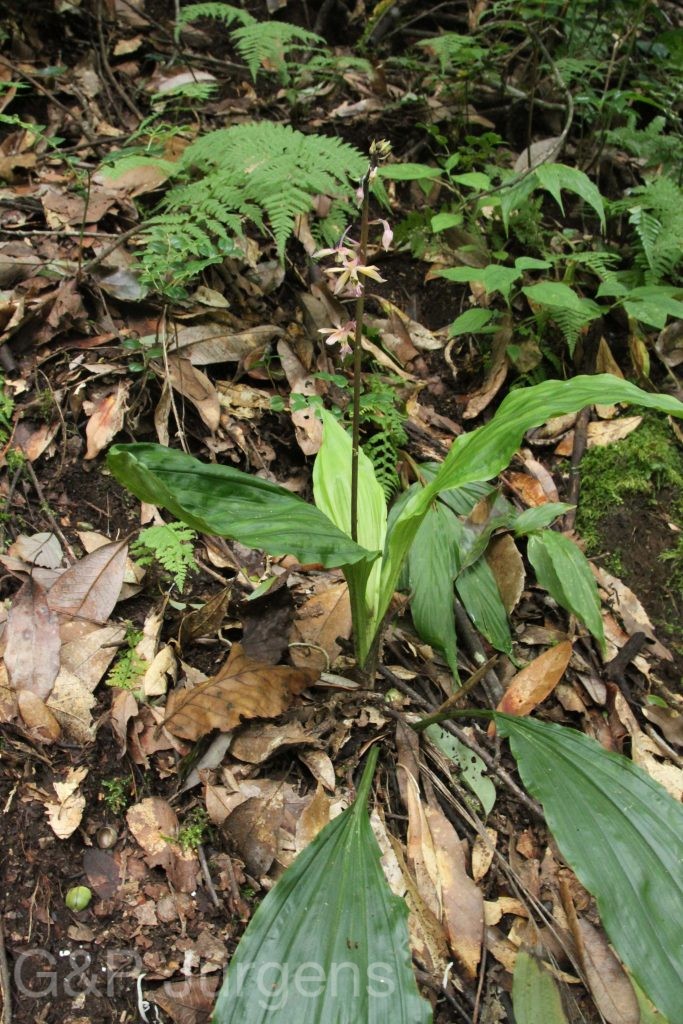
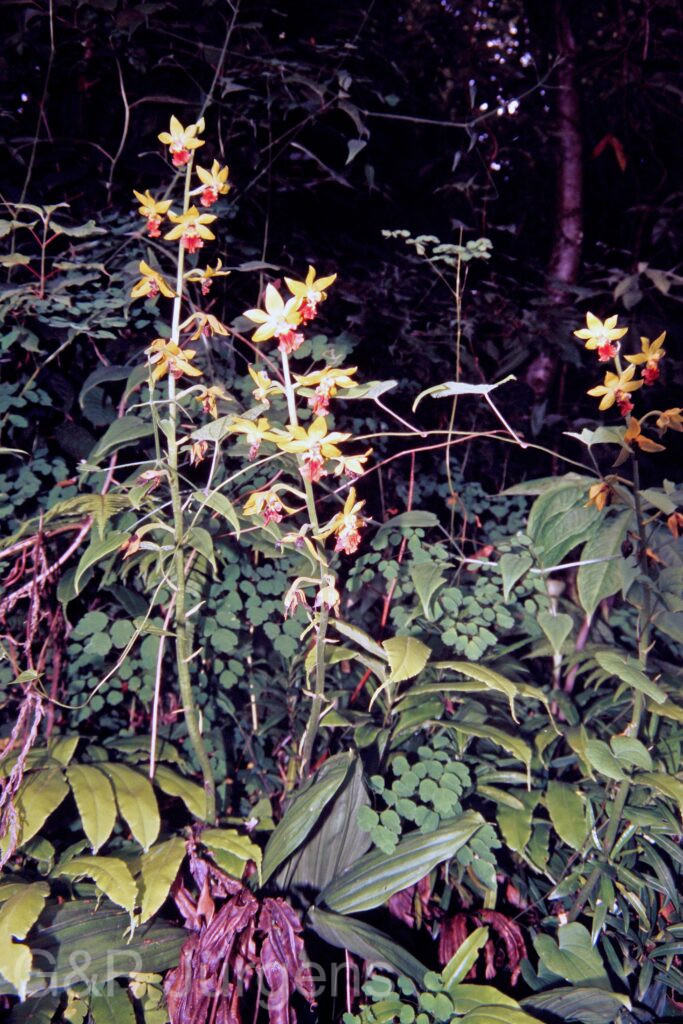
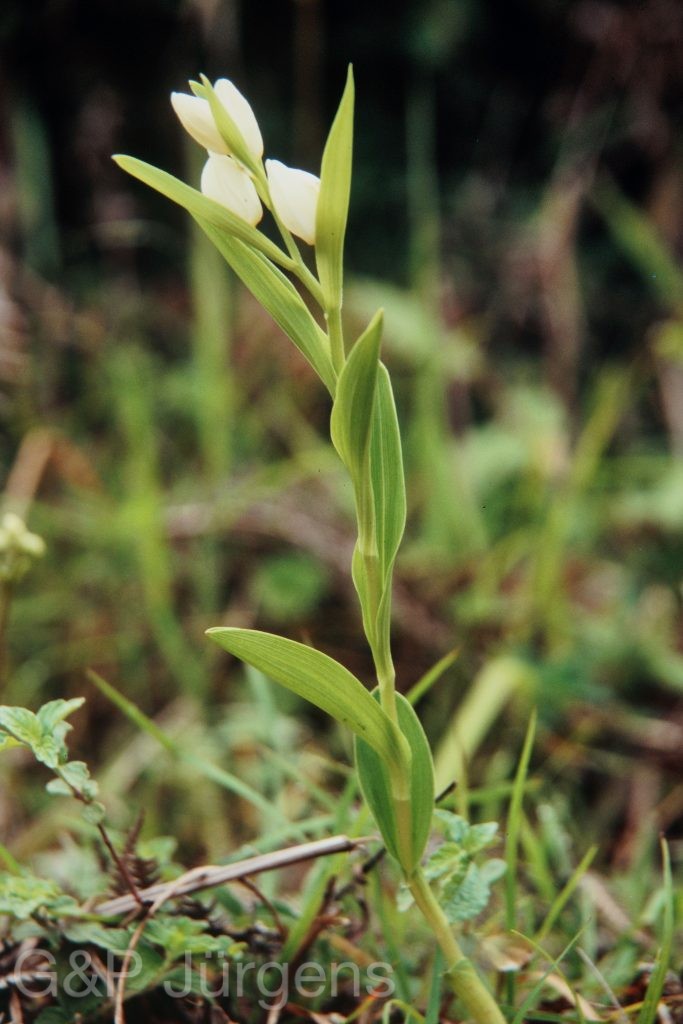
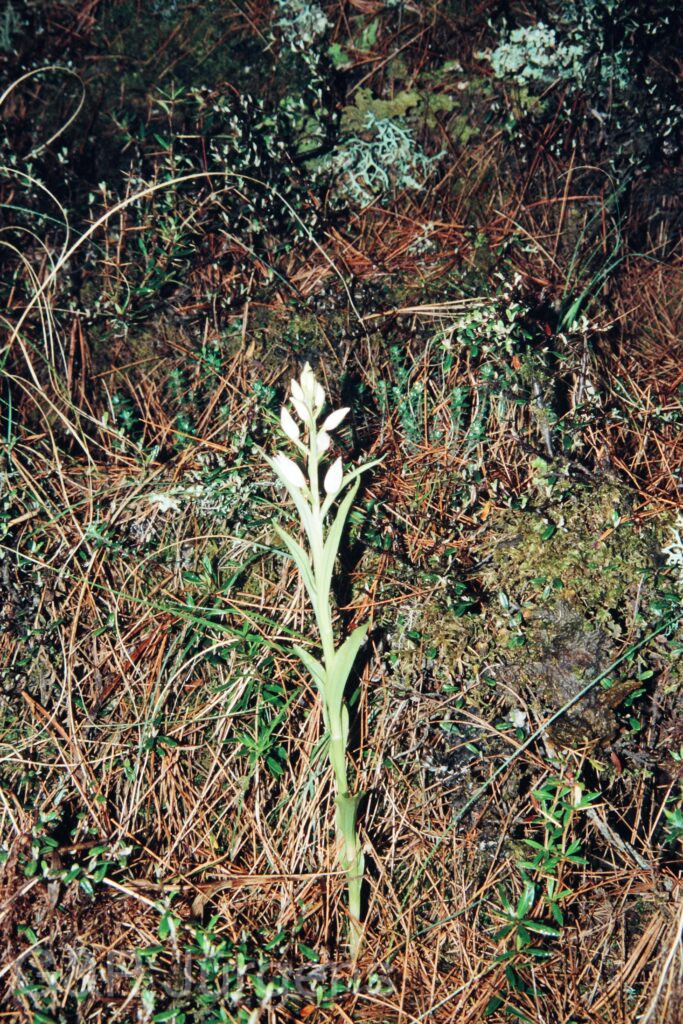
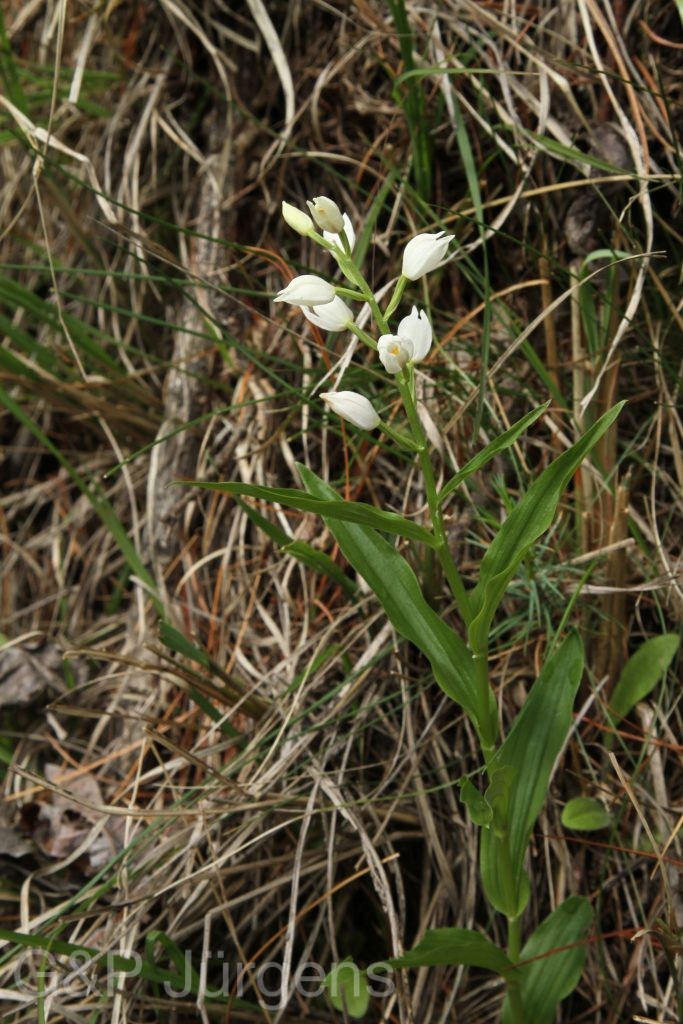
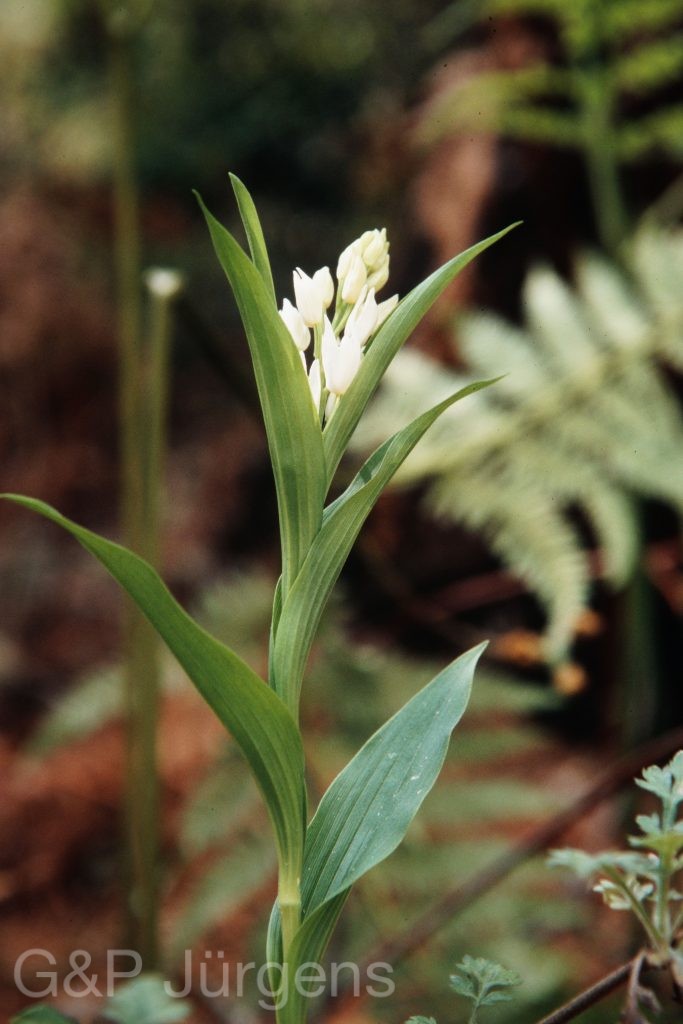
The plant produces prominent, conical pseudobulbs partially enclosed by the persistent leaf bases. The leaves are large, 30–50 cm long, broadly elliptic to obovate, plicate (folded lengthwise), and deciduous in the dry season. The inflorescence is an erect, pubescent raceme 30–60 cm tall, bearing 10–20 flowers. Flowers are 2.5–3.5 cm across, white to pale yellow. The lip is conspicuously bilobed (as the specific epithet indicates), with two diverging apical lobes, and bears a yellow callus of raised lamellae. The spur is slender, 1.5–2 cm long. Flowering occurs from August to October.
Calanthe biloba belongs to the deciduous group of Calanthe (subgenus Preptanthe), which shed their leaves before or during flowering. The relatively low elevation of the collecting locality at Galephu (850 m) reflects southern Bhutan's subtropical climate, where several thermophilic orchid species reach their northern distributional limit.
Author: Lindl. · Sources: POWO (Kew), Flora of Bhutan Vol. 3, GBIF, Pearce & Cribb: The Orchids of Bhutan (2002)