(L.) Sw.
Description
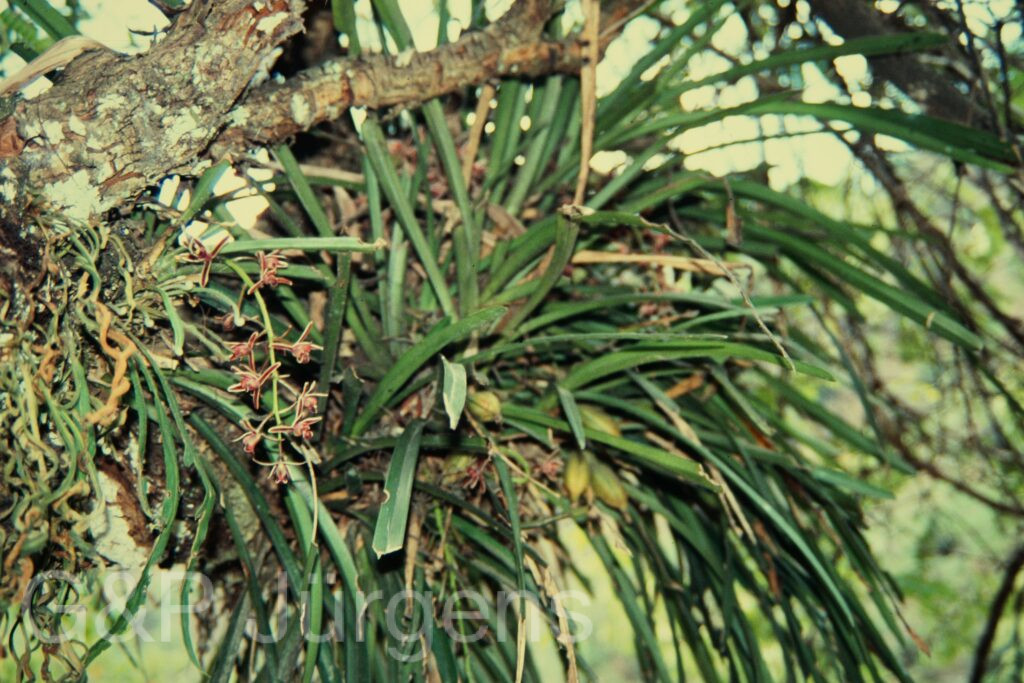
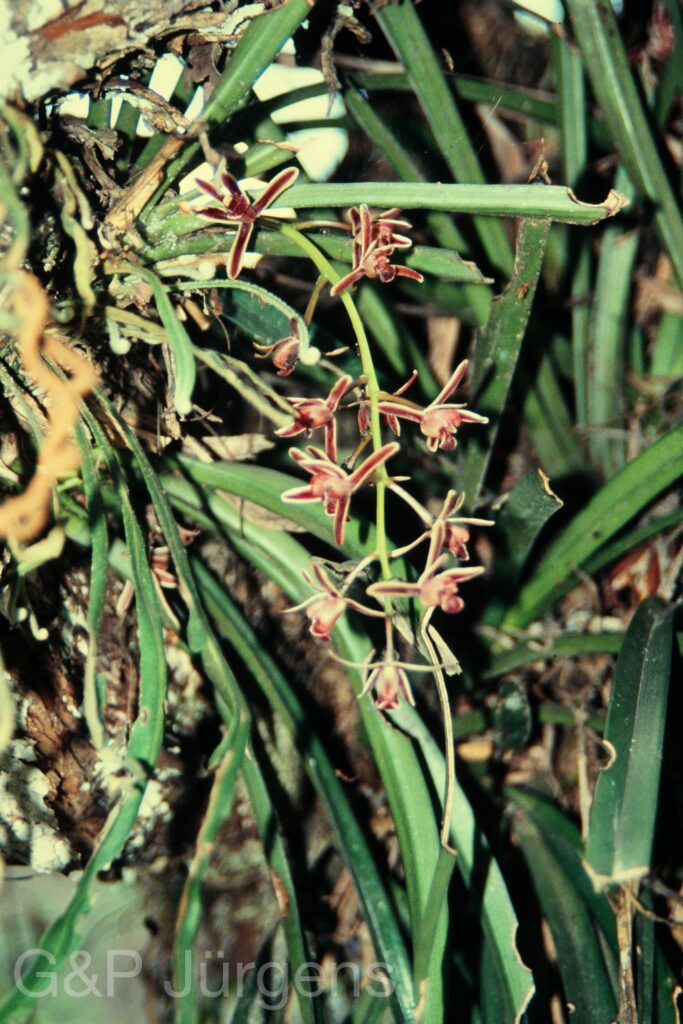
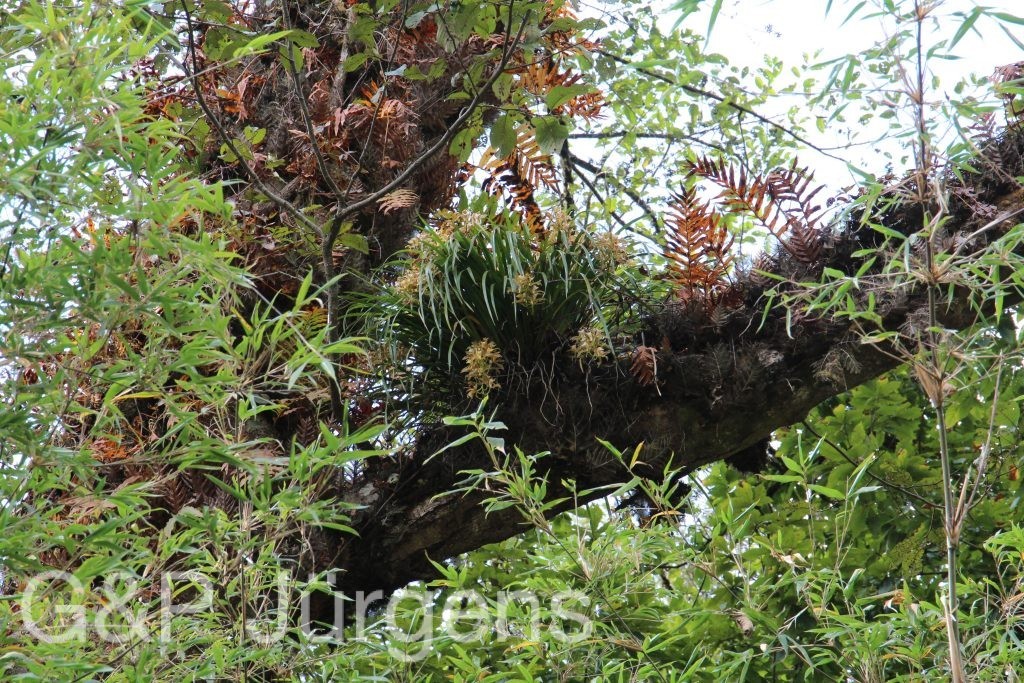
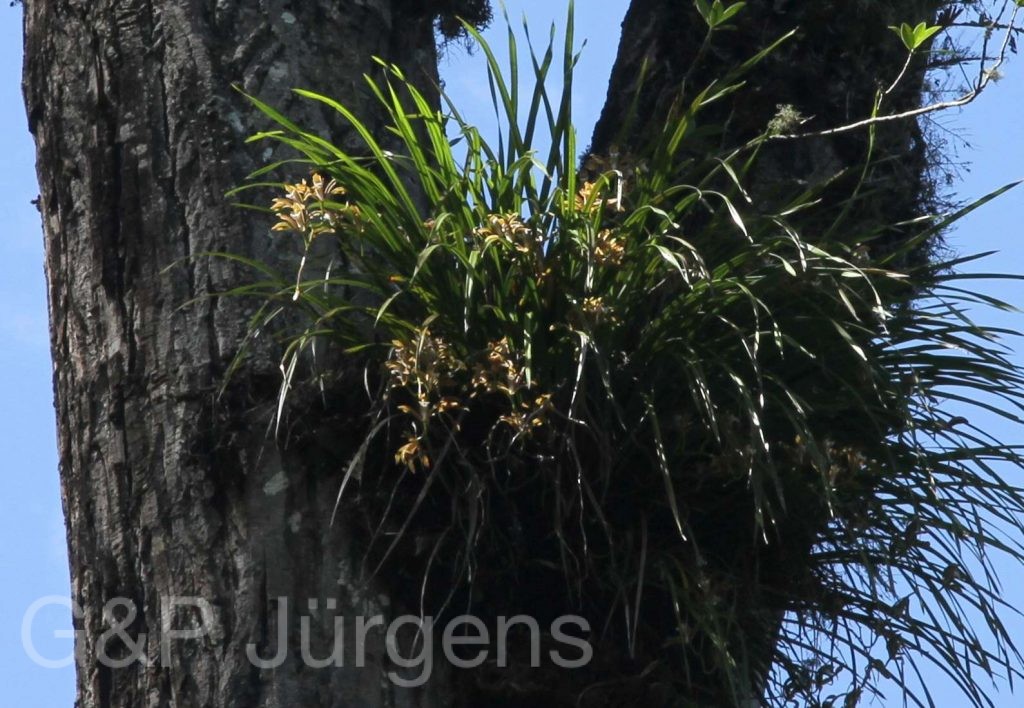
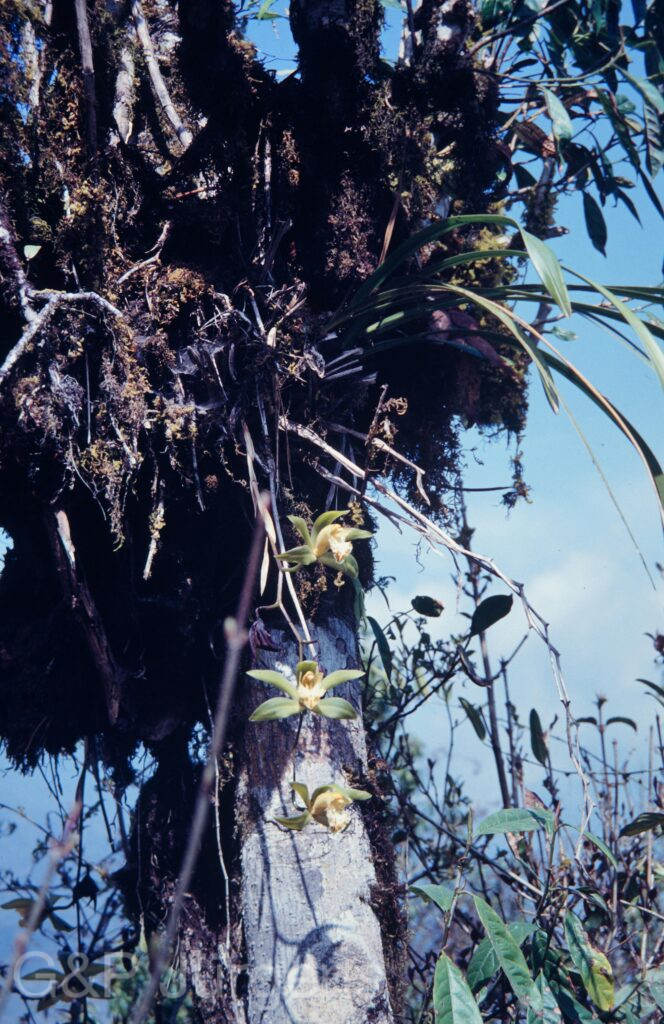
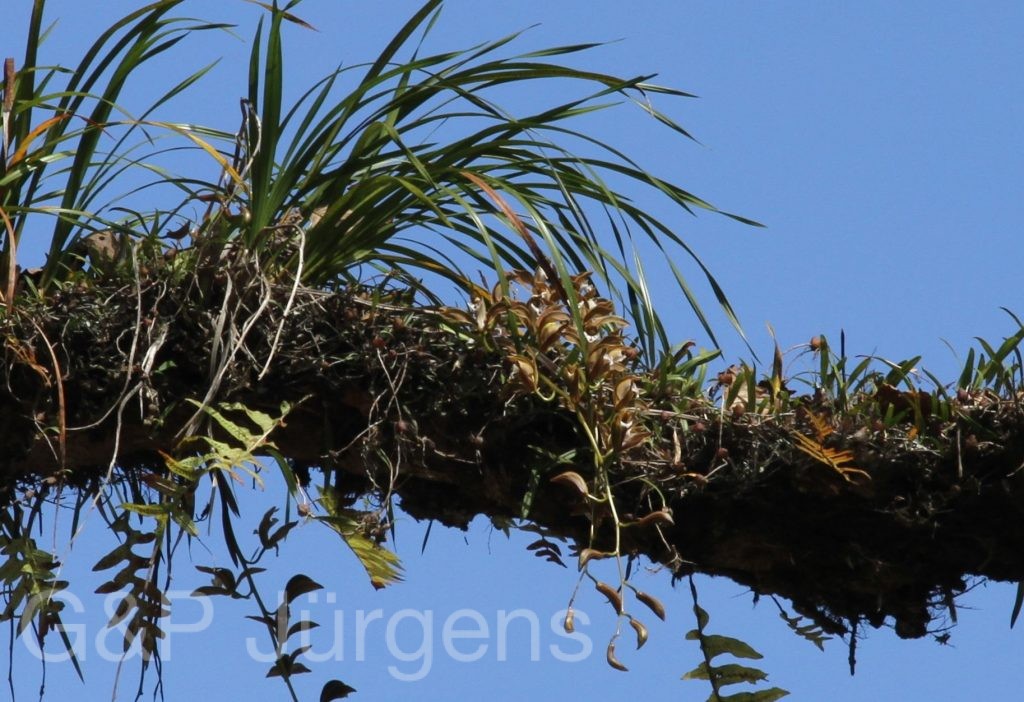
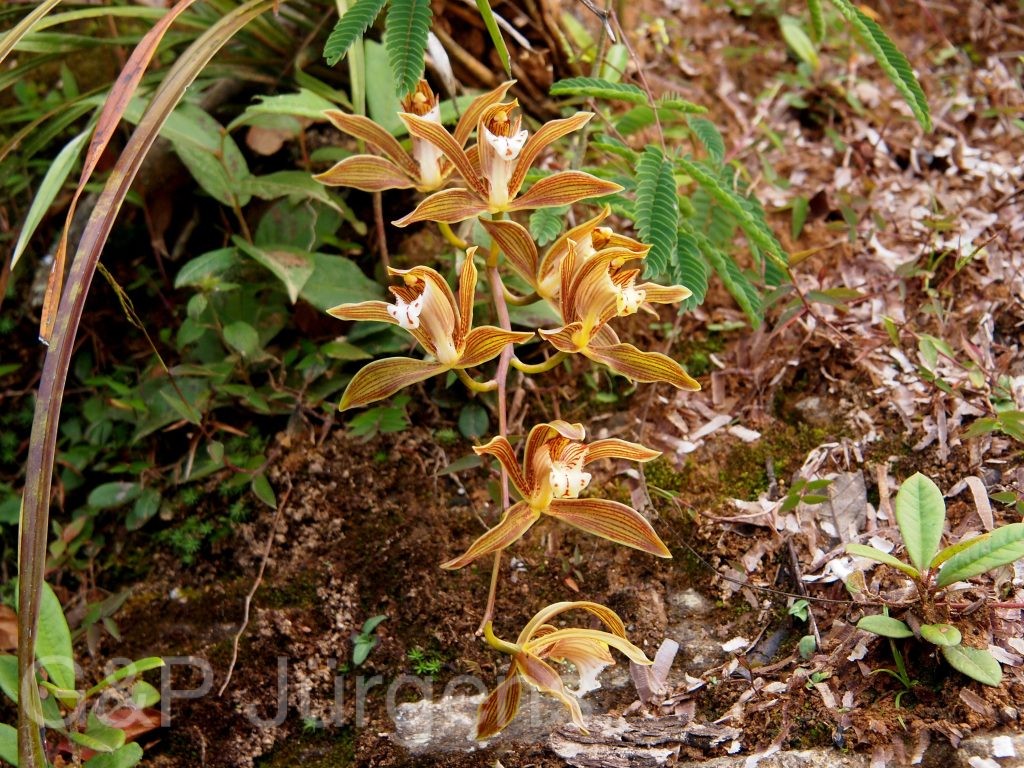
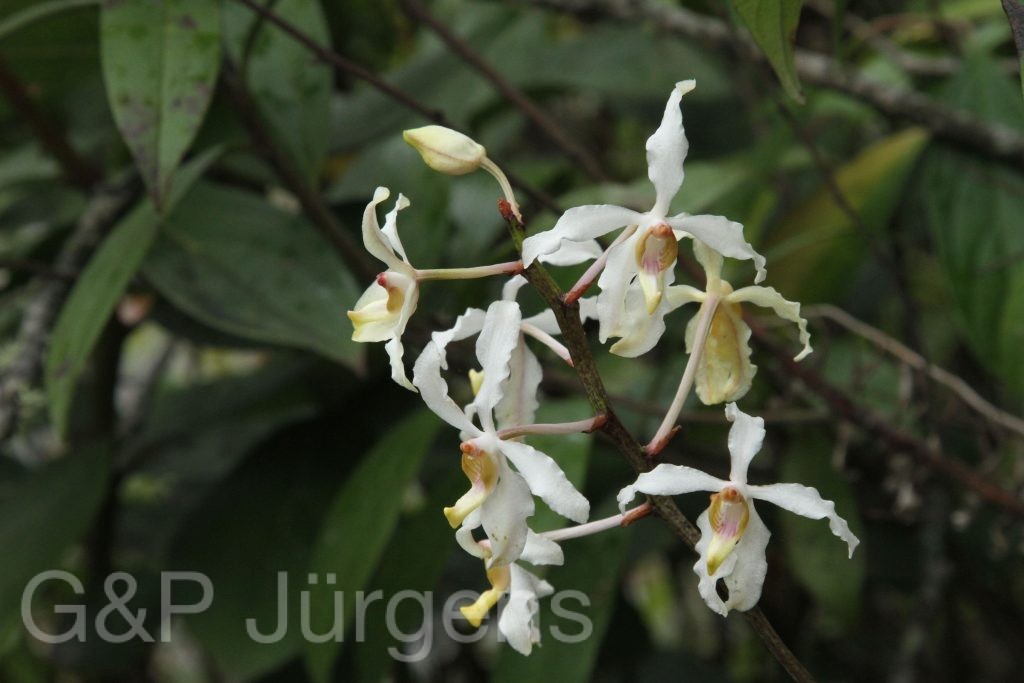
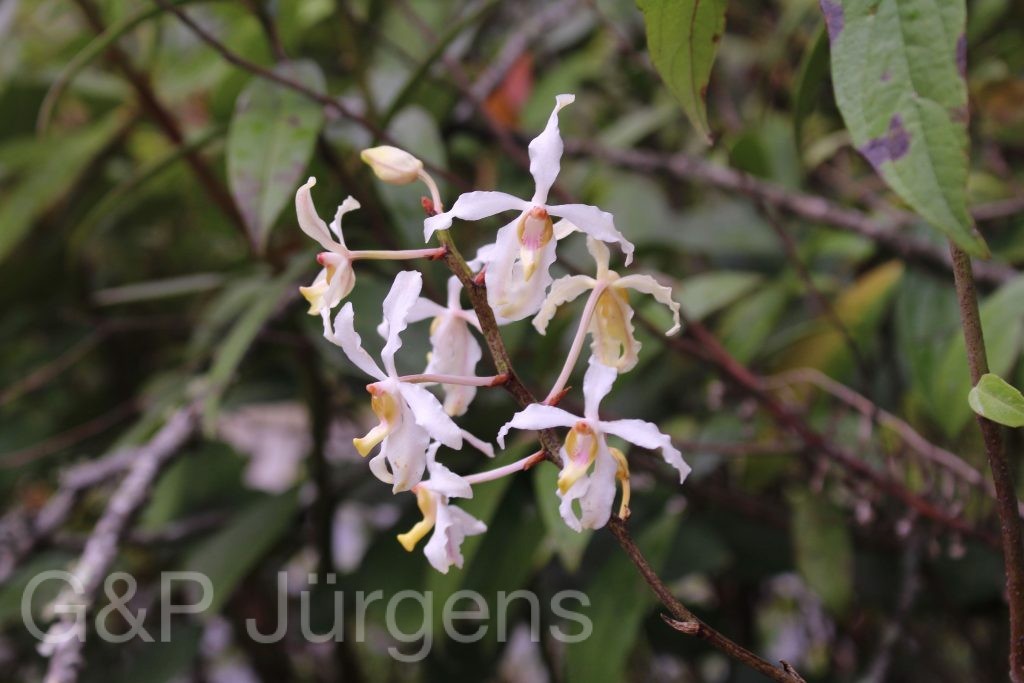
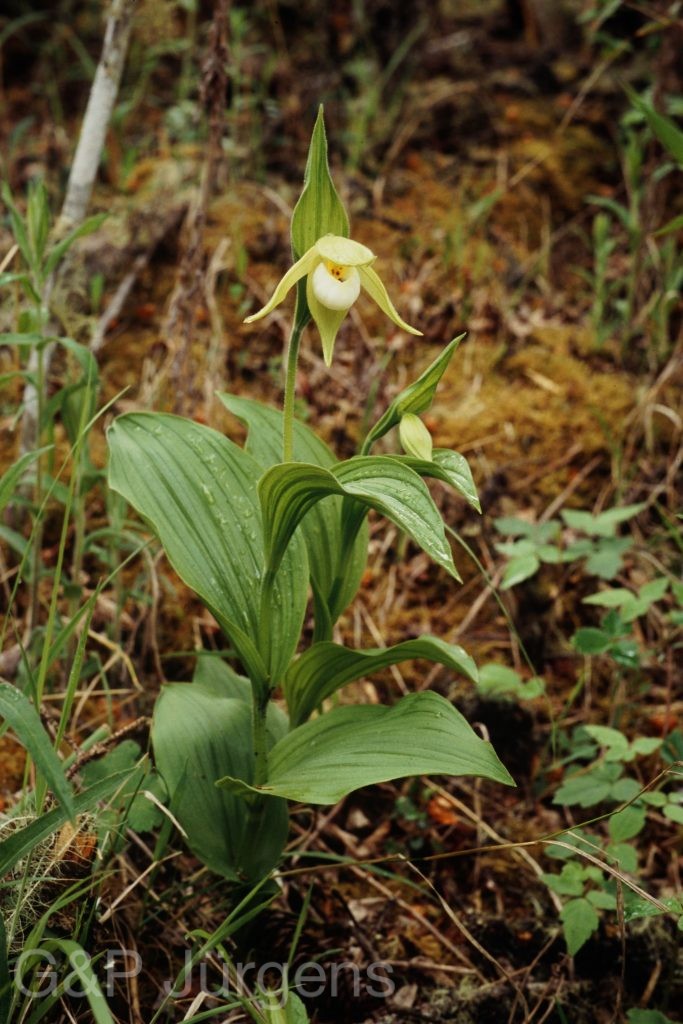
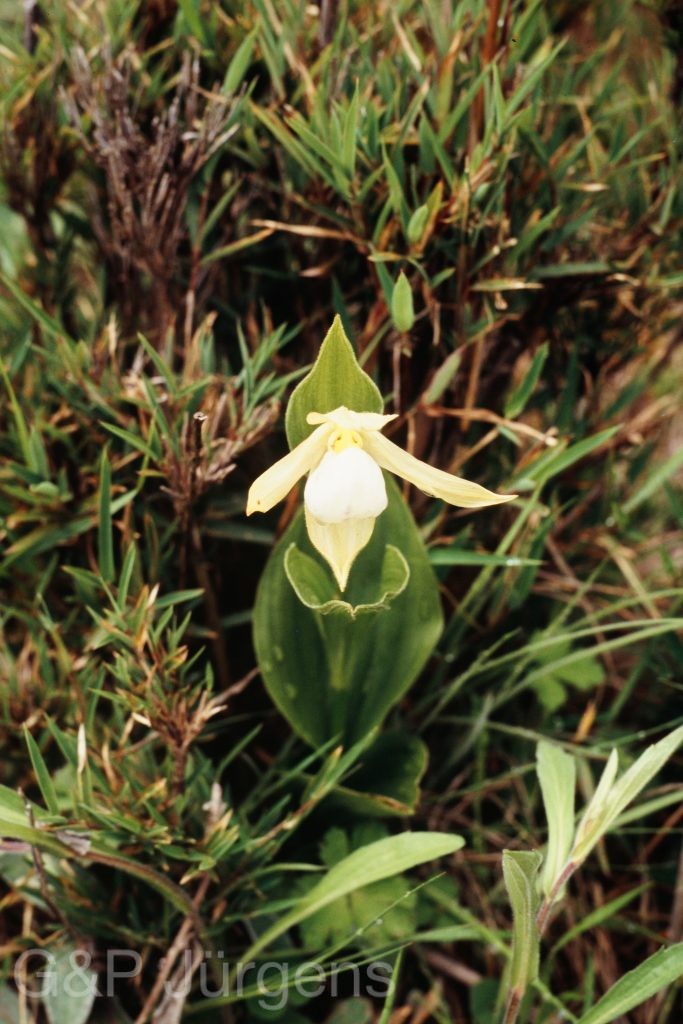
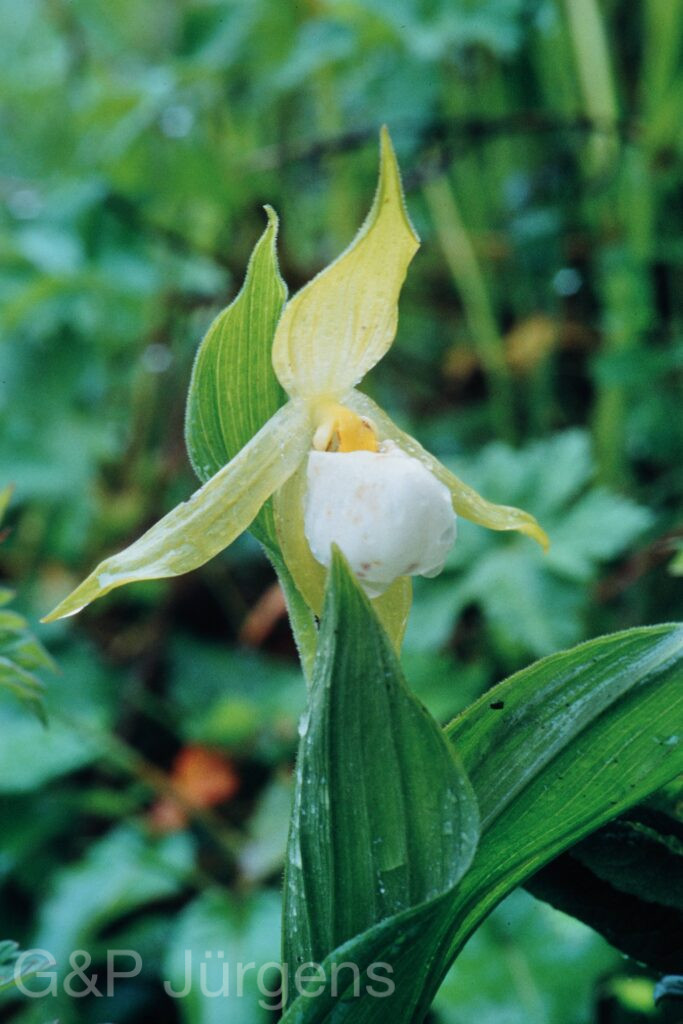
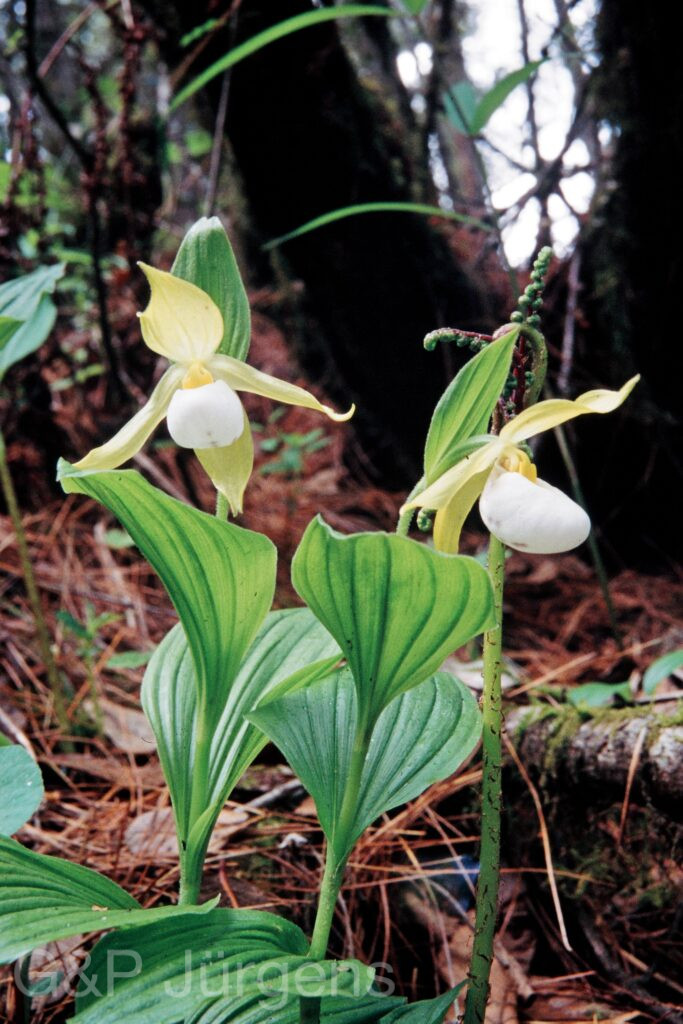
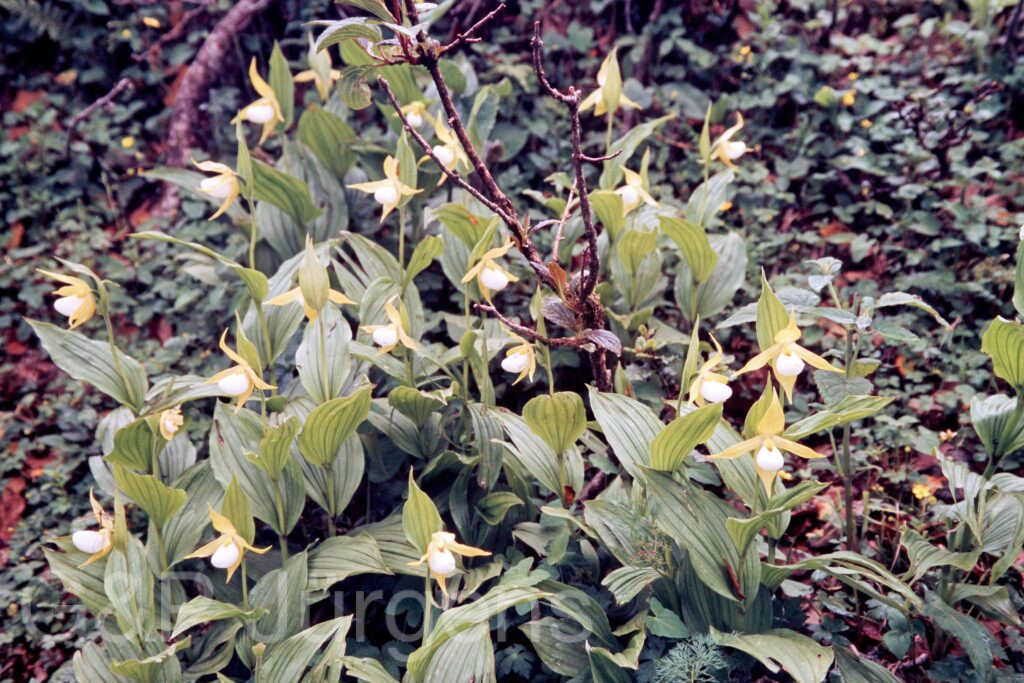
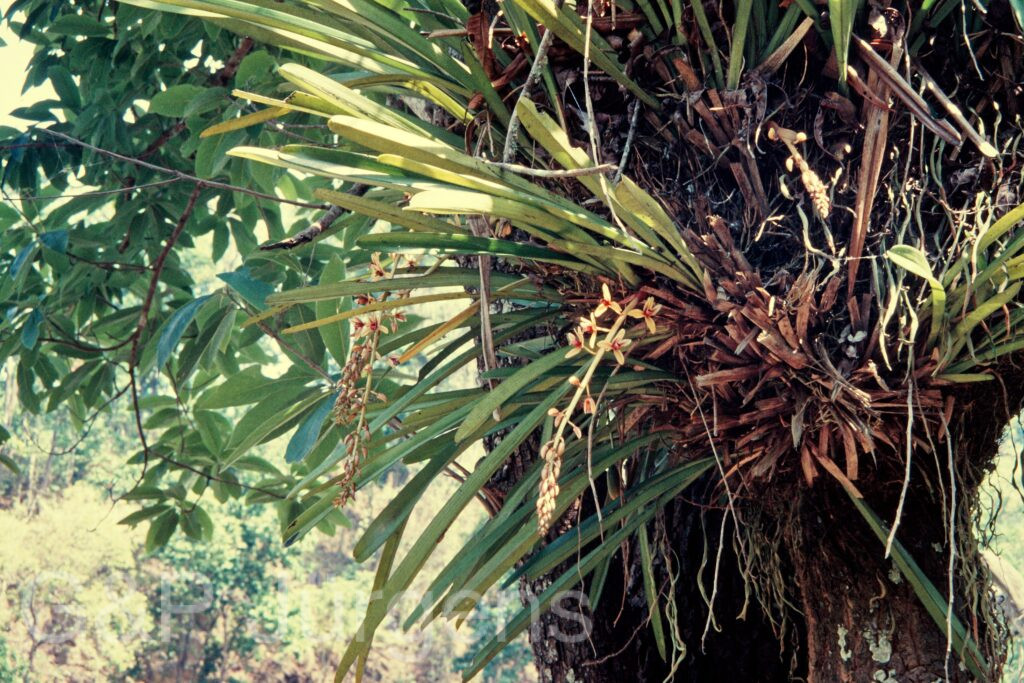
Cymbidium aloifolium is a widespread tropical Asian orchid recorded by GBIF (638 occurrences) from India, China, Vietnam, Thailand, Nepal, Sri Lanka, Indonesia, Bangladesh, the Philippines, Myanmar and Bhutan, alongside cultivated records farther afield. It is a robust epiphyte, and occasional lithophyte, of warm, seasonally dry lowland and submontane forest, growing on tree trunks and large branches and on rocky outcrops, generally below about 1000 m. The plant photographed in the Sabha Khola of Nepal at only 560 m in May represents its characteristic low-elevation, pre-monsoon flowering, the lowest-altitude species treated in this group.
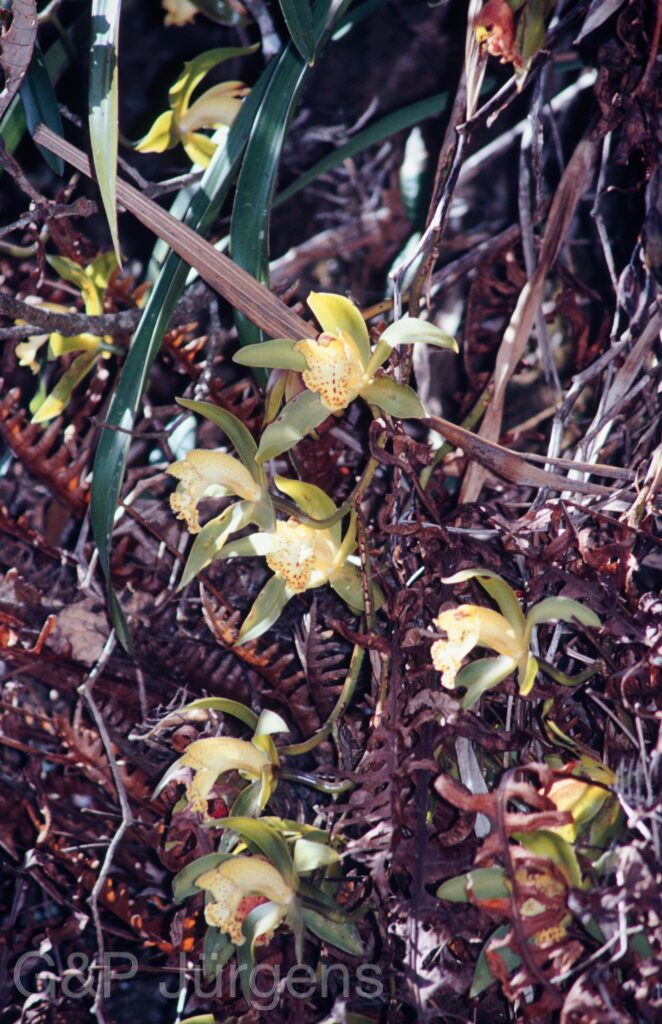
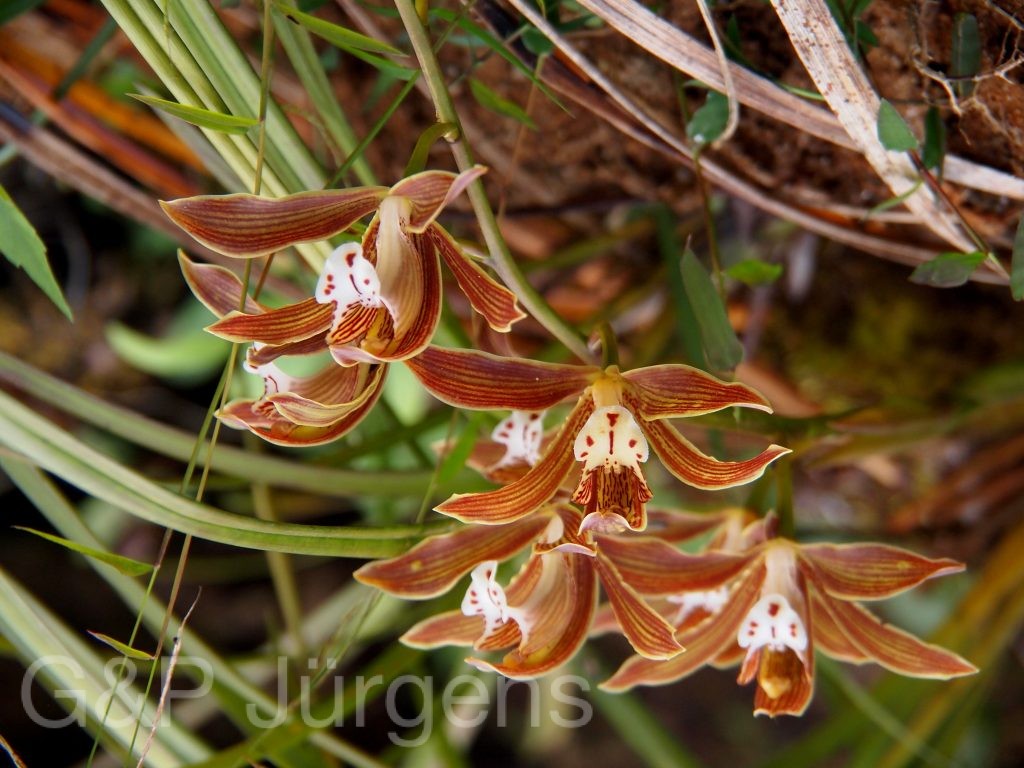
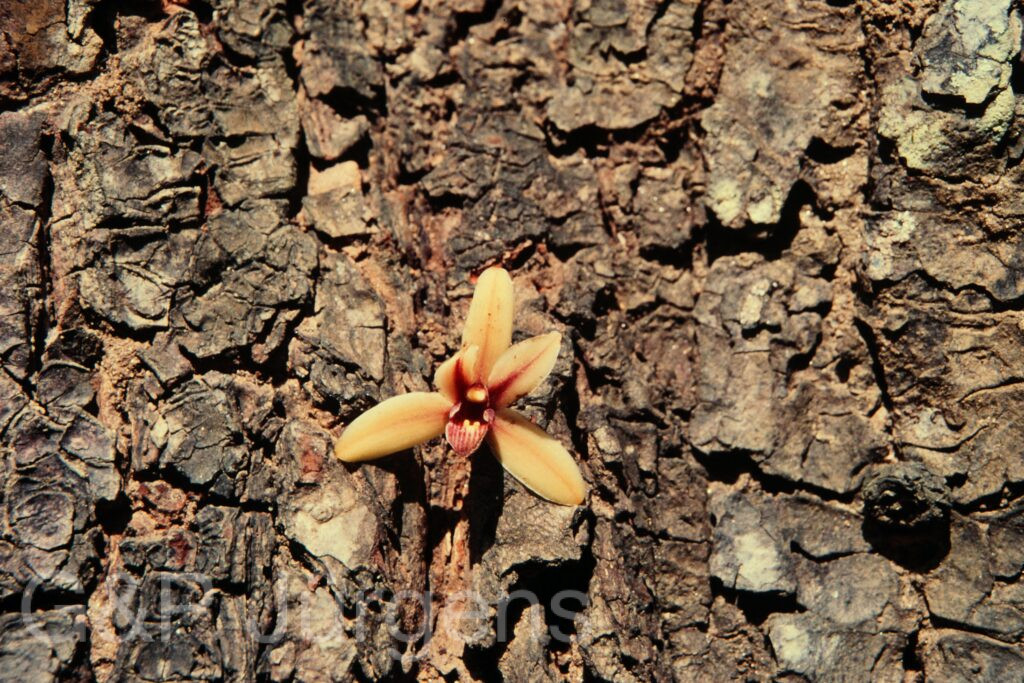
The species forms dense clumps of ovoid pseudobulbs largely concealed by leaf bases. The leaves are several, distichous, thick and rigidly coriaceous, linear-ligulate and unequally bilobed at the apex, recalling those of an Aloe and giving the species its epithet. The inflorescence is a long, pendulous raceme bearing numerous closely set flowers. The sepals and petals are similar, oblong, pale yellow to cream and marked with a broad central reddish-brown to maroon stripe; the three-lobed labellum echoes this colouring, with erect lateral lobes and a recurved mid-lobe, and bears two longitudinal keels on the disc. The stout column carries waxy pollinia, and the fruit is an ellipsoid capsule.
Cymbidium aloifolium belongs to the section of pendulous-racemed, drought-tolerant epiphytic species adapted to monsoonal climates, in which the rigid leaves and water-storing pseudobulbs buffer the long dry season. The flowers are bee-pollinated, and the species is much collected for horticulture and traditional medicine. Although still locally common, like all Cymbidium it is listed on CITES Appendix II to regulate international trade in wild plants.
Author: (L.) Sw. · Sources: POWO (Kew), GBIF, Flora of China, Flora of Bhutan, Flora of Nepal, The Genus Cymbidium (Du Puy & Cribb)