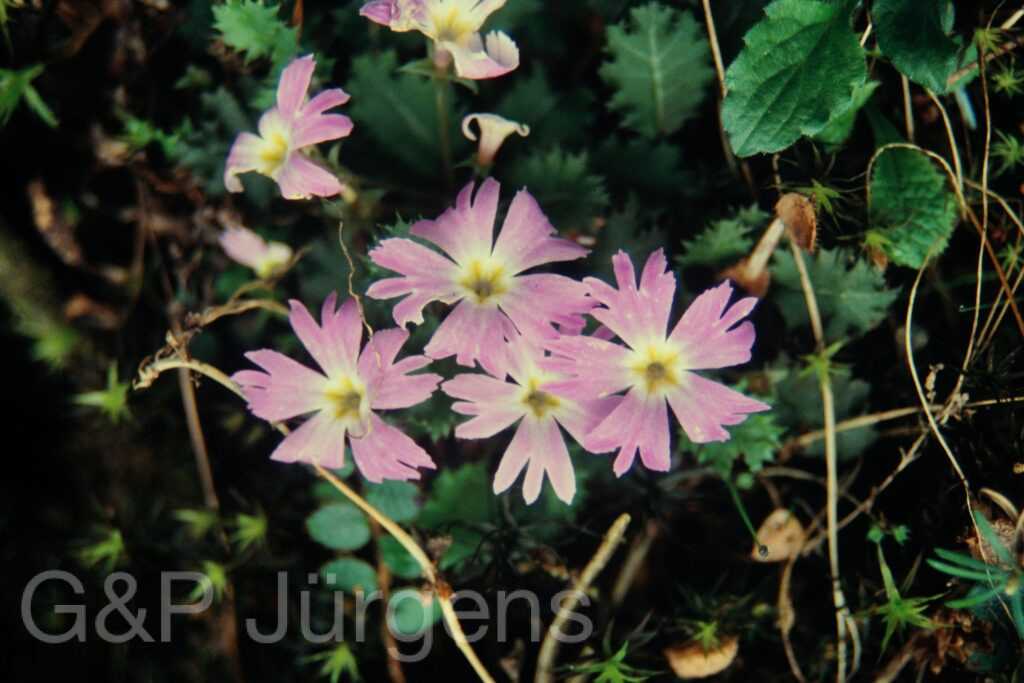
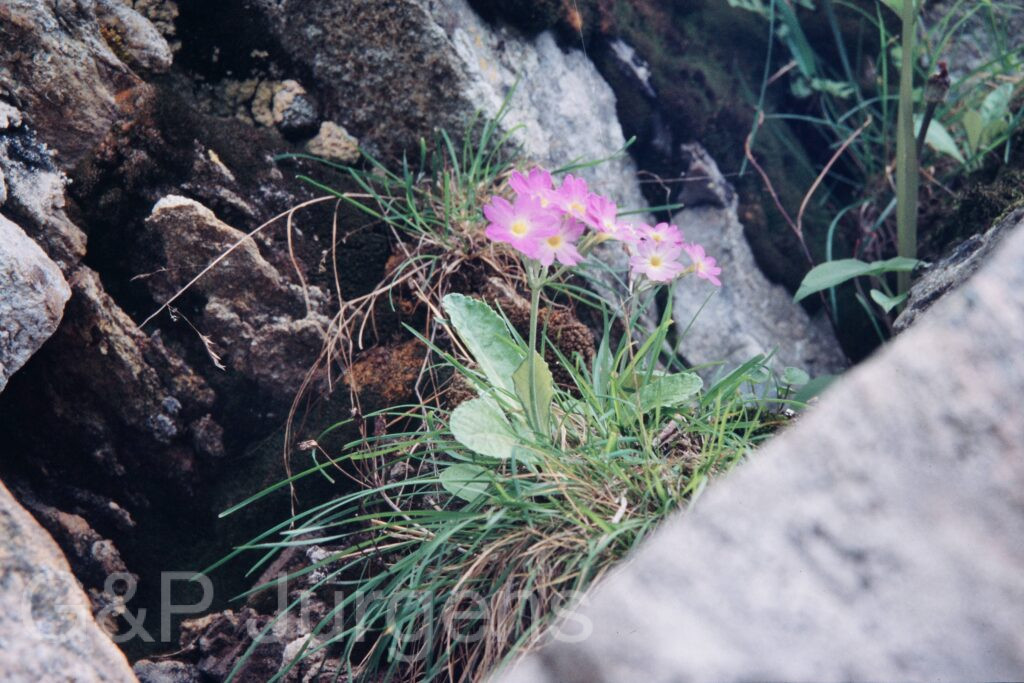
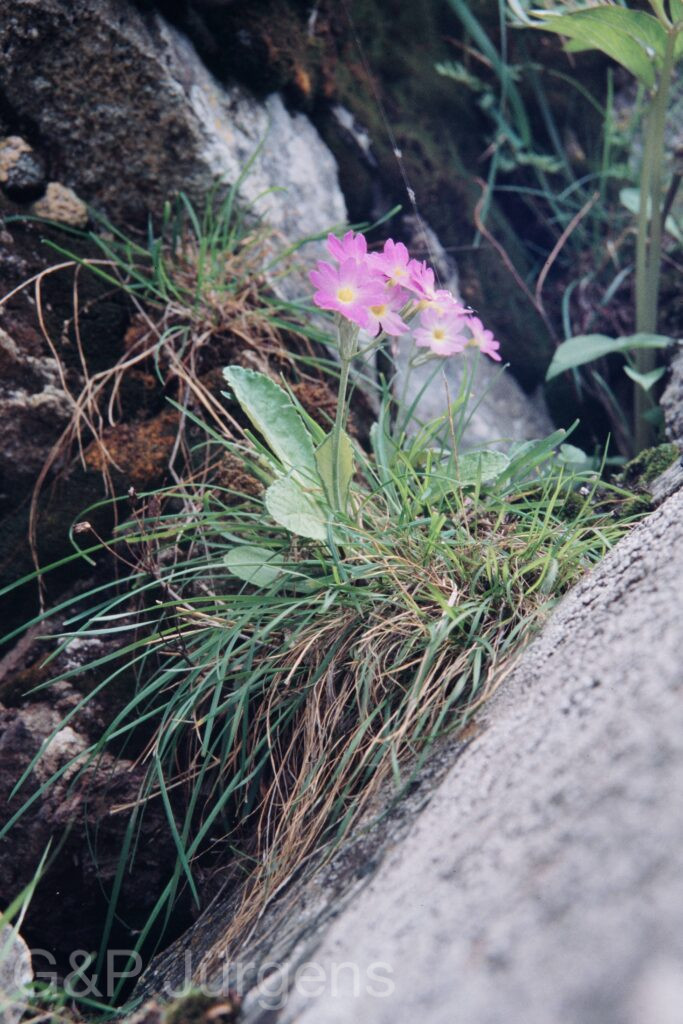
W. W. Sm.
Description
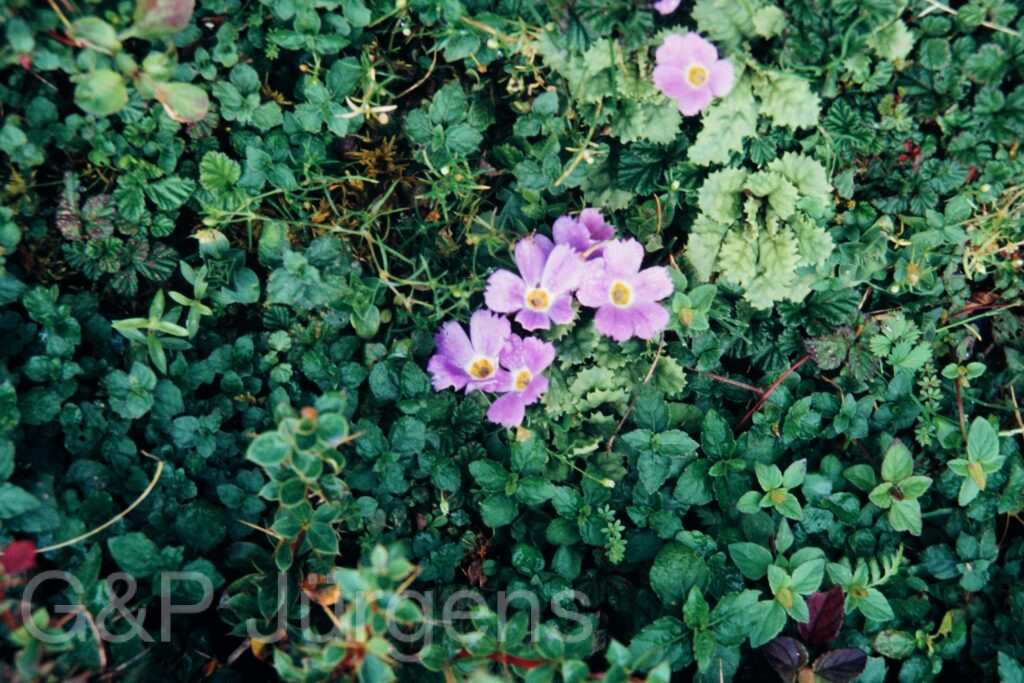
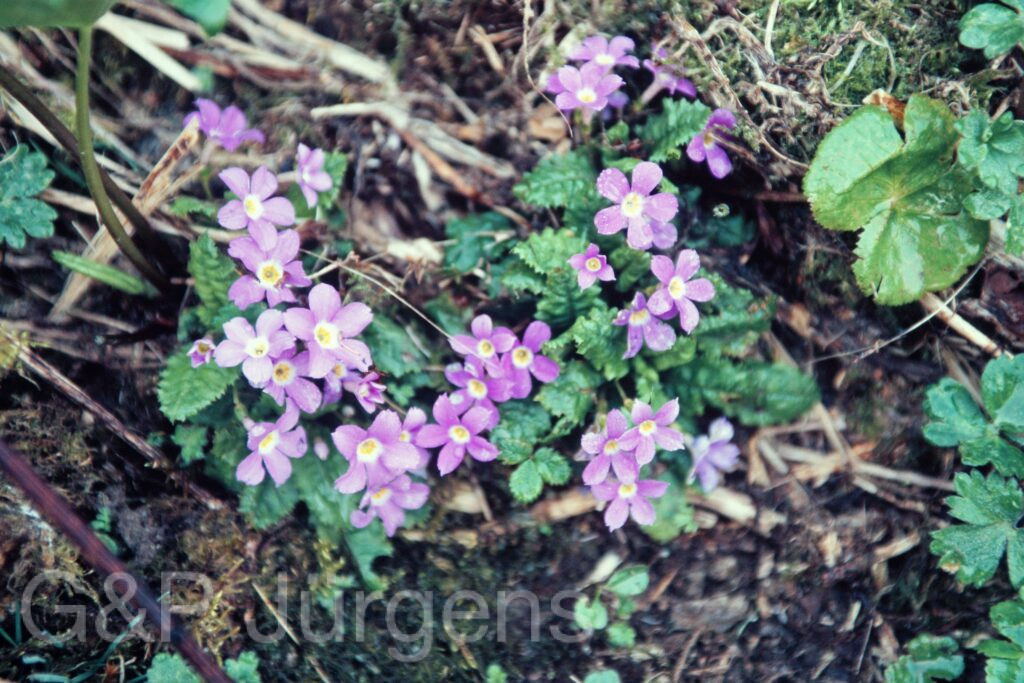
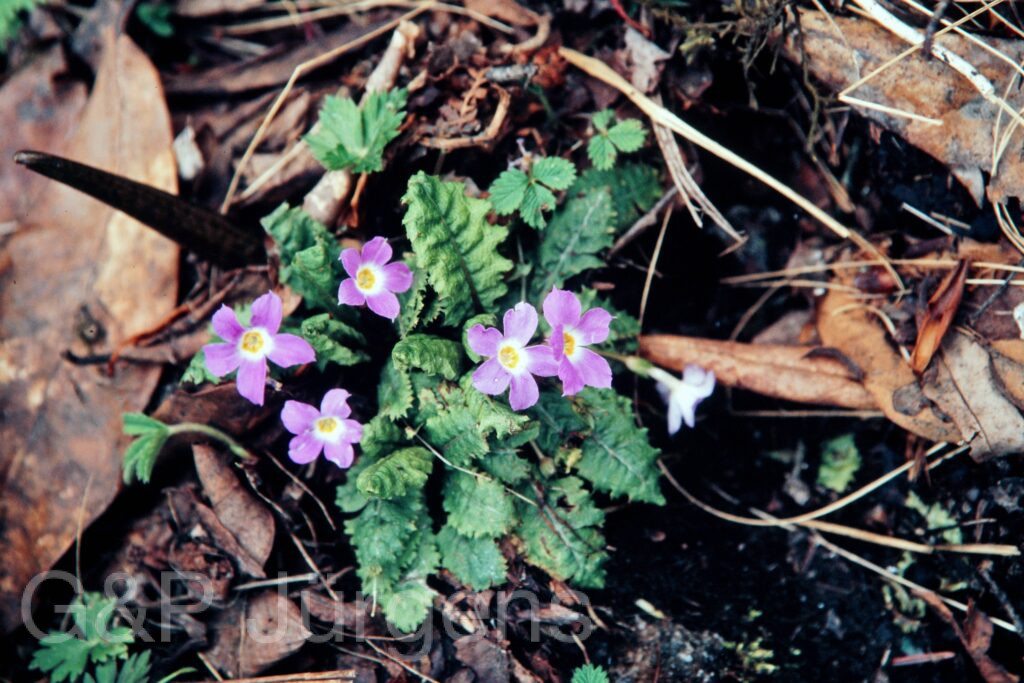
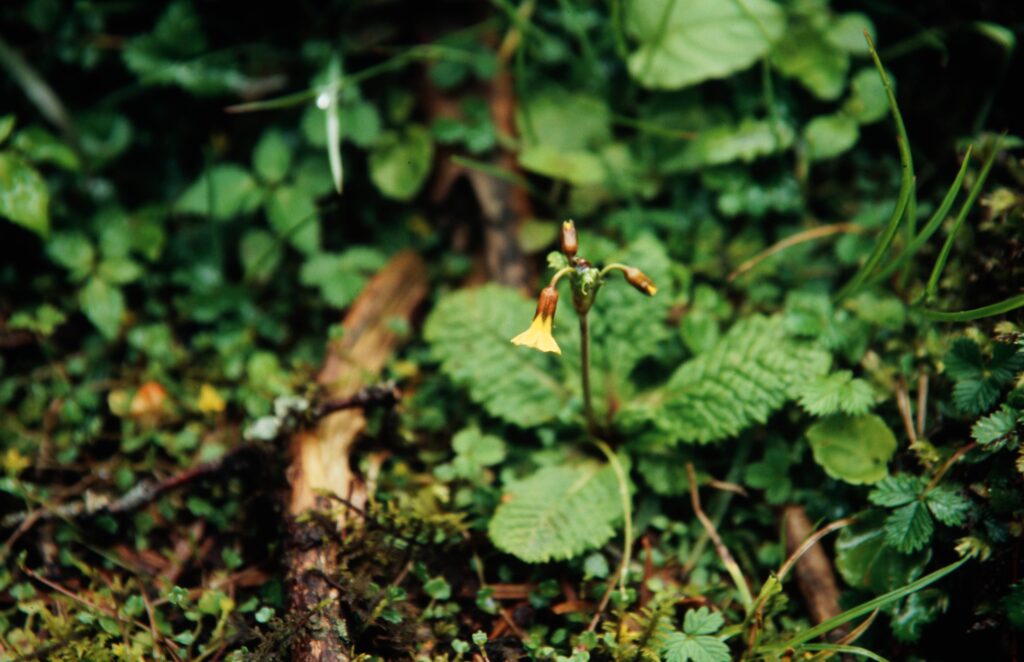
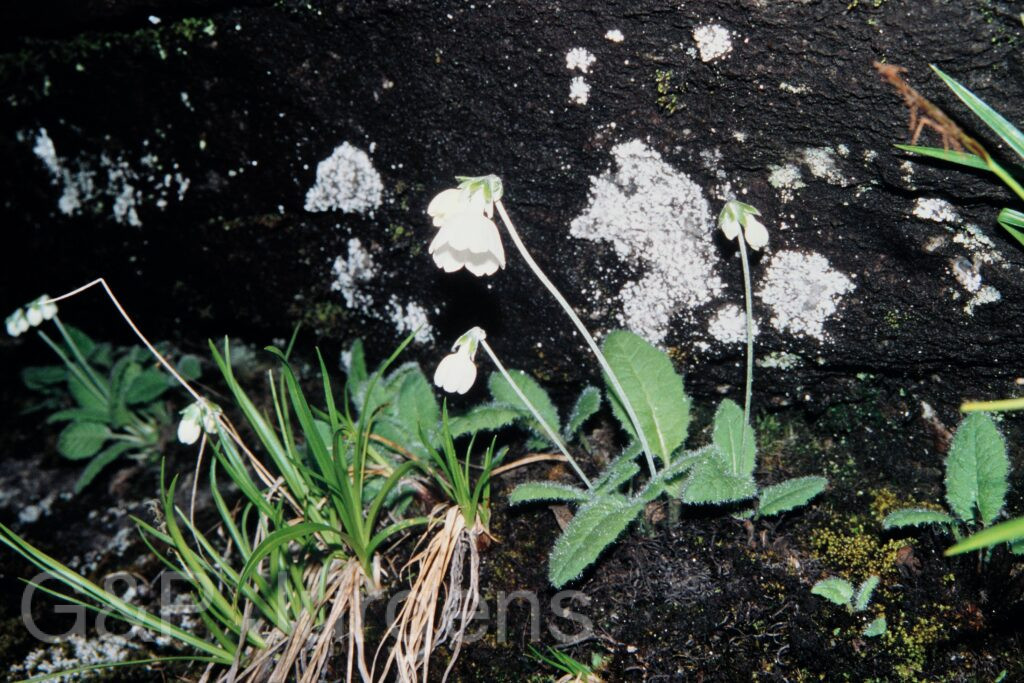
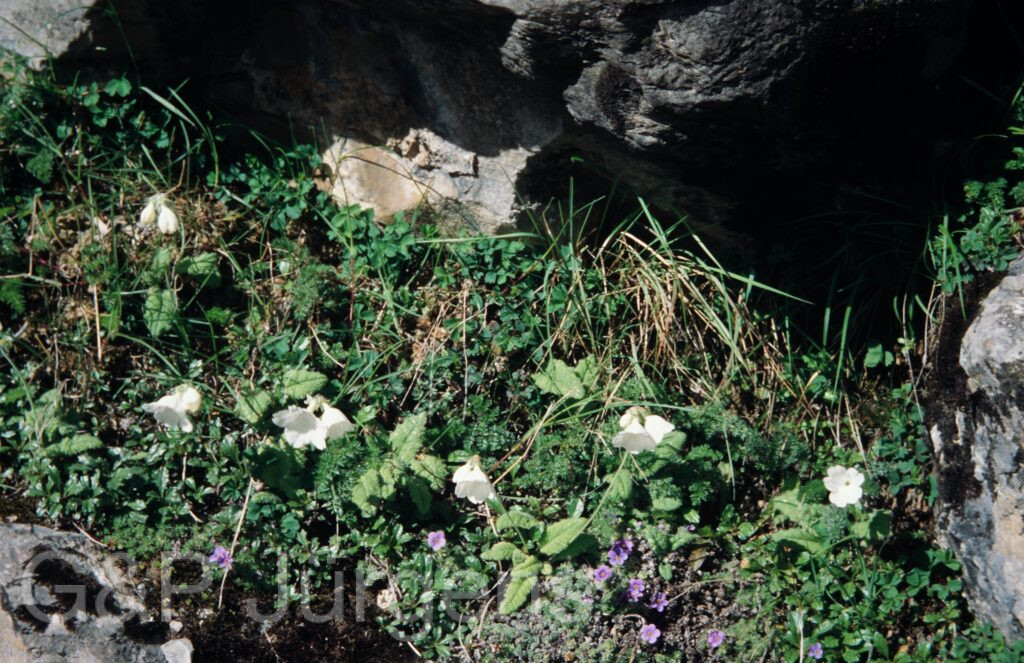
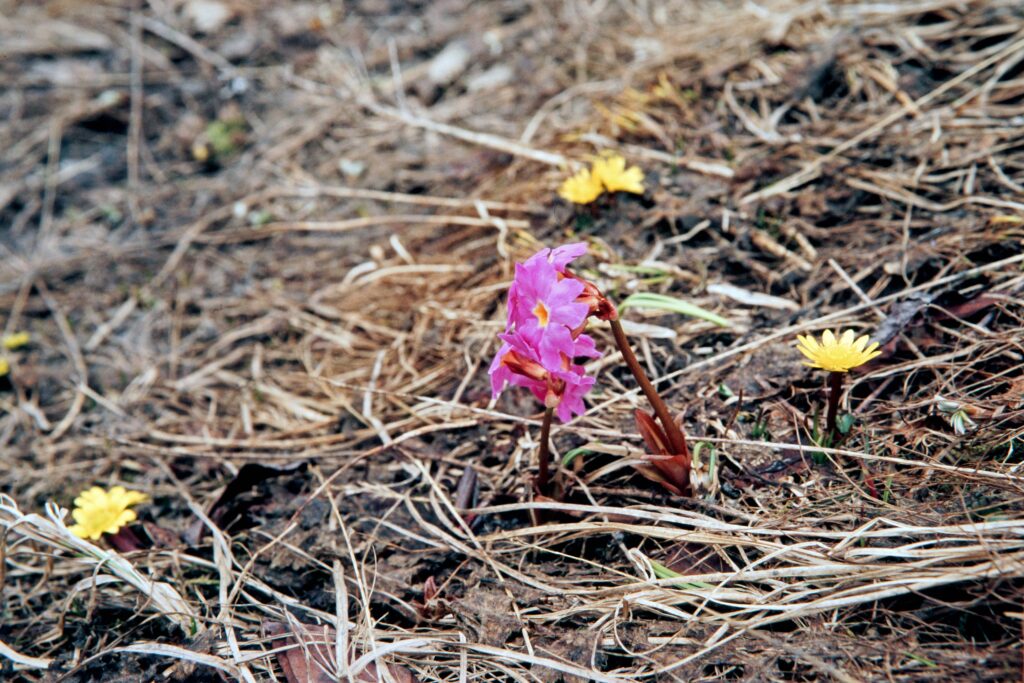
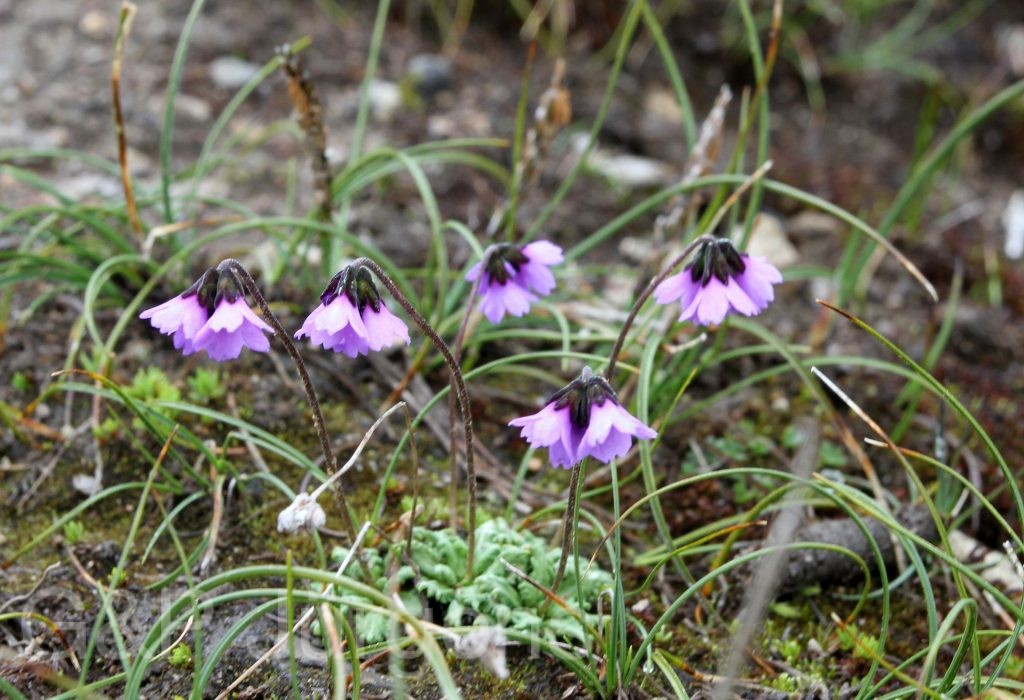
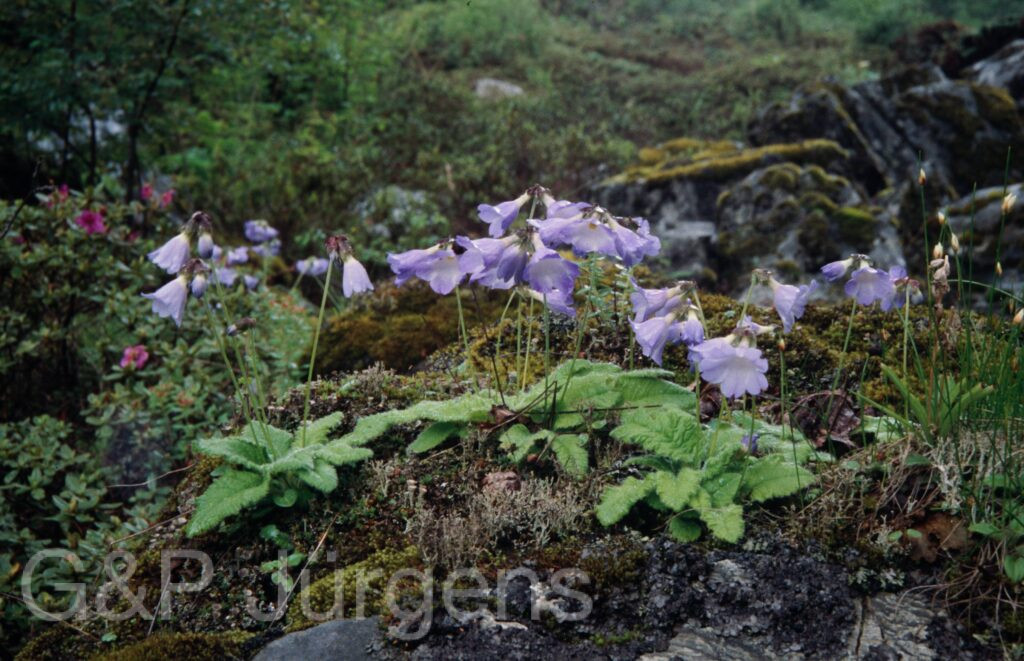
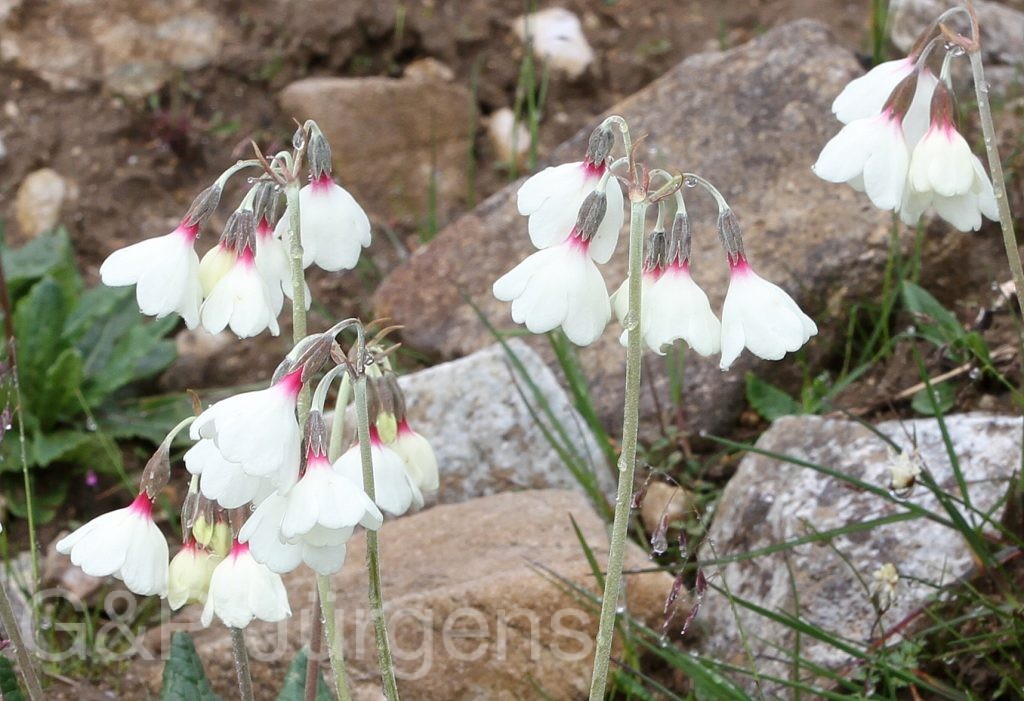
Primula obliqua W. W. Sm. is a robust alpine primrose of the eastern Himalaya, recorded by GBIF from Nepal, India, Bhutan and China across some 183 occurrences. It is a plant of the upper alpine zone, growing on cool, humid open slopes, rocky meadows, moraine and the margins of melting snow patches, generally between 3800 and 4800 m. The plant photographed at Jule-Tso in Bhutan at about 4300 m in June, when the snow has just retreated, illustrates its preference for high, well-watered sites where it flowers early in the short alpine summer.
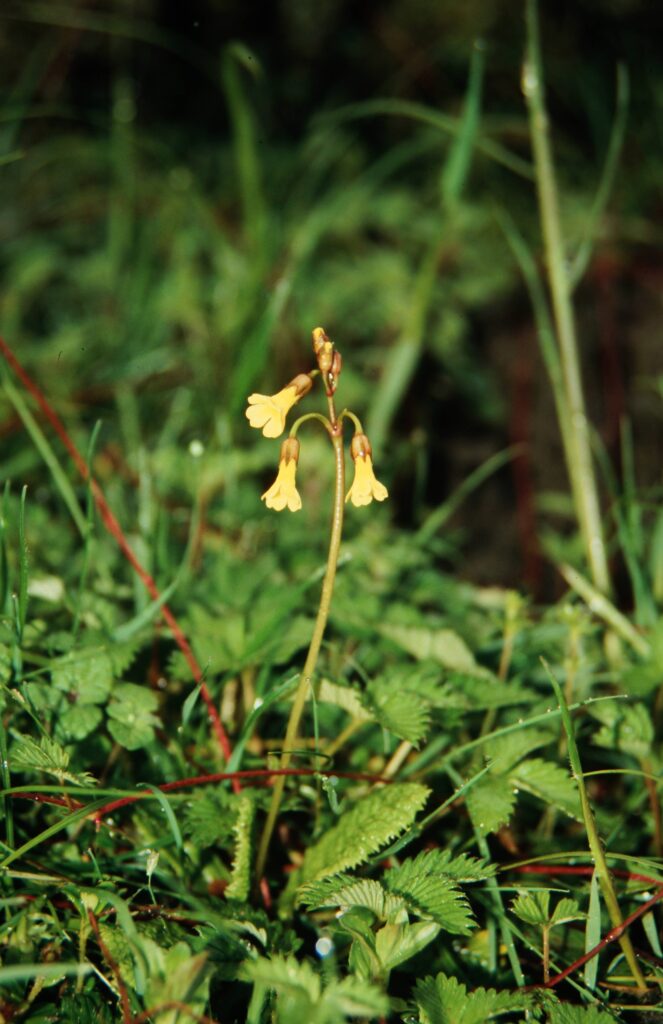
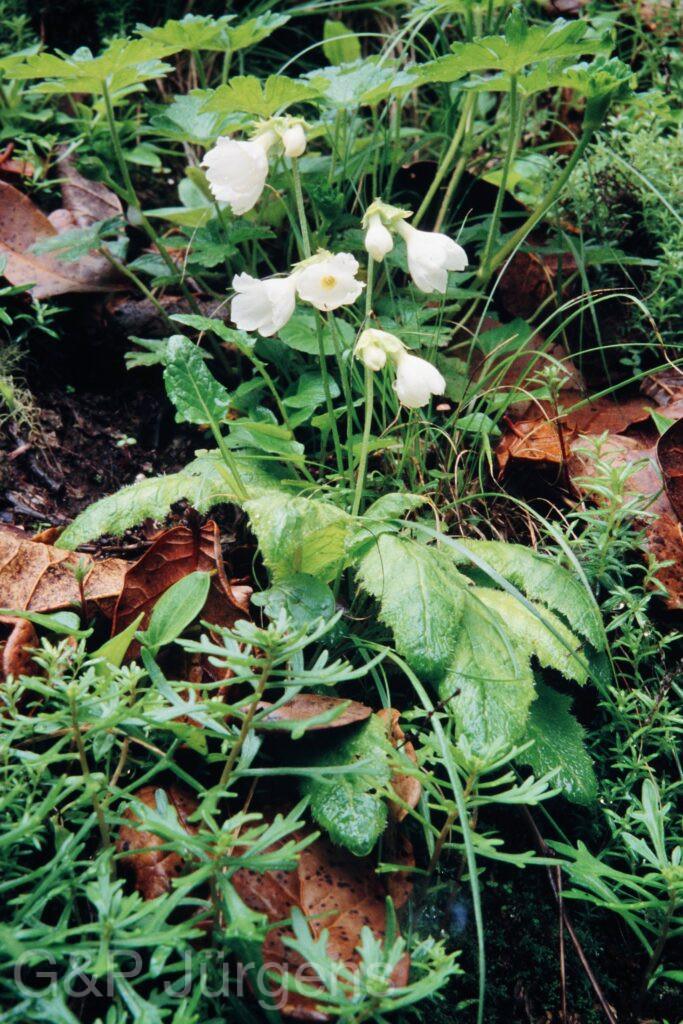
The species forms a stout perennial rosette of large, oblong to oblanceolate leaves that are somewhat fleshy and conspicuously dusted, especially when young, with pale yellowish or whitish farina on the undersurface and stem. The leaves taper to a broadly winged petiole and have finely toothed margins. From the centre rises a stout scape bearing an umbel of several nodding flowers; the corolla is broadly campanulate, pale yellow to cream or greenish-yellow, with a short tube and spreading lobes, and the calyx and pedicels are mealy. The flowers are heterostylous, and the fruit is a capsule shorter than to about equalling the calyx.
Primula obliqua is classified in section Crystallophlomis (Nivales), a group of large-flowered, often farinose high-alpine primulas centred on the Sino-Himalayan mountains. It is distinguished within the section by its drooping, pale yellowish, mealy flowers. With a restricted but apparently stable range in remote high terrain, it is not currently regarded as threatened, though as a snow-bed and high-alpine specialist it is potentially vulnerable to climate-driven changes in snow cover. It exemplifies the rich endemic radiation of Primula along the eastern Himalayan arc.
Author: W. W. Sm. · Sources: POWO (Kew), GBIF, Flora of Bhutan, Flora of China, Richards monograph Primula