Craib
Description
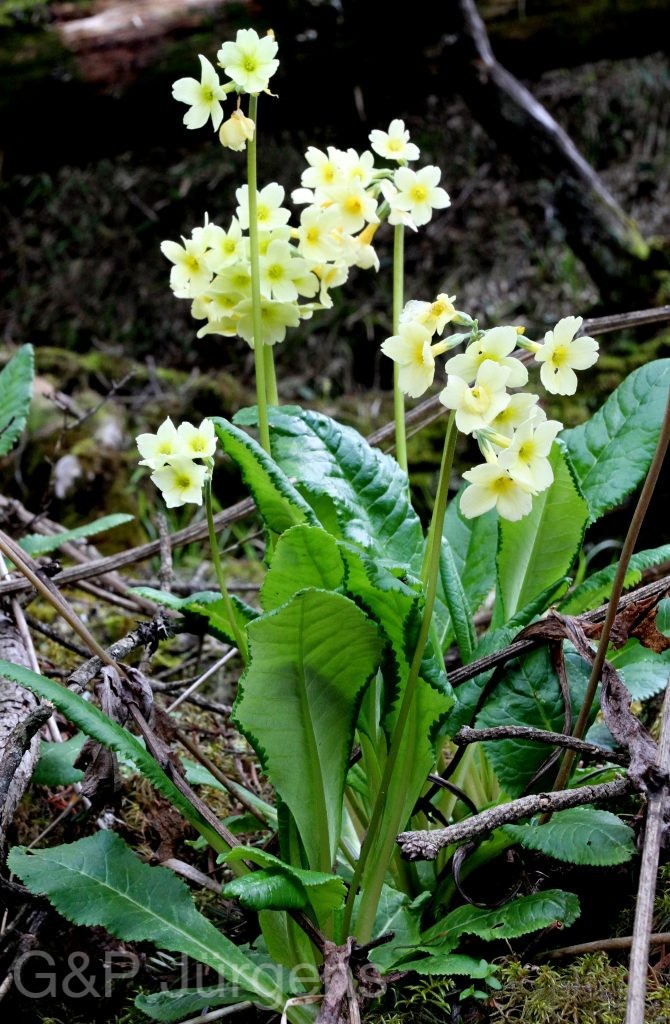
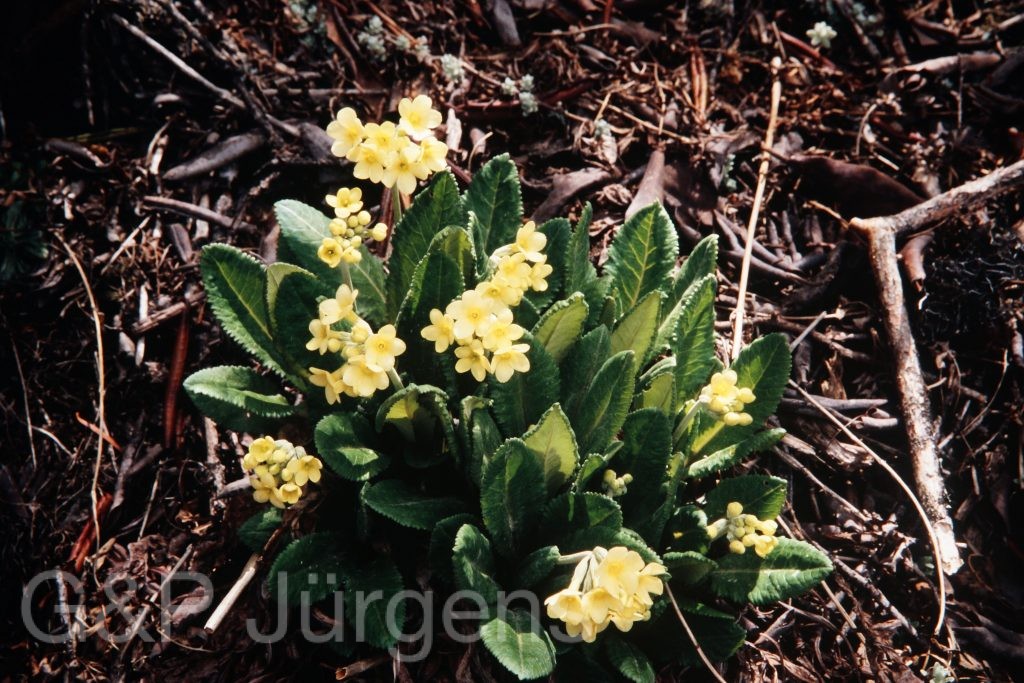
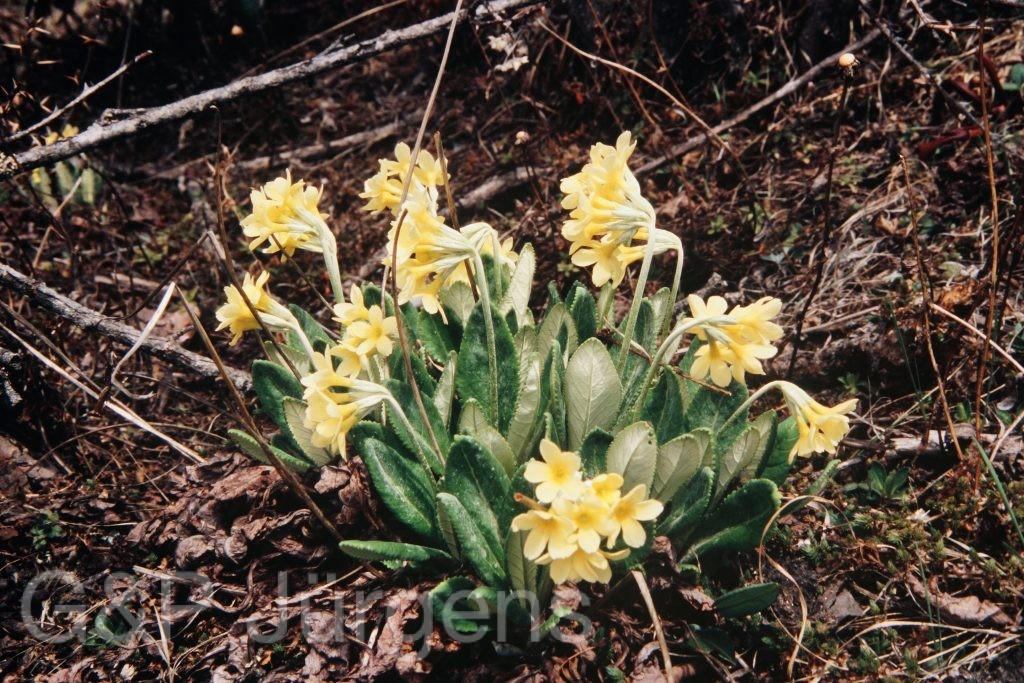
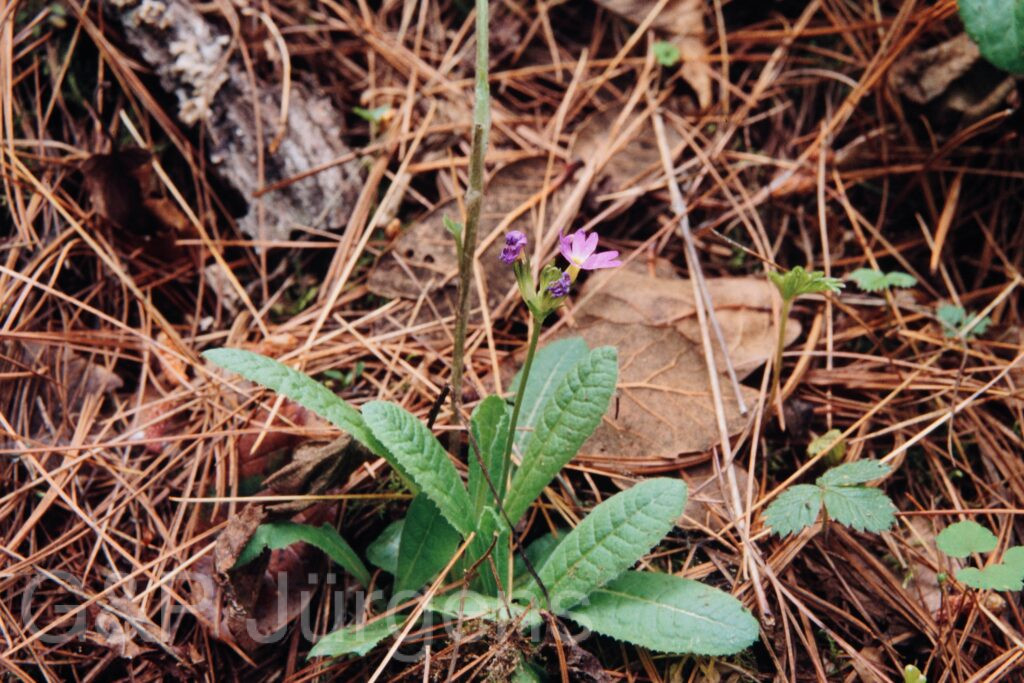
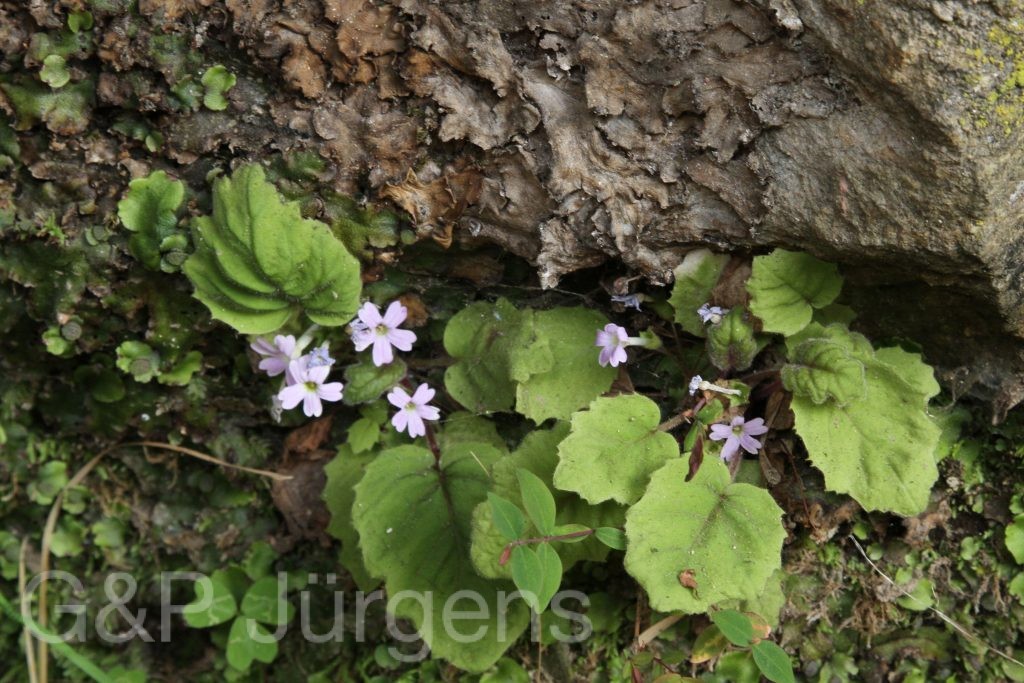
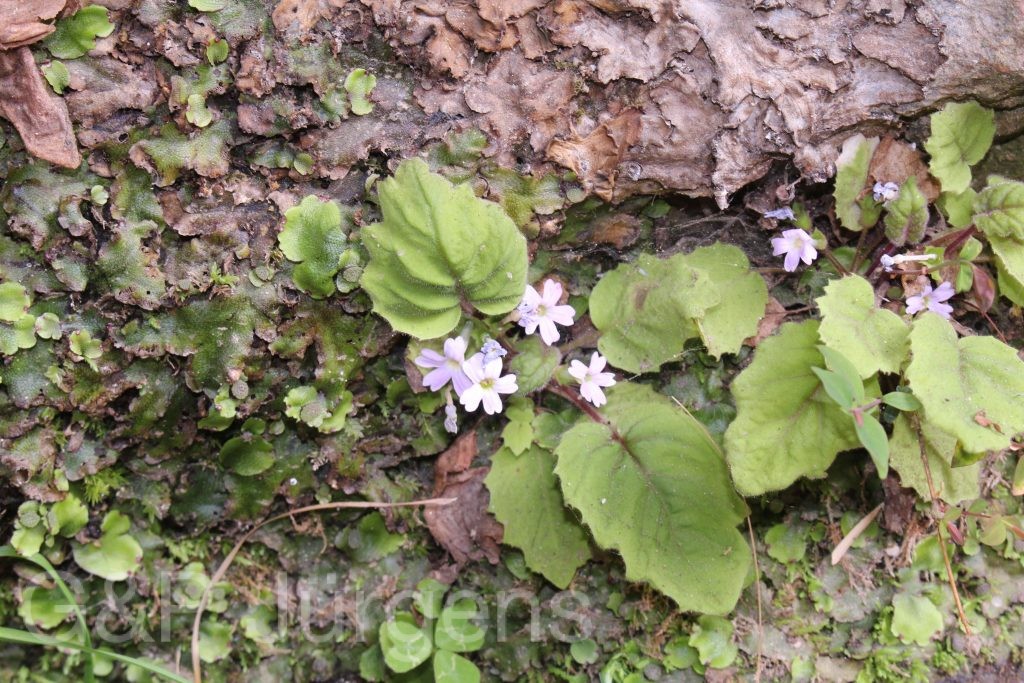
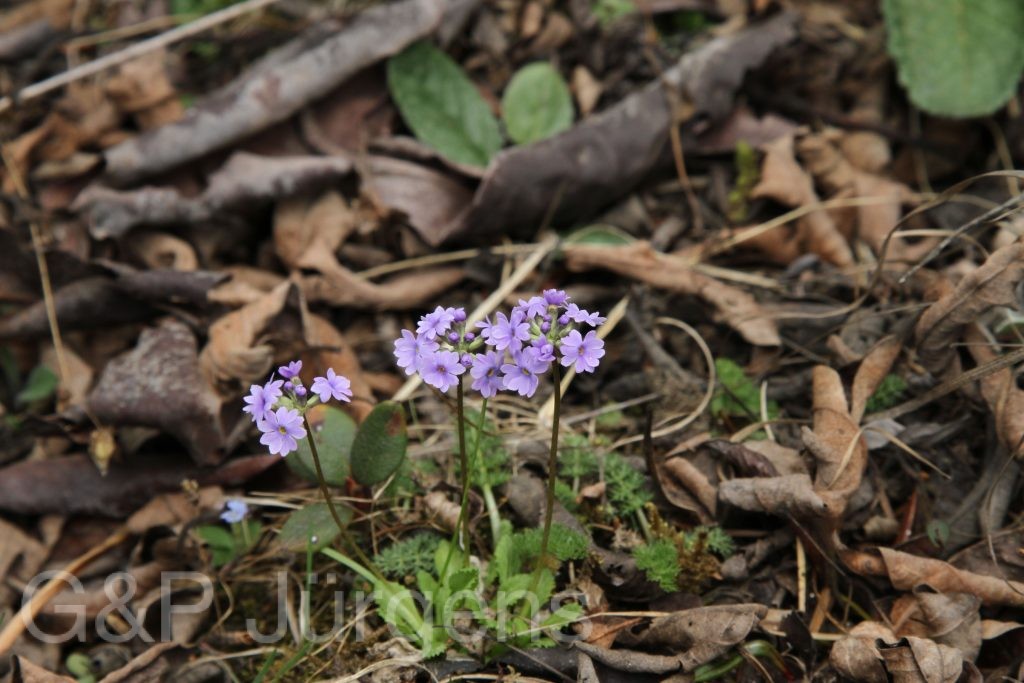
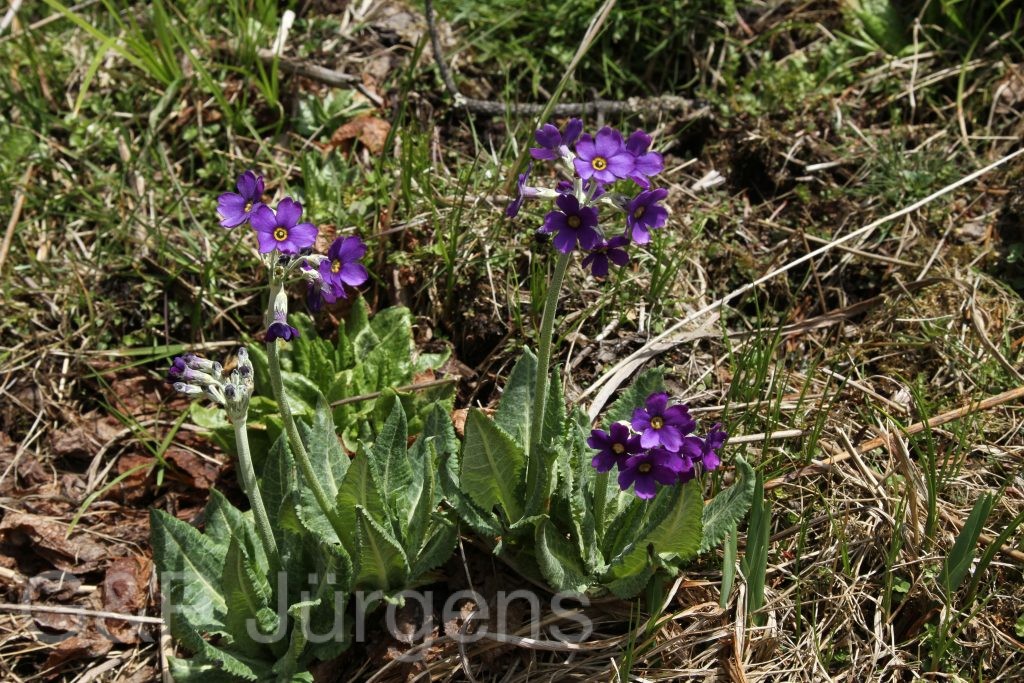
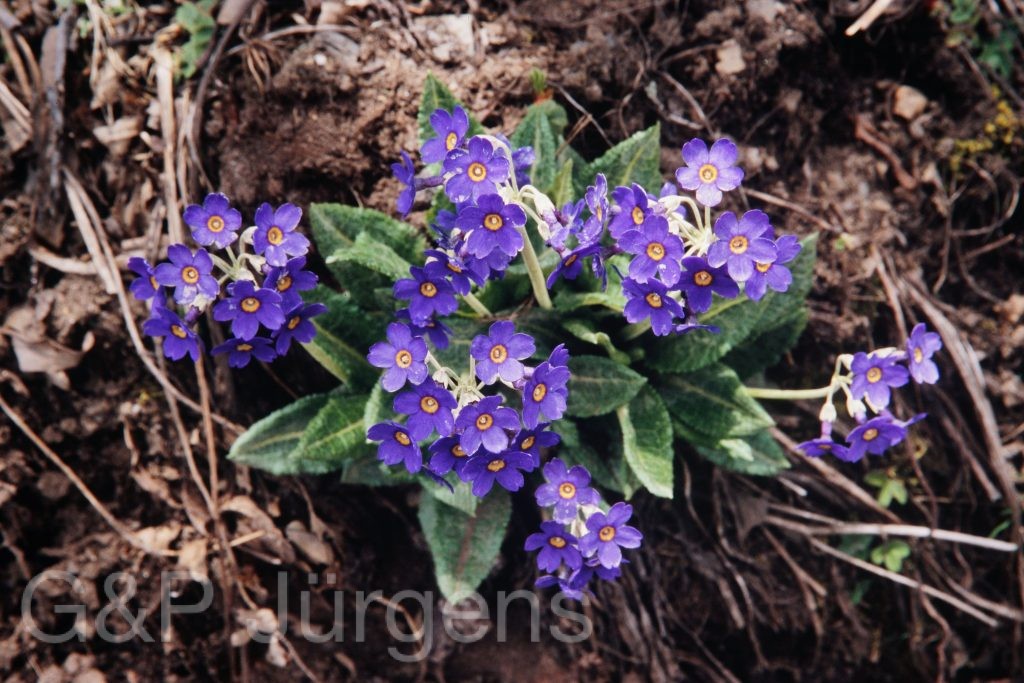
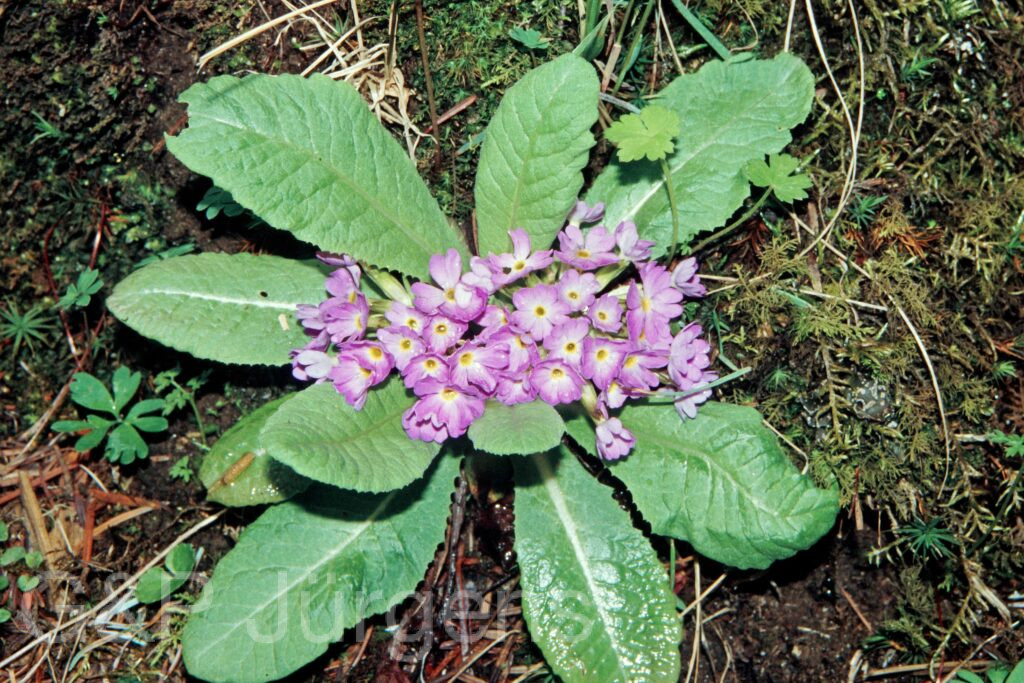
Primula drummondiana is a narrowly distributed Himalayan primrose confined to the central and western Himalaya, with GBIF records from India, Nepal and Bhutan totalling only about 37 collections, reflecting both its restricted range and limited herbarium representation. It grows on damp alpine and subalpine slopes, moist rock ledges, snow-melt flushes and grassy stream margins, generally between 3000 and 4000 m. The plant photographed at Churta-Khola in west Nepal at 3250 m in June, flowering soon after snowmelt, illustrates its dependence on cool, moisture-retentive ground in the brief Himalayan growing season.
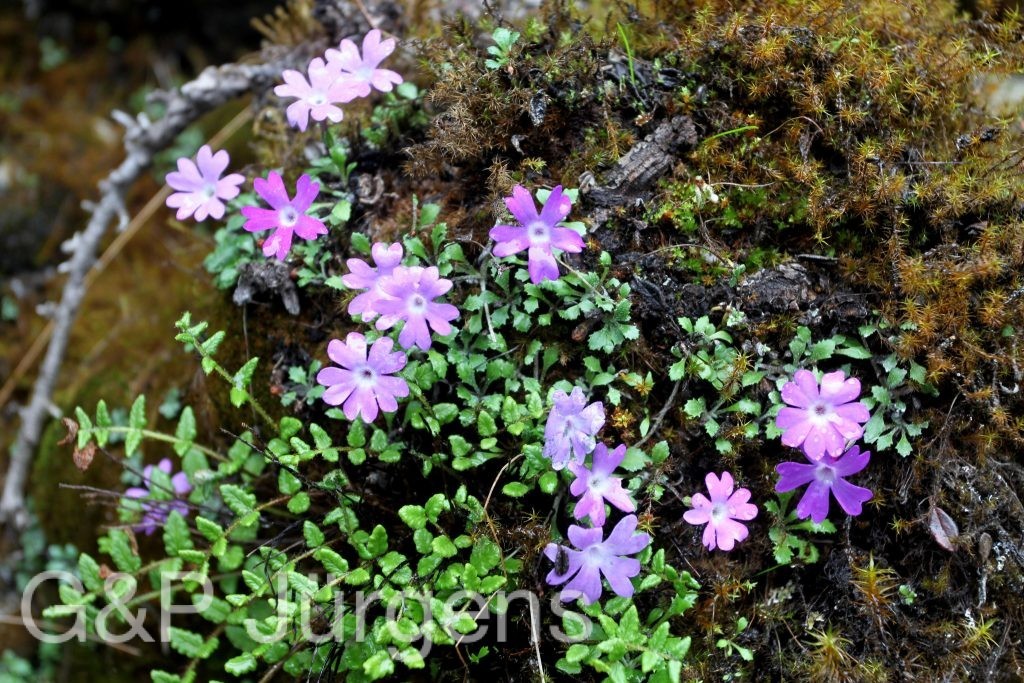
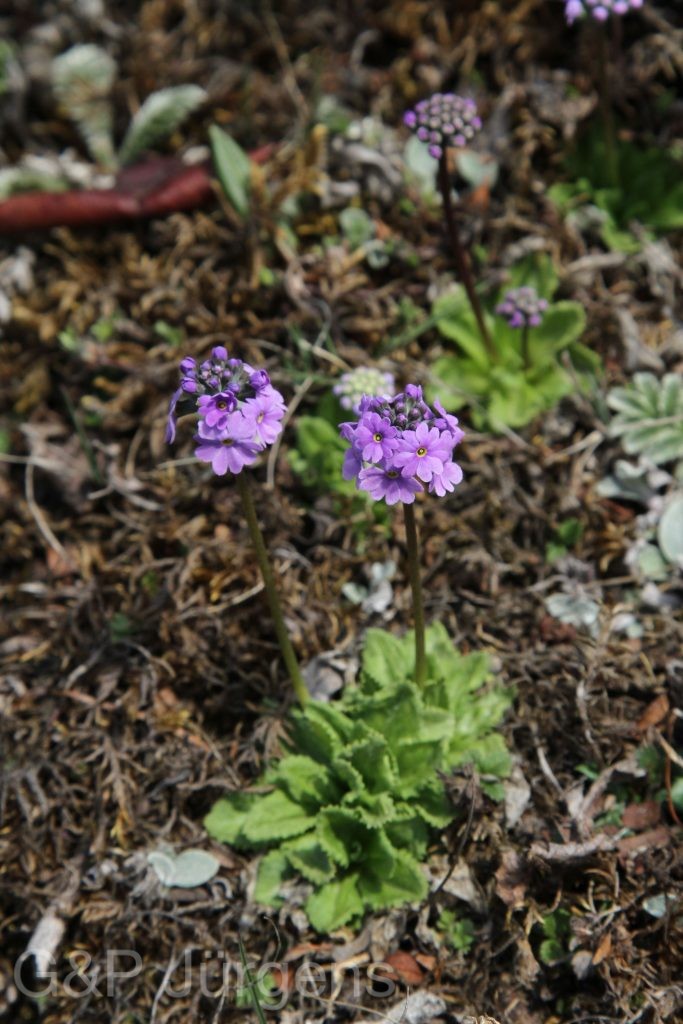
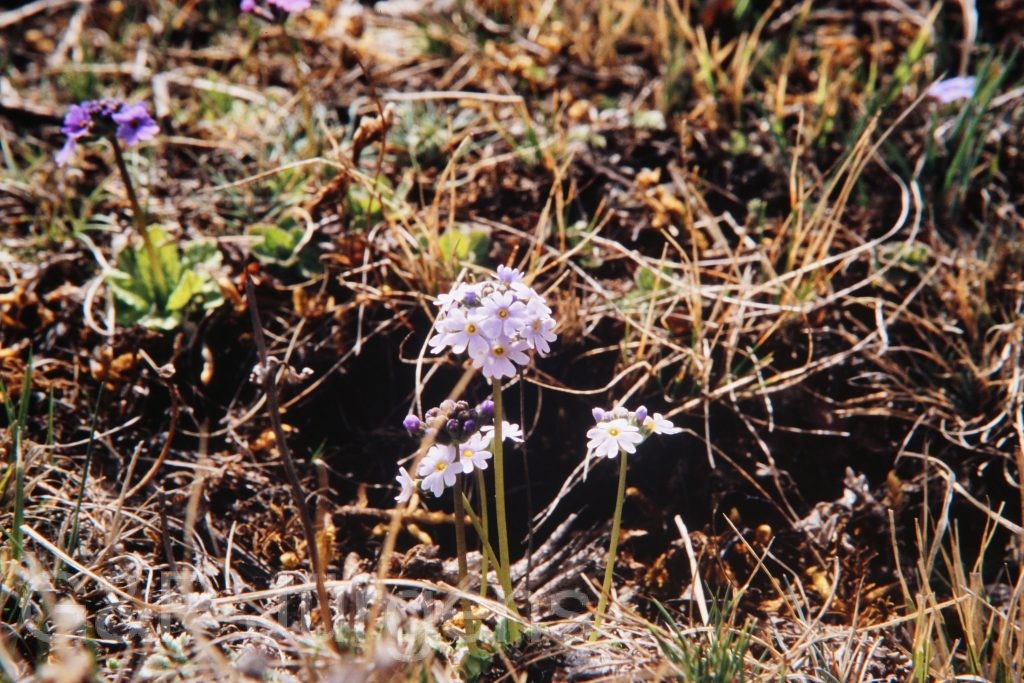
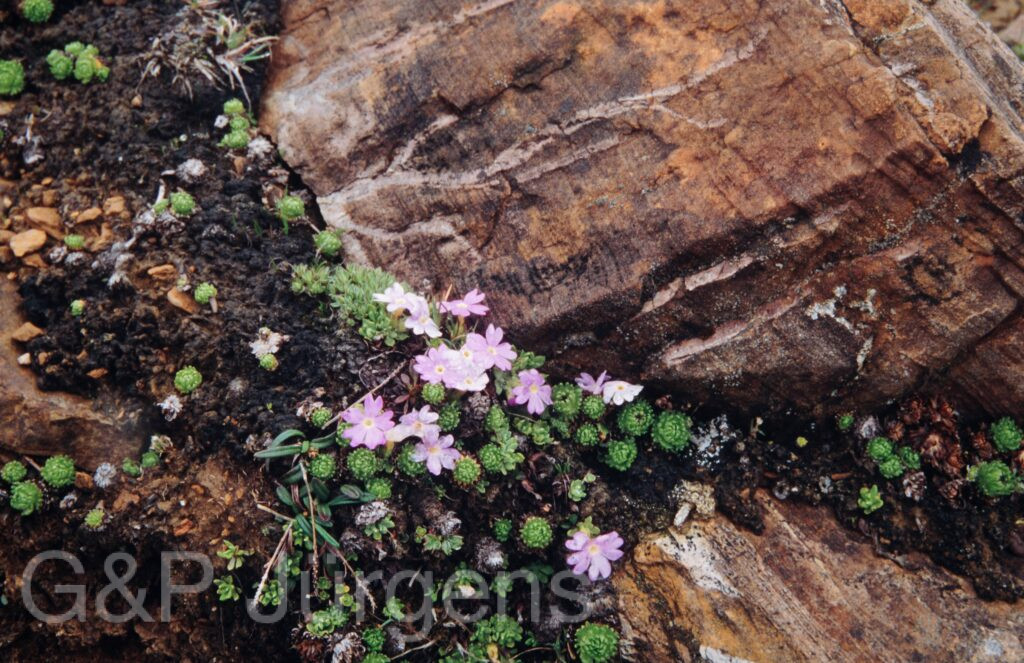
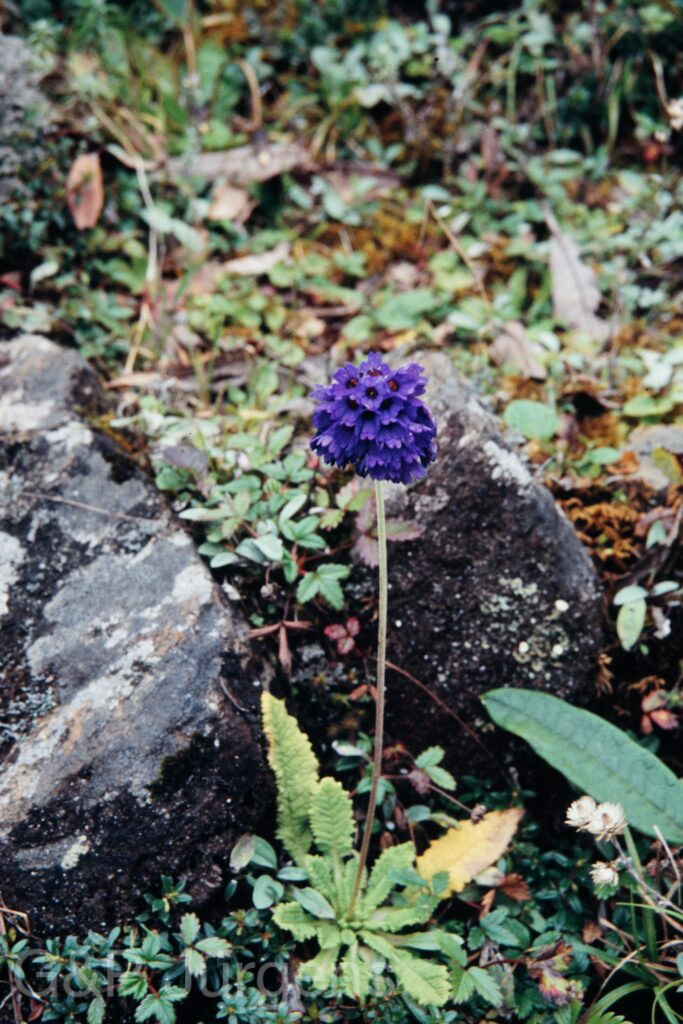
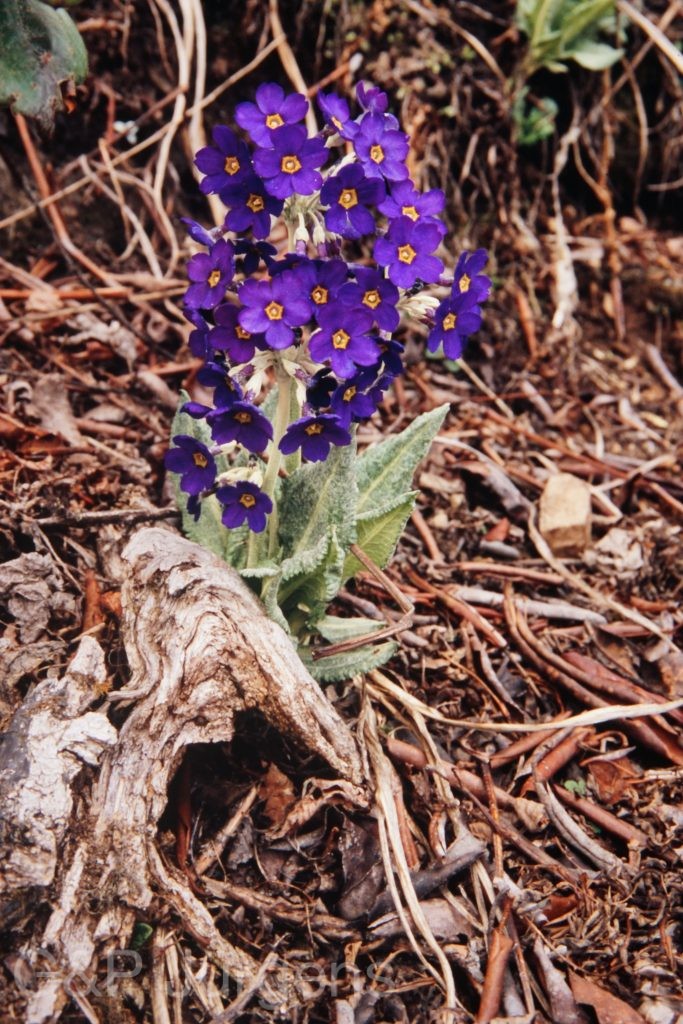
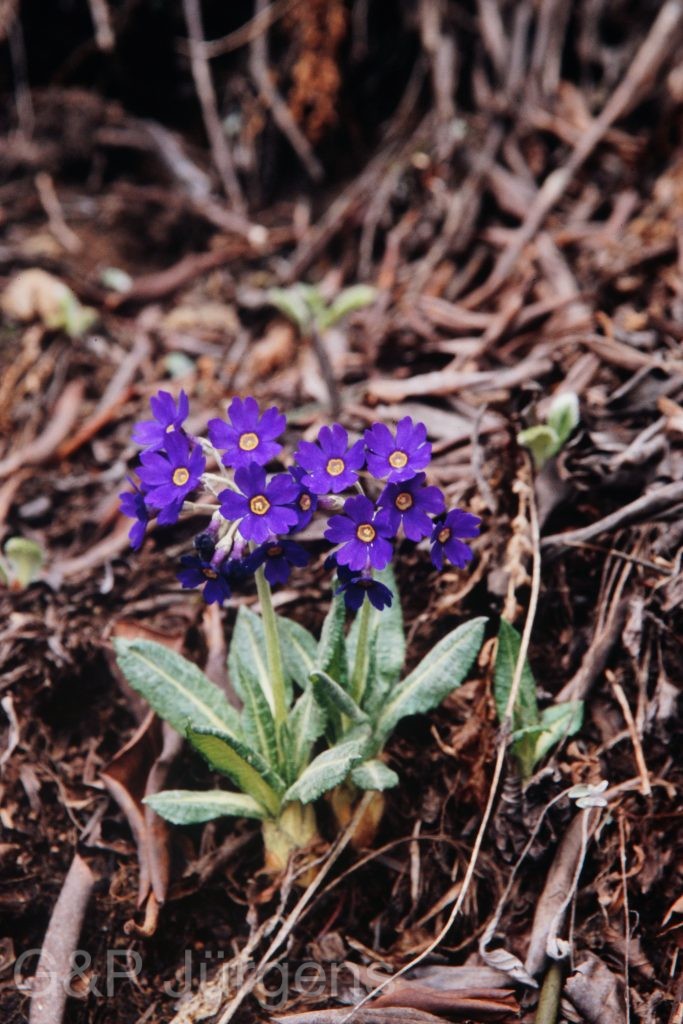
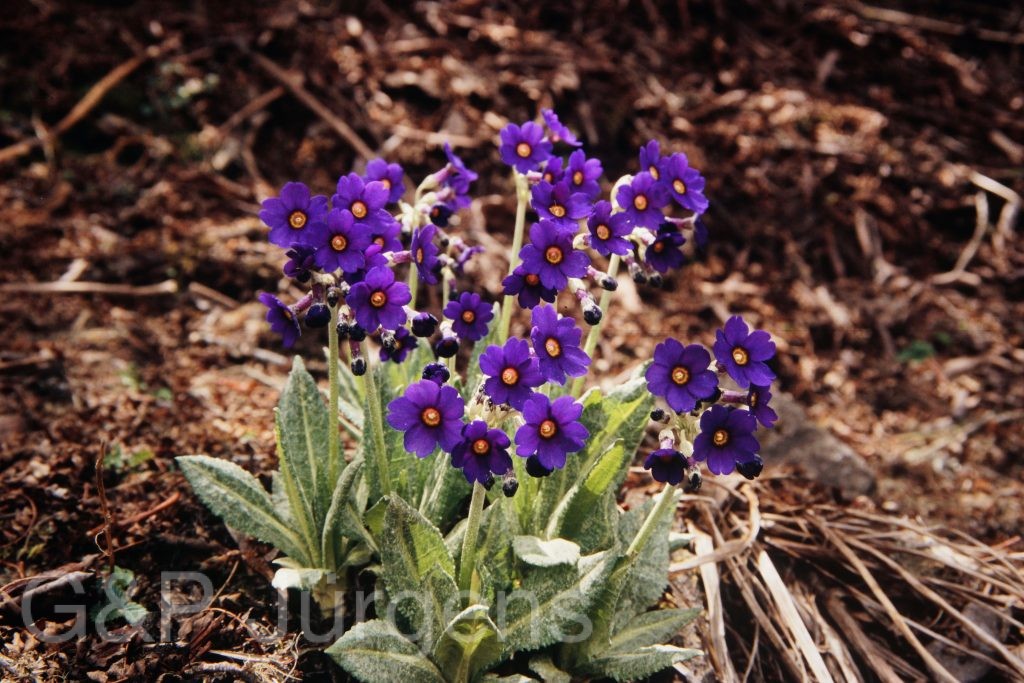
It is a small rosette-forming perennial herb. The leaves are obovate to oblong-spathulate, narrowed to a winged petiole, with a crenate-dentate margin and frequently a farinose (mealy white) coating on the undersurface, as is characteristic of many farinose-section primulas. The flowers are borne in a terminal umbel on a slender scape overtopping the foliage; the corolla is salver-shaped with a narrow tube and spreading, notched lobes, typically violet to pinkish-purple with a contrasting yellow or whitish eye. Plants are heterostylous, producing pin and thrum morphs, and the fruit is a small capsule dehiscing to release numerous minute seeds.
The genus Primula reaches its greatest diversity in the Sino-Himalayan mountains, and P. drummondiana belongs to the farinose-leaved alliance whose members are taxonomically intricate and often distinguished by subtle leaf, farina and corolla characters. Heterostyly enforces outcrossing in these alpine populations. Its small known range and few documented sites mean the species merits conservation attention, as such restricted-range alpine primulas are particularly sensitive to warming and grazing pressure on high pastures.
Author: Craib · Sources: POWO (Kew), GBIF, Annotated Checklist of the Flowering Plants of Nepal, Flora of Bhutan, Smith & Fletcher revision of Primula, The Genus Primula (Richards)