Sm.
Description
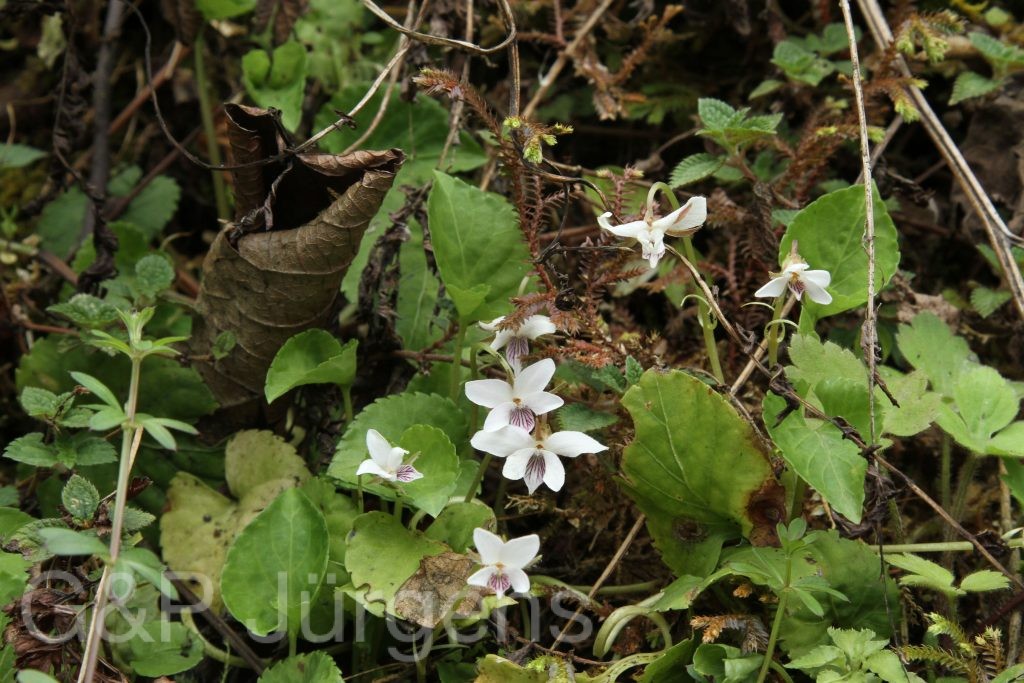
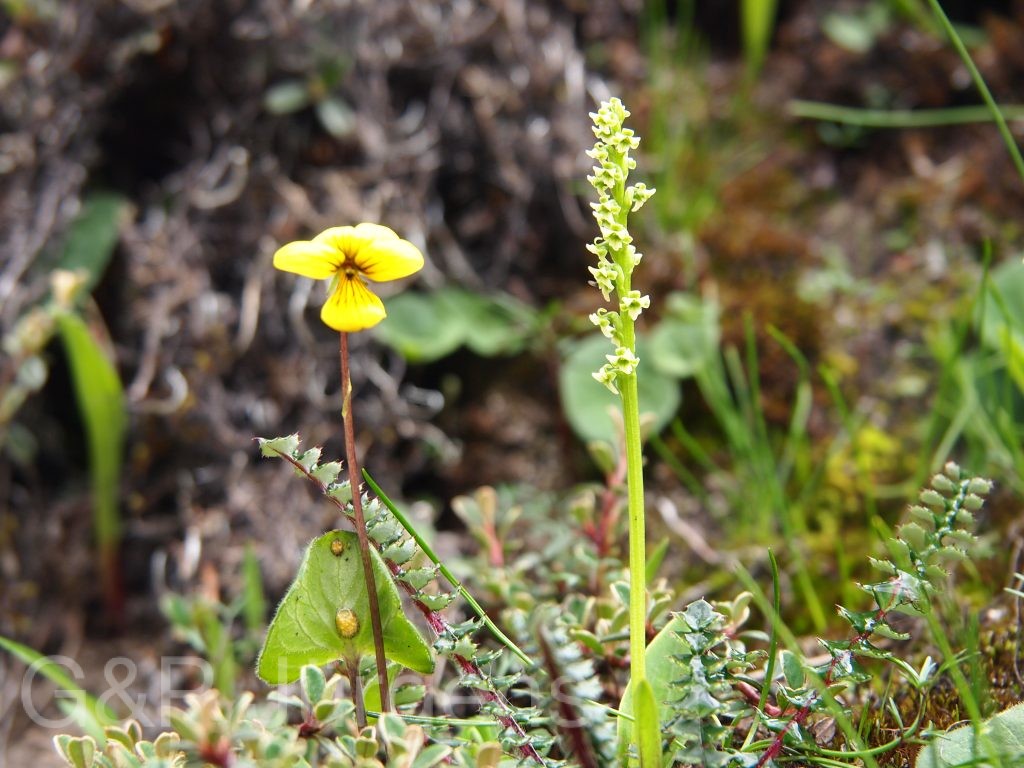
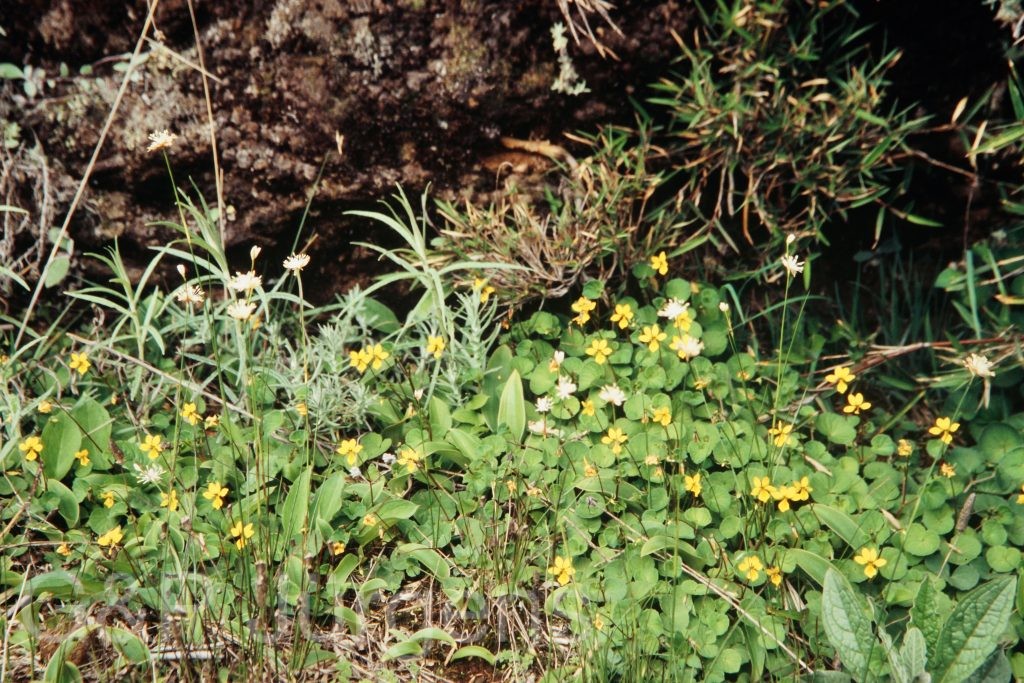
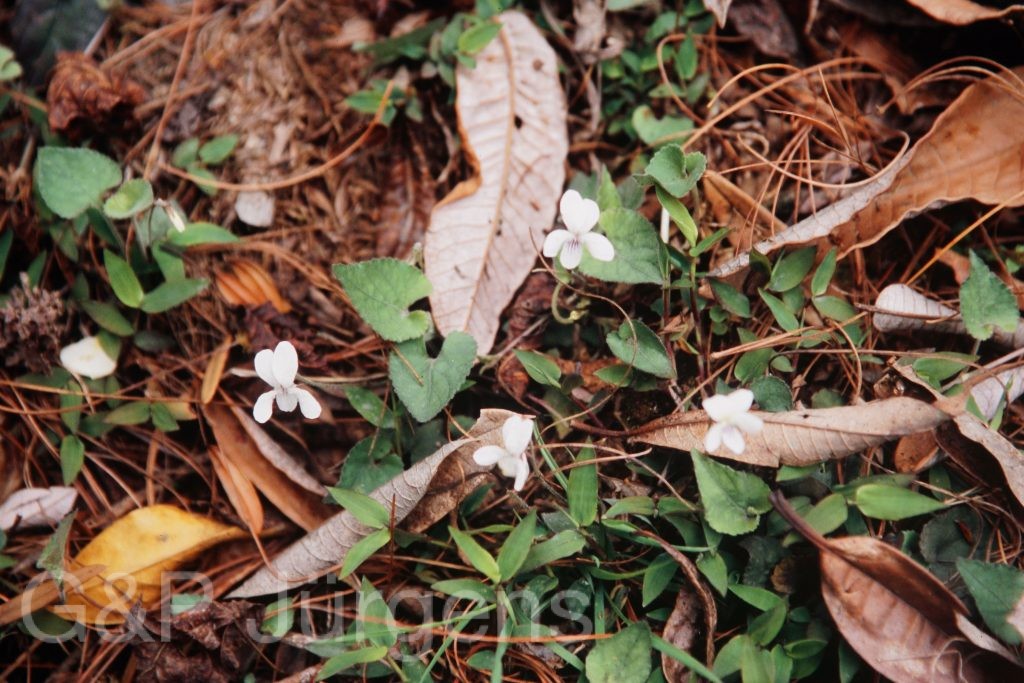
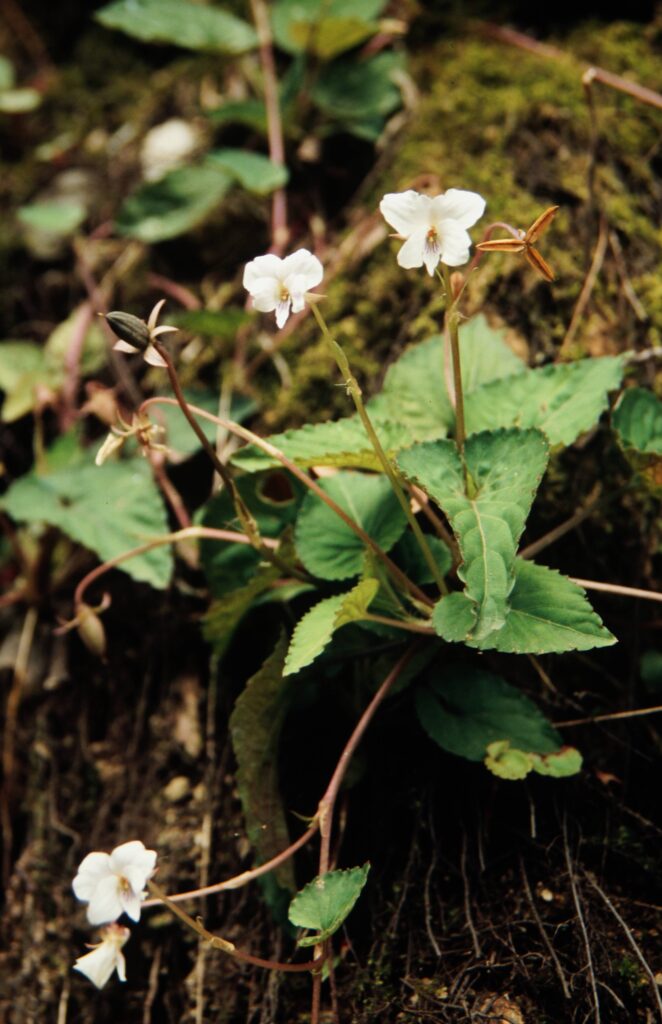
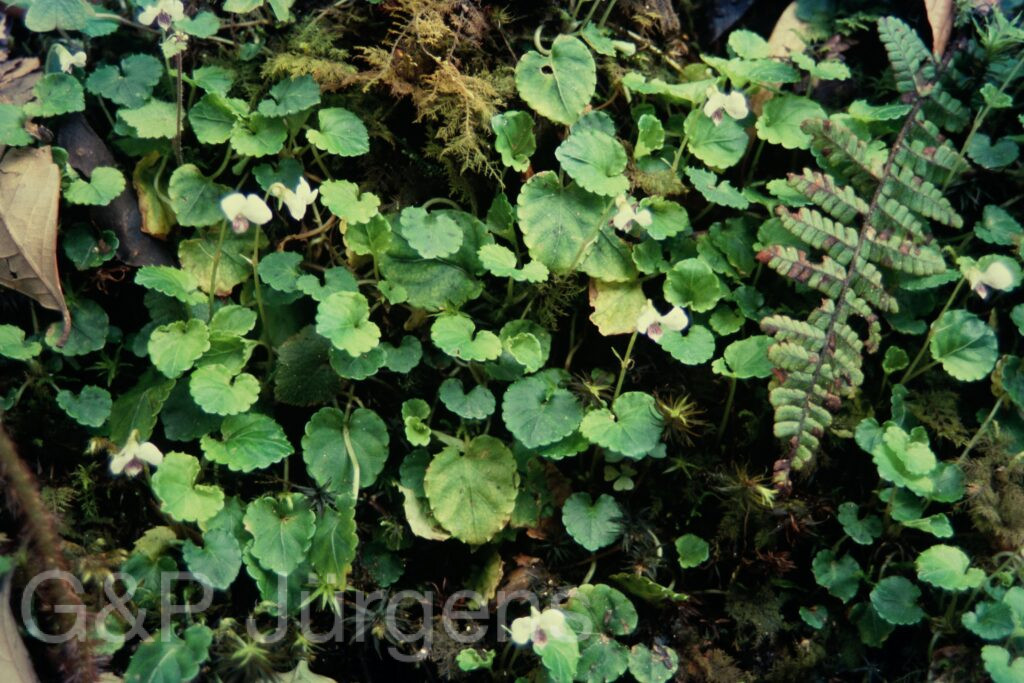
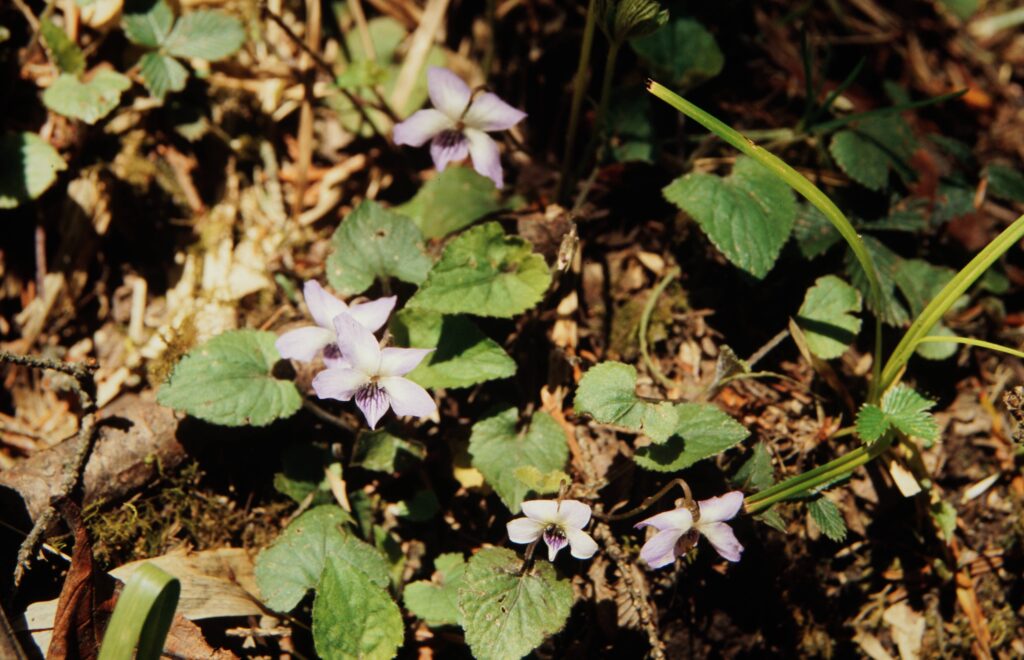
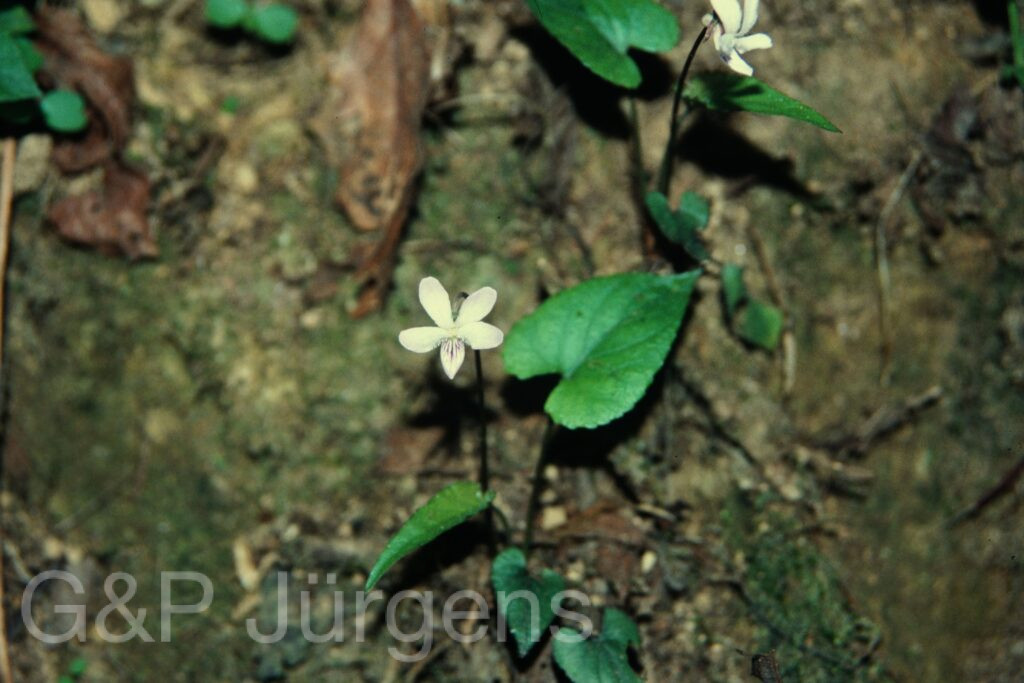
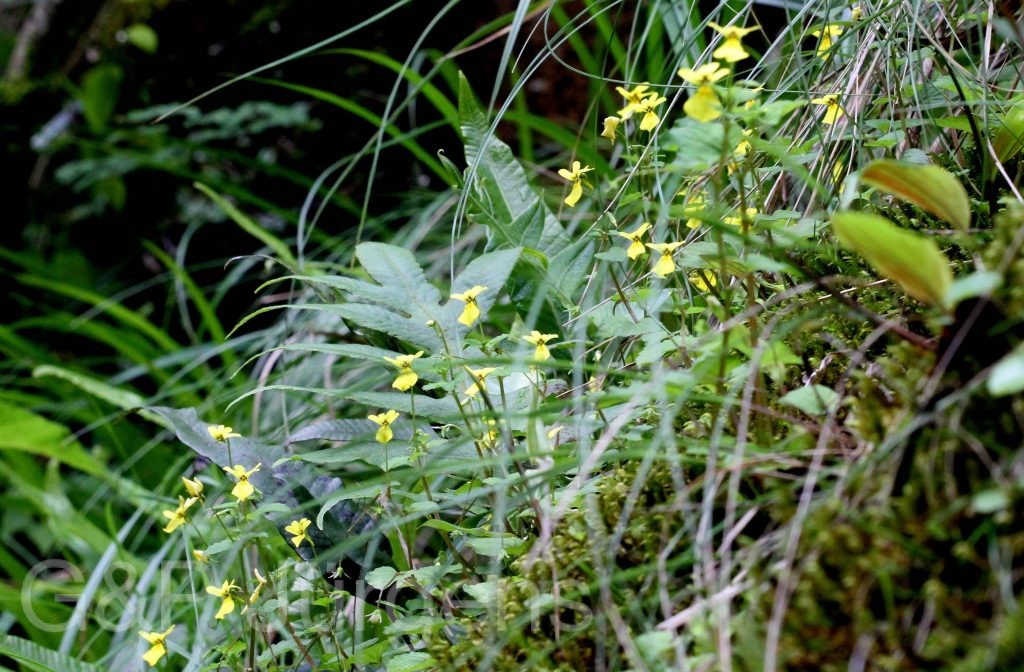
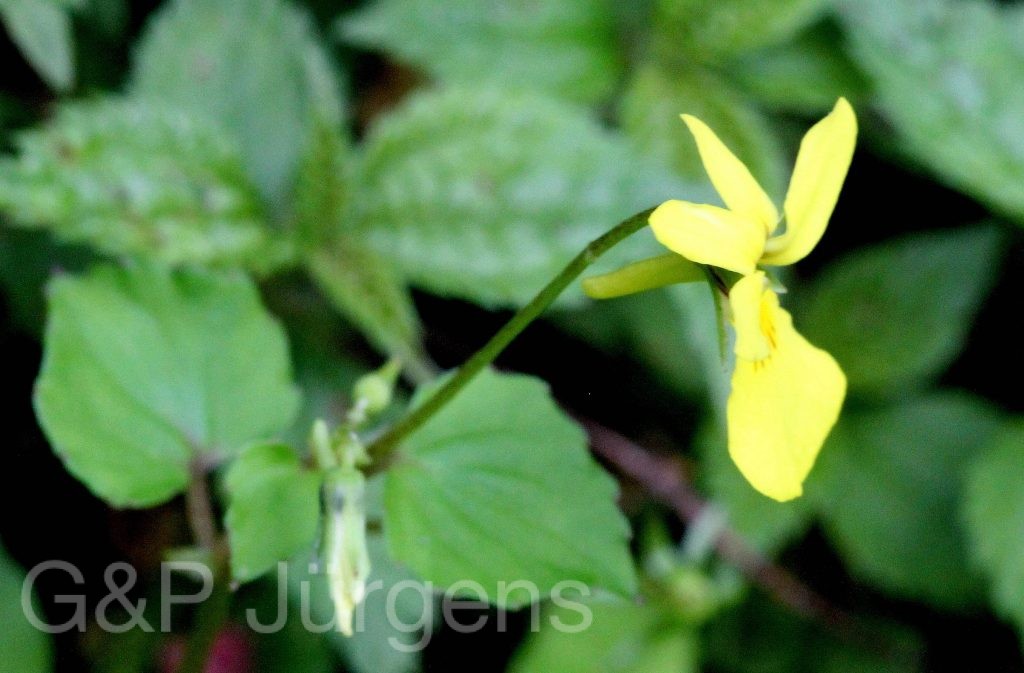
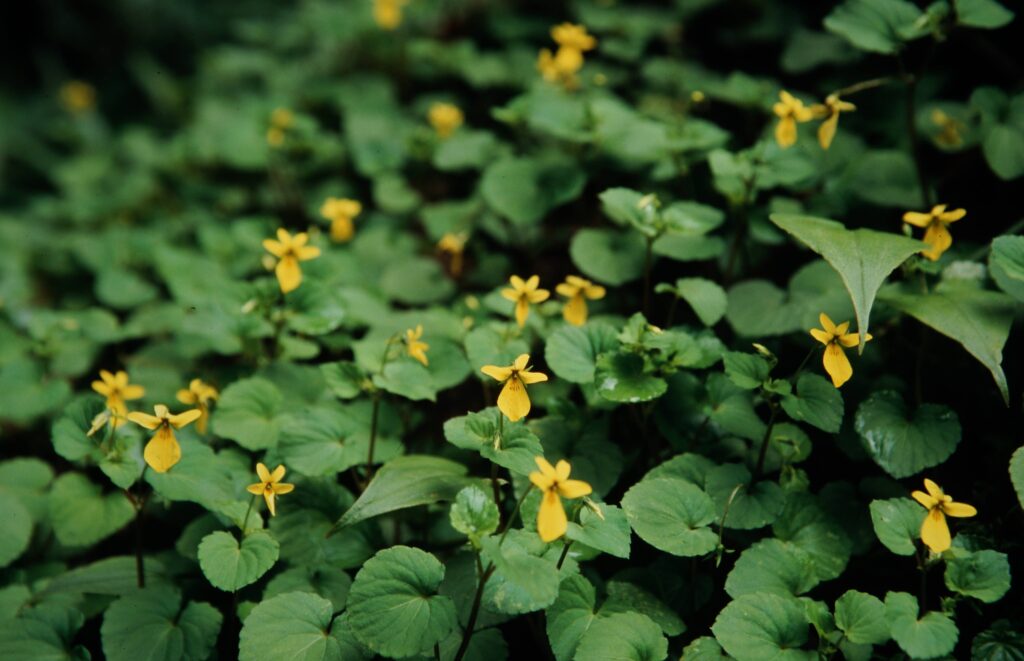
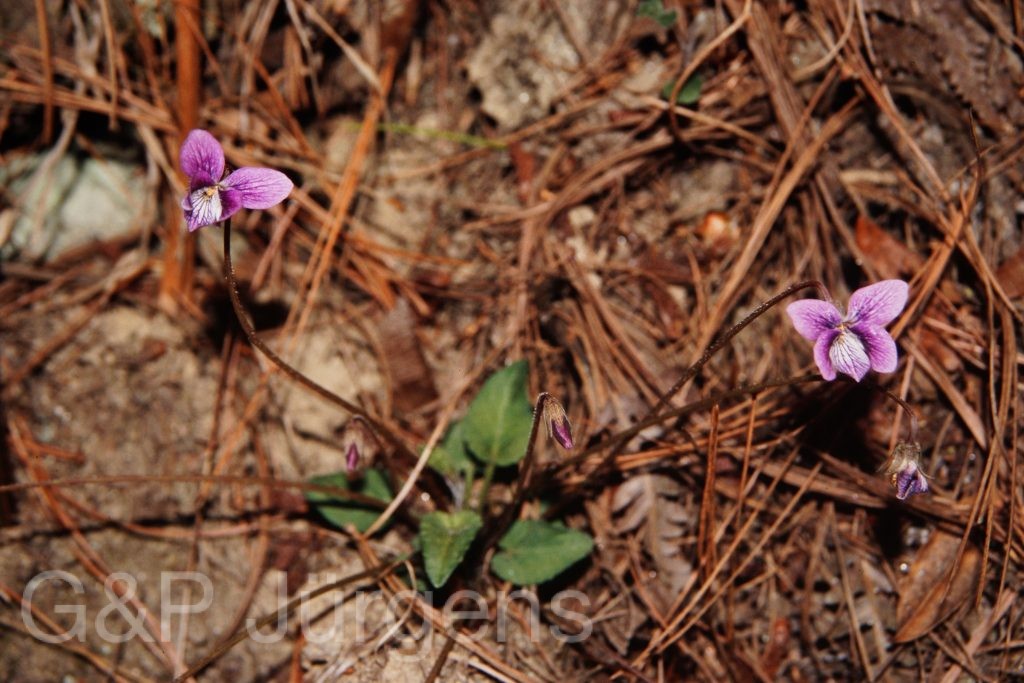
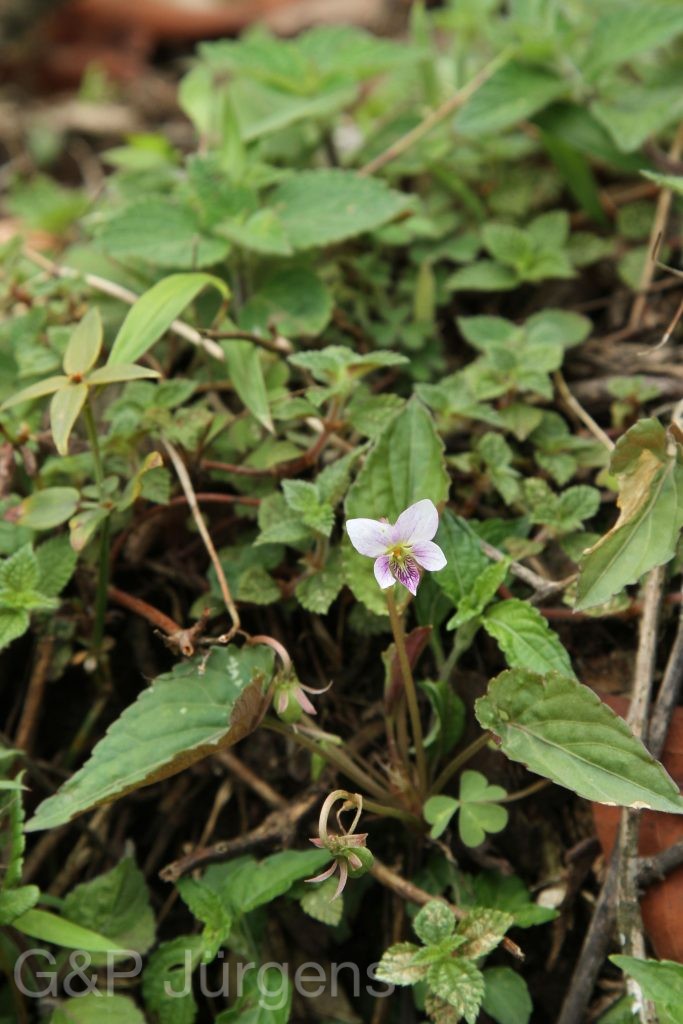
Viola betonicifolia is a widespread, polymorphic violet ranging across South, East and Southeast Asia to Australasia, documented by GBIF in over 16,600 occurrences spanning Australia, New Zealand, Japan, China, Taiwan, Korea, the Philippines, India, Nepal, Pakistan, Sri Lanka, Myanmar, Thailand, Vietnam, Indonesia and beyond. It grows in open grassland, meadows, grassy slopes, forest margins, roadsides and disturbed ground from low elevations to over 3000 m, tolerating a broad range of subtropical to temperate conditions. The illustrated plant from Trashigang in eastern Bhutan at about 1550 m, flowering in May, represents a low-montane subtropical population at the warm end of this exceptionally wide ecological amplitude.
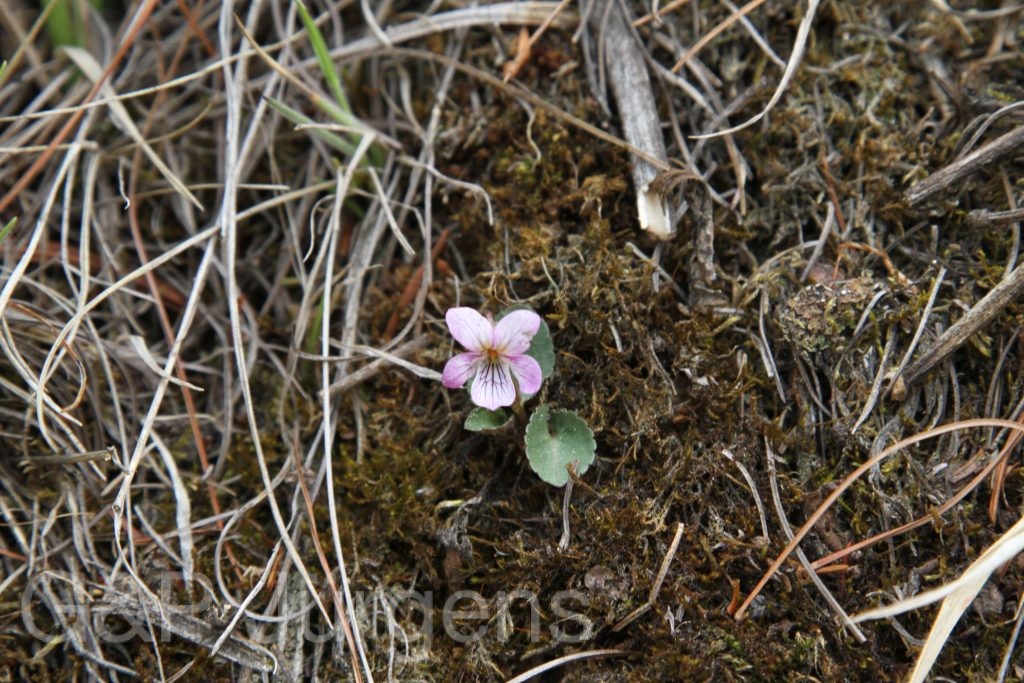
It is an acaulescent perennial herb forming a basal rosette from a short, stout rhizome. The leaves are erect and long-petioled, the blade narrowly triangular-lanceolate to hastate or oblong with a truncate to subcordate base and a crenate to entire margin, recalling those of Betonica (whence the epithet 'betony-leaved'); the stipules are adnate to the petiole and fimbriate. Solitary flowers are borne on slender bracteolate peduncles; the zygomorphic corolla of five unequal petals is violet to purple (rarely white), the lowest spurred and the laterals usually bearded. Summer cleistogamous flowers supplement the spring chasmogamous ones, and the fruit is an elastically dehiscent three-valved capsule.
A member of Viola section Viola (the stemless, spring-flowering rosette violets), V. betonicifolia is a notoriously variable species treated by some authors as a complex of regional forms. Its tolerance of disturbance, dual chasmogamous-cleistogamous breeding system and effective seed dispersal underpin its broad distribution, and it is of no conservation concern.
Author: Sm. · Sources: POWO (Kew), GBIF, Flora of China, Flora of Bhutan, Flora of British India, W. Becker Violae Asiaticae