Griff.
Description
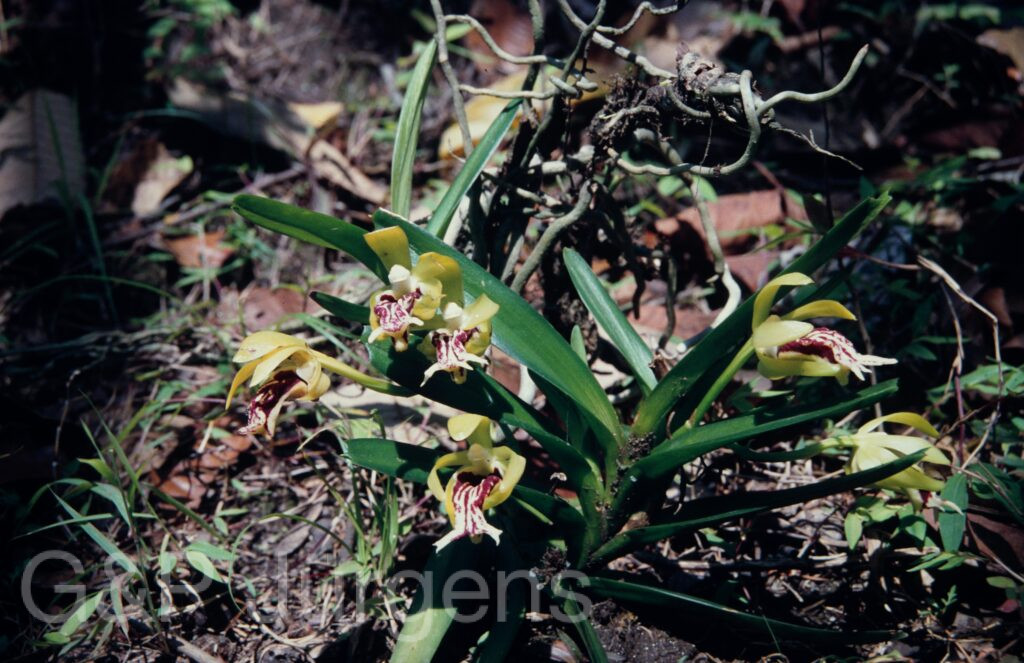
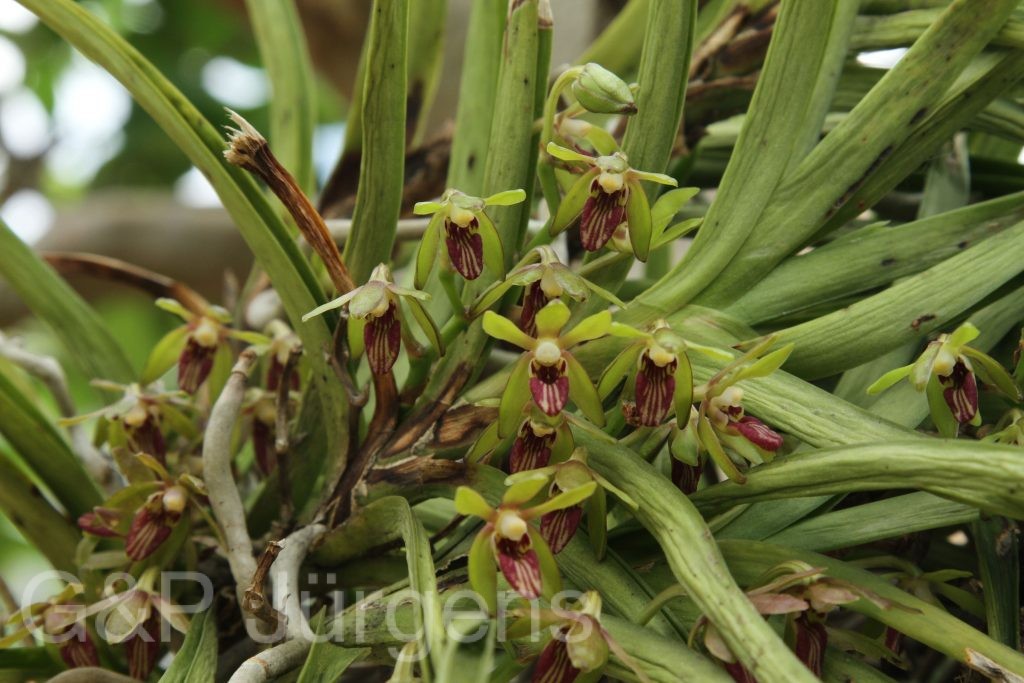
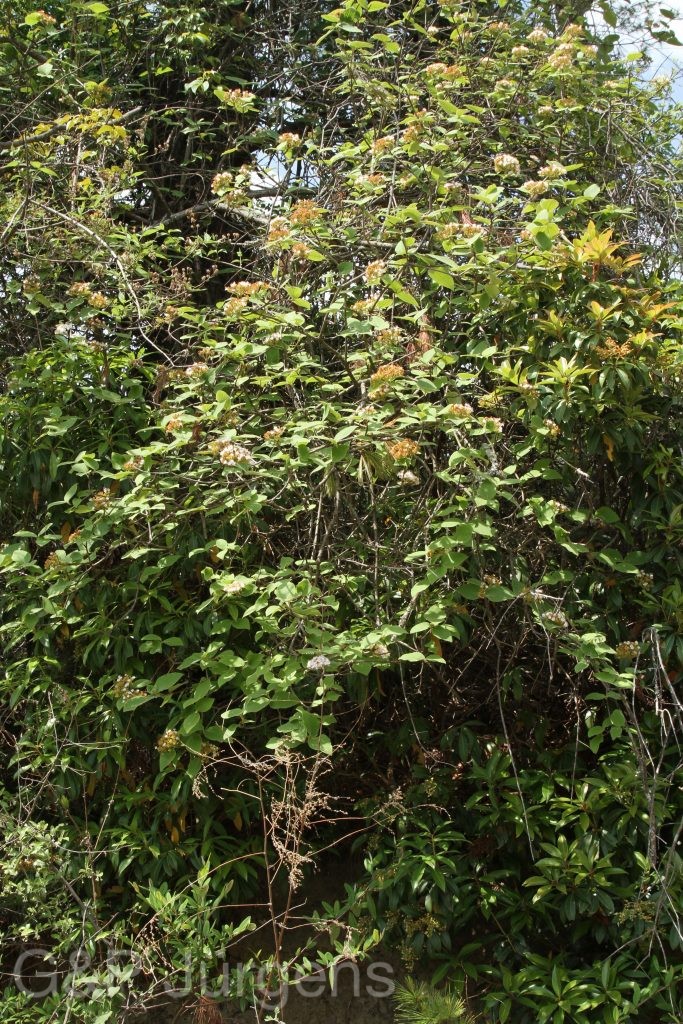
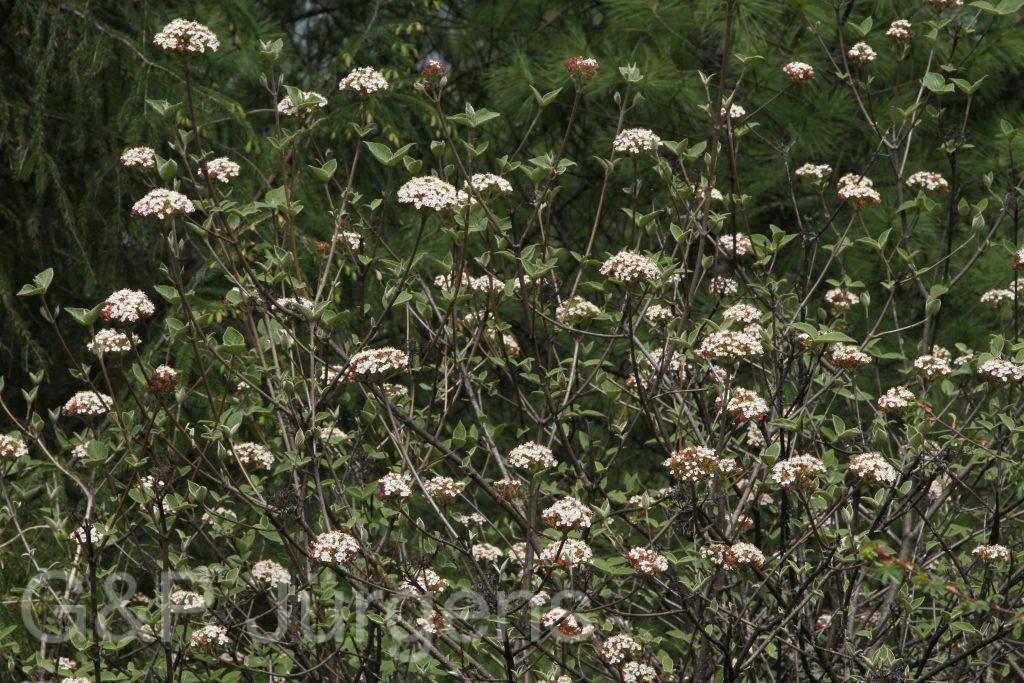
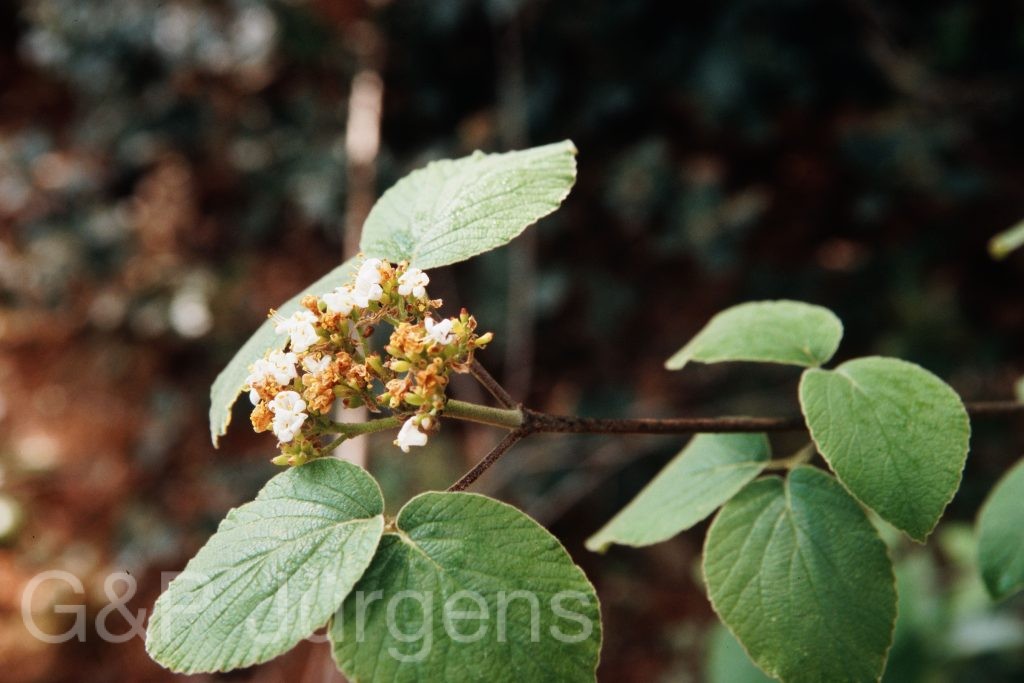
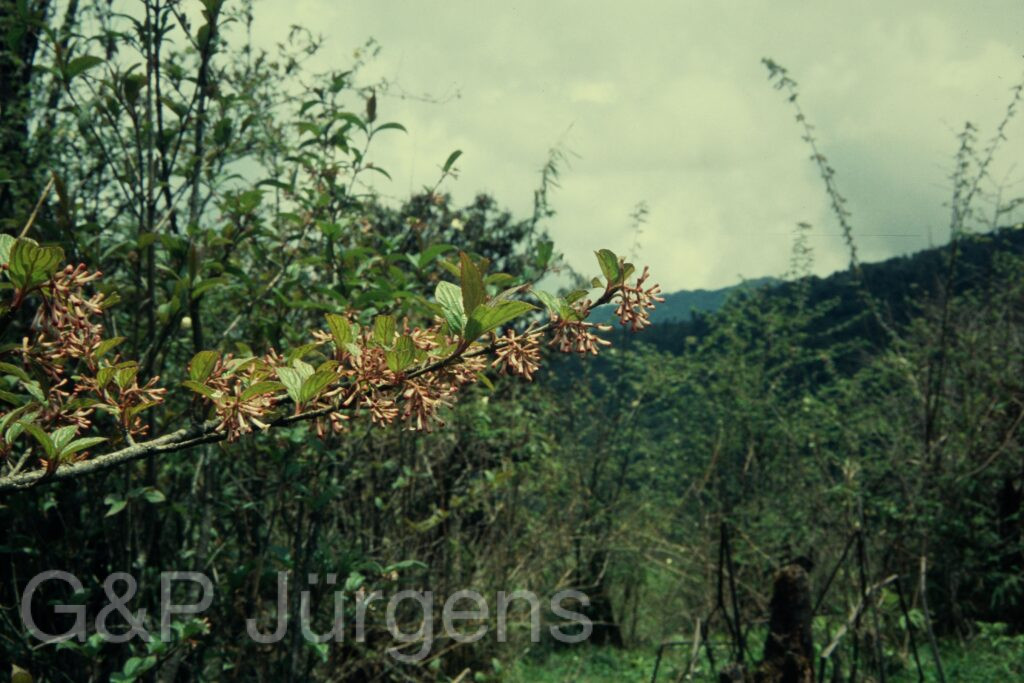
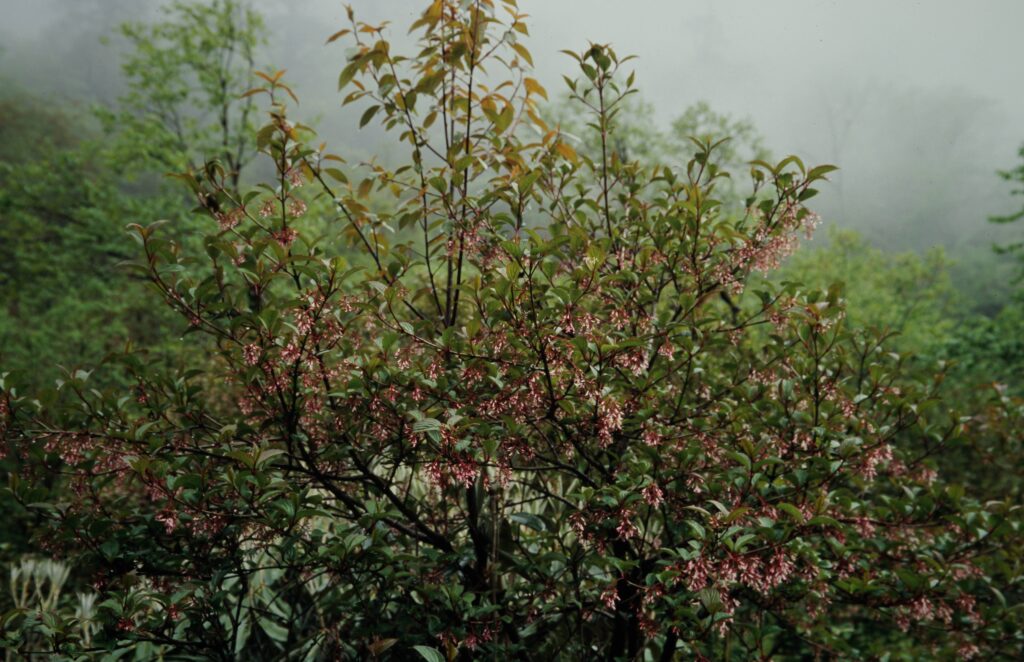
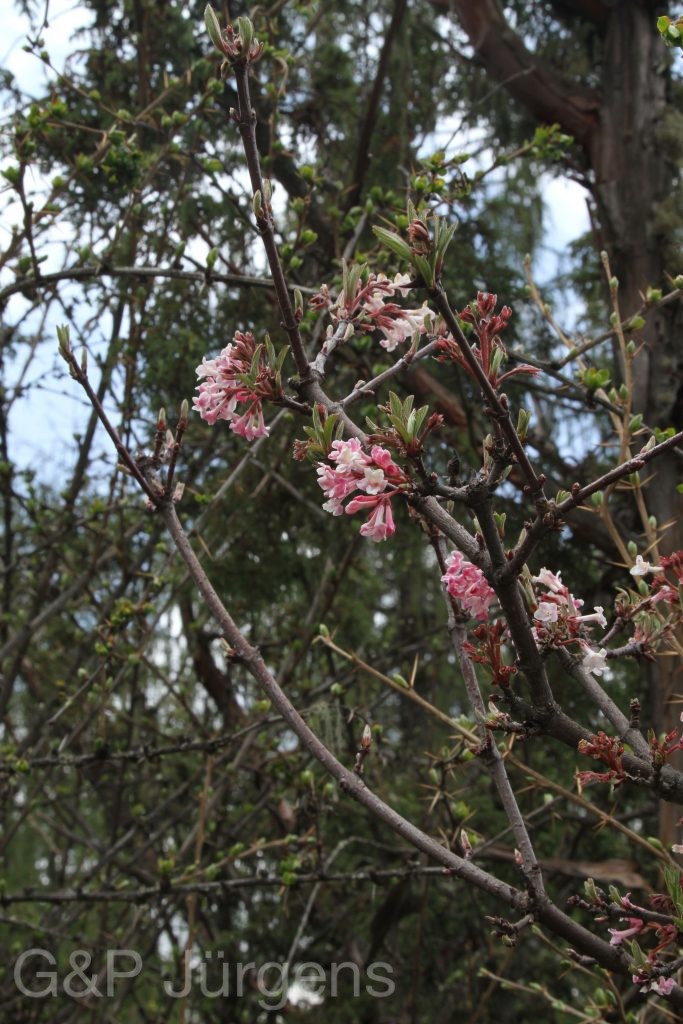
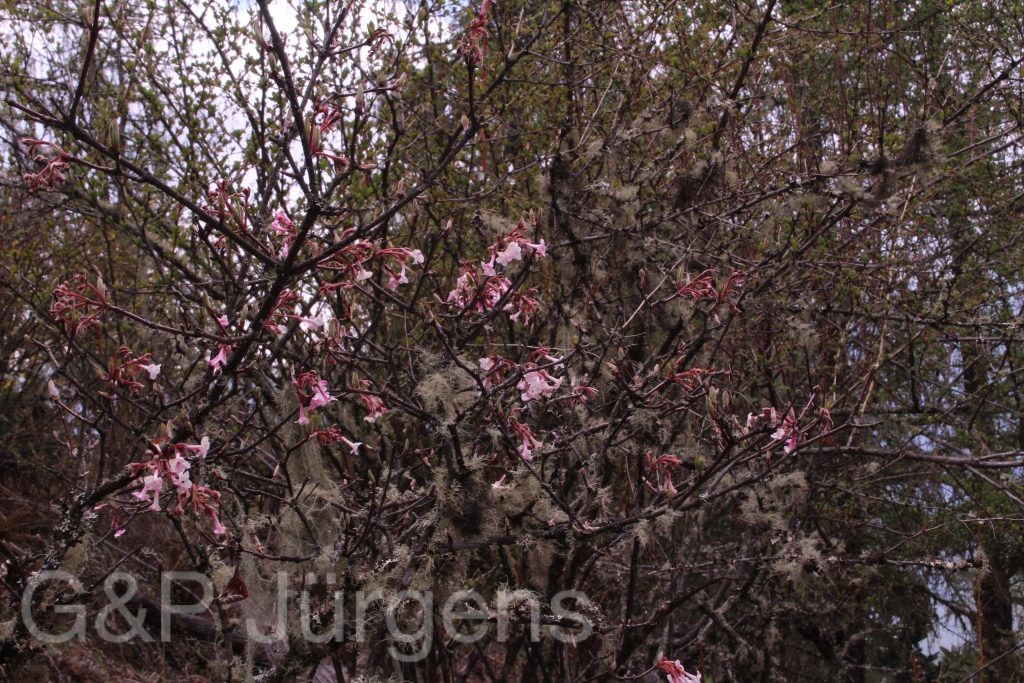
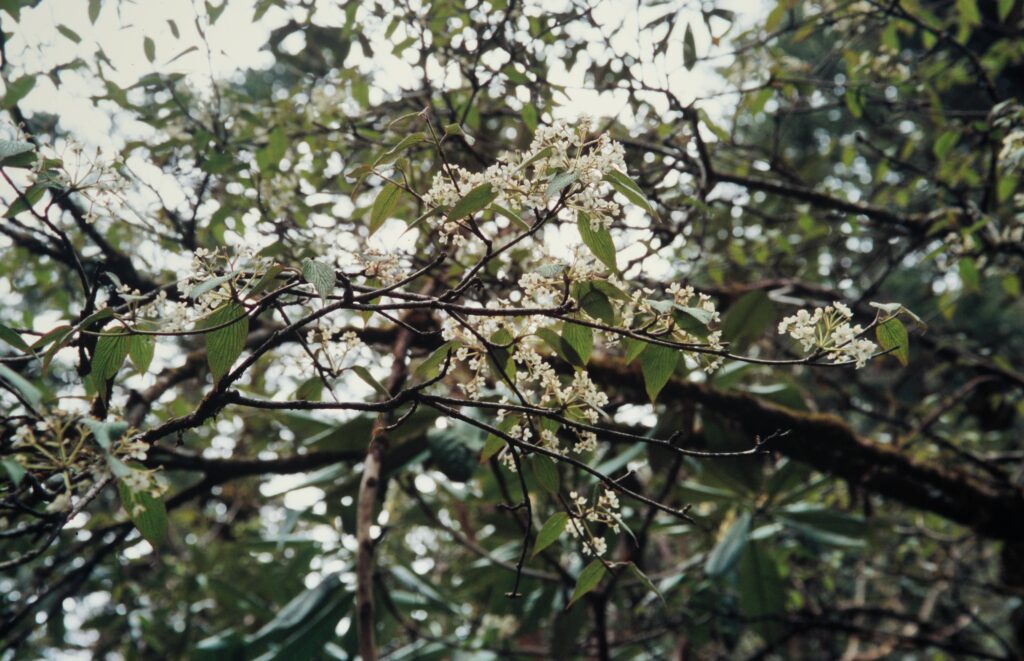
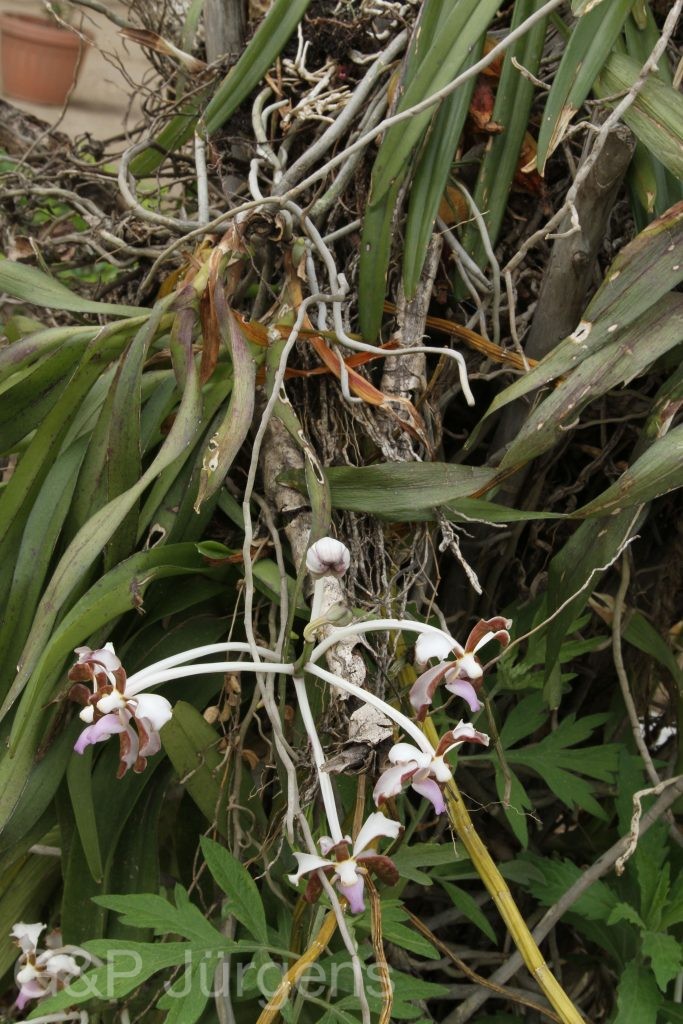
Vanda bicolor is a comparatively rare epiphytic orchid of the eastern Himalaya, known from Bhutan, north-east India, Nepal and adjacent southern China, with GBIF recording only about 35 occurrences that underline its localised distribution. It grows on the trunks and larger limbs of trees in warm-temperate to subtropical broad-leaved forest, generally at lower-montane elevations between roughly 1000 and 1800 m, in humid, partially shaded conditions. The illustrated plant from Trashigang in eastern Bhutan at 1550 m, flowering in May, is typical of the foothill forests where the species reaches its centre of abundance.
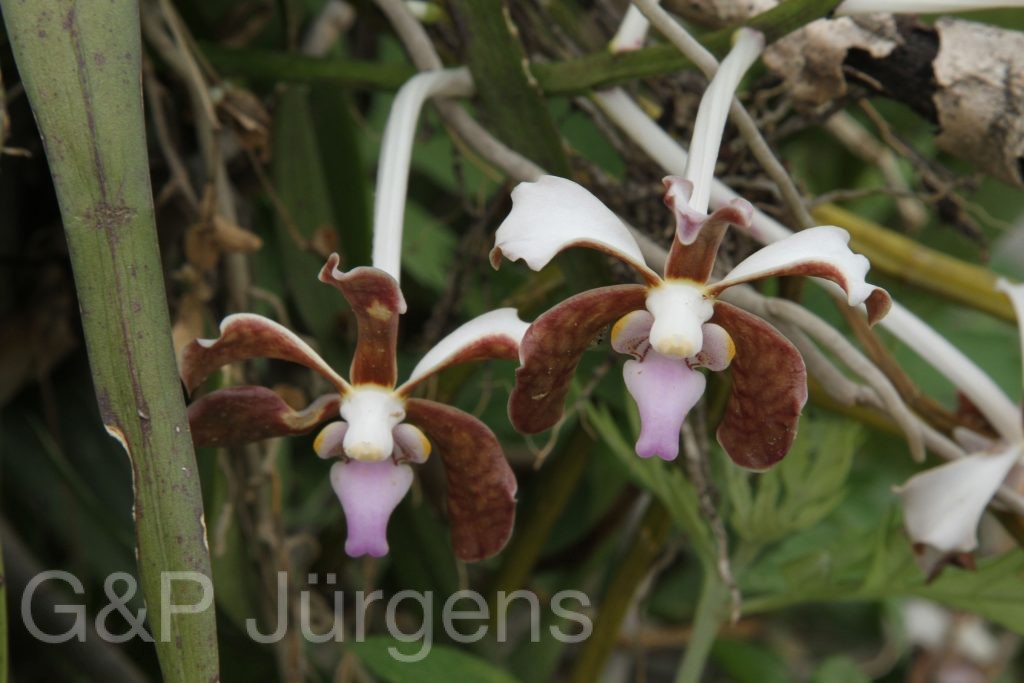
A monopodial epiphyte, it forms a stout, erect to ascending stem clothed in two ranks of strap-shaped (ligulate), leathery, channelled leaves with unequally bilobed, praemorse tips, and produces thick aerial roots. The inflorescence is a short, few- to several-flowered axillary raceme of large, fleshy, fragrant flowers. As the epithet indicates, the flowers are bicoloured: sepals and petals are broad, somewhat clawed and tessellated or flushed brownish over a paler ground, contrasting with the small, trilobed, spurred labellum. The fruit is an elongate, ribbed dehiscent capsule containing copious minute seeds.
Vanda comprises strap-leaved monopodial orchids of tropical Asia, within which V. bicolor is set apart by its flower colouration and labellum structure. Like all Vanda it is listed on CITES Appendix II, and its naturally restricted range, low population density and desirability to collectors make it vulnerable to habitat loss and illegal trade, warranting careful local protection.
Author: Griff. · Sources: POWO (Kew), GBIF, Flora of Bhutan, Orchids of Bhutan, Genera Orchidacearum (Pridgeon et al.)