author unknown
Description
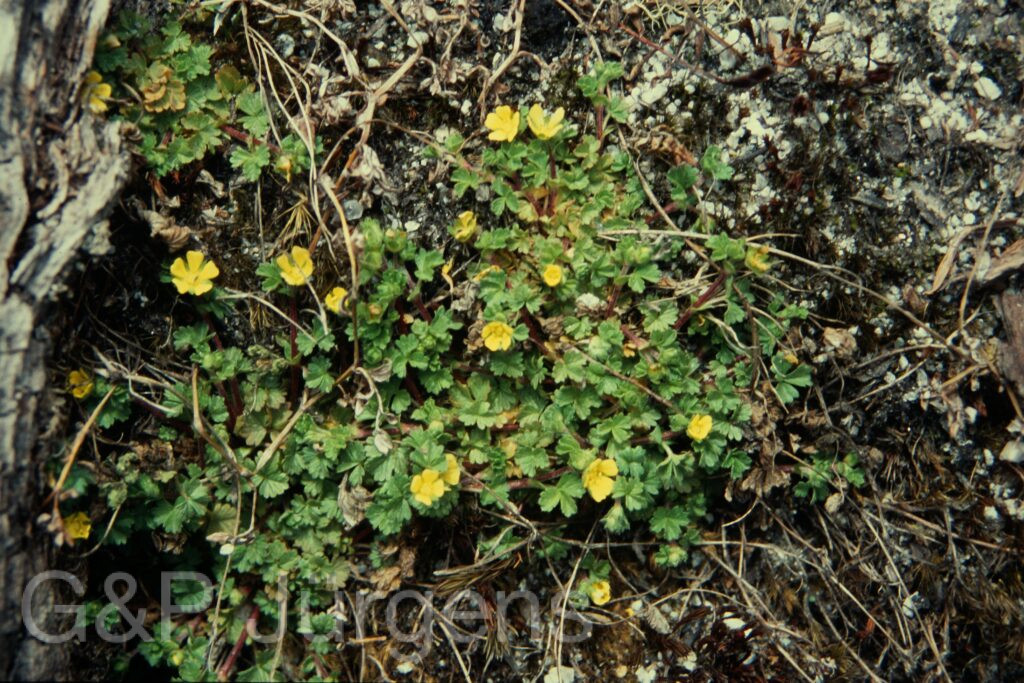
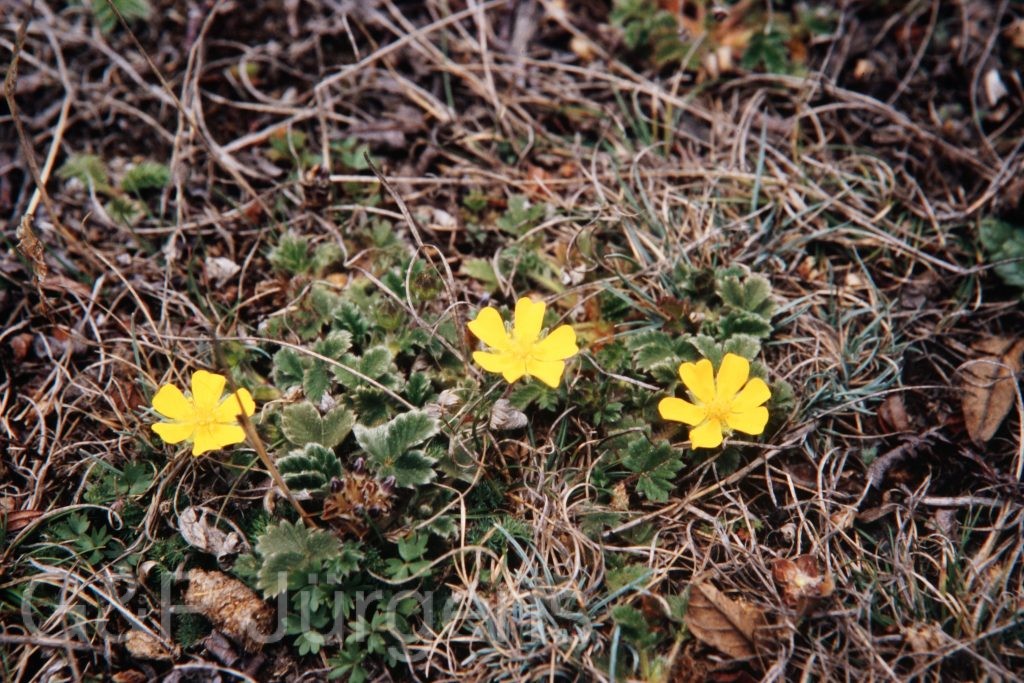
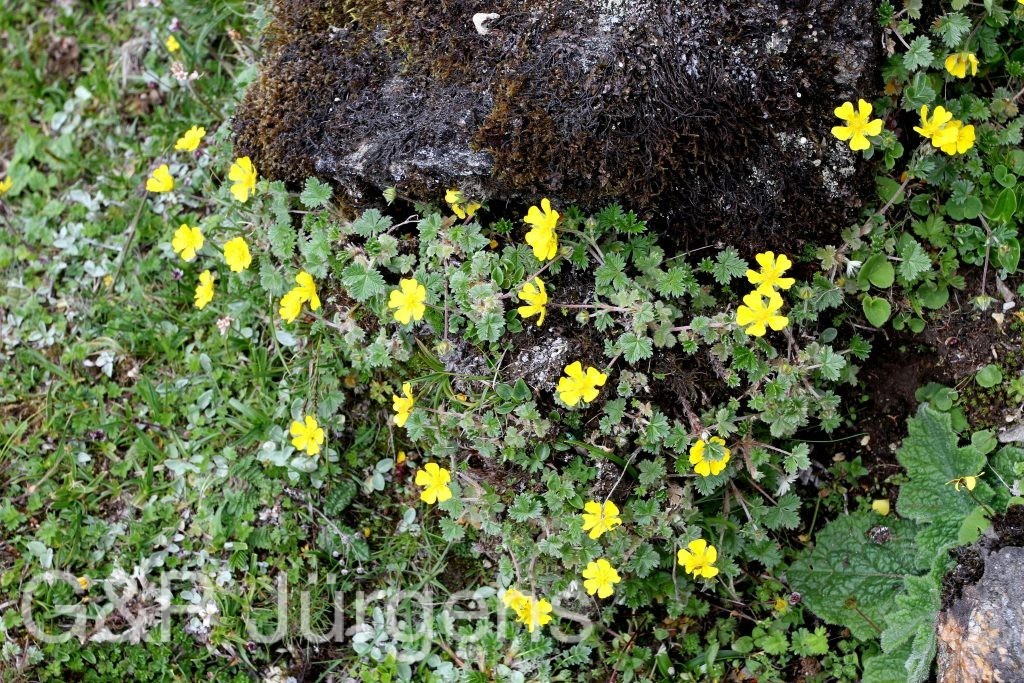
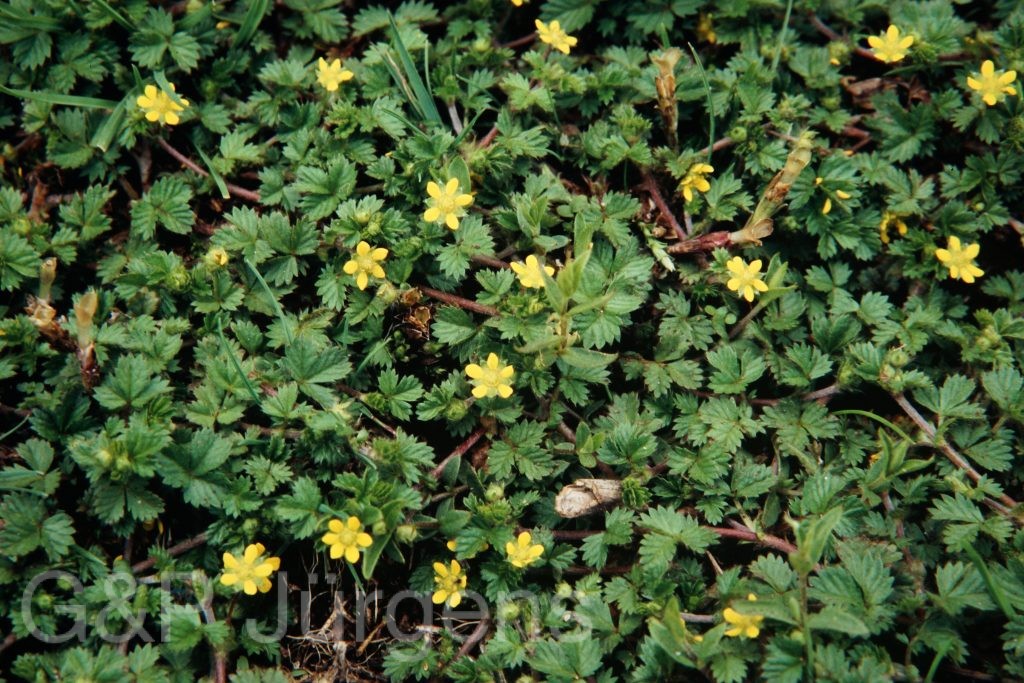
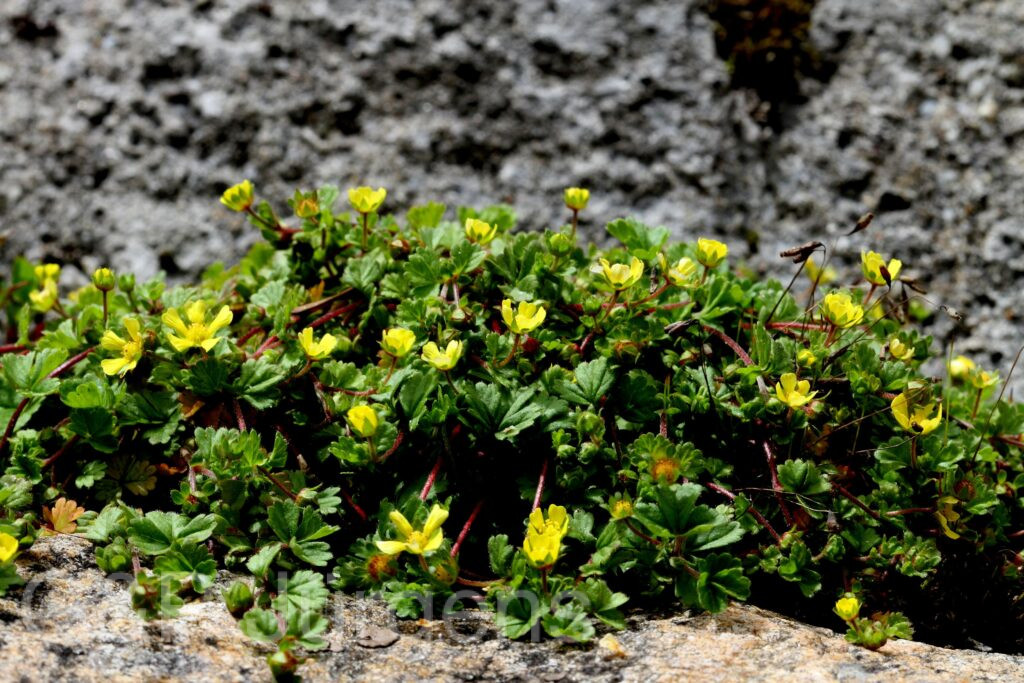
Potentilla monanthes var. monanthes is a high-altitude cinquefoil of the Himalaya, a member of the rose family despite the unhelpful "Uncategorized" family label carried in the source data. GBIF records are sparse, with only about 18 occurrences and confirmed presence in Nepal and Pakistan, consistent with a narrowly recorded alpine plant of the western and central Himalaya. It grows in alpine meadows, short turf, stony slopes, screes and rock crevices above the treeline, where thin soils, intense insolation and a brief growing season prevail. The photographed plant from Yumthang in Sikkim at about 3700 m, flowering in June, extends the documented range eastward and exemplifies its occurrence in moist alpine pasture soon after snow-melt at the start of the short montane summer.
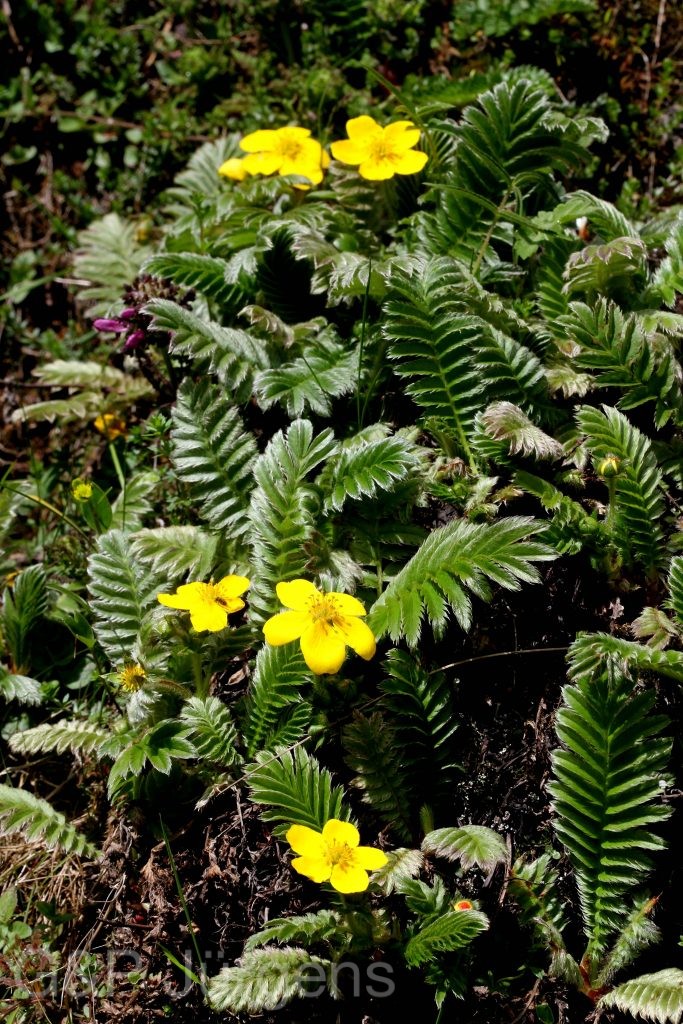
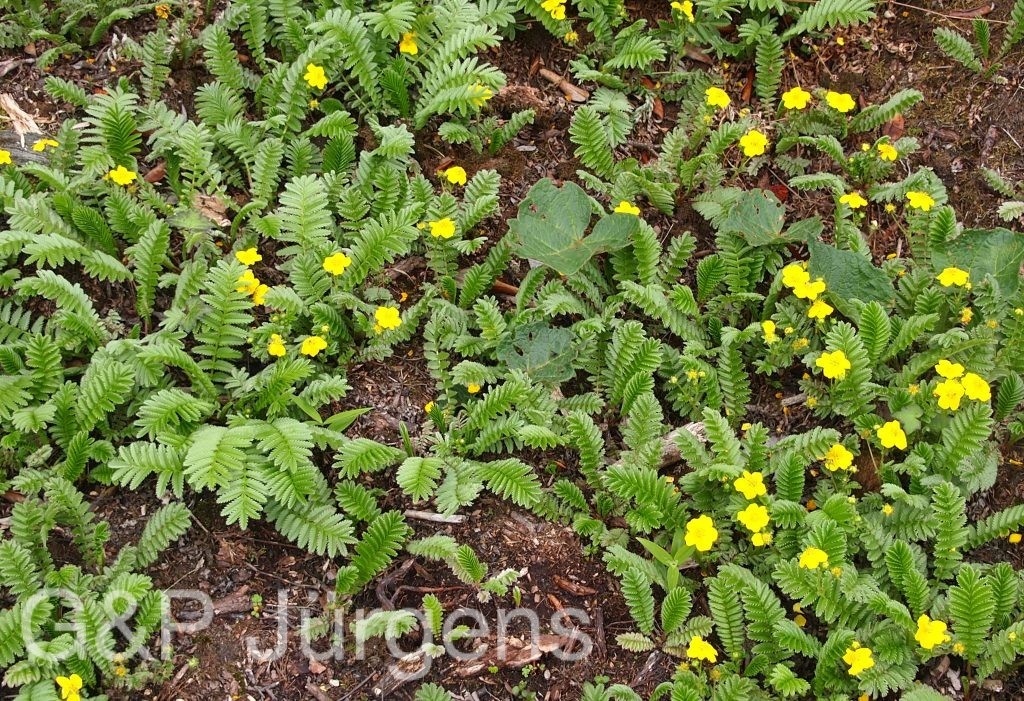
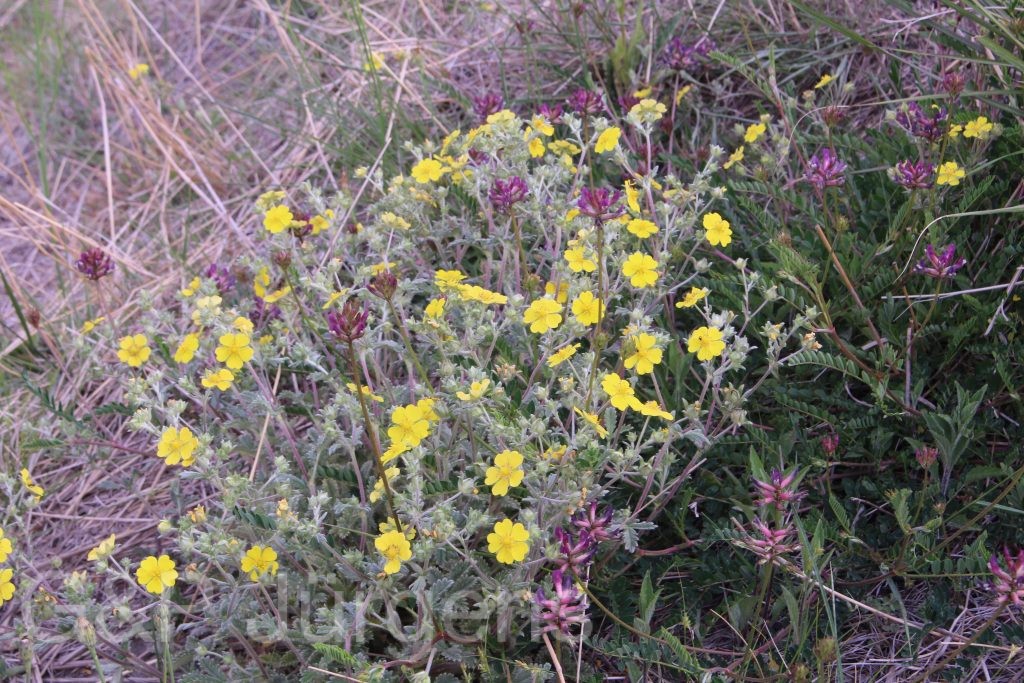
It is a small, tufted to mat-forming perennial herb arising from a stout, often branched, woody rootstock or caudex clothed in the persistent remains of old leaf bases. The leaves are mostly basal and pinnately or digitately compound, with few small, obovate to cuneate leaflets that are toothed toward the apex and frequently silky-hairy, giving the foliage a silvery cast adapted to high light and cold. The flowering stems are short and few-flowered, and the variety is distinguished, as its epithet monanthes (single-flowered) implies, by typically solitary flowers. Each flower has the usual Potentilla structure: five green sepals alternating with five epicalyx segments, five yellow obcordate petals, numerous stamens and many free carpels on a hairy receptacle, ripening into a head of small dry achenes.
Within the large and taxonomically difficult genus Potentilla, P. monanthes belongs to the dwarf, cushion-forming alpine cinquefoils and is recognised in the typical variety by its reduced, single-flowered habit; allied entities have been segregated as further varieties or confused with related Himalayan species. Its low stature, dense silky indumentum and woody caudex are classic adaptations to the windswept, cold, high-alpine environment, and pollination is by generalist alpine insects. Given its very small number of records and restricted high-elevation habitat, the taxon is poorly known and would benefit from further survey; while not formally assessed, narrow-range alpine cinquefoils of this kind are inherently vulnerable to climate-driven contraction of the alpine zone.
Author: author unknown · Sources: POWO (Kew), GBIF, Flora of China Vol. 9, Flora of Bhutan Vol. 1, Flora of Nepal, Flora of Pakistan, Soják's revision of Potentilla