H.R.Fletcher
Description
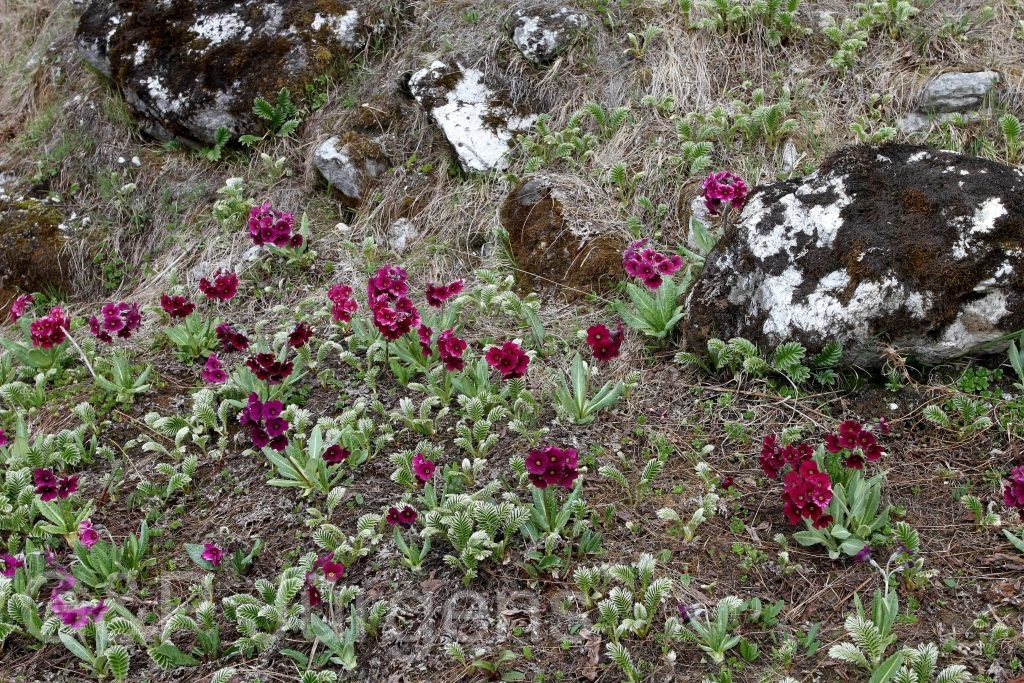
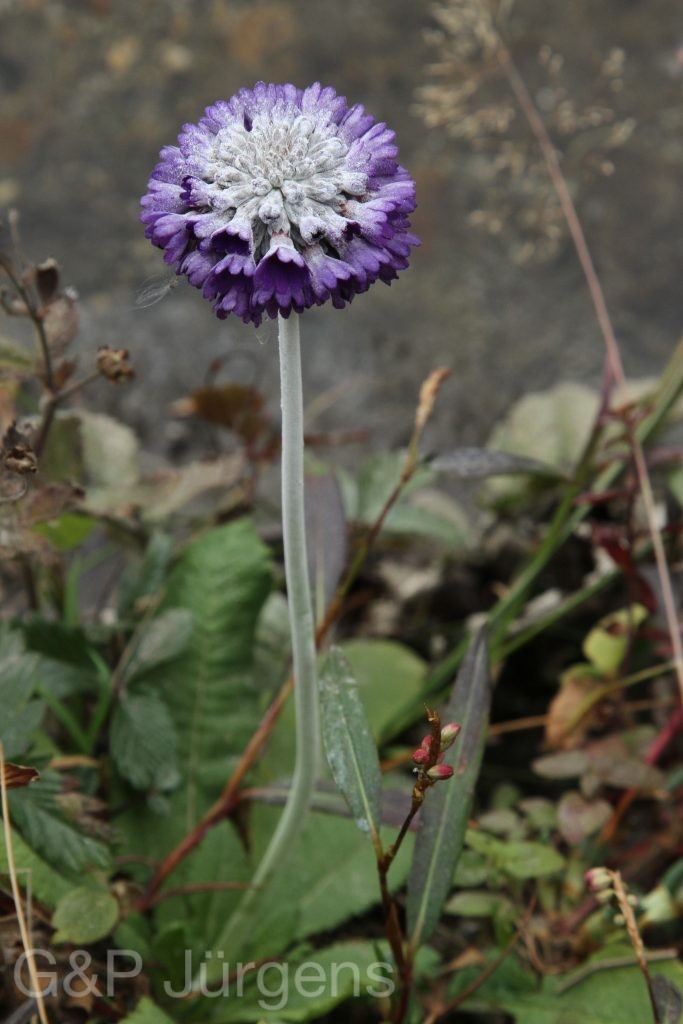
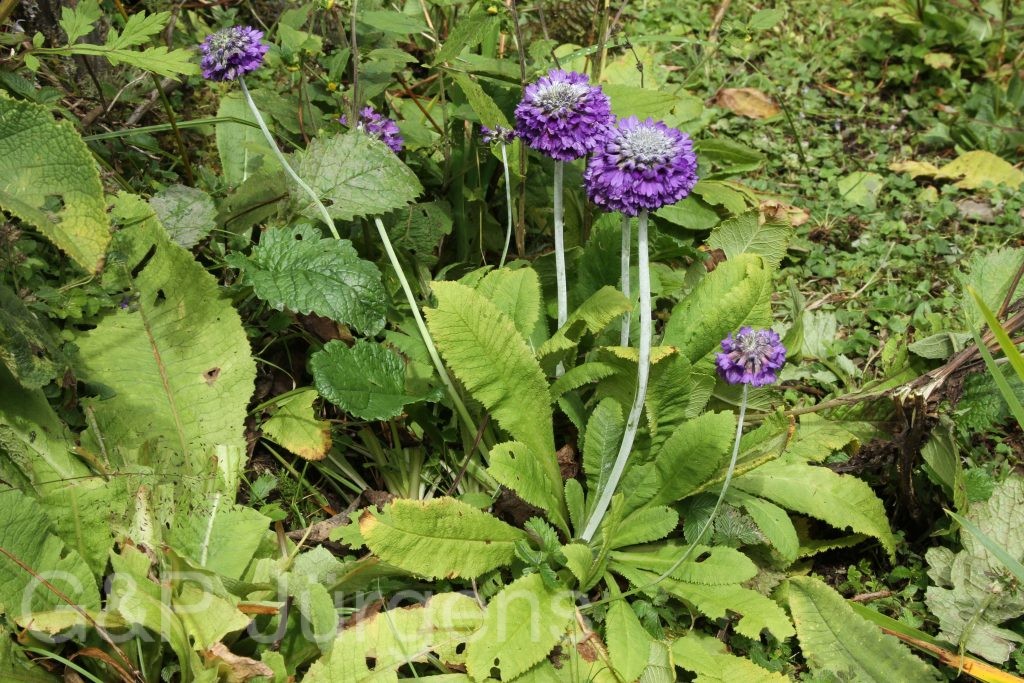
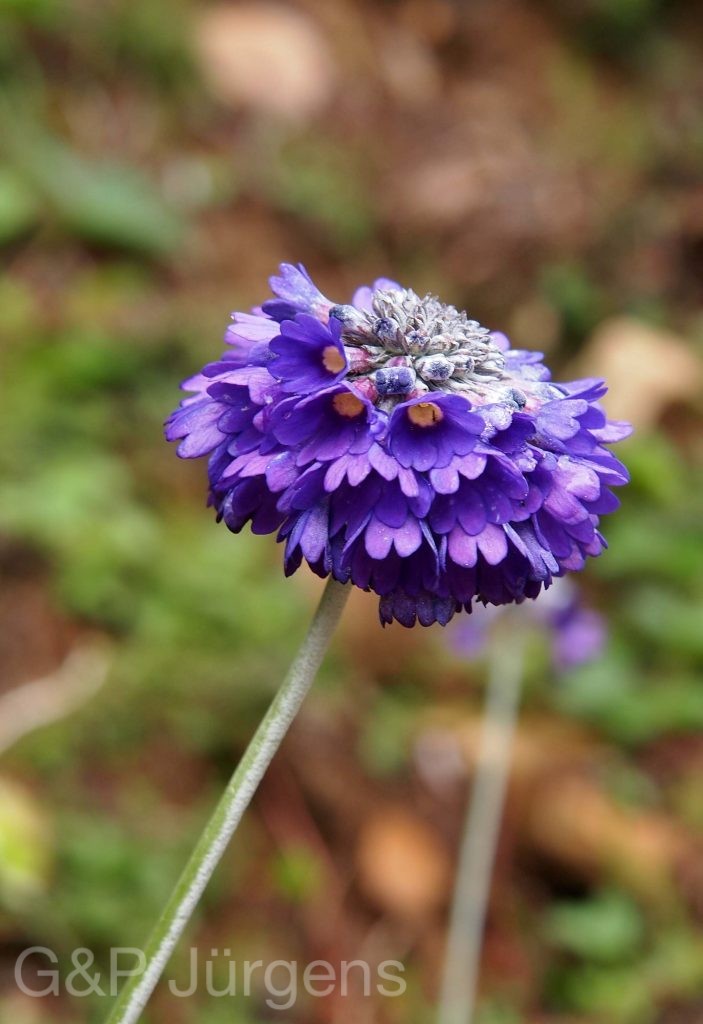
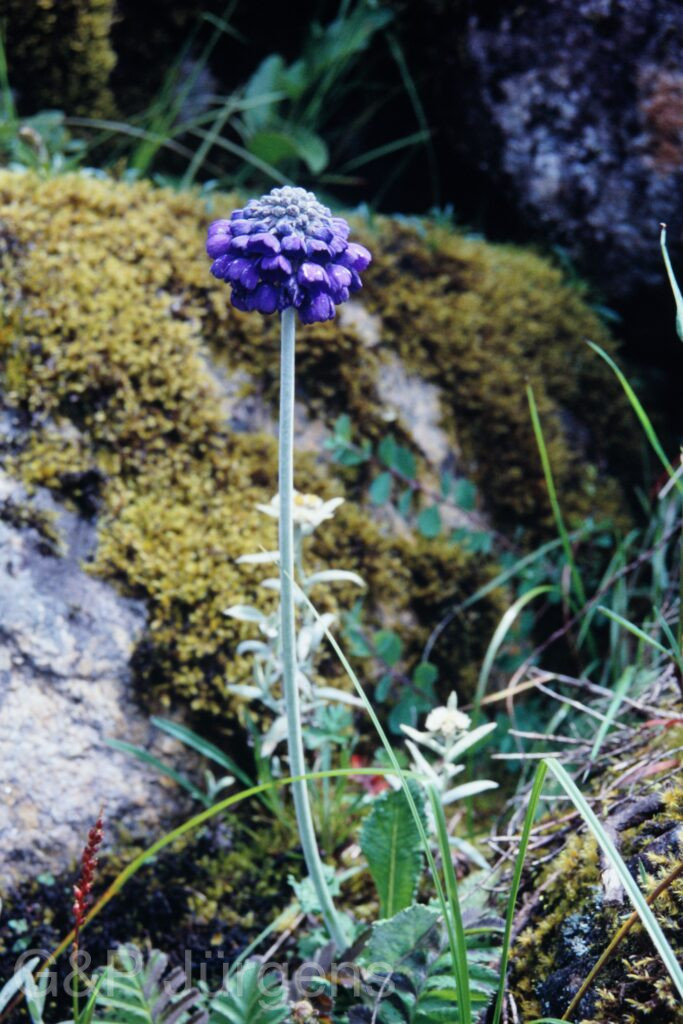
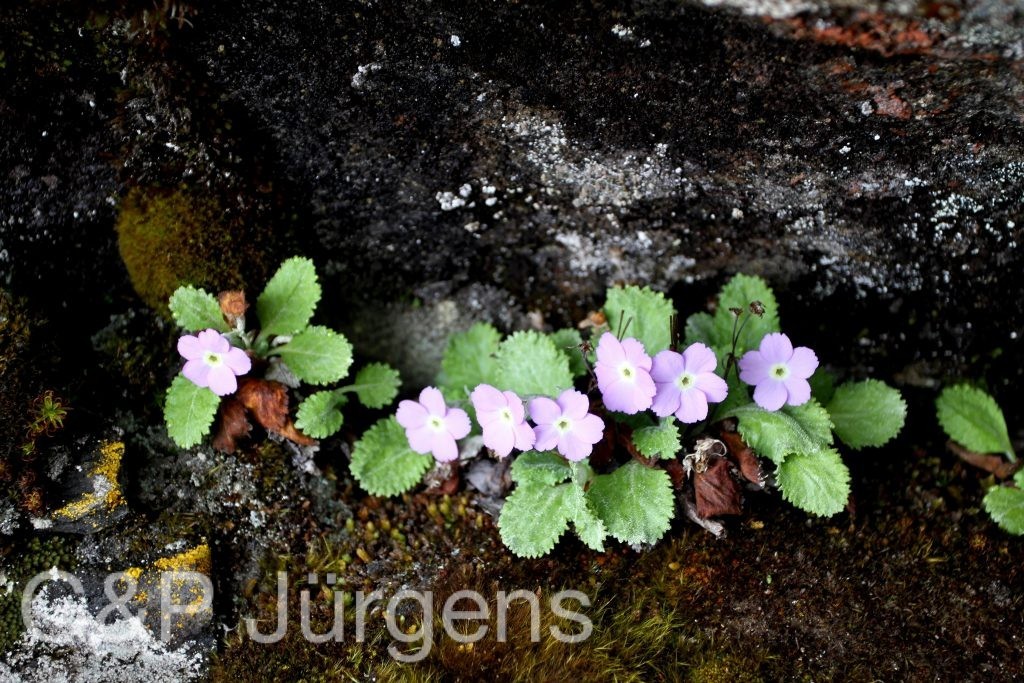
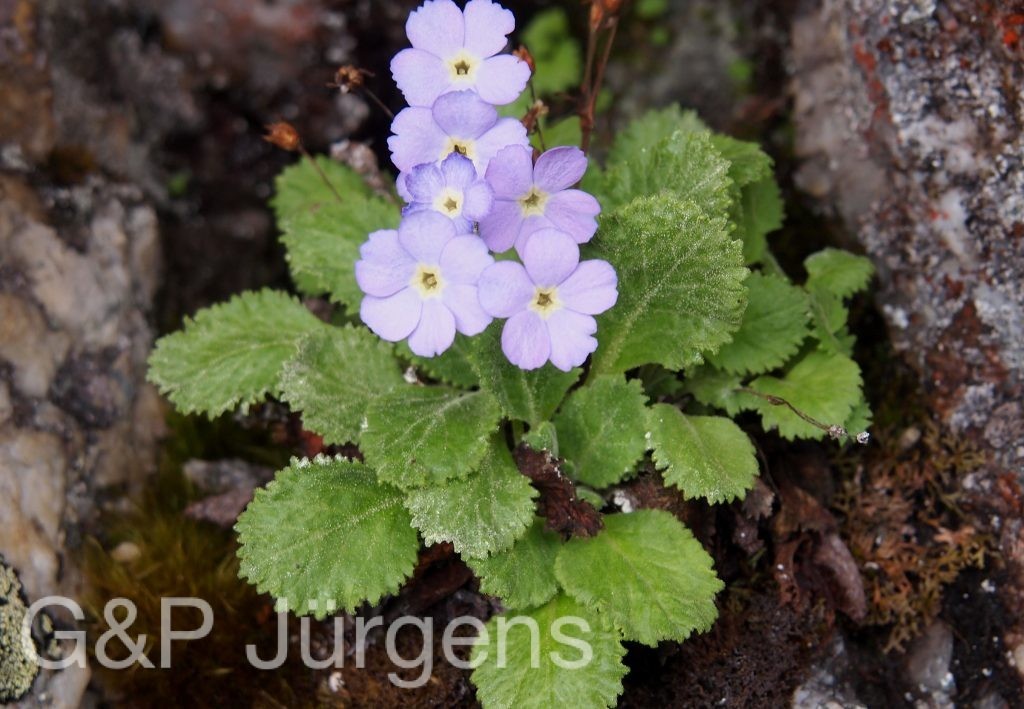
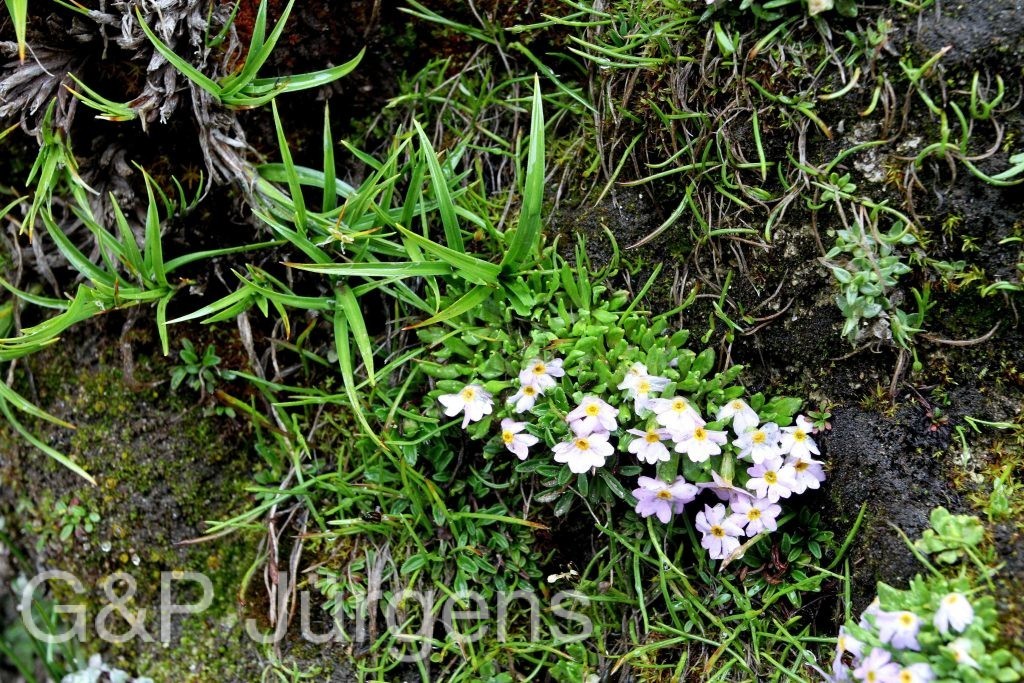
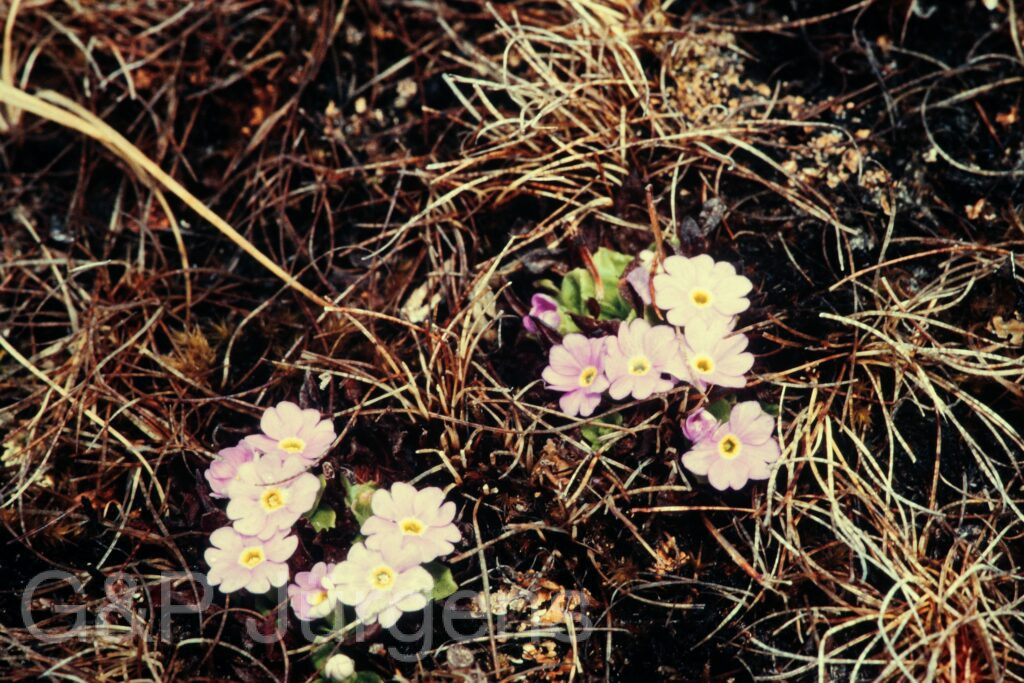
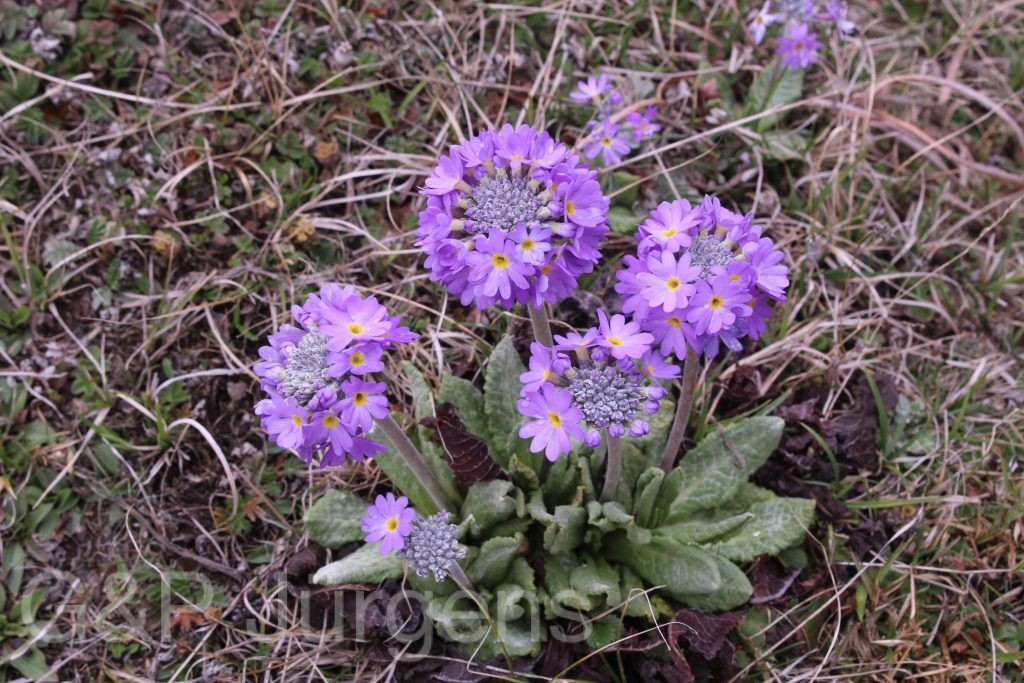
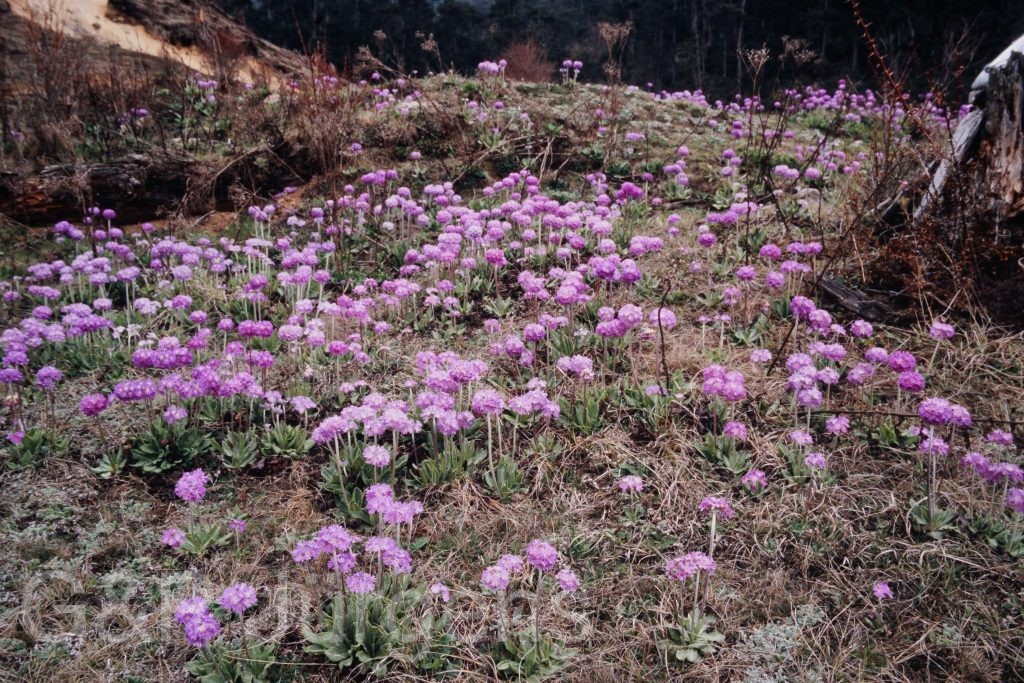
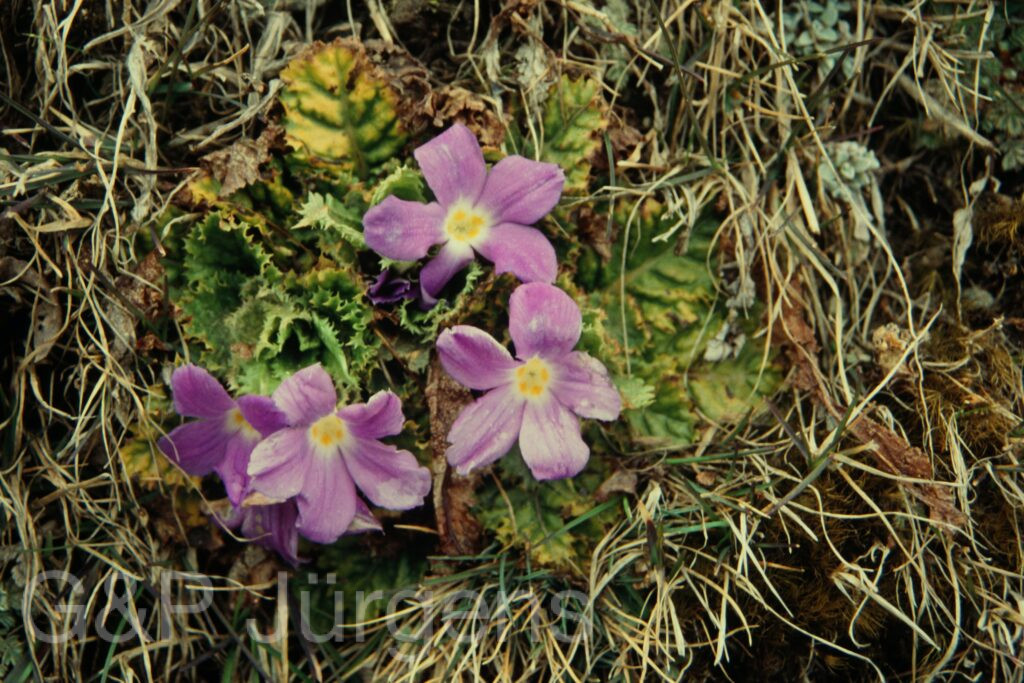
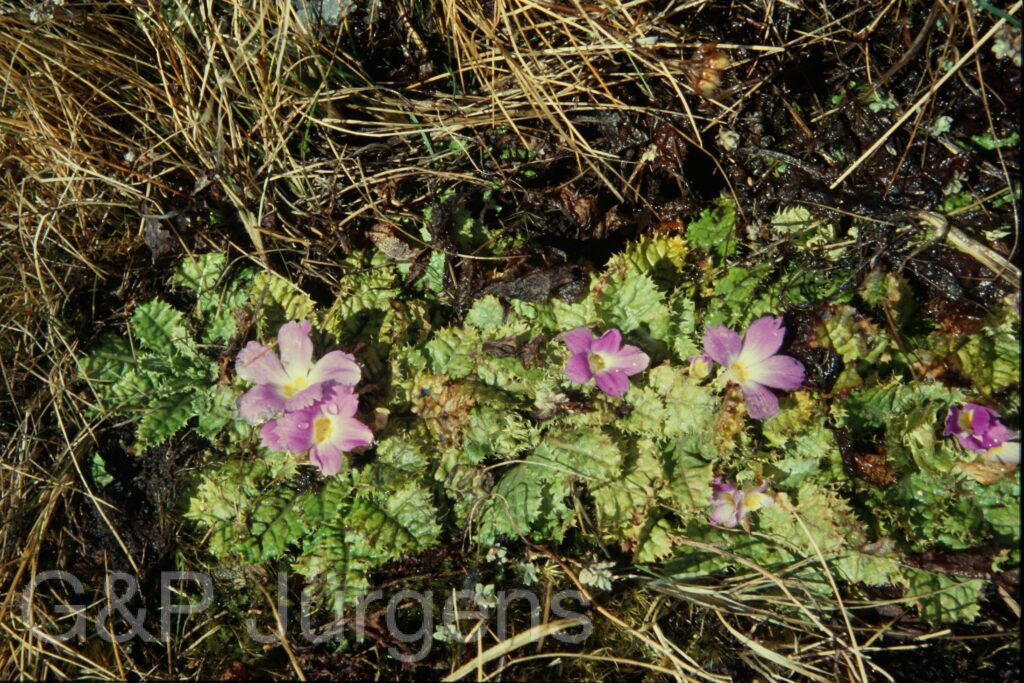
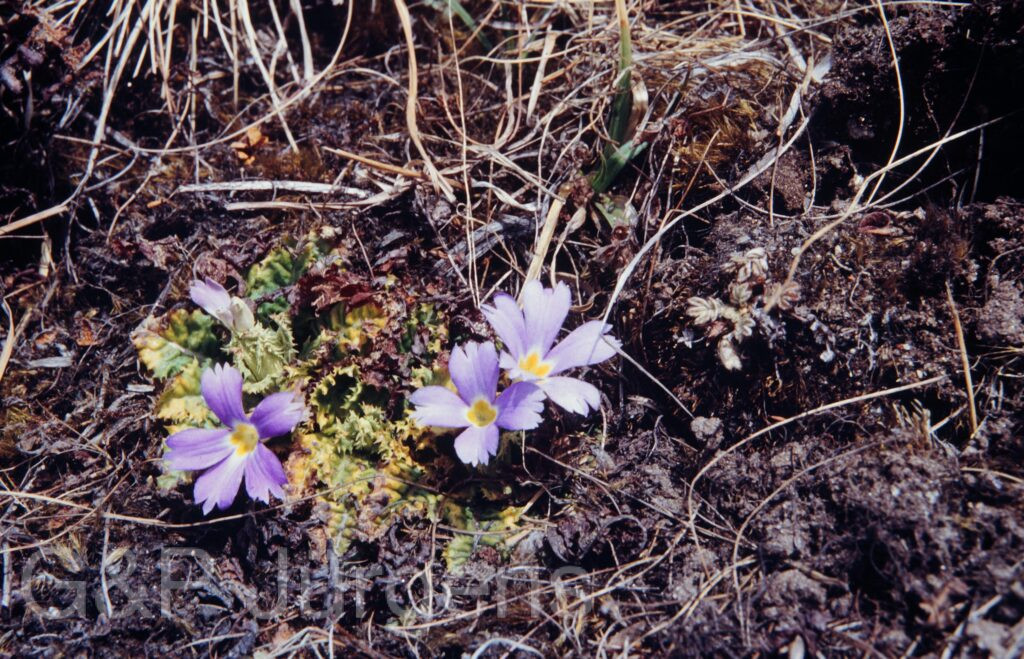
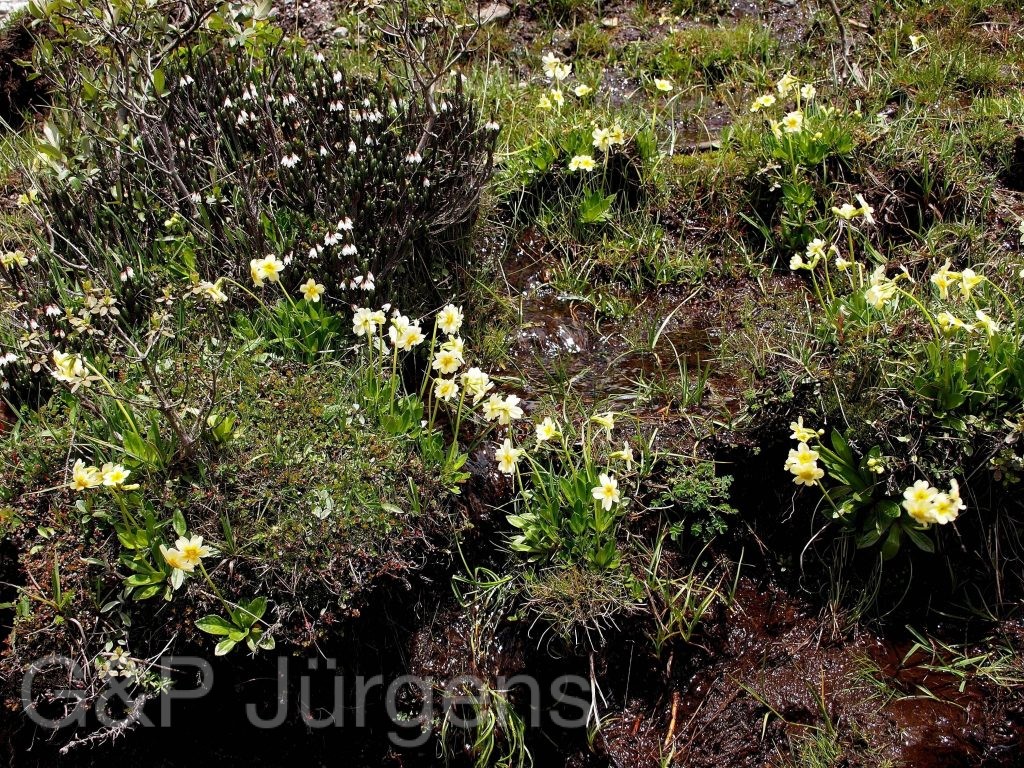
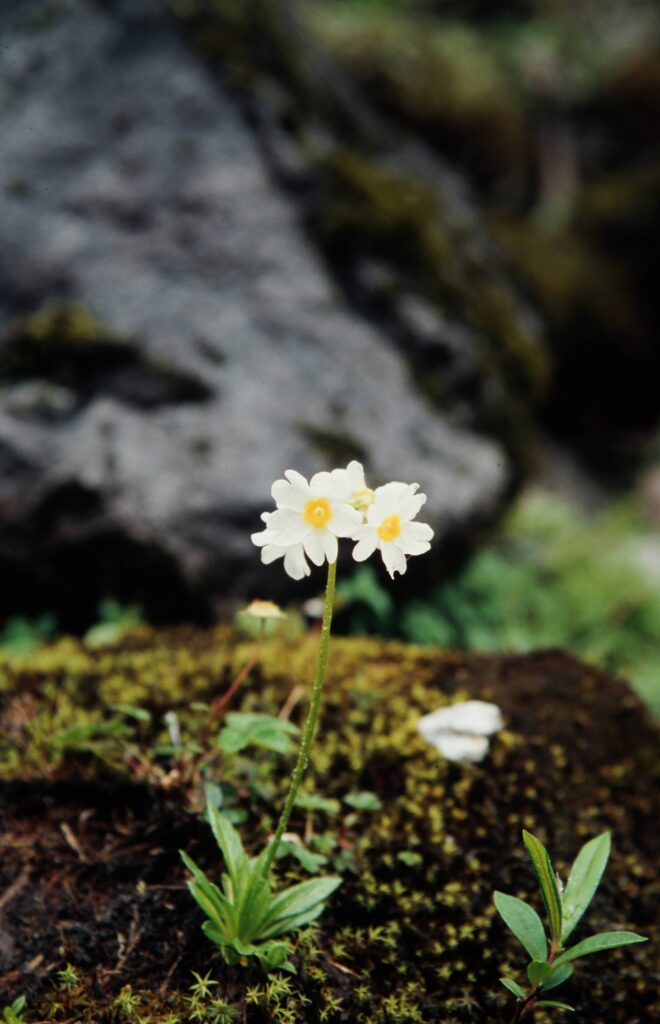
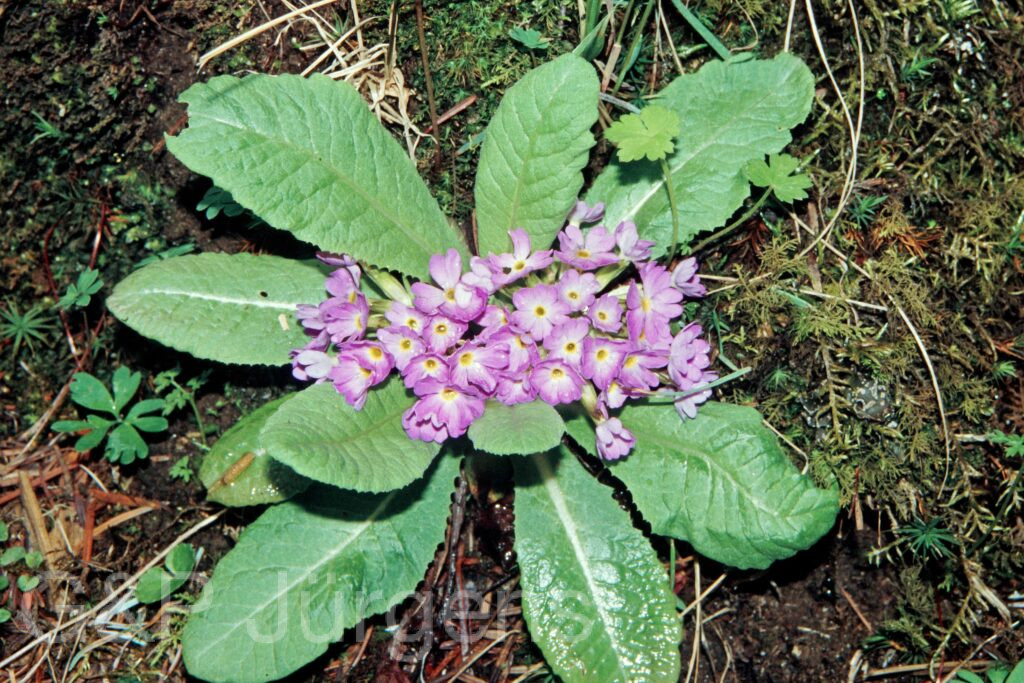
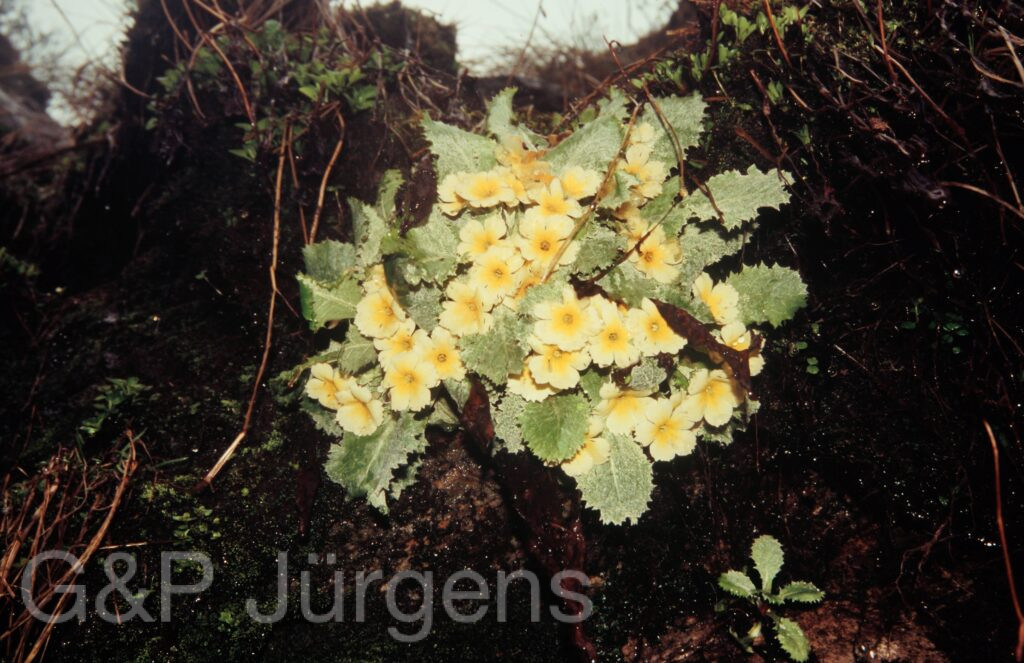
Primula aureata is a narrowly endemic primrose known only from central Nepal, where GBIF records (about 35 occurrences, all from Nepal) confirm its restricted range. It is a plant of cool, shaded, perpetually humid sites, growing on damp, mossy cliffs, dripping rock faces and shaded gully walls in the upper temperate and subalpine zone. The illustrated plant was photographed in the Helambu region at Nasem Pati at about 3550 m in May, a locality representative of the species' small known distribution along the moist ridges north of the Kathmandu valley, where it flowers soon after the winter snows clear.
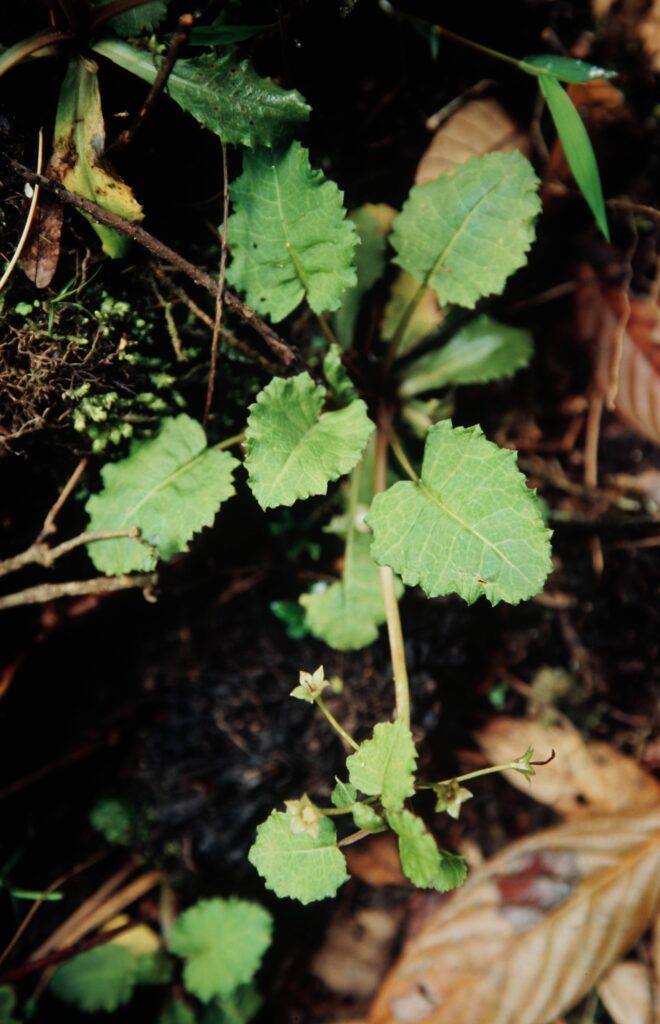
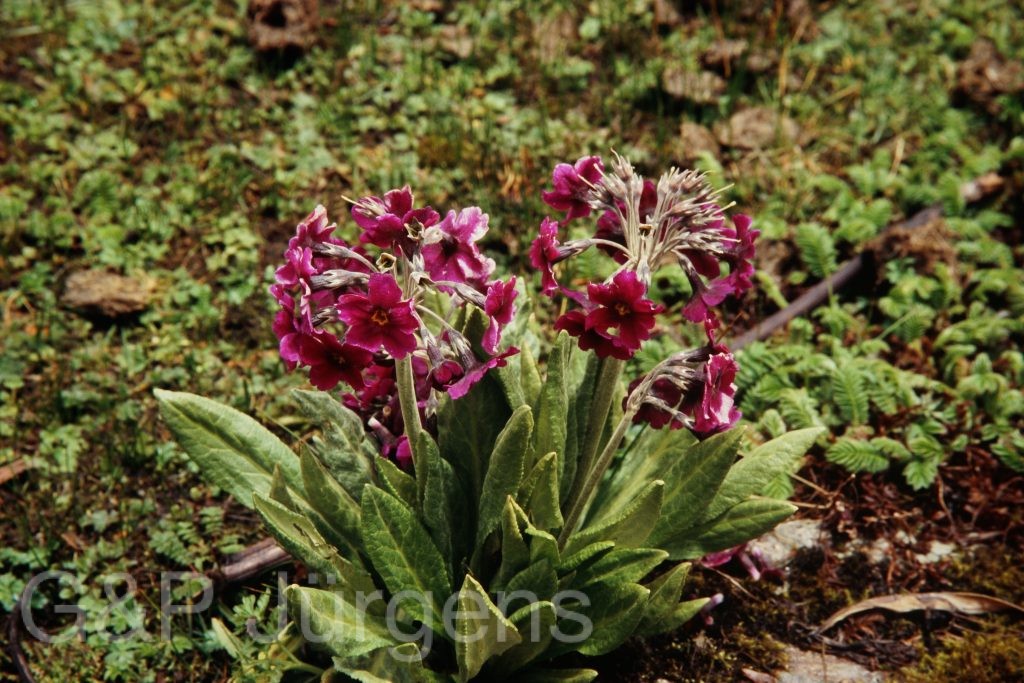
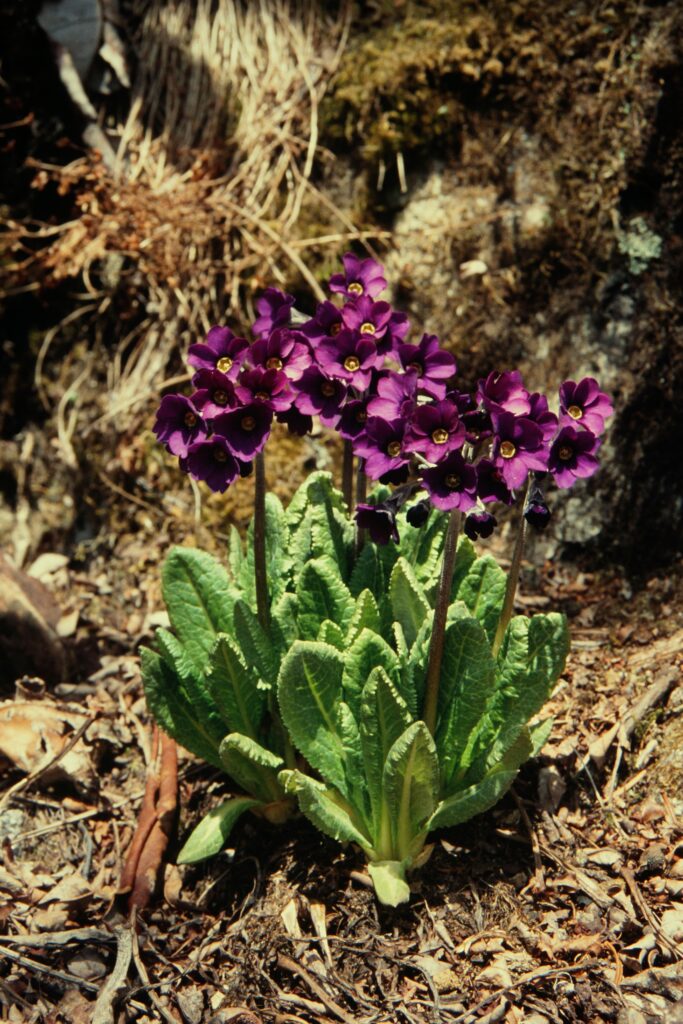
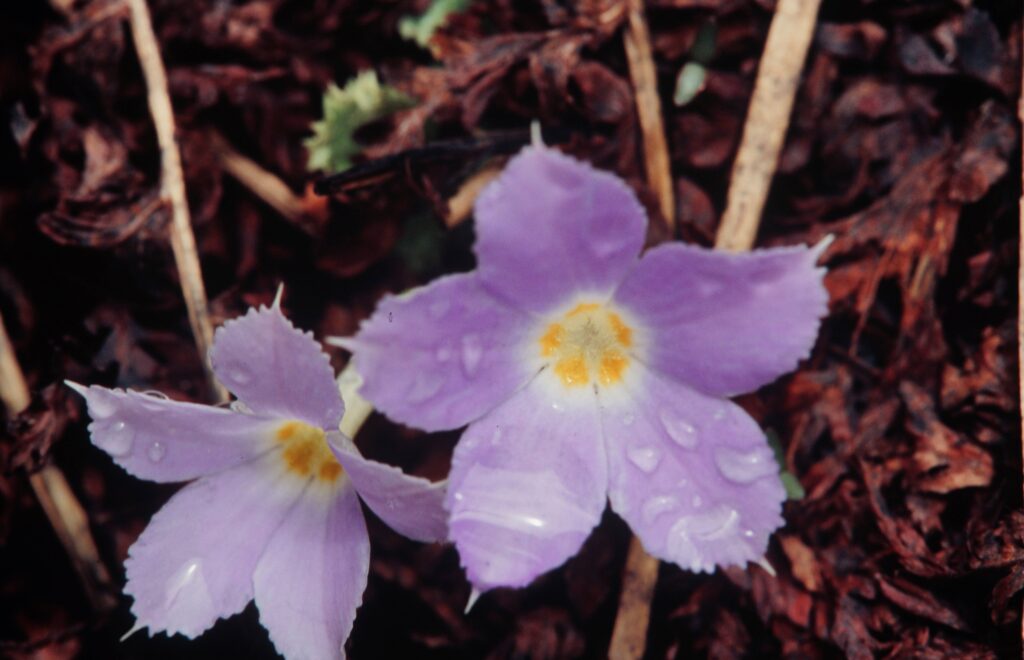
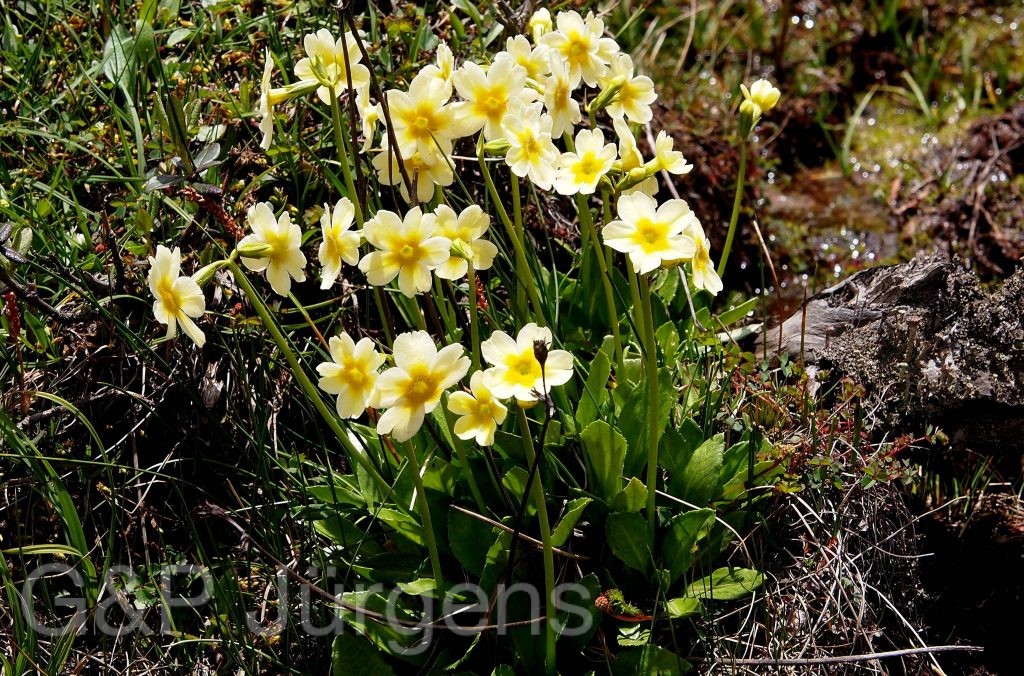
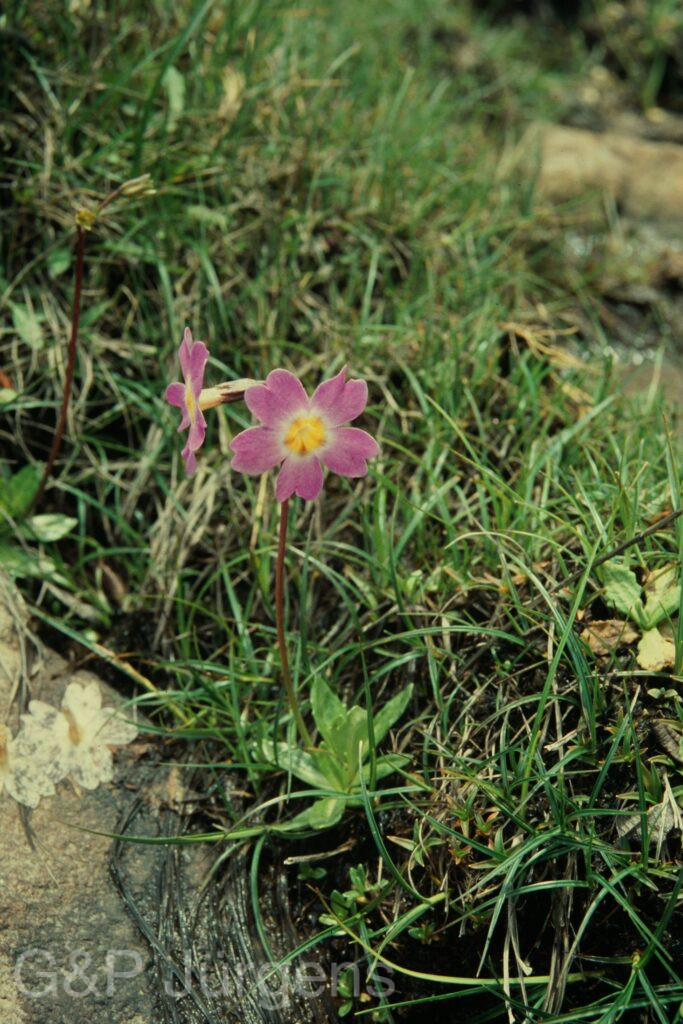
The plant is a small, stemless perennial forming a basal rosette of leaves that emerge from a resting bud heavily coated in pale farina. The leaves are obovate to spathulate, toothed towards the apex, narrowed to a winged petiole, and dusted beneath with white meal. From the rosette rises a short scape bearing a few-flowered umbel; each flower has a tubular, farinose calyx and a flat-faced, pale yellow corolla with a deeper golden-yellow eye, the epithet aureata alluding to this golden centre. The corolla lobes are obcordate and notched, and the species is heterostylous with pin and thrum forms. The fruit is a small capsule enclosed in the persistent calyx.
Primula aureata belongs to section Petiolares, a largely Himalayan group of farinose, rosette-forming primulas of shaded, moist rock habitats. Its very limited range, dependence on specialised cliff microhabitats and small known population make it a plant of conservation interest, vulnerable to disturbance and collection; it is also esteemed in cultivation by alpine specialists. Localised endemics of this kind underline the high level of plant endemism in the central Nepal Himalaya.
Author: H.R.Fletcher · Sources: POWO (Kew), GBIF, Annotated Checklist of the Flowering Plants of Nepal, Flora of Bhutan, Smith and Fletcher's monographs of Primula section Petiolares, Richards' monograph Primula