
Craib
Description
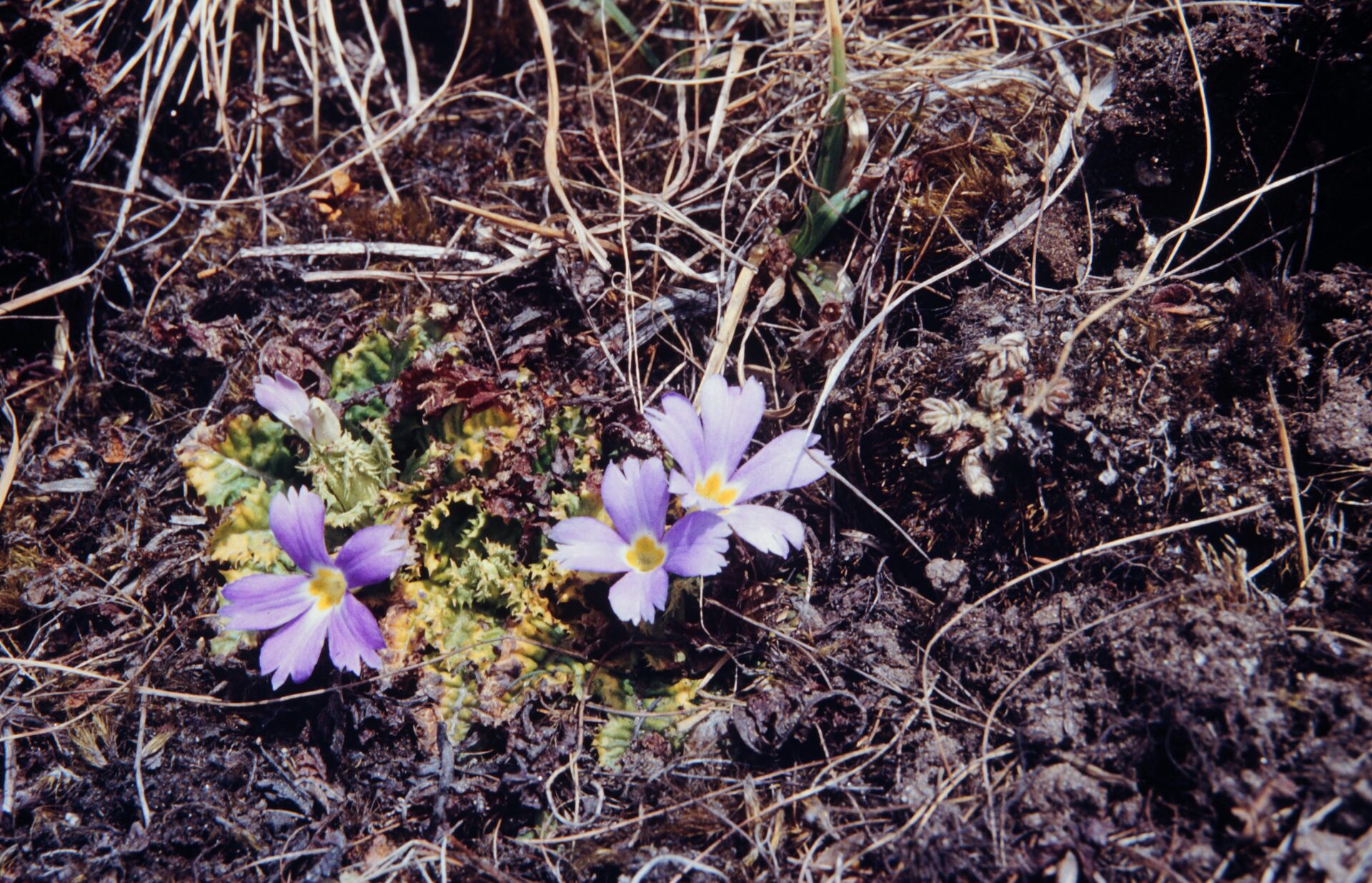
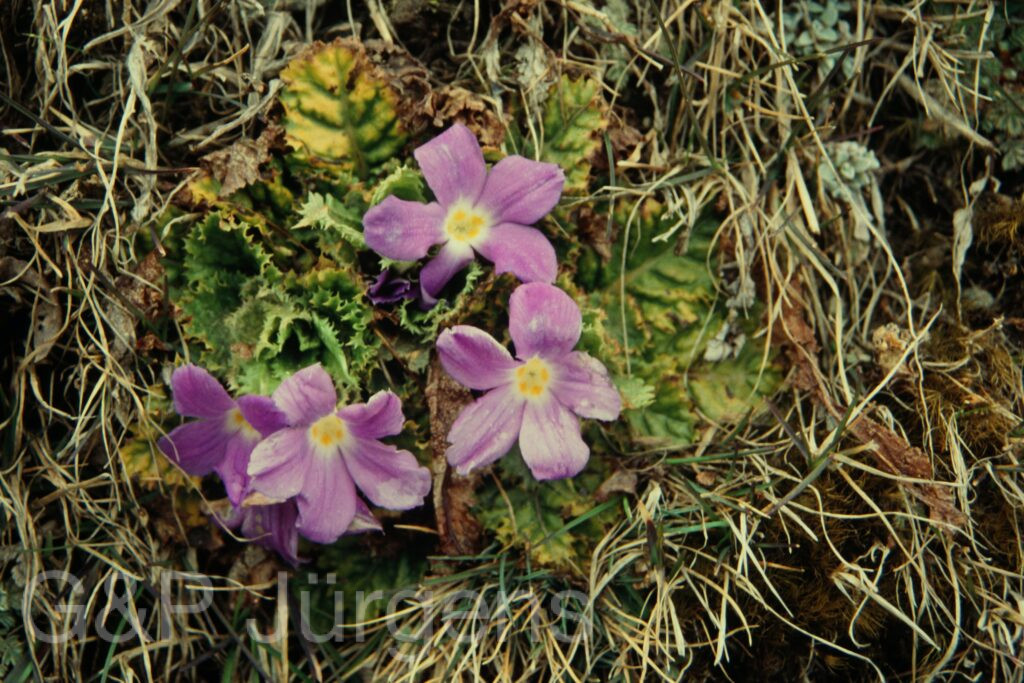
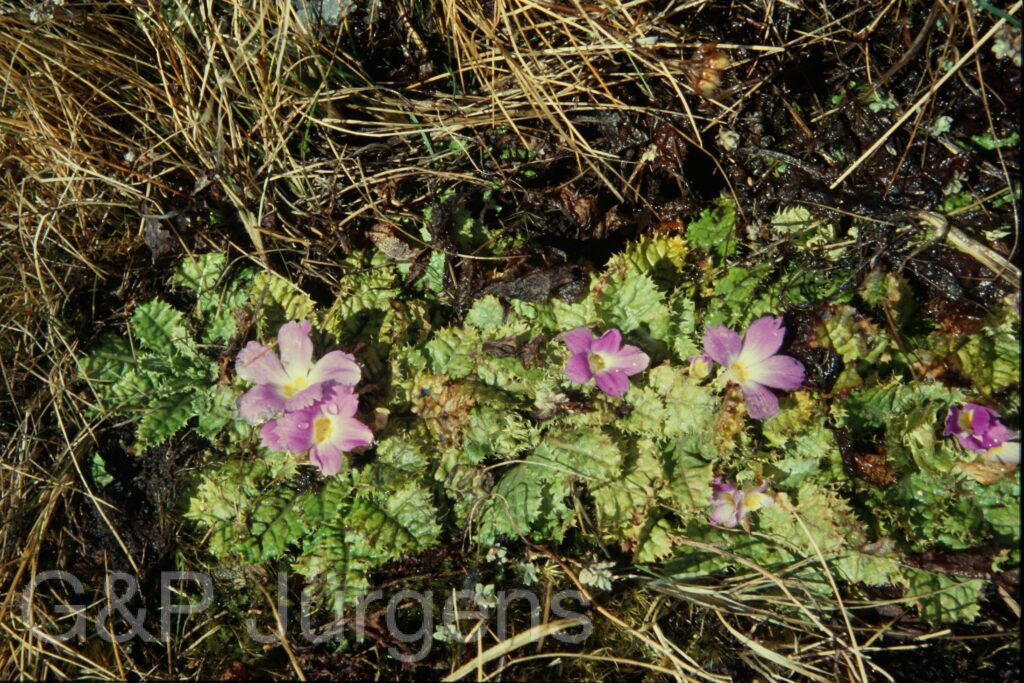
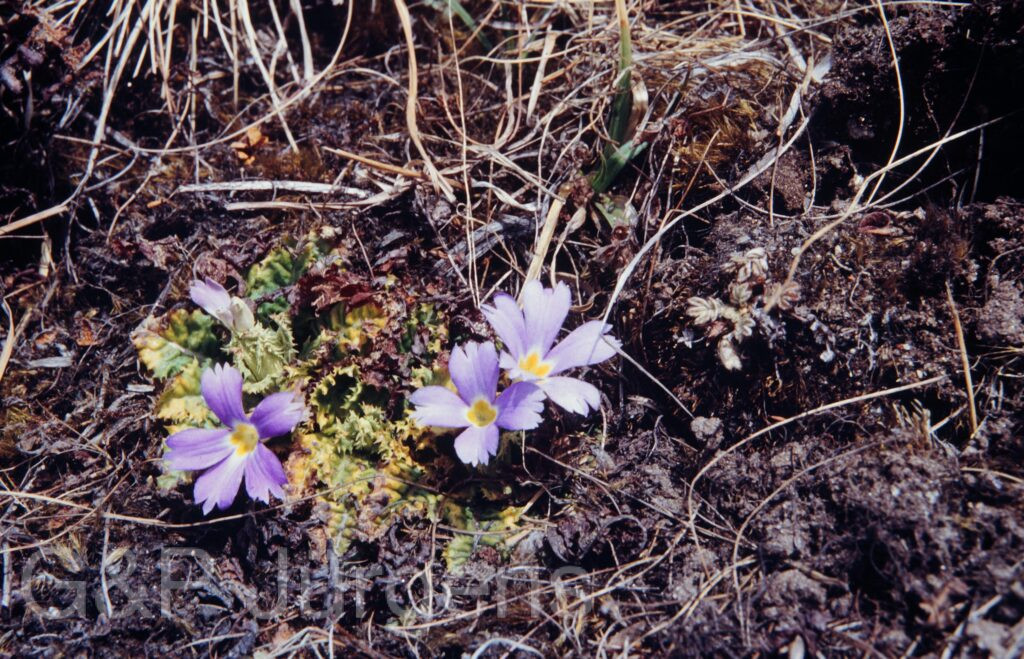
Primula deuteronana is an eastern Himalayan primrose restricted to Nepal, India and Bhutan, and is comparatively poorly collected, with only about 61 GBIF records. It is a plant of the subalpine and alpine zone, growing on moist, shaded slopes, rocky banks, mossy ledges and the margins of rhododendron scrub, often flowering very early in the season as the snow melts. The cited collections illustrate this well: Singalila on the Sikkim-India ridge at around 3900 m in May, Ghunsa in eastern Nepal at about 3600 m as early as March, and Kishong in West Bengal at some 3500 m in May, indicating a preference for cool, humid, well-drained mountain habitats.
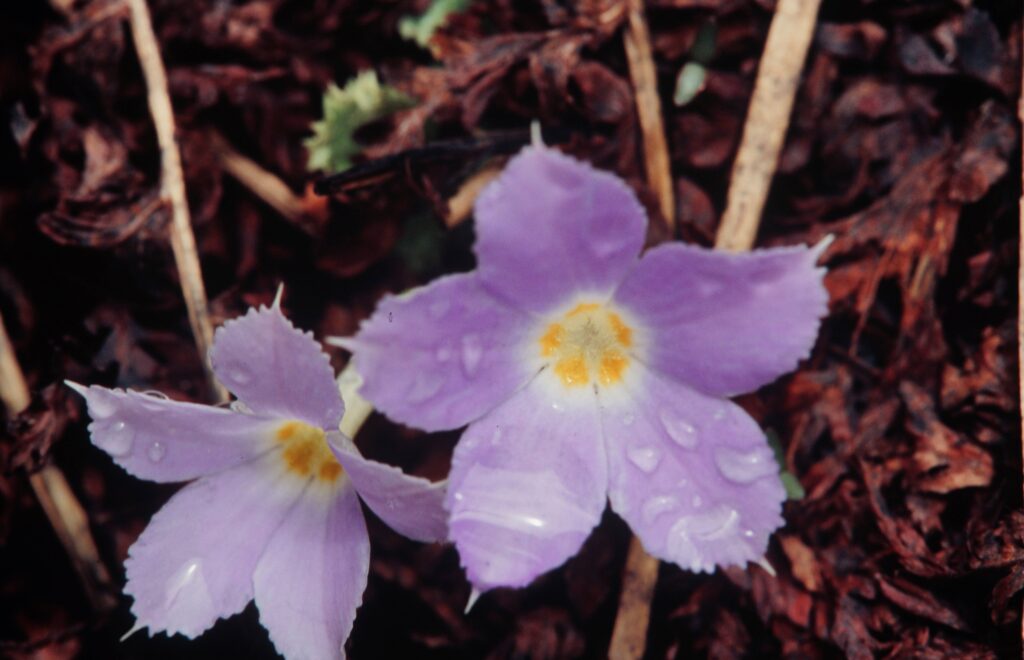
The plant is a small, low perennial herb with a basal rosette of leaves that are obovate to spathulate, often narrowed to a winged petiole, with crenate to dentate margins and frequently a farinose (mealy) coating, particularly when young. The flowers are borne singly or few together on short scapes barely exceeding the foliage, each with a tubular, lobed calyx and a salverform corolla in shades of rose-pink to purple with a contrasting paler or yellowish eye, the five lobes spreading and notched. The fruit is a small capsule containing numerous tiny seeds.
Described by Craib, P. deuteronana belongs to the species-rich Himalayan assemblage of farinose primulas. Its very early, near-snowmelt flowering is an adaptation to the short high-mountain growing season. As a narrow-range eastern Himalayan endemic with relatively few documented populations, it is potentially sensitive to grazing, trampling and climatic warming affecting its restricted alpine habitat, and merits monitoring.
Author: Craib · Sources: POWO (Kew), GBIF, Flora of Bhutan, Annotated Checklist of the Flowering Plants of Nepal, Richards' monograph Primula