Balf. f.
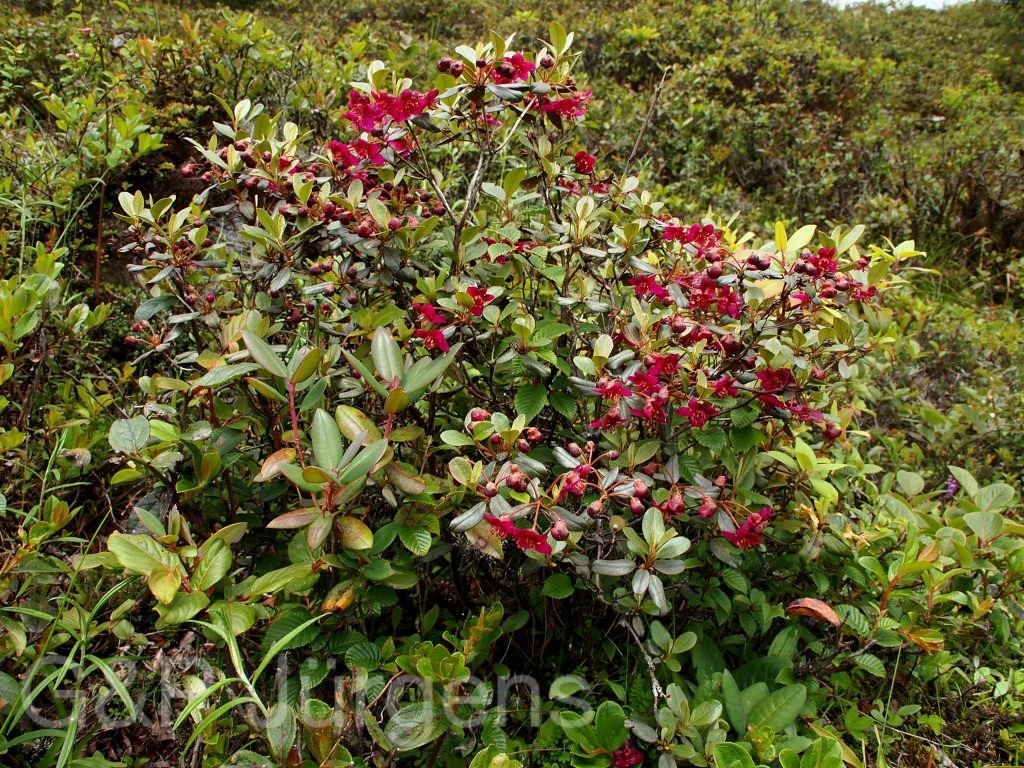
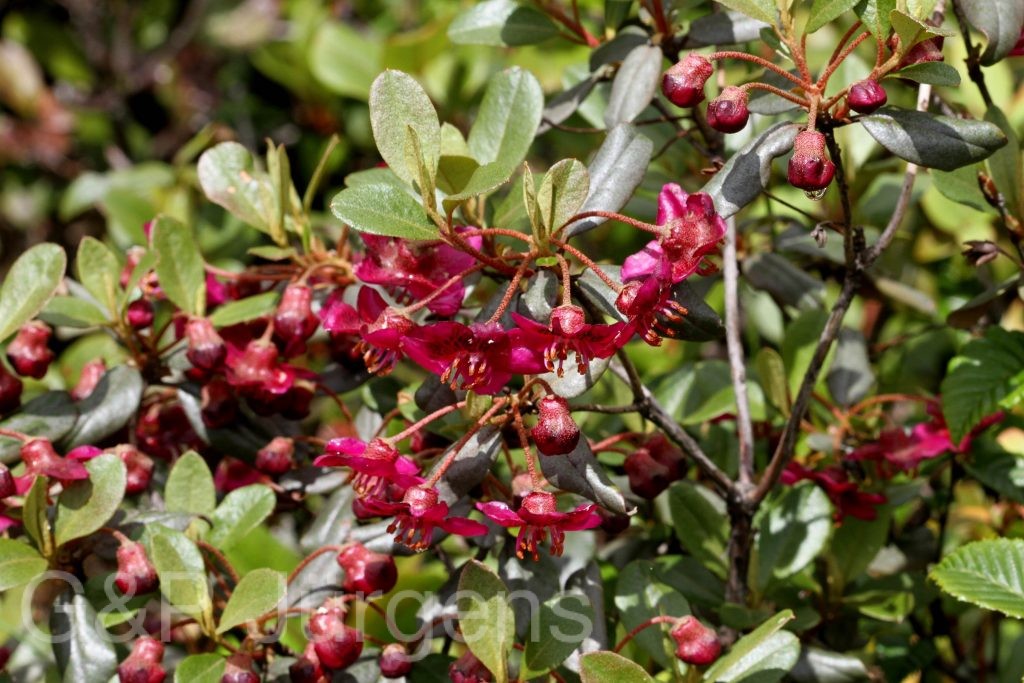
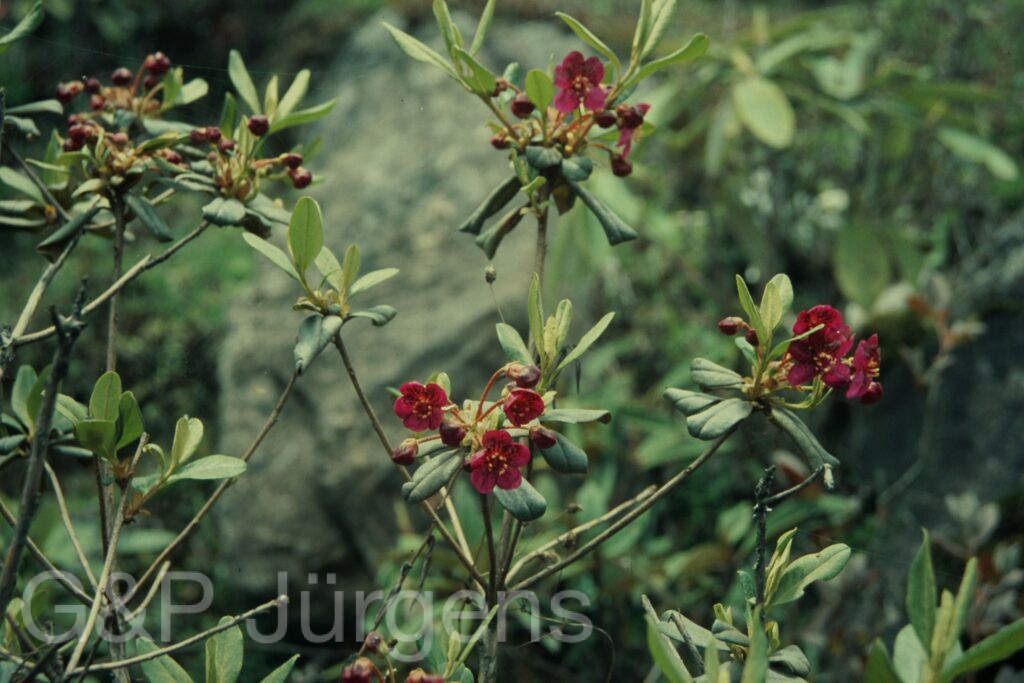
Description
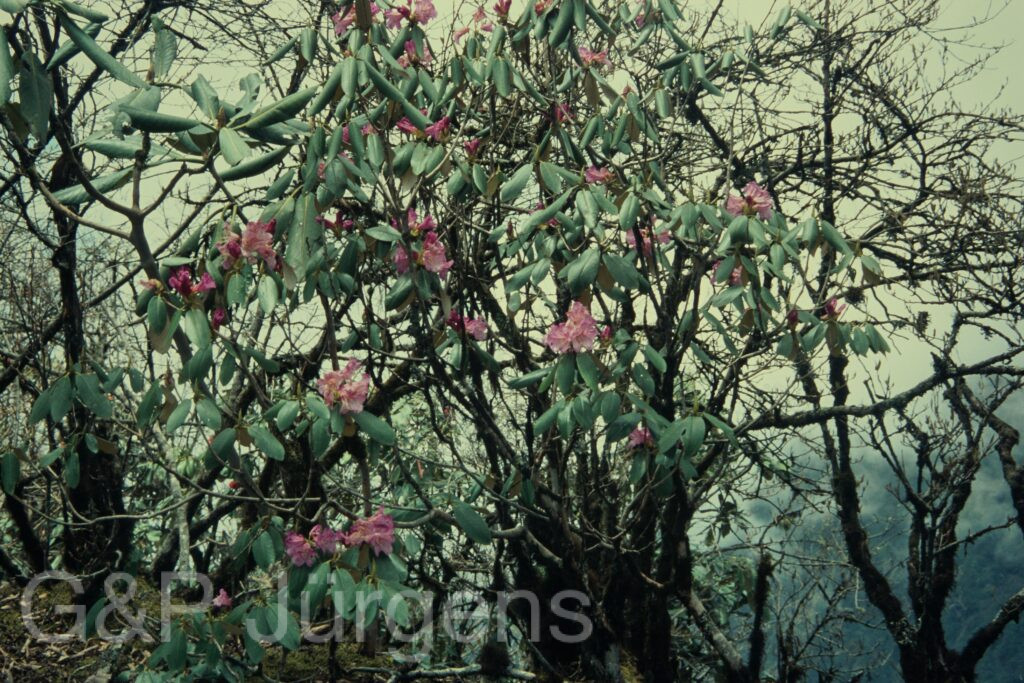
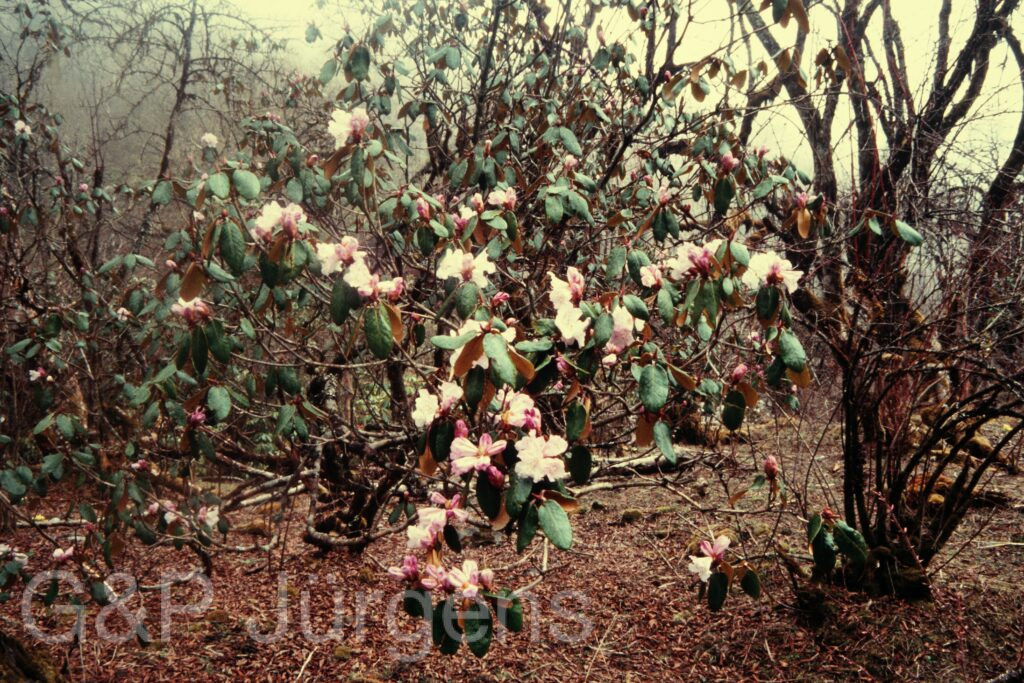
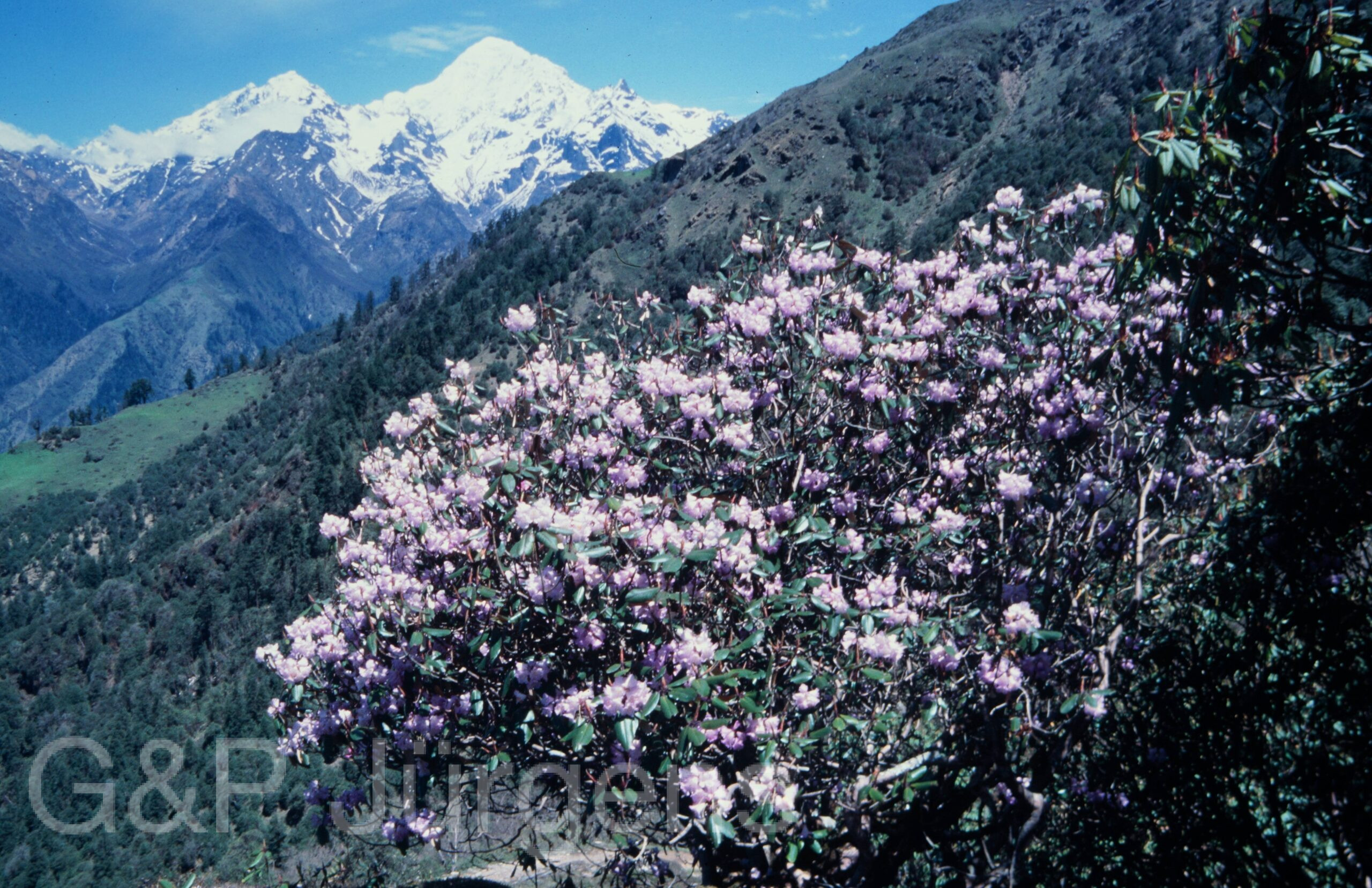
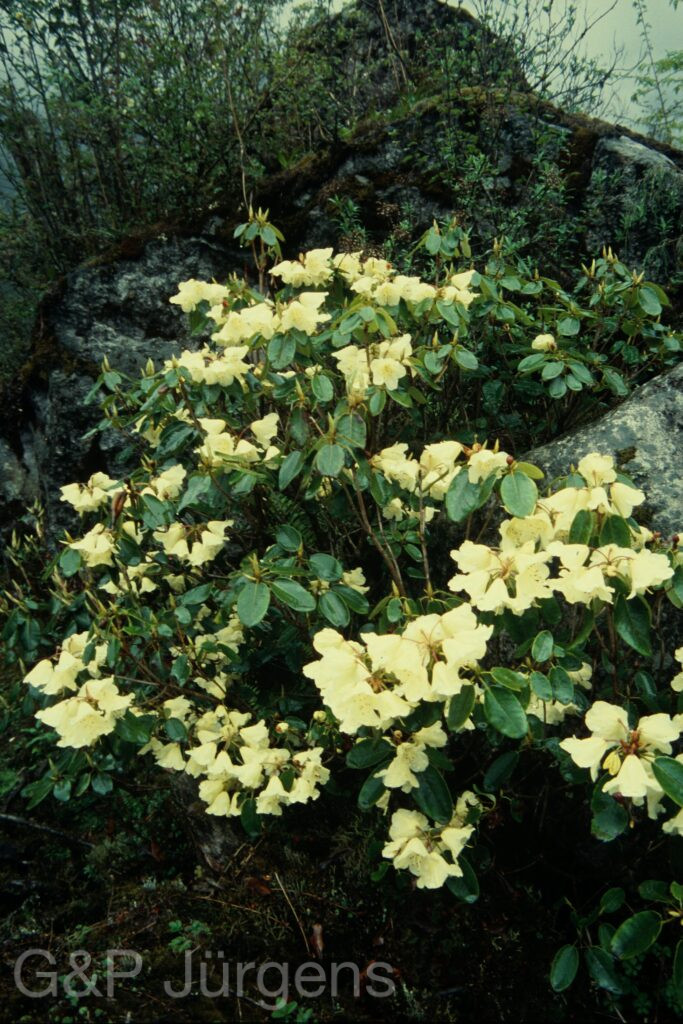
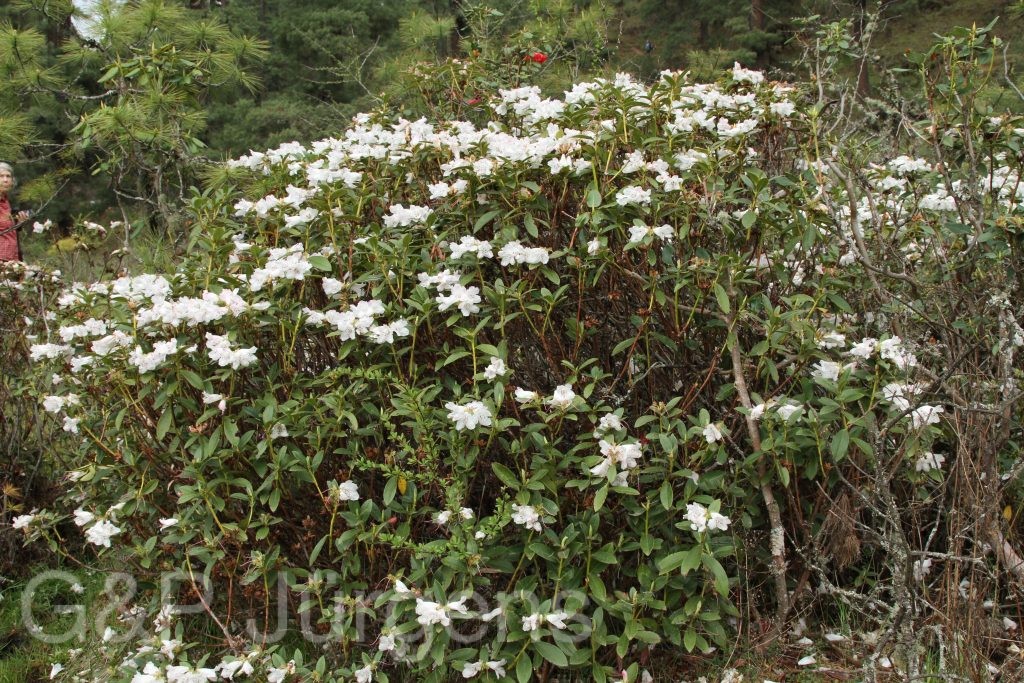
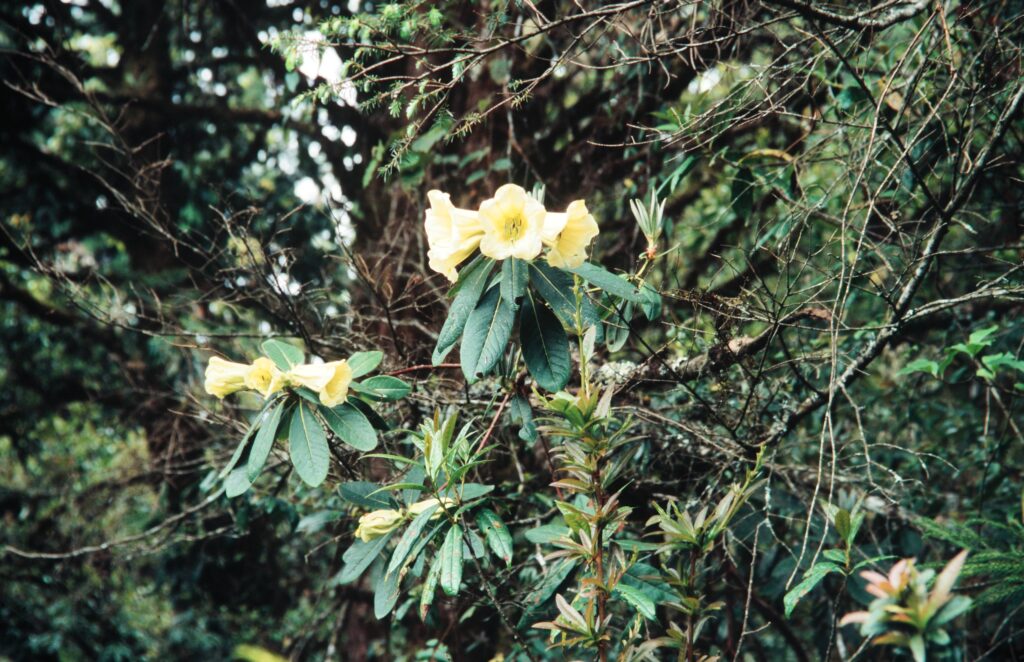
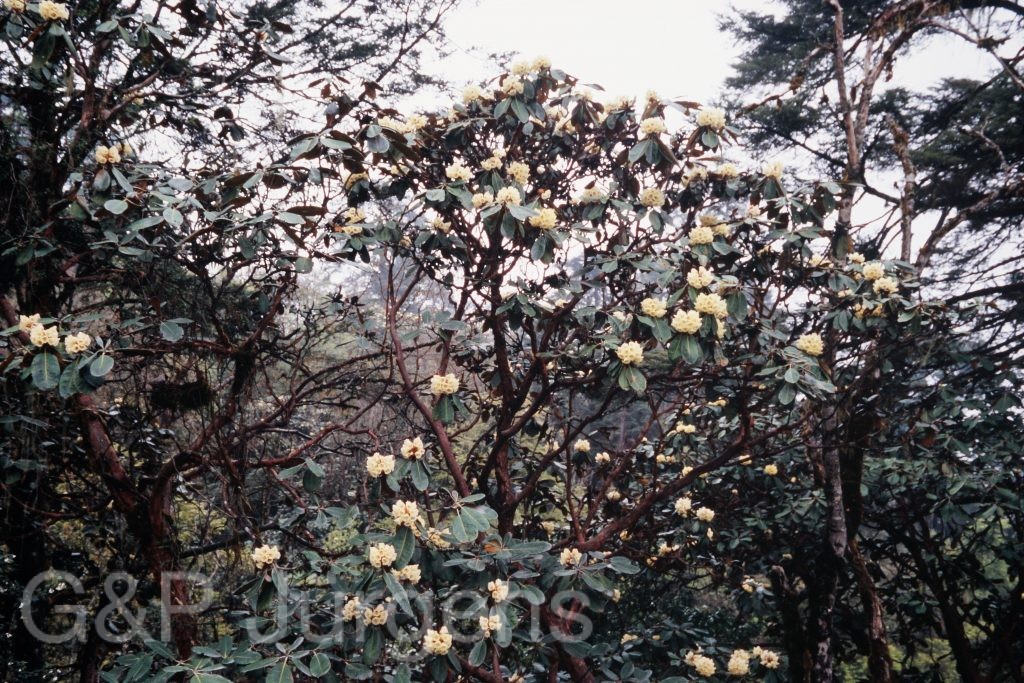
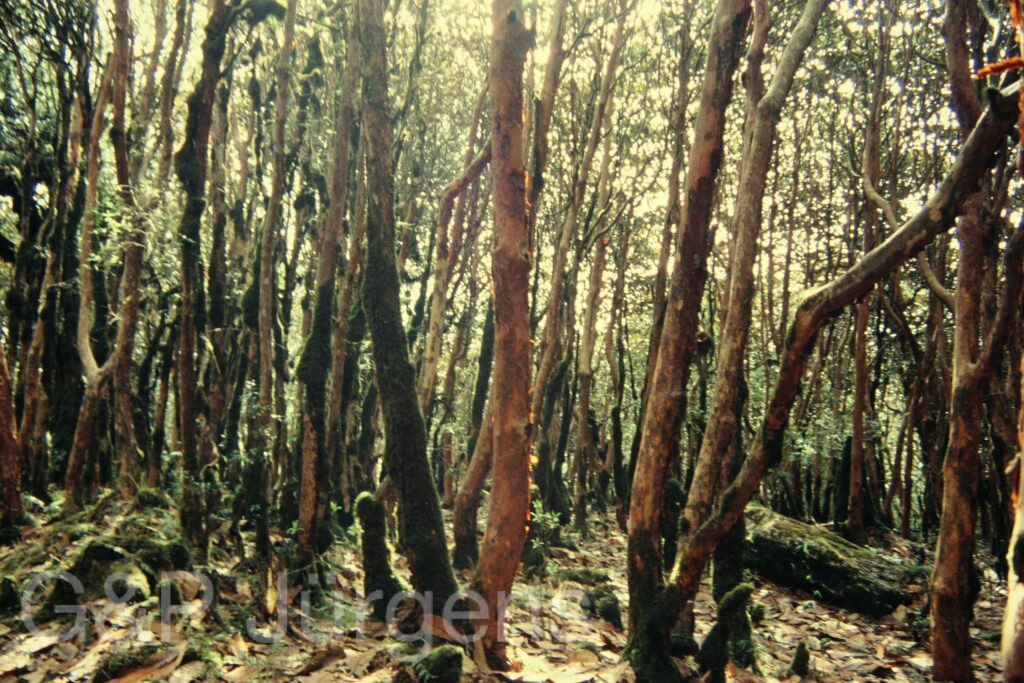
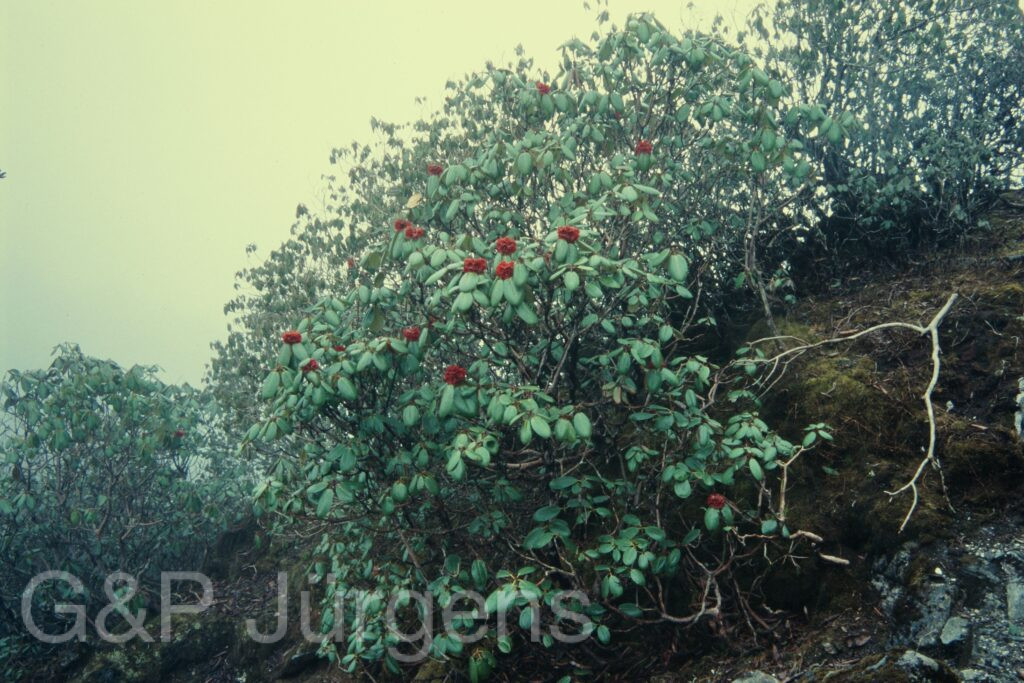
Rhododendron baileyi is a lepidote shrub of the eastern Himalaya, native to Sikkim and the rest of northern India, Bhutan and south-eastern Tibet in China, with the remaining GBIF records (Great Britain, Canada, Japan, Sweden, United States) reflecting its presence in cultivation. Its roughly 121 georeferenced records indicate a narrowly distributed but well-known garden plant. It grows in open subalpine forest, rocky slopes and rhododendron-dominated thickets at roughly 3000-4300 m. The Sikkim collections noted above, from the Lachung valley at 3100-3600 m in May and June, are characteristic of its montane habitat.
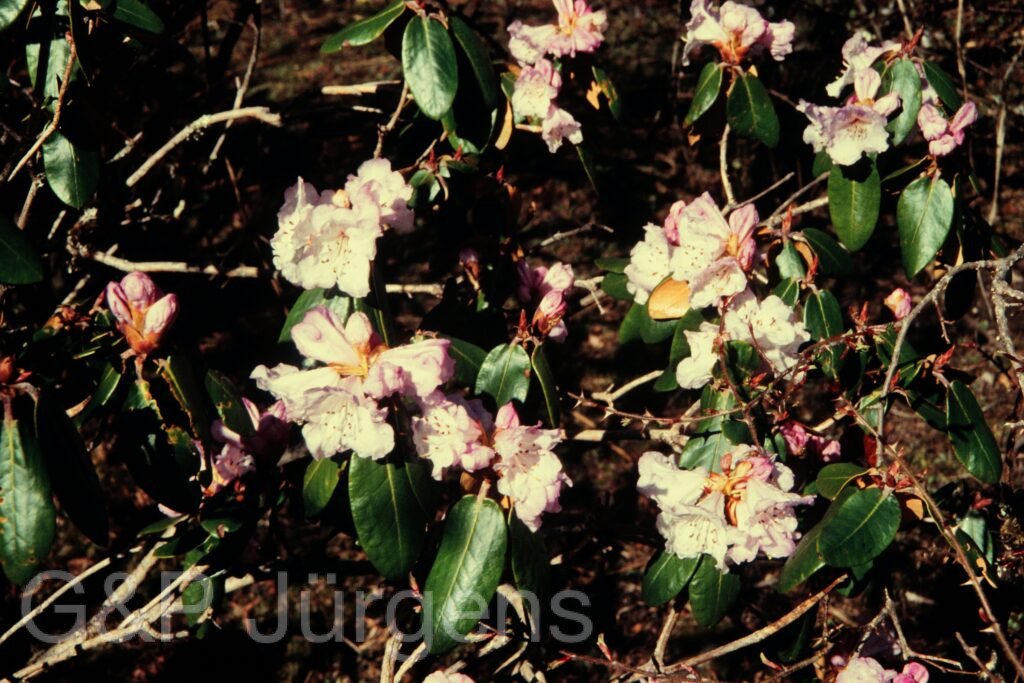
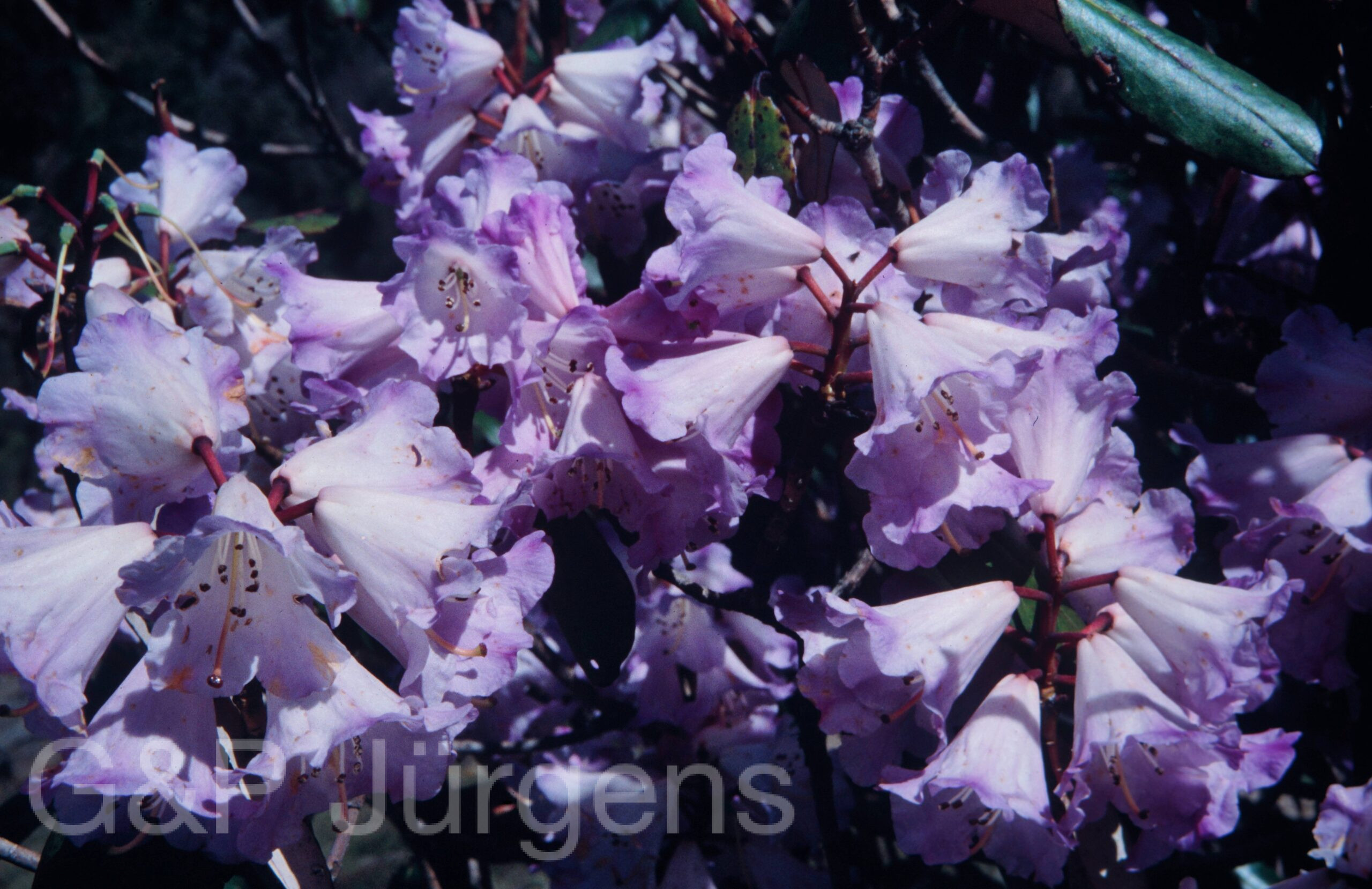
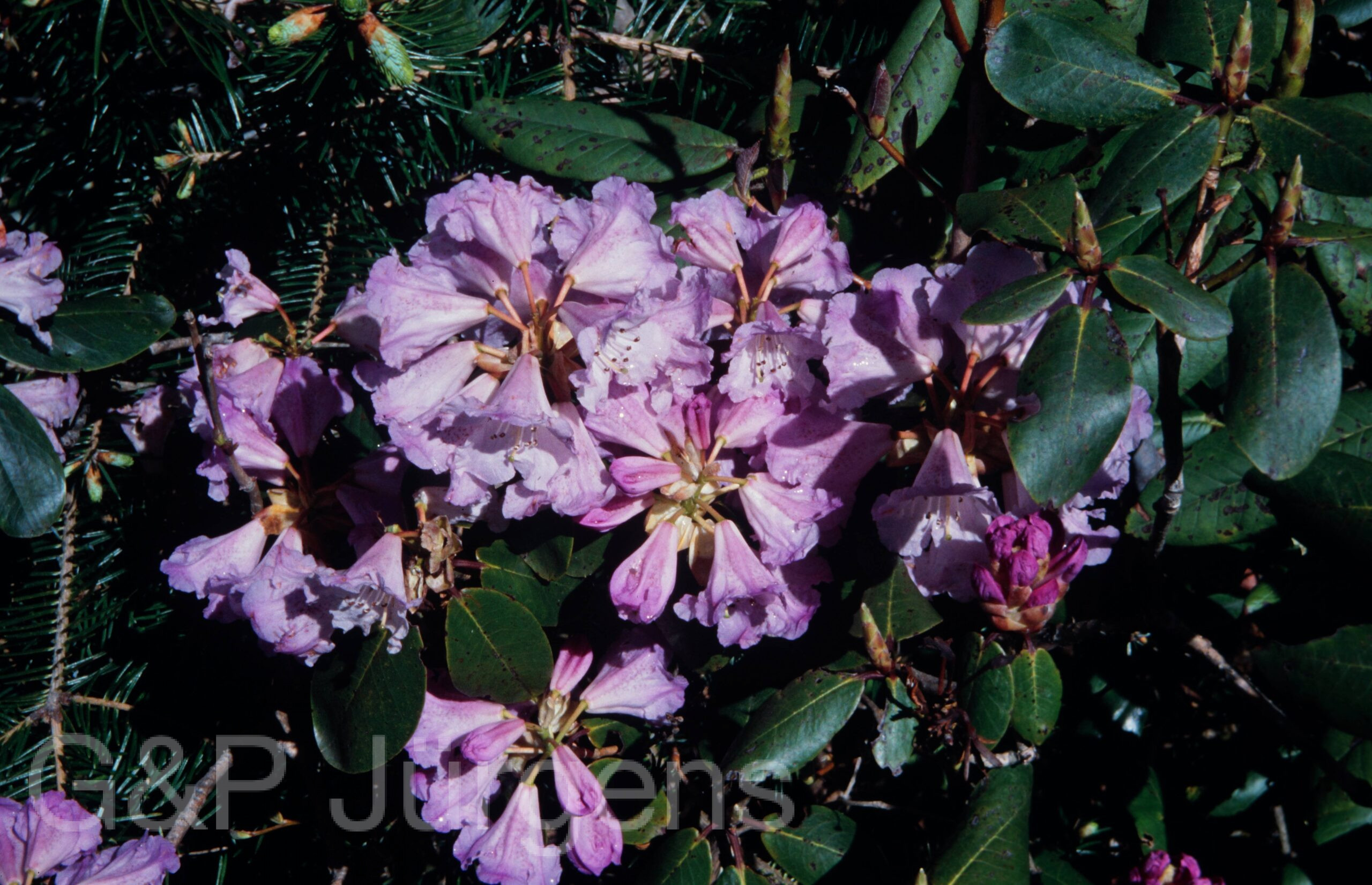
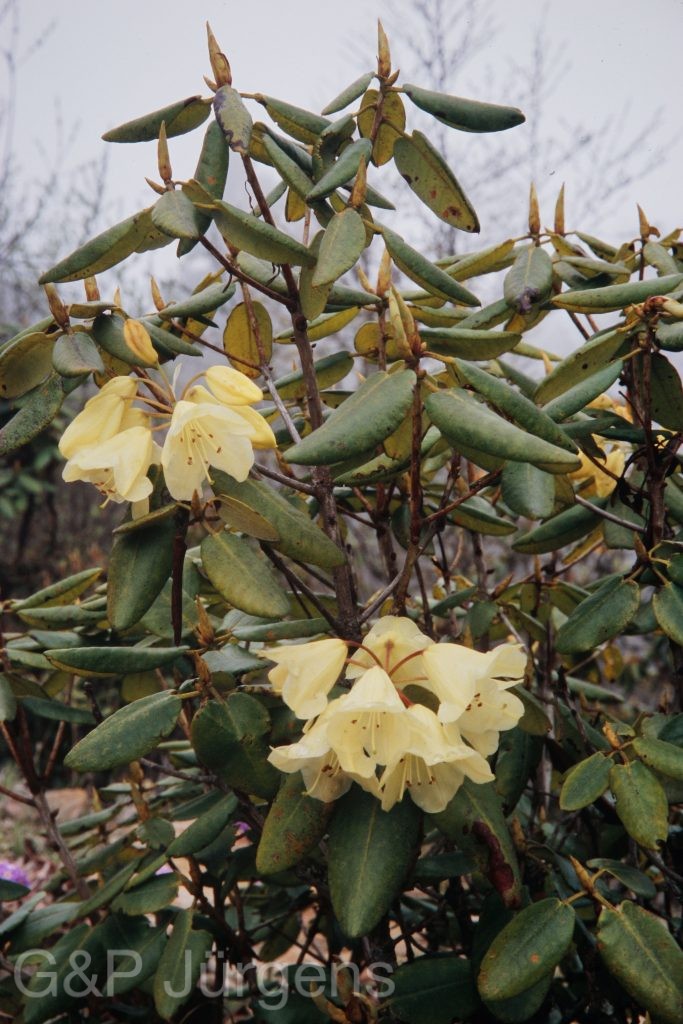
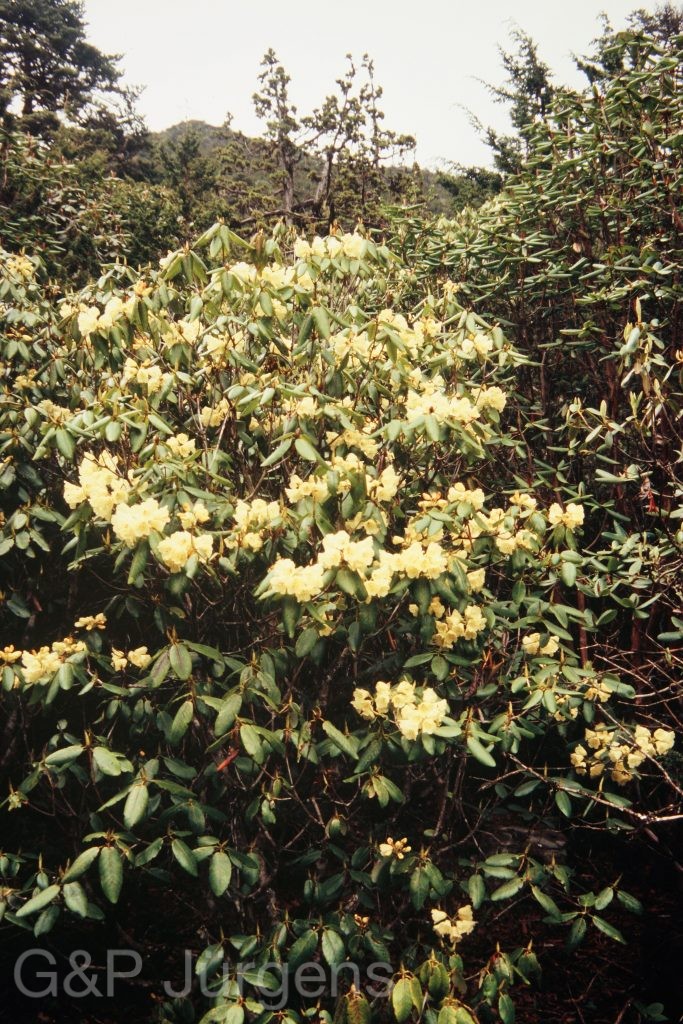
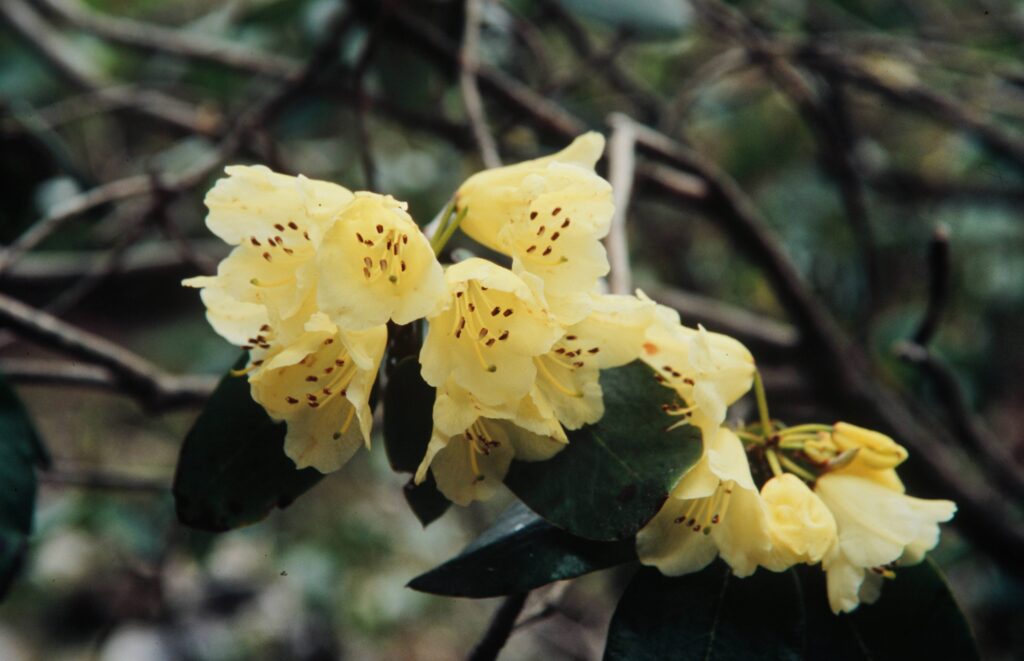
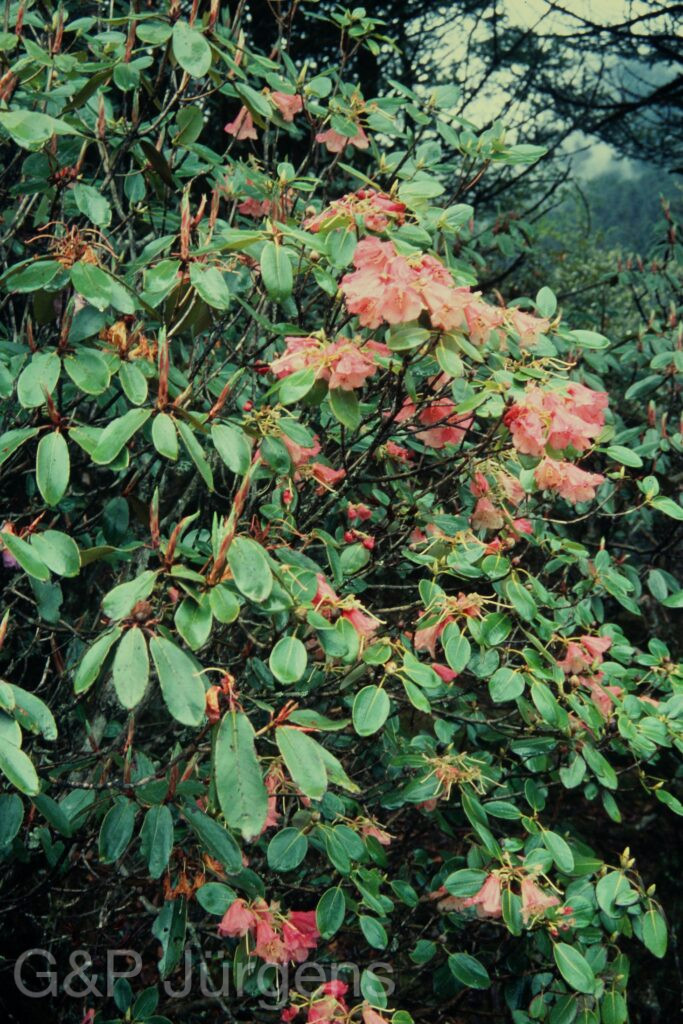
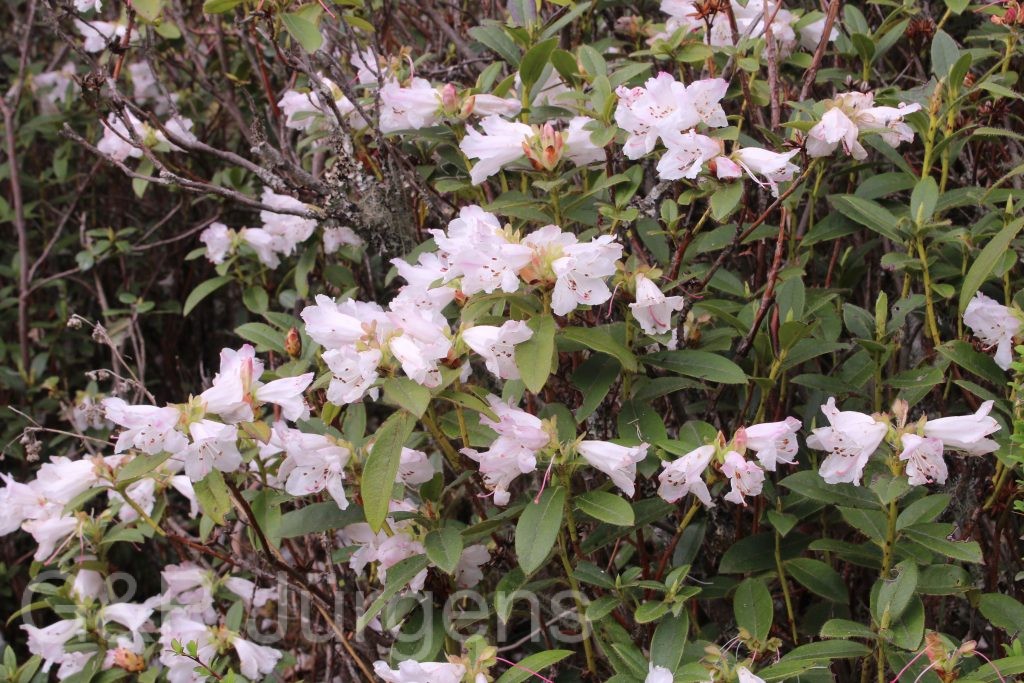
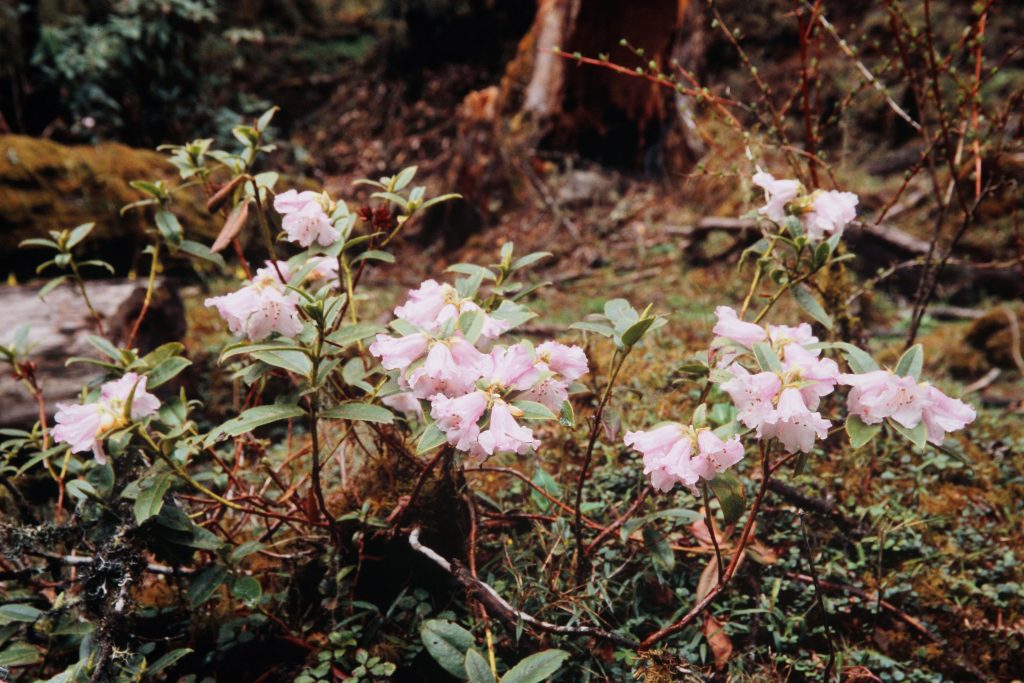
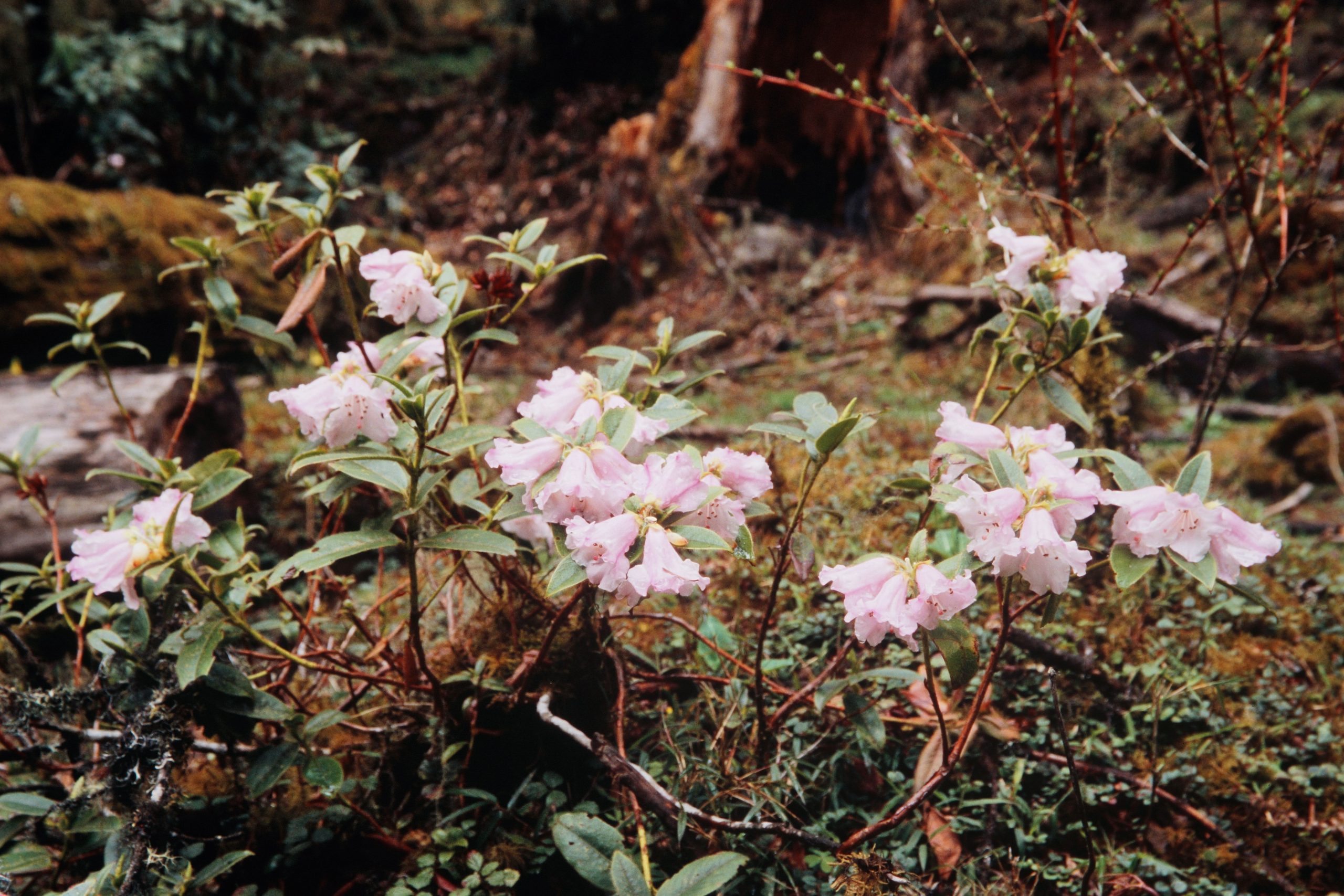
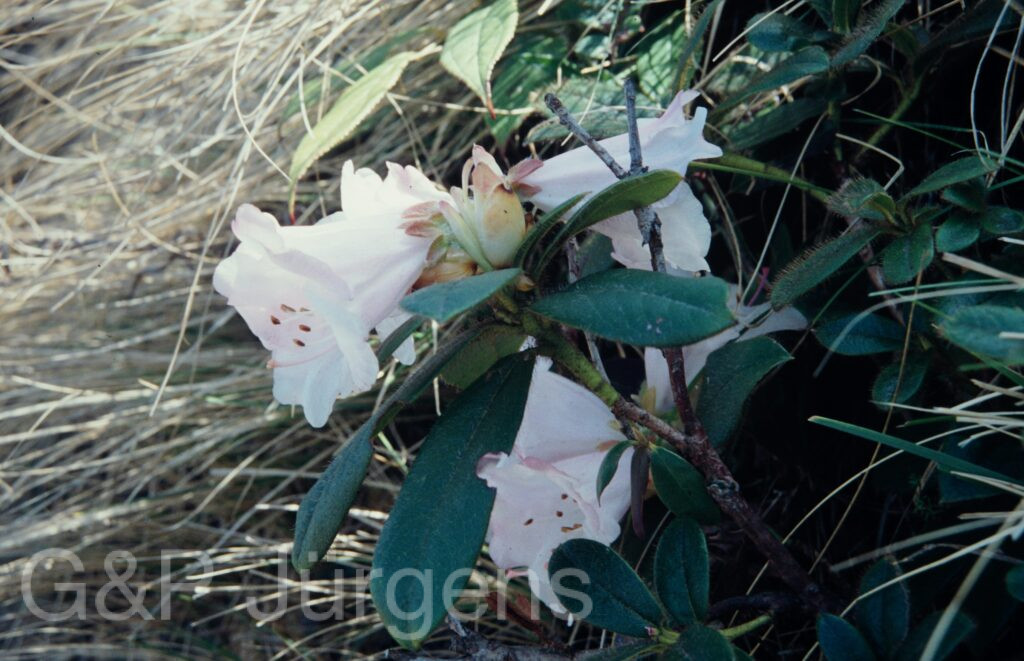
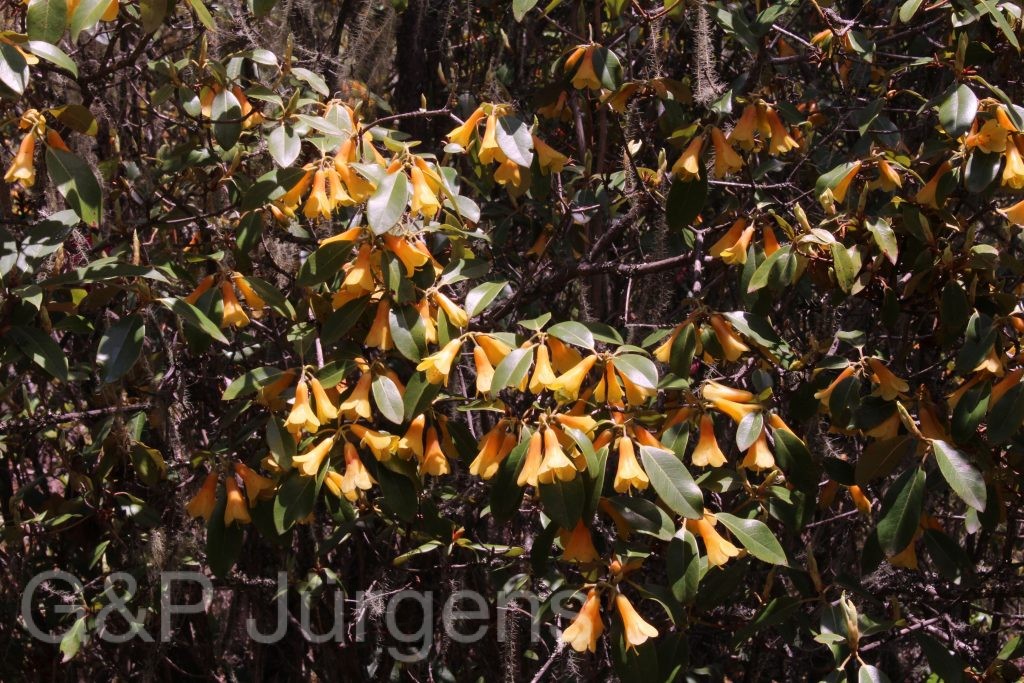
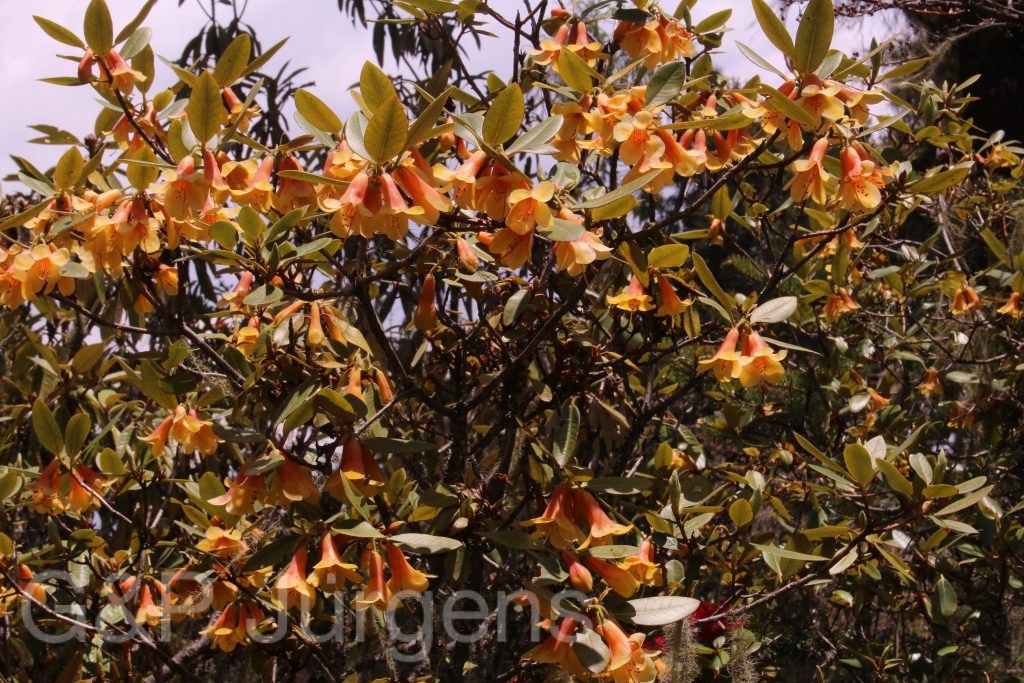
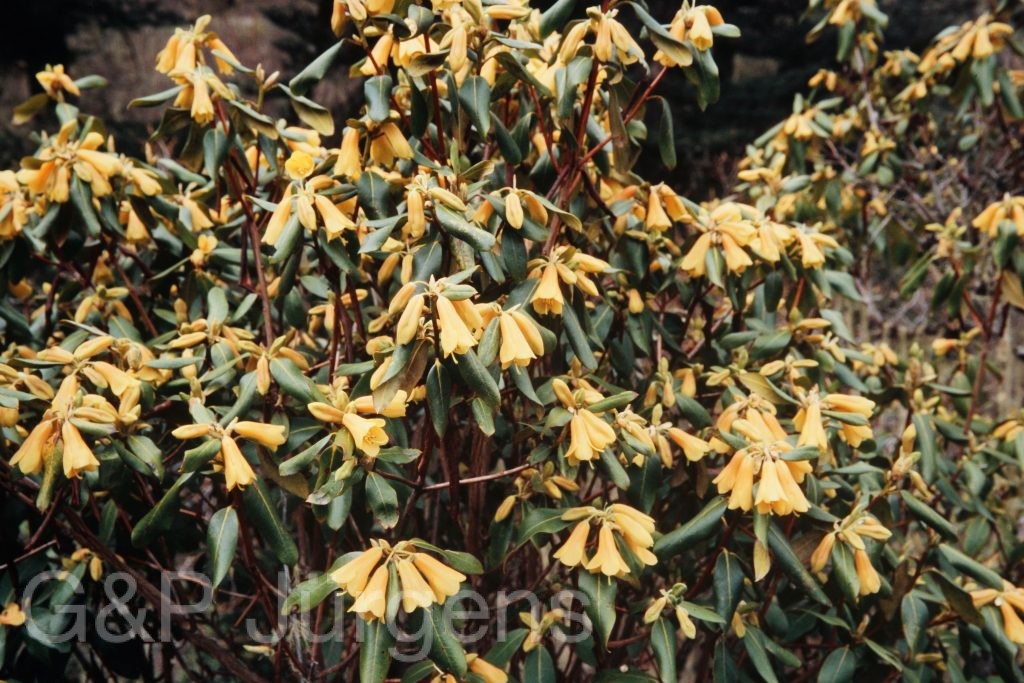
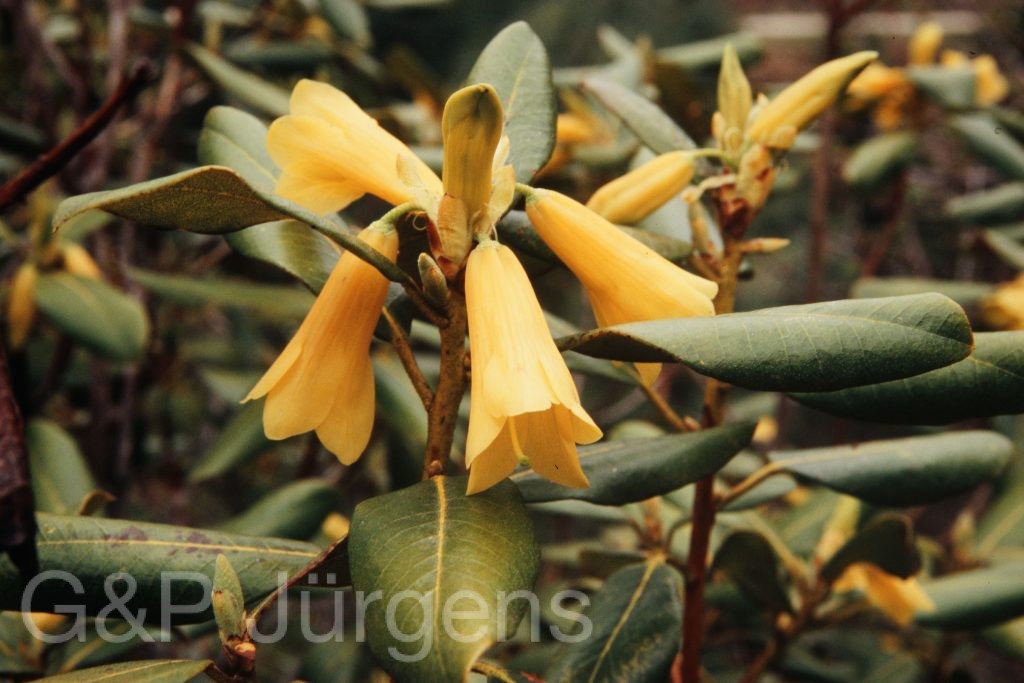
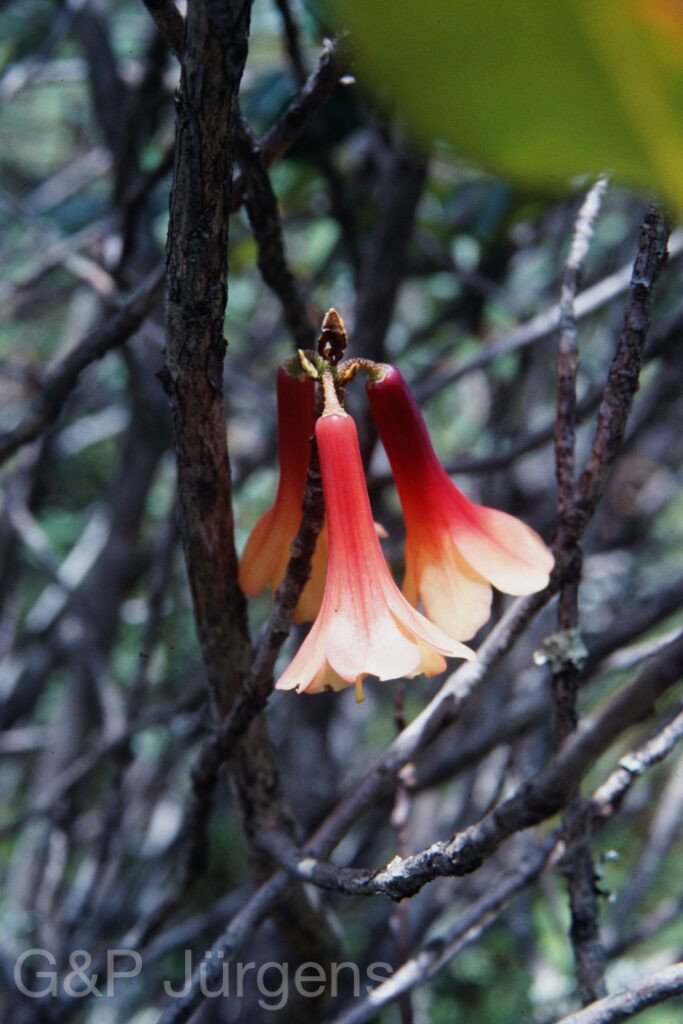
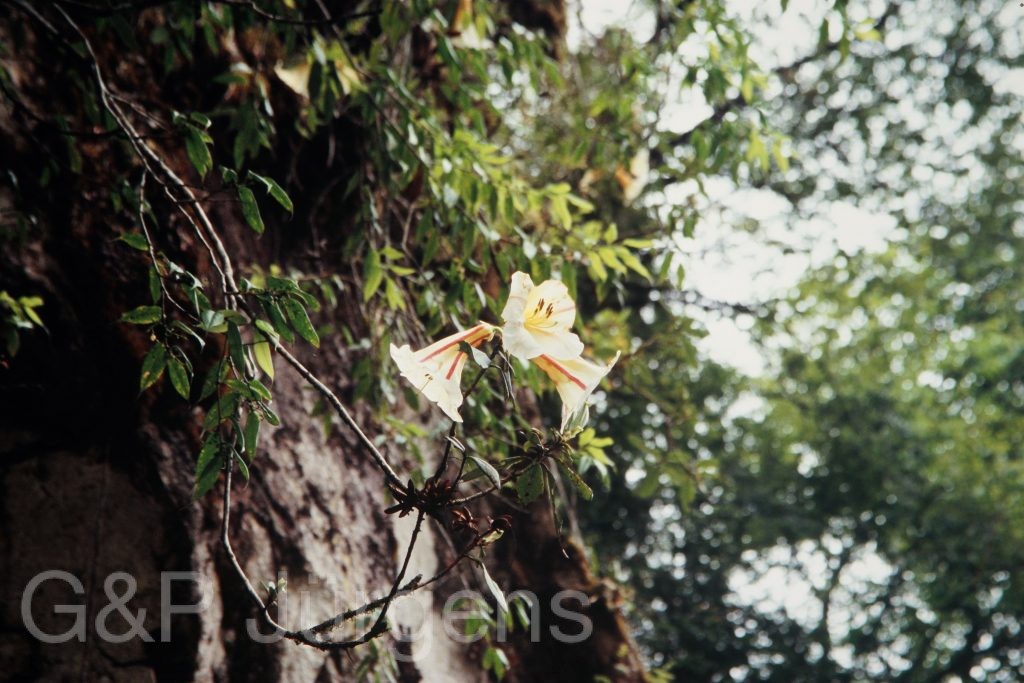
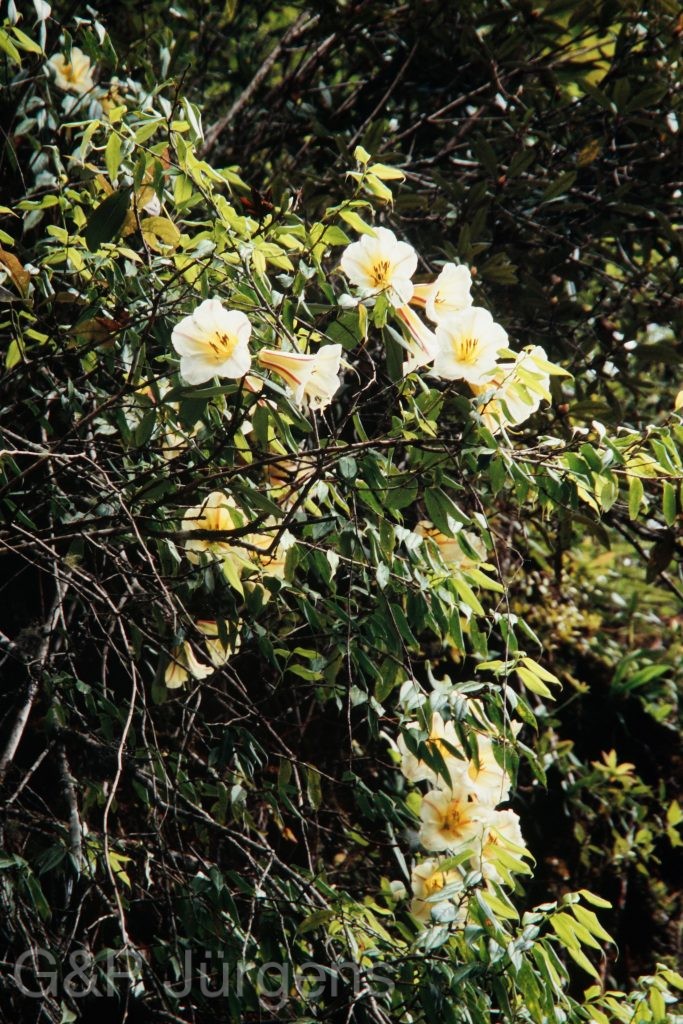
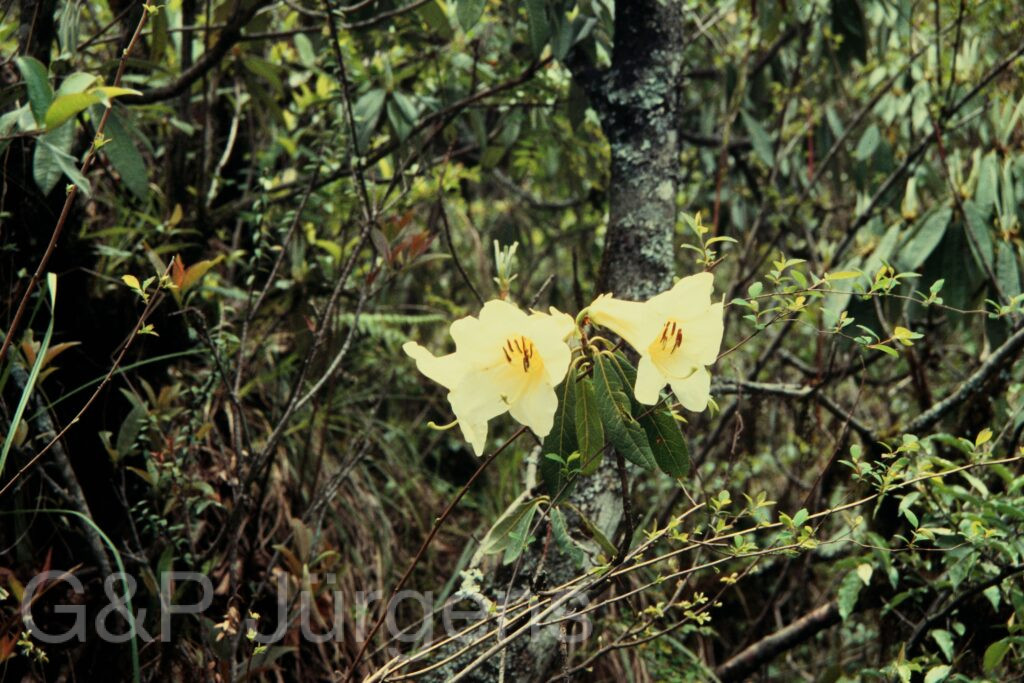
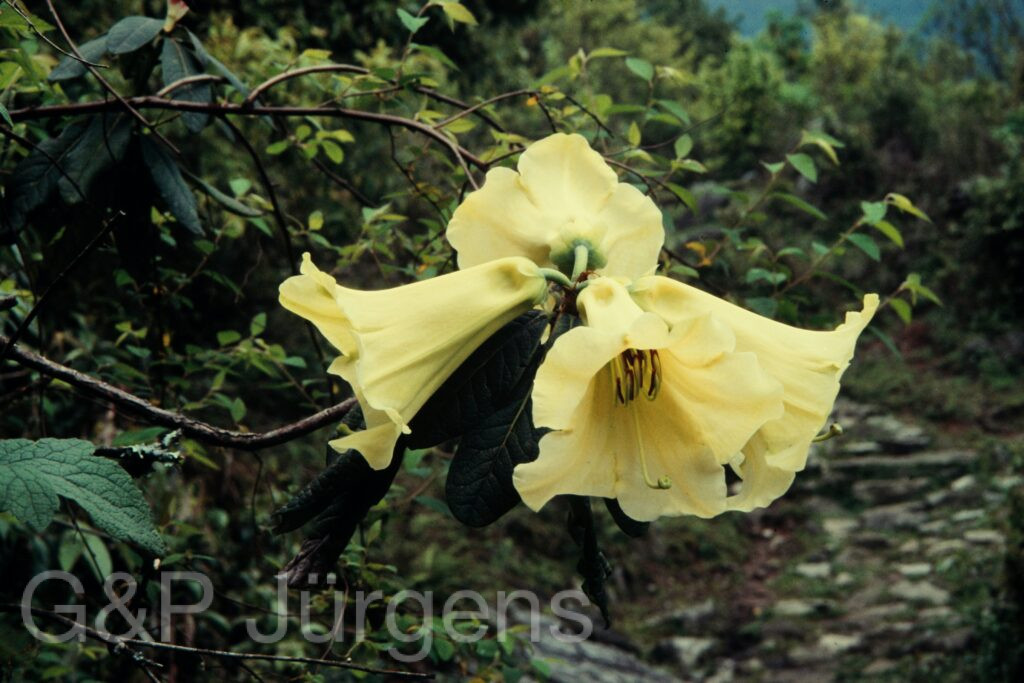
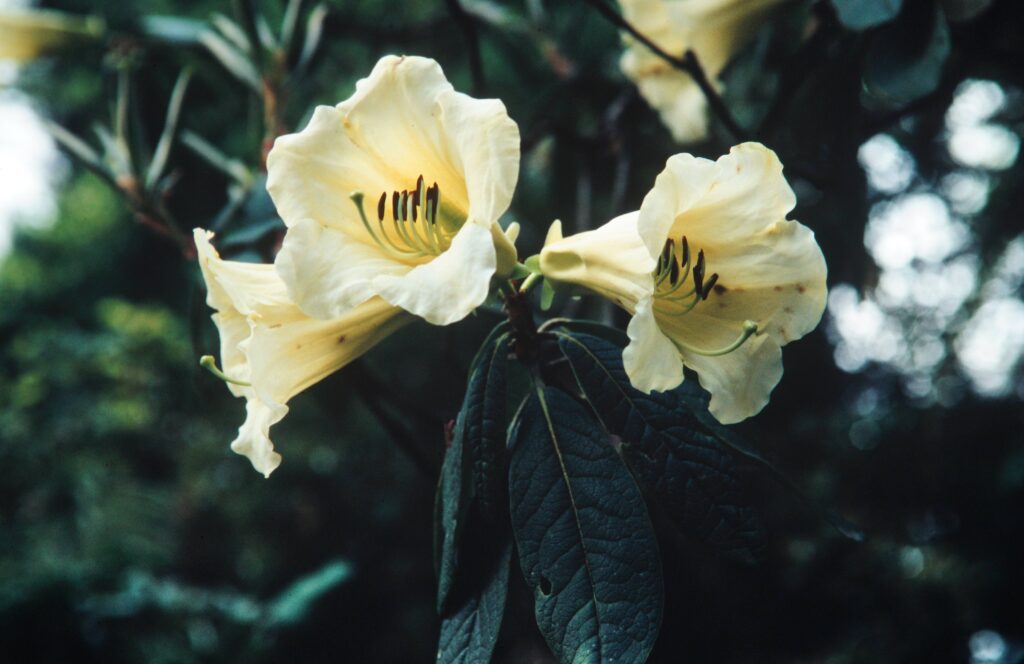
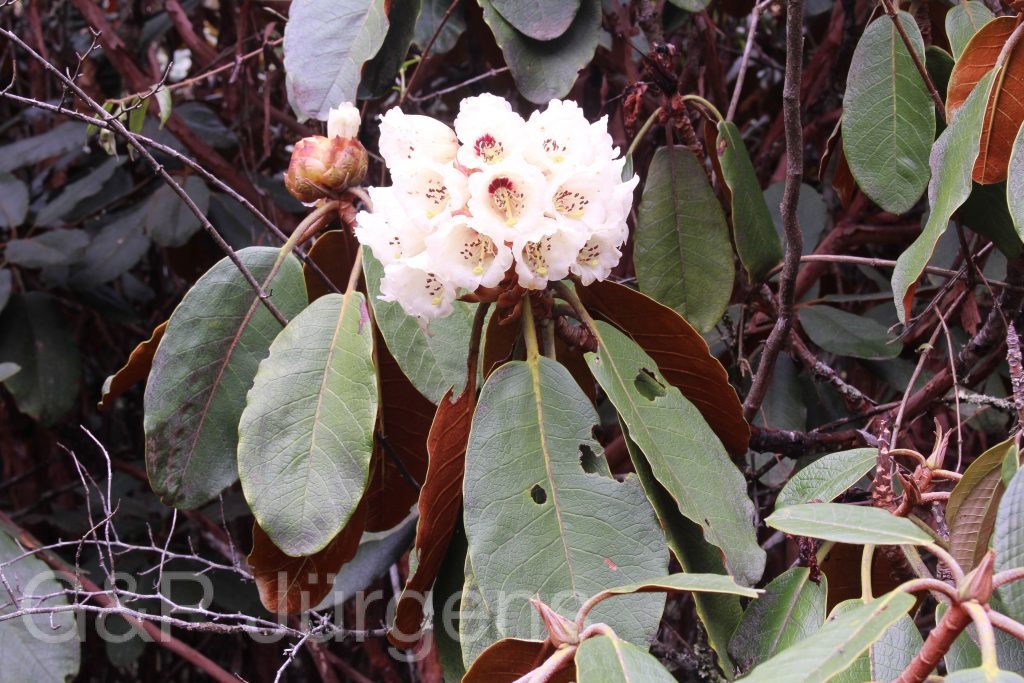
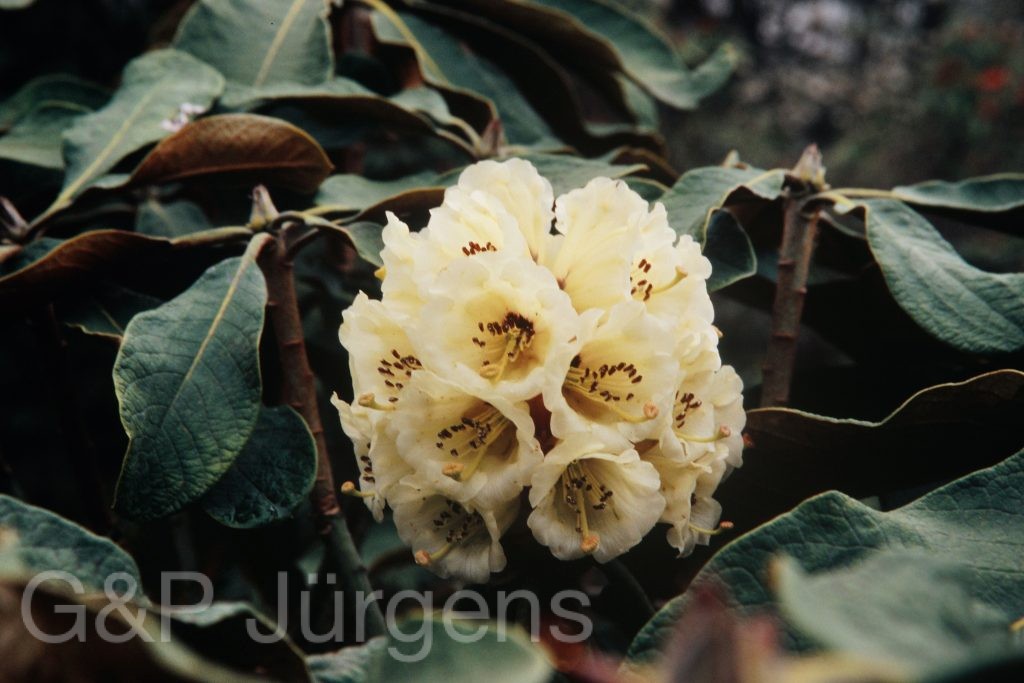
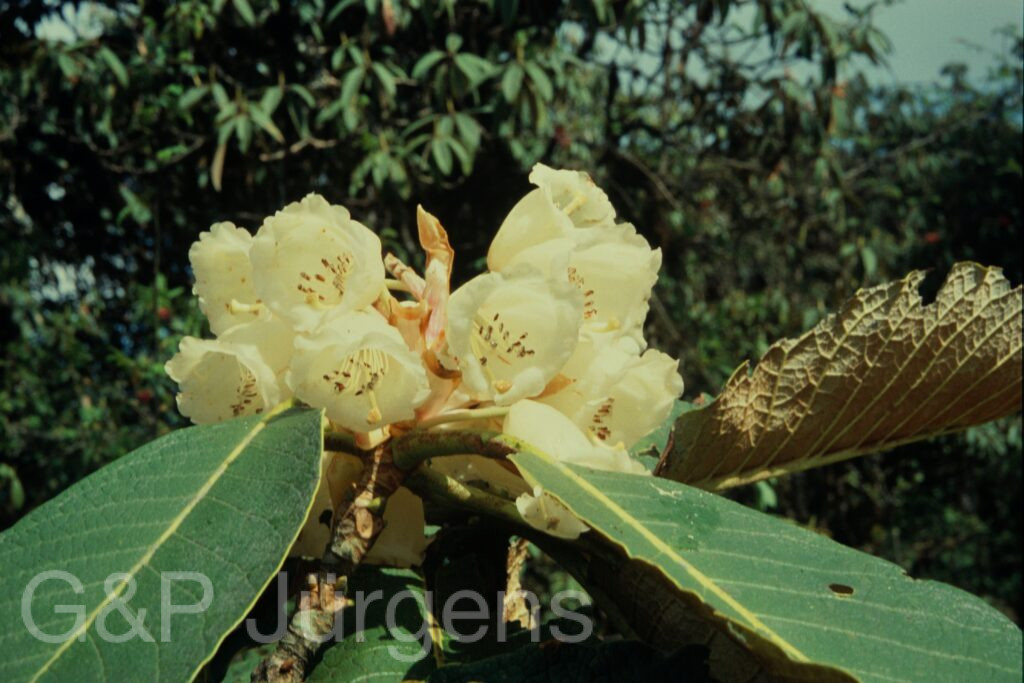
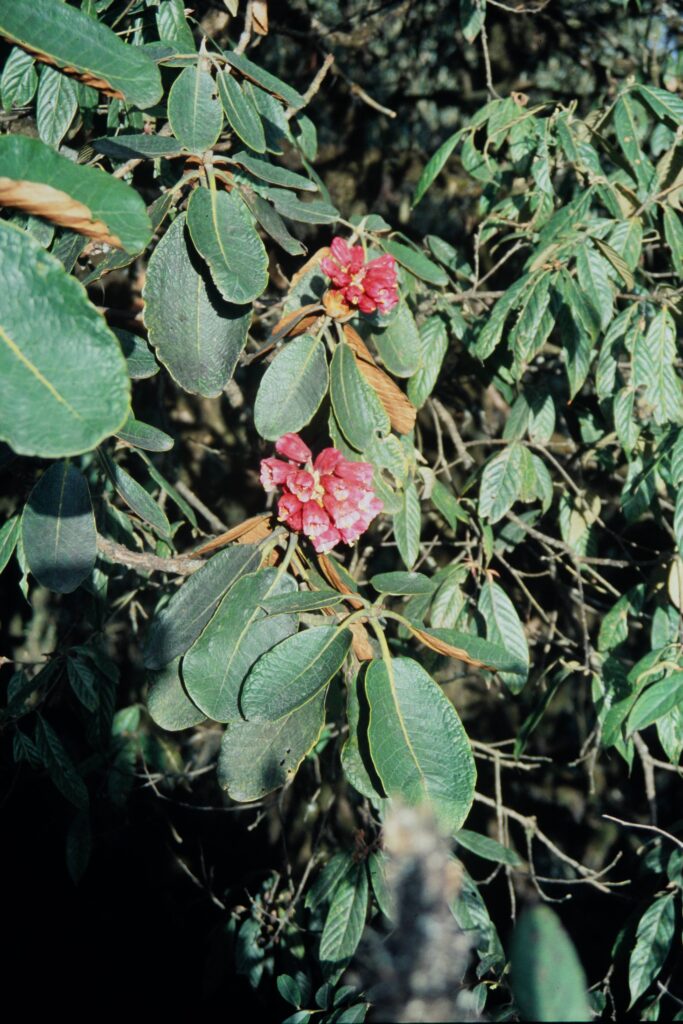
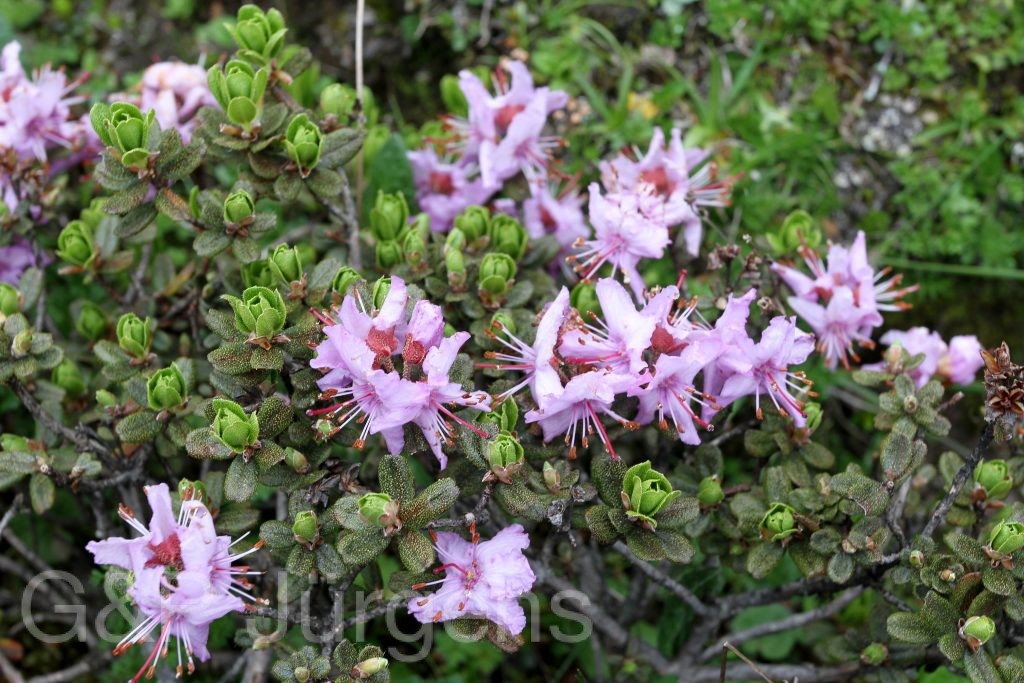
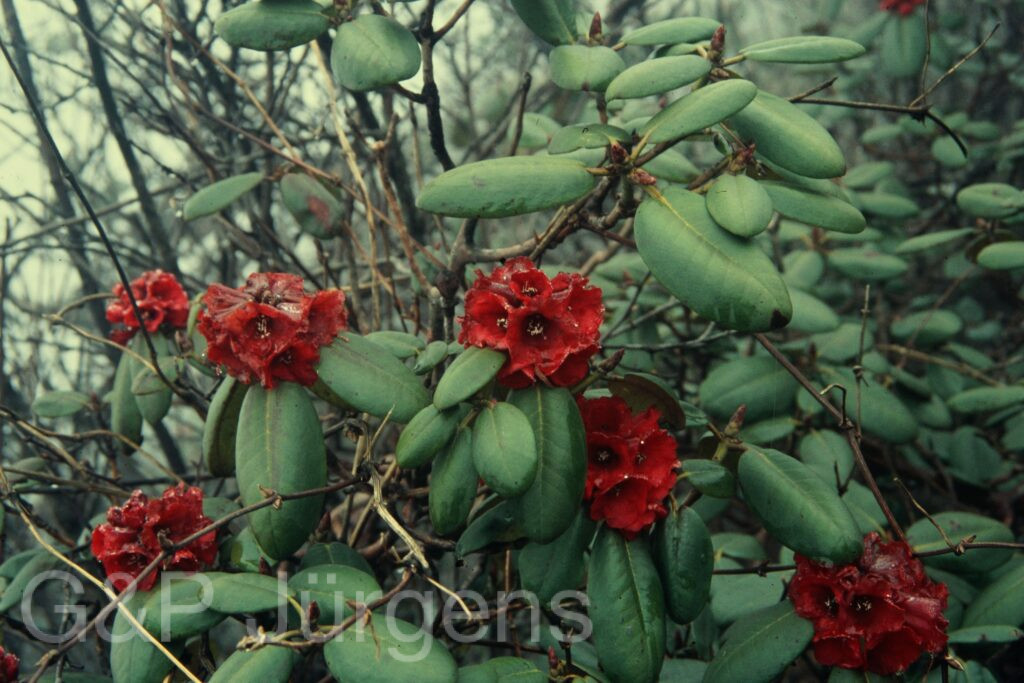
It is a small to medium evergreen shrub with scaly young shoots, the leaves elliptic to oblong, leathery and densely covered beneath with overlapping reddish-brown lepidote scales that give the undersurface a rusty, almost continuous coating. The flowers are borne in compact terminal clusters and are widely campanulate to saucer-shaped, deep reddish-purple to magenta, often darker-spotted within, with the corolla and the exserted stamens and style bearing scattered scales. The fruit is a small ovoid, scaly, septicidal capsule splitting to release numerous minute seeds.
Within the genus Rhododendron, R. baileyi belongs to the lepidote subgenus and is placed in subsection Baileya, a small group distinguished by its strongly flattened, overlapping leaf scales and richly coloured flat-faced flowers. Named for the explorer F. M. Bailey, it has been valued in horticulture since its introduction. Pollination is by bumblebees and other long-tongued insects of the high Himalaya. Although not broadly assessed, its limited natural range and dependence on intact subalpine shrubland make it locally sensitive to grazing, fire and forest disturbance.
Author: Balf. f. · Sources: POWO (Kew), GBIF, Flora of China, Flora of Bhutan, The Genus Rhododendron (Royal Botanic Garden Edinburgh) monograph