D.G.Long
Description
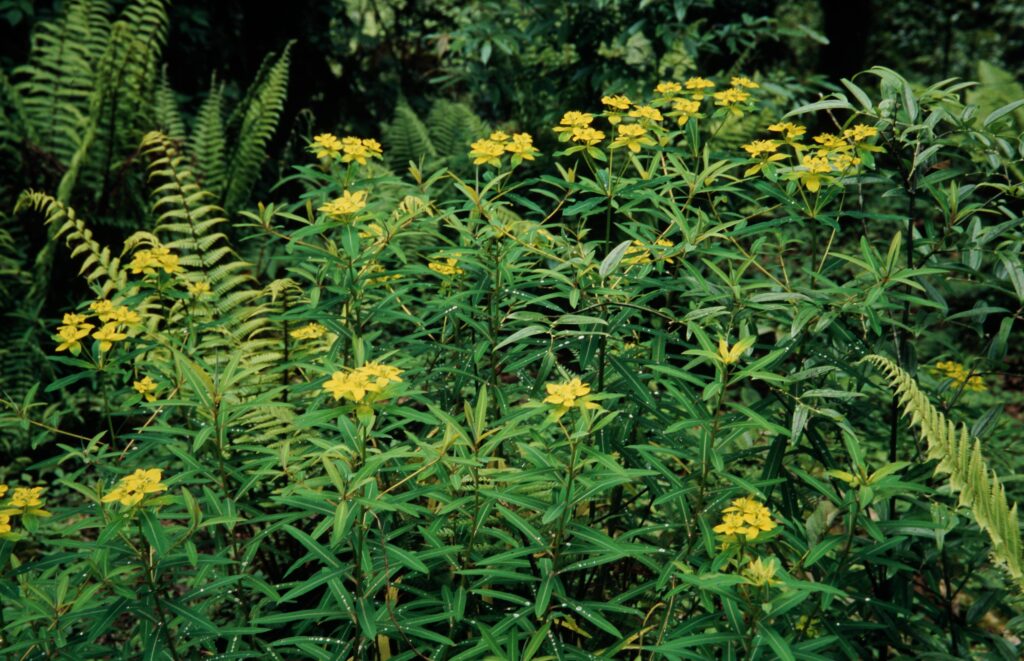
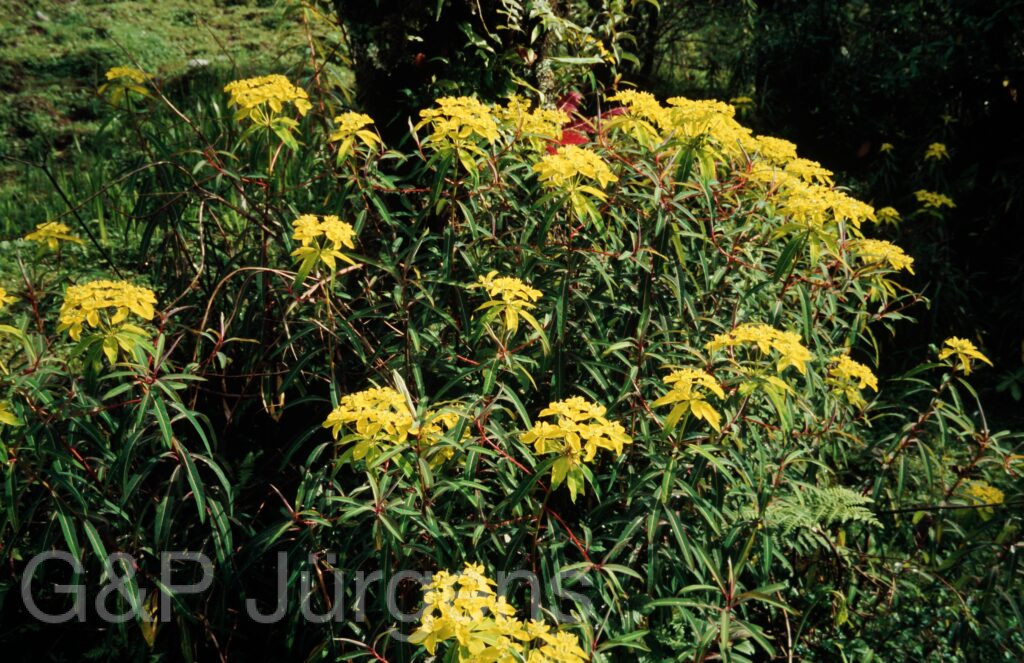
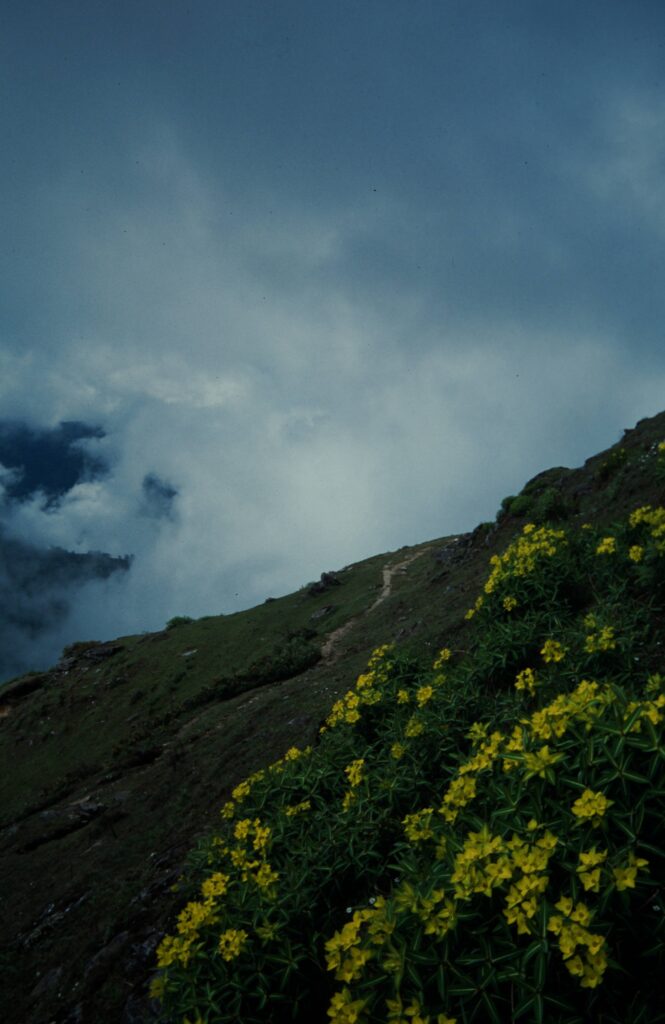
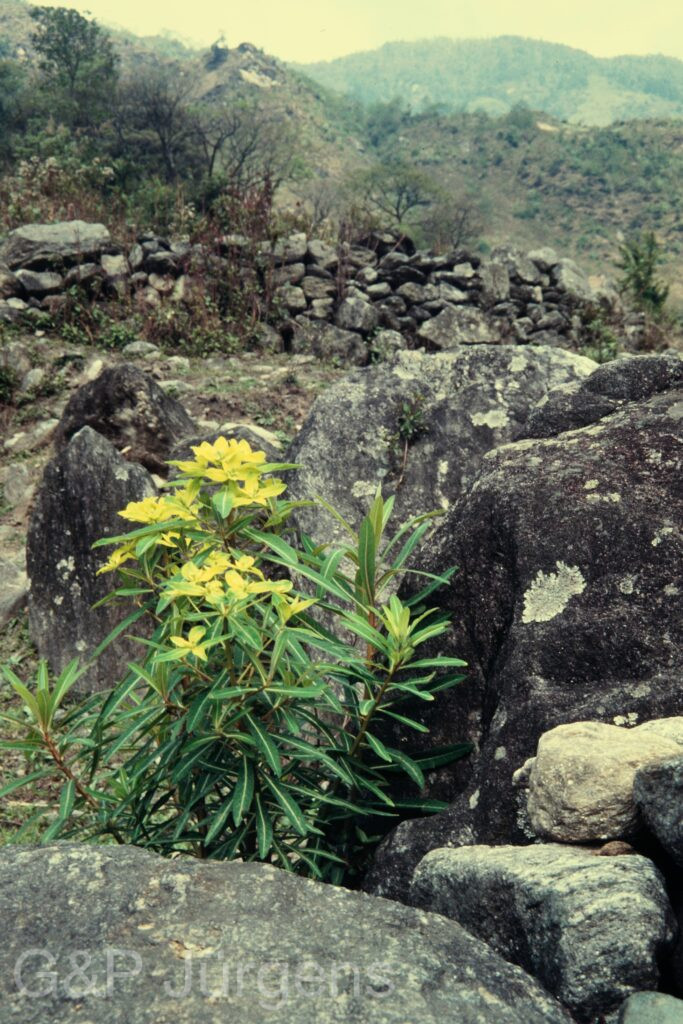
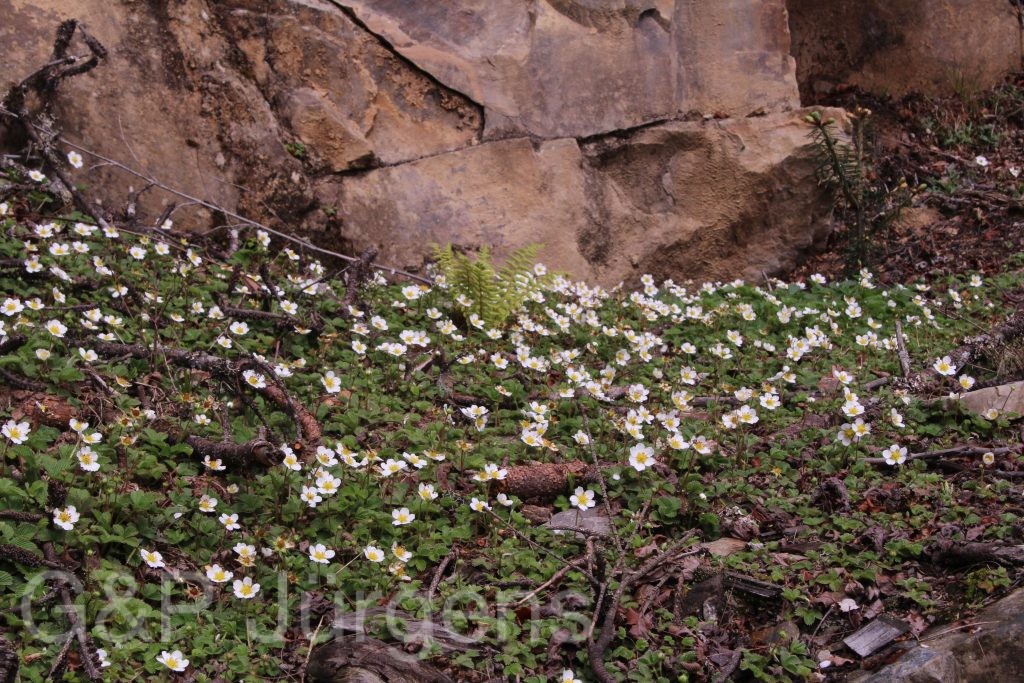
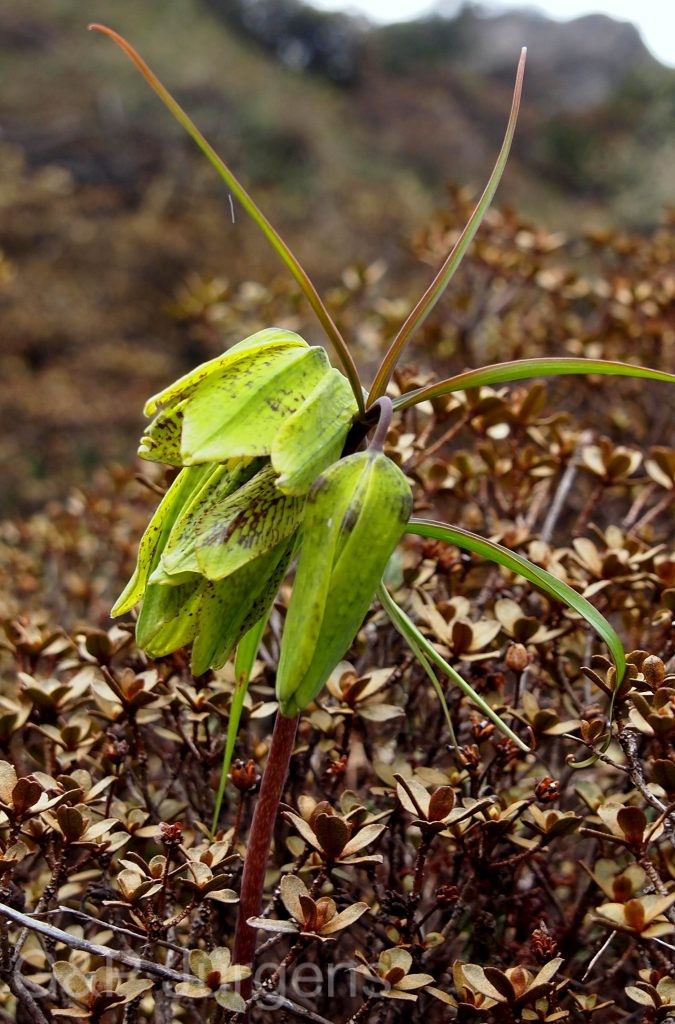
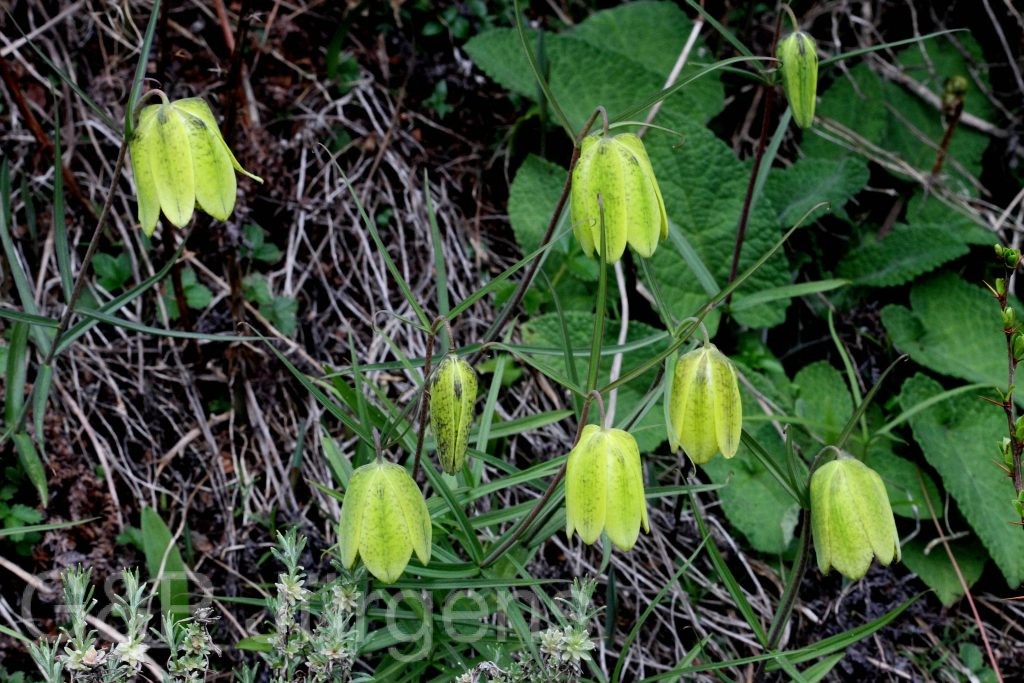
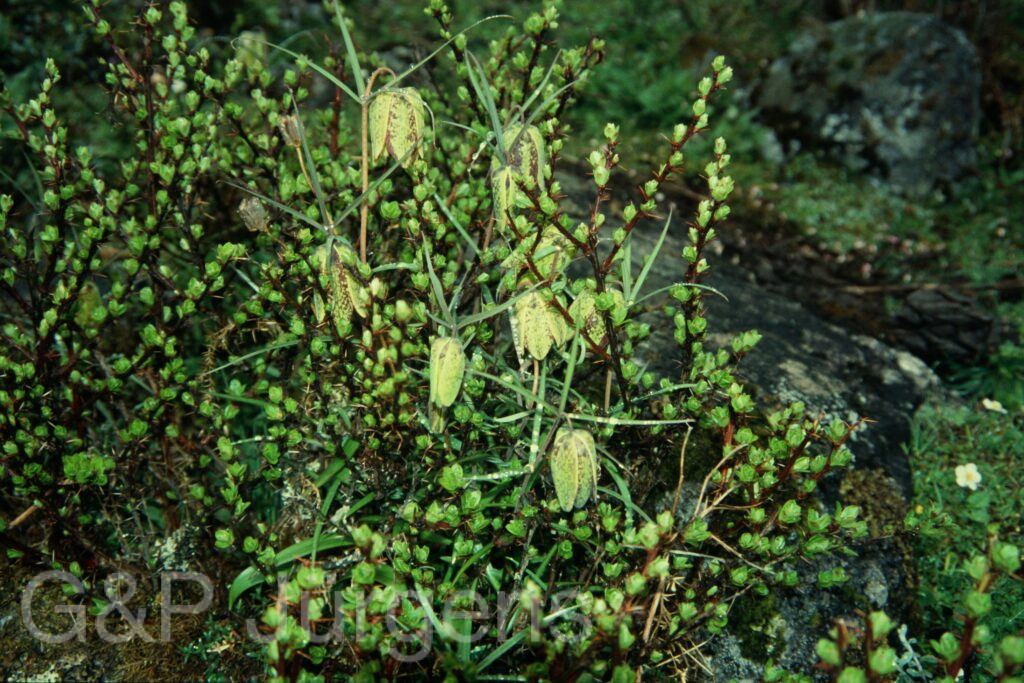
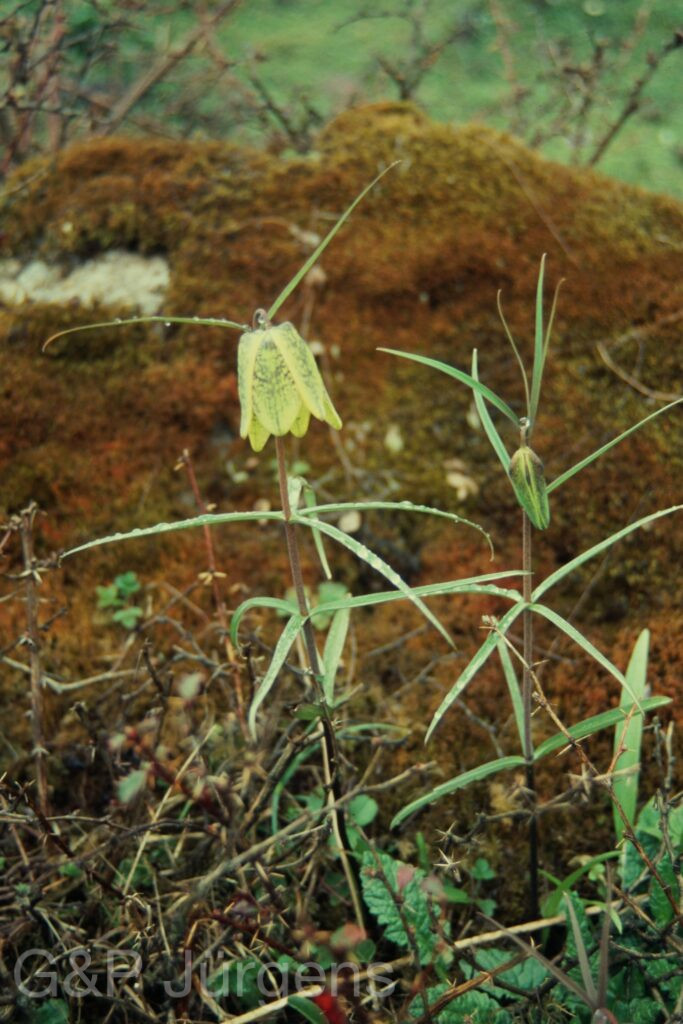
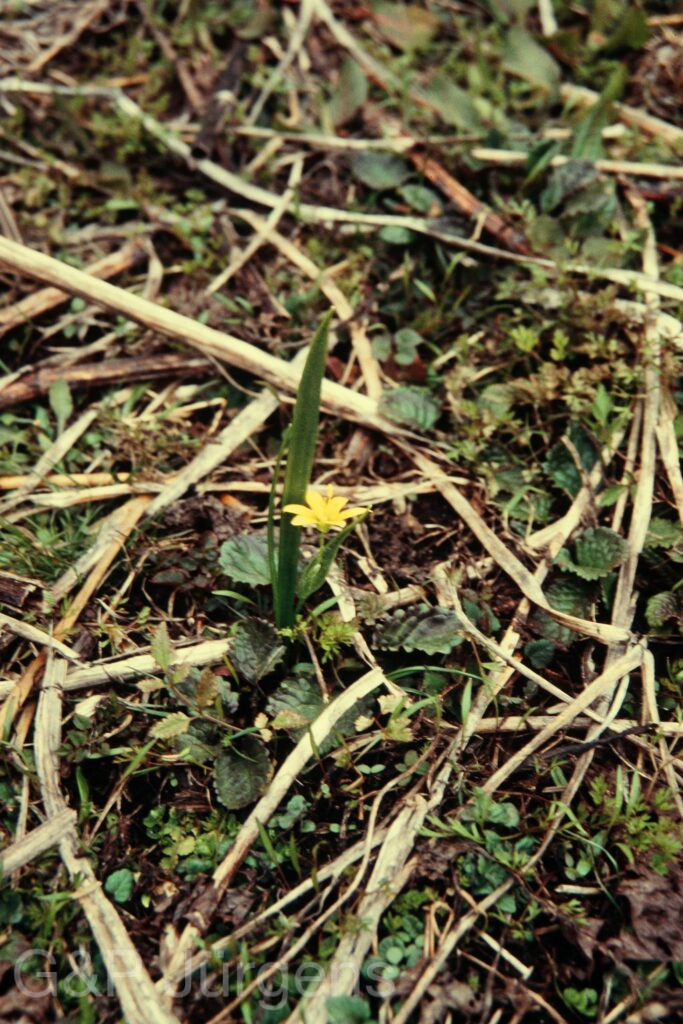
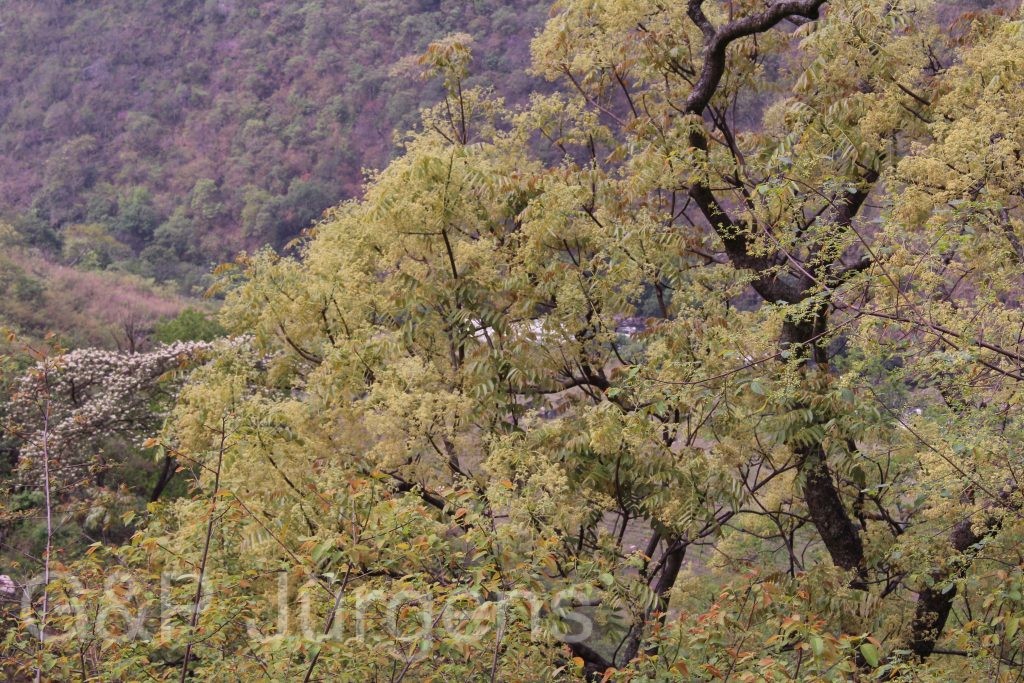
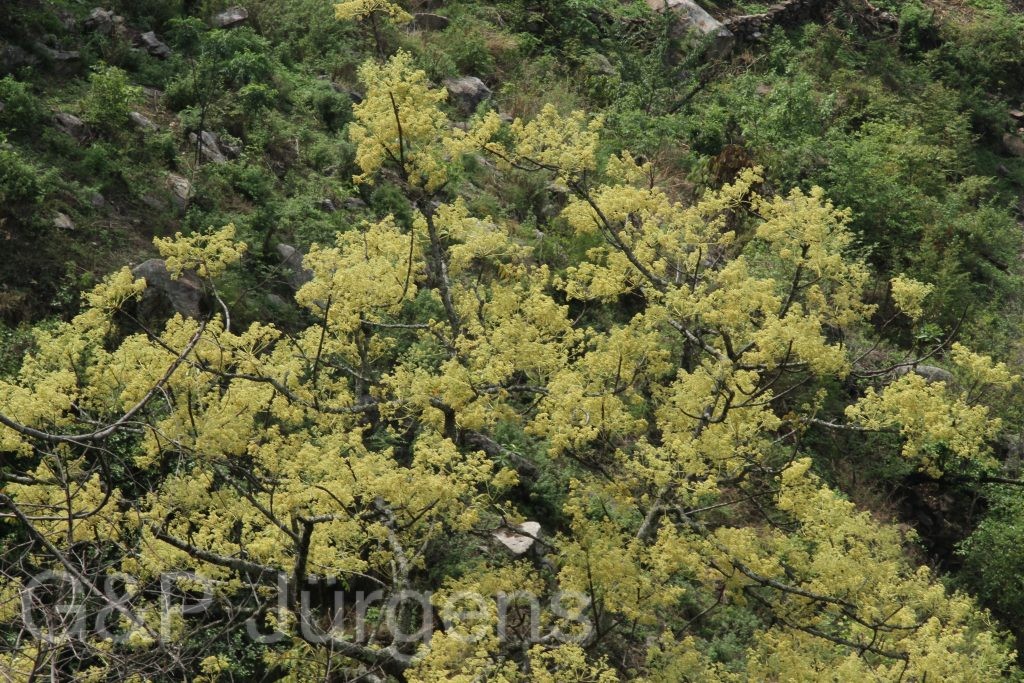
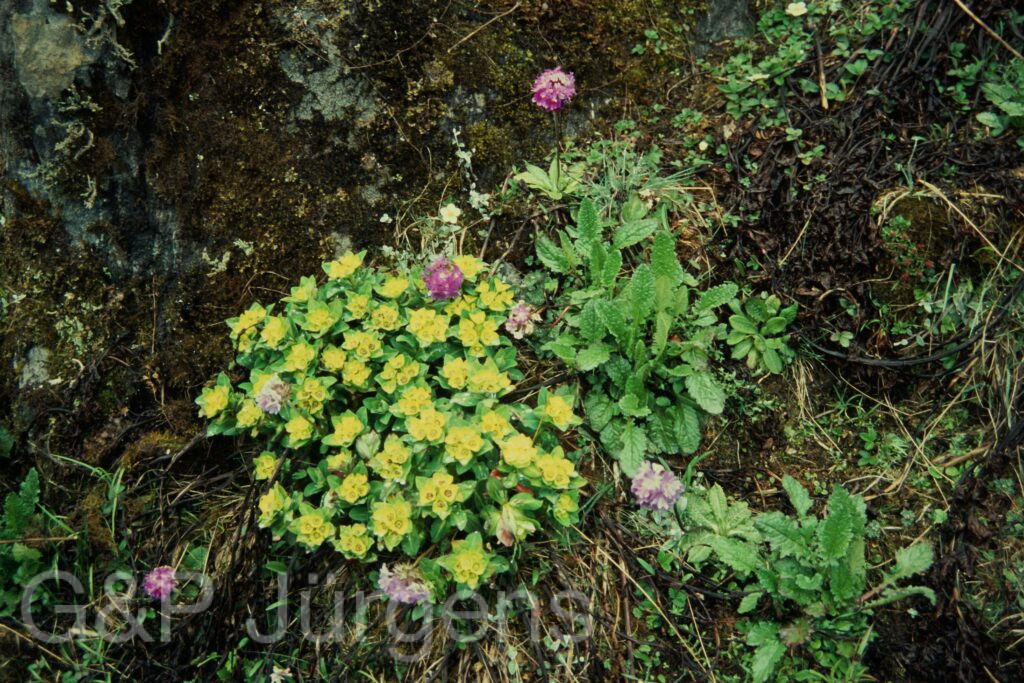
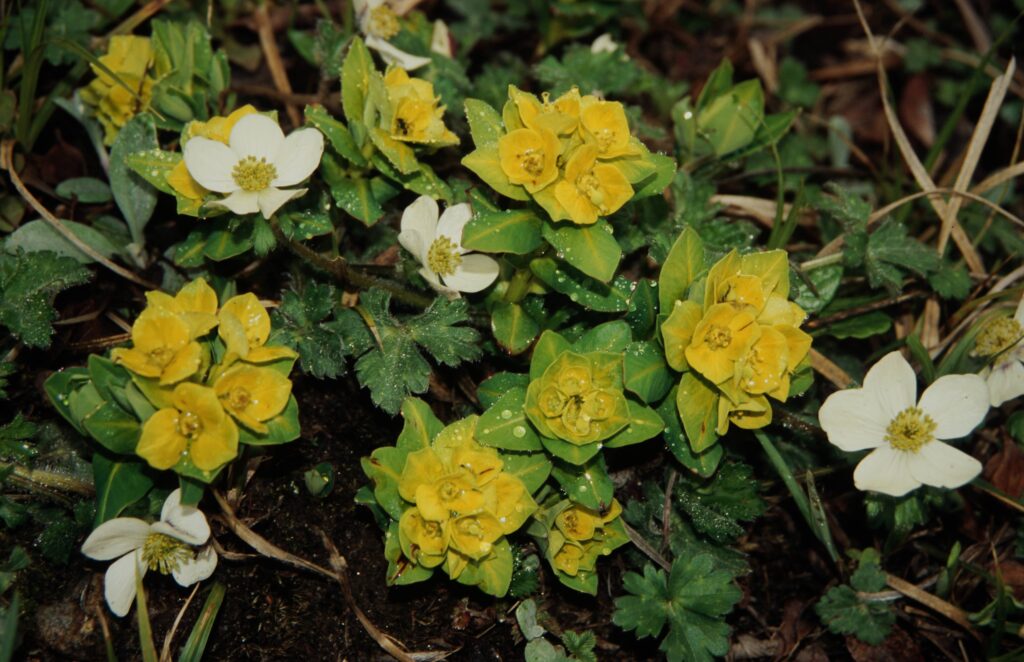
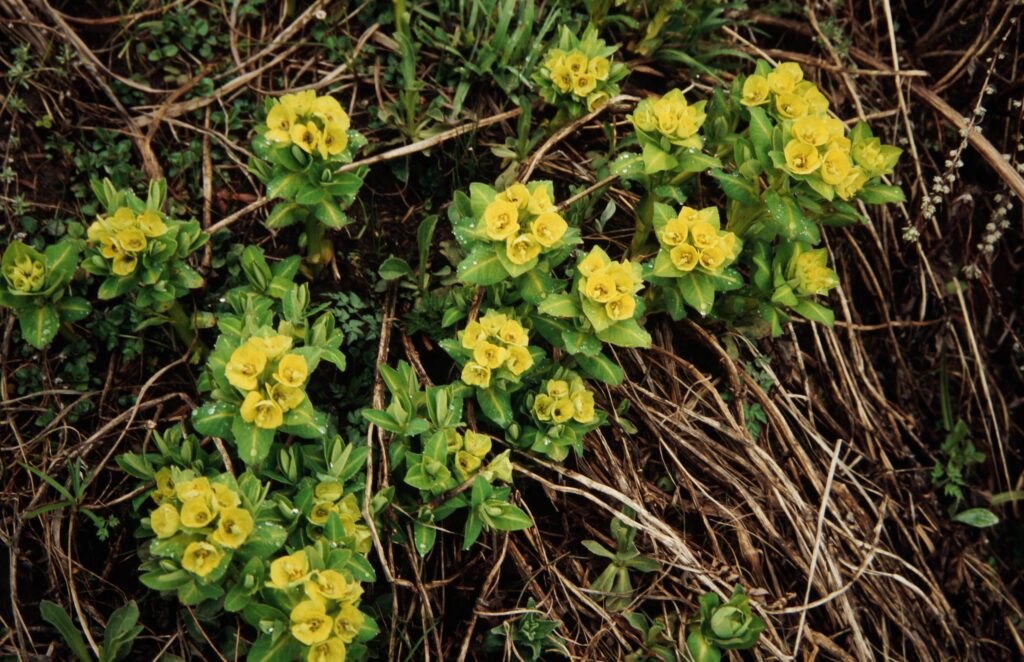
Euphorbia luteoviridis D.G.Long is an eastern Himalayan spurge recorded from Nepal, India, China and Bhutan (NP, IN, CN, BT), with GBIF documenting about 38 occurrences across this narrow range. It is a plant of the upper temperate to subalpine zone, growing on open slopes, forest margins, rocky banks and grazed pastures generally between about 3000 and 4000 m. The images from Lachung in Sikkim at 3700 m and Molley in West Bengal at 3630 m, both in May, illustrate its spring flowering, when the yellowish-green cyathial bracts emerge against the recovering alpine sward.
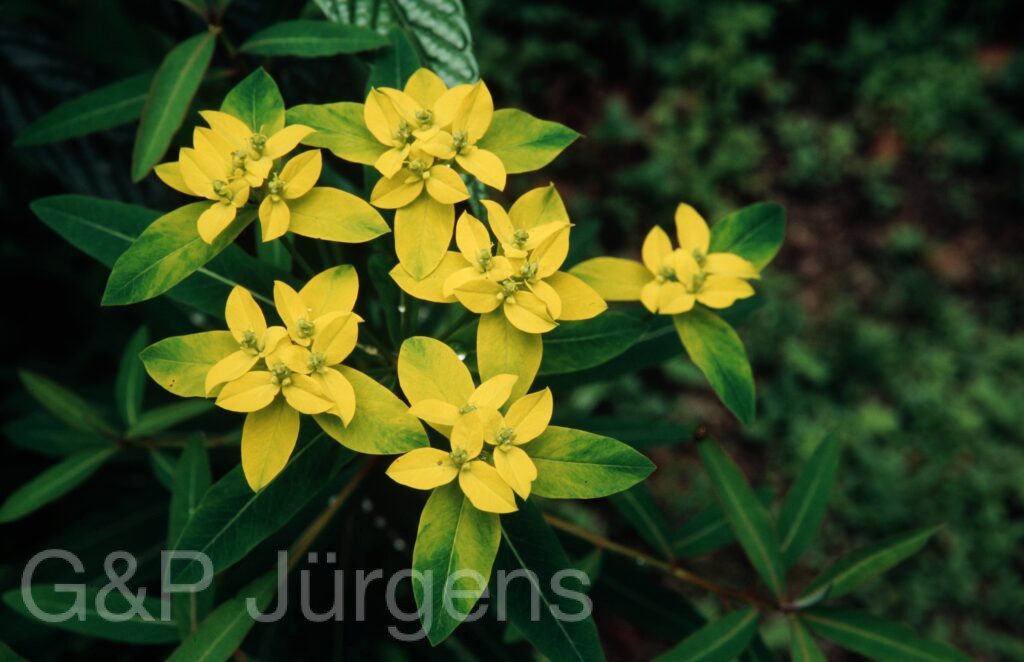
It is a perennial herb arising from a woody rootstock, producing one to several erect or ascending stems. The leaves are alternate, entire, oblong to oblanceolate or spathulate, with whorled, broader floral leaves subtending the inflorescence. This is the characteristic euphorbioid pseudanthium: a terminal pleiochasium with several rays, each cyathium subtended by yellow-green bracts and enclosing a single naked female flower surrounded by reduced male flowers, with crescentic nectar glands on the rim. The fruit is a three-lobed schizocarpic capsule splitting explosively into cocci; all parts exude the toxic milky latex typical of the genus.
Euphorbia luteoviridis was described comparatively recently by D.G.Long during work on the eastern Himalayan flora, and belongs to the herbaceous perennial spurges well represented in the high mountains. Its restricted distribution gives it significance as a regional endemic, while the latex confers chemical defence against herbivores in the grazed pastures it inhabits. No global threat assessment is widely published, but its limited range warrants attention.
Author: D.G.Long · Sources: POWO (Kew), GBIF, Flora of Bhutan Vol. 1, Flora of China Vol. 11, Flora of Nepal, Radcliffe-Smith treatments of Himalayan Euphorbia