
DC.
Description
Eurya acuminata is an evergreen shrub or small tree widely distributed through tropical and subtropical Asia, ranging from the Himalaya across southern China, Taiwan and Japan to Indochina, the Malesian archipelago and New Guinea; its roughly 2614 GBIF occurrences span India, Nepal, Bhutan, China, Thailand, Malaysia, Indonesia and the Philippines. In Bhutan it occupies a broad altitudinal range, as recorded at Trithangebe around 1000 m in October and at Chongsakha near 1850 m in April. It grows in evergreen broad-leaved forest, along forest margins and in secondary woodland, often as an understorey or successional component of warm, moist forests.
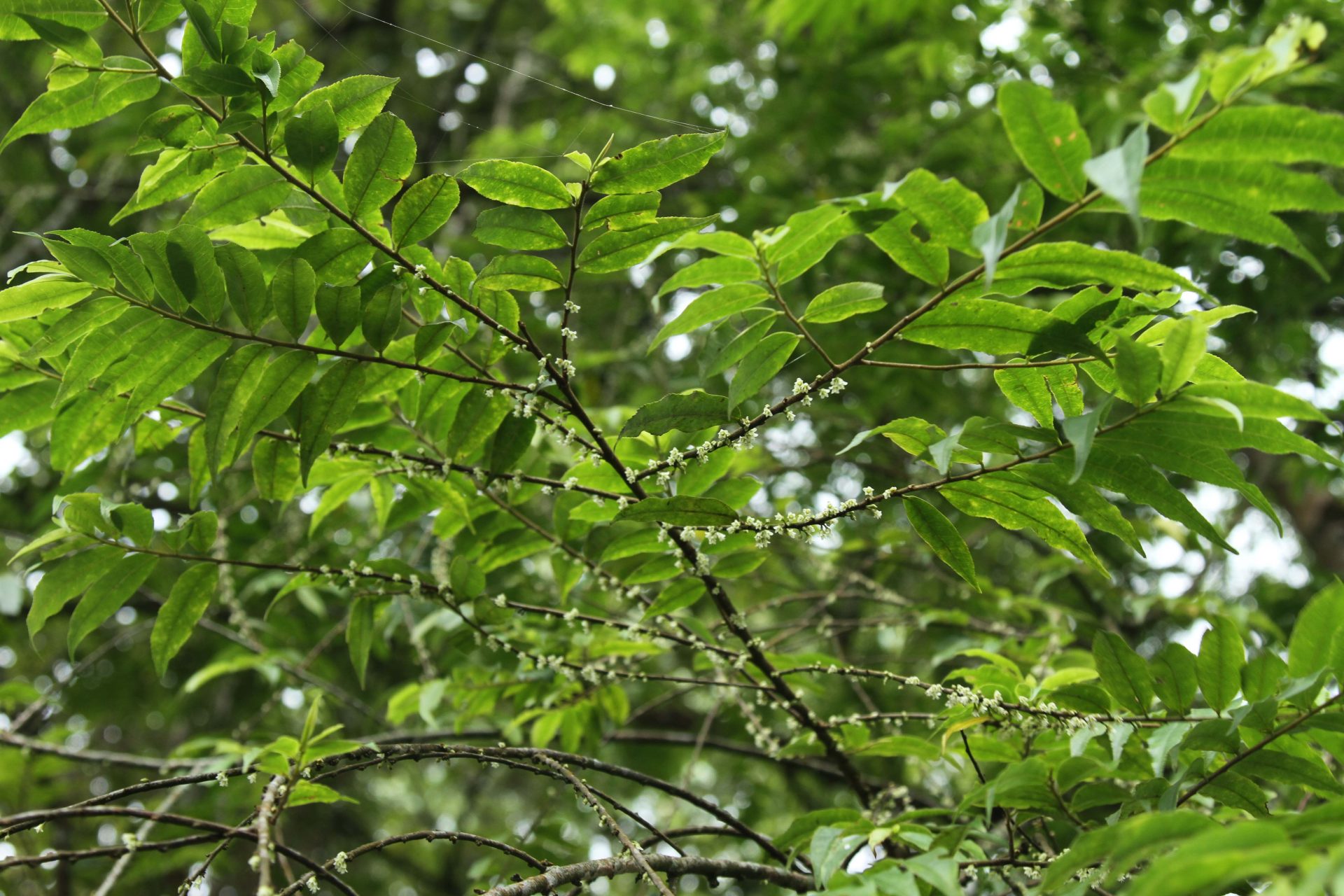
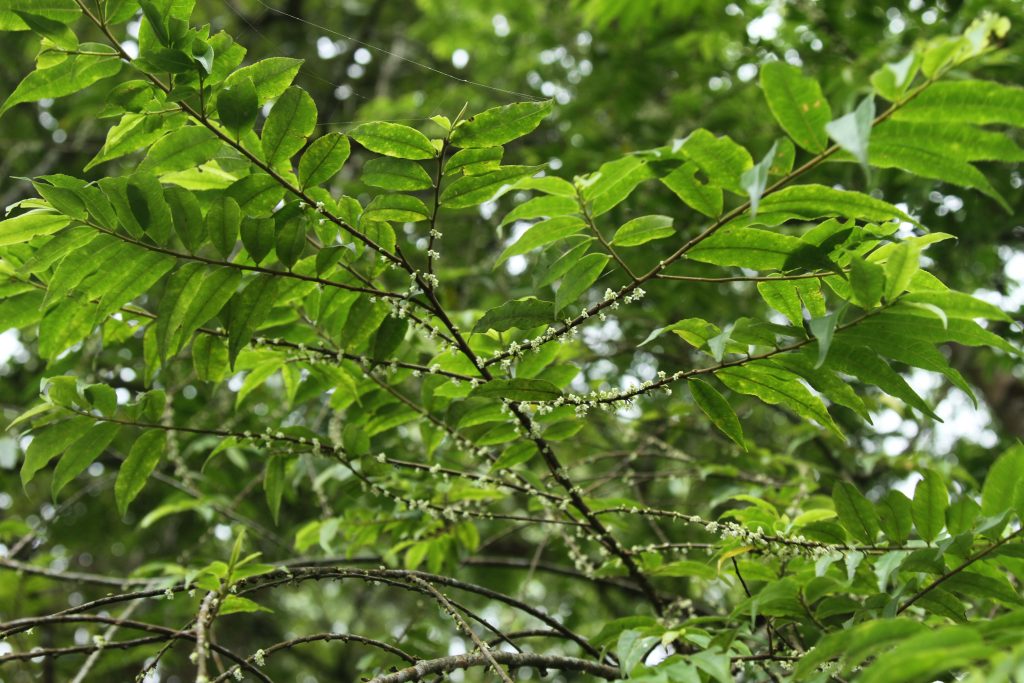
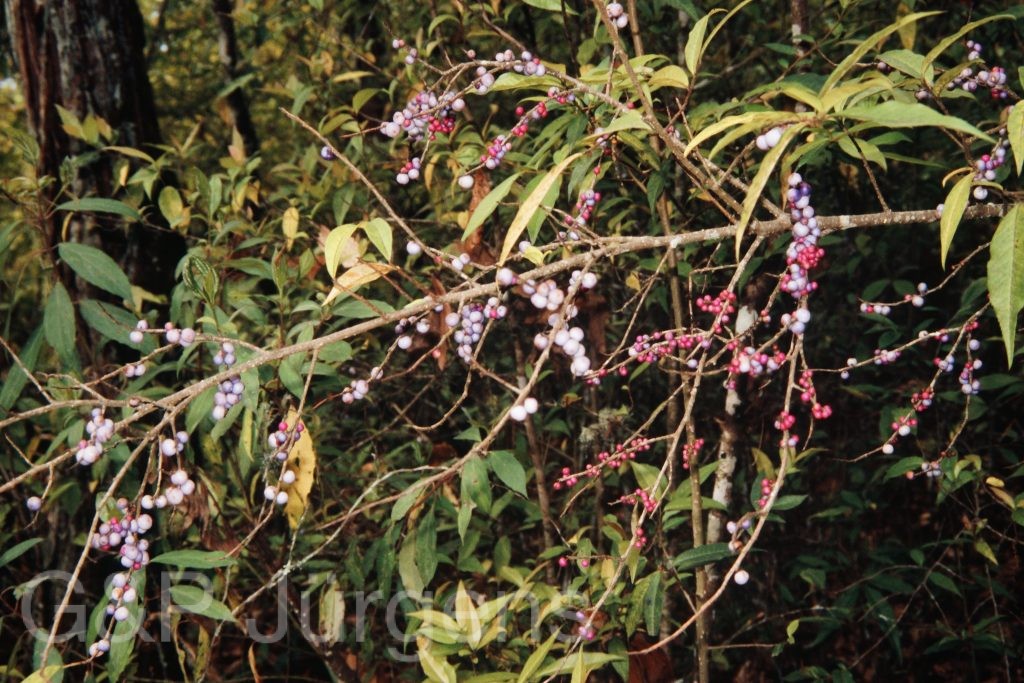
The plant is a much-branched evergreen with leathery, alternate, distichous leaves that are lanceolate to oblong with the long-acuminate apex recorded in the epithet and a finely serrate margin; the young twigs are often two-edged. The species is dioecious, bearing small, axillary, fragrant flowers that are creamy to greenish-white with five sepals, five petals, and in male plants numerous stamens, while female flowers carry a superior ovary with a short divided style. The fruit is a small, globose, fleshy black berry containing several minute seeds, dispersed by birds.
Eurya, formerly placed in Theaceae and now referred to Pentaphylacaceae, is a large genus of Old World shrubs distinguished by its dioecy, bracteolate flowers and berry fruits; E. acuminata is among the most widespread and variable species, with several recognised varieties. As an abundant, generalist forest component spanning a vast area, it is of least concern, and its dense foliage and wood find local use as fuel, hedging and minor timber.
Author: DC. · Sources: POWO (Kew), GBIF, Flora of China Vol. 12, Flora of Bhutan Vol. 1, Flora of Nepal, Flora Malesiana (Theaceae/Pentaphylacaceae)