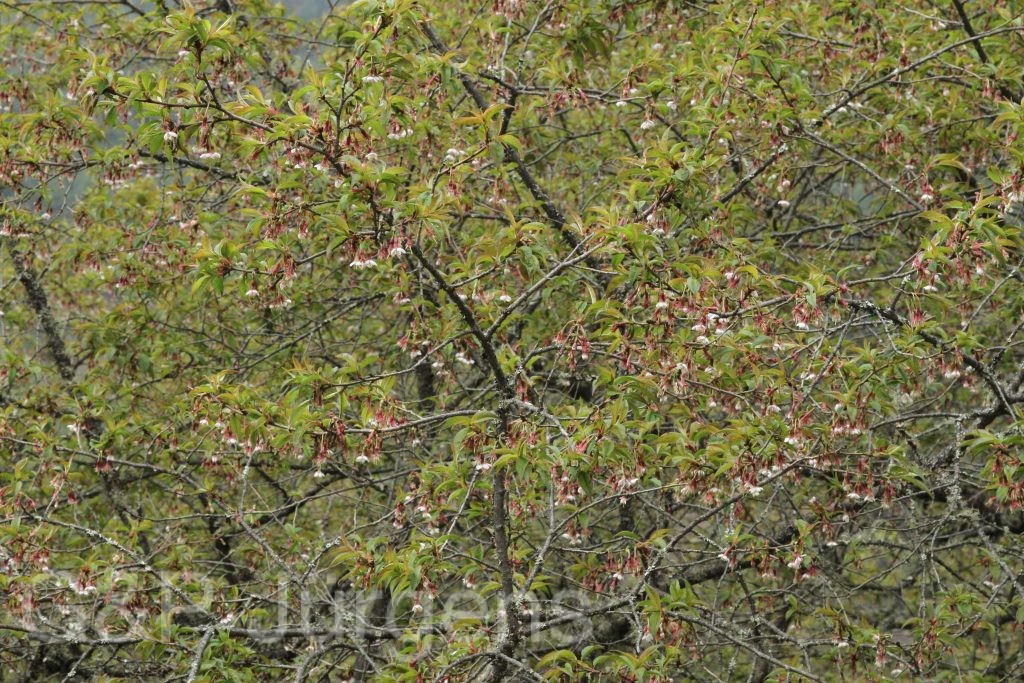
Tag:

Spring

G.Watt

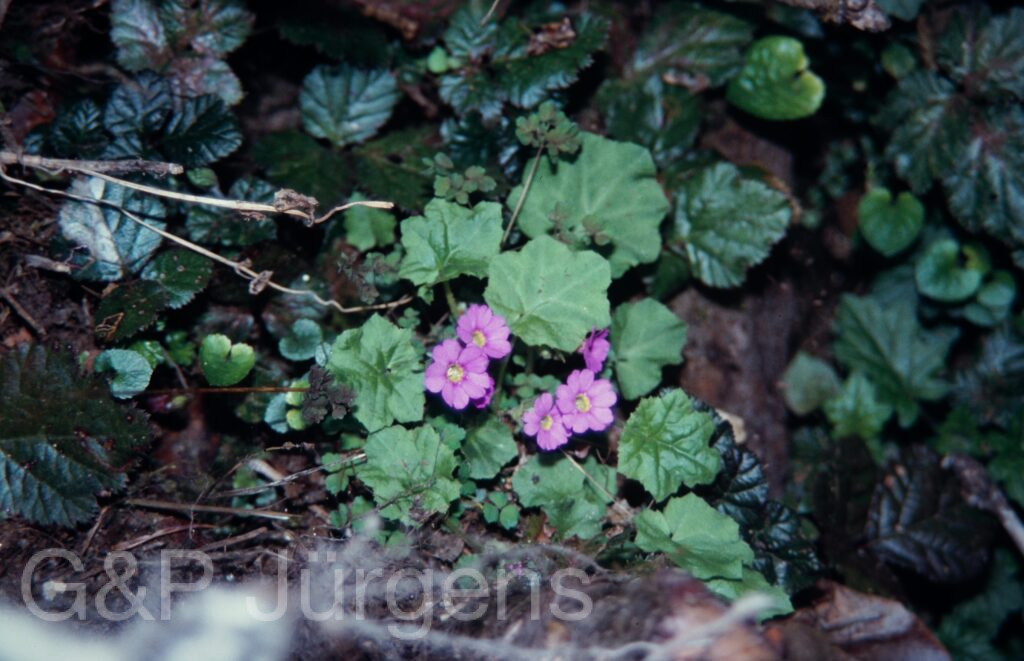
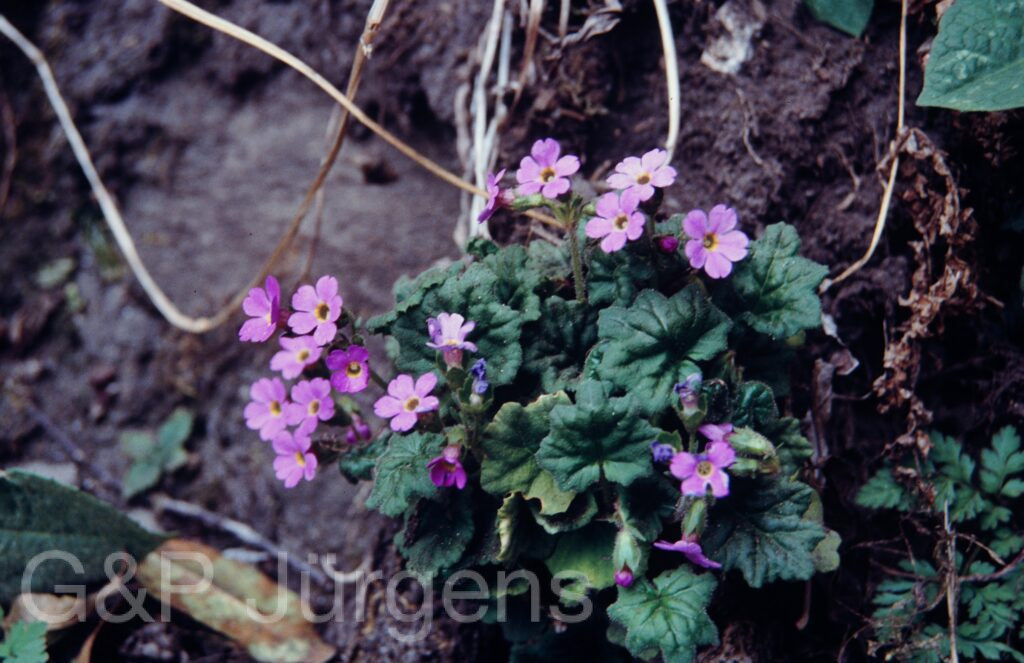
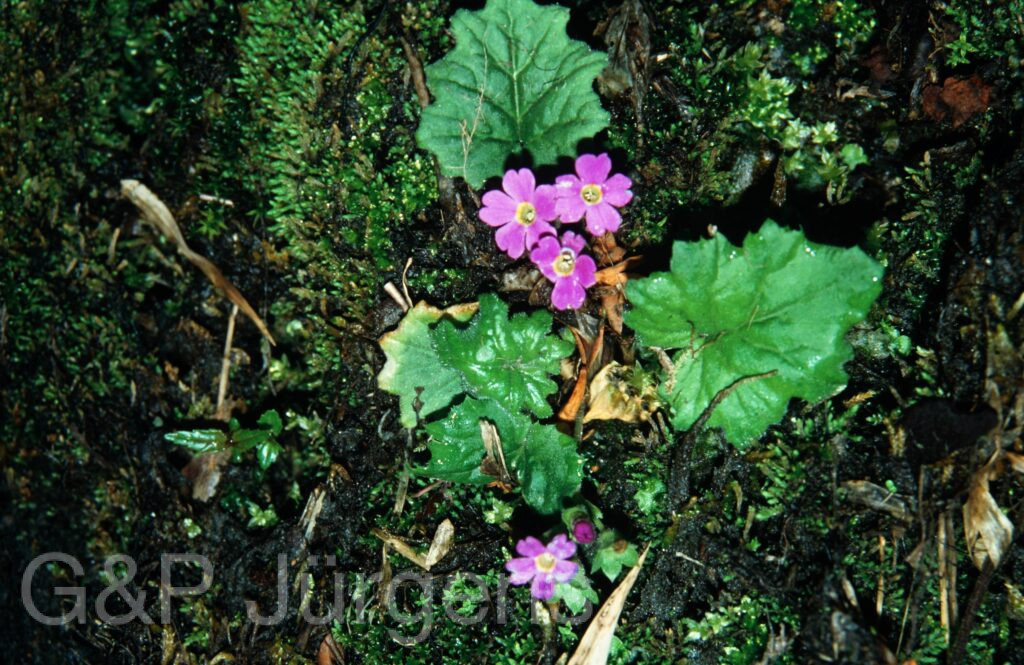
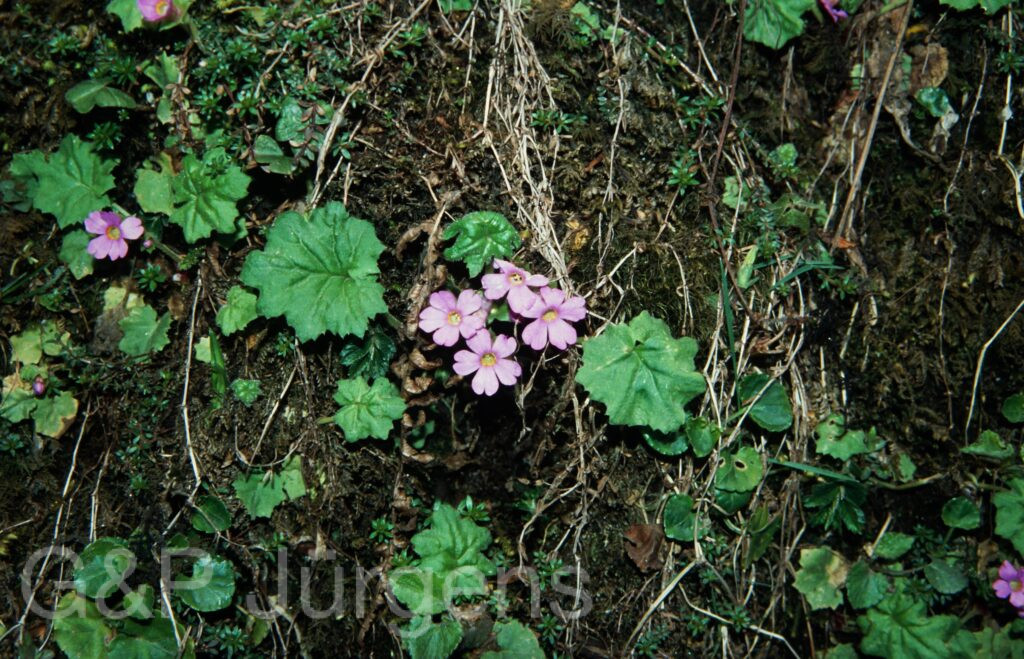
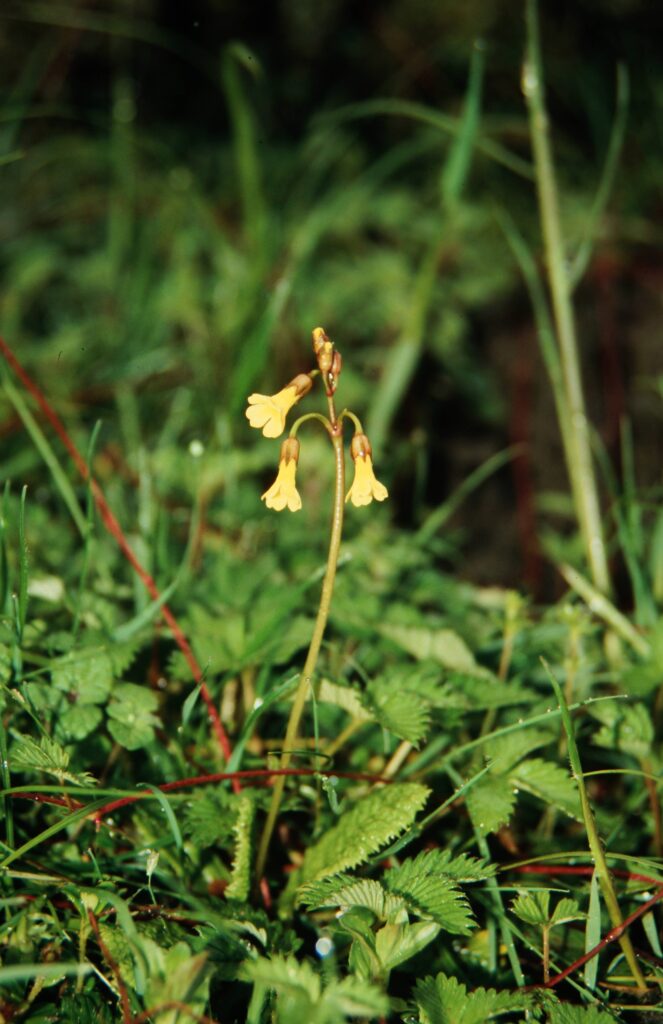
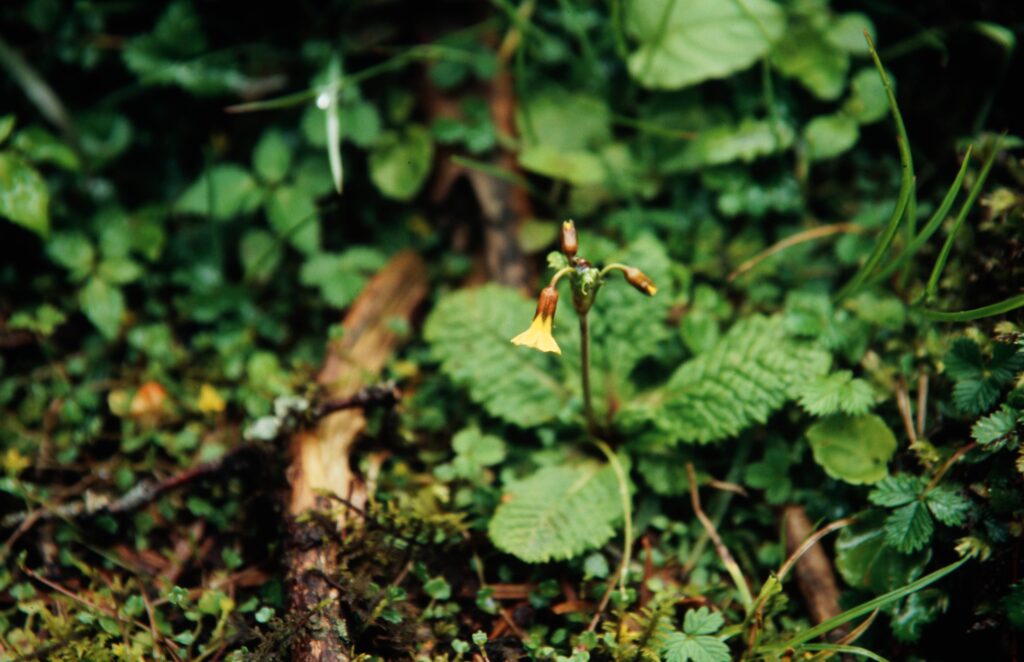
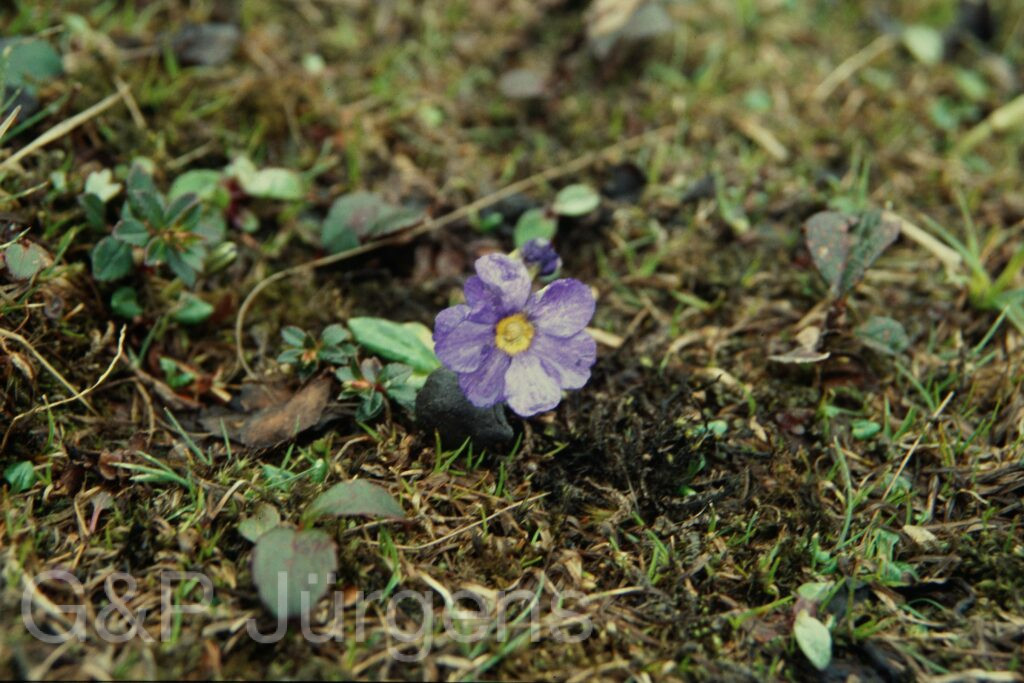
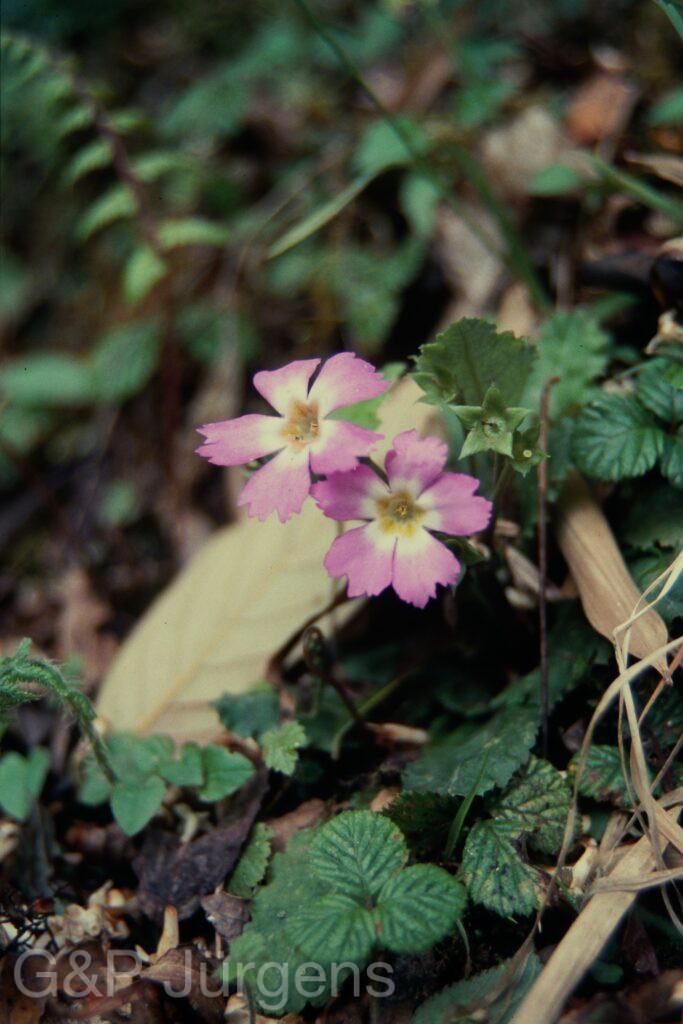
Sikkim 2006 387 ergebnis
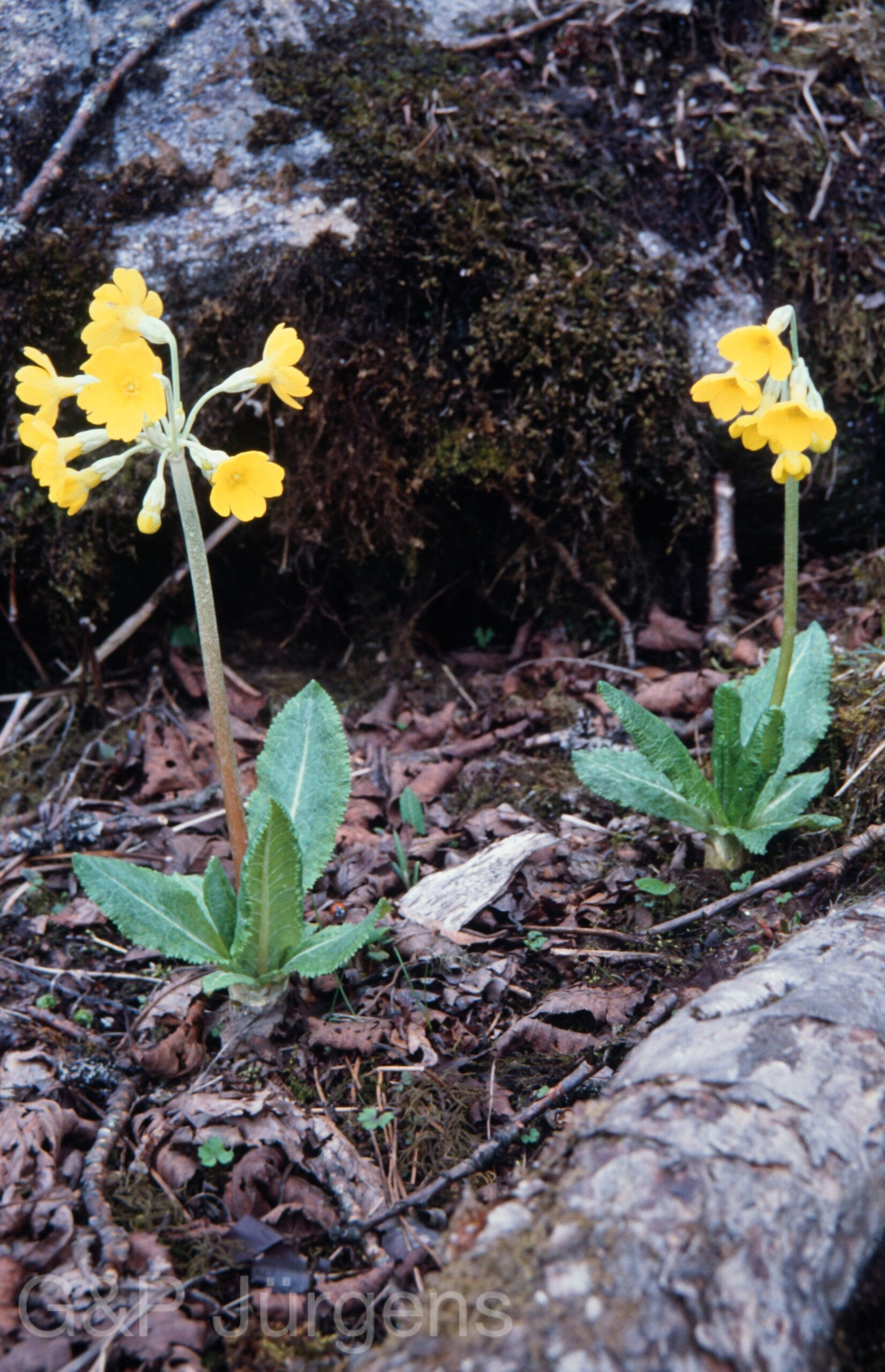
India West-Bengal, Kishong 3600m, May

Description

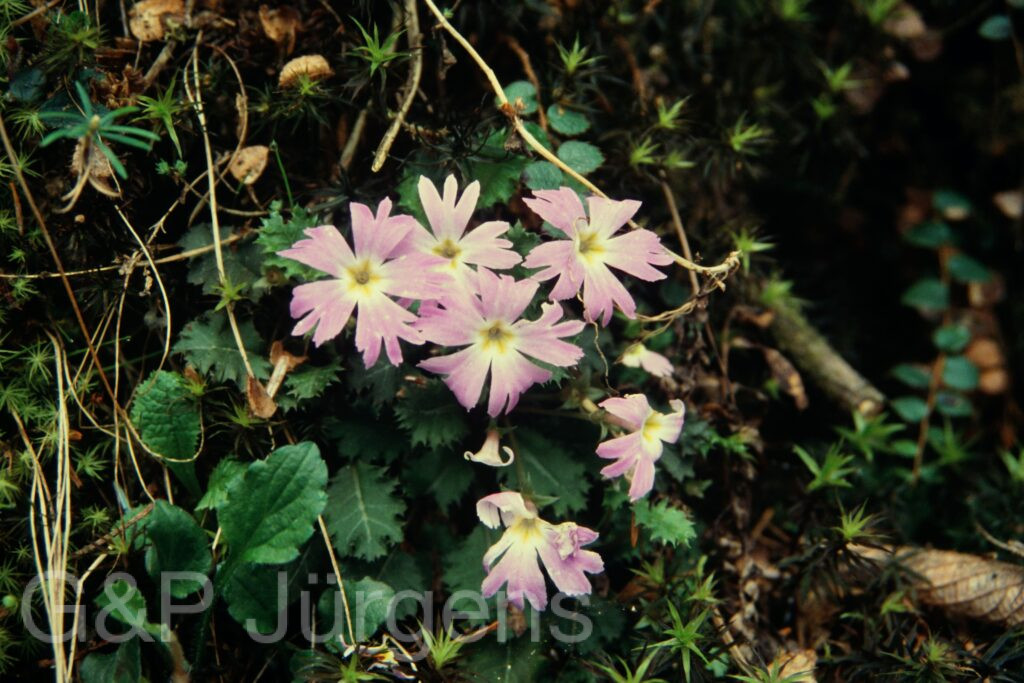
Primula hookeri is a diminutive alpine primrose of the eastern Himalaya, recorded from China, Nepal, India, Bhutan and Myanmar. It is a plant of high alpine meadows, mossy banks, rhododendron scrub margins and moist turf near the treeline and above, typically between about 3300 and 4500 m. The photographed plant from Kishong in West Bengal, India, at around 3600 m and flowering in May, is characteristic of its early-season blooming soon after snowmelt in cool, humid, high-montane meadow where moisture from melting snow and abundant atmospheric humidity sustain the small rosettes.

The species is a small, tufted perennial forming neat basal rosettes. The leaves are obovate to spathulate, narrowed to a winged petiole, crenate to denticulate, glabrous or nearly so, and lack the conspicuous farina of many Himalayan primulas. The flowers are typically solitary or few on short scapes, sometimes nearly sessile among the leaves; the corolla is white to pale lilac with a yellow eye, salverform, with an elongated tube and spreading, notched lobes. The fruit is a small capsule shorter than or about equalling the persistent calyx, releasing numerous minute seeds.

The epithet honours Sir Joseph Dalton Hooker, whose mid-nineteenth-century Sikkim explorations transformed knowledge of Himalayan Primula. The species belongs to the small-flowered section Minutissimae (the dwarf alpine primulas), a group of cushion- and turf-forming high-elevation specialists. Like many narrowly montane primulas it is heterostylous, promoting outcrossing. Restricted to fragile high-alpine habitats, such species are potentially sensitive to grazing and warming-induced upslope vegetation shifts, though P. hookeri is not presently regarded as threatened.

Author: G.Watt · Sources: POWO (Kew), GBIF, Flora of China Vol. 15, Flora of Bhutan Vol. 2, Flora of Nepal, The Genus Primula (Richards)
Craib

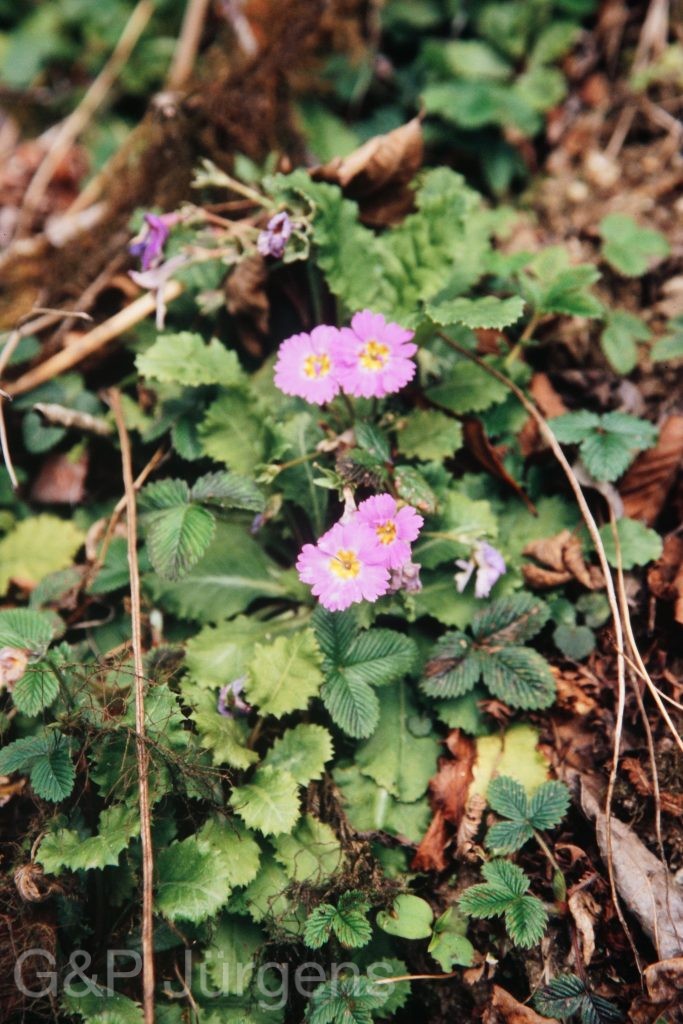
Bh2008 33 P56
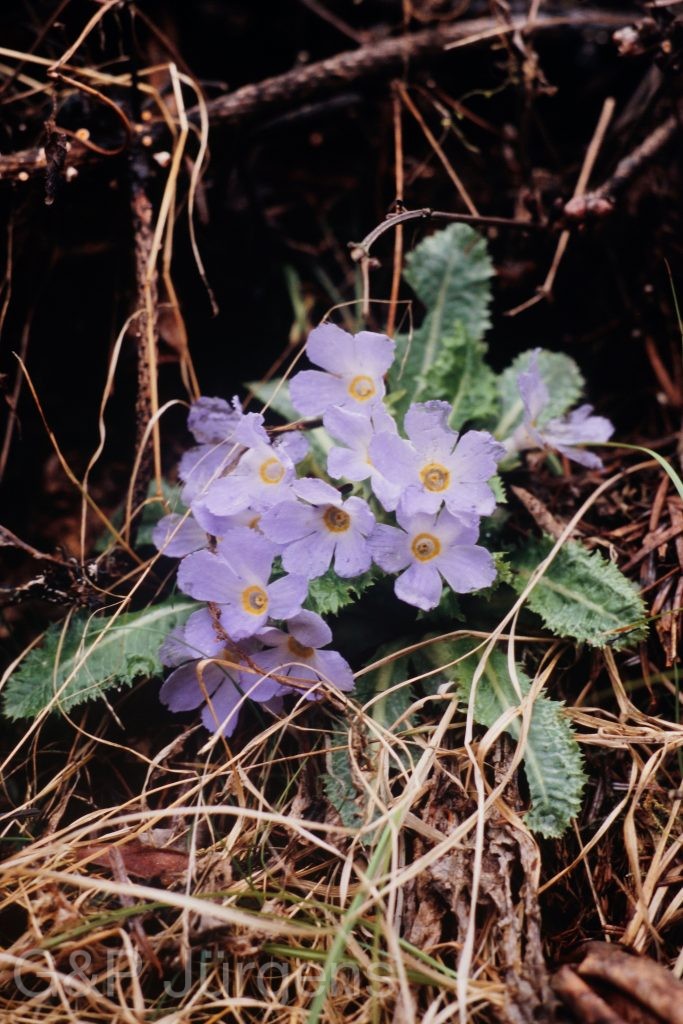
Bhutan Doch-La, 3000m April
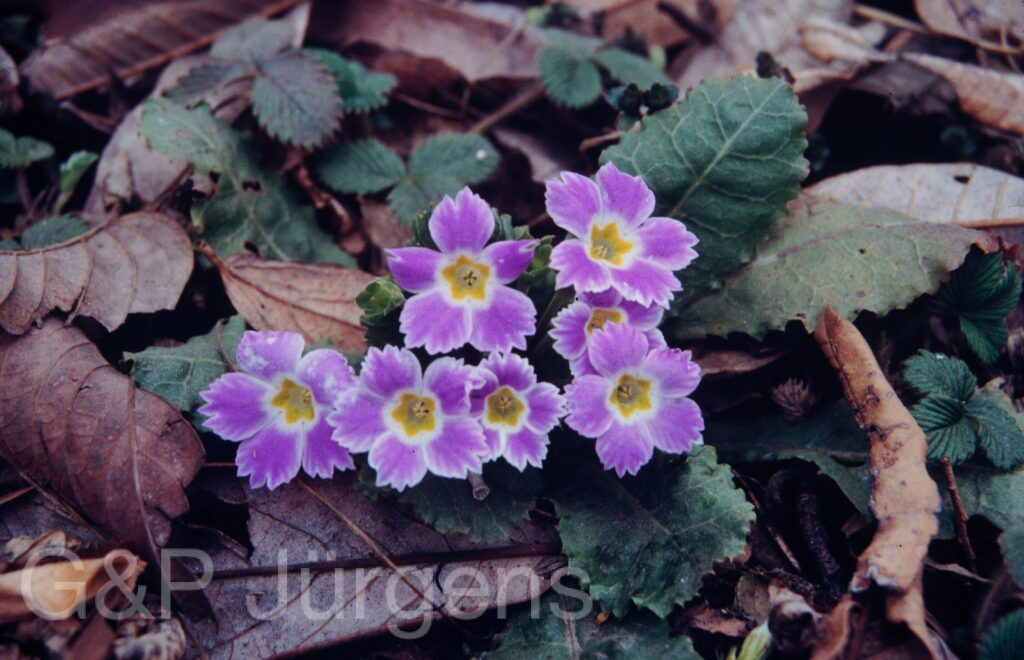
Nepal1992 198 P288 ergebnis
Nepal Suketar 2400m March 

Description

Primula irregularis Craib is a Himalayan primrose of restricted range, recorded in GBIF (about 45 occurrences) from Nepal, northern India and Bhutan. It is a plant of cool, humid temperate to subalpine habitats, growing on mossy banks, shaded forest floors, damp rock crevices and the margins of rhododendron and oak forest, broadly between about 2400 and 3500 m. The collections noted from Doch-La in Bhutan at 3000 m in April and from Suketar in eastern Nepal at 2400 m in March show it flowering very early, as winter snow recedes, in the moist, cloud-influenced mid-montane forest belt that characterises its niche.

It is a small farinose perennial forming a basal rosette that resumes growth early from a resting bud. The leaves are obovate to oblong, with a crenate-dentate, somewhat irregularly toothed margin tapering into a winged petiole, the undersurface frequently dusted with whitish or yellowish farina. The flowers open close to the rosette on a very short scape, solitary or in a few-flowered umbel. The corolla is salverform, with a slender tube and a spreading limb of obcordate, deeply emarginate lobes, pale lilac to violet with a contrasting paler or yellow eye. As in other primroses the species is heterostylous, and the small capsule contains numerous minute seeds.

Primula irregularis belongs to section Petiolares, the large Sino-Himalayan assemblage of early-flowering, farinose primulas whose species are notoriously difficult to delimit and which has been the subject of repeated revision. Heterostyly enforces outcrossing between long- and short-styled morphs. With its narrow range and dependence on perennially cool, moist microhabitats, the species is regionally restricted and likely sensitive to warming and habitat disturbance, characteristics shared by many of the high-altitude Petiolares primulas of the eastern Himalaya.

Author: Craib · Sources: POWO (Kew), GBIF, Annotated Checklist of the Flowering Plants of Nepal, Flora of Bhutan, Richards' monograph Primula, Flowers of the Himalaya

Primula listeri

by GP Jürgens

King ex Hook.f.

Nepal 1994 205 ergebnis
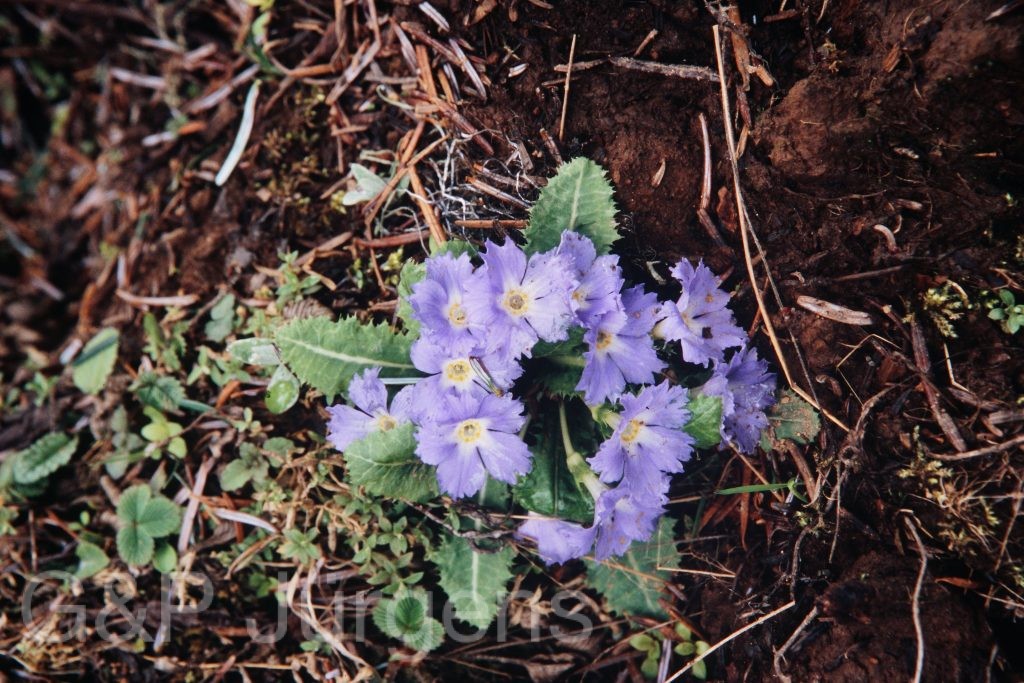
Ost-Nepal Mewa-Khola 2300m April 
Nepal1992 207 P303 ergebnis
Nepal Suketar 2400m March 
Nepal 2001 88 ergebnis ergebnis
East-Nepal Gupka Pokhari 3000m, April
Nepal 2001 123 ergebnis ergebnis
East-Nepal Gupka Pokhari 3000m, April

Description

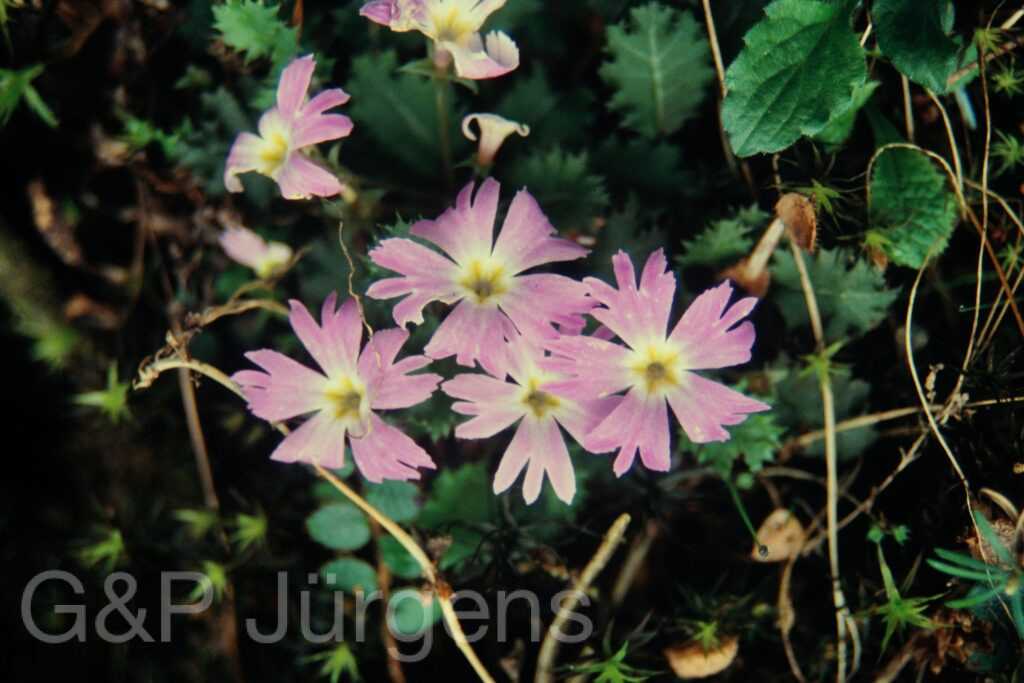
Primula listeri is an eastern Himalayan species distributed through Nepal, northern India, Bhutan, southern China (Xizang, Yunnan) and northern Myanmar, with GBIF documenting around 102 georeferenced records concentrated along the wetter eastern arc of the range. It occupies shaded, humid montane environments between roughly 2000 and 3000 m, growing on mossy banks, in the leaf litter of broad-leaved and mixed forest, and along seeping rock faces. The populations imaged in East Nepal at Mewa Khola (2300 m, April), Suketar (2400 m, March) and Gupka Pokhari (3000 m, April) typify its phenology, with flowering coinciding with the early pre-monsoon period when soils remain moist and cool.

The plant is a small, delicate perennial herb forming a slender rootstock from which arises a rosette of thin-textured leaves. The leaves are petiolate, ovate to oblong with a crenate to dentate margin, and frequently sparsely farinose or efarinose beneath. Flowers are borne on a slender scape in a loose few-flowered umbel, each subtended by narrow bracts; the calyx is tubular and lobed, and the corolla is rotate with a narrow tube and notched, lilac to pale violet limb-lobes, the throat marked by an annulus. As in many sect. Petiolares allies the species is heterostylous, producing pin and thrum flowers. The fruit is a small capsule dehiscing to release numerous minute seeds.

Taxonomically P. listeri belongs to the species-rich Primula sect. Petiolares, a complex assemblage of vernal-flowering, rosette-forming primroses centred on the eastern Himalaya. Its restricted elevational band and dependence on permanently humid forest microhabitats make it sensitive to forest clearance and desiccation, though it is not formally assessed as threatened. Biogeographically it forms part of the rich Sino-Himalayan endemic flora whose diversification is linked to the monsoon-driven moisture gradient of the eastern ranges.

Author: King ex Hook.f. · Sources: POWO (Kew), GBIF, Flora of Bhutan, Flora of China, Annotated Checklist of the Flowering Plants of Nepal, Richards' Primula (monograph)

Balf.f. & W.W.Sm.

Description

Primula prenantha is a small perennial herb distributed across the eastern Himalaya and adjacent mountains, with GBIF recording it from China, India, Myanmar, Nepal and Bhutan across some 93 georeferenced occurrences. It is a plant of moist, cool montane habitats, favouring stream margins, seepage slopes, wet meadows and the edges of evergreen and mixed broad-leaved forest, typically between about 2400 and 3600 m. The photographed population at Tamrong in West Bengal, at roughly 2750 m, flowering in May, is characteristic of this damp temperate belt where snowmelt keeps the ground saturated through the early growing season.

The plant forms a small basal rosette arising from a short rhizome with fibrous roots. The leaves are obovate to oblong-spathulate, narrowing gradually into a winged petiole, with a crenate to denticulate margin and an obtuse apex; the lamina is thin, glabrous and not farinose. From the rosette rises a slender erect scape bearing a terminal umbel of few to several nodding flowers subtended by small linear bracts. The flowers are heterostylous; the calyx is tubular-campanulate and lobed, and the corolla is yellow with a narrow tube and spreading, often emarginate lobes forming a flat or slightly cupped limb. The fruit is a small cylindrical capsule that dehisces by apical valves to release numerous minute seeds.

The species belongs to Primula section Sikkimensis (in the broad sense, allied to the yellow-flowered Petiolares-Sikkimensis assemblage), a group centred on the Sino-Himalayan region whose diversification tracks the uplift of the Himalaya and the associated humid monsoon gradients. Its dependence on cool, perennially moist microhabitats makes it sensitive to changes in snowpack and montane hydrology, and like many Sino-Himalayan primulas it is locally rather than broadly distributed. It is not currently regarded as globally threatened, but its narrow ecological tolerance warrants attention under warming and drying climatic scenarios.

Author: Balf.f. & W.W.Sm. · Sources: POWO (Kew), GBIF, Flora of China, Flora of Bhutan, Annotated Checklist of the Flowering Plants of Nepal, John Richards "Primula" (monograph)

G.Watt

Sikkim2004 142 G244
Sikkim/India Singalila 3800m April

Description

Primula pulchra is an eastern Himalayan species distributed across Nepal, India, Bhutan, southern China (Xizang, Yunnan) and northern Myanmar, with GBIF documenting some 39 georeferenced occurrences across this comparatively narrow range. It is a plant of the upper temperate and subalpine zones, typically growing between about 3000 and 4300 m on moist, humus-rich slopes, in open Rhododendron scrub, along stream margins and on grazed alpine meadows that remain snow-covered for much of the winter. The photographed material from the Singalila Ridge on the Sikkim–West Bengal border at roughly 3800 m, flowering in April, is characteristic: the species is among the earliest primulas to bloom as the snowmelt recedes.

It is a small, rosette-forming perennial arising from a short rhizome with fibrous roots. The leaves are obovate to oblong-spathulate, narrowed to a winged petiole, the margin crenate-dentate, and the lower surface typically clad in a pale to yellowish farina. The scape carries a one- to few-flowered umbel subtended by short bracts. Flowers are heterostylous and showy, the corolla rose-purple to violet with a pale or yellow eye, the lobes obcordate and emarginate; the calyx is campanulate and often farinose. The fruit is a small capsule about equalling the persistent calyx, releasing numerous angular seeds.

Primula pulchra belongs to section Petiolares, a large, taxonomically intricate group of Sino-Himalayan primulas characterised by early flowering and resting-bud overwintering. Within it the species is allied to P. calderiana and P. boothii, from which it is separated by leaf shape, farina distribution and corolla detail; intergradation has complicated its delimitation. As a snow-bed and meadow specialist it is sensitive to grazing and to shifts in snow-lie driven by climate warming, though its presence in several protected high-altitude areas affords some security.

Author: G.Watt · Sources: POWO (Kew), GBIF, Flora of China, Flora of Bhutan, Smith & Fletcher monograph of the genus Primula, Richards 'Primula' (2003)

Craib

Sikkim2004 75 P131
Sikkim West-Bengal, Bersay 2600m April
Sikkim2004 313 G563
Sikkim/India Kokchurong 3600m May
Sikkim2004 314 G564
Sikkim/India Kokchurong 3600m May

Description

Primula scapigera is an eastern Himalayan primrose recorded from northern India (Sikkim, West Bengal), Nepal, Bhutan and adjacent China, with 67 GBIF occurrences also reflecting cultivated material reaching Japan. It grows in cool, humid montane and subalpine habitats, on mossy banks, in open Rhododendron and conifer forest and along streamsides, generally between 2500 and 3800 m. The illustrated plants were collected at Bersay in the Sikkim/West Bengal borderland at 2600 m in April and at Kokchurong in Sikkim at 3600 m in May, spanning the species' spring to early-summer flowering across its altitudinal range.

It is a small perennial herb forming neat rosettes of obovate to spathulate leaves that are crenate to denticulate at the margin, narrowed to a winged petiole and often coated beneath, like the scape and calyx, with pale farina. The slender erect scape bears a terminal umbel of a few to several flowers. The corolla is rose-pink to purplish with a contrasting yellow or whitish eye, the limb divided into five obcordate, notched lobes; the plants are heterostylous, producing pin and thrum morphs. The fruit is a small capsule shorter than or equalling the persistent calyx.

The species is placed in Primula section Petiolares, a largely Sino-Himalayan group of farinose, rosette-forming primroses centred on the eastern Himalaya and Hengduan ranges. Within the section it is allied to P. petiolaris and P. gracilipes, from which it is separated by its scapose inflorescence and leaf characters. Like its congeners it depends on insect pollination facilitated by its distyly, and its restricted high-rainfall habitat makes it sensitive to disturbance and warming. Though not formally assessed, it remains a localised eastern Himalayan endemic of conservation interest.

Author: Craib · Sources: POWO (Kew), GBIF, Flora of Bhutan, Flora of China, Richards: Primula

Craib

Bhutan2014 849
Bhutan Thimphu 2230m, May
Bh2008 434 G680
Bhutan Phobjika, 3100m April
Bh09 304 G501
Bhutan Yetong-La, 3000m June

Description

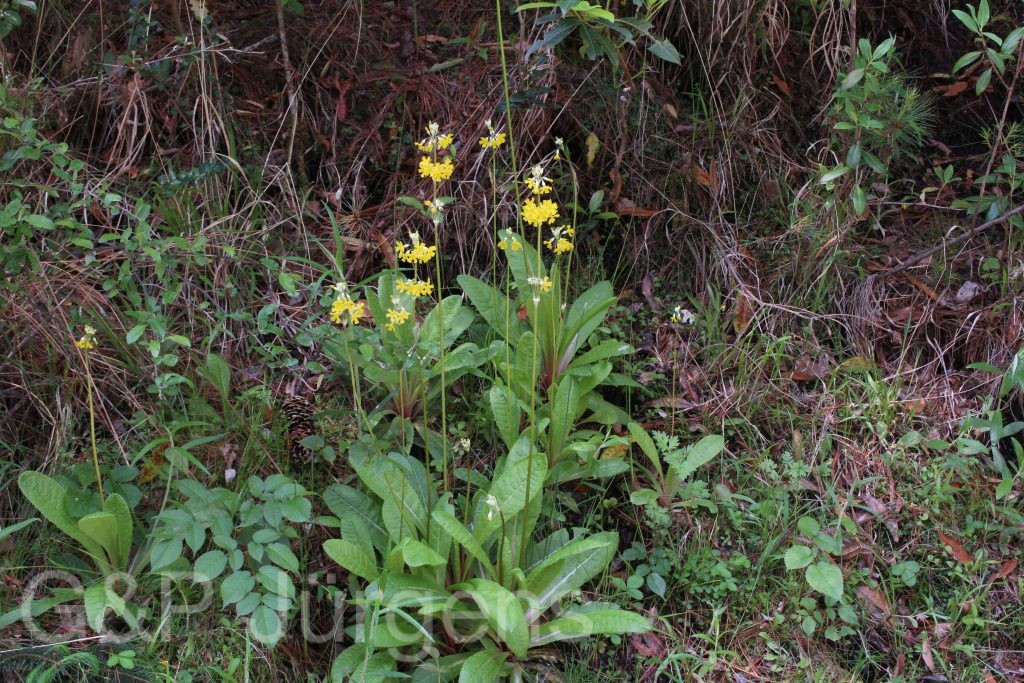
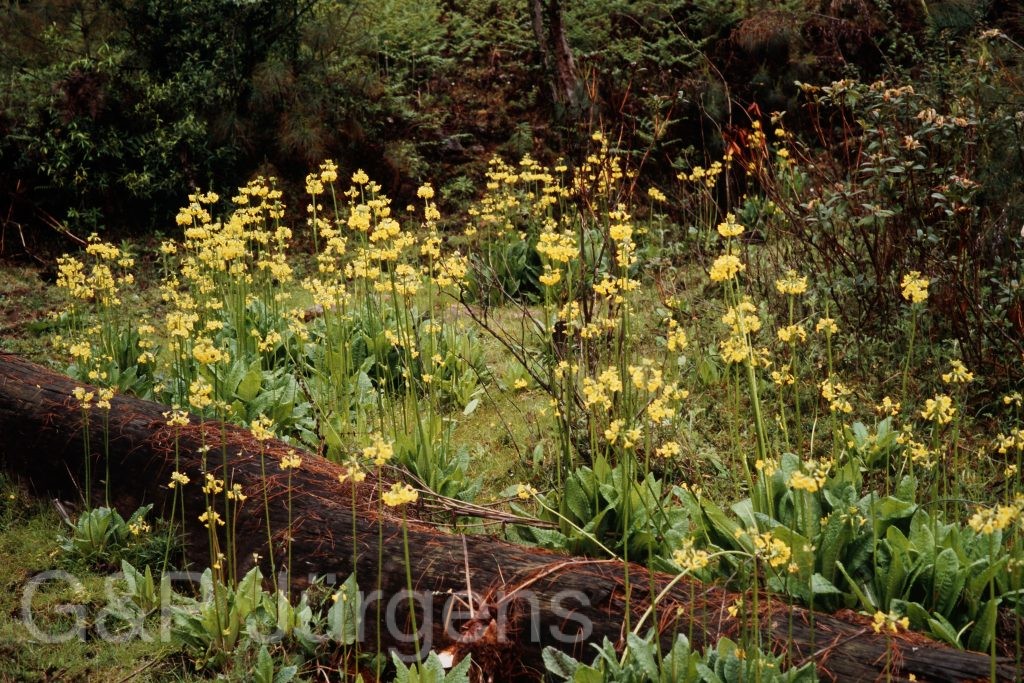
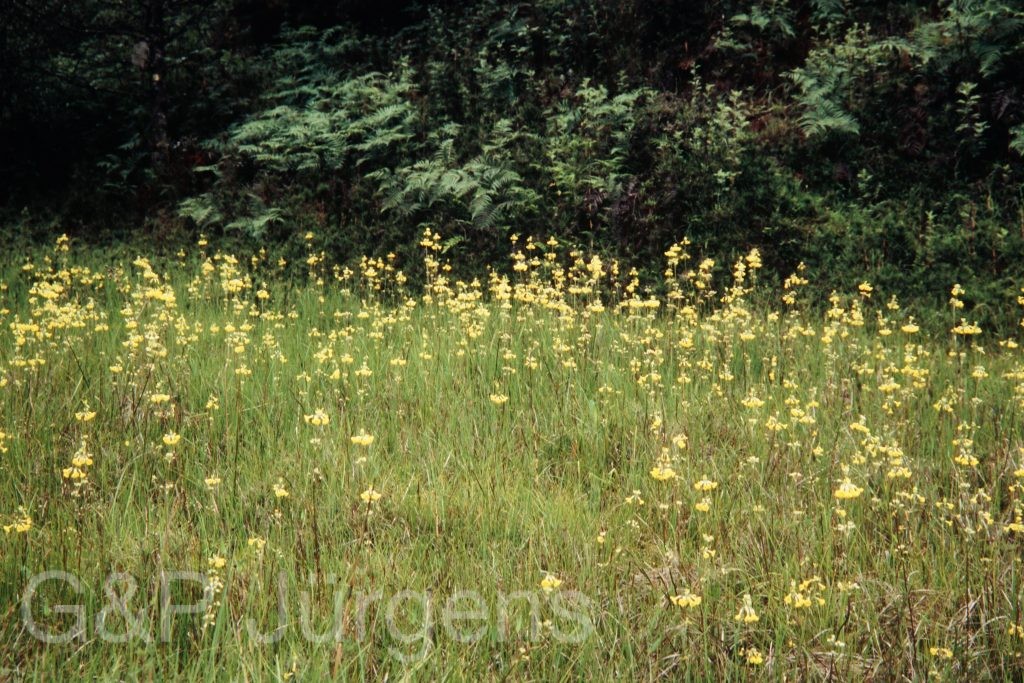
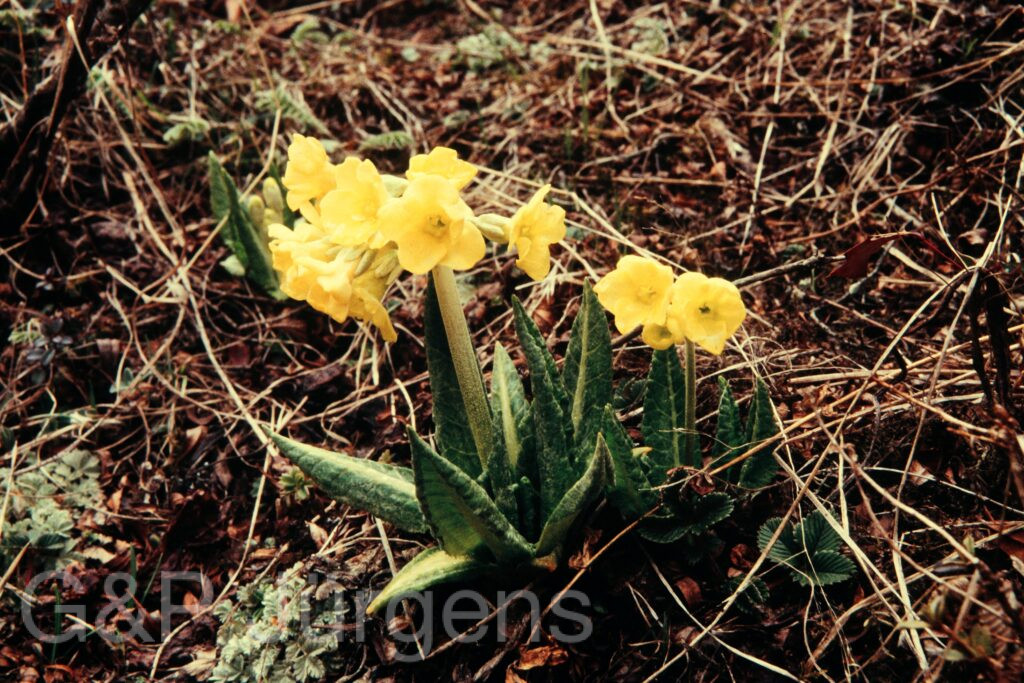
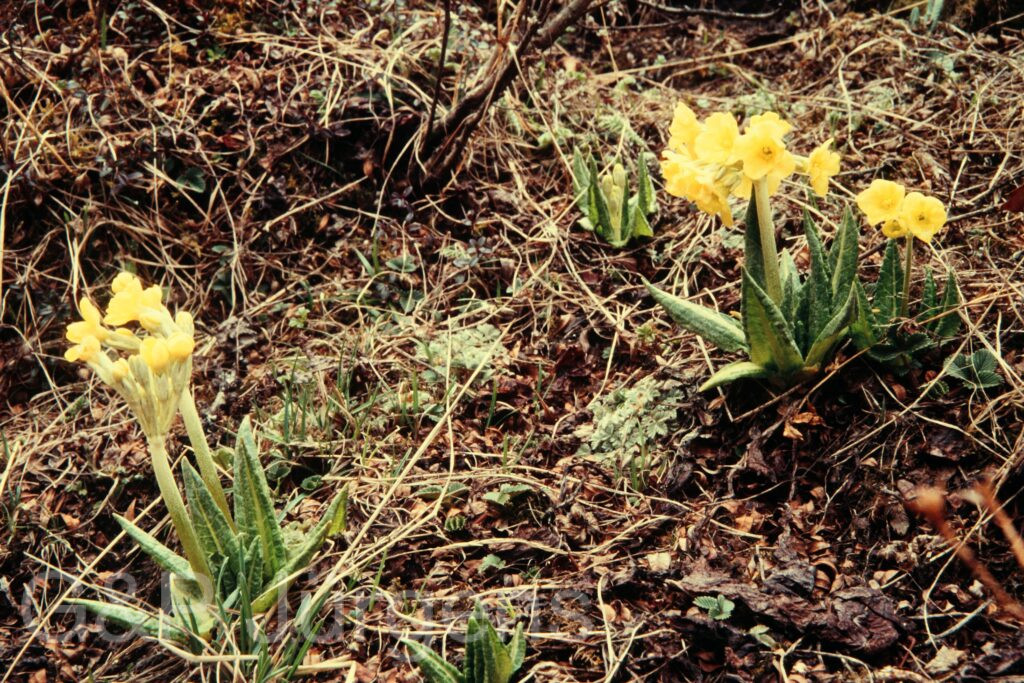
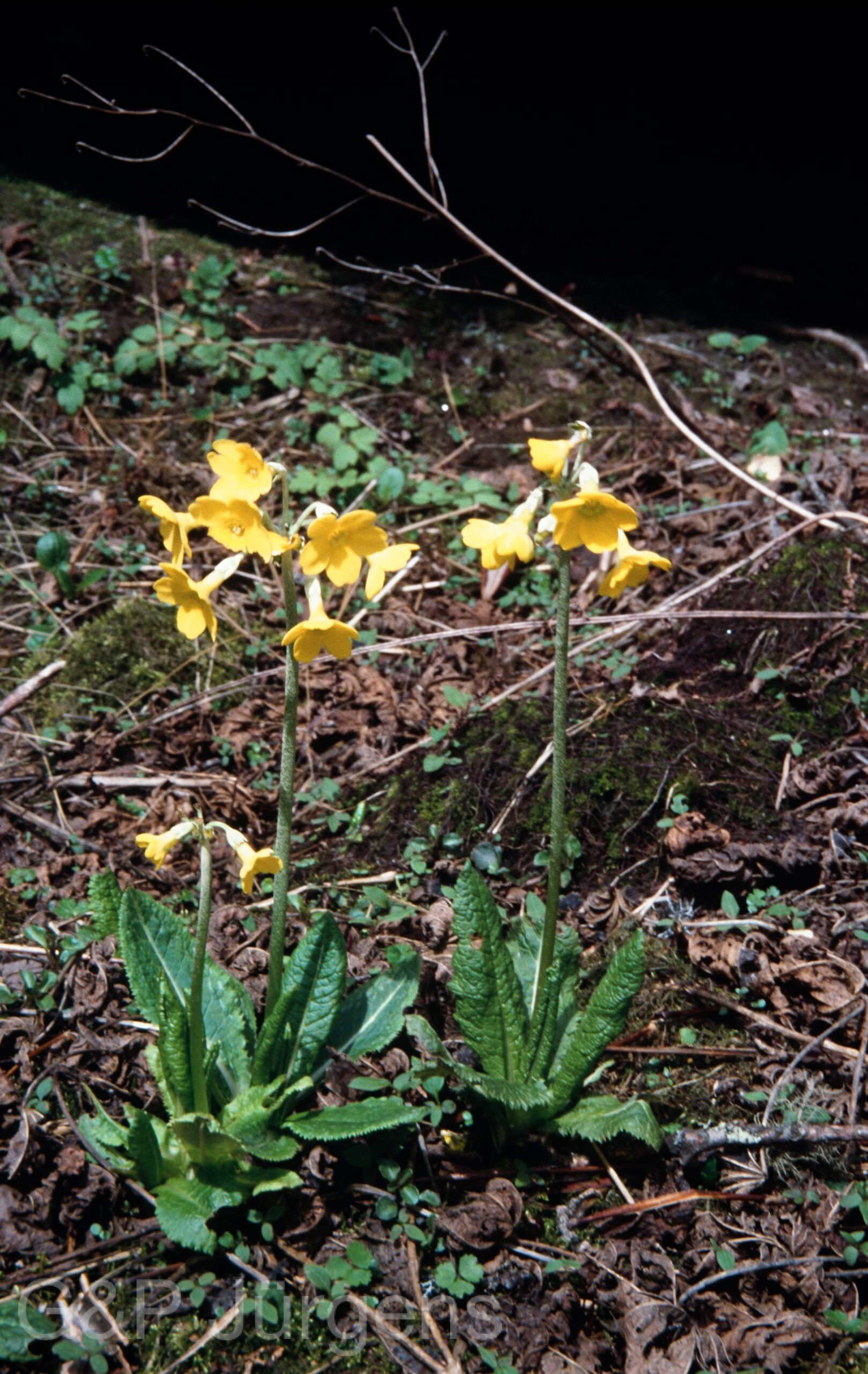
Primula smithiana Craib is an eastern Himalayan endemic distributed across Bhutan, north-eastern India (Arunachal Pradesh) and the adjacent provinces of south-central China, with some 79 georeferenced collections recorded in GBIF. It is a plant of moist temperate to subalpine zones, favouring wet meadows, streamsides, marshy hollows and the margins of conifer and rhododendron forest. The populations near Thimphu at 2230 m in May, in the Phobjika valley at 3100 m in April, and at Yetong-La at 3000 m in June illustrate its altitudinal span of roughly 2200–3500 m, where snowmelt and monsoon humidity sustain the boggy ground it requires.

The species belongs to section Sikkimensis and is a robust deciduous perennial herb arising from a short rhizome with a tuft of fleshy roots. The leaves form a basal rosette, oblong-oblanceolate to spatulate, gradually narrowed into a winged petiole, with a crenate-dentate margin and an efarinose to lightly farinose lower surface. The stout scape greatly exceeds the foliage and bears a single nodding umbel of numerous pendent, bell-shaped flowers; the corolla is pale to deep yellow with a farinose throat, the calyx campanulate and the heterostylous flowers pin or thrum. The fruit is a cylindric capsule slightly exceeding the persistent calyx and shedding small angular seeds.

Within the Sikkimensis alliance P. smithiana is distinguished from the widespread P. sikkimensis chiefly by its yellow, farinose-throated flowers and preference for lower temperate elevations. As a moisture-demanding bog primula it indicates intact subalpine wetland. It has no formal threat assessment, but its restricted range and dependence on undrained marshy ground make it locally vulnerable to grazing, drainage and trampling.

Author: Craib · Sources: POWO (Kew), GBIF, Flora of Bhutan, Flora of China, Smith & Fletcher monograph of Primula

Balf. f. & R.E. Cooper

Nepal 97 199 P408
Nepal Topke Gholam 3850m April
Nepal 97 164 G321
Nepal Topke Gholam 3850m April

Description

Primula strumosa is a Himalayan primrose recorded from Nepal, India, China, Bhutan and Japan, with about 152 GBIF occurrences along the central and eastern Himalaya. It grows in moist alpine and subalpine meadows, damp grassy slopes, rhododendron scrub and streamsides, typically between roughly 3300 and 4300 m. The plants photographed at Topke Gholam (about 3850 m, April) and at Rupina-La in Gorkha (about 3350 m, May) in Nepal exemplify its habit of flowering early in the season in wet montane turf, often soon after snowmelt when the yellow heads emerge above the developing foliage.

The species is a perennial rosette herb with a short rootstock and basal leaves that are oblong to oblanceolate, with crenate to denticulate margins, the blade narrowing into a winged petiole and frequently dusted with pale farina (meal) beneath. The flowering scape is erect and bears a terminal umbel of several flowers subtended by bracts. The corolla is yellow, salverform with a slender tube and spreading, notched lobes, the calyx campanulate and often farinose. The fruit is a capsule containing numerous small seeds, the flowers typically heterostylous with pin and thrum forms promoting outcrossing.

Primula strumosa belongs to the yellow-flowered Himalayan assemblage of section Petiolares and allies, a group of meal-bearing primroses centred on the high rainfall ranges from Nepal to Bhutan and adjacent China. These primroses are closely tied to permanently moist, cool habitats and to insect pollination of their distylous flowers. With a moderately wide range across the central-eastern Himalaya the species is not regarded as threatened, though as a moisture-demanding alpine specialist it is sensitive to changes in snow cover and meadow hydrology.

Author: Balf. f. & R.E. Cooper · Sources: POWO (Kew), GBIF, Flora of China, Flora of Bhutan, Annotated Checklist of the Flowering Plants of Nepal, Richards' monograph Primula

W.W. Sm.

Bh2008 131 G220
Bhutan Pele-La, 3000m April
Bh2008 233 P370
Bhutan Pele-La, 3000m April

Description

Primula whitei W.W.Sm. is an eastern Himalayan primrose of comparatively narrow range; GBIF lists about 74 occurrences from Bhutan, neighbouring India, southern China and Myanmar, with records extending into eastern Nepal. It grows in cool, moist habitats of the upper temperate and subalpine zones, on mossy banks, damp rock ledges, shady cliffs and the margins of forest and scrub, broadly between about 3000 and 4000 m. The plants photographed at Pele-La in Bhutan at 3000 m in April flower very early in the season, as snow recedes, on a high pass typical of the humid, cloud-bathed habitats this species requires.

It is a small, farinose perennial herb forming a compact rosette that overwinters as a resting bud. The leaves are obovate to spathulate, with a crenate to dentate margin tapering to a winged petiole, and the undersurface is often dusted with white or yellowish farina. The flowers are borne singly or in a small umbel on a short scape that elongates only slightly after anthesis, so the blooms nestle close to the foliage. The corolla is salverform with a slender tube and spreading limb of obcordate lobes, violet-blue to lilac with a paler or yellowish eye. The species is heterostylous, and the fruit is a small capsule releasing numerous minute seeds.

Primula whitei belongs to section Petiolares, a Sino-Himalayan group of early-flowering, often farinose primulas centred on the eastern Himalaya whose species delimitation has long challenged taxonomists; it has at times been associated with the Primula bhutanica complex. The genus is classically heterostylous, promoting outcrossing between pin and thrum morphs. With its limited range and reliance on cool, perennially humid microhabitats, the species is regionally restricted and potentially sensitive to warming and to desiccation of the high-altitude niches on which Petiolares primulas depend.

Author: W.W. Sm. · Sources: POWO (Kew), GBIF, Flora of Bhutan, Flora of China, Richards' monograph Primula, Annotated Checklist of the Flowering Plants of Nepal

Prunus rufa

by GP Jürgens

Wall. ex Hook.f.

Bhutan2014 434
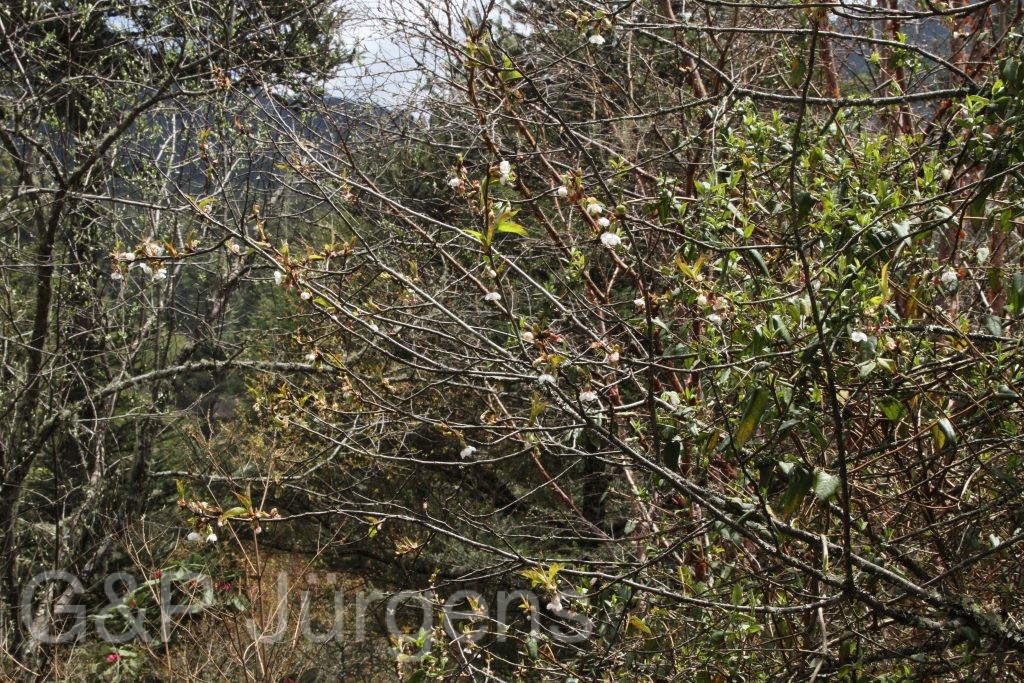
Bhutan Pele-La 3000m, May
Bhutan2014 543
Bhutan Pele-La 3000m, May

Description

Prunus rufa, the Himalayan cherry, is a small tree of the eastern Himalaya, distributed through Nepal, Bhutan, northern India, China (south-eastern Tibet) and Myanmar, with GBIF logging 290 occurrences concentrated along this Sino-Himalayan belt. It grows in cool temperate and sub-alpine forest, on open slopes, forest margins and in mixed conifer-broadleaf woodland, broadly between 2700 and 3700 m. The photographed plant from the Pele-La pass in central Bhutan at about 3000 m, flowering in May, illustrates its spring blossoming as new growth emerges in the high passes, where it is valued for its striking bark and early flowers.

The species is a deciduous tree, often 5-12 m tall, conspicuous for its smooth, glossy, coppery to reddish-brown peeling bark, which gives rise to the epithet rufa. Young shoots and leaf undersides are clothed in distinctive rusty (rufous) hairs. The alternate leaves are ovate to elliptic, serrate at the margin, acuminate and short-petiolate. The flowers are solitary or in small clusters, opening with the young foliage; each is pentamerous with five white to pale pink petals, numerous stamens and a single carpel seated in a cupular hypanthium. The fruit is a small ovoid drupe, ripening reddish, with a thin flesh surrounding a single hard stone (endocarp).

Described by Wallich ex Hooker, the species belongs to genus Prunus subgenus Cerasus (the true cherries), within Rosaceae subfamily Amygdaloideae. Its rusty indumentum and burnished bark are diagnostic and make it a notable ornamental, cultivated in temperate gardens for its bark and spring flower. The drupes provide food for birds and mammals, aiding seed dispersal. With a broad Himalayan range it is not globally threatened, though high-elevation forest fragmentation and logging may locally reduce populations.

Author: Wall. ex Hook.f. · Sources: POWO (Kew), GBIF, Flora of China, Flora of Bhutan, The Plant Hunter's Guide to Asian Prunus (Cerasus monograph)