
Craib
Description
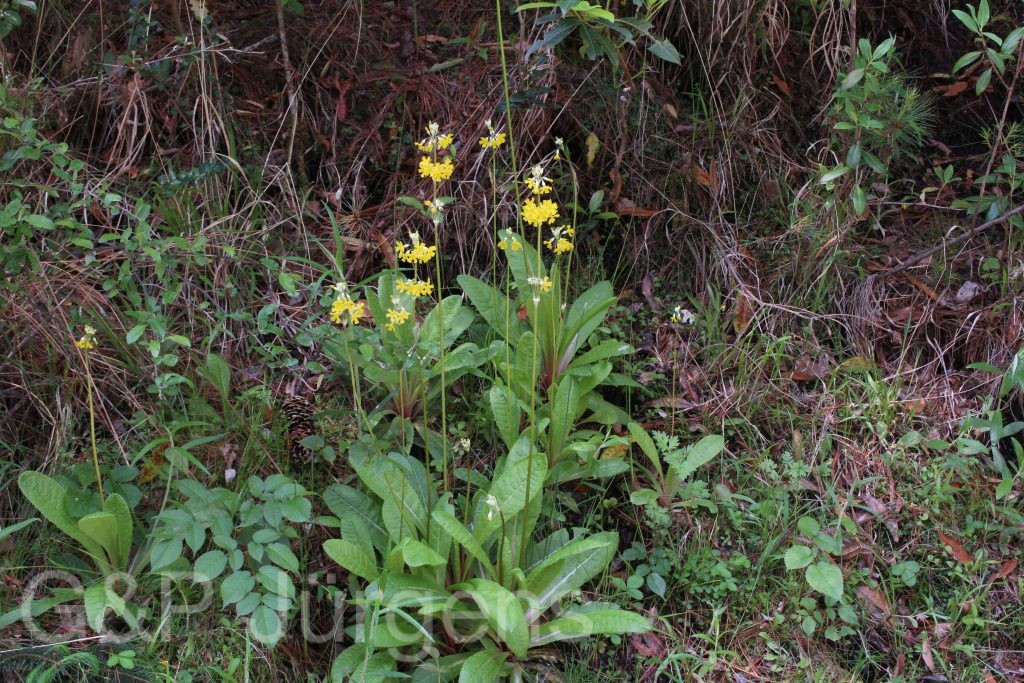
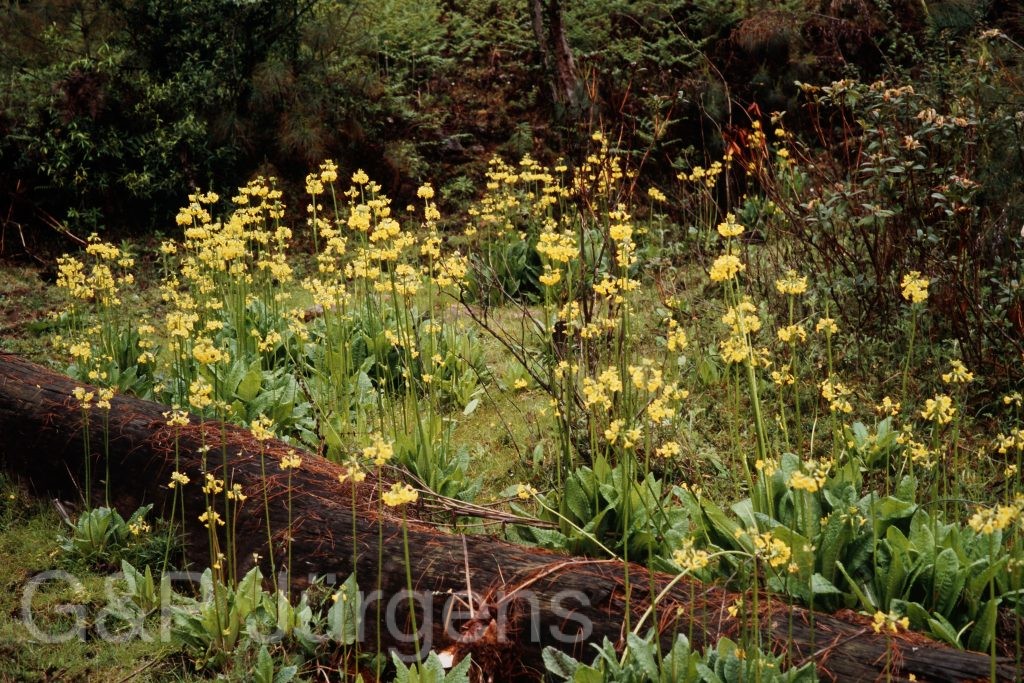
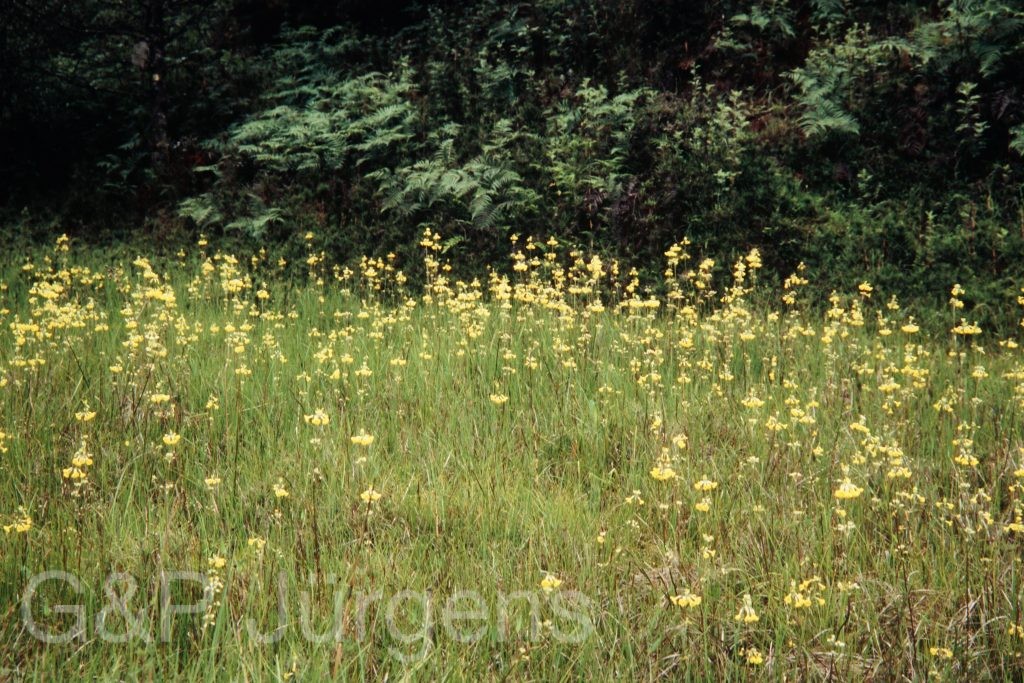
Primula smithiana Craib is an eastern Himalayan endemic distributed across Bhutan, north-eastern India (Arunachal Pradesh) and the adjacent provinces of south-central China, with some 79 georeferenced collections recorded in GBIF. It is a plant of moist temperate to subalpine zones, favouring wet meadows, streamsides, marshy hollows and the margins of conifer and rhododendron forest. The populations near Thimphu at 2230 m in May, in the Phobjika valley at 3100 m in April, and at Yetong-La at 3000 m in June illustrate its altitudinal span of roughly 2200–3500 m, where snowmelt and monsoon humidity sustain the boggy ground it requires.
The species belongs to section Sikkimensis and is a robust deciduous perennial herb arising from a short rhizome with a tuft of fleshy roots. The leaves form a basal rosette, oblong-oblanceolate to spatulate, gradually narrowed into a winged petiole, with a crenate-dentate margin and an efarinose to lightly farinose lower surface. The stout scape greatly exceeds the foliage and bears a single nodding umbel of numerous pendent, bell-shaped flowers; the corolla is pale to deep yellow with a farinose throat, the calyx campanulate and the heterostylous flowers pin or thrum. The fruit is a cylindric capsule slightly exceeding the persistent calyx and shedding small angular seeds.
Within the Sikkimensis alliance P. smithiana is distinguished from the widespread P. sikkimensis chiefly by its yellow, farinose-throated flowers and preference for lower temperate elevations. As a moisture-demanding bog primula it indicates intact subalpine wetland. It has no formal threat assessment, but its restricted range and dependence on undrained marshy ground make it locally vulnerable to grazing, drainage and trampling.
Author: Craib · Sources: POWO (Kew), GBIF, Flora of Bhutan, Flora of China, Smith & Fletcher monograph of Primula