Kunth

Description
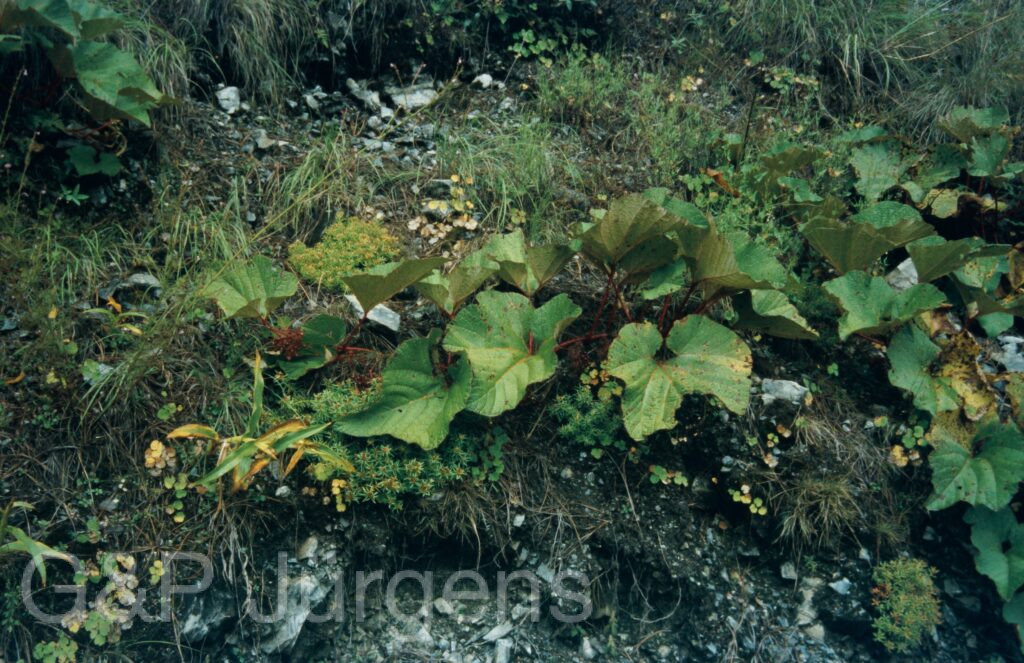
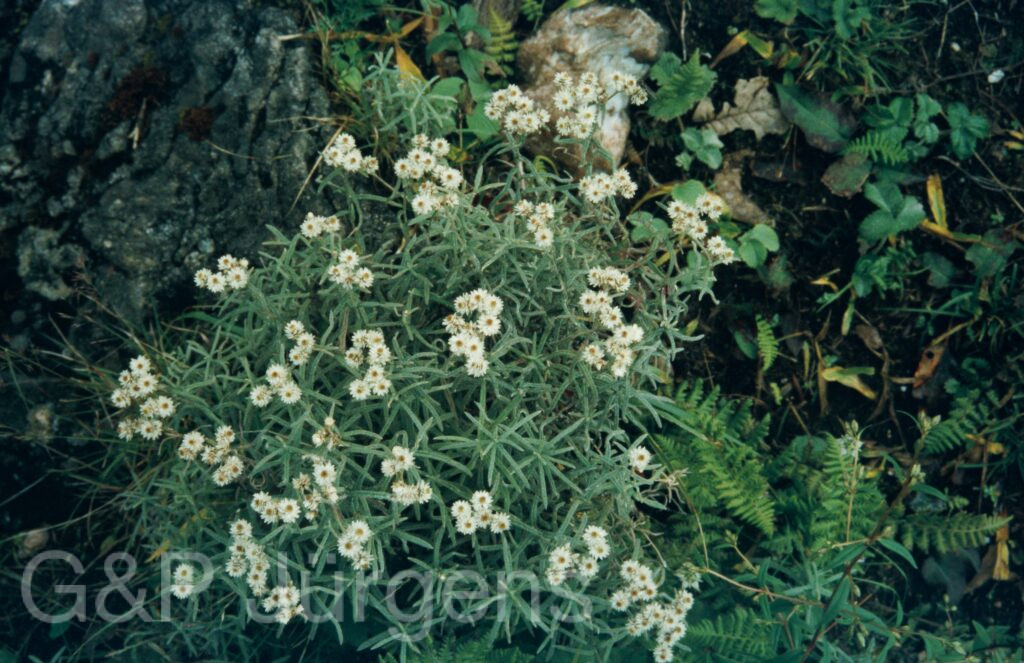
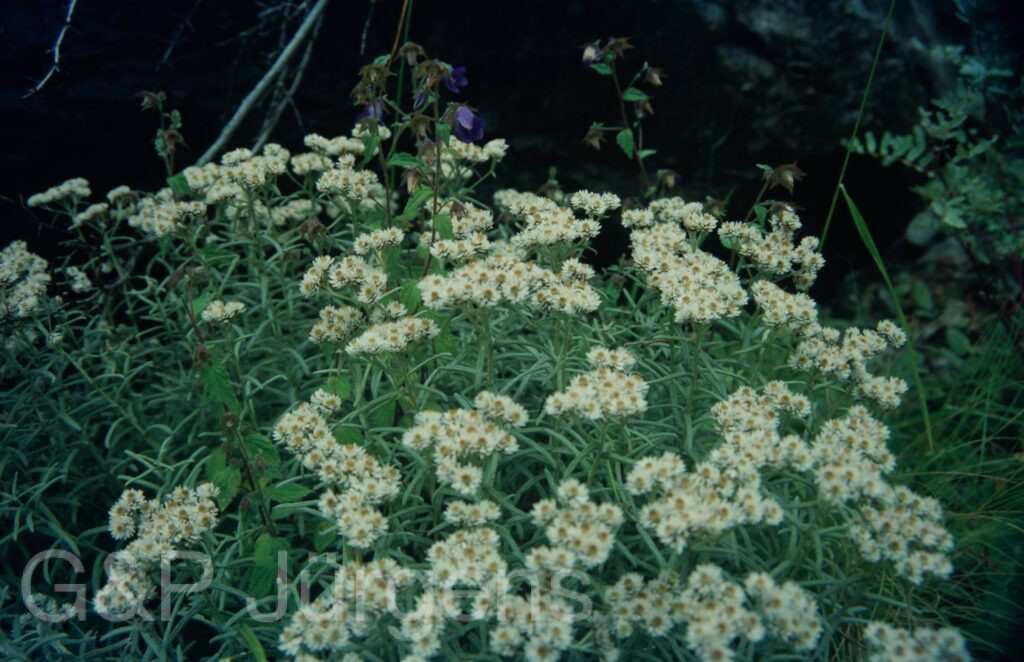
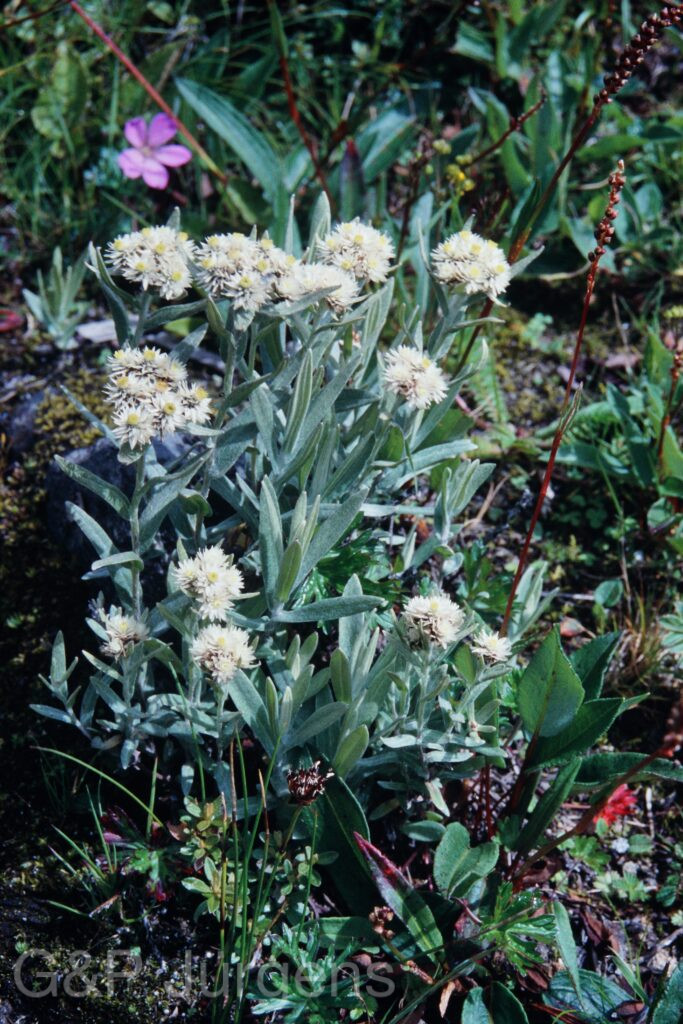
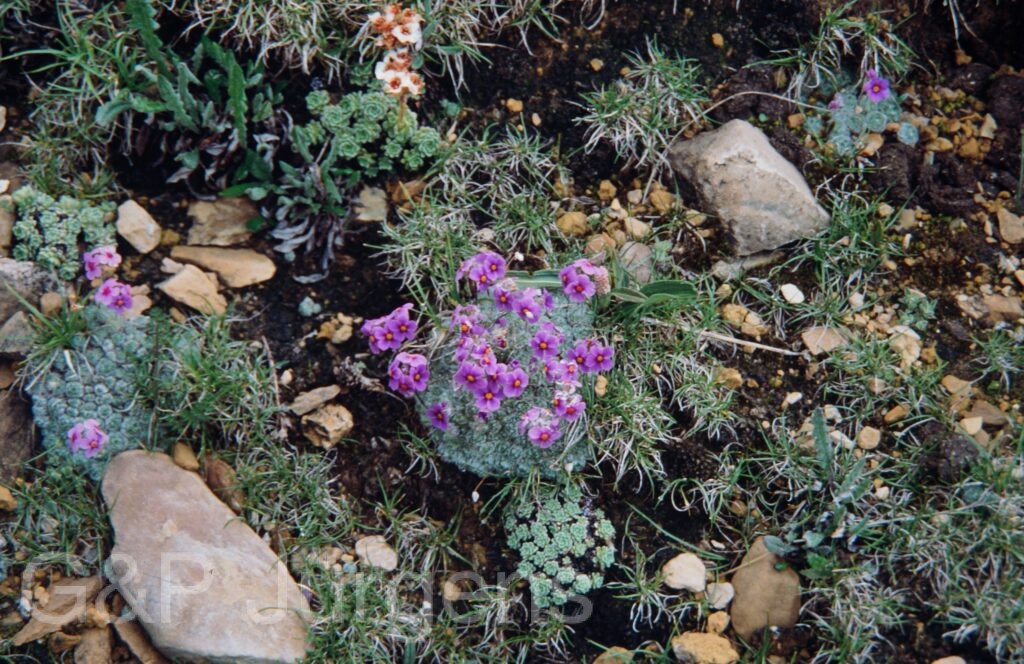
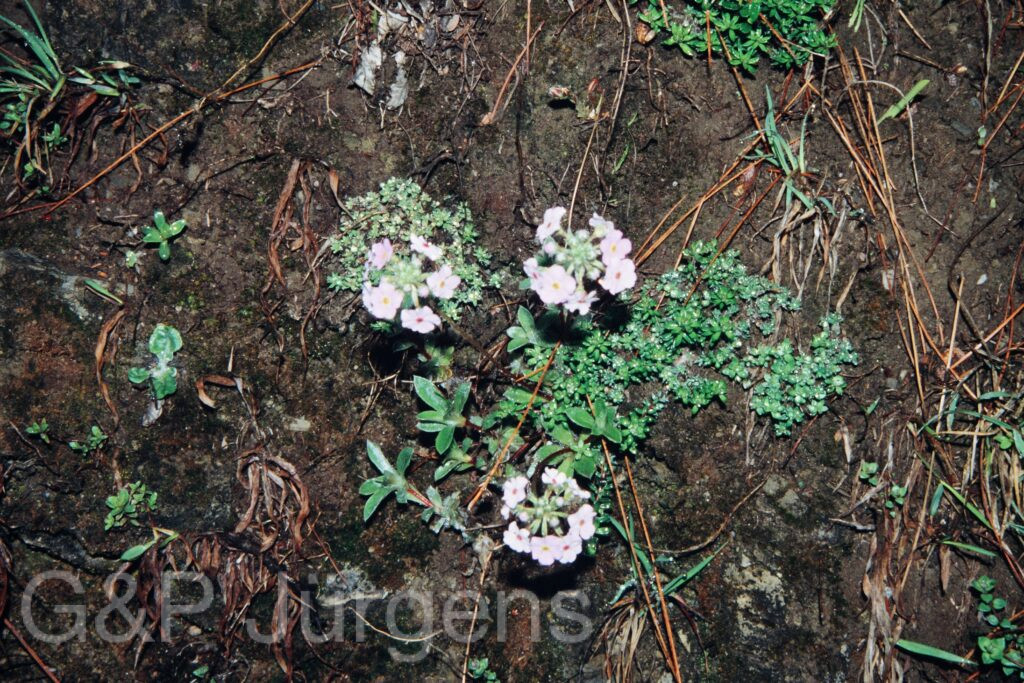
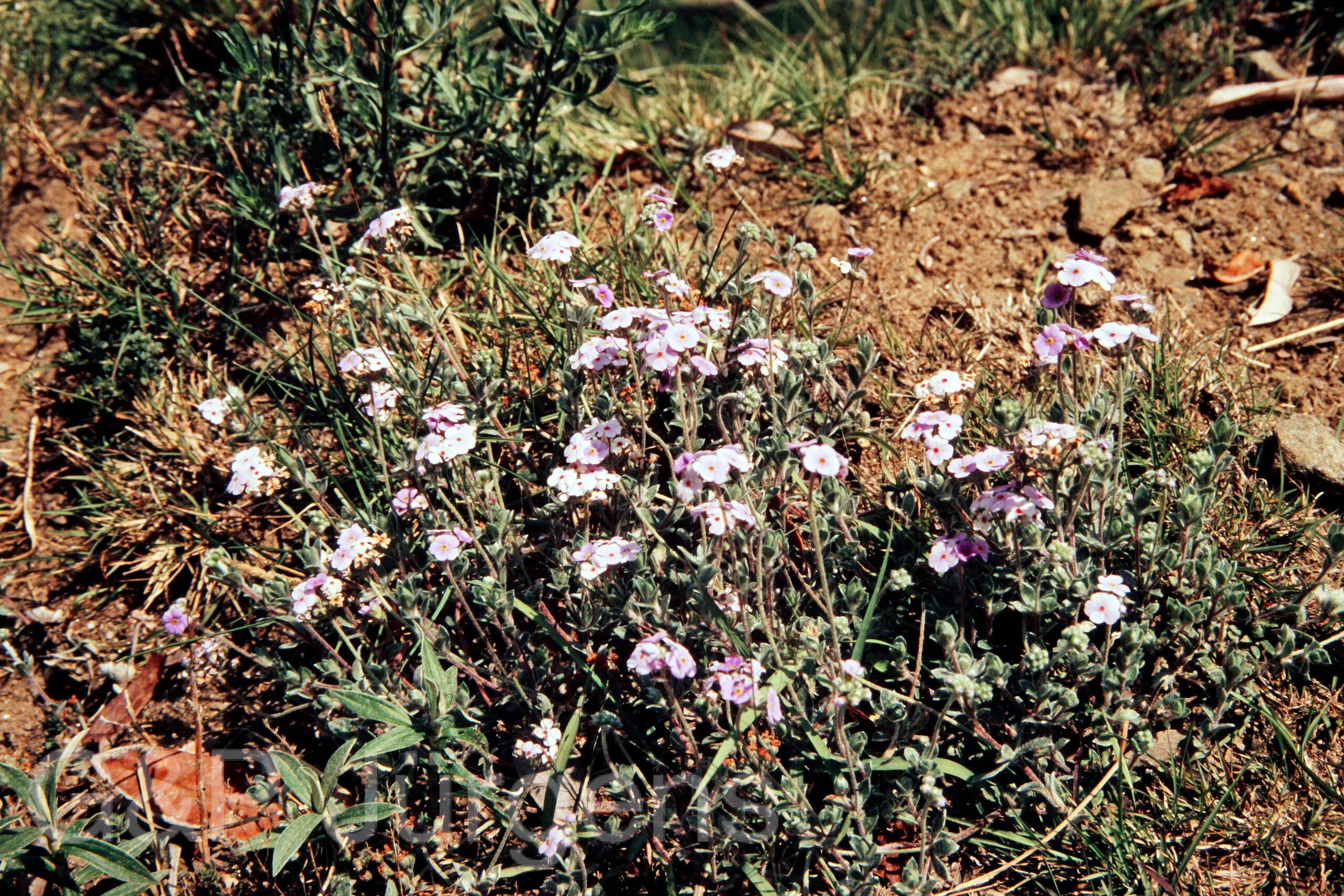
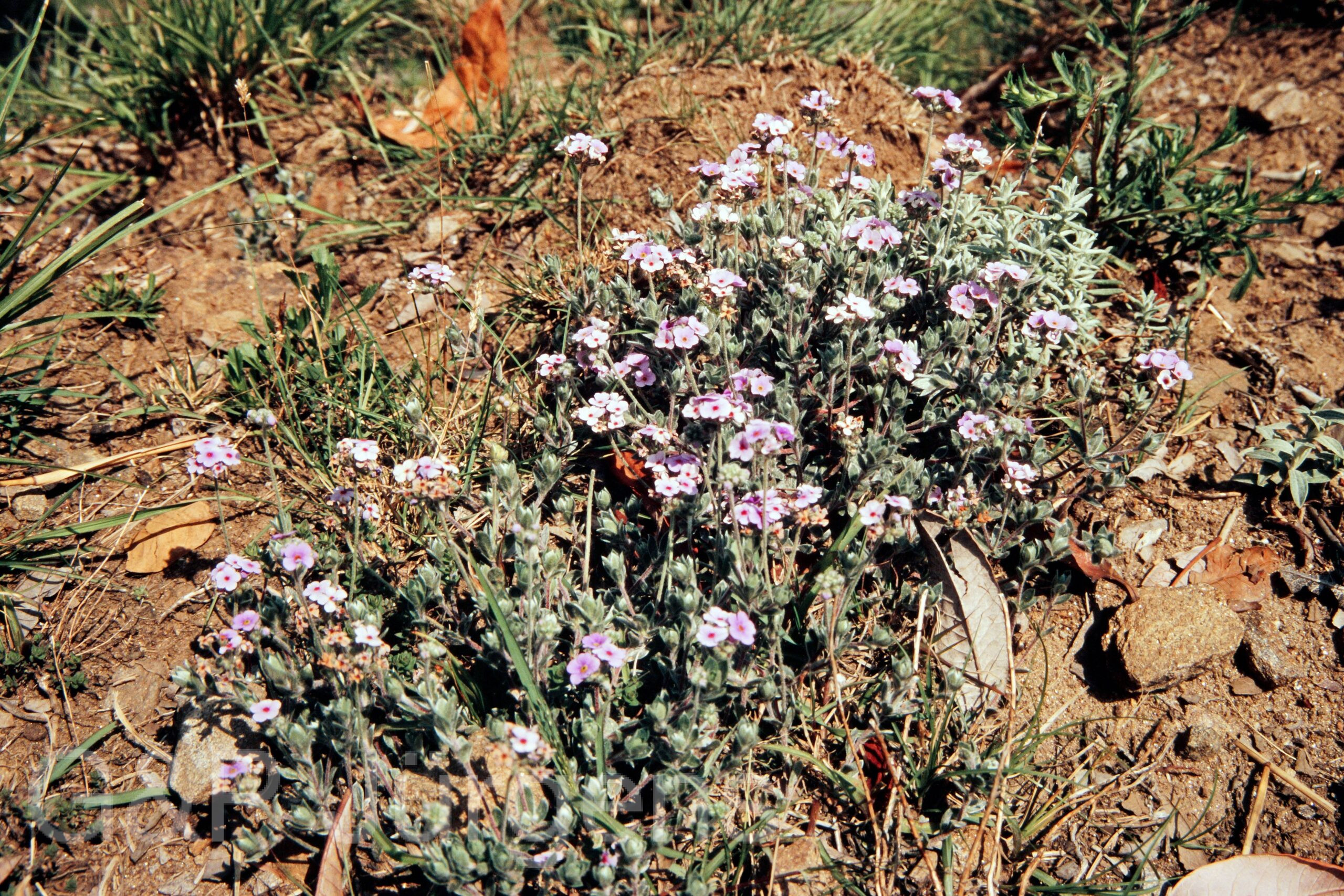
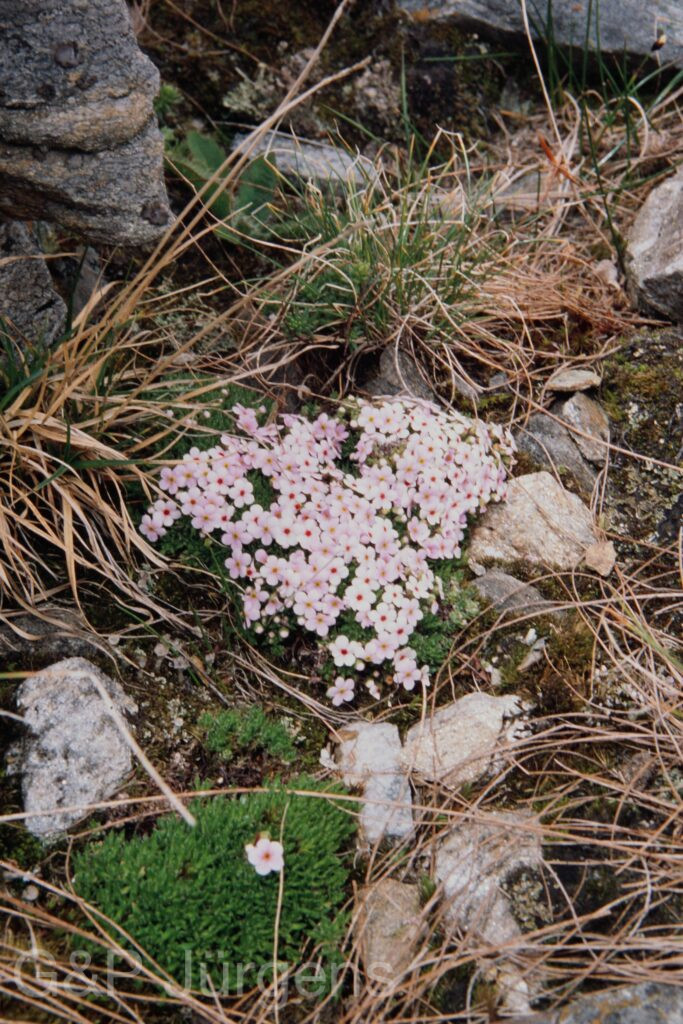
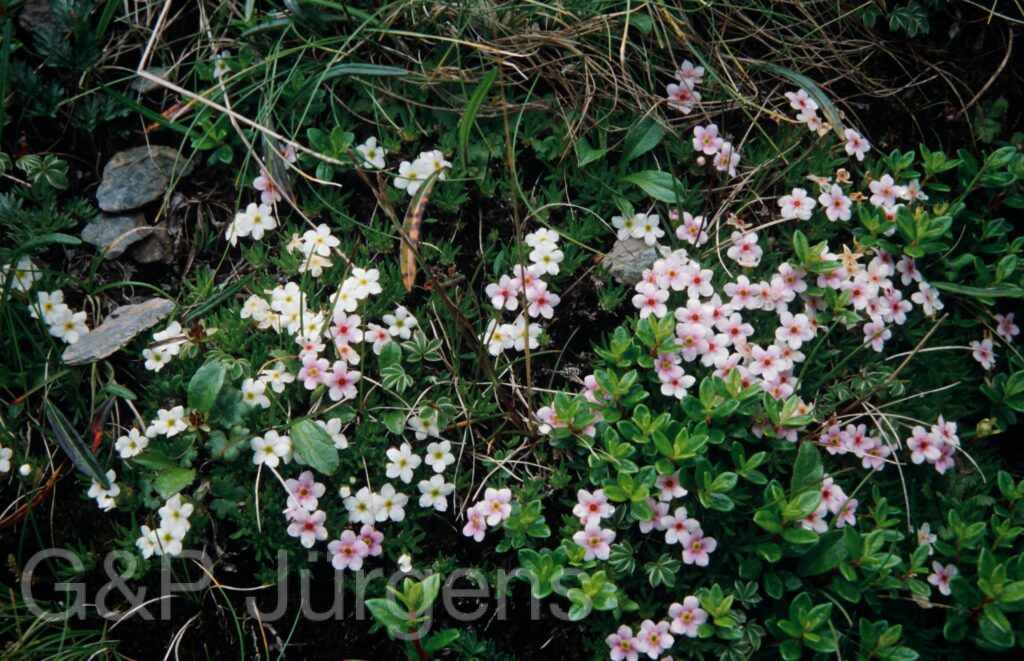
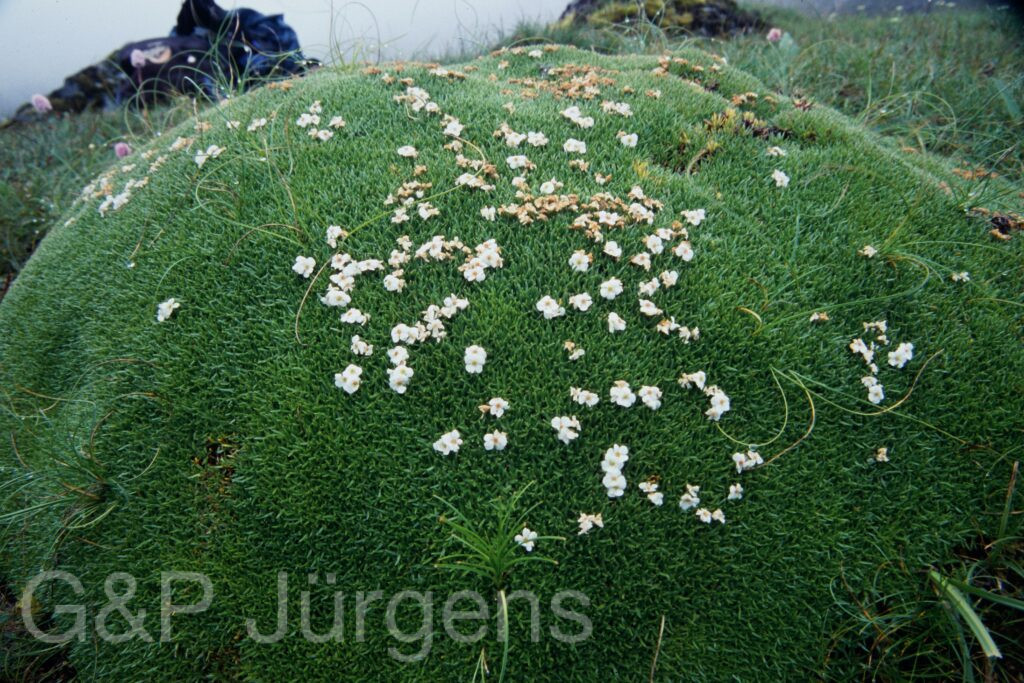
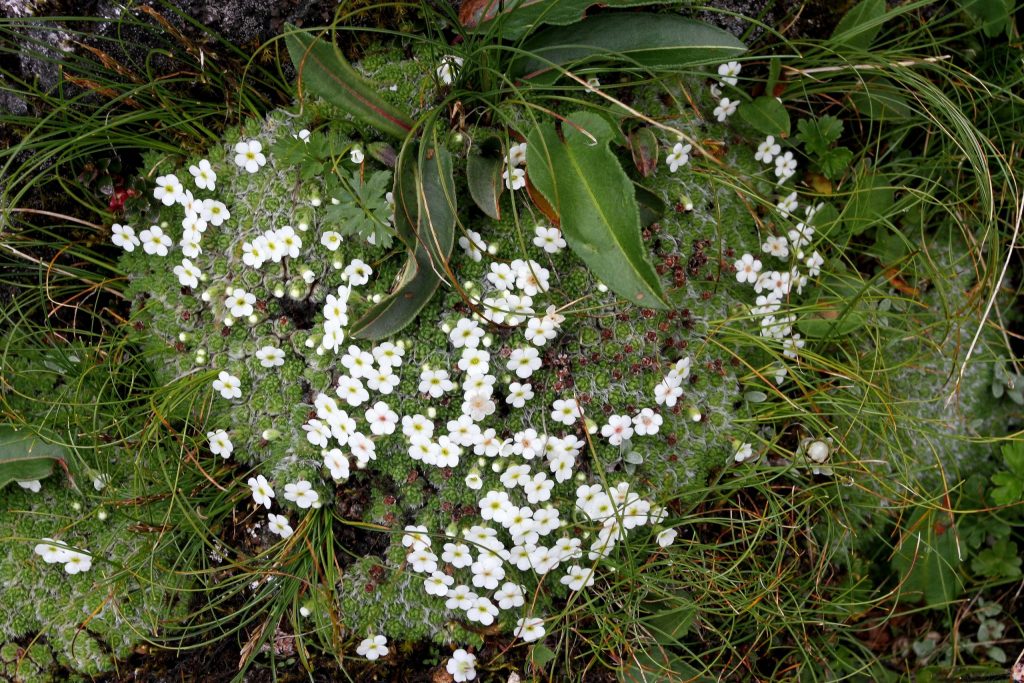
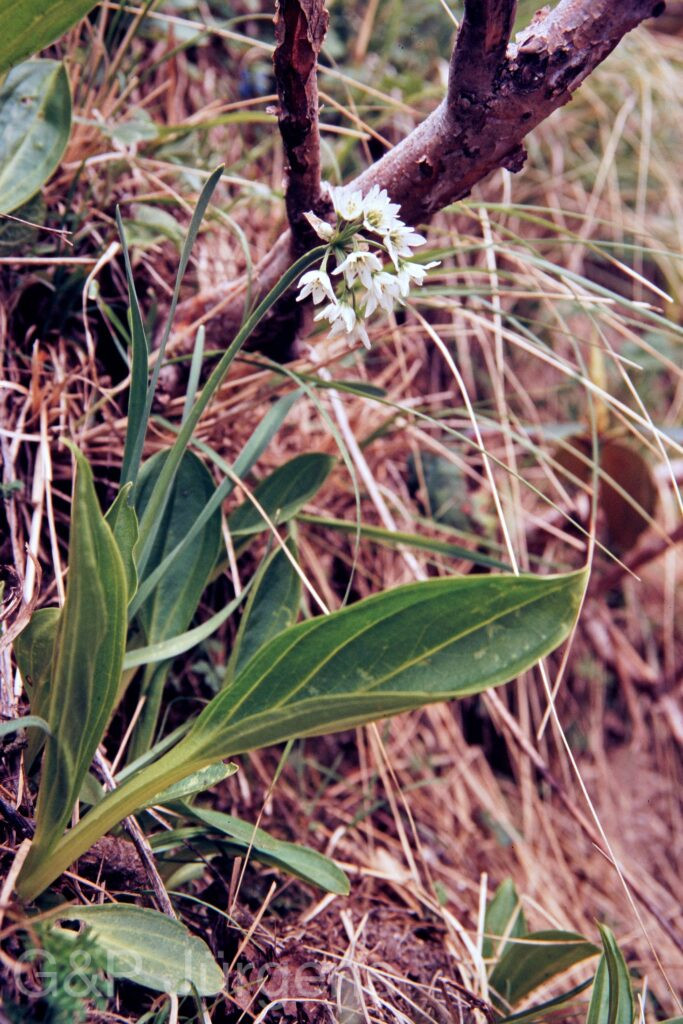
Allium humile is a small alpine bulbous perennial of the Amaryllidaceae (subfamily Allioideae), distributed through the Himalaya and adjoining Central Asian ranges. GBIF records (over 200 occurrences) indicate a native range across India, Pakistan and China, with further cultivated or vouchered material elsewhere. It is a plant of open alpine meadows, grassy slopes, screes and moist pastures, frequently in areas flushed by snowmelt, typically between about 3,000 and 4,500 m. The collection from Kinkhola in Garhwal at 3,450 m in June captures its flowering in early summer following the retreat of snow on high-altitude grassland.
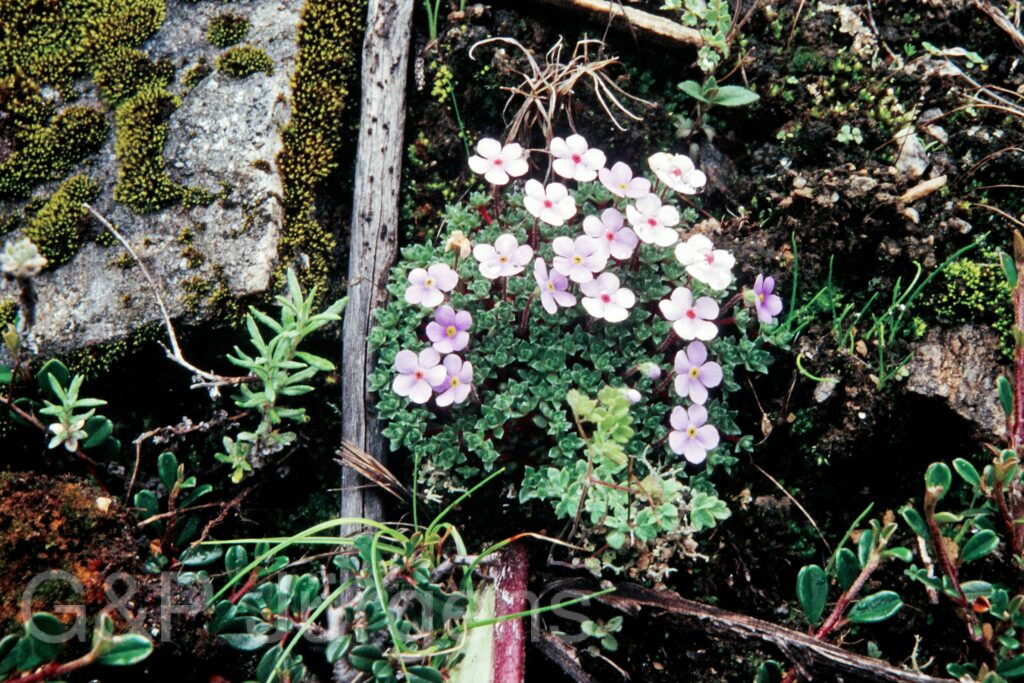
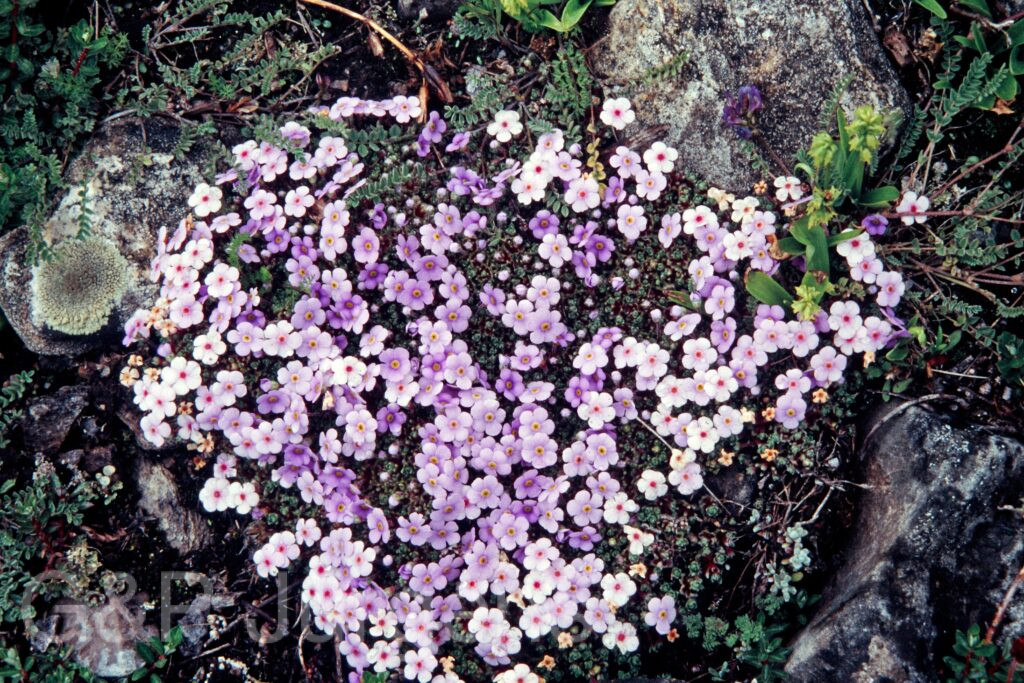
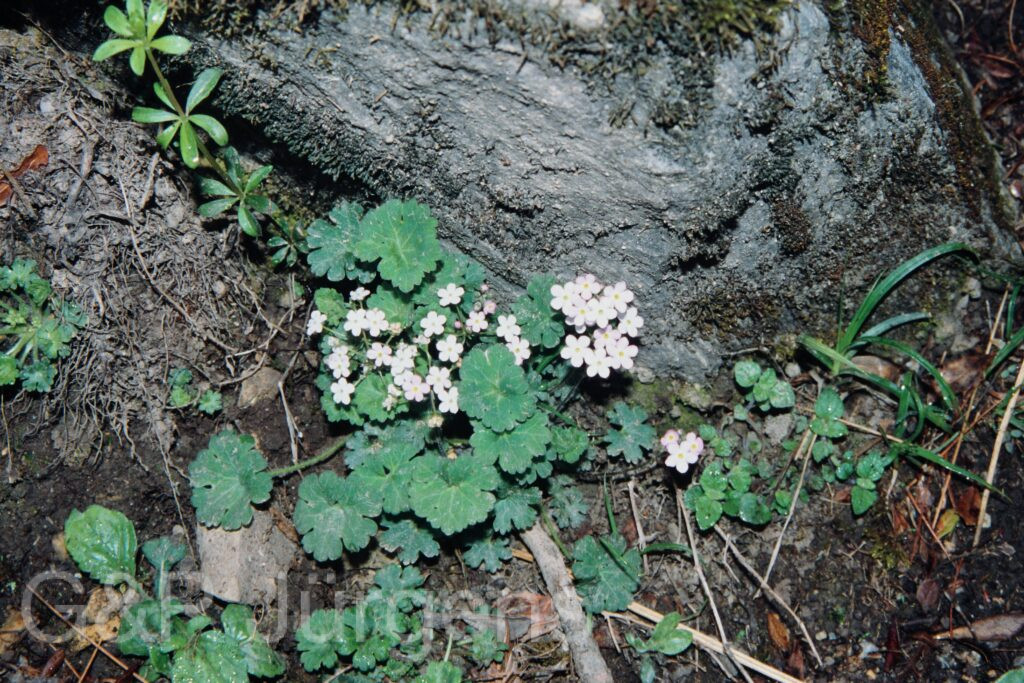
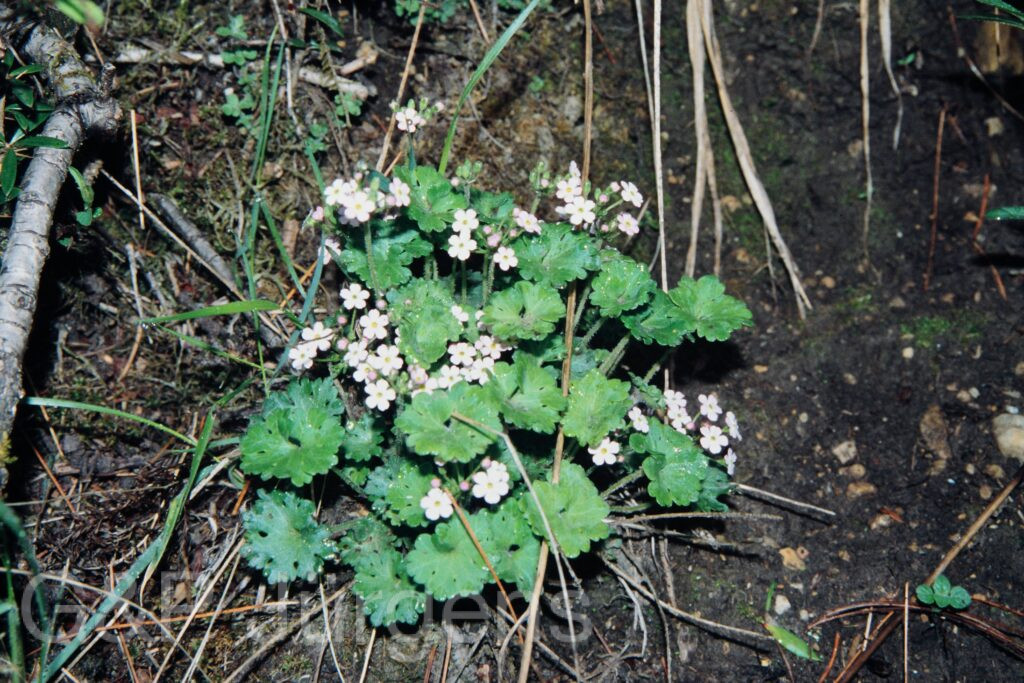
The plant grows from a small ovoid bulb clothed in membranous tunics. The leaves are basal, few, narrowly linear and flat to channelled, shorter than or about equalling the short scape. The scape is leafless and bears a compact, more or less hemispherical to globose umbel of relatively few flowers, subtended in bud by a membranous spathe. The flowers are stellate to campanulate, white to pale pinkish, the six tepals with a darker midvein; the six stamens are shorter than or about equalling the perianth. The fruit is a small, three-valved loculicidal capsule containing black seeds.
Allium, the largest genus of the Amaryllidaceae, is characterised by its onion-scented herbage, umbellate inflorescence enclosed in a spathe and trimerous flowers. The dwarf, low-growing habit indicated by the epithet humile is an adaptation to the wind-exposed, short-season alpine environment. As a component of high-altitude grassland and snow-flush communities, the species is sensitive to overgrazing and trampling, though its broad montane distribution affords it overall security.
Author: Kunth · Sources: POWO (Kew), Flora of Pakistan, Flora of China Vol. 24, GBIF, Stearn: The Genus Allium in the Himalaya