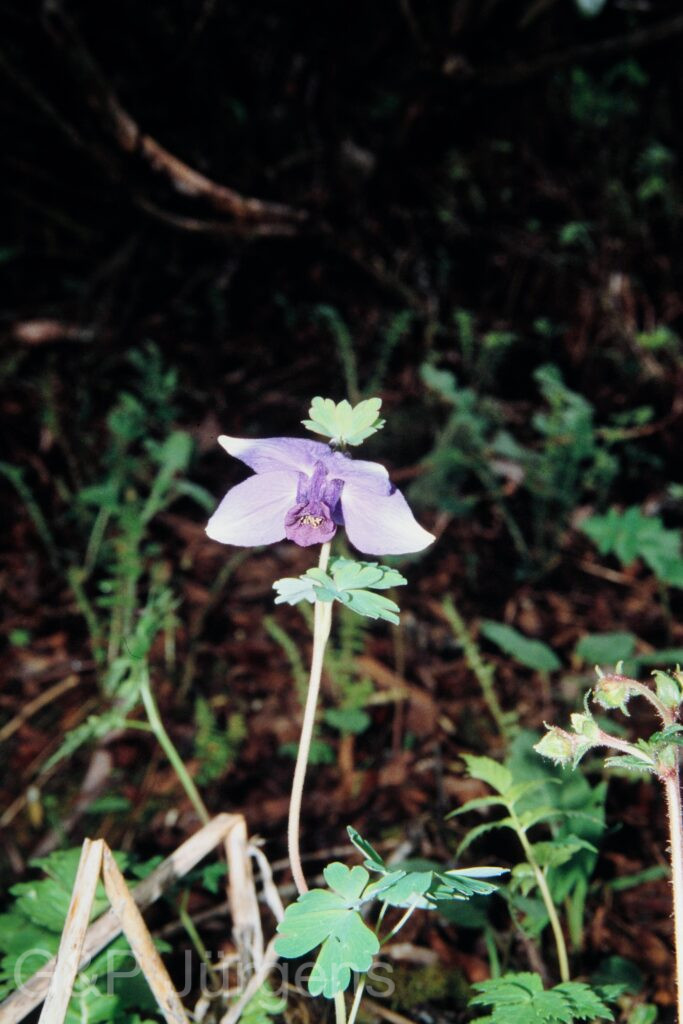
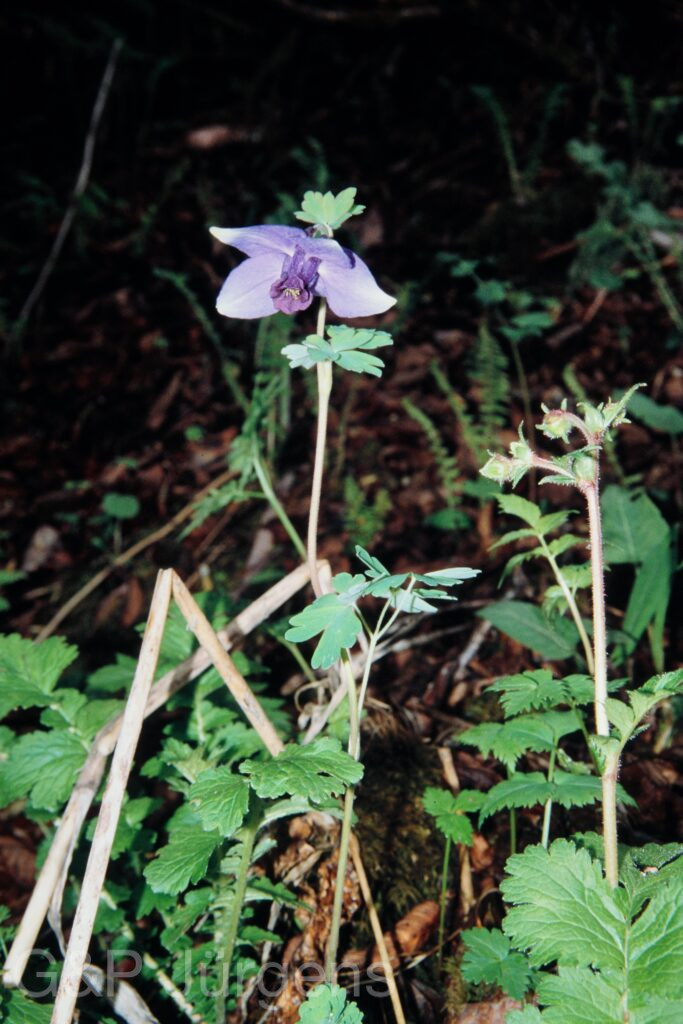
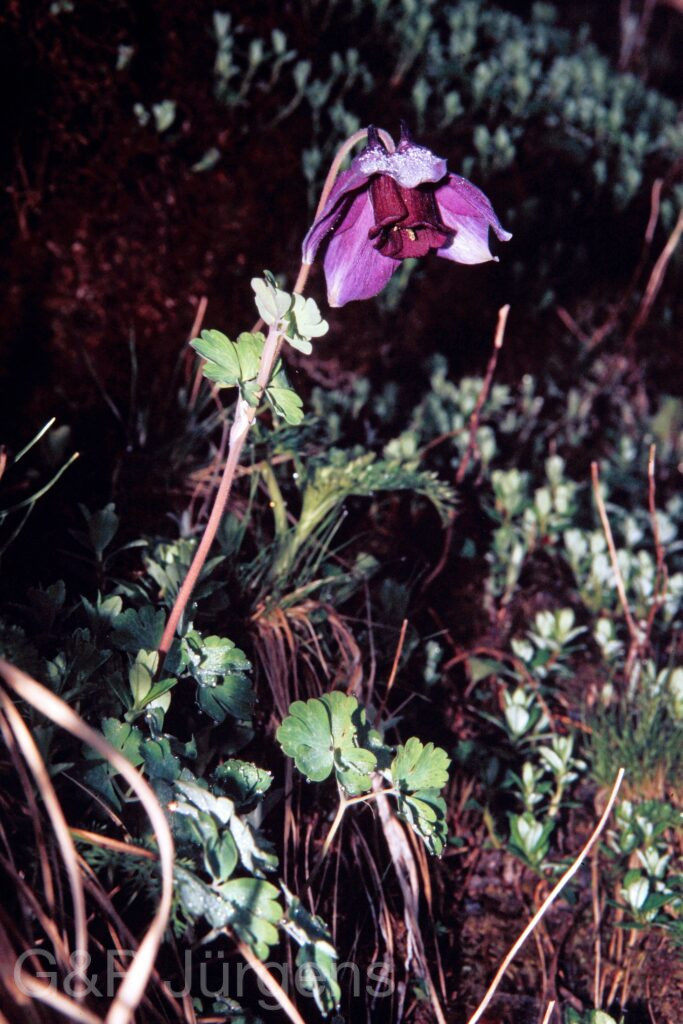
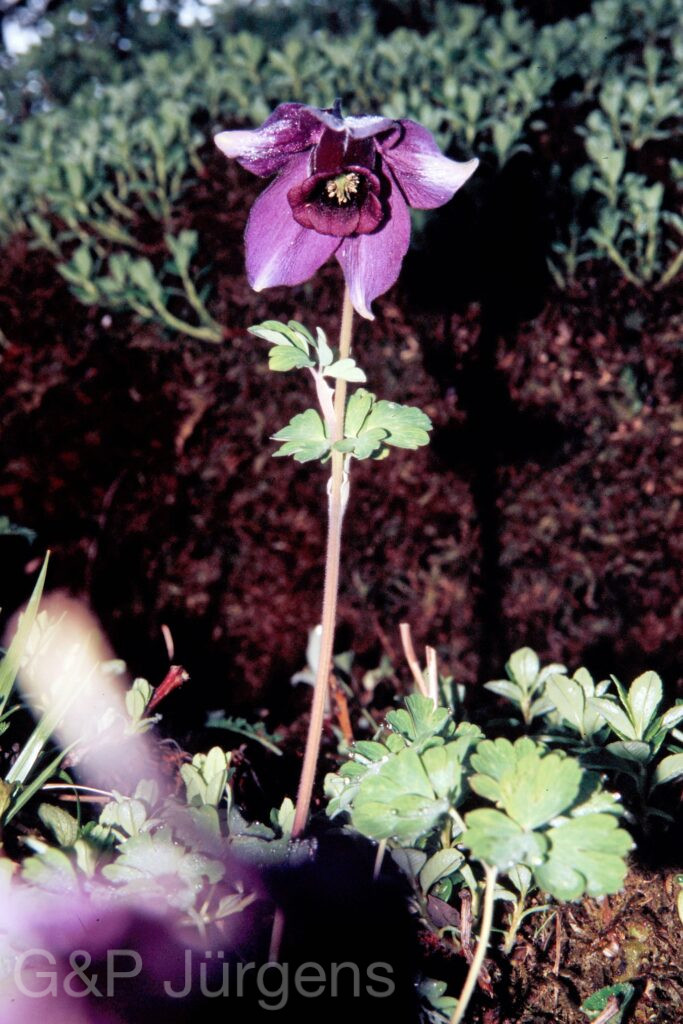
Wall.
Description
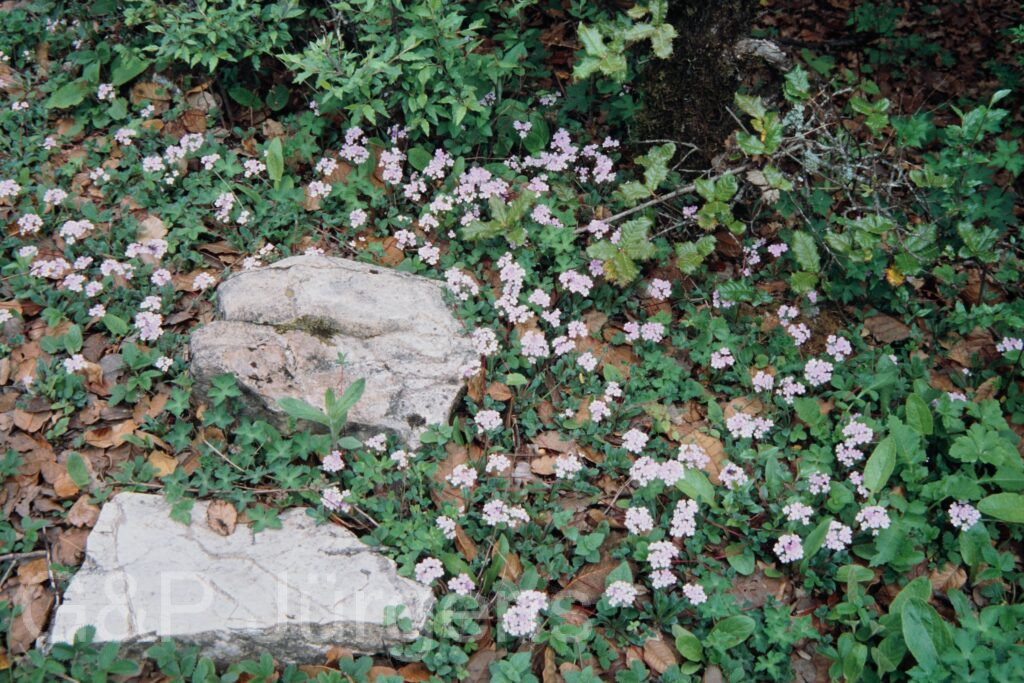
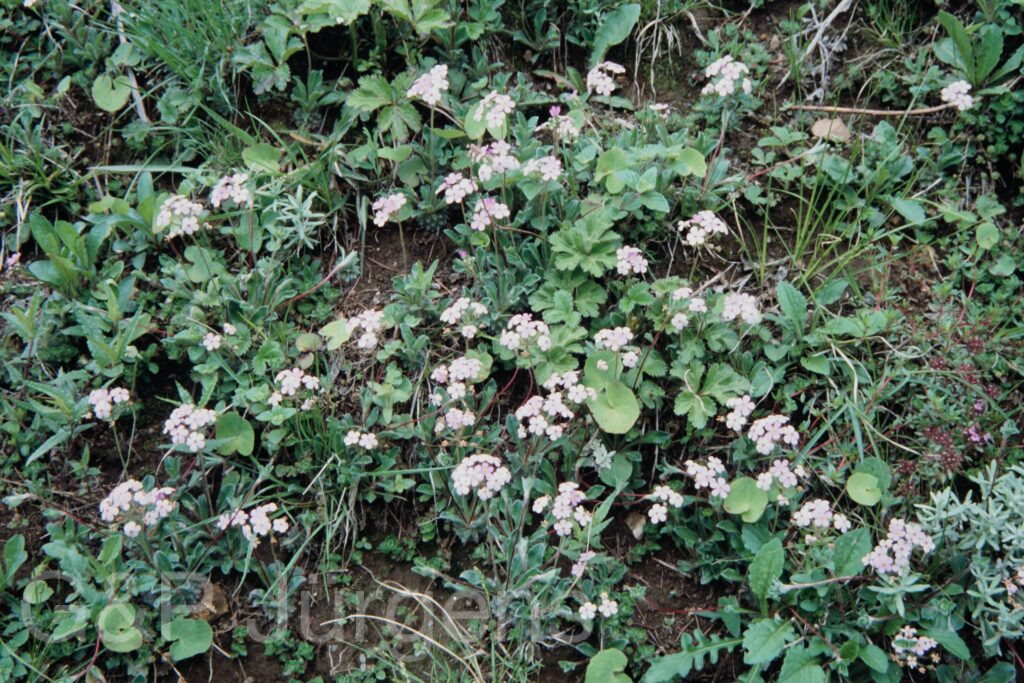
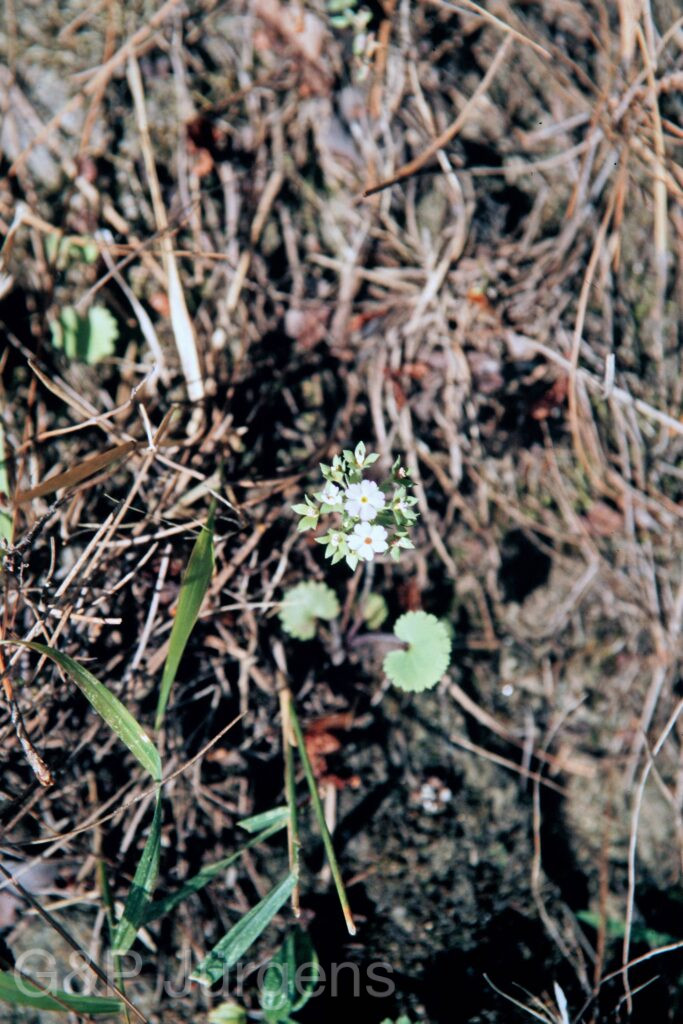
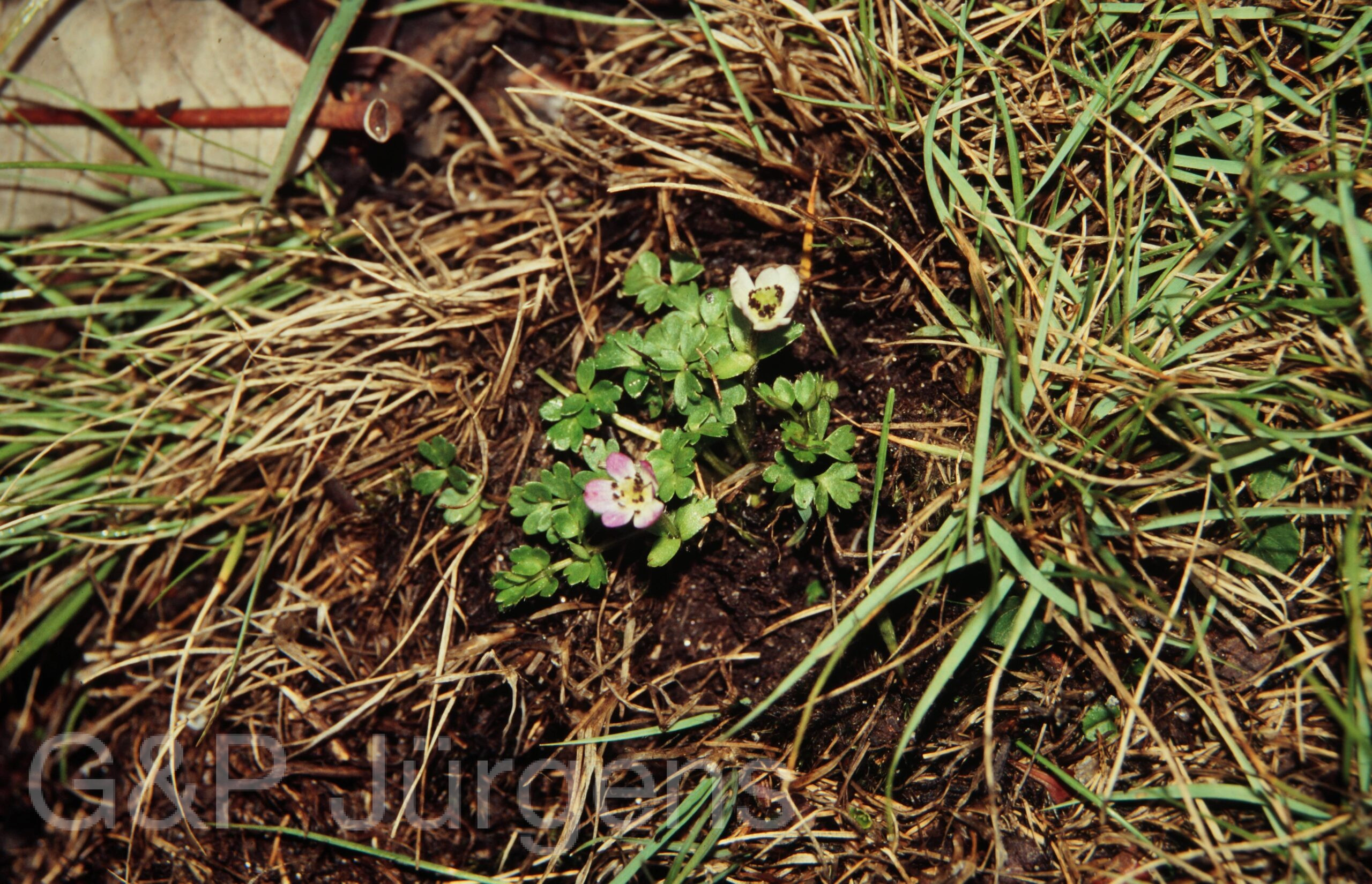
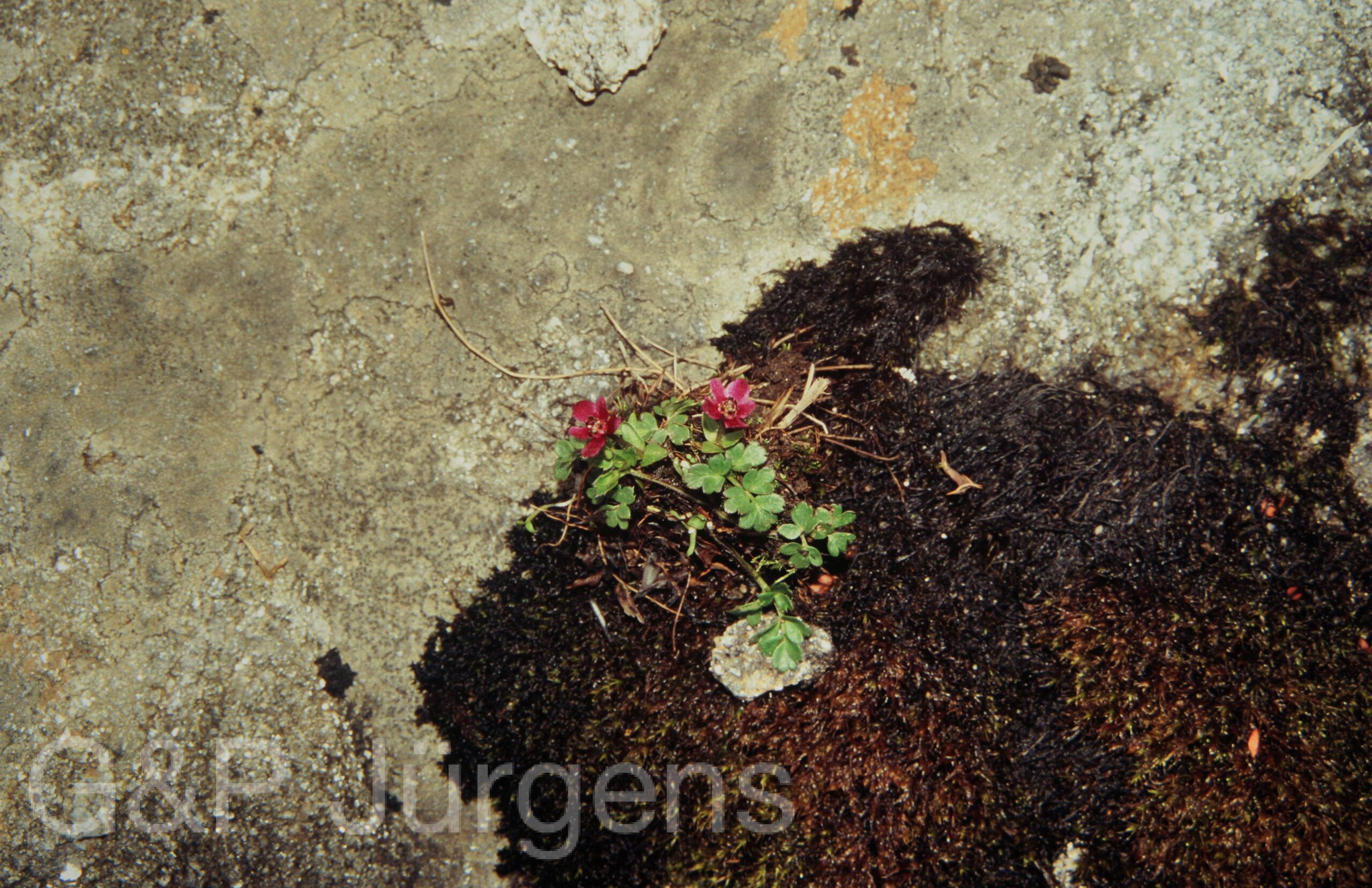
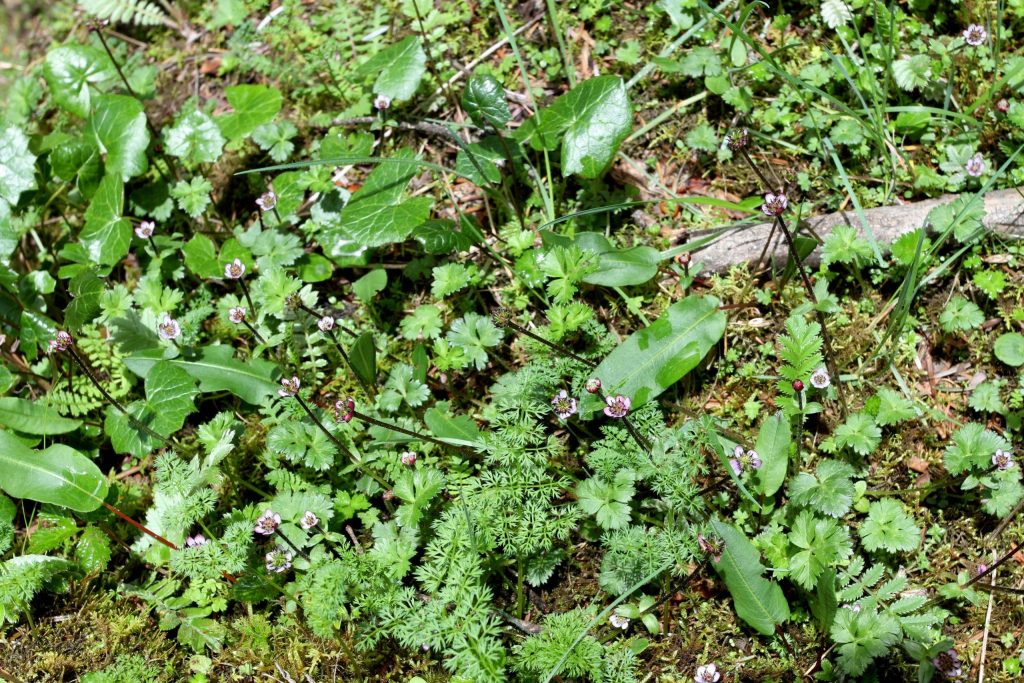
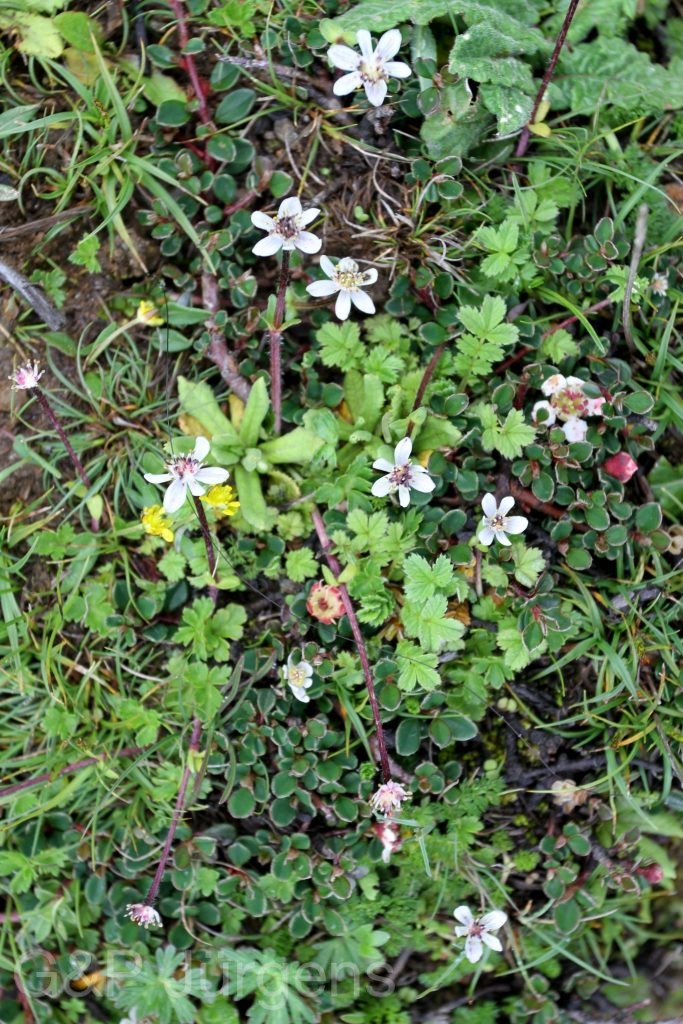
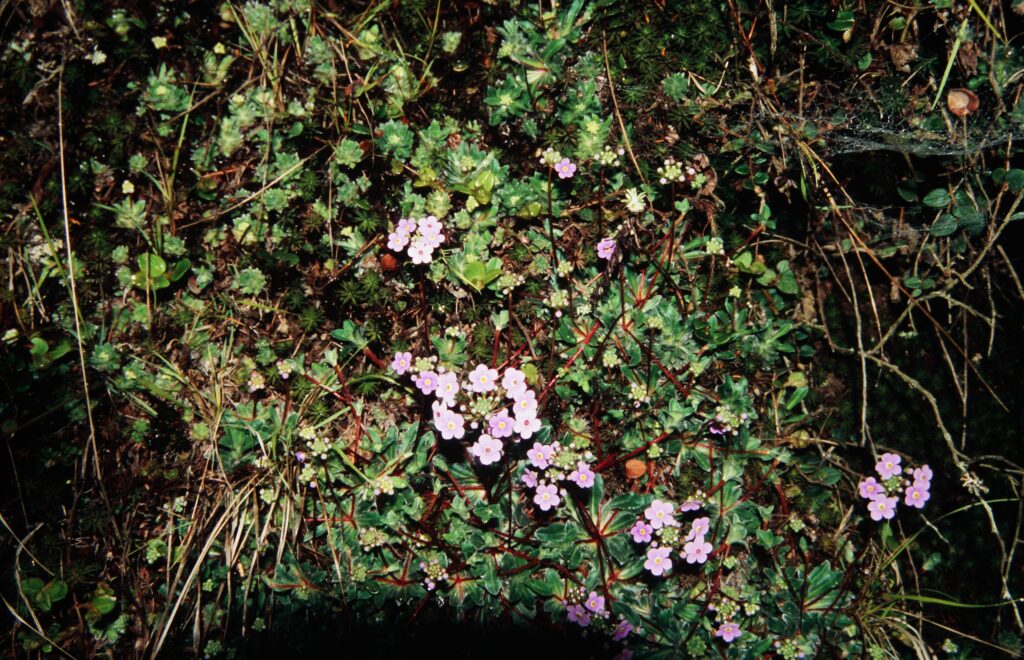
Androsace sarmentosa is a mat-forming alpine herb of the Himalaya, well represented in GBIF with 514 occurrences across Nepal, India, China, Pakistan and Bhutan, supplemented by abundant cultivated records from Europe and North America, where it is a popular rock-garden plant. It grows on open grassy slopes, rocky banks and the margins of subalpine and alpine meadows, typically in well-drained, sunny situations. It was recorded at Tonglu in West Bengal, India, at about 3100 m in May, an elevation and season at which the spreading cushions flower freely after snowmelt on the Singalila ridge.
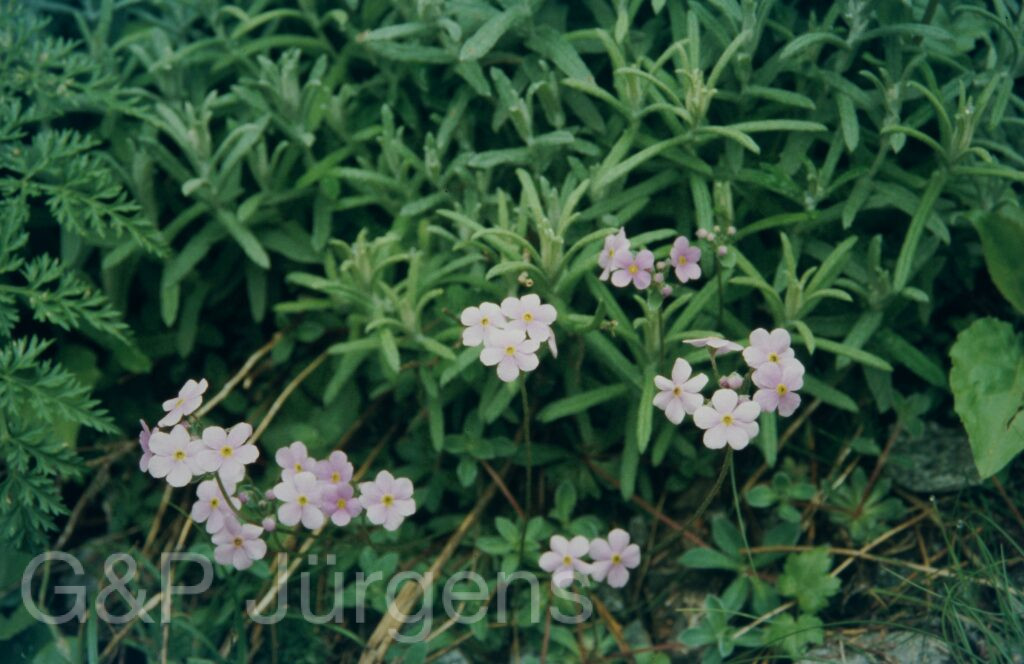
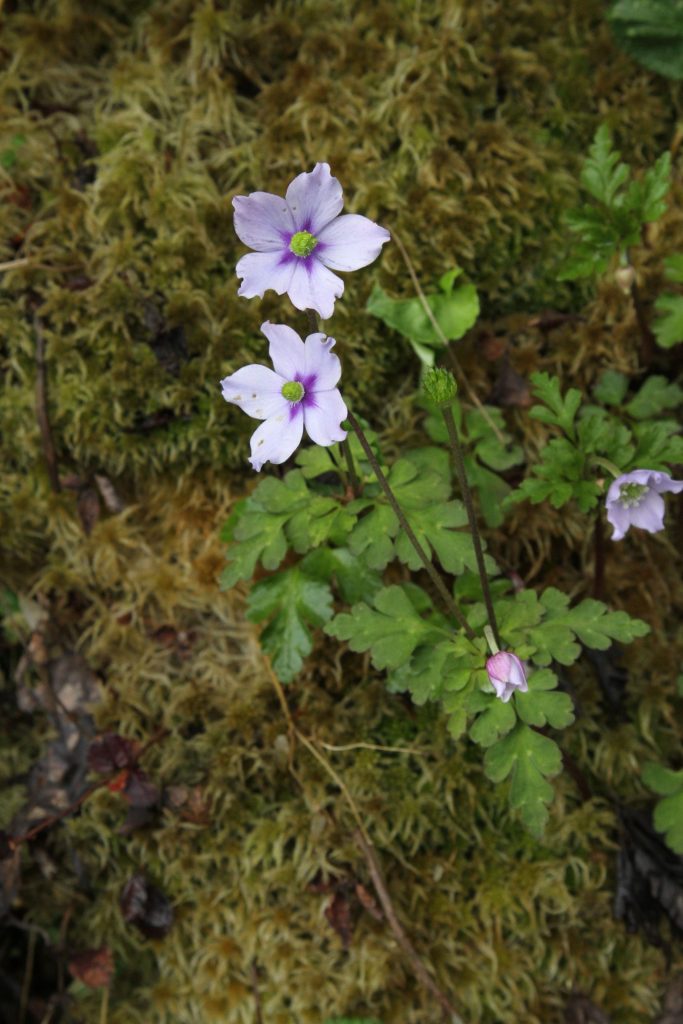
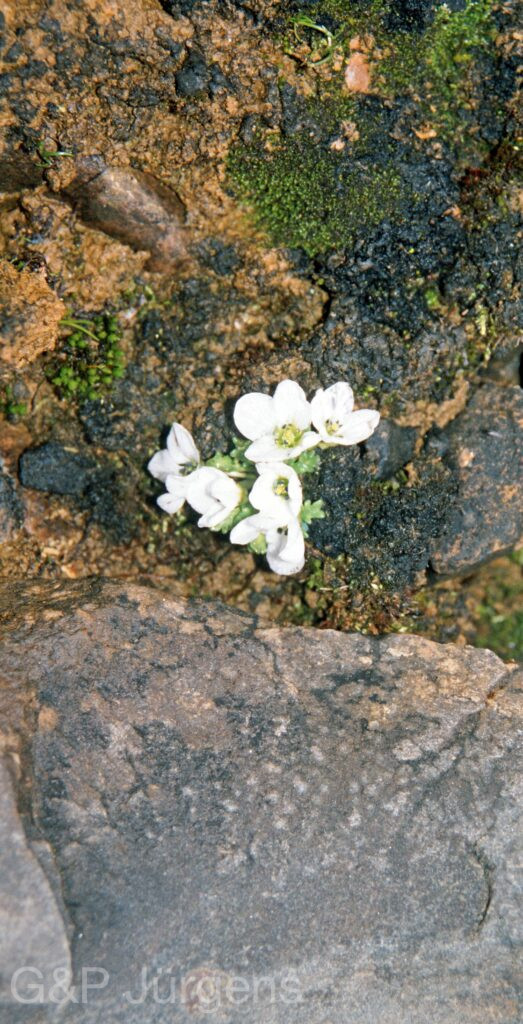
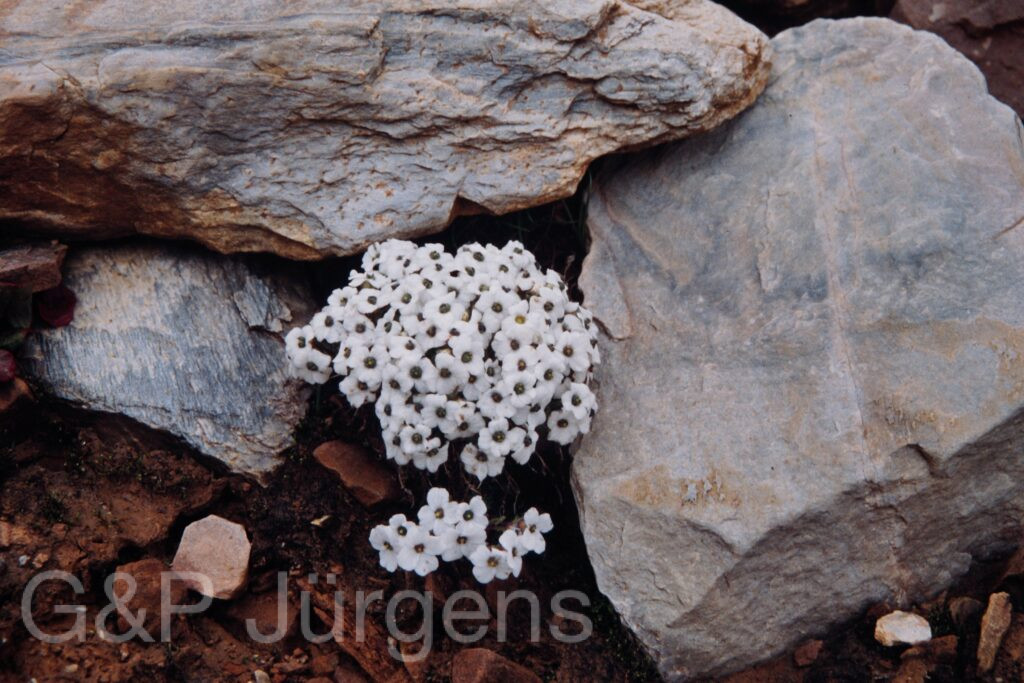
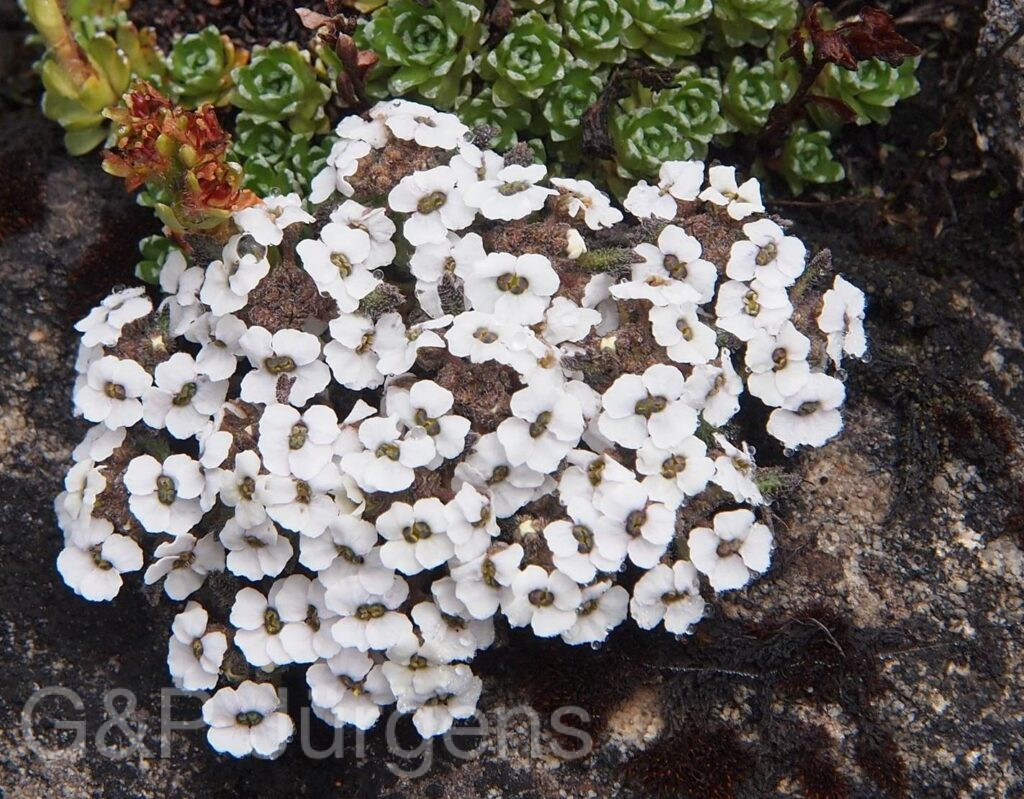
The plant spreads by slender, leafy stolons (sarmentose runners, as the epithet indicates) that root at the tips to form new rosettes, building loose, expanding mats. Each rosette consists of obovate to spathulate leaves densely clothed in long, soft, silvery hairs, the young rosettes more woolly than the old. From the rosettes arise erect peduncles bearing a terminal umbel of flowers subtended by an involucre of bracts; each flower has a five-lobed calyx and a salverform corolla, pink to rose with a yellow then reddish eye at the constricted throat. The fruit is a small, few-seeded capsule.
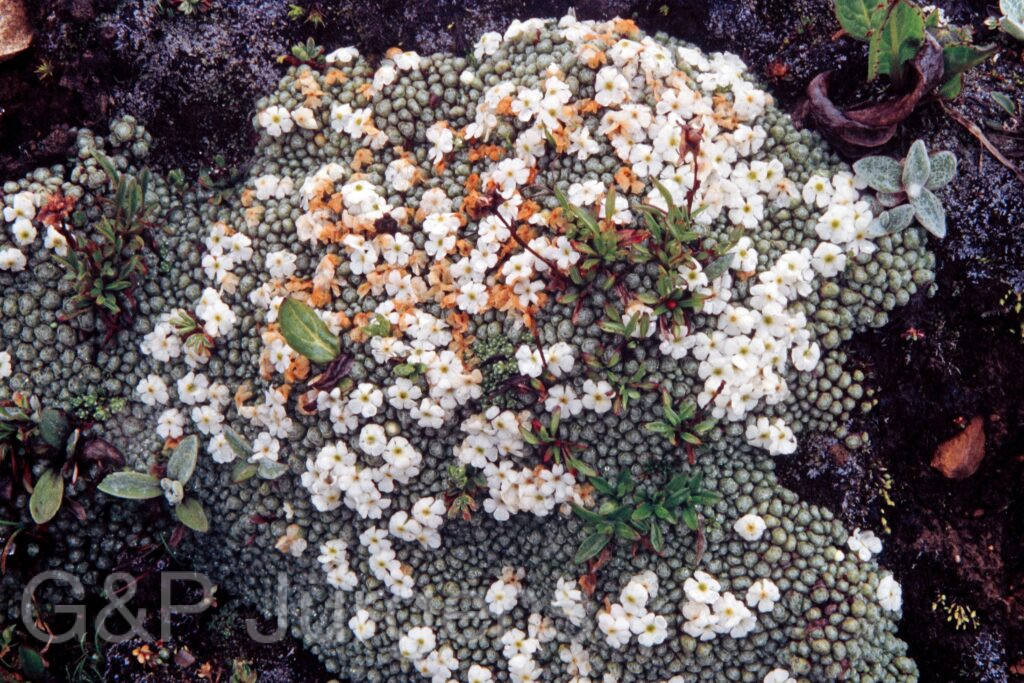
Androsace (Primulaceae) is a genus of mostly arctic and alpine cushion and rosette plants centred on the mountains of central Asia, where the Himalaya holds many species. A. sarmentosa belongs to the stoloniferous, perennial section and is among the most ornamental and frequently cultivated of Himalayan androsaces. It is widespread and not of conservation concern, but as a characteristic component of subalpine turf it is of interest for studies of alpine cushion-plant biogeography and horticulture.
Author: Wall. · Sources: POWO (Kew), GBIF, Flora of China, Flora of Pakistan, Annotated Checklist of the Flowering Plants of Nepal, Smith and Lowe monograph of Androsace