Nutt.


Description
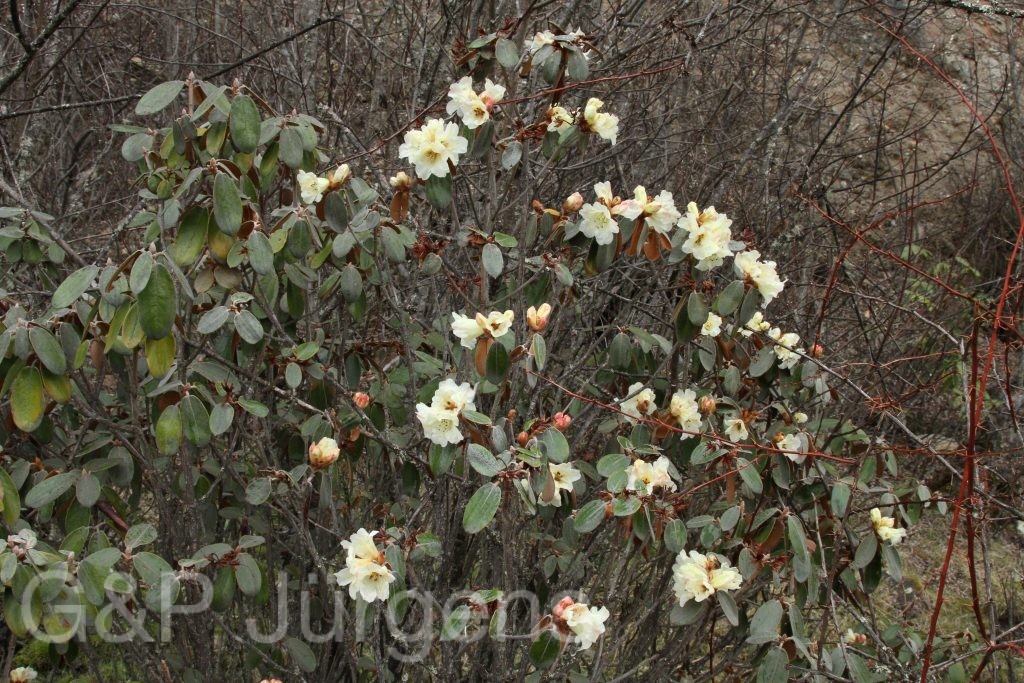
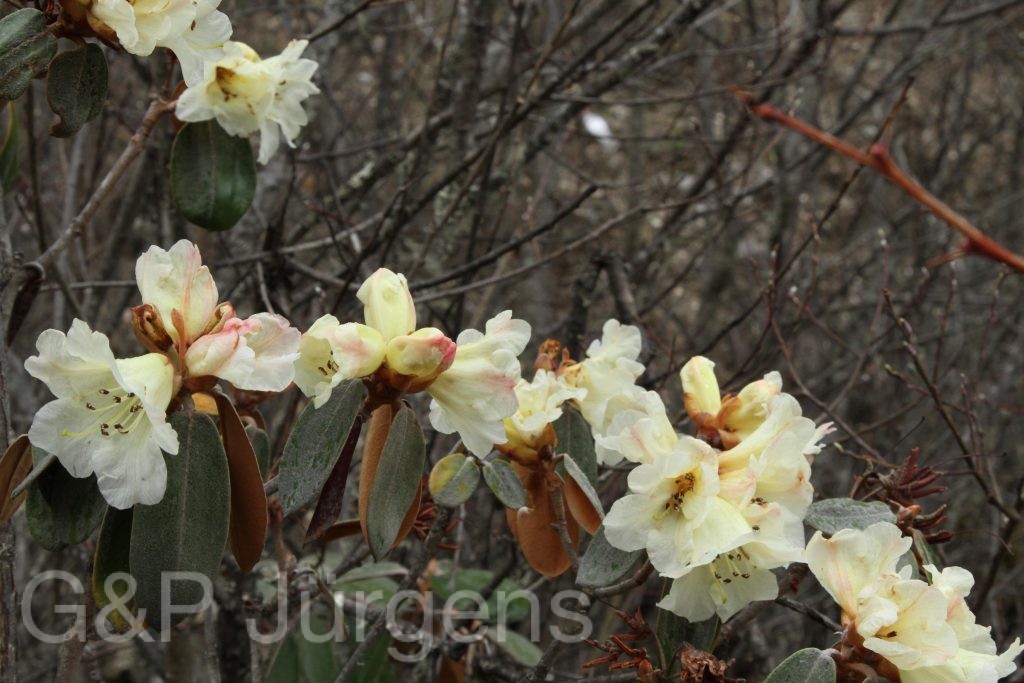
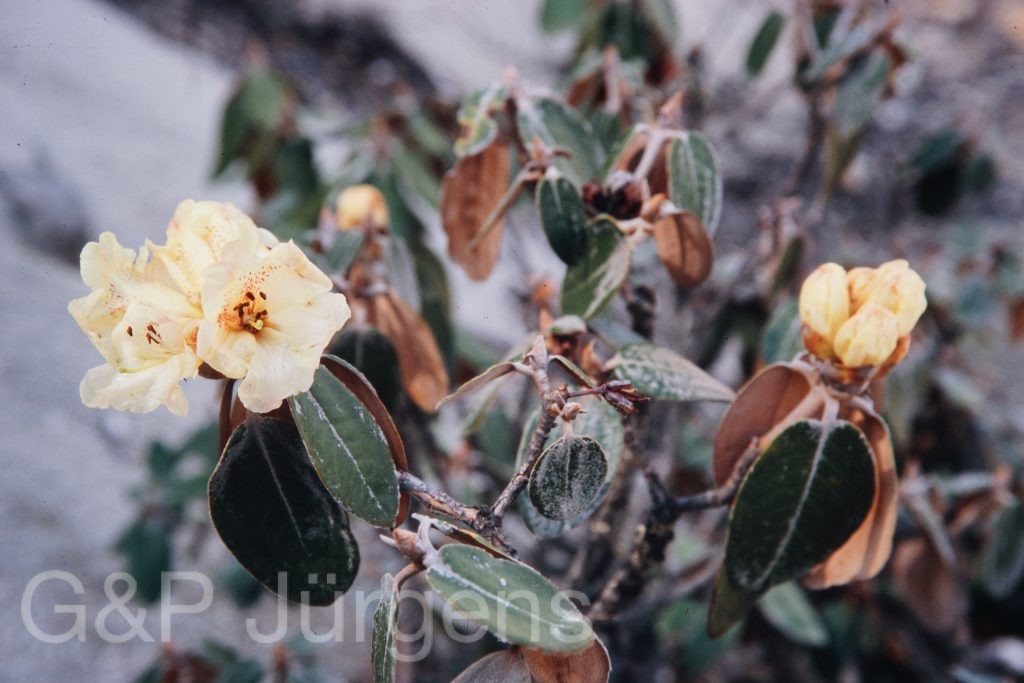
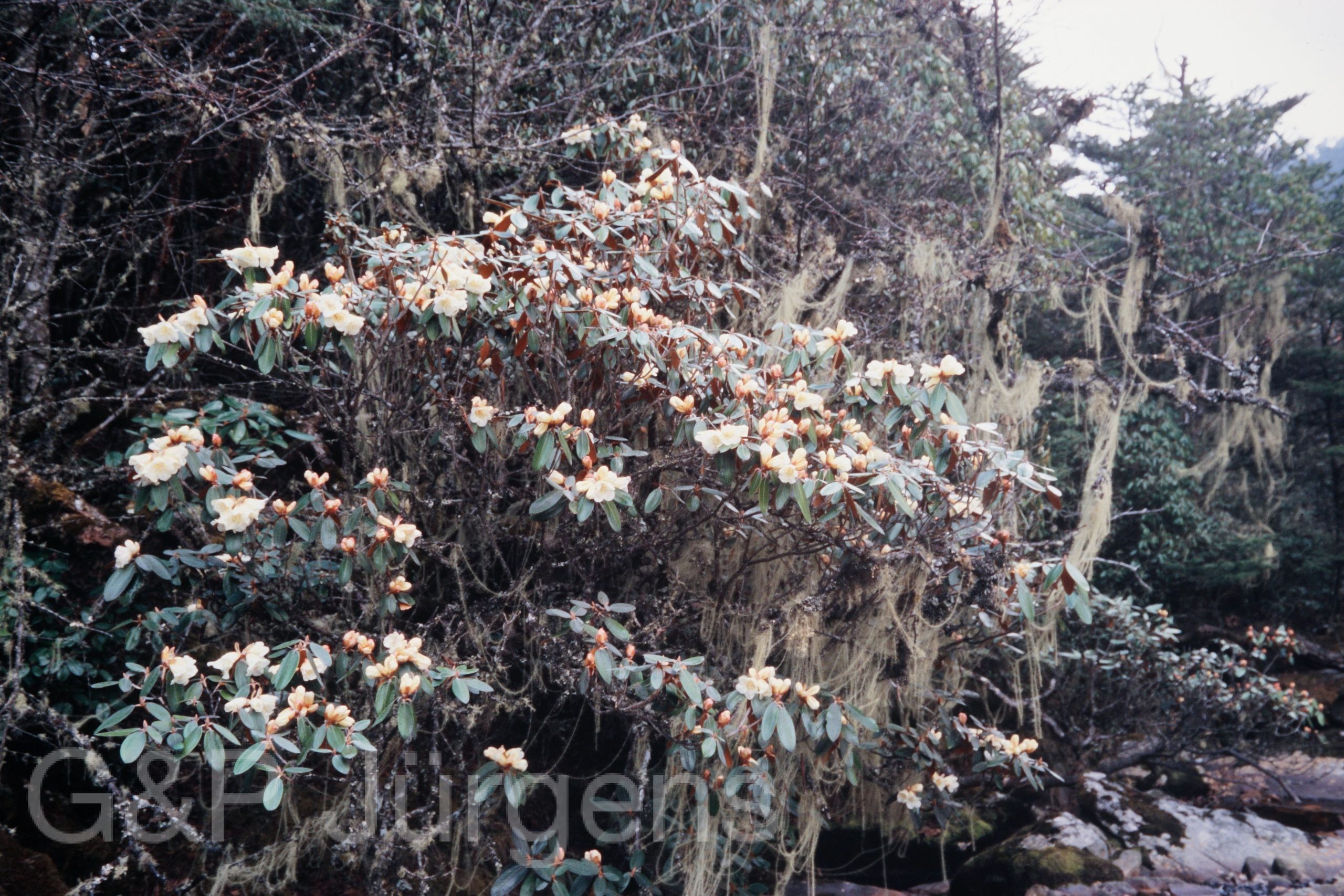
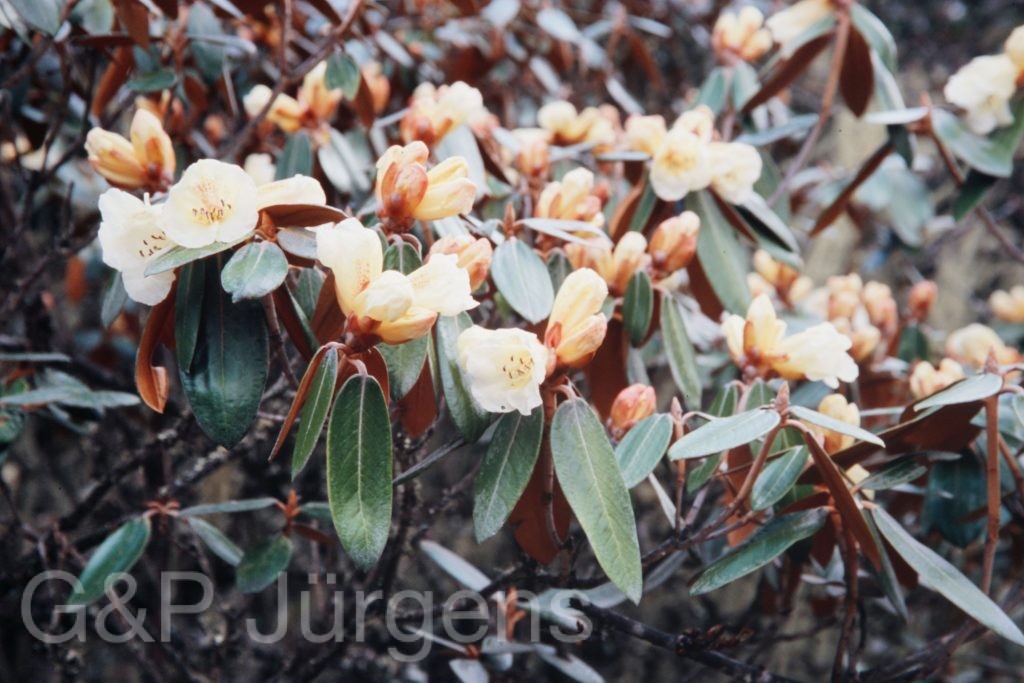
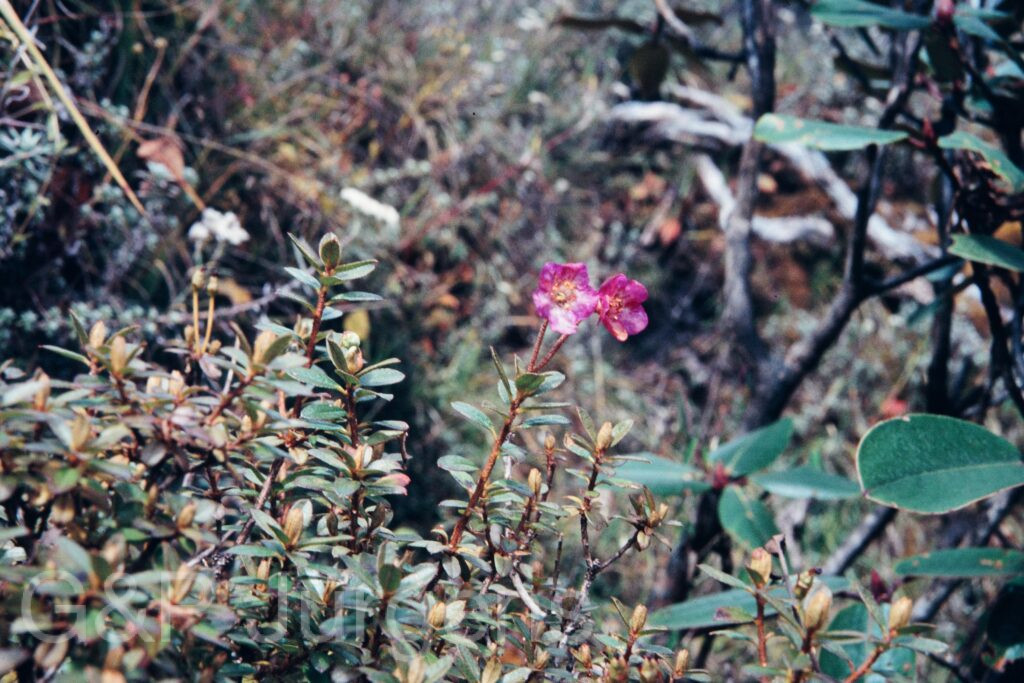
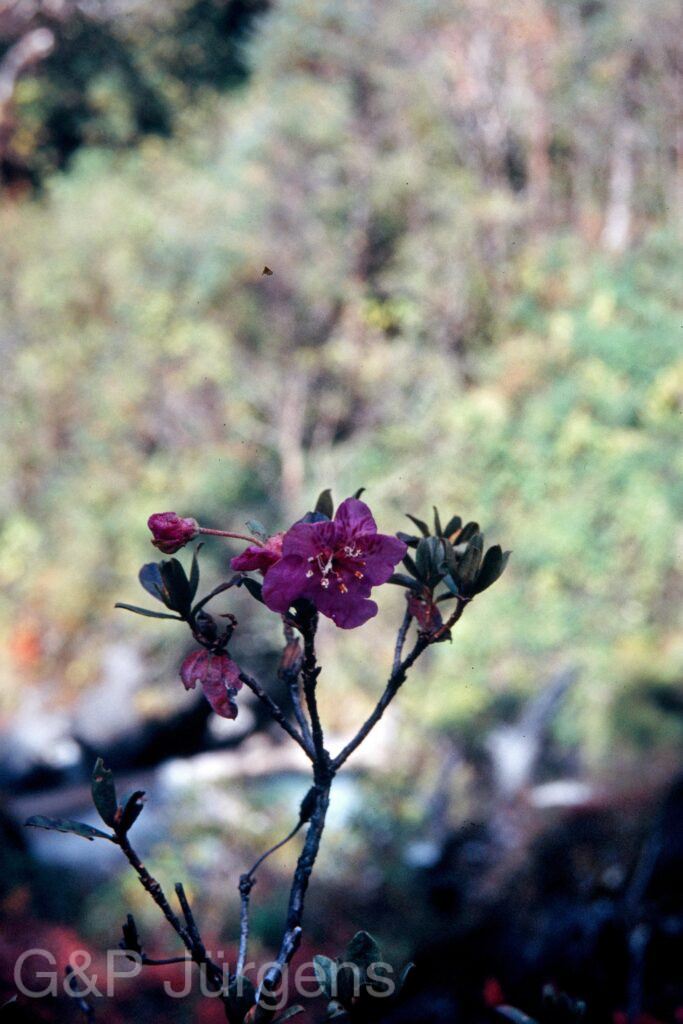
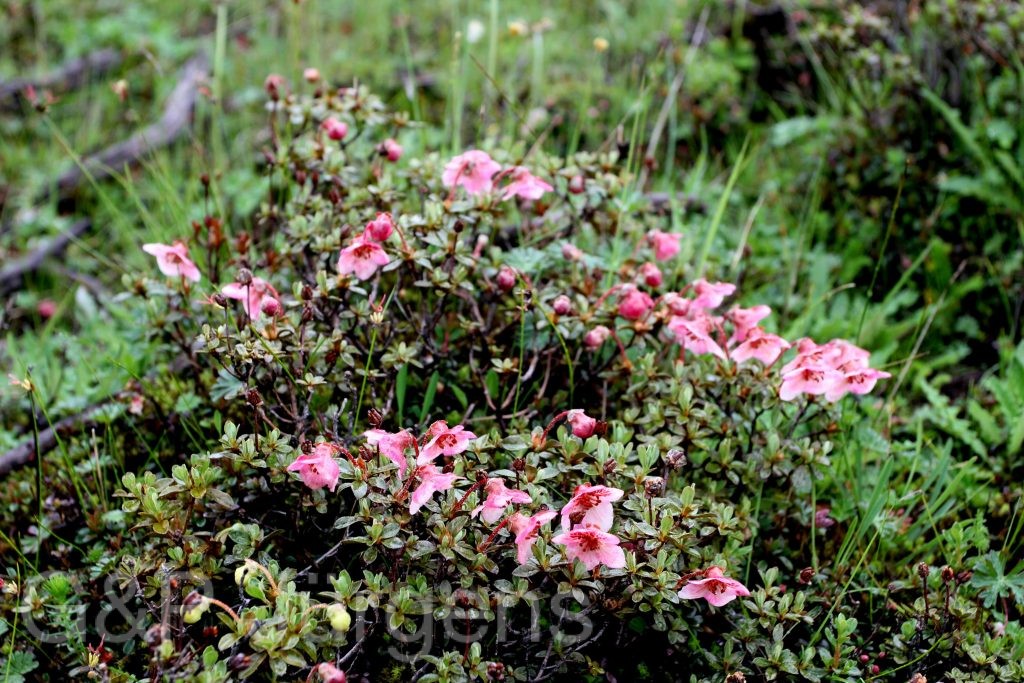
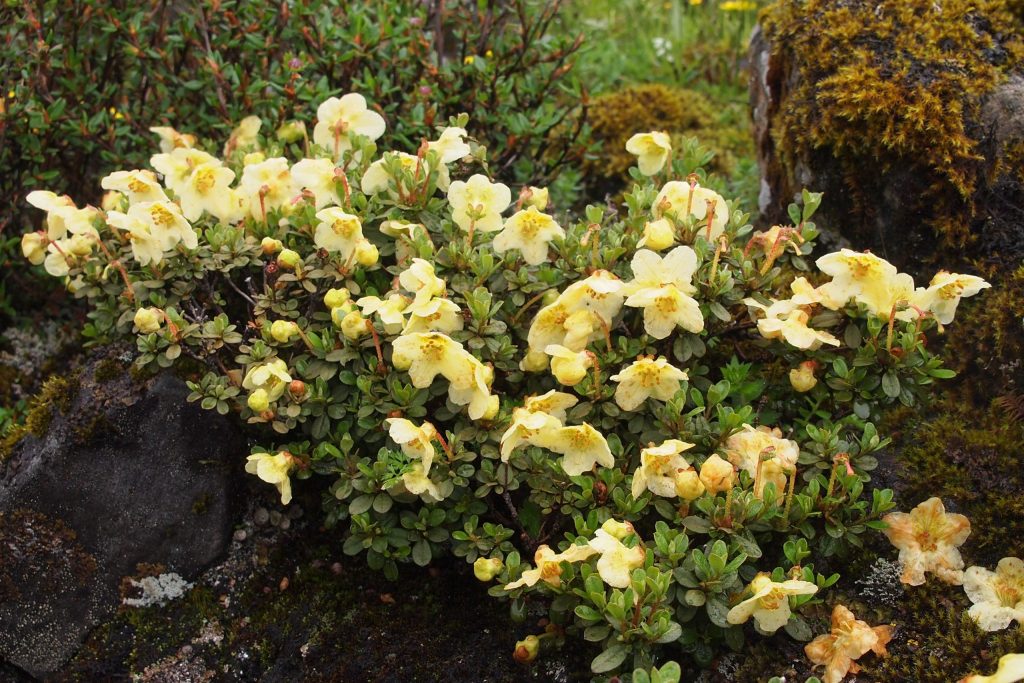
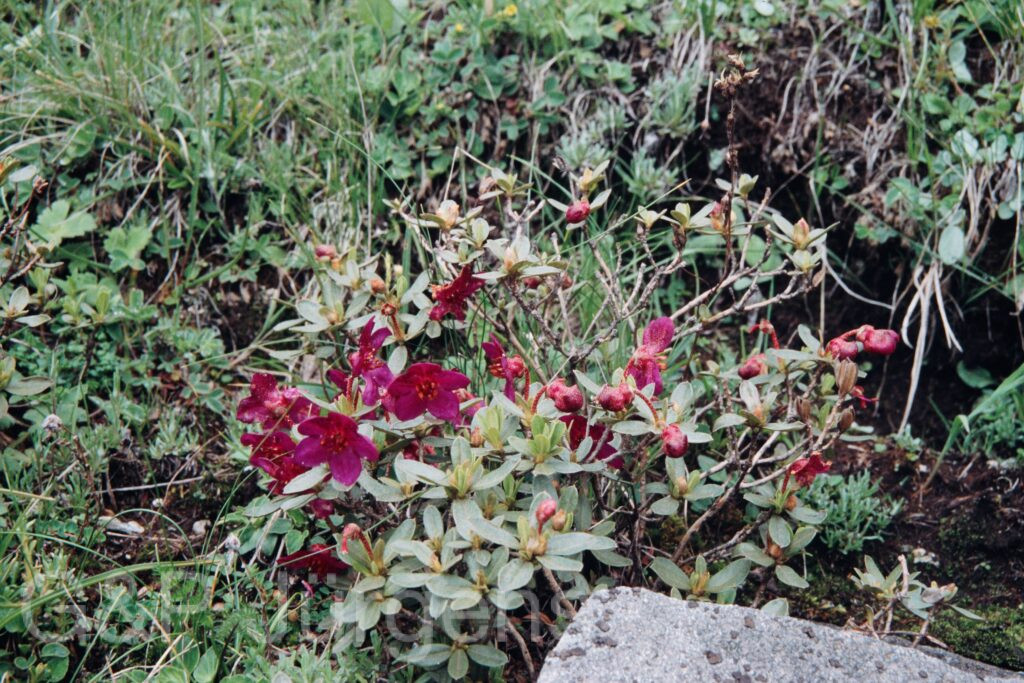
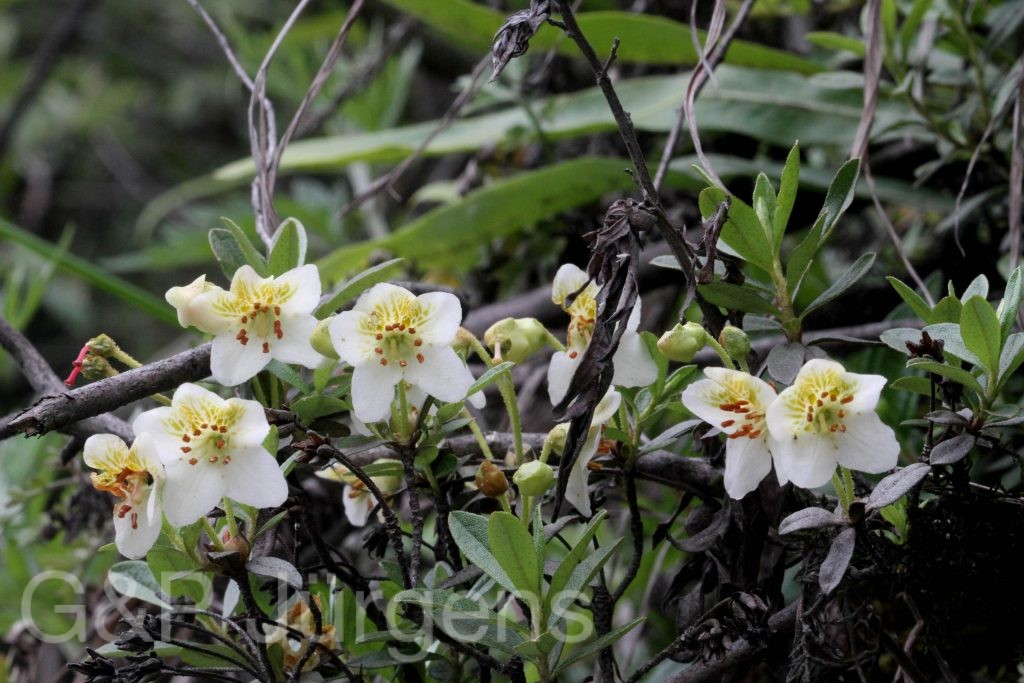
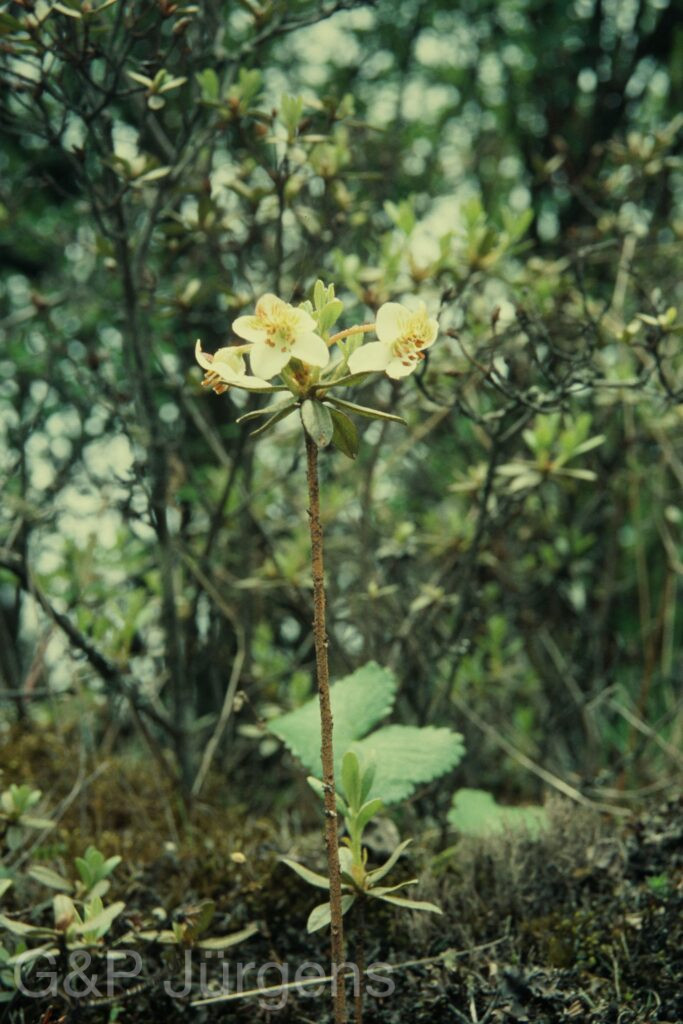
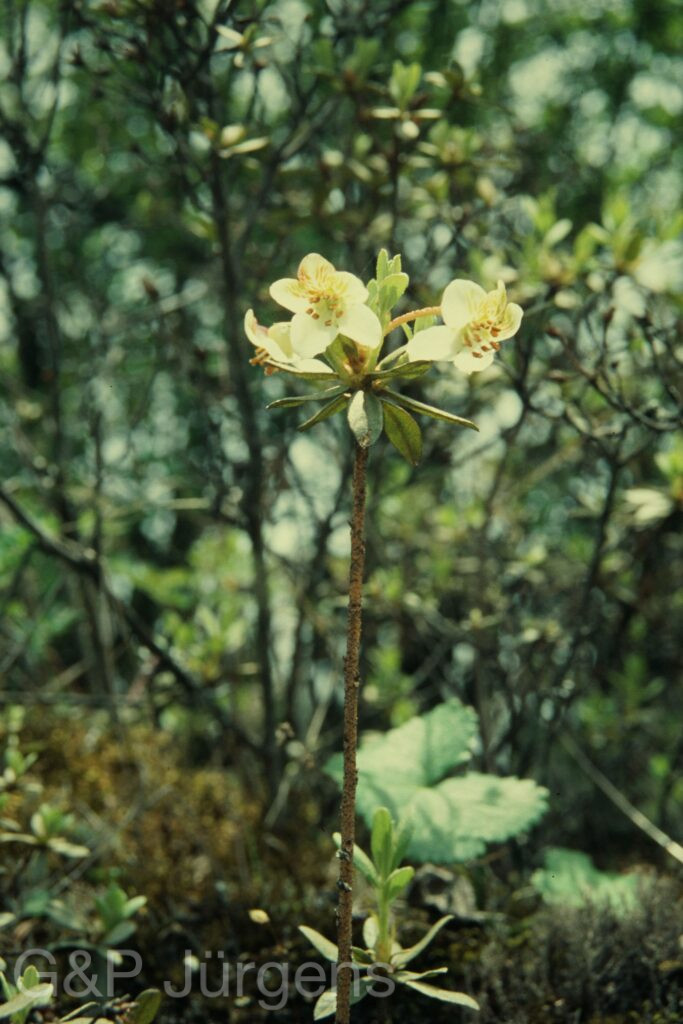
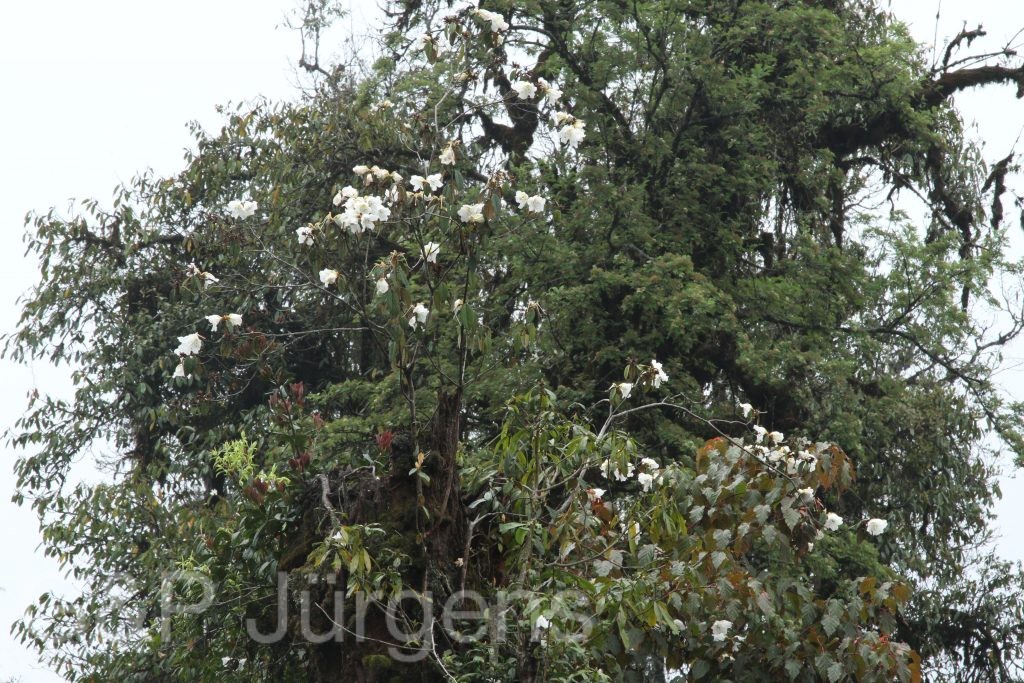
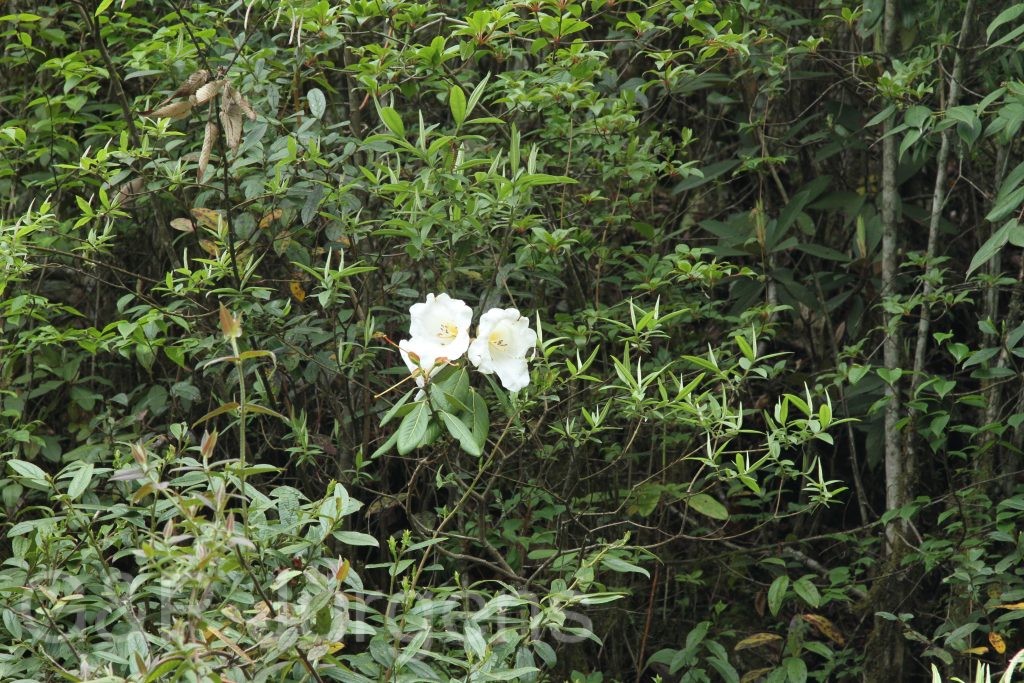
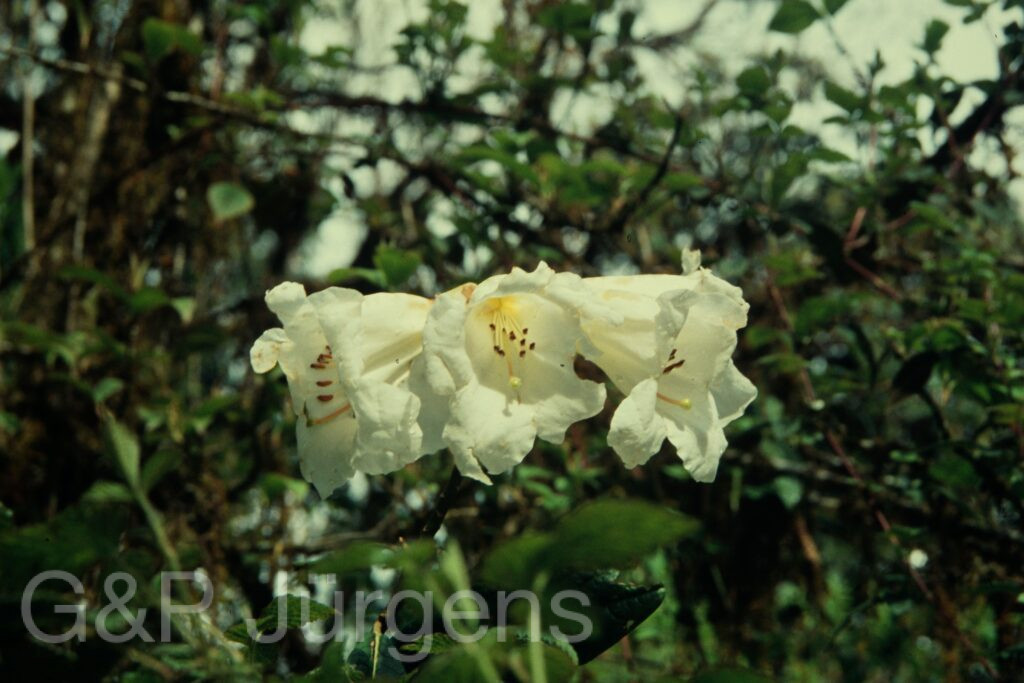
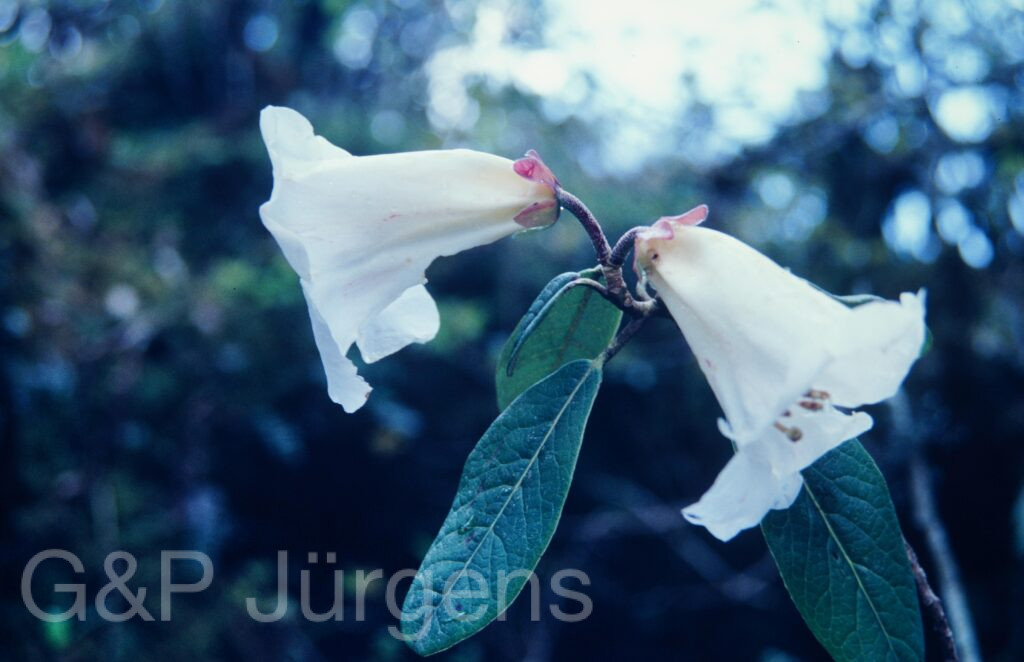
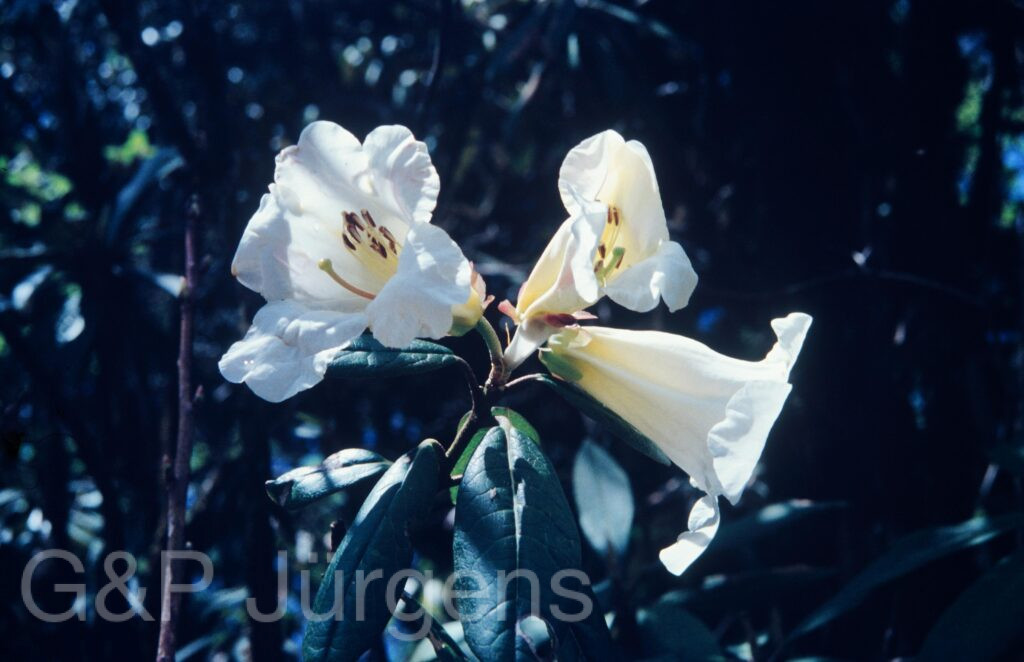
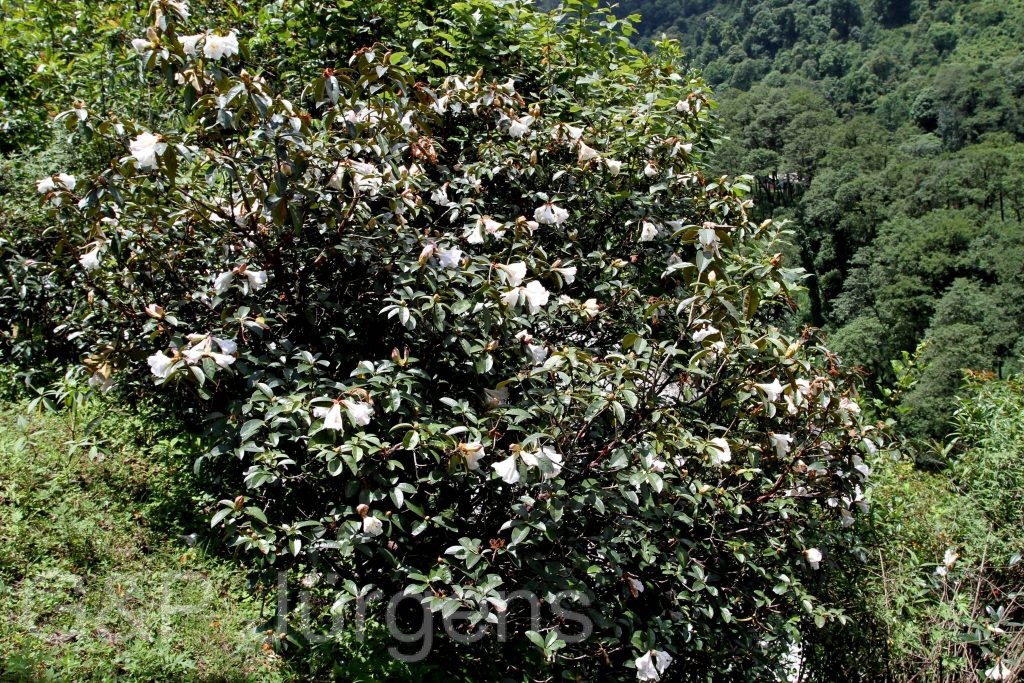
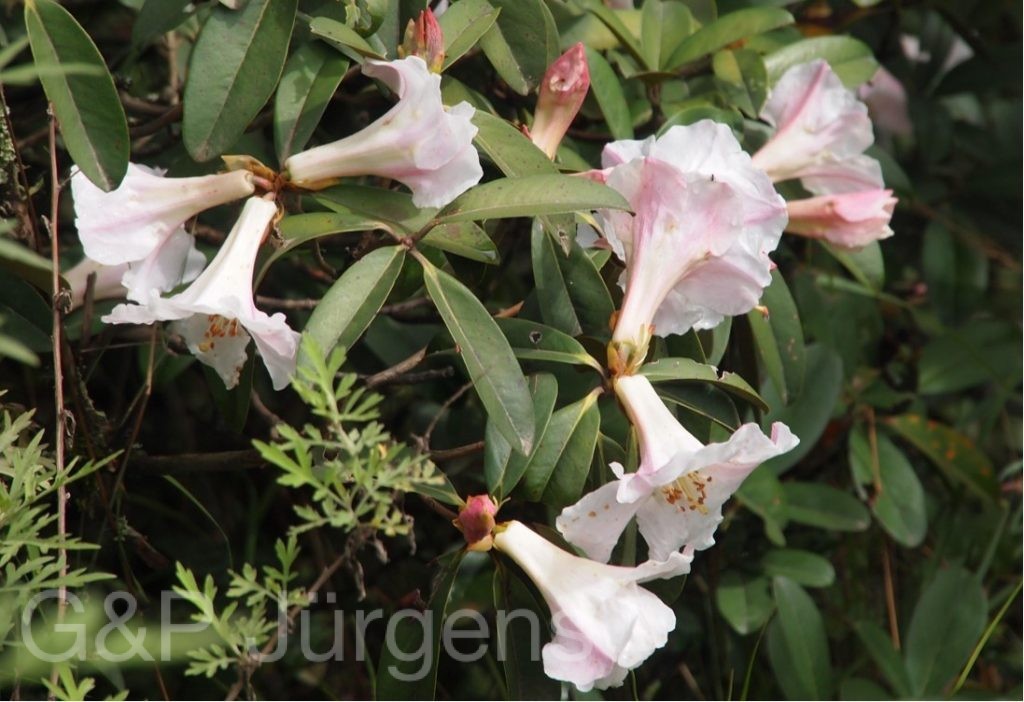
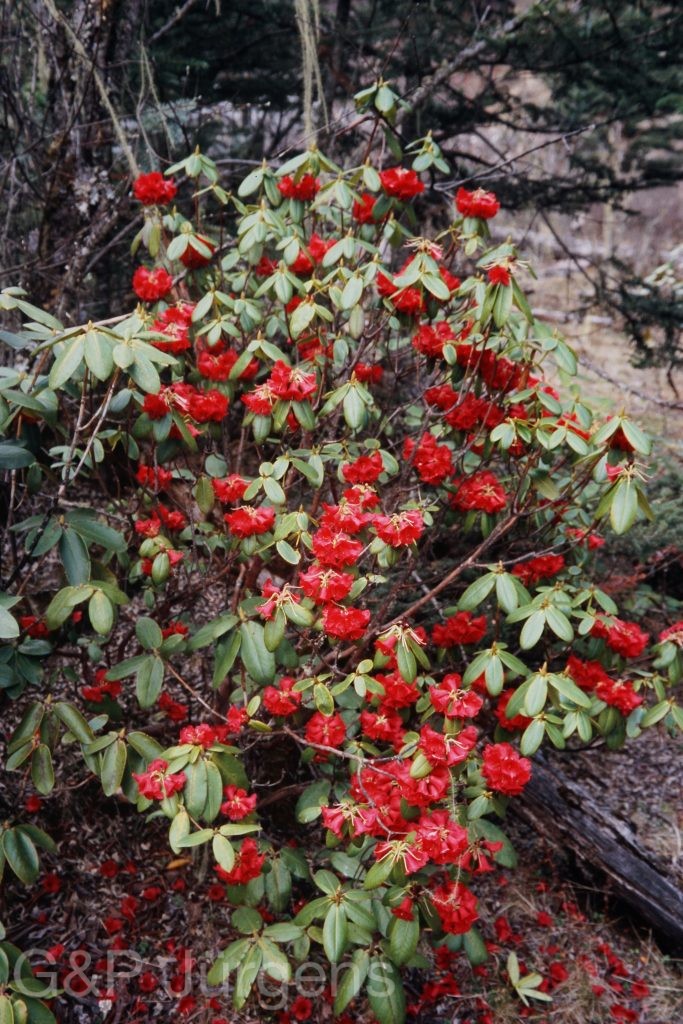
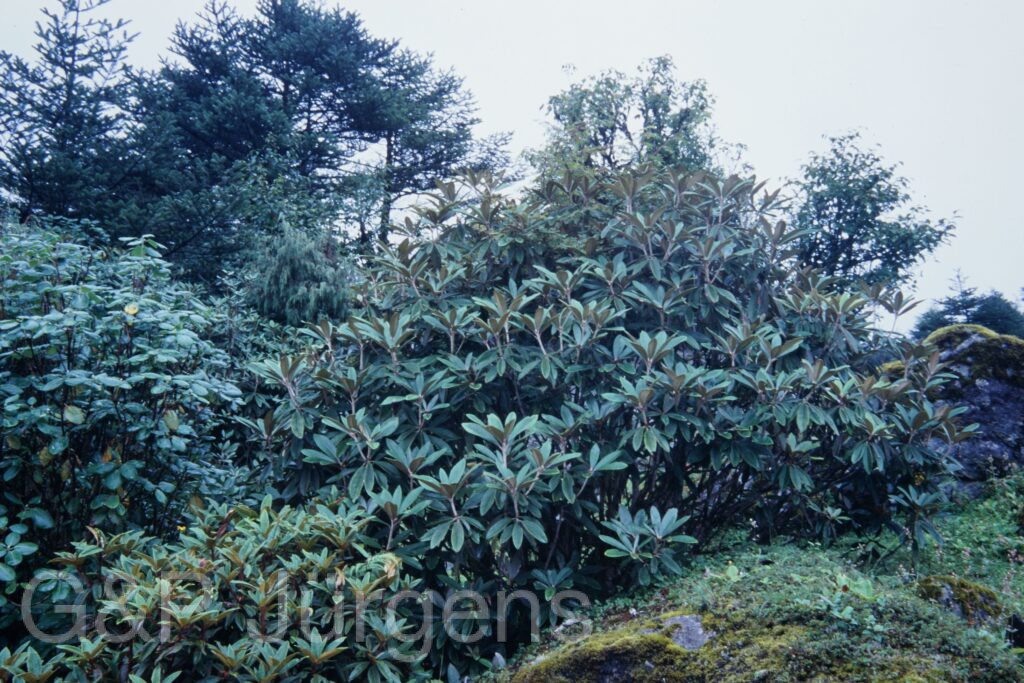
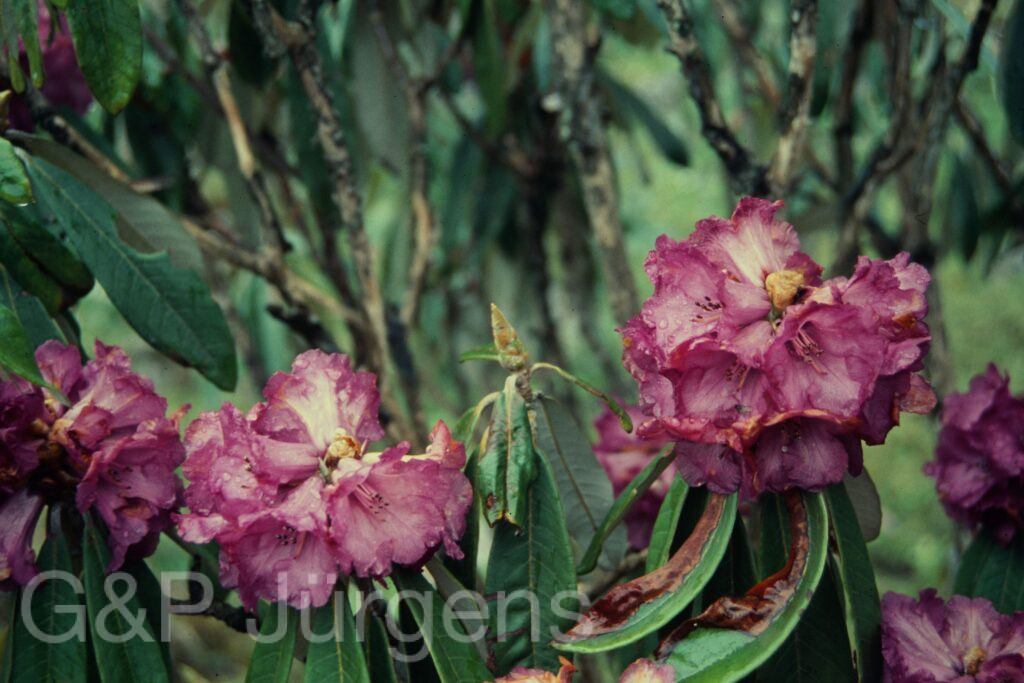
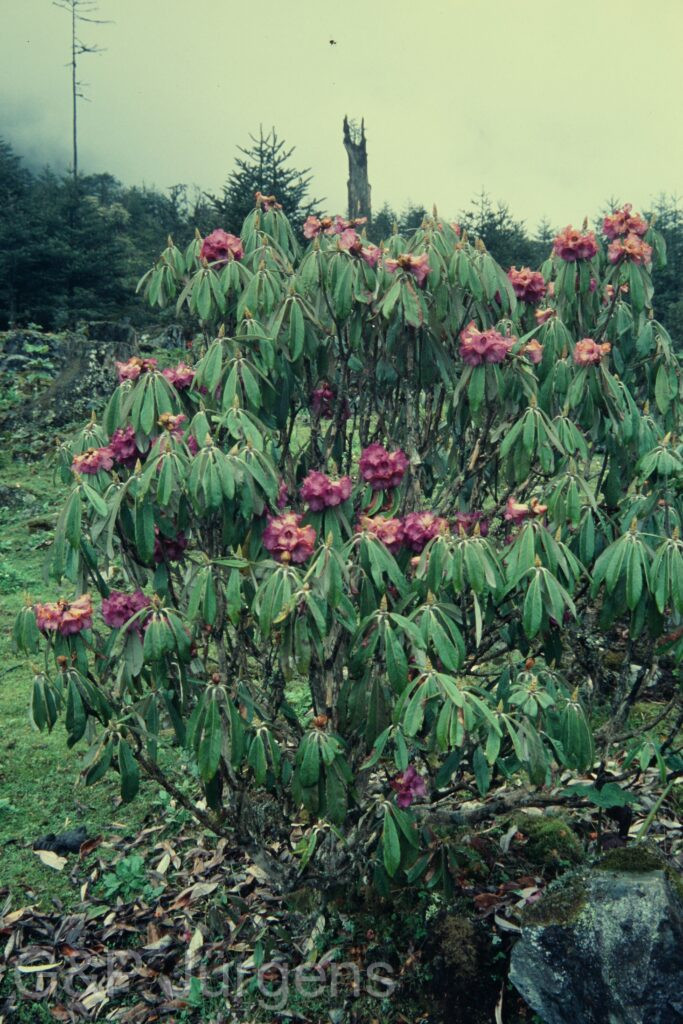
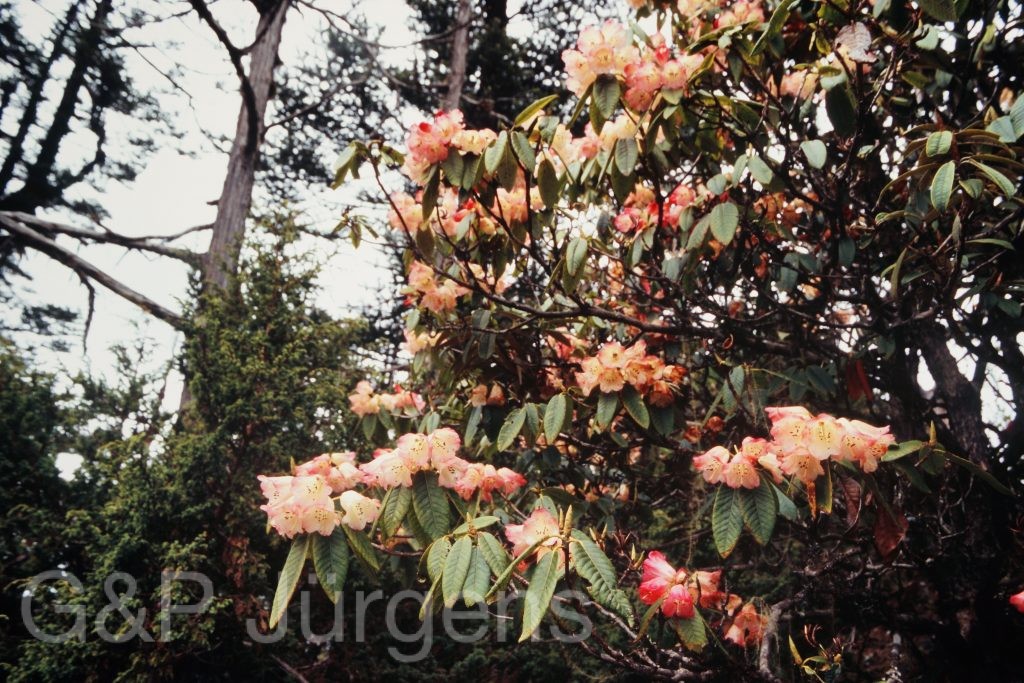
Rhododendron keysii is an eastern Himalayan shrub native to Bhutan, India (Arunachal Pradesh, Sikkim) and southern Tibet (China), with 202 georeferenced occurrences; further records from Canada, Great Britain and New Zealand reflect its cultivation as a curiosity in temperate gardens rather than a natural range. It grows in cool, humid montane and temperate forest, in scrub, forest margins and as an epiphyte or terrestrial shrub among conifers and broad-leaved trees, generally between about 2400 and 3300 m. It was photographed at the Pele-La pass in Bhutan at 2800 to 2900 m in May and June, within the moist mid-montane belt where mist and high rainfall favour its growth.
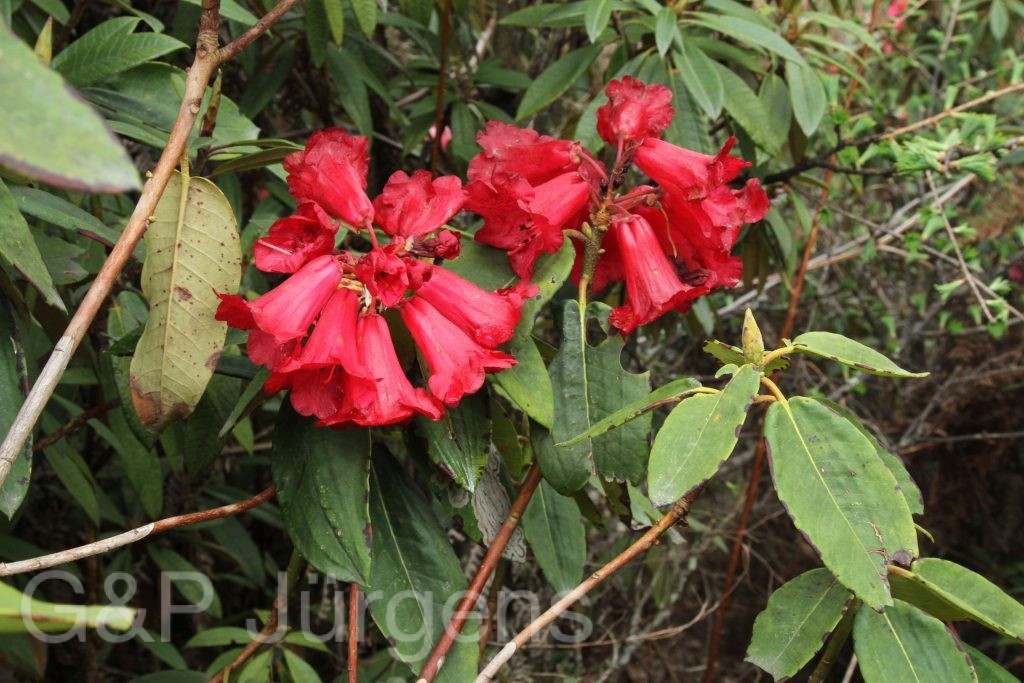
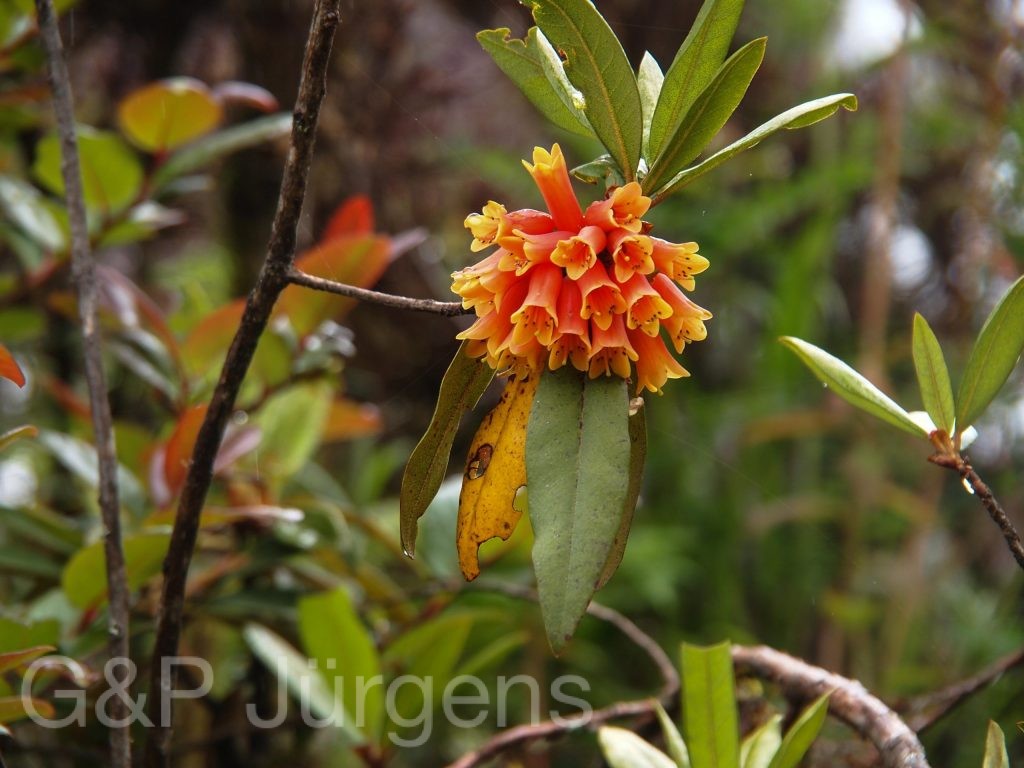
It is an erect, sparsely branched evergreen shrub 1 to 3 m tall, with scaly young shoots and rather thin, elliptic-lanceolate leaves that are lepidote beneath. The flowers are highly distinctive among rhododendrons: borne in small axillary clusters along the upper stems, they are narrowly tubular to cylindrical, only slightly flared at the mouth, and bicoloured, with an orange-red to brick-red tube and contrasting yellow-green lobes. The corolla shape recalls a Correa or a small Cestrum rather than a typical rhododendron. The fruit is a slender scaly capsule.
The species belongs to Rhododendron subgenus Rhododendron, section Rhododendron (subsection Cinnabarina, the keysii alliance), and its tubular axillary flowers make it instantly recognisable. The narrow tube and exserted style point to pollination by sunbirds. Ecologically it is a component of mossy montane forest undergrowth. It is not regarded as threatened, though uncommon and locally distributed, and is valued horticulturally for its unusual floral form.
Author: Nutt. · Sources: POWO (Kew), GBIF, Flora of Bhutan, Flora of China, The Genus Rhododendron (Cullen & Chamberlain monograph)