Wall. ex D.Don
Description
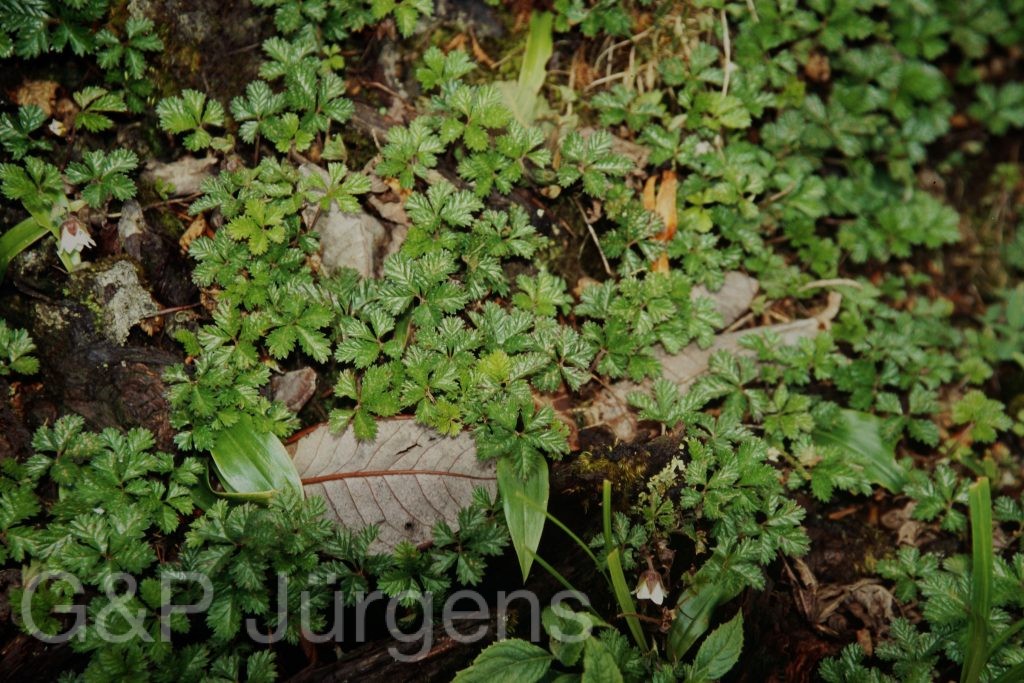
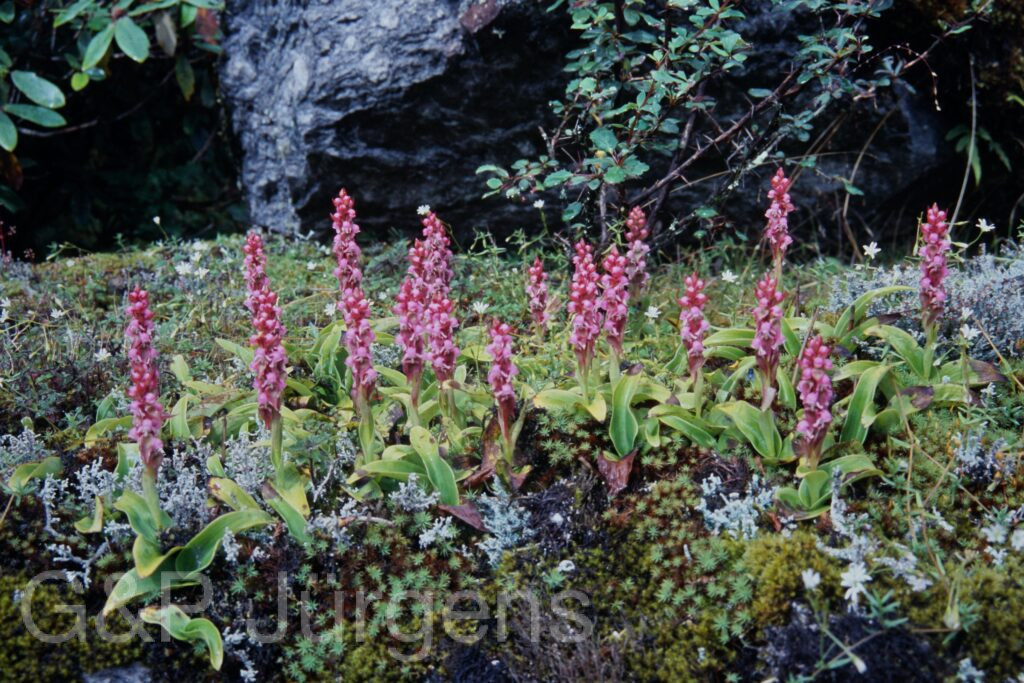
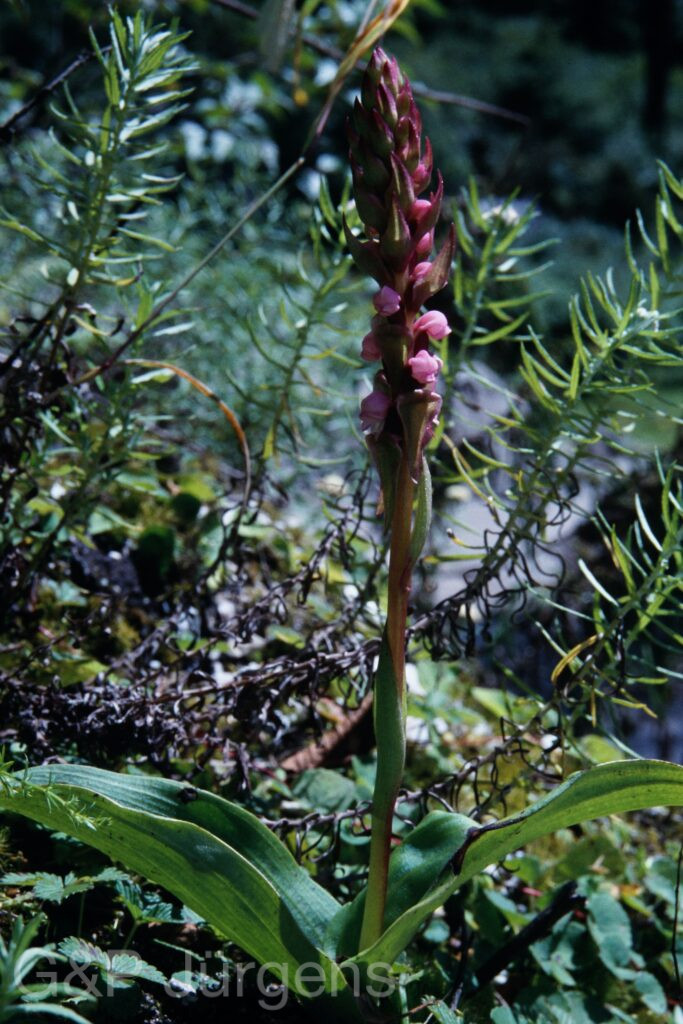
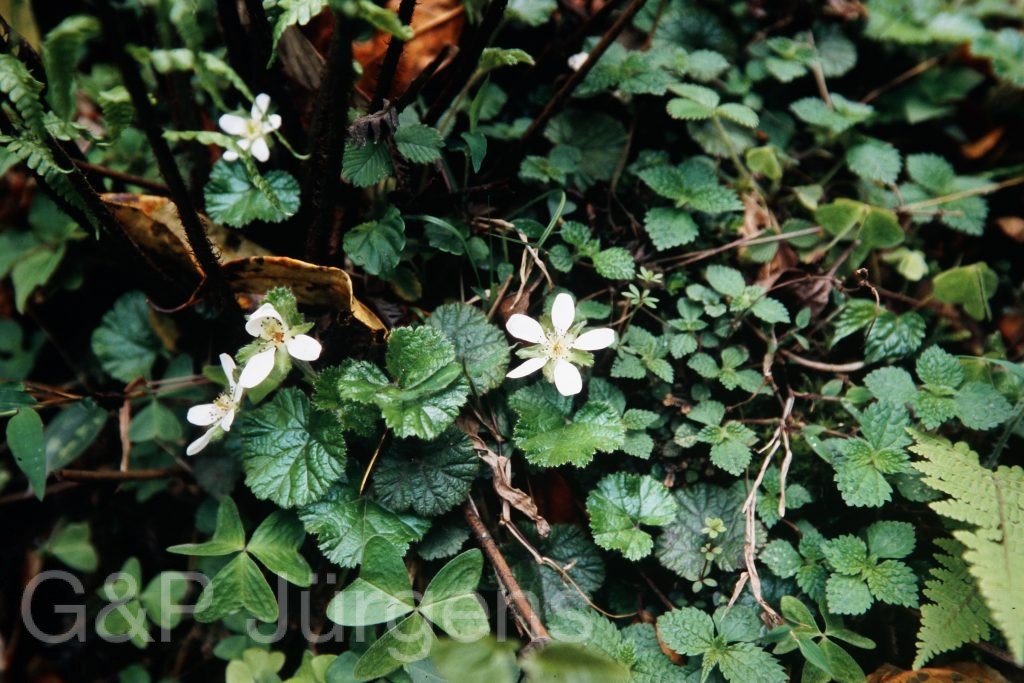
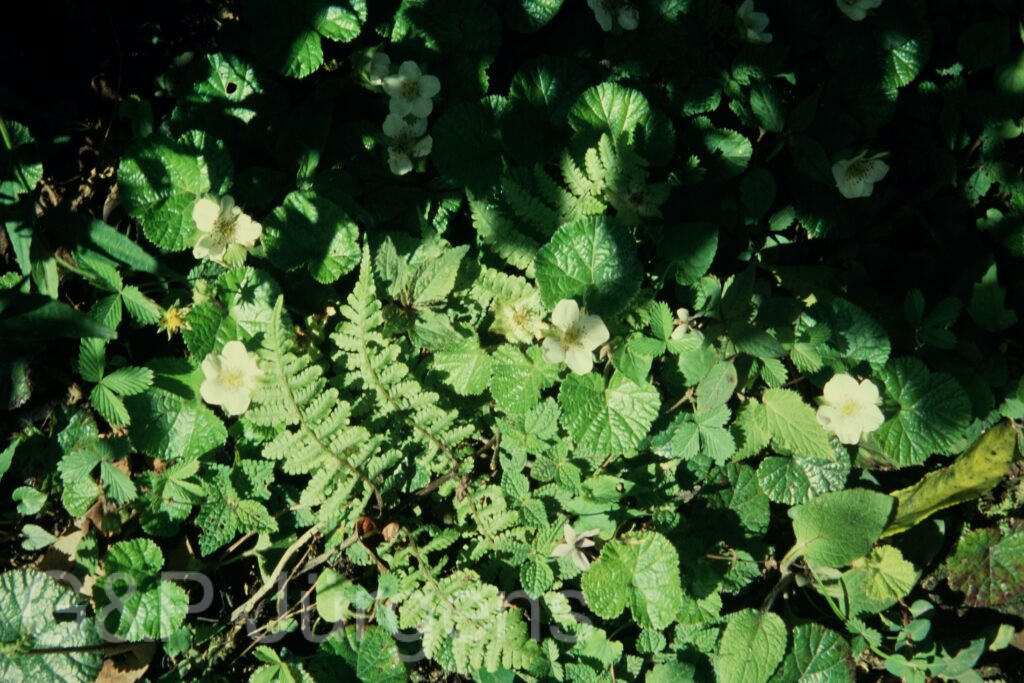
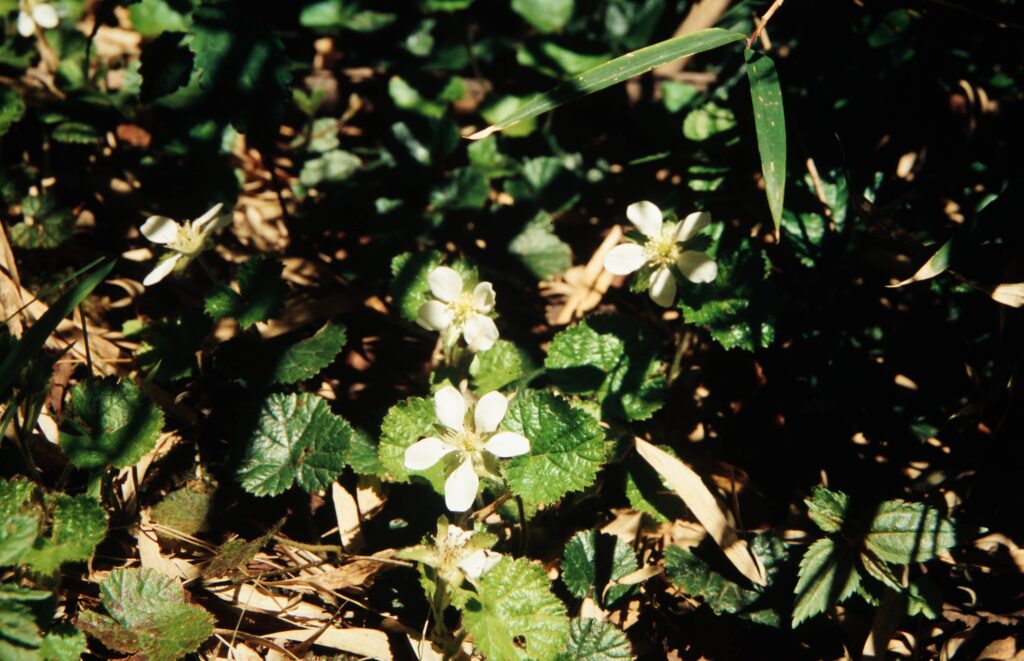
Rubus calycinus is a creeping Himalayan bramble distributed across China, India, Nepal, Bhutan, Myanmar, Bangladesh, Afghanistan and into Southeast Asia, with some 255 GBIF occurrences. It is a plant of the floor of moist temperate and subalpine forest, growing on humus-rich banks, mossy slopes and shaded forest margins, generally between about 1800 and 3300 m. The documented populations span Chendebji in Bhutan at 2100 m, Bersay in Sikkim/West Bengal at 2600 m, and Molley at 3000 m, all flowering in April and May, illustrating its early-season anthesis as the forest understorey greens.
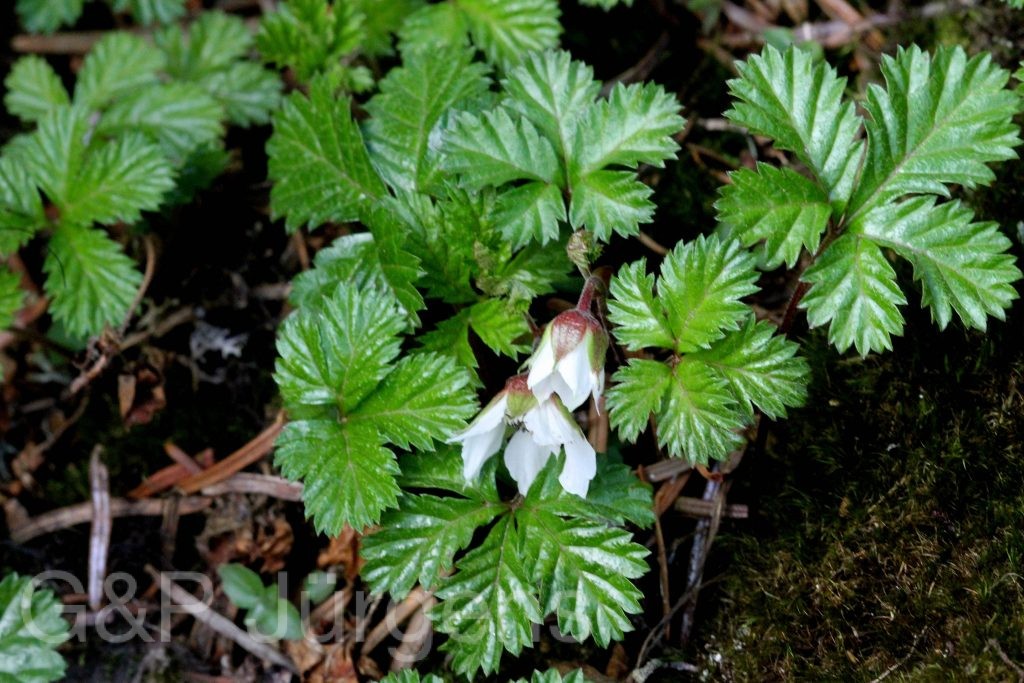
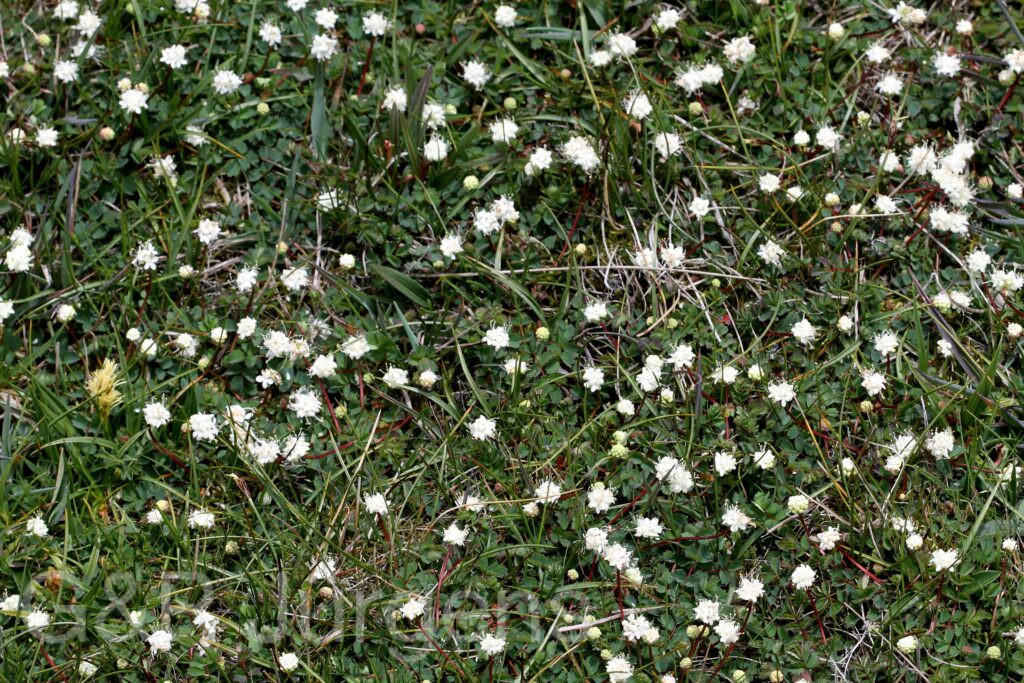
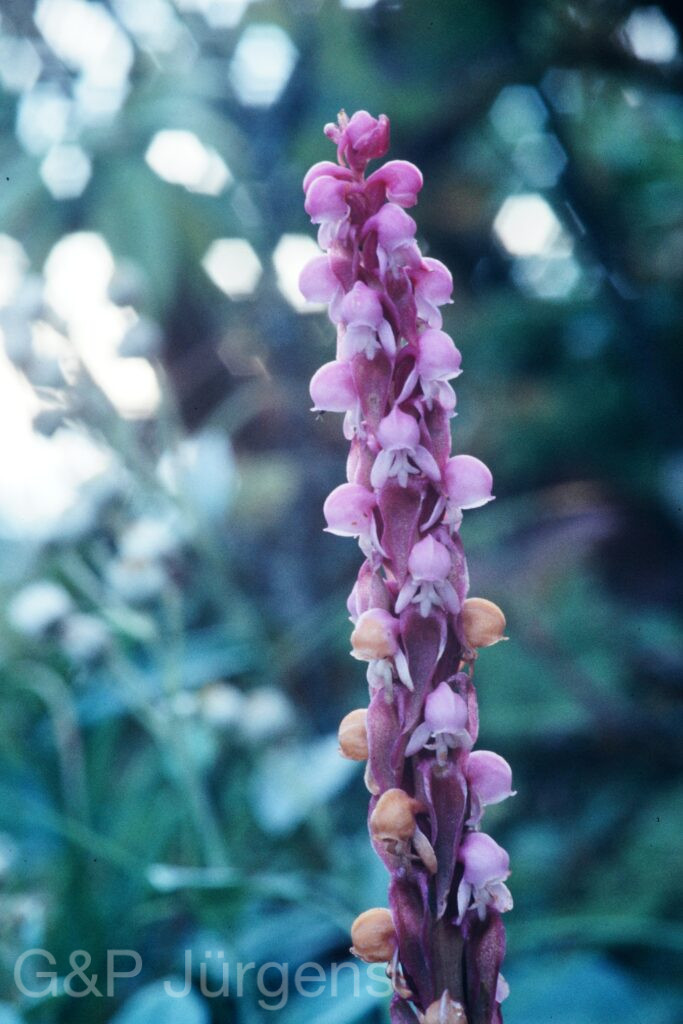
Unlike the familiar scrambling brambles, R. calycinus is a small, prostrate, herbaceous to weakly woody perennial with slender, creeping and rooting stems that form low mats, the stems sparsely armed or nearly unarmed and bearing scattered bristles. The leaves are simple, broadly cordate-orbicular and shallowly three- to five-lobed, crenate-serrate at the margin and pilose on both surfaces. The flowers are solitary, white, with a conspicuously enlarged, leafy, lobed calyx that exceeds the petals and gives the species its name. The aggregate fruit is a small reddish drupelet cluster of few segments.
The species belongs to Rubus subgenus Chamaebatus (the herbaceous, simple-leaved creeping brambles), a distinctive group within the genus. It is widespread and not of conservation concern, valued ecologically as ground cover that stabilises forest-floor soils and provides minor forage and fruit for wildlife.
Author: Wall. ex D.Don · Sources: POWO (Kew), GBIF, Flora of Bhutan, Flora of China, Focke monograph Species Ruborum