(Rchb.f.) Garay
Description
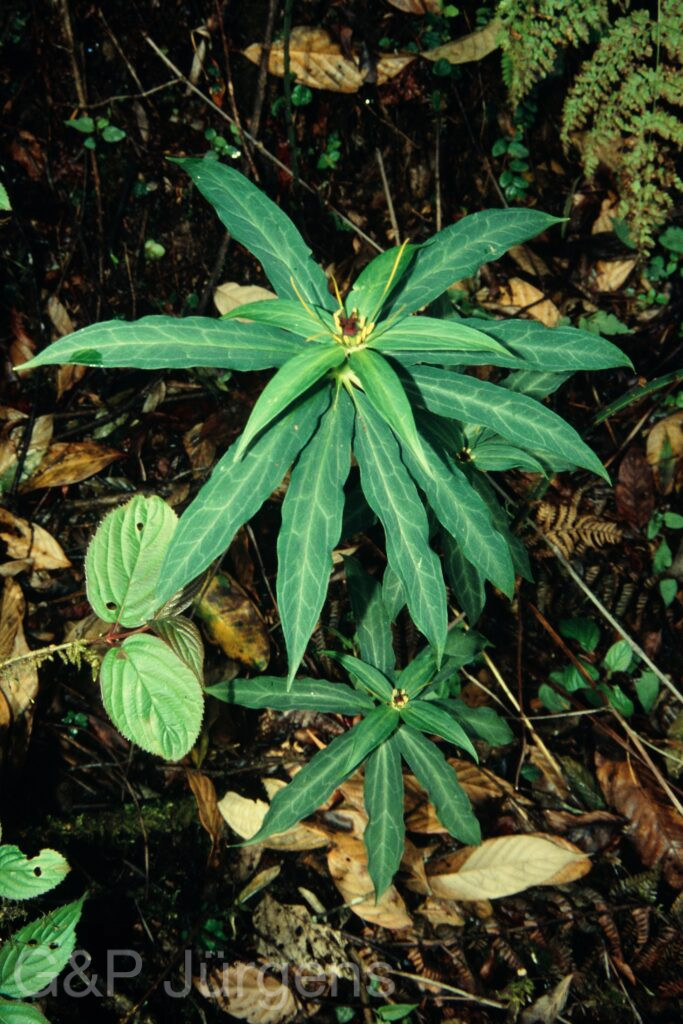
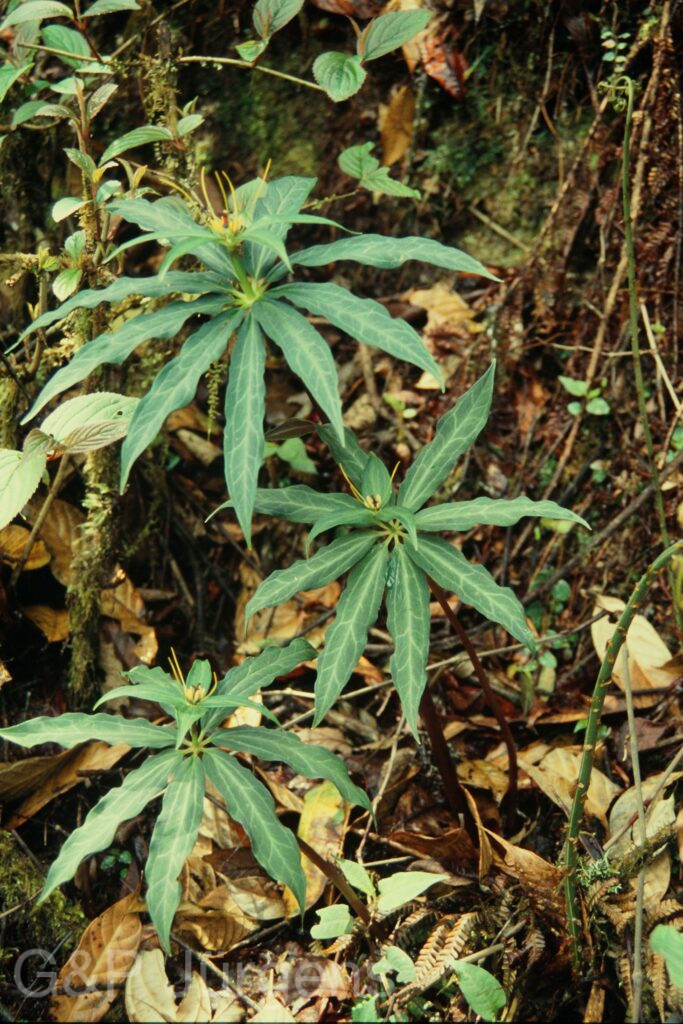
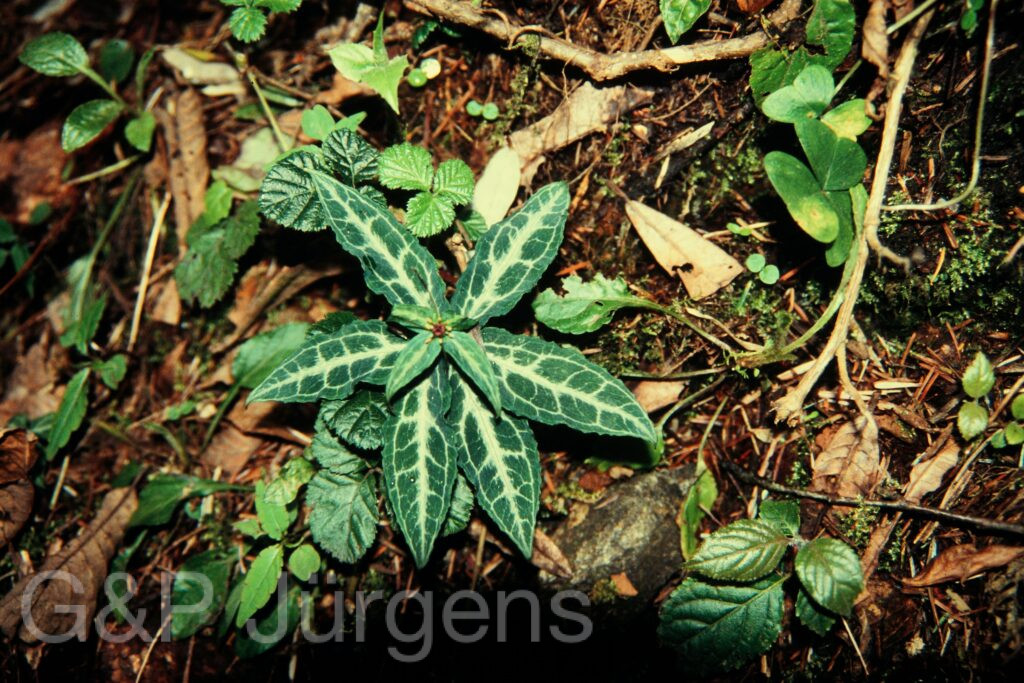
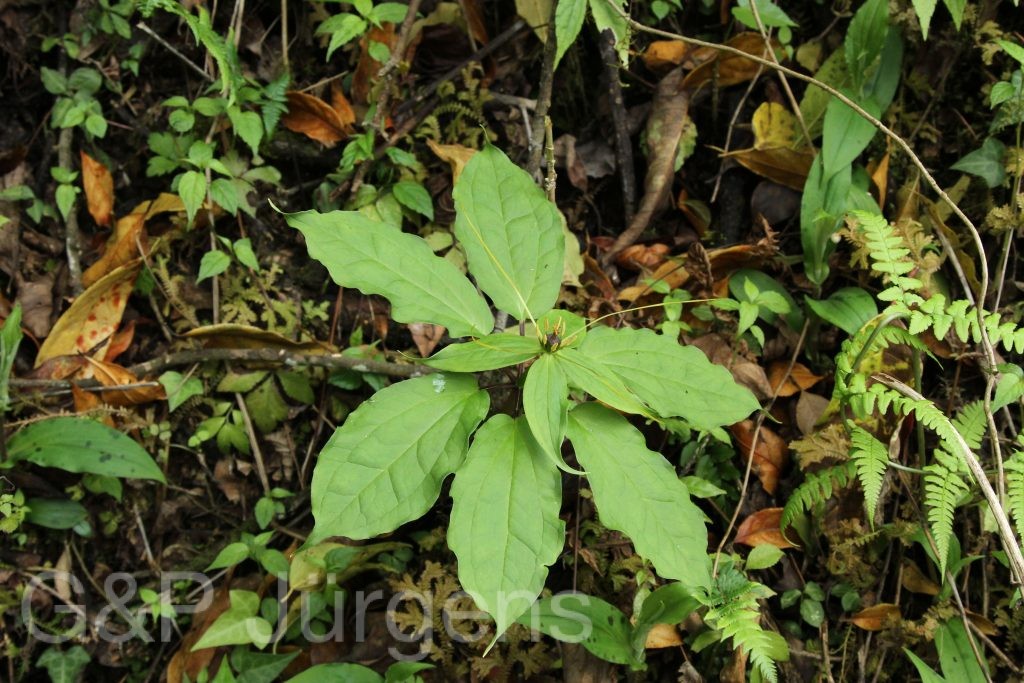
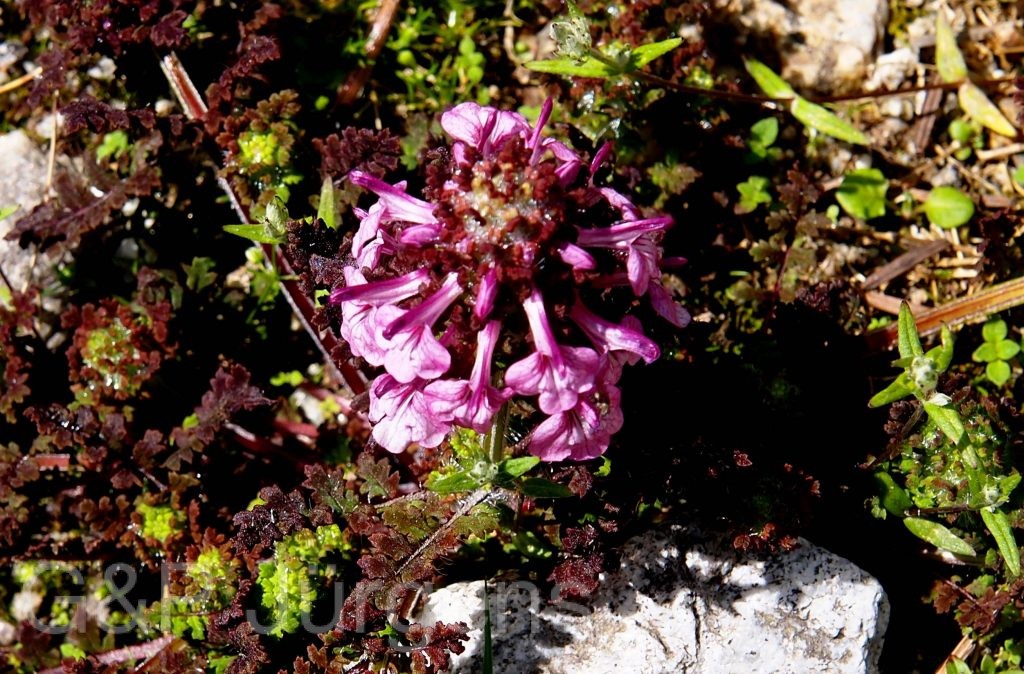
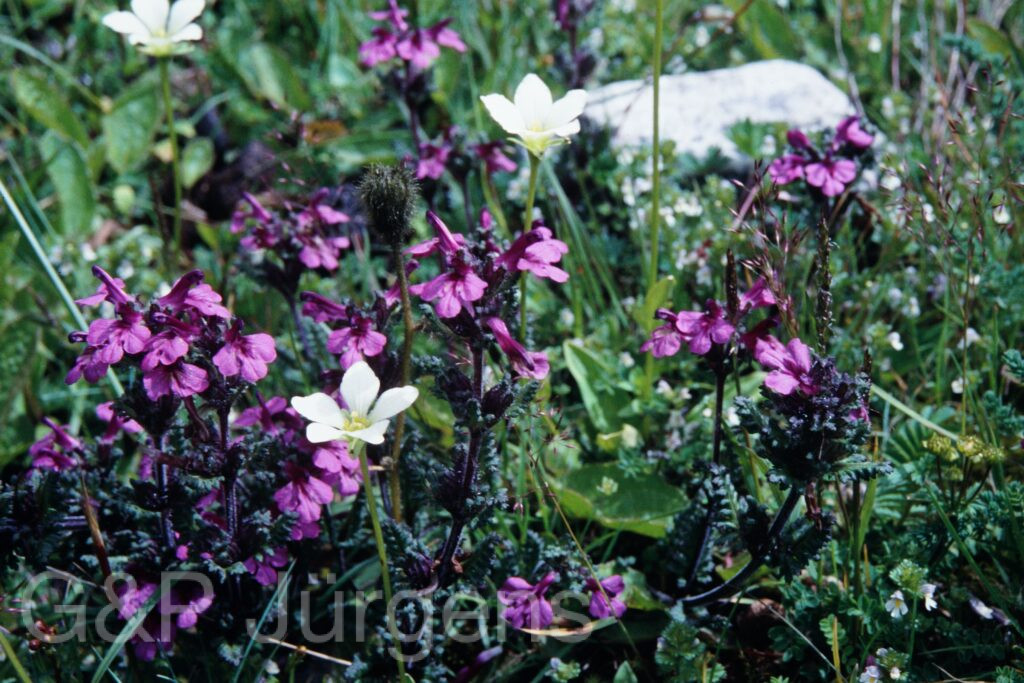
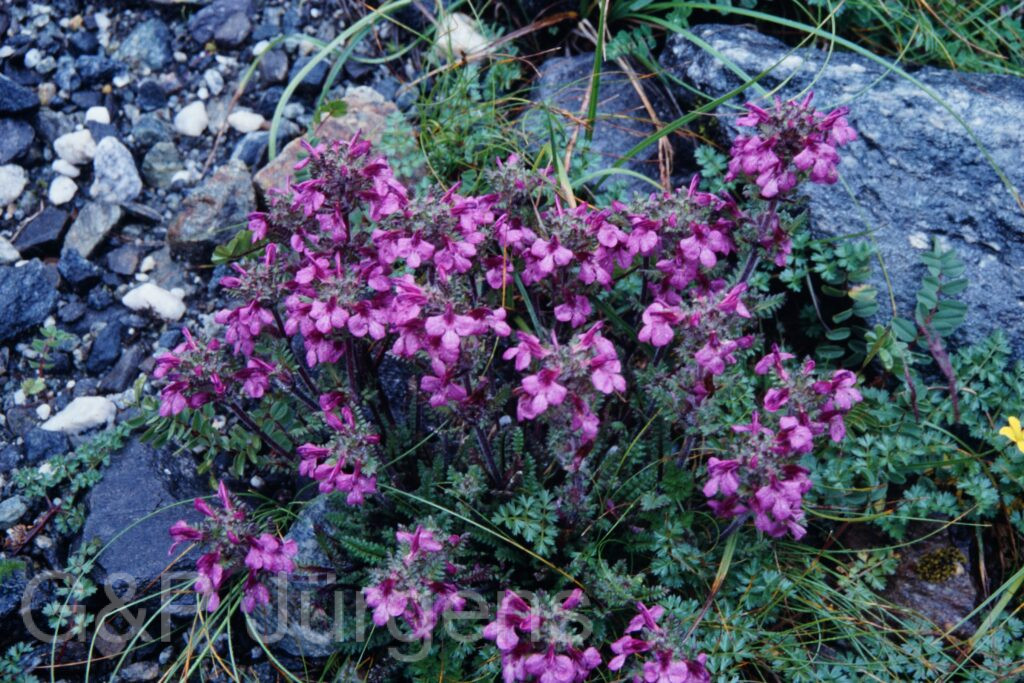
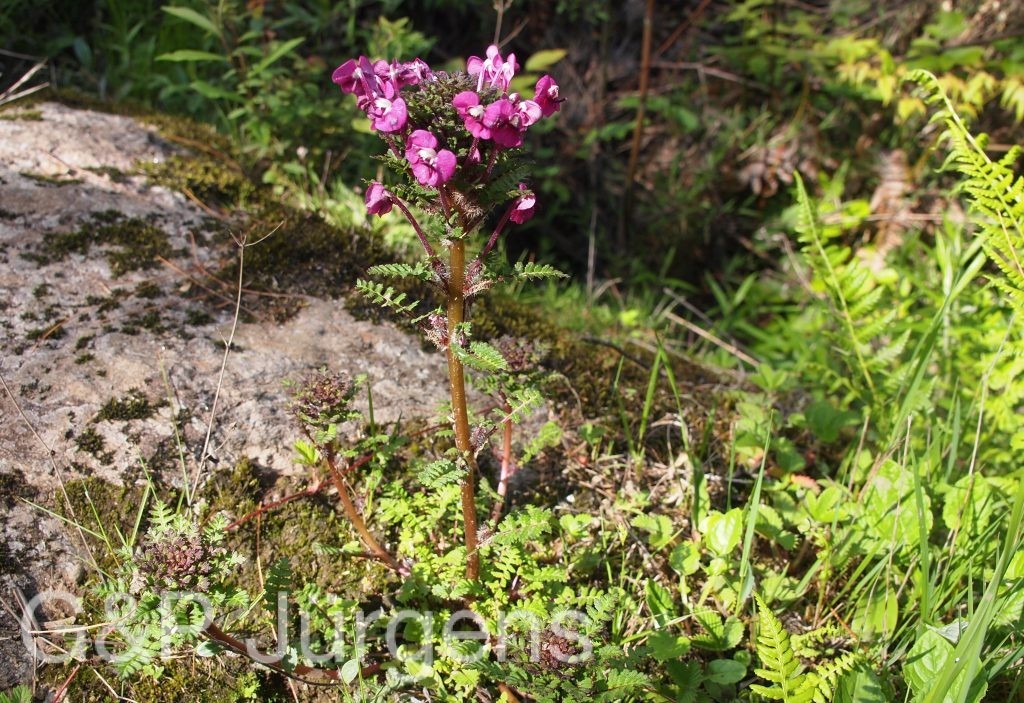
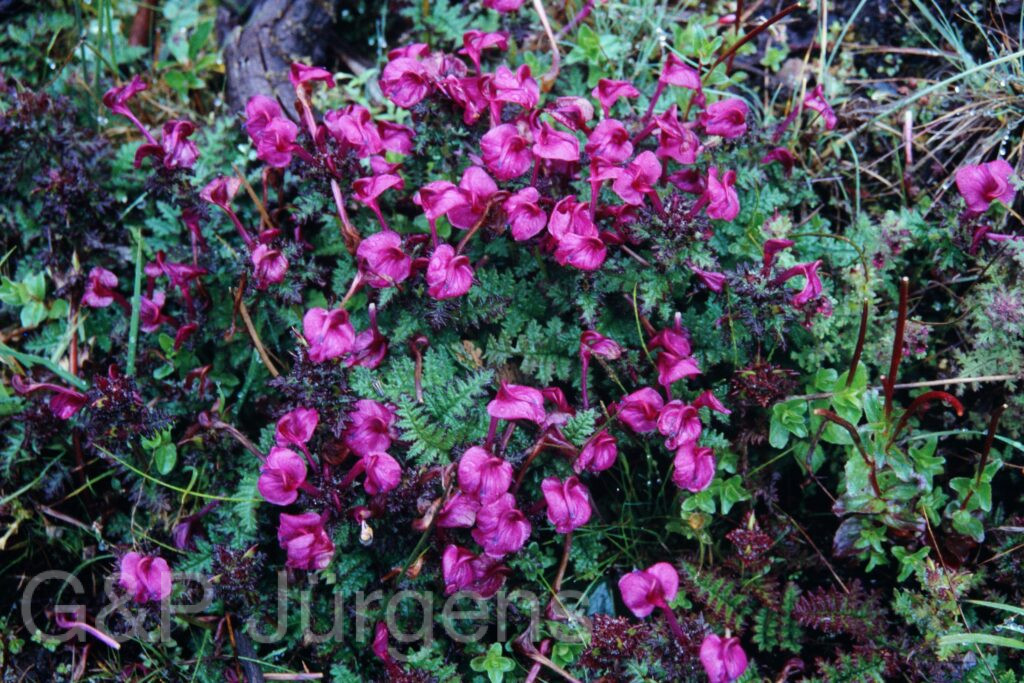
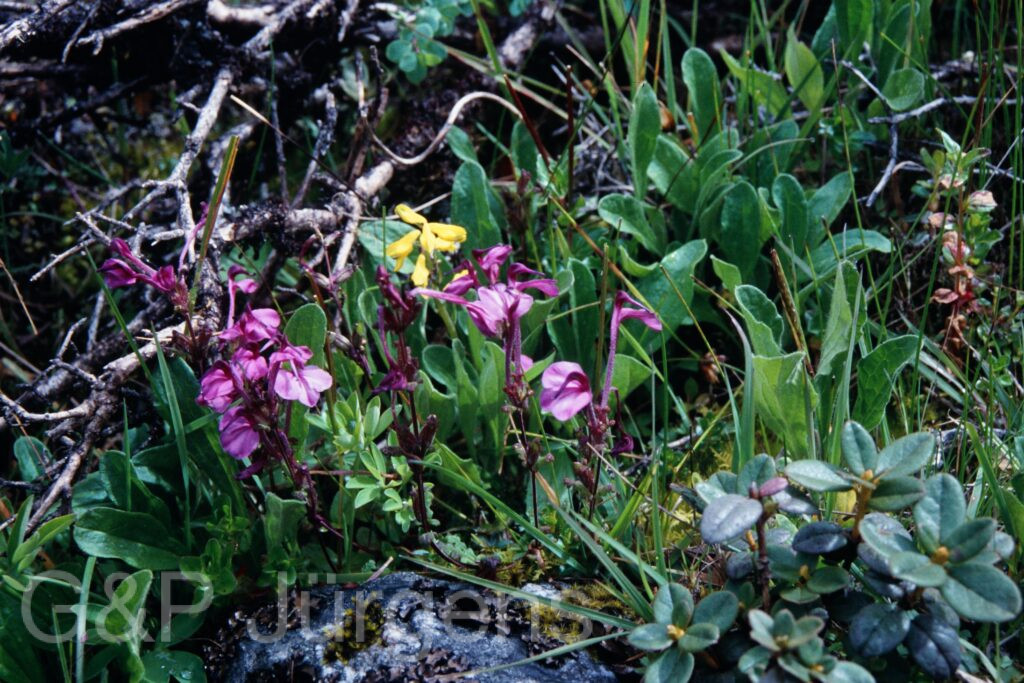
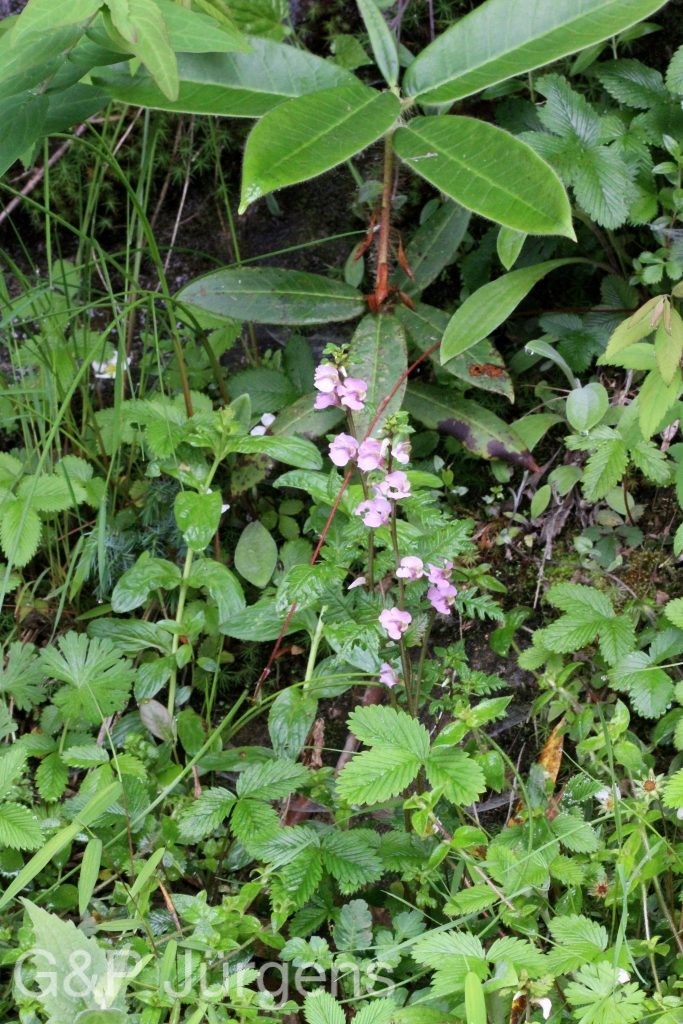
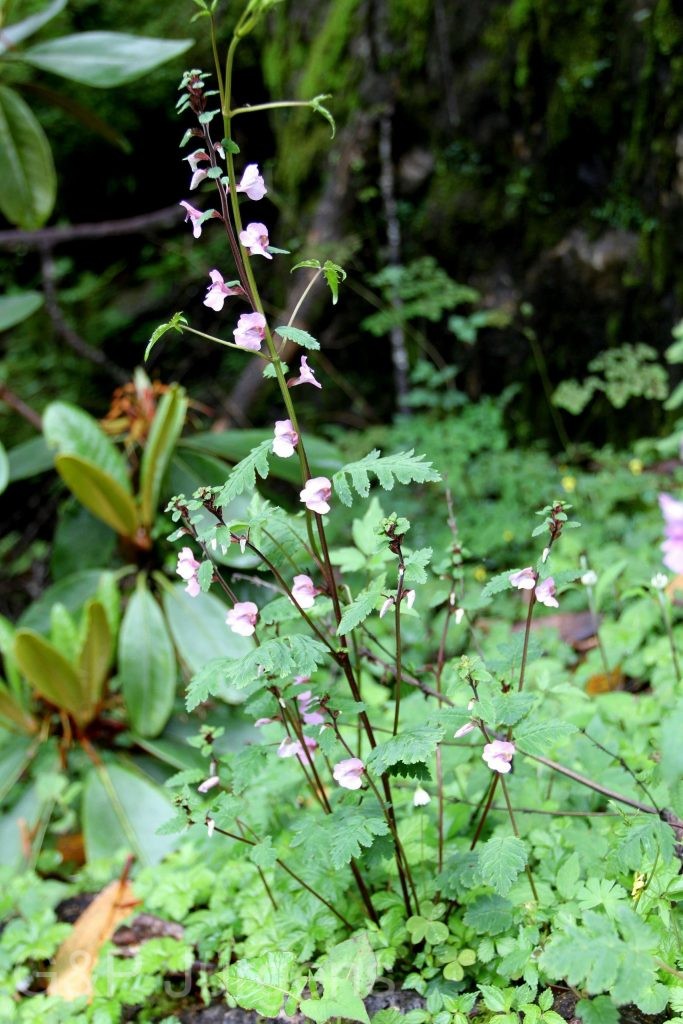
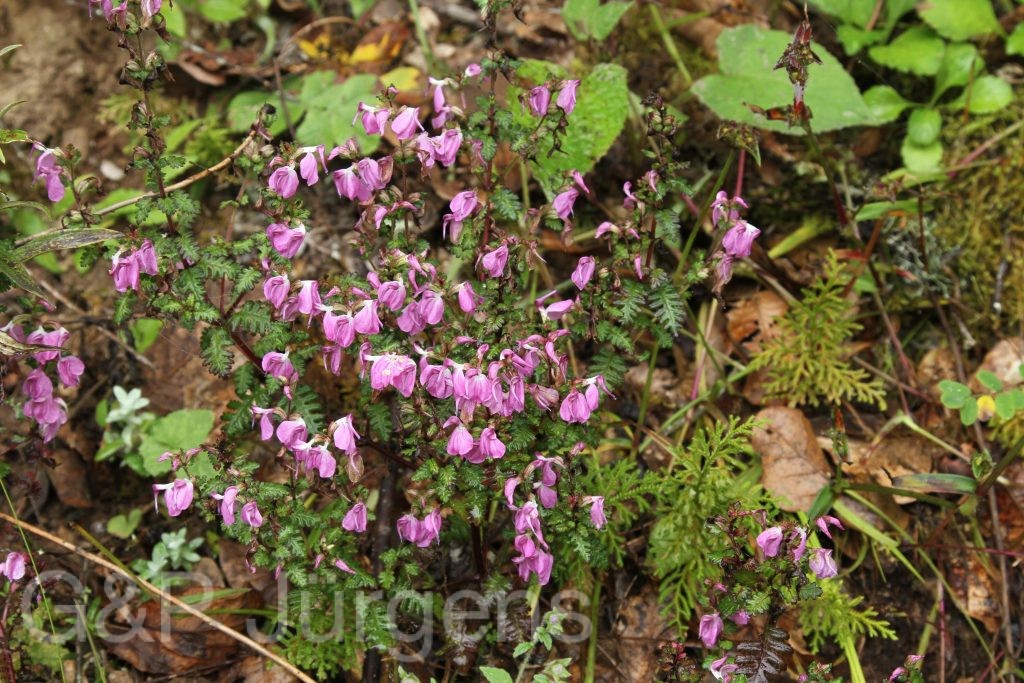
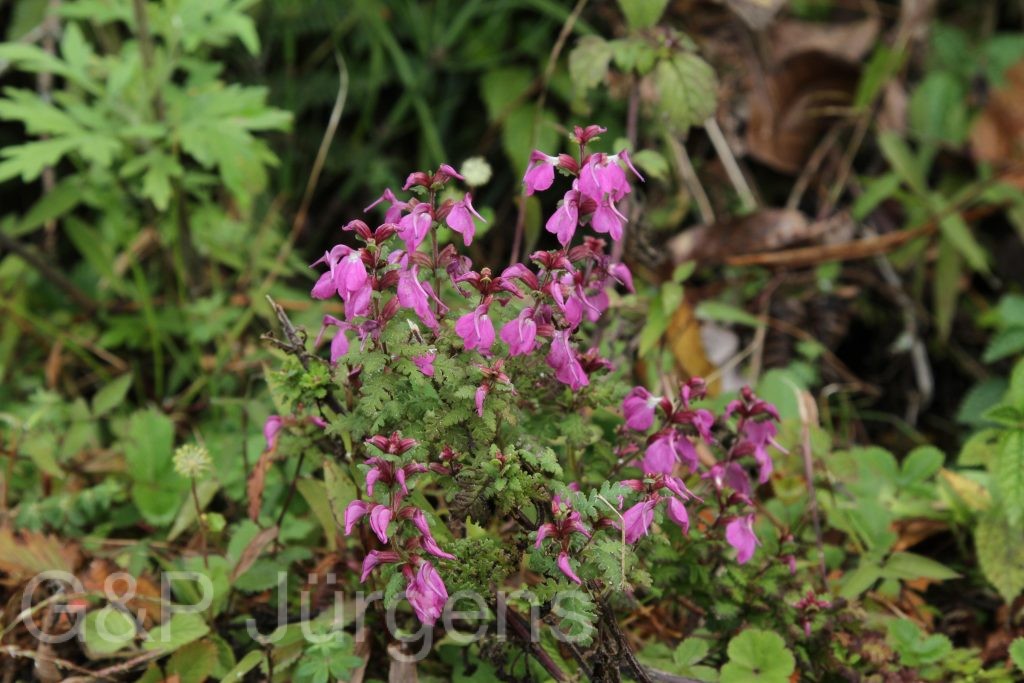
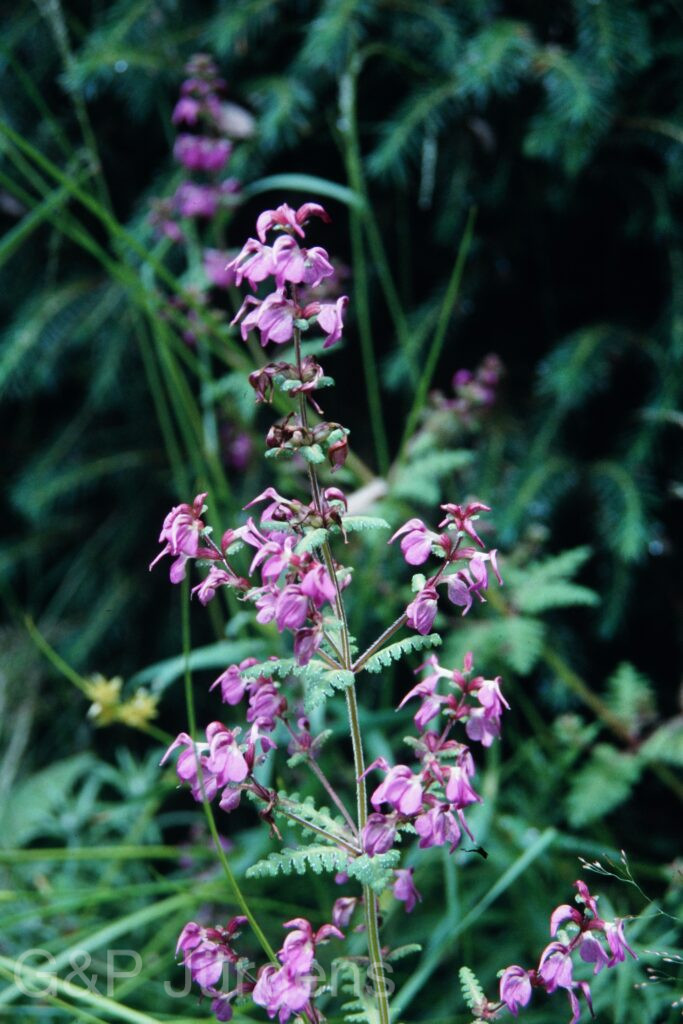
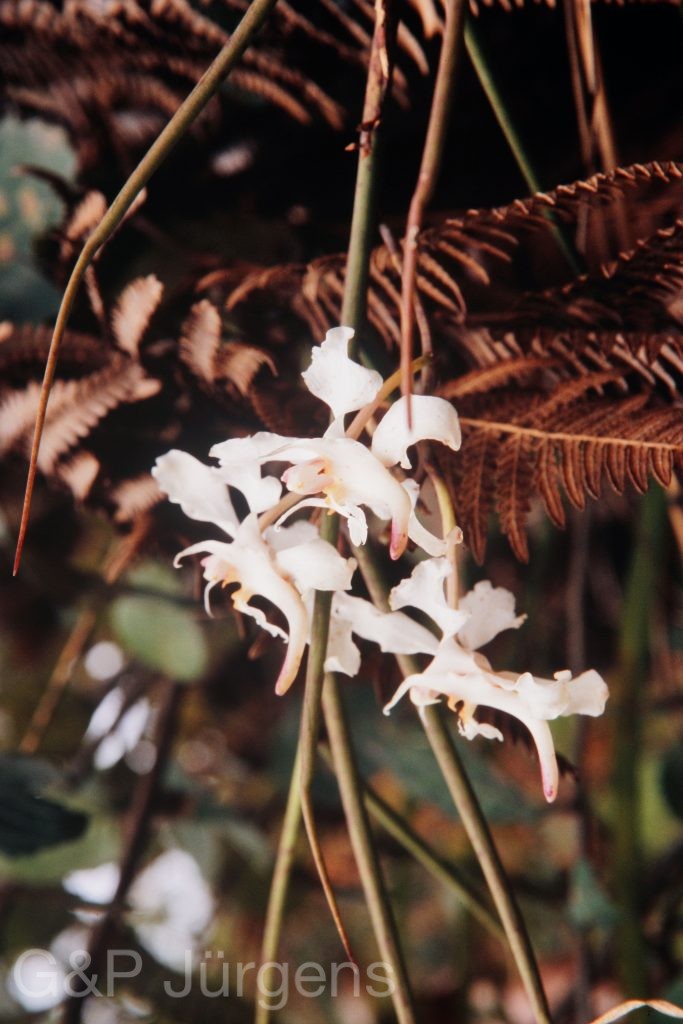
Papilionanthe vandarum is an epiphytic orchid distributed across the eastern Himalaya and adjoining Indo-Burmese ranges, with records from India, Nepal, Bhutan and Myanmar; GBIF documents some 49 occurrences, the additional points from Belgium, the United States and Great Britain reflecting cultivated material in botanical collections. It grows on tree trunks and mossy branches in humid broad-leaved and coniferous forest, frequently in the montane belt between roughly 1500 and 3000 m, where seasonal monsoon moisture alternates with a drier cool season. The photographed plant from Jakar in central Bhutan at about 2950 m, flowering in April, is typical of its upper elevational range, where it flowers before the summer rains.
The species is readily recognised by its monopodial, scrambling habit and slender, terete (pencil-like) leaves that replace the flattened laminae of most orchids, an adaptation reducing water loss in exposed epiphytic sites. Stems are elongate, branching and rooting freely along their length by means of thick, greyish aerial roots. The inflorescences are short, few-flowered racemes bearing large, showy flowers; sepals and petals are white to pale, broad and somewhat undulate, while the trilobed labellum is prominent, with a spurred base and a coloured throat. The fruit is a dry, elongate dehiscent capsule releasing innumerable dust-like seeds.
Formerly placed in Aerides and Vanda, the species was transferred to Papilionanthe (a small Asian genus of terete-leaved monopodial orchids) by Garay; its terete foliage and pendent habit distinguish it from true Vanda. Like all wild orchids it is listed on CITES Appendix II, and populations are locally threatened by forest clearance and over-collection, though it remains fairly widespread across its Himalayan range.
Author: (Rchb.f.) Garay · Sources: POWO (Kew), GBIF, Flora of Bhutan, Orchids of Bhutan, Genera Orchidacearum (Pridgeon et al.)