
H.Lév.
Description
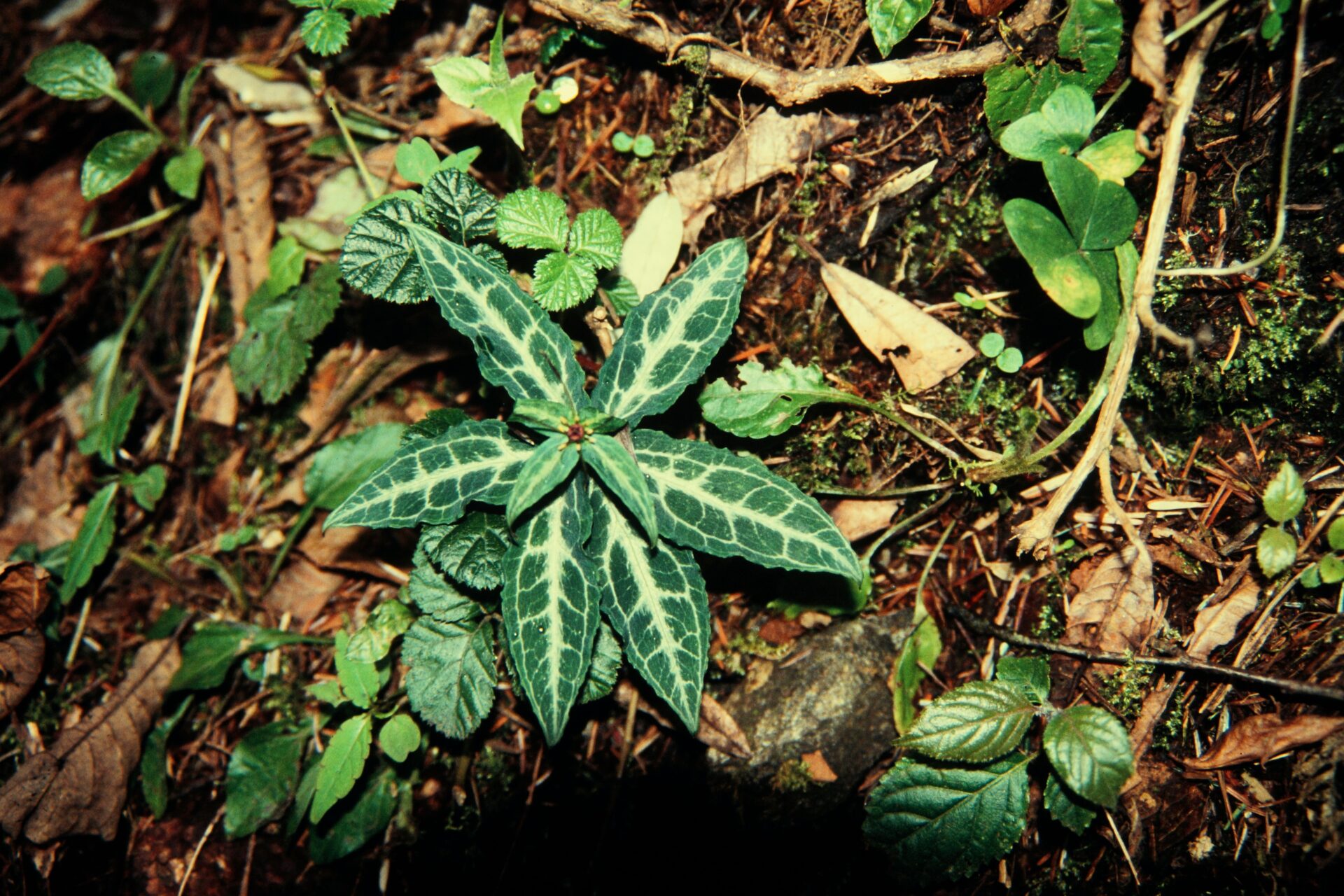
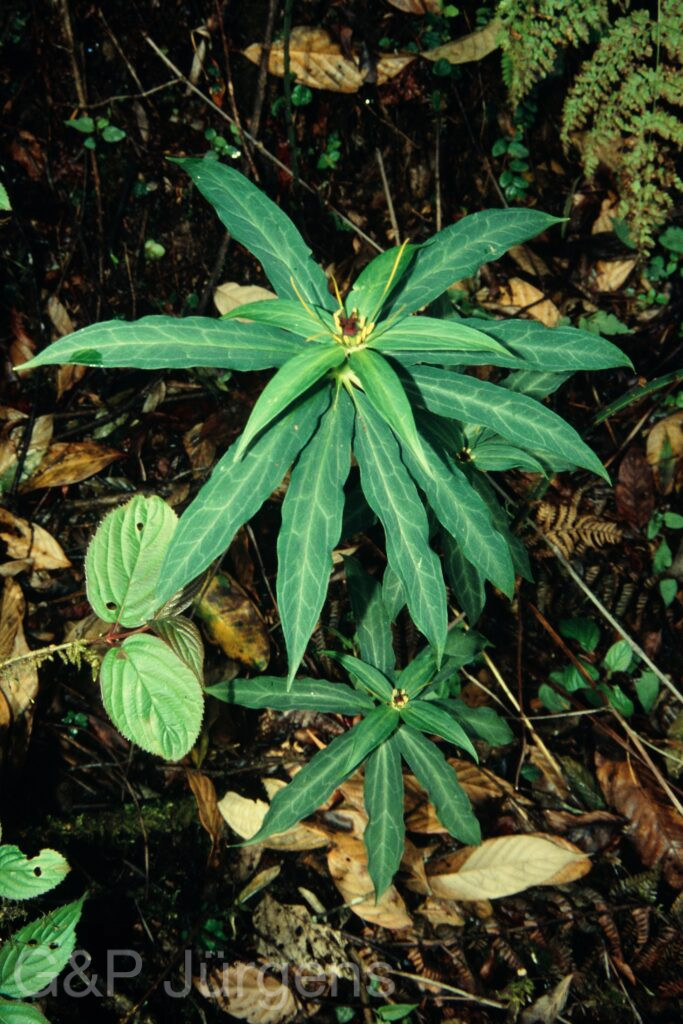
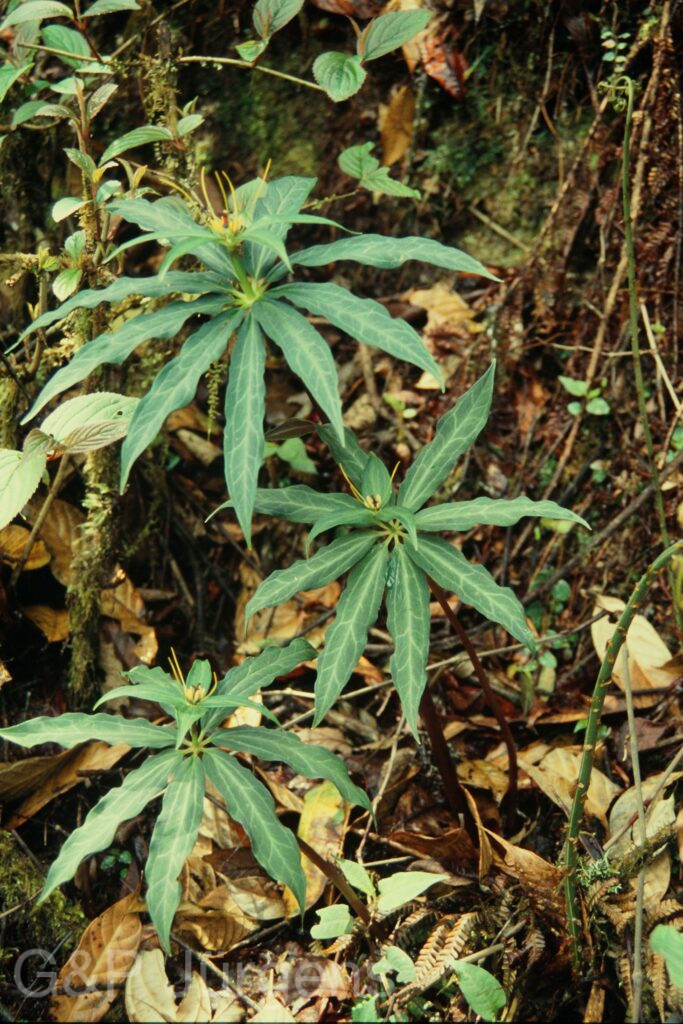
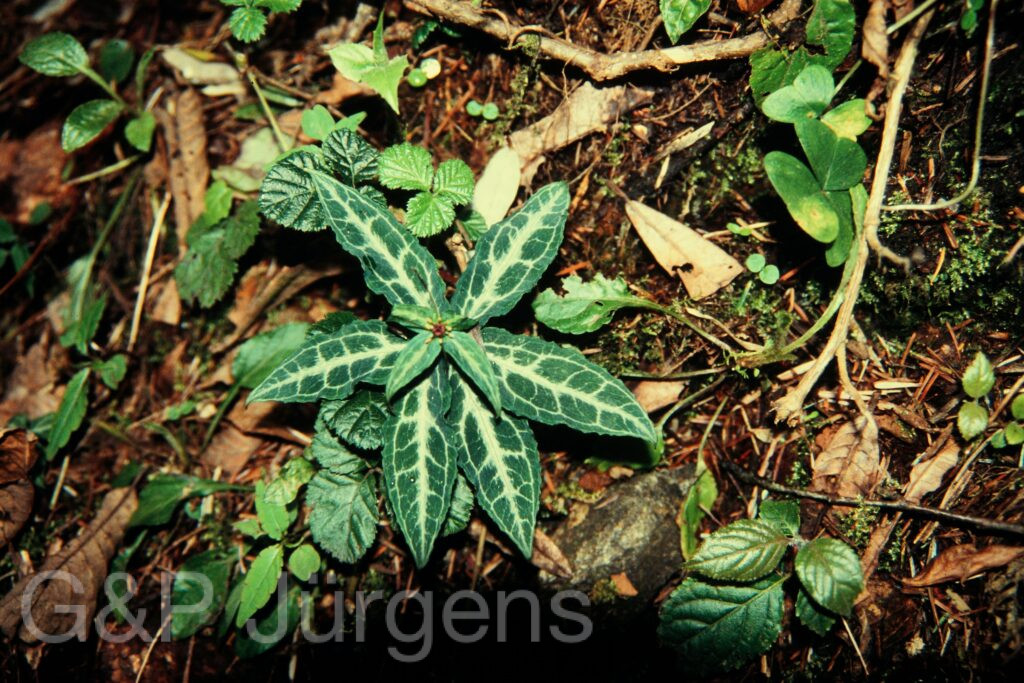
Paris mairei is a rhizomatous woodland herb of the Sino-Himalayan region, distributed across SW China, Nepal, NE India and Bhutan, with GBIF documenting around 269 records. It is a plant of shaded, humus-rich forest, growing in moist broadleaved and coniferous woodland, thickets and shady ravines of the temperate zone. The photographed populations at Sambon in the Sikkim–West Bengal hills (1,800 m, April) and at Bagong Khola in Nepal (2,700 m, May) reflect its altitudinal span from the warm temperate to the upper temperate forest belt, where it flowers in spring as the canopy leafs out.
It is an erect perennial arising from a creeping, knotty rhizome, bearing a single terminal whorl of stalkless or shortly petiolate, ovate to lanceolate, net-veined leaves. From the centre of the whorl rises a solitary, long-pedicellate flower with the parts in the characteristic Paris arrangement: a whorl of green, leaf-like outer perianth segments (sepals), filiform or narrowly linear inner segments (petals), prominent stamens with the connective often produced beyond the anther, and a central ovary crowned by spreading stigmas. The fruit is a capsule that splits to expose seeds with a coloured fleshy aril.
The genus Paris (now placed in Melanthiaceae rather than the former Trilliaceae) is renowned for its steroidal saponins, several Asian species being important in traditional Chinese medicine, which has driven heavy wild collection and conservation concern in parts of the range. The single leaf whorl and solitary, spider-like flower make the genus instantly recognisable, while the contrast between broad sepaloid and thread-like petaloid segments is diagnostic at species level. P. mairei is distinguished within the genus by its leaf and floral proportions and stamen connective form.
Author: H.Lév. · Sources: POWO (Kew), Flora of Nepal, GBIF, Flora of China Vol. 24, Li: The Genus Paris (Paridaceae)