W.W.Sm.
Description
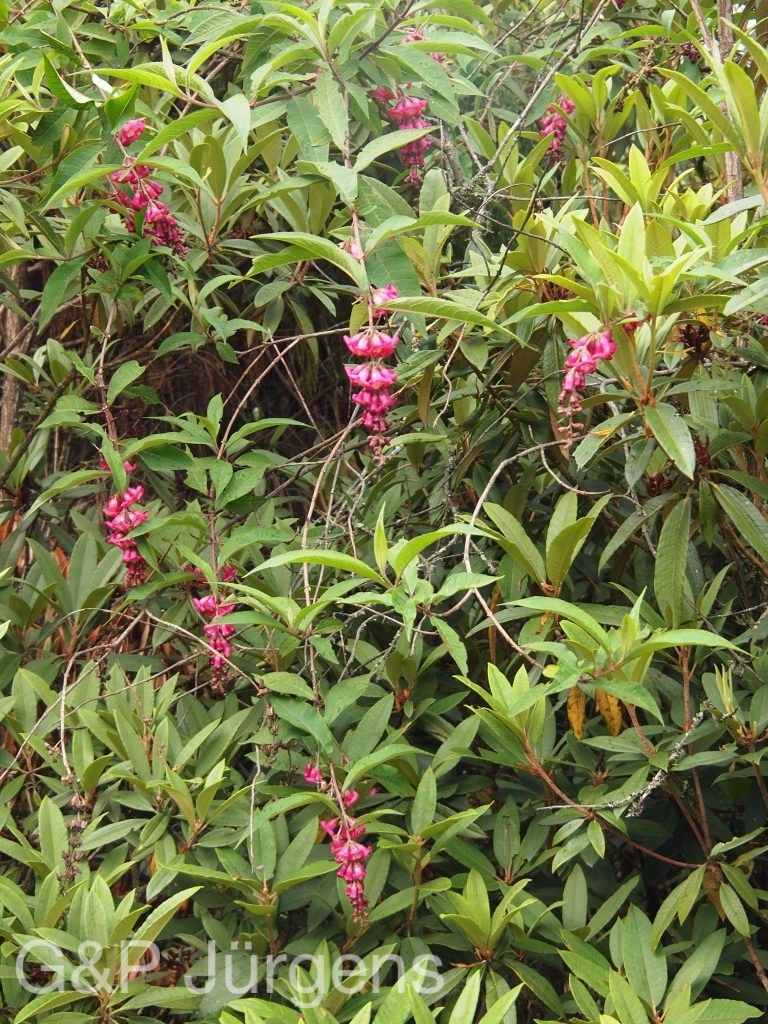
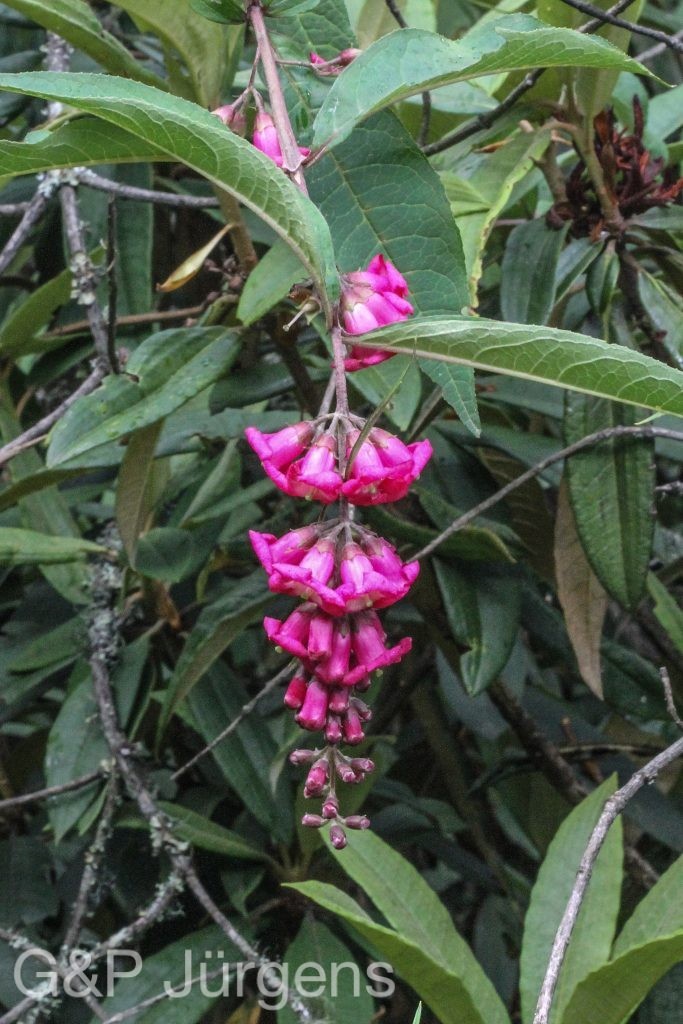
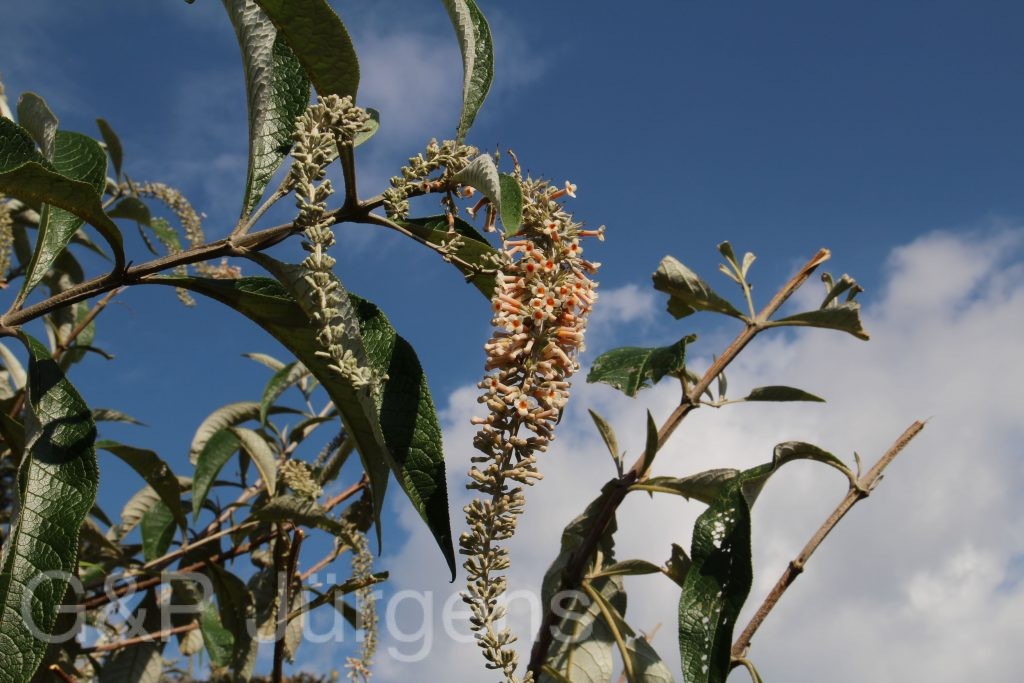
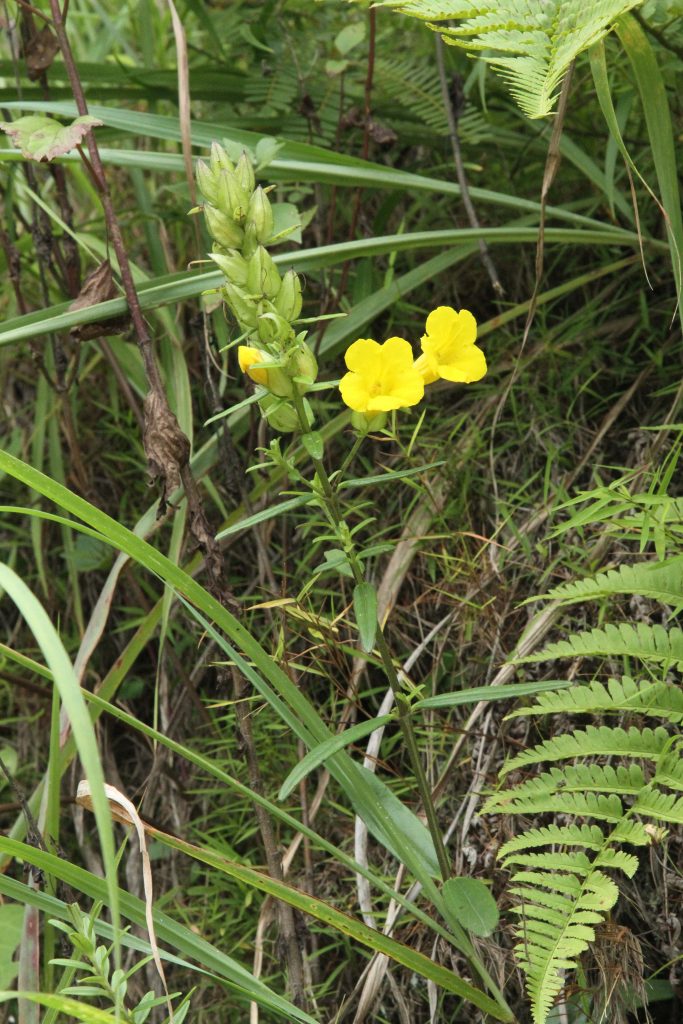
Brandisia rosea is a shrubby, often scandent plant of the eastern Himalaya and adjacent China, recorded by GBIF (about 63 occurrences) from China, India and Bhutan, a small total that reflects its restricted range and rather localised occurrence. It inhabits open forests, thickets, forest margins, scrub and rocky slopes in the warm-temperate montane zone, broadly between 2000 and 3000 m. The plant photographed near Wangdi in Bhutan at about 2700 m in September lies within this band and within the autumn flowering season, when its rosy blooms appear among the post-monsoon vegetation of the eastern Himalayan hillsides, a region where the genus reaches the western edge of its distribution.
It is a woody shrub, sometimes clambering or half-scandent, with young branches and foliage characteristically clothed in a fine stellate or scaly indumentum giving a greyish or rusty cast. The leaves are opposite, simple, ovate to lanceolate, entire or nearly so, and often tomentose beneath. The flowers are showy and borne in the leaf axils or in short clusters; the calyx is campanulate and toothed, and the corolla is conspicuously two-lipped (bilabiate), rose-pink to reddish, with the upper lip arched and the lower spreading and lobed, the form and colour suiting pollination by bees or birds. There are four didynamous stamens. The fruit is a loculicidal capsule containing numerous small seeds.
The genus Brandisia has had an unsettled familial history, long placed in the broadly defined Scrophulariaceae and subsequently reassigned; molecular and morphological studies have aligned it with the small woody clade comprising Paulownia and its relatives, hence its treatment here under Paulowniaceae (it is elsewhere placed in Orobanchaceae by some authors, and its position remains debated). Whatever its precise placement, Brandisia is a distinctive Sino-Himalayan element of montane shrubberies. With its limited range and modest number of records B. rosea has not been formally assessed for conservation, but as a habitat-specific montane shrub it would merit monitoring against forest disturbance in its core eastern Himalayan area.
Author: W.W.Sm. · Sources: POWO (Kew), GBIF, Flora of China Vol. 18, Flora of Bhutan Vol. 2, Flora of Nepal, Hong et al. Scrophulariaceae of China