Tag:

Subalpine (2500-3500 m)

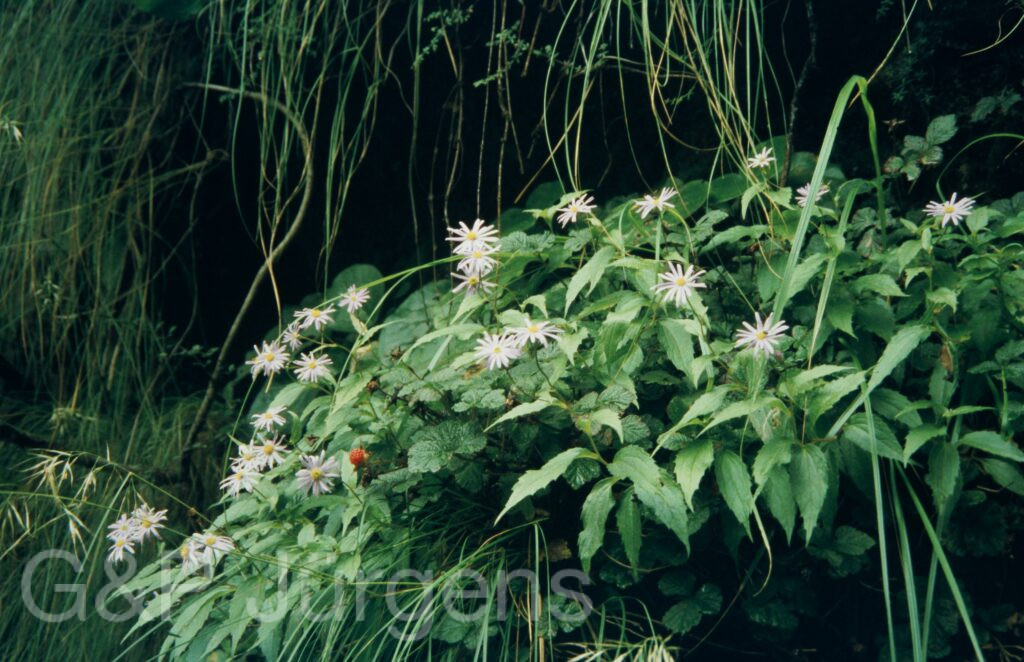
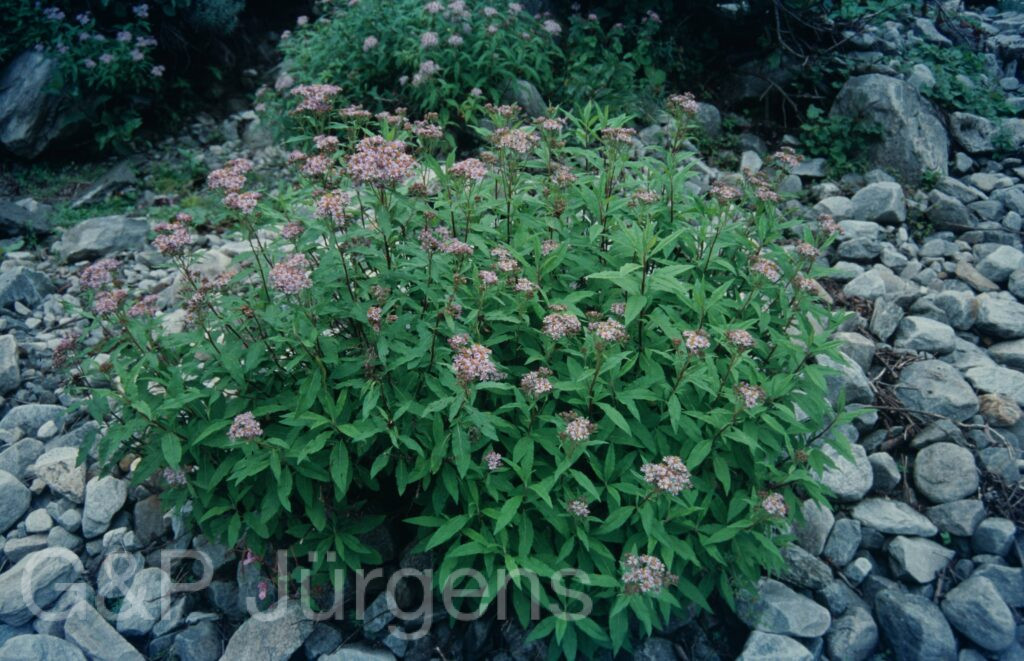
Aster albescens

by GP Jürgens

(DC.) Wall. ex Hand.-Mazz.
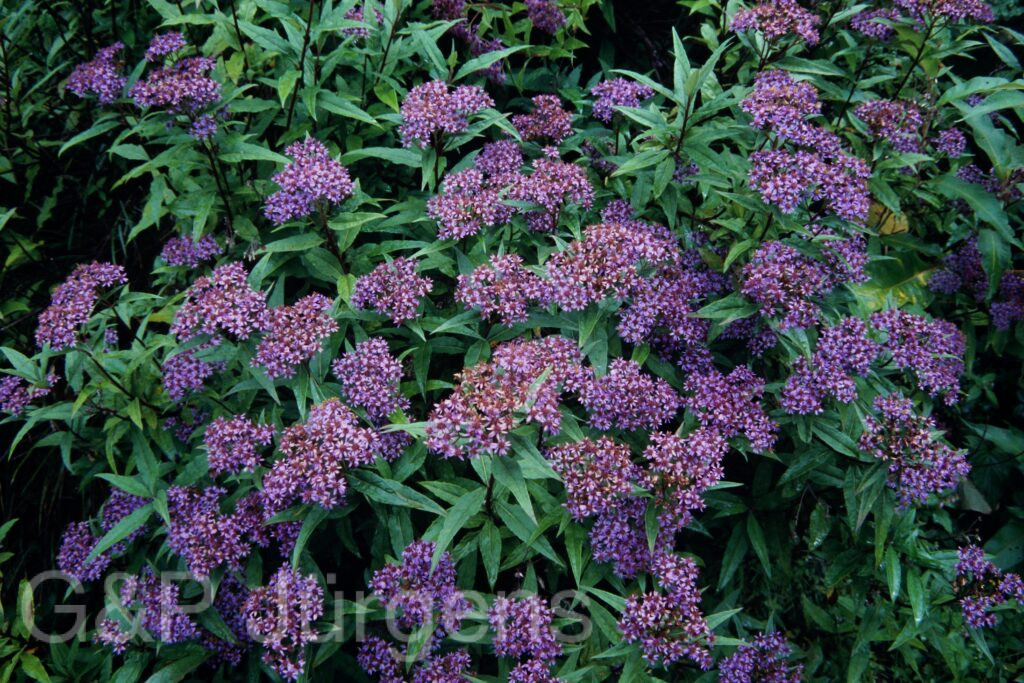
Sikkim2003 379 G532
Sikkim Tista valley 3600m August
Garw 2005 38 ergebnis ergebnis
India Garhwal Valley of flowers 3200m, September

Description

Aster albescens is a variable shrubby aster widespread through the Himalaya and into China, Myanmar and East Asia, with 1,298 GBIF occurrences from China, Nepal, India, Bhutan, Japan, Korea and Myanmar. It grows on forest margins, open slopes, shrubberies and stream banks in the upper temperate to subalpine zone, broadly between about 2000 and 4000 m. The images derive from Sikkim's Tista valley at 3600 m in August and from the Valley of Flowers in Garhwal, India, at 3200 m in September, monsoon-watered slopes where this late-summer flowerer is a frequent component of the shrub layer.

Unusually for an aster, it is a woody shrub or subshrub up to about 1-2 m, with erect, branched, often whitish-tomentose stems. The leaves are alternate, ovate to lanceolate or elliptic, shortly petiolate, with serrate to entire margins and a characteristically pale, white-felted lower surface (whence albescens), the upper surface greener and thinly hairy. The capitula are numerous and small, arranged in dense terminal corymbose panicles; each head bears few short white, pinkish or pale purple ray florets around a disc of yellow florets. The cypselae are compressed and pubescent, with a pappus of reddish to brownish barbellate bristles.

Described as Diplopappus albescens by de Candolle and transferred to Aster by Wallich ex Handel-Mazzetti, the species is highly polymorphic and has spawned numerous infraspecific taxa across its range. Its shrubby habit places it among the woody Himalayan-Sino asters retained in Aster sensu lato. Common and ecologically resilient across a broad area, it is not considered threatened.

Author: (DC.) Wall. ex Hand.-Mazz. · Sources: POWO (Kew), GBIF, Flora of Bhutan, Flora of China, Flowers of the Himalaya (Polunin & Stainton), Asteraceae of the Himalaya
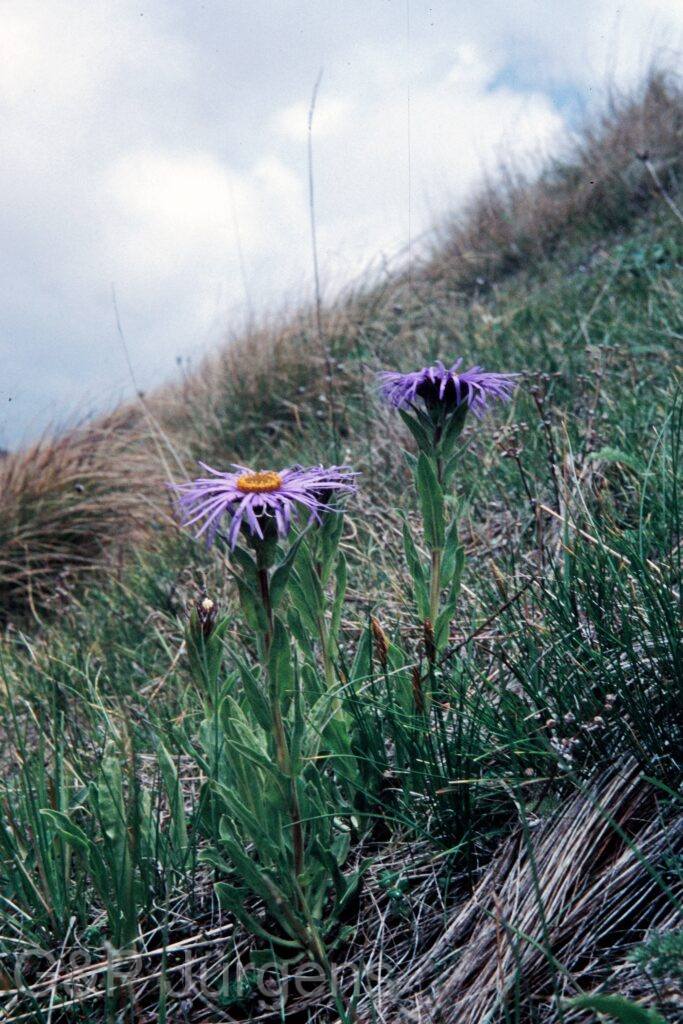
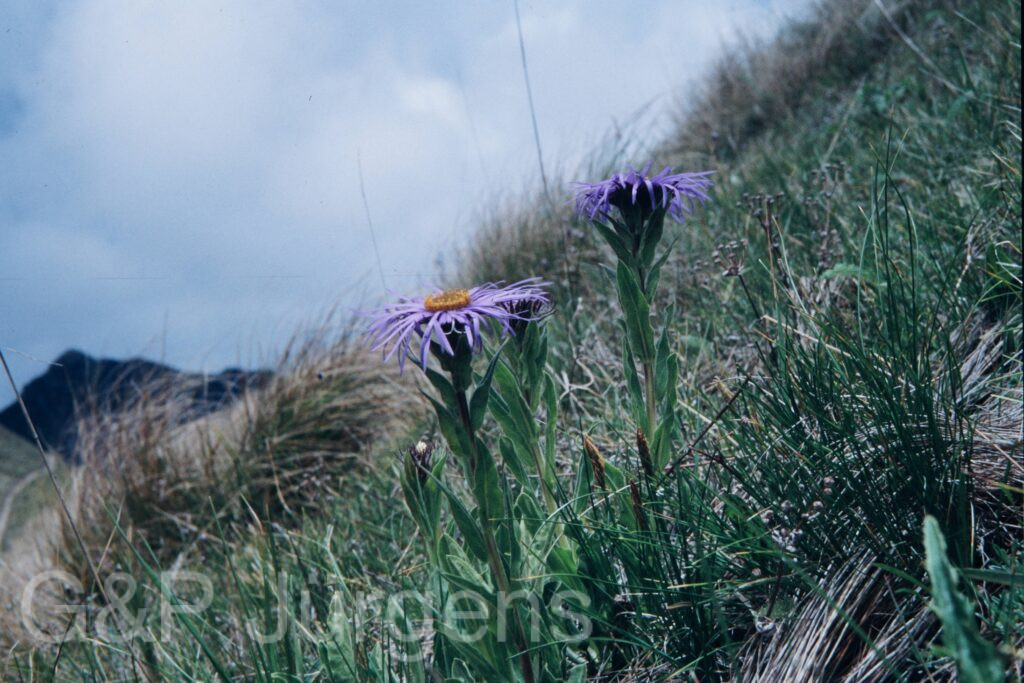
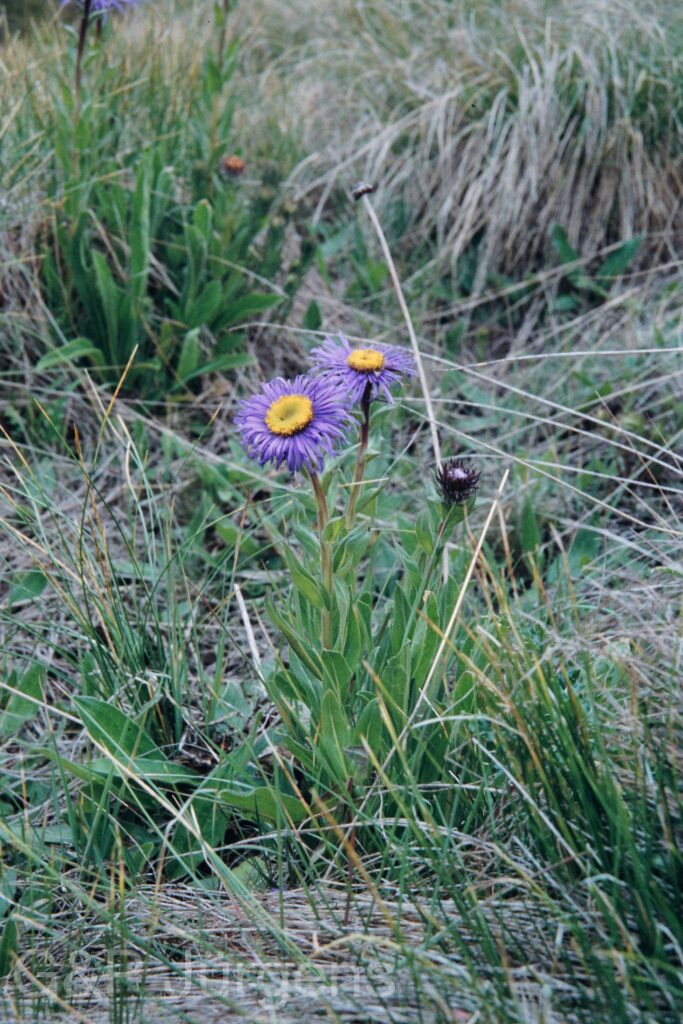
(C.B.Clarke) Hutch.

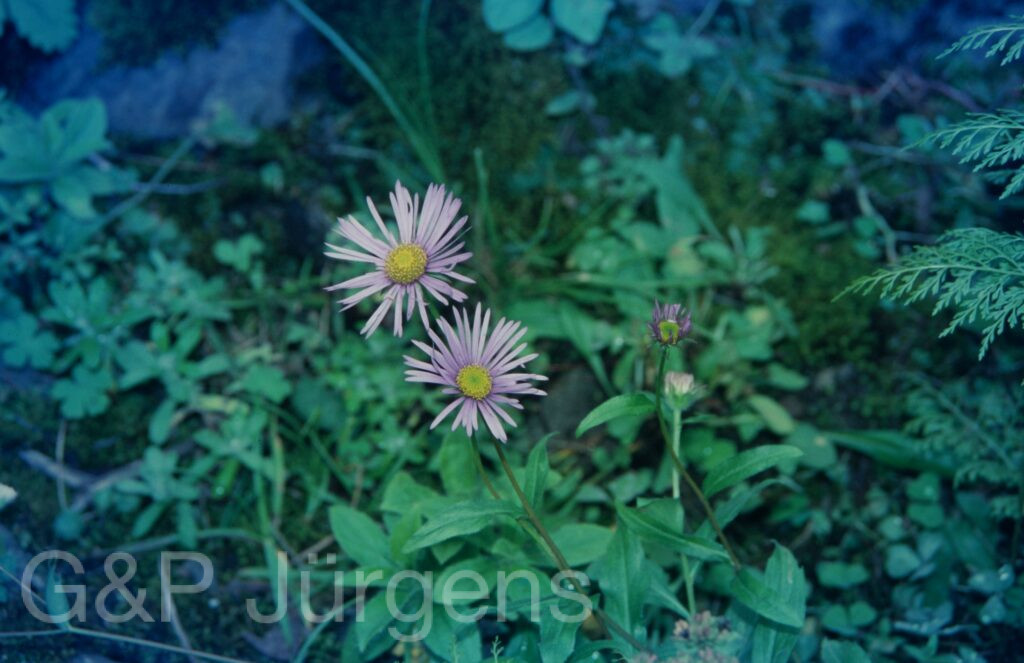
Nepal 99 93 ergebnis
West-Nepal Bhulbhule 3600m, June
Nepal 99 258 ergebnis
West-Nepal Loccu 3155m, June
Nepal 99 122 ergebnis
West-Nepal South of Rara-Lake 3500m, June

Description

Aster falconeri is a high-alpine herb of the north-western and western Himalaya, recorded from India, Pakistan and Nepal, with some 147 georeferenced collections documenting a relatively narrow but well-sampled range. It occupies open turf, moist alpine meadows, grazed grassland and the margins of seepages and snowmelt flushes, typically between about 3100 and 4000 m. The photographed populations from West Nepal—Bhulbhule at 3600 m, Loccu at 3155 m and the slopes south of Rara Lake at 3500 m, all flowering in June—are characteristic of its early-summer phenology, the plants emerging and blooming soon after the snowpack recedes.

It is a perennial forming low tufts from a short rootstock, the stems erect to ascending, simple, glandular-hairy and bearing reduced cauline leaves. Basal and lower leaves are oblanceolate to spathulate, narrowed to a winged petiole, entire or obscurely toothed and somewhat hairy. The solitary terminal capitula are radiate, subtended by an involucre of subequal, herbaceous, often purple-tinged phyllaries; the ray florets are ligulate and blue to violet, surrounding a disc of yellow tubular florets. The fruit is a compressed, hairy cypsela crowned by a pappus of barbellate bristles aiding wind dispersal.

First described as a member of Erigeron by C. B. Clarke and transferred by Hutchinson, the taxon is treated under the name Aster falconeri, regarded as the accepted name notwithstanding its synonym status in the source dataset. As with many Sino-Himalayan asters, generic limits between Aster and Erigeron have shifted repeatedly with morphological and molecular reappraisal. Though not formally assessed for conservation, its restriction to montane pastures exposes it to heavy grazing pressure across the western ranges.

Author: (C.B.Clarke) Hutch. · Sources: POWO (Kew), GBIF, Flora of Pakistan, Annotated Checklist of the Flowering Plants of Nepal, Grierson & Long Flora of Bhutan, Grierson's revision of Himalayan Aster (Asteraceae)

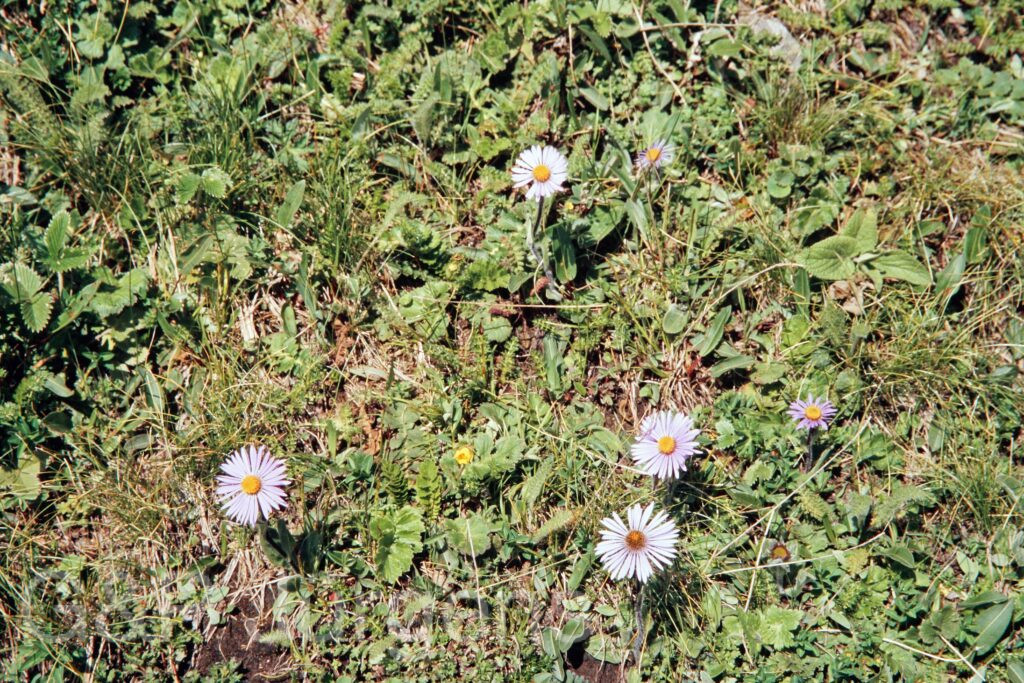
Bunge

Description

Aster flaccidus is a widespread alpine daisy of the high mountains of Asia, with extensive GBIF records (over 1600 occurrences) from China, India, Pakistan, Russia, Nepal, Afghanistan, Tajikistan, Mongolia, Bhutan, Uzbekistan, Kazakhstan, Myanmar, Kyrgyzstan and Turkey. It is a true alpine of stony meadows, scree, gravelly slopes, moraines and short turf, mostly above the treeline but descending where open ground occurs. The record from Belak Khal in Garhwal, India, at about 2900 m in June is a lower, early-season occurrence; across its range the species ascends well above 4000 m, flowering through the brief alpine summer. Here gbif_status is SYNONYM, with the name Aster flaccidus treated as the accepted taxon.

It is a low, tufted perennial herb arising from a short rhizome, the stems solitary or few, simple, erect and conspicuously clothed in long, soft, white or purplish, often glandular hairs. The basal leaves are spathulate to oblanceolate, entire and narrowed to a petiole, the cauline leaves few, sessile and reduced. Each stem terminates in a single large capitulum; the numerous ray florets are violet, blue-purple to lilac and spread around a central disc of yellow tubular florets. The involucre is hemispherical with herbaceous, hairy, purple-margined phyllaries in two or three subequal series. Achenes are flattened and pubescent, surmounted by a pappus of reddish barbellate bristles.

A member of Aster section Alpigenia, A. flaccidus is morphologically variable and has accumulated numerous synonyms and infraspecific names reflecting its vast range and the influence of altitude on stature and indumentum. It is a hardy, cushion-tolerant pioneer of cold, exposed habitats and an important component of alpine sward. Being abundant and broadly distributed it is of least concern, although high-altitude populations may serve as sensitive indicators of climate-driven vegetation change.

Author: Bunge · Sources: POWO (Kew), GBIF, Flora of China, Flora of Pakistan, Polunin & Stainton Flowers of the Himalaya, Onno revision of Aster Alpigenia

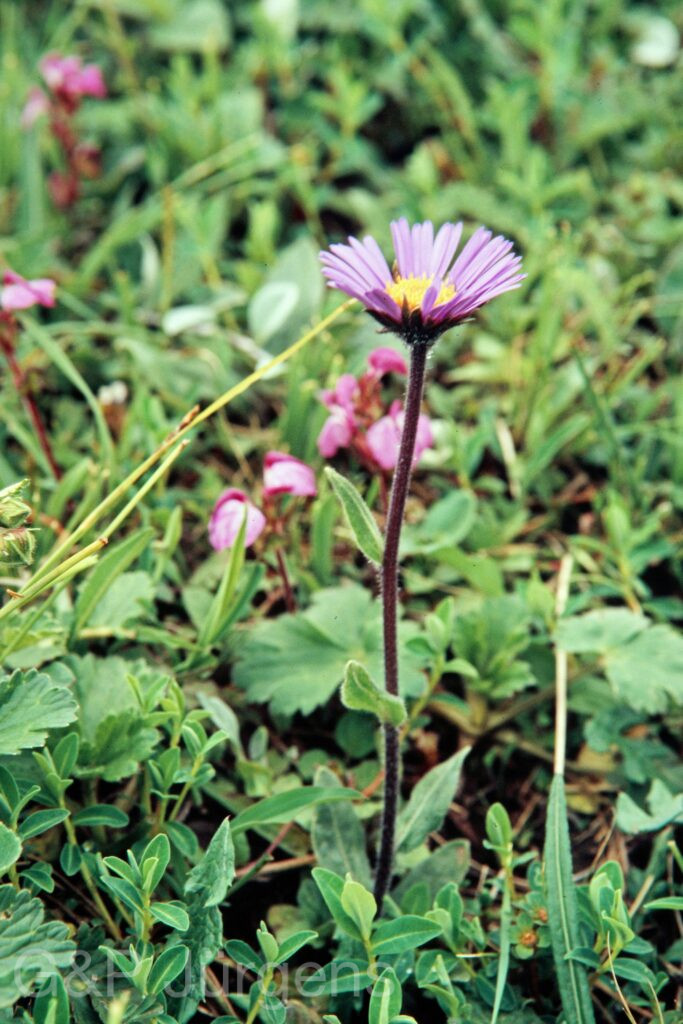
Aster nakaoi

by GP Jürgens

Kitam.

Bh2008 555 P839
Bhutan Paro 3300m, May

Description

Aster nakaoi is a high-montane perennial of the Eastern Himalaya, presently documented chiefly from Bhutan and adjacent Sikkim and southern Tibet, where it occupies the upper temperate to subalpine belt. The species is poorly represented in aggregated occurrence databases, reflecting its restricted range and infrequent collection rather than true rarity. It favours open grassy slopes, the margins of Rhododendron and Abies forest, rocky banks and the verges of alpine meadows, typically between about 3000 and 4000 m. The plant illustrated here was photographed near Paro in western Bhutan at roughly 3300 m in May, when the earliest flowering heads appear among emerging summer herbage.

The plant forms low tufts arising from a short, somewhat woody rhizome bearing fibrous roots. Stems are erect to ascending, simple or sparingly branched above and often shortly pubescent. Basal and lower cauline leaves are spathulate to oblanceolate, narrowed to a winged petiole, with entire or obscurely toothed margins; the upper leaves are sessile, smaller and progressively reduced. The capitula are solitary or few, radiate, with a hemispherical involucre of imbricate, herbaceous phyllaries in several rows. Ray florets are female, ligulate and lilac to bluish-violet, surrounding numerous yellow tubular disc florets. The achenes are compressed and pubescent, crowned by a pappus of barbellate bristles facilitating wind dispersal.

A member of the large and taxonomically intricate genus Aster, the species commemorates the Japanese botanist who collected extensively in the Himalaya, and it belongs to the assemblage of small Sino-Himalayan asters whose circumscription remains under revision following molecular reappraisal of the tribe Astereae. Its narrow known distribution along the Bhutan–Sikkim axis makes it of biogeographic interest as a regional endemic, and its conservation status is best regarded as data-deficient pending further field survey across the Eastern Himalayan high country.

Author: Kitam. · Sources: POWO (Kew), GBIF, Flora of Bhutan, Flora of China, Grierson & Long Asteraceae account, Monograph of Himalayan Aster

Wall.

Garw 2005 171 ergebnis
India Garhwal Shertoli 3200m, September

Description

Aster peduncularis is a western and central Himalayan daisy recorded from India, Nepal and Pakistan, with about 76 GBIF occurrences. It occupies the temperate to subalpine zone, growing in open forest, grassy slopes, meadows, clearings and shrubby banks, broadly between about 2500 and 3800 m. The collection from Shertoli in Garhwal, India, at 3200 m in September corresponds to its late-summer to autumn flowering, when such mid-montane meadows of the western Himalaya are bright with composites following the monsoon rains.

It is a perennial herb with erect or ascending stems arising from a rootstock, bearing alternate, ovate to lanceolate leaves that diminish upwards, the lower ones petiolate and the upper sessile and sometimes clasping. The capitula are radiate and borne on conspicuously long peduncles, the feature evoked by the epithet "peduncularis". Each head has an involucre of several rows of graded bracts; the ray florets are ligulate and bluish-purple to mauve, encircling a disc of yellow tubular florets. The achenes are compressed and crowned by a pappus of fine barbellate bristles aiding wind dispersal.

In GBIF this name is treated as a synonym, with the accepted taxon being the same epithet under current circumscription; placement of Himalayan asters has shifted considerably as the broad genus Aster has been split into segregate genera, several Sino-Himalayan species moving to allied groups within tribe Astereae. Pollination is by a range of generalist insects, and the plumose pappus disperses the seed on wind. The species is widespread and not regarded as threatened.

Author: Wall. · Sources: POWO (Kew), GBIF, Flora of China, Flora of Pakistan, Asteraceae of the Himalaya (Grierson / Nesom)
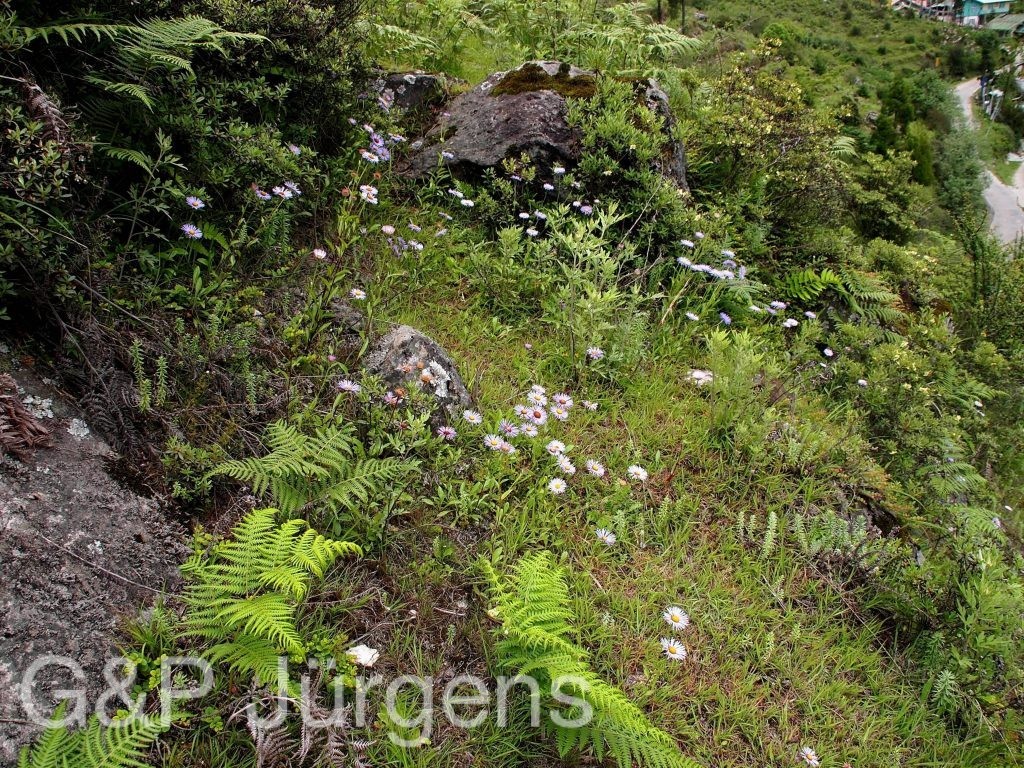
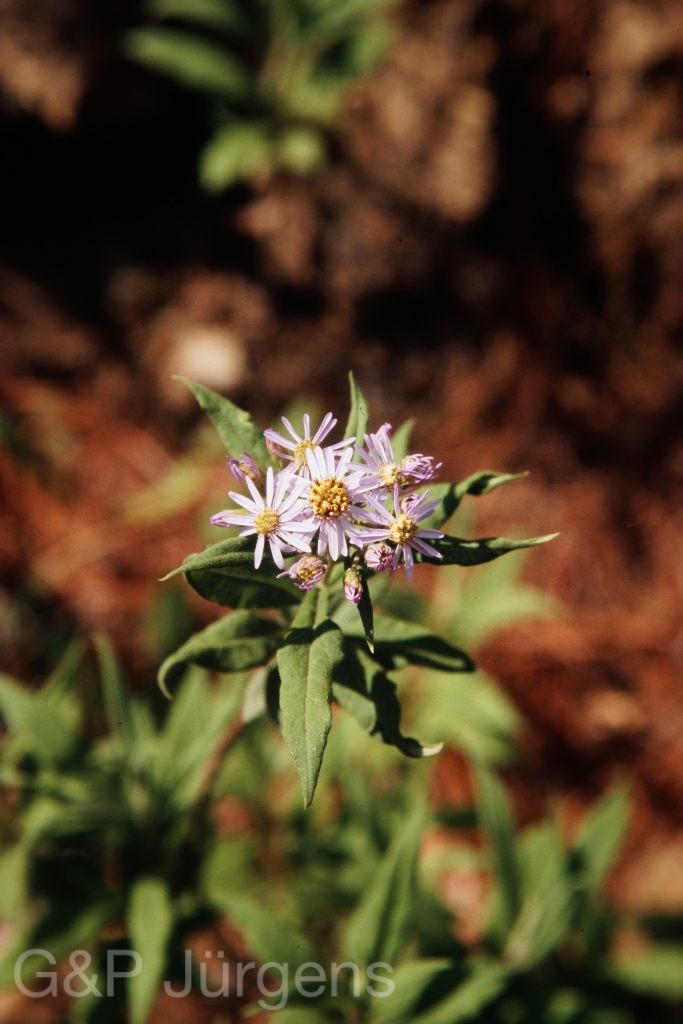
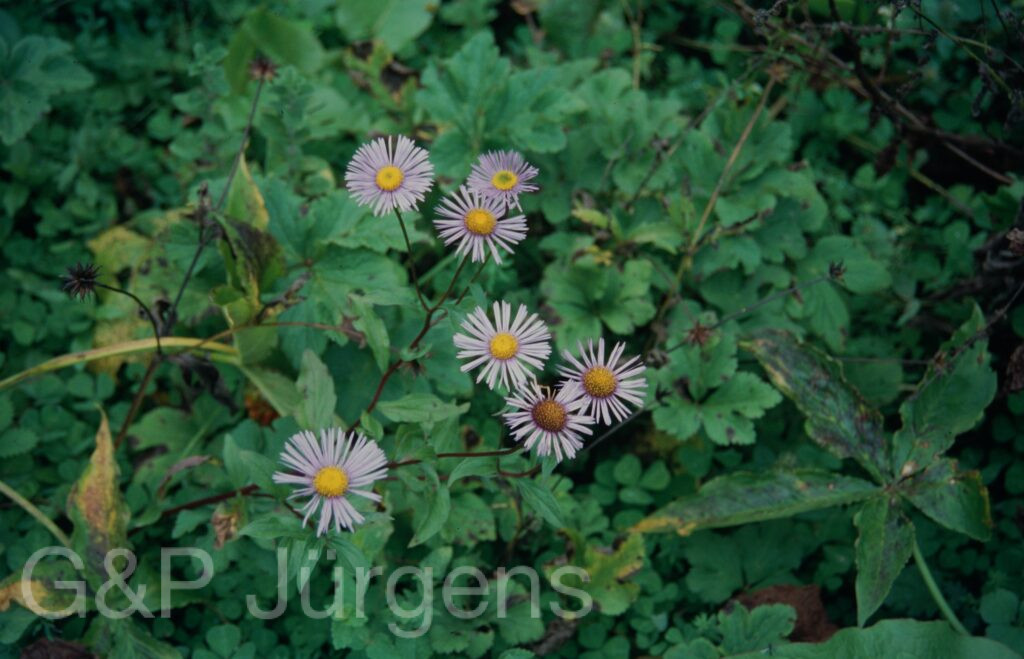
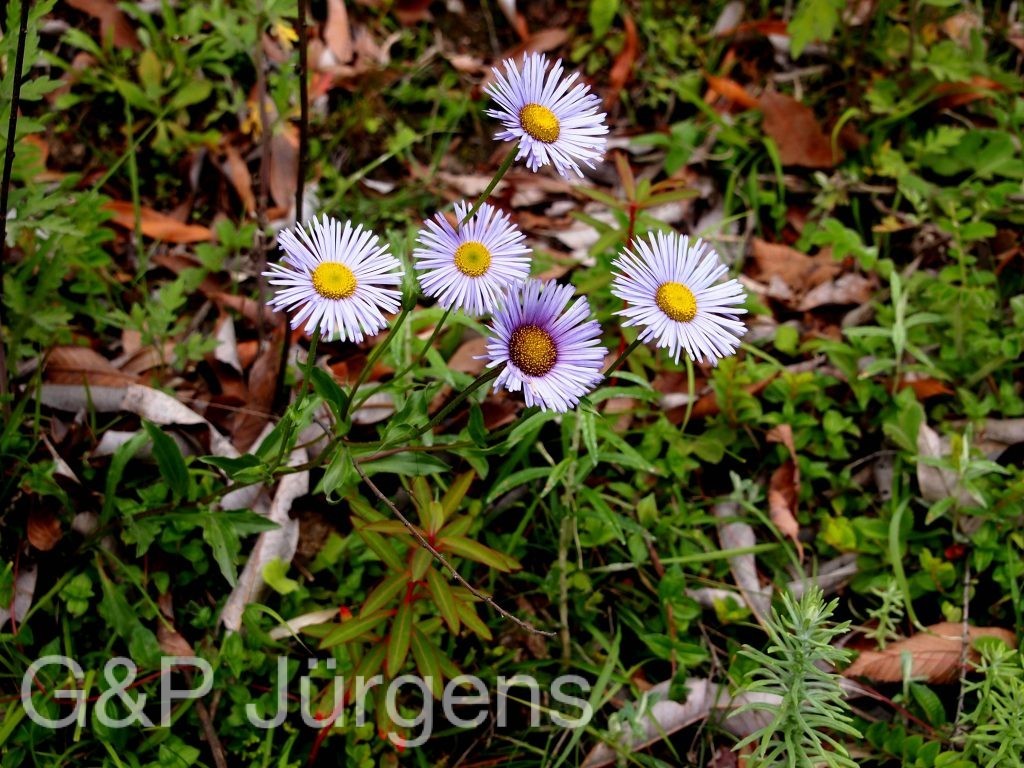
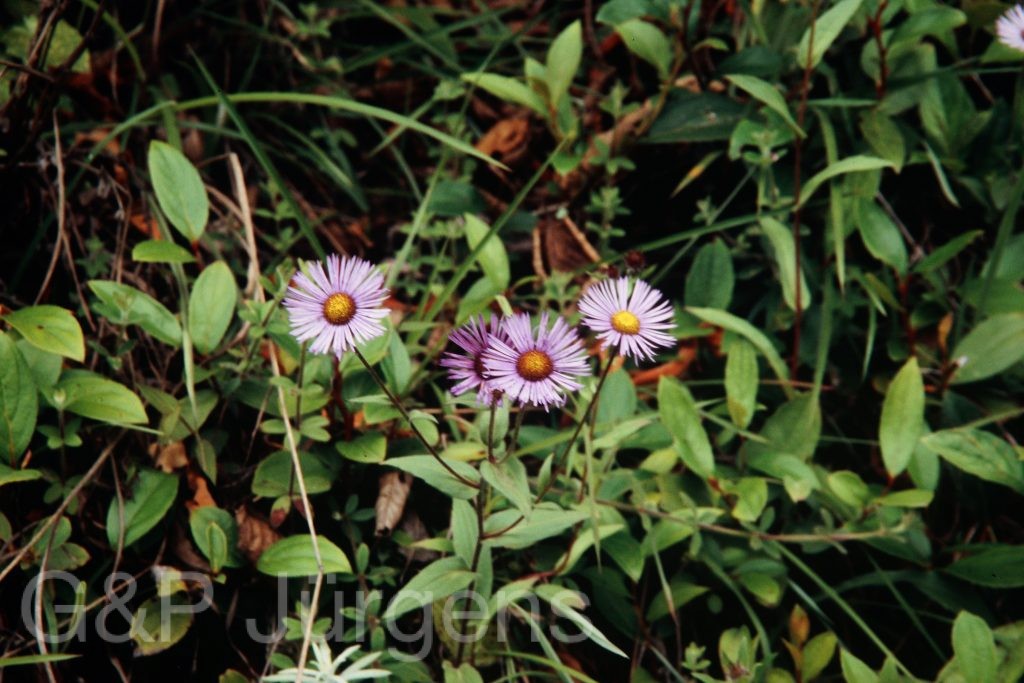
C.B.Clarke

Garw 2005 40 ergebnis ergebnis
India Garhwal Valley of flowers 2900m, September
Garw 2005 25 ergebnis ergebnis
India Garhwal Valley of flowers 2900m, September

Description

Aster thomsonii is a western and central Himalayan daisy ranging through India, Pakistan and Nepal, with roughly 223 GBIF records. It inhabits open slopes, forest clearings, meadows and shrubby banks in the temperate and subalpine zone. The material from the Valley of Flowers in Garhwal at about 2900 m, flowering in September, is characteristic of its preference for moist, well-lit montane sites where it blooms late in the growing season as the monsoon recedes, often forming scattered colonies among grasses and other tall herbs.

The plant is a perennial herb with erect, often branched stems bearing alternate, simple leaves that are ovate to lanceolate, the lower ones petiolate and the upper sessile and somewhat clasping, with toothed margins and a thinly hairy surface. The flower heads are radiate and solitary or few at the branch tips, with an involucre of imbricate, herbaceous phyllaries. The ray florets are female and ligulate, lilac to pale blue-violet, surrounding a central disc of numerous yellow, tubular, bisexual florets. The fruit is a flattened, hairy achene crowned by a pappus of fine barbellate bristles that aids wind dispersal.

Though catalogued here under the name Aster thomsonii C.B. Clarke, this name is treated as a synonym in current taxonomic databases, with Aster thomsonii cited as the accepted name following the ongoing recircumscription of Aster and its segregate genera in the eastern Old World. Such reassignments reflect molecular evidence that the traditional broad Aster is polyphyletic. The species remains a widespread and unthreatened component of Himalayan herbaceous vegetation.

Author: C.B.Clarke · Sources: POWO (Kew), GBIF, Flora of Pakistan, Flora Simlensis, Grierson's revision of Himalayan Aster

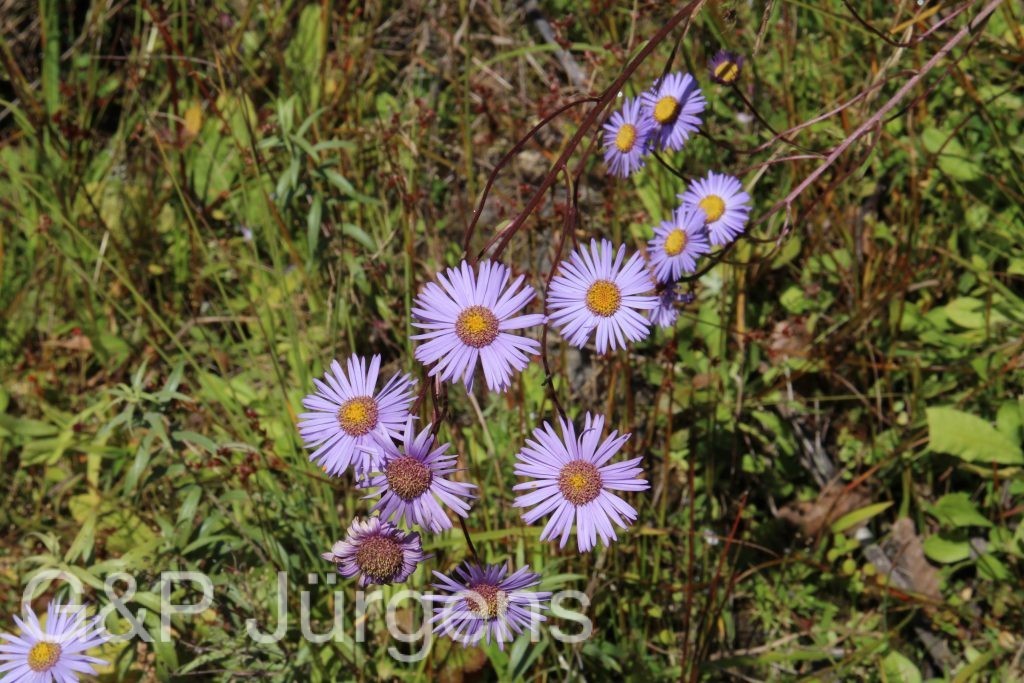
C.B.Clarke

Bhutan2015 326
Bhutan Trongsa 2200m, October
Sikkim2011 182
Sikkim Lachung 2600m, June
Sikkim2011 188
Sikkim Lachung 2600m, June
Bh09 311 G477
Bhutan Yetong-La, 2900m June

Description

Aster tricephalus is a Himalayan species ranging through India, Nepal, Pakistan, China and Bhutan, GBIF recording some 87 occurrences along the temperate Himalayan chain. It grows on open grassy and shrubby slopes, in forest clearings, along banks and in subalpine meadows where it benefits from full sun and moist, well-drained soils. The cited gatherings span its altitudinal range: Trongsa in central Bhutan at 2200 m in October, Lachung in Sikkim at 2600 m in June, and the Yetong-La at 2900 m in June. This spread of localities, flowering from early summer through to autumn, reflects its presence across the temperate to lower subalpine belt of the Eastern Himalaya.

It is a perennial herb arising from a short rhizome, with erect, leafy, often pubescent stems. The leaves are alternate, the lower ones oblanceolate and narrowed to the base, the upper smaller, sessile and somewhat clasping, with entire or slightly toothed margins and scabrid or hairy surfaces. The capitula are radiate and few, sometimes clustered into a small terminal group as the epithet suggests; the involucre is campanulate with imbricate, herbaceous phyllaries in several rows. The ray florets are female and ligulate, mauve to purplish-blue, surrounding numerous yellow tubular disc florets. The cypselae are flattened and hairy, bearing a pappus of fine barbellate bristles.

Aster in the strict modern sense (tribe Astereae) is centred on Eurasia, and many Himalayan species formerly placed here have been variously reassigned among segregate genera, so the generic placement of montane taxa such as A. tricephalus remains under continuing taxonomic scrutiny. Attributed to C. B. Clarke, it is treated as an accepted species. Its violet-rayed heads attract a range of bees, hoverflies and butterflies. As a widespread plant of open montane habitats it is not regarded as threatened.

Author: C.B.Clarke · Sources: POWO (Kew), GBIF, Flora of Bhutan, Flora of China, Annotated Checklist of the Flowering Plants of Nepal, Grierson's revision of Himalayan Aster (Astereae)

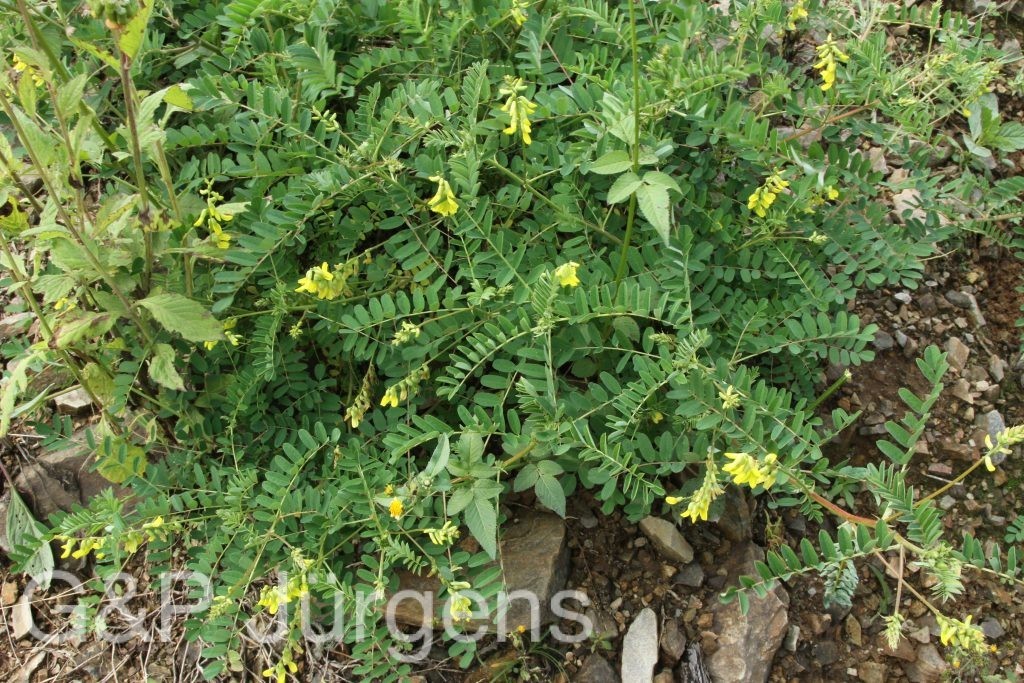
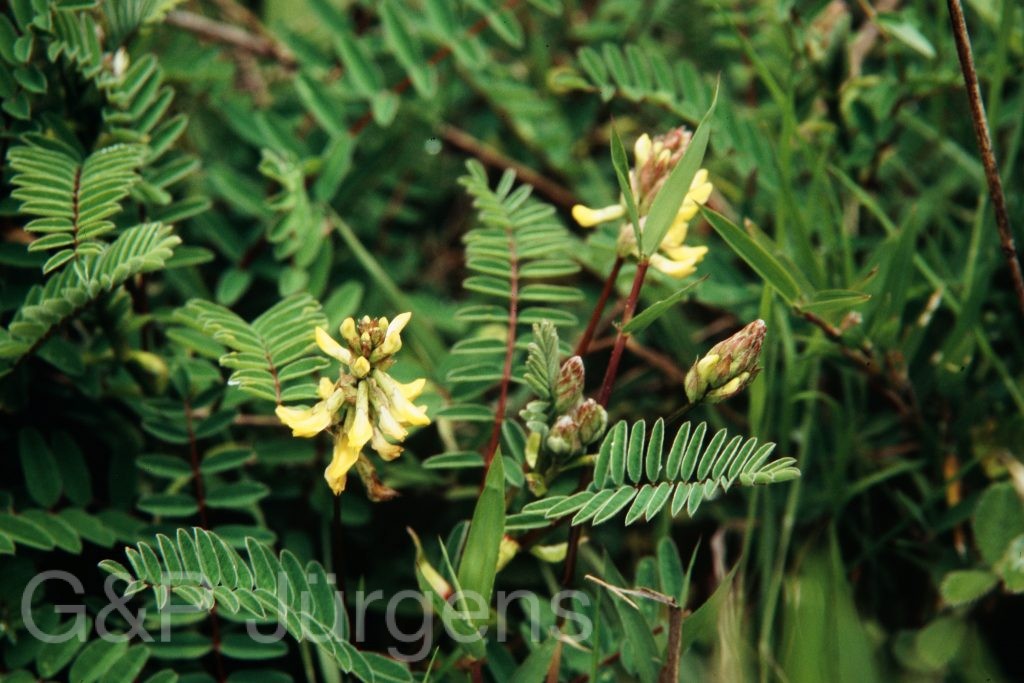
Lindl.

Bhutan2015 515
Bhutan Phobjika 2600m, October
Bh09 300 G494
Bhutan Kiki-La, 2100m June

Description

Astragalus chlorostachys is a perennial legume of the inner valleys and dry montane slopes of the Himalaya and Central Asia, ranging through India, Pakistan, Nepal, Bhutan, Afghanistan and China, with around 270 documented occurrences (records from Belgium and Switzerland representing herbarium and cultivated material). It favours open grassy slopes, forest margins, scrub and disturbed ground in the warm- to cool-temperate belt, broadly between about 2000 and 3000 m. The photographed plants were recorded in Bhutan at Phobjika at 2600 m in October and at the Kiki-La at 2100 m in June, indicating a long flowering and fruiting season through the growing months.

The species is an erect to ascending herb with several stems arising from a woody rootstock, the herbage finely appressed-pubescent. The leaves are imparipinnate with numerous opposite, oblong to elliptic leaflets. The flowers are crowded into dense, elongate, spike-like axillary racemes (the green-tinged inflorescence reflected in the epithet chlorostachys); the calyx is tubular and pubescent, and the papilionaceous corolla is small, yellowish to greenish-white or pale lilac. The fruit is a small, sessile or shortly stipitate pod, more or less inflated and pubescent, dehiscent at maturity.

Astragalus is among the largest genera of flowering plants, and its Himalayan members are taxonomically intricate; A. chlorostachys is placed among the densely spicate-flowered milkvetches of the region. Like many of its congeners it is a nitrogen-fixing pioneer of disturbed and grazed terrain, providing fodder and contributing to soil enrichment. It is common across a wide range and is not considered to be of conservation concern.

Author: Lindl. · Sources: POWO (Kew), GBIF, Flora of Bhutan, Flora of Pakistan, Astragalus monograph (Podlech & Zarre)

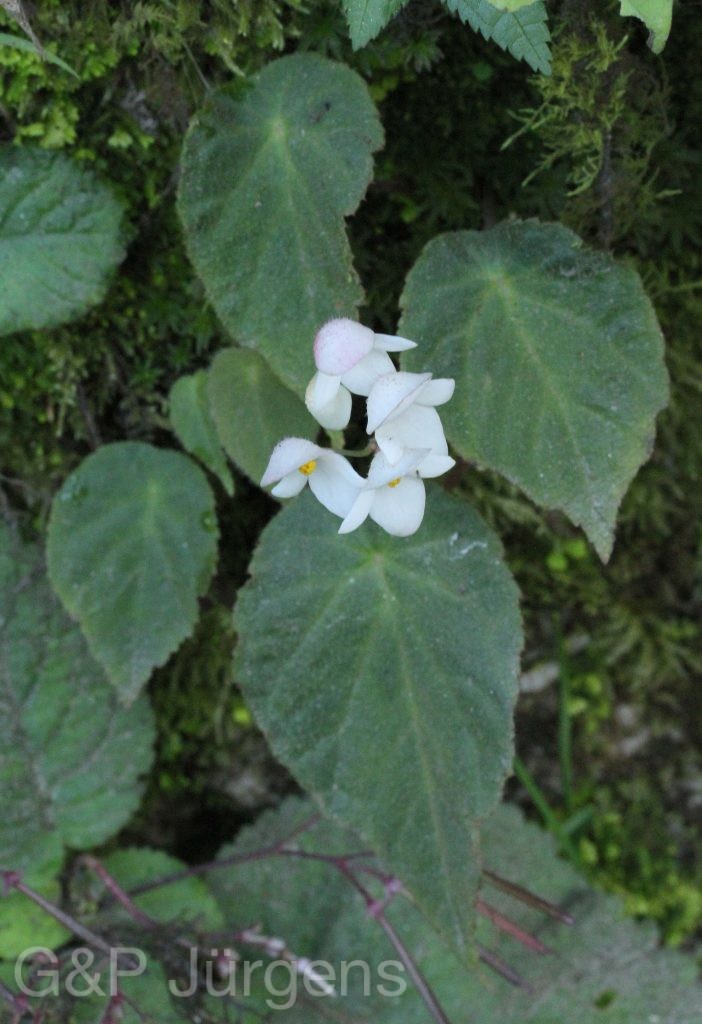
Begonia dioica

by GP Jürgens

Buch.-Ham. ex D.Don

Bhutan2012 472
Bhutan Wangdi 2500m, September

Description

Begonia dioica is a Himalayan tuberous herb whose GBIF range (c. 147 occurrences) centres on India, Nepal, Bhutan and Pakistan, with a few cultivated European records. It grows in shaded, humid situations—mossy rock faces, damp banks, ravine walls and broadleaved forest floor—generally at mid elevations between roughly 1000 and 2800 m, flowering through the monsoon into autumn. The plant photographed from Wangdi (Wangdue) in Bhutan at 2500 m, in flower in September, typifies its preference for cool, moist, partially shaded montane microhabitats kept continuously damp by seepage.

It is a low, succulent, monoecious perennial arising from a small subterranean tuber, with reddish, watery, more or less hairy stems 10–40 cm tall. The leaves are alternate, ovate and markedly asymmetric (oblique) at the base in the manner characteristic of the genus, palmately veined, with a serrate to shallowly lobed, ciliate margin. As in all Begonia the flowers are unisexual and borne in axillary cymes; staminate flowers have two larger and two smaller white to pinkish tepals with yellow stamens, while pistillate flowers subtend an inferior, three-winged ovary. The fruit is a membranous, unequally three-winged capsule releasing minute seeds.

Described by Buchanan-Hamilton (ex D. Don), the epithet "dioica" is misleading because the species is in fact monoecious—a frequent source of nomenclatural confusion in Begonia, a genus of several thousand species. It is locally frequent and not regarded as threatened, though dependent on intact shaded forest and seepage. Ecologically it specialises in moist rock and forest-floor niches, its dust-like seeds dispersed by water splash and air currents.

Author: Buch.-Ham. ex D.Don · Sources: POWO (Kew), GBIF, Flora of Bhutan, Flora of British India, Begoniaceae (Doorenbos, Sosef & de Wilde monograph)

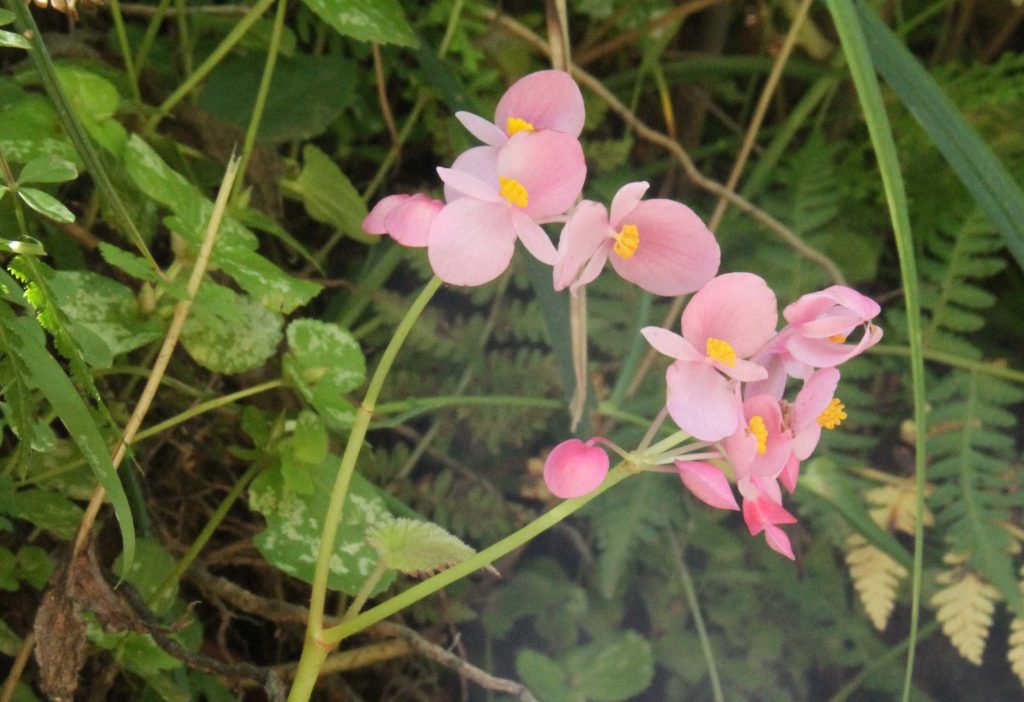
Begonia josephi

by GP Jürgens

A.DC.

Bhutan2012 487
Bhutan Pele-La 2850m, September

Description

Begonia josephi is a Himalayan herb distributed through India, Nepal, Bhutan, southern China, Myanmar and Bangladesh, with 177 GBIF occurrences across the region. It is a plant of cool, humid, shaded montane habitats — mossy rock faces, banks, ravines and the floor of broadleaved and mixed forest — in the temperate zone, generally between about 2000 and 3200 m, a higher and cooler niche than many of its lowland congeners. The illustrated plant from the Pele-La in central Bhutan at around 2850 m, in September at the end of the monsoon, is characteristic of its preference for moist, montane forest reaching its flowering peak late in the wet season.

It is a tuberous perennial herb arising from a depressed underground tuber, with one or few erect, succulent, often reddish stems. The leaves are alternate and conspicuously asymmetric (oblique-based) as in the genus, broadly ovate to suborbicular, palmately veined, irregularly toothed and frequently bronze- or red-tinged, sometimes with a paler zone. The monoecious, zygomorphic flowers are pink to rose and arranged in axillary cymes; staminate flowers bear a cluster of stamens while pistillate flowers carry an inferior, unequally 3-winged ovary. The fruit is the typical winged, dehiscent capsule releasing copious minute seeds.

Belonging to the tuberous Himalayan begonias of section Platycentrum and allied groups, B. josephi shows the strongly seasonal phenology of monsoon-climate species, dying back to its tuber through the dry winter and re-emerging with the rains. The genus Begonia is hyperdiverse and the Eastern Himalaya a significant centre of endemism; like other shade-demanding forest begonias the species depends on intact humid forest cover, leaving it locally vulnerable to deforestation despite a fairly wide overall range.

Author: A.DC. · Sources: POWO (Kew), GBIF, Flora of Bhutan, Flora of British India, Annotated Checklist of the Flowering Plants of Nepal, Begoniaceae monographic studies