
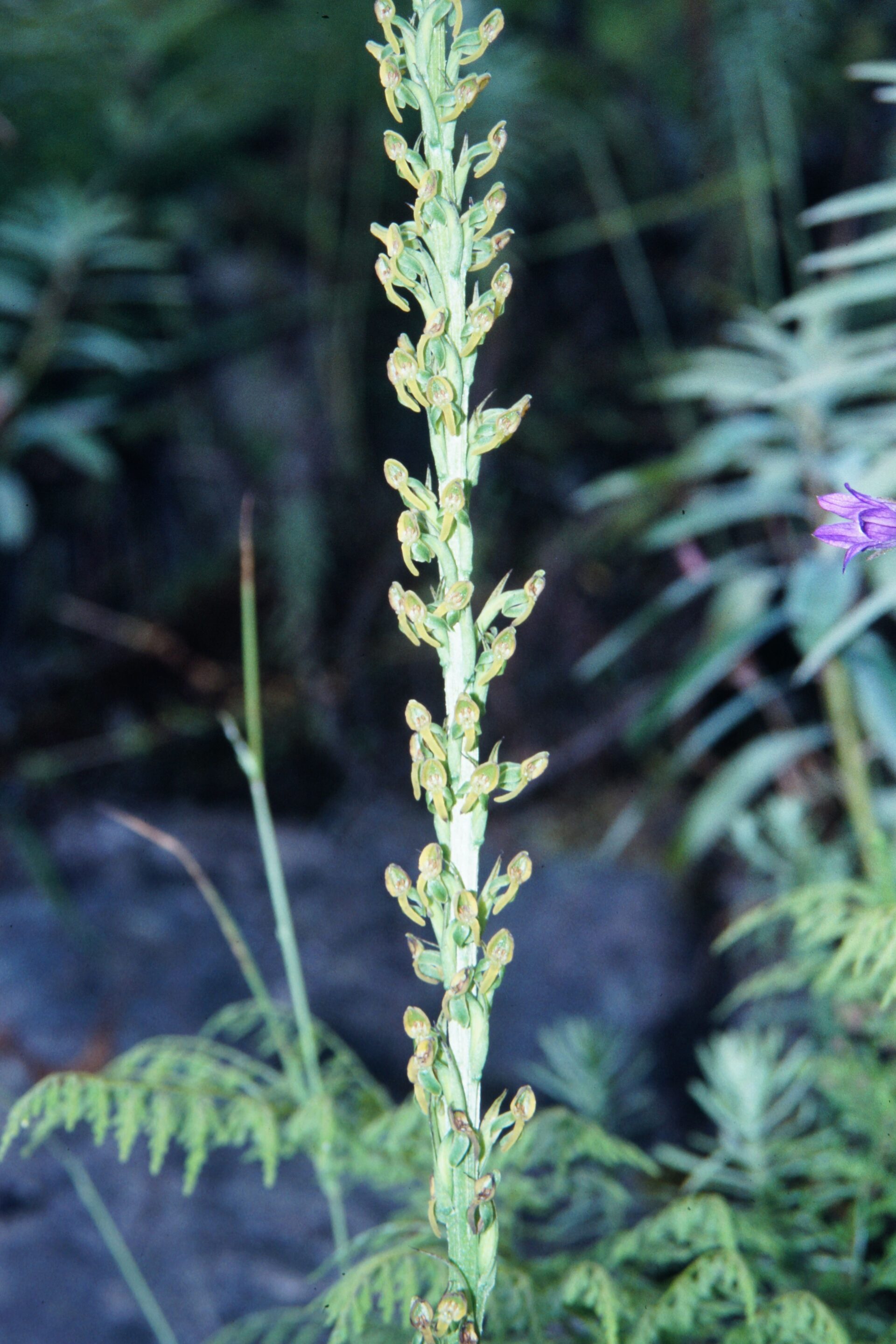
(DC.) Wall. ex Hand.-Mazz.
Description
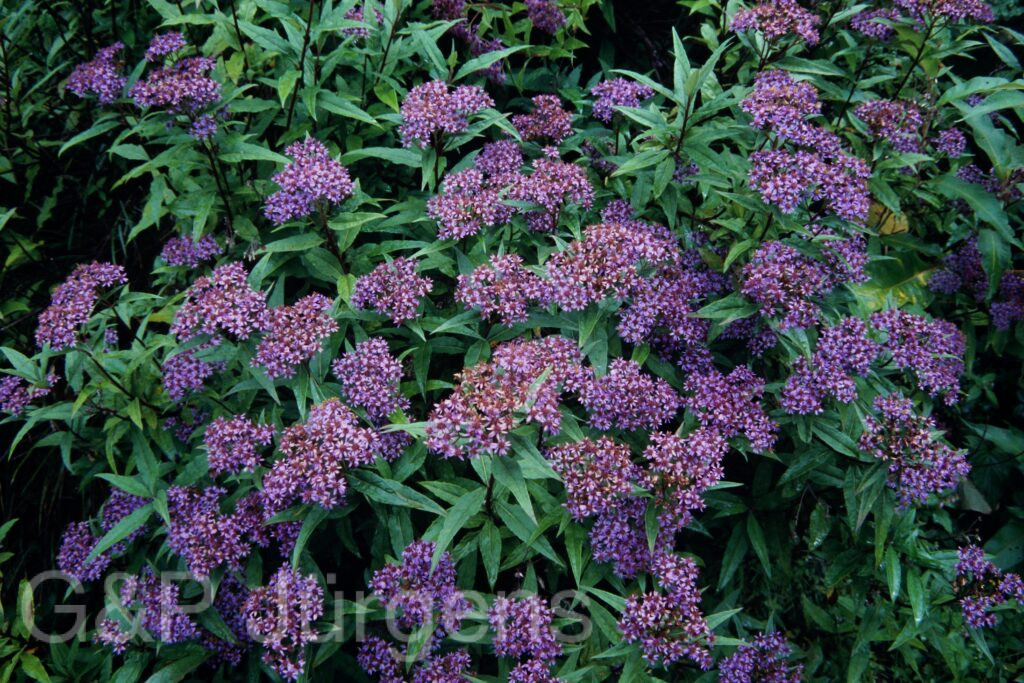
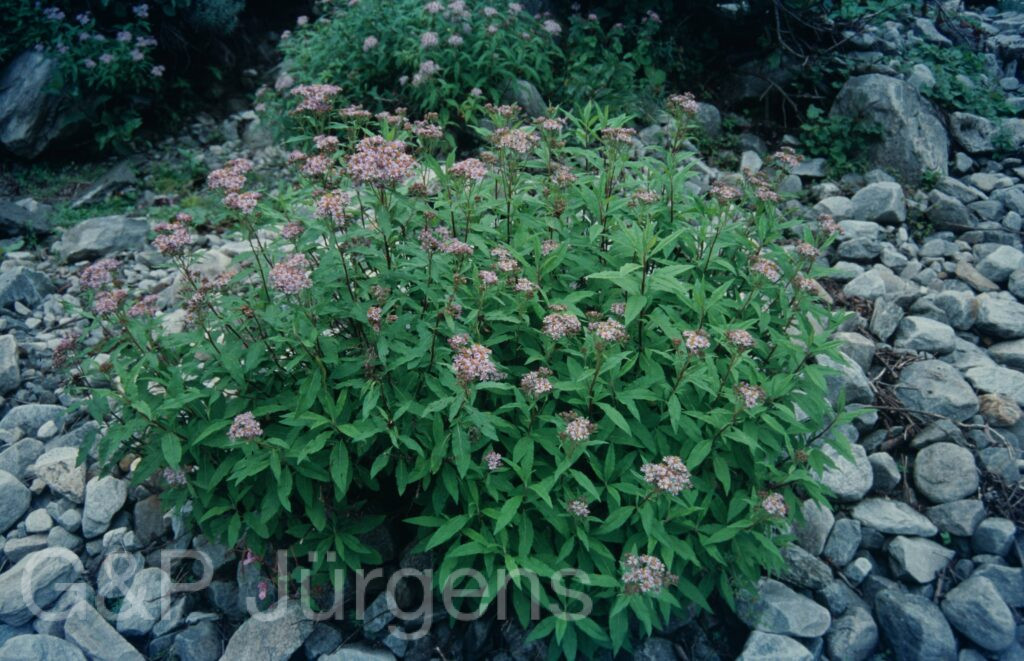
Aster albescens is a variable shrubby aster widespread through the Himalaya and into China, Myanmar and East Asia, with 1,298 GBIF occurrences from China, Nepal, India, Bhutan, Japan, Korea and Myanmar. It grows on forest margins, open slopes, shrubberies and stream banks in the upper temperate to subalpine zone, broadly between about 2000 and 4000 m. The images derive from Sikkim's Tista valley at 3600 m in August and from the Valley of Flowers in Garhwal, India, at 3200 m in September, monsoon-watered slopes where this late-summer flowerer is a frequent component of the shrub layer.
Unusually for an aster, it is a woody shrub or subshrub up to about 1-2 m, with erect, branched, often whitish-tomentose stems. The leaves are alternate, ovate to lanceolate or elliptic, shortly petiolate, with serrate to entire margins and a characteristically pale, white-felted lower surface (whence albescens), the upper surface greener and thinly hairy. The capitula are numerous and small, arranged in dense terminal corymbose panicles; each head bears few short white, pinkish or pale purple ray florets around a disc of yellow florets. The cypselae are compressed and pubescent, with a pappus of reddish to brownish barbellate bristles.
Described as Diplopappus albescens by de Candolle and transferred to Aster by Wallich ex Handel-Mazzetti, the species is highly polymorphic and has spawned numerous infraspecific taxa across its range. Its shrubby habit places it among the woody Himalayan-Sino asters retained in Aster sensu lato. Common and ecologically resilient across a broad area, it is not considered threatened.
Author: (DC.) Wall. ex Hand.-Mazz. · Sources: POWO (Kew), GBIF, Flora of Bhutan, Flora of China, Flowers of the Himalaya (Polunin & Stainton), Asteraceae of the Himalaya