Hara
Description
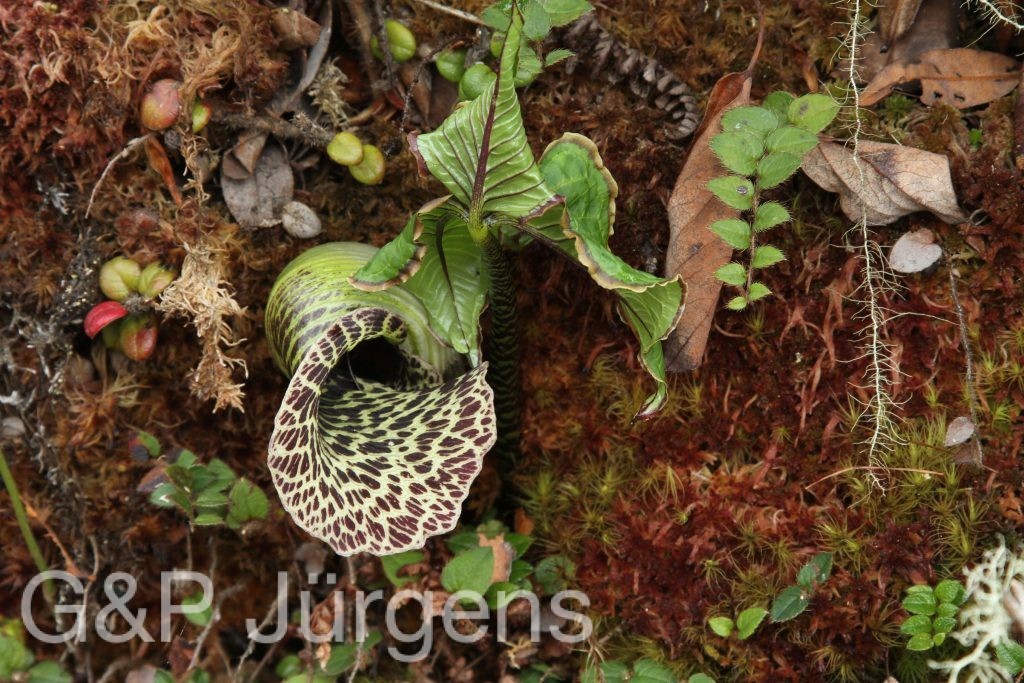
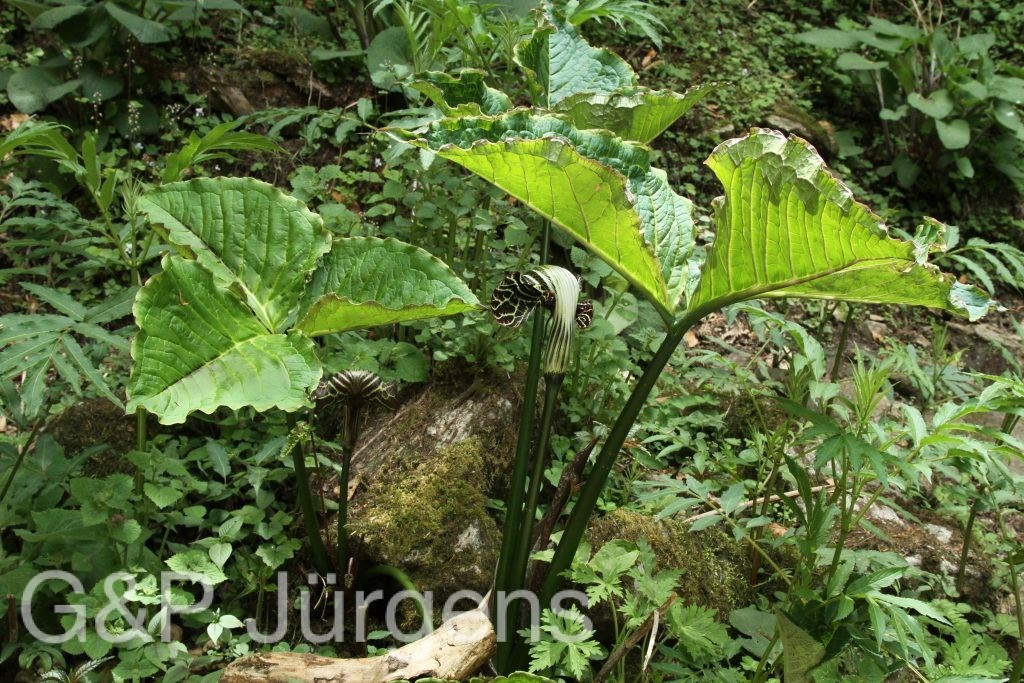
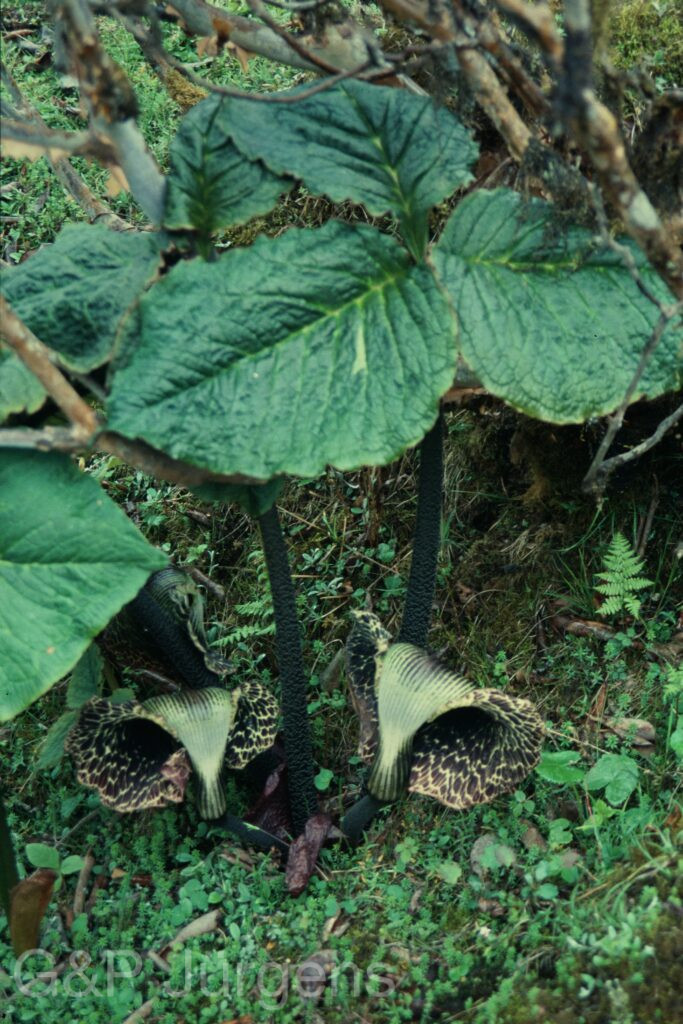
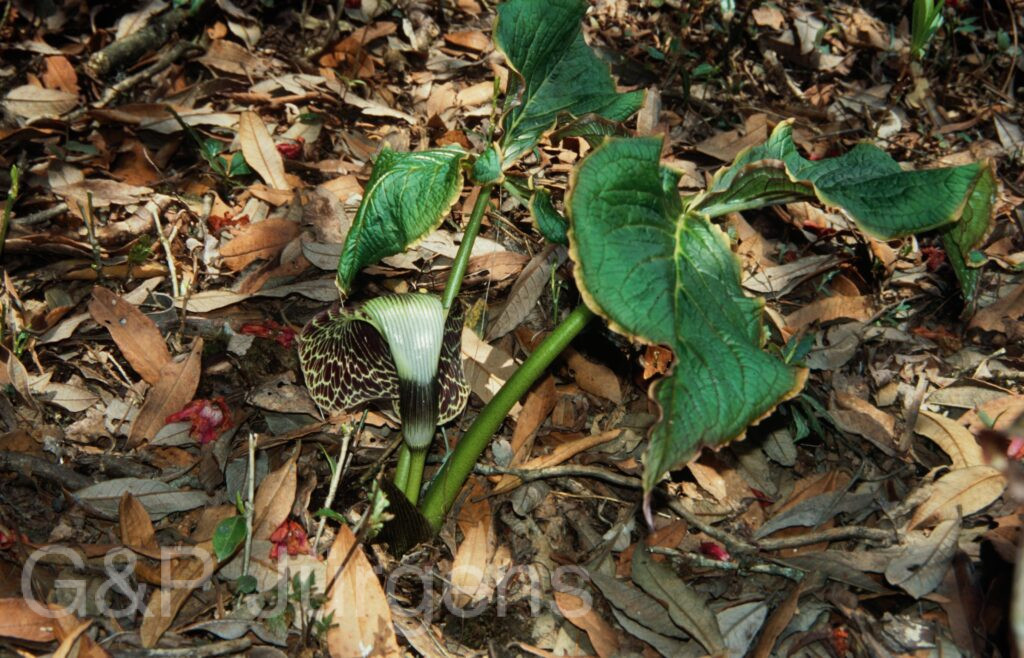
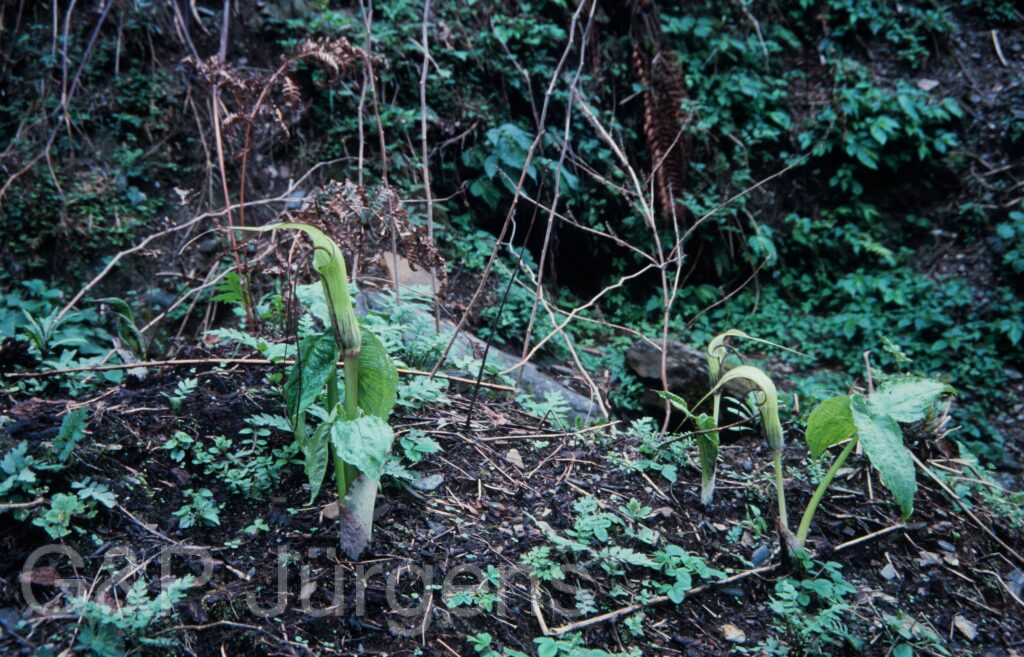
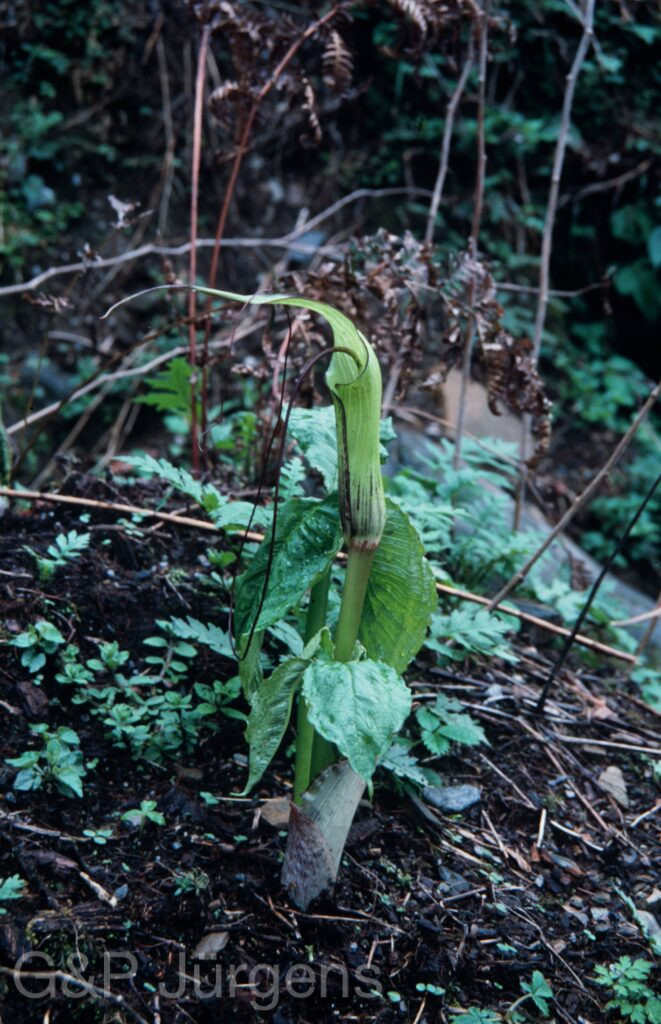
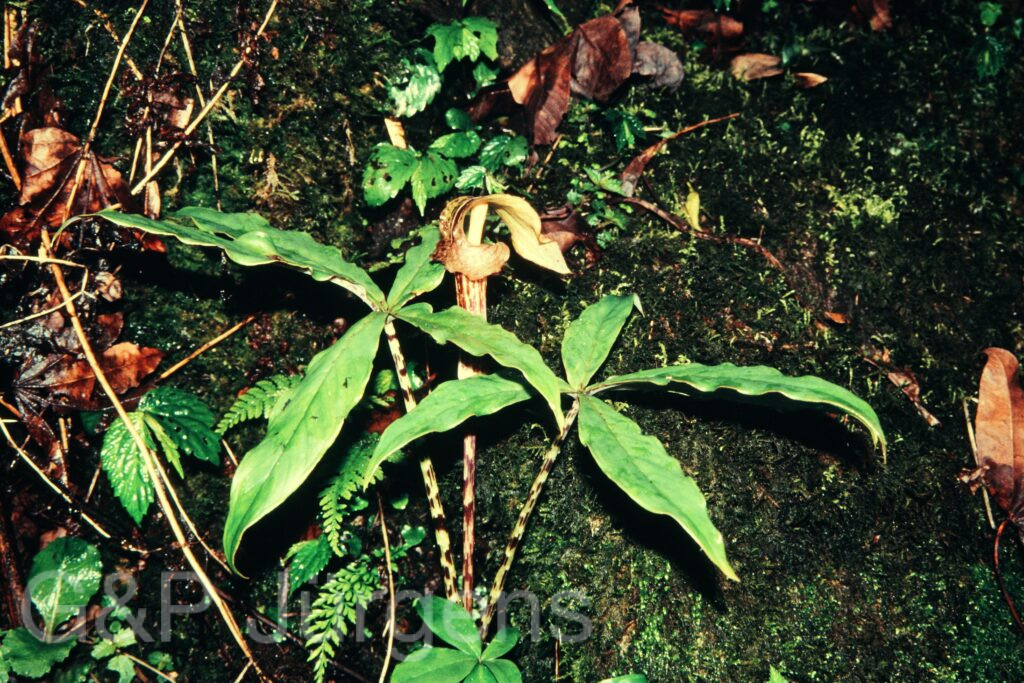
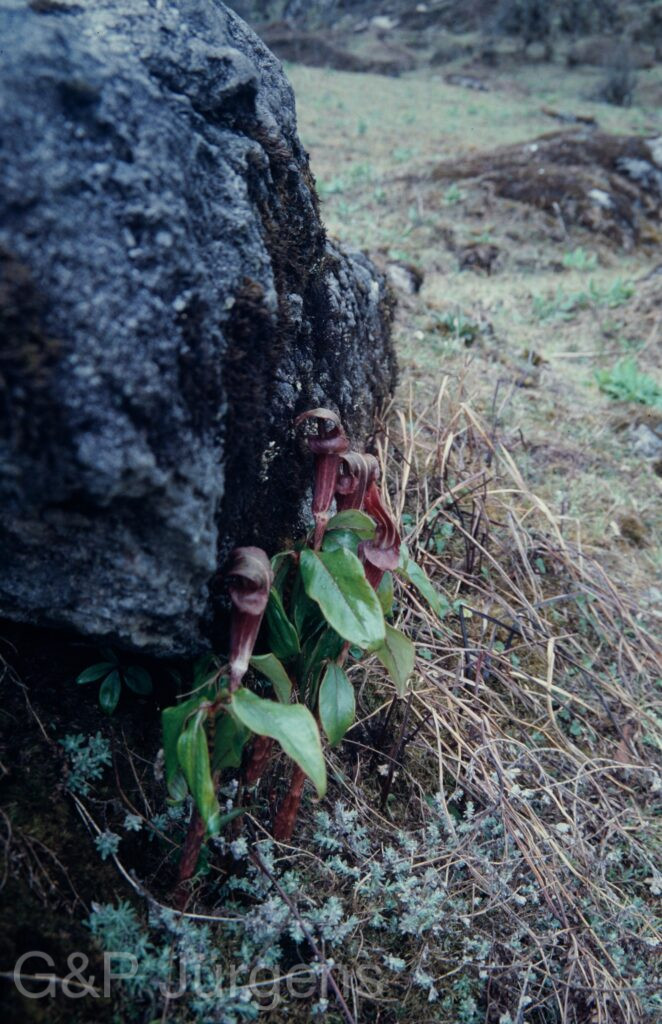
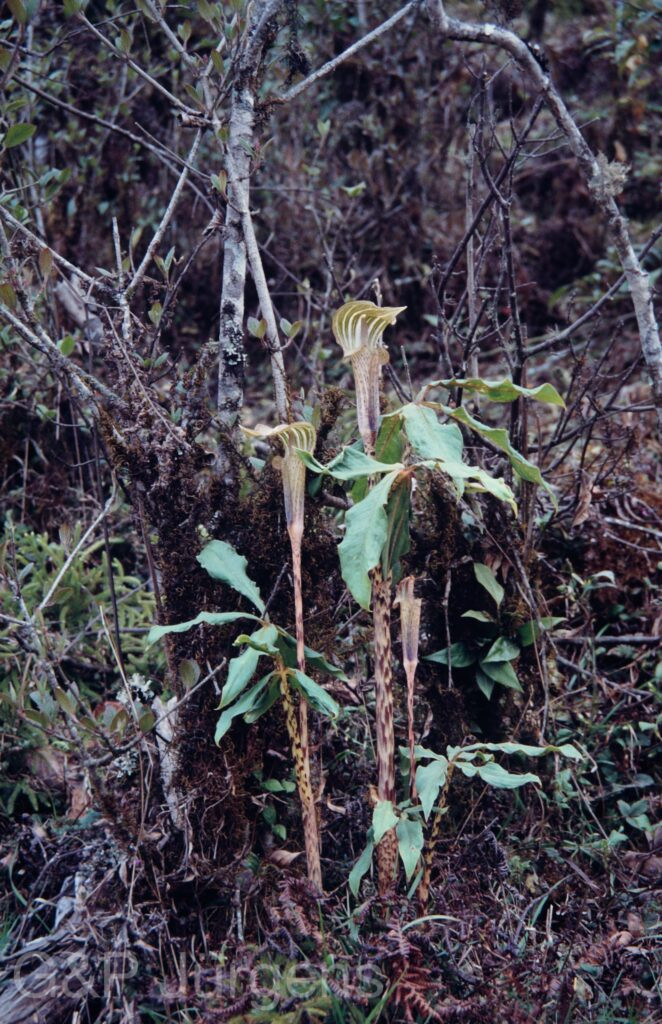
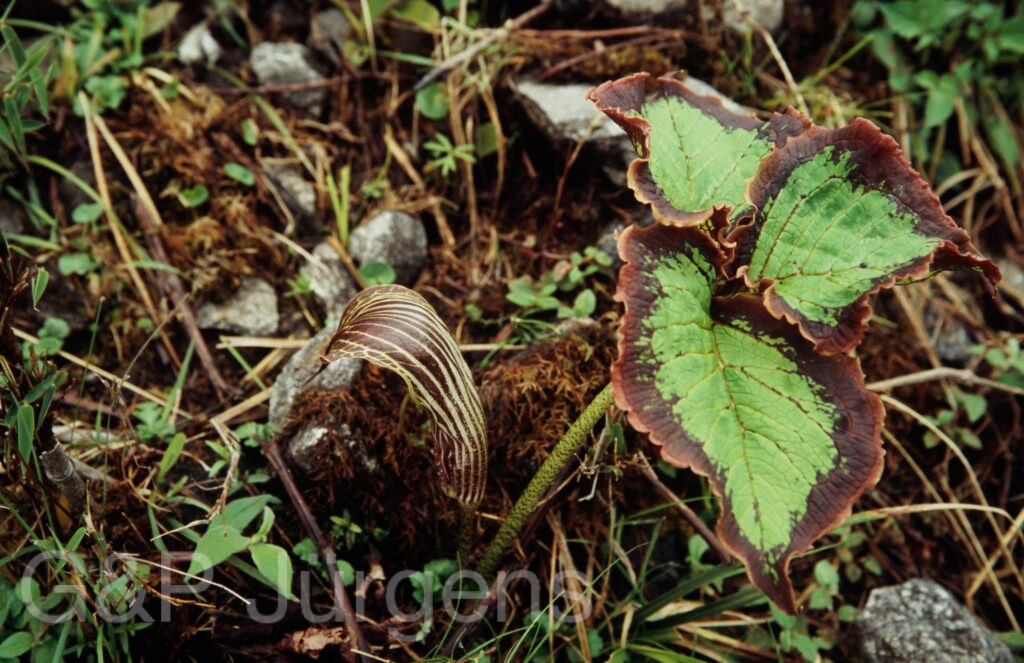
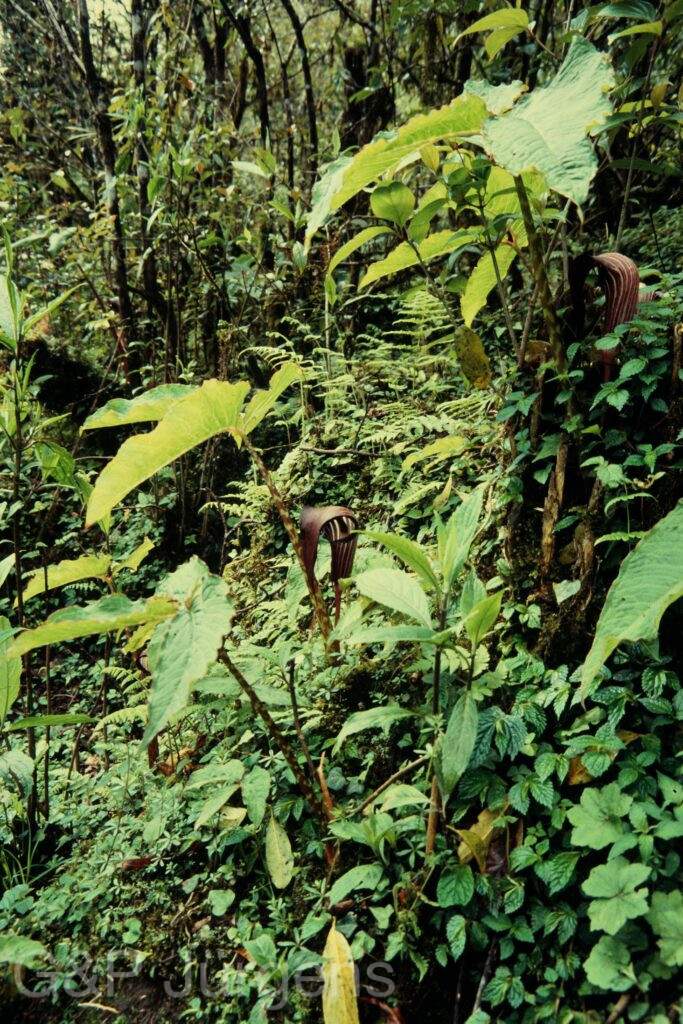
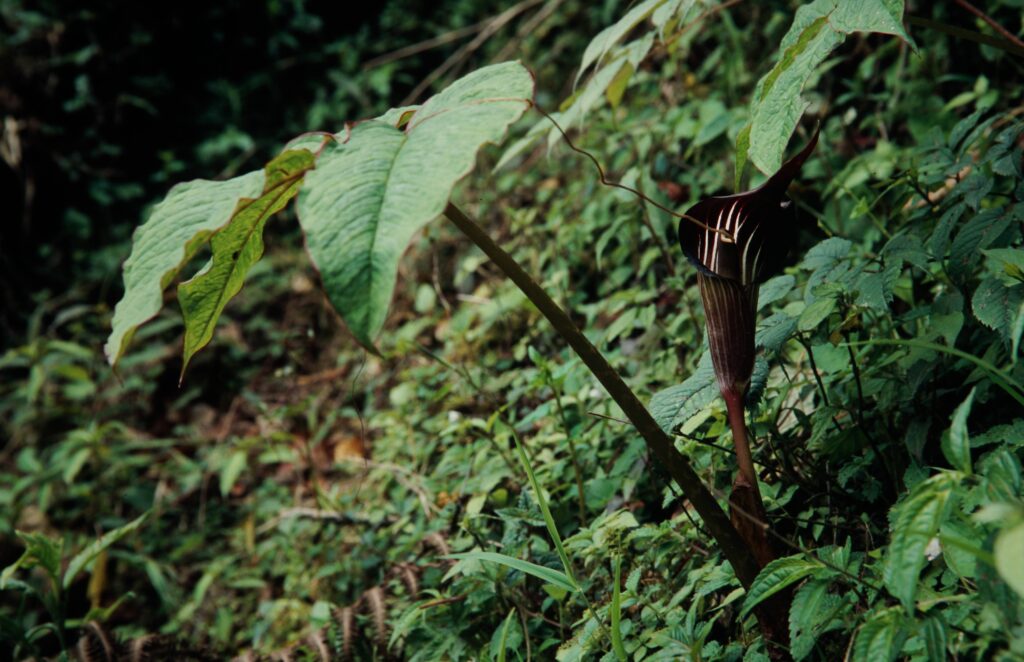
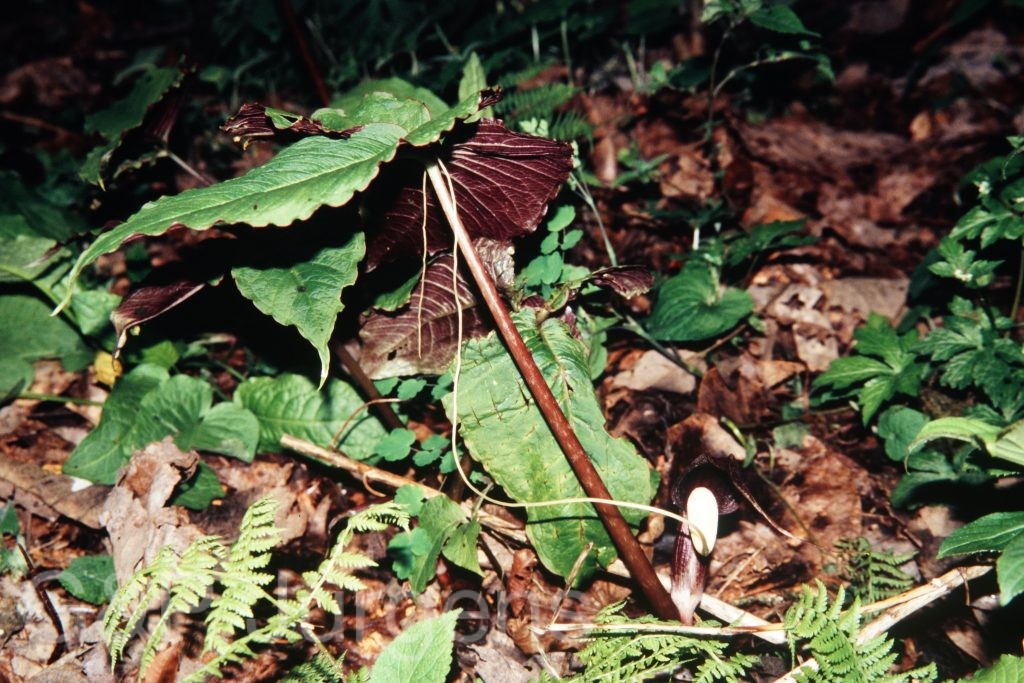
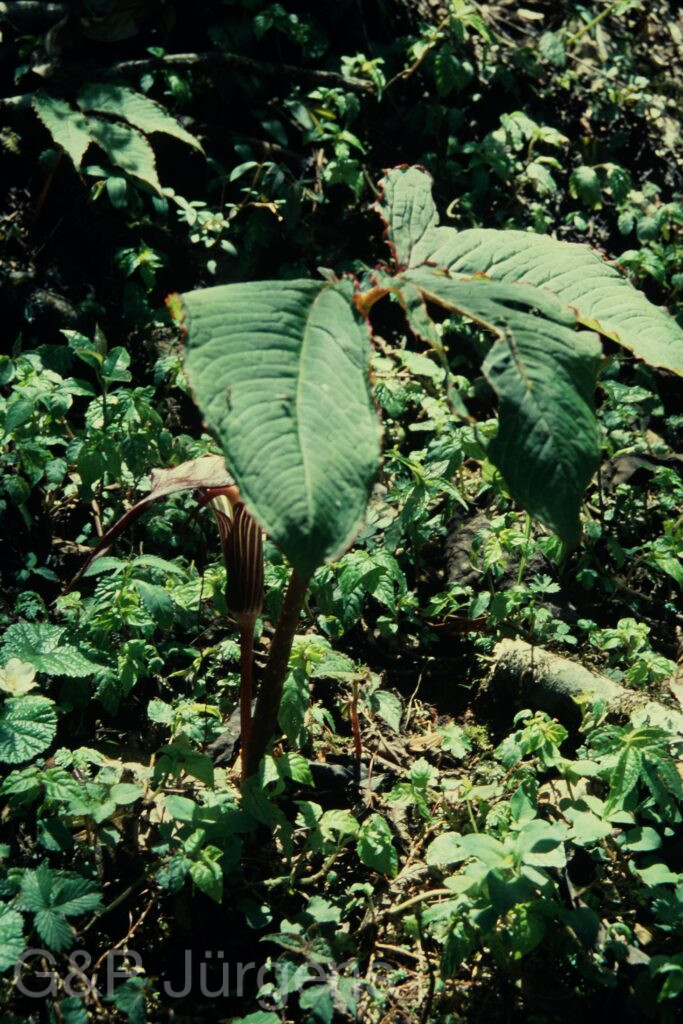
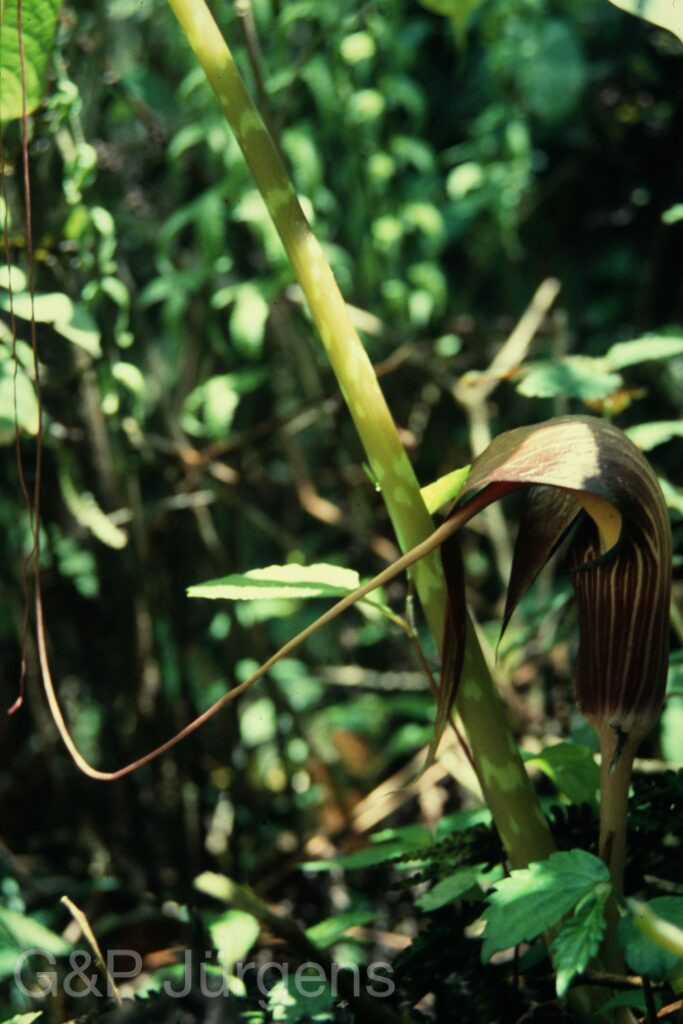
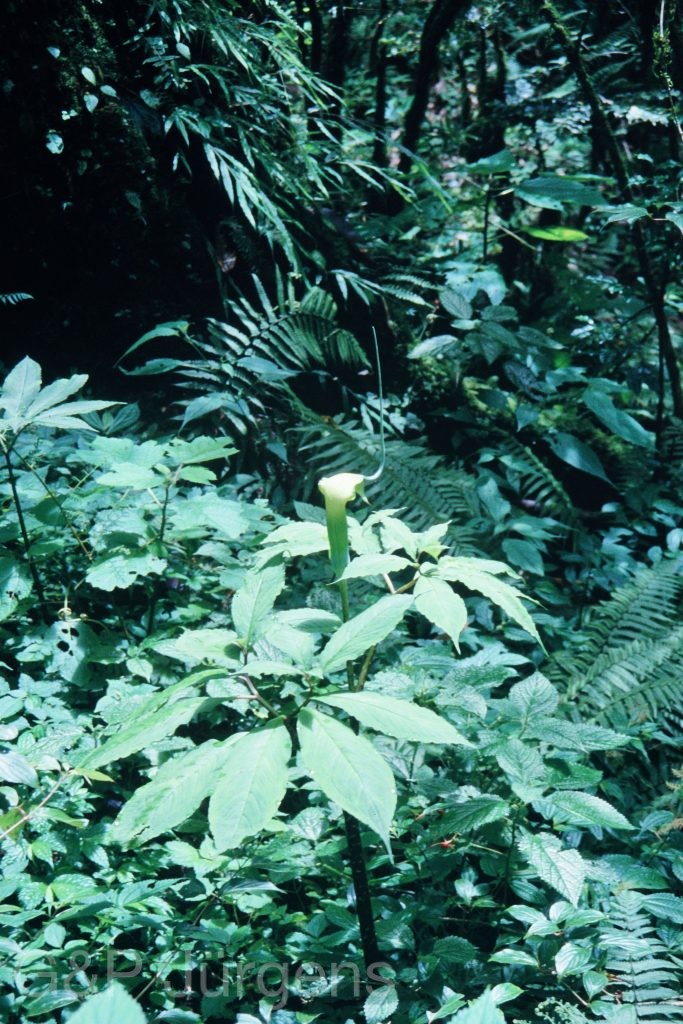
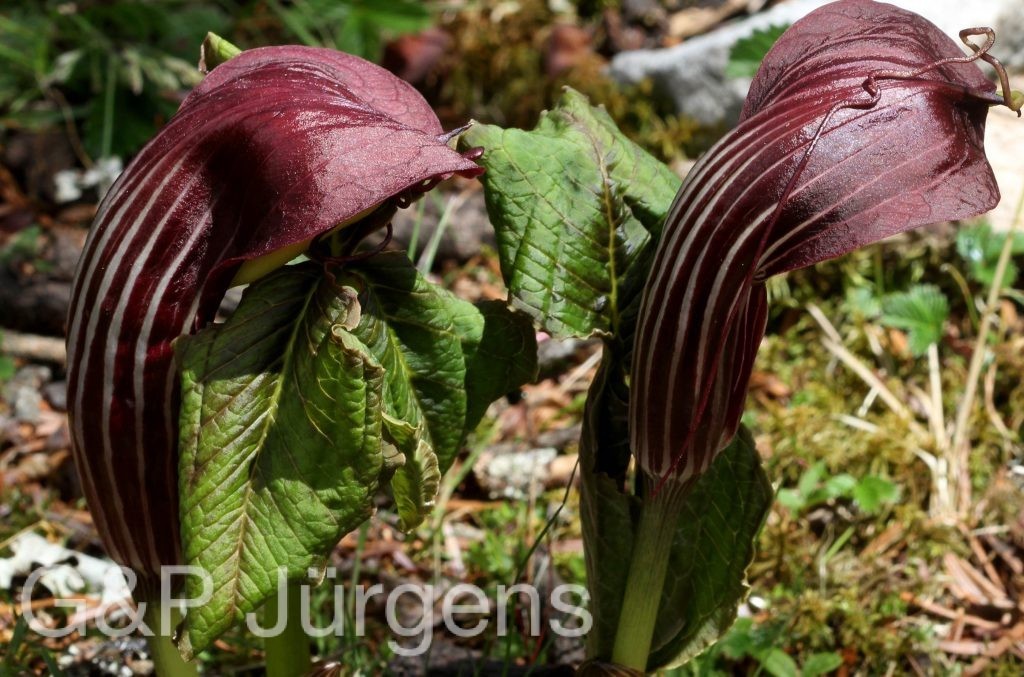
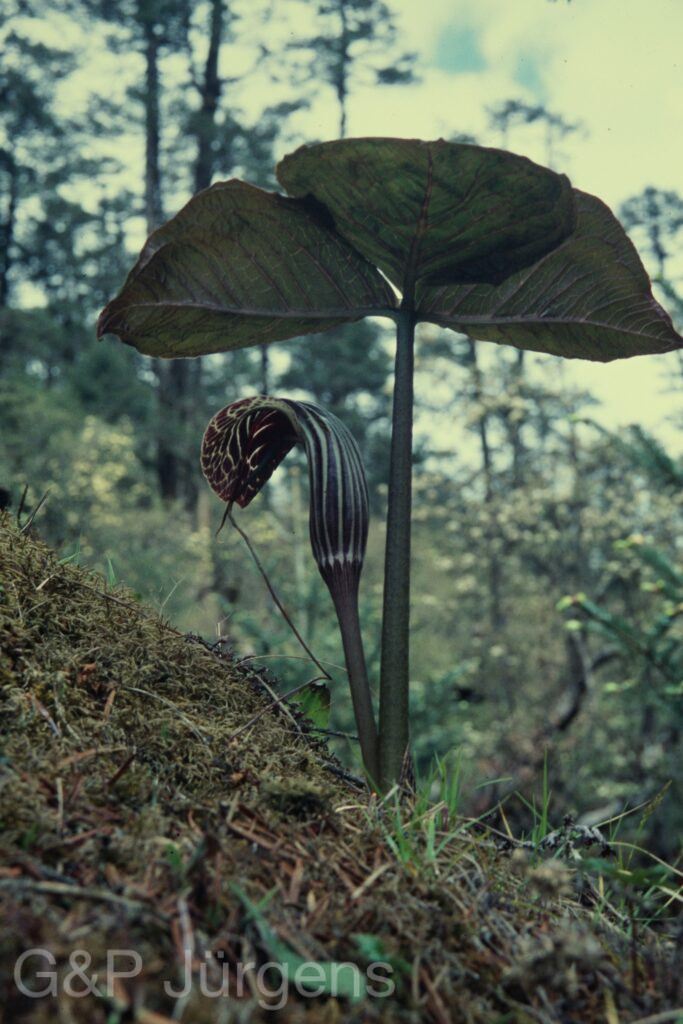
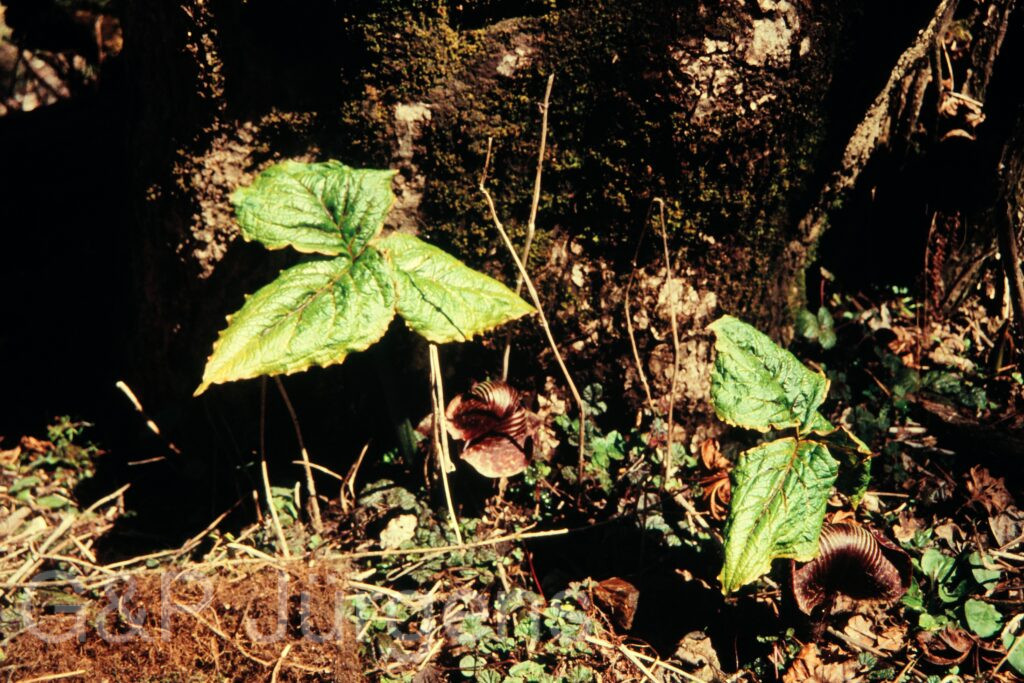
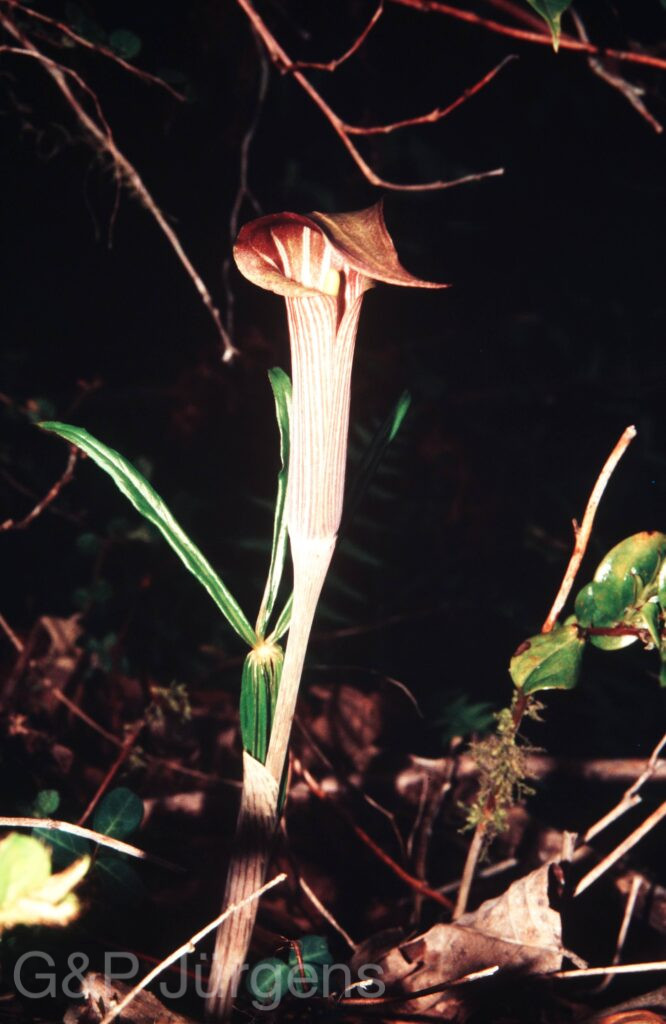
Arisaema exappendiculatum is a Himalayan tuberous aroid of restricted distribution. GBIF holds only some 43 occurrences, chiefly from Nepal and adjacent China, with a handful of herbarium-derived European records (Belgium). It is a plant of moist temperate broadleaved and mixed forest, shaded ravines and shrubby slopes, growing in humus-rich soils. The illustrated plant was photographed in the Helambu region of central Nepal near Koktrok at about 2,500 m in May, a typical station within its montane band of roughly 2,000–3,000 m, where it emerges and flowers with the onset of the pre-monsoon rains.
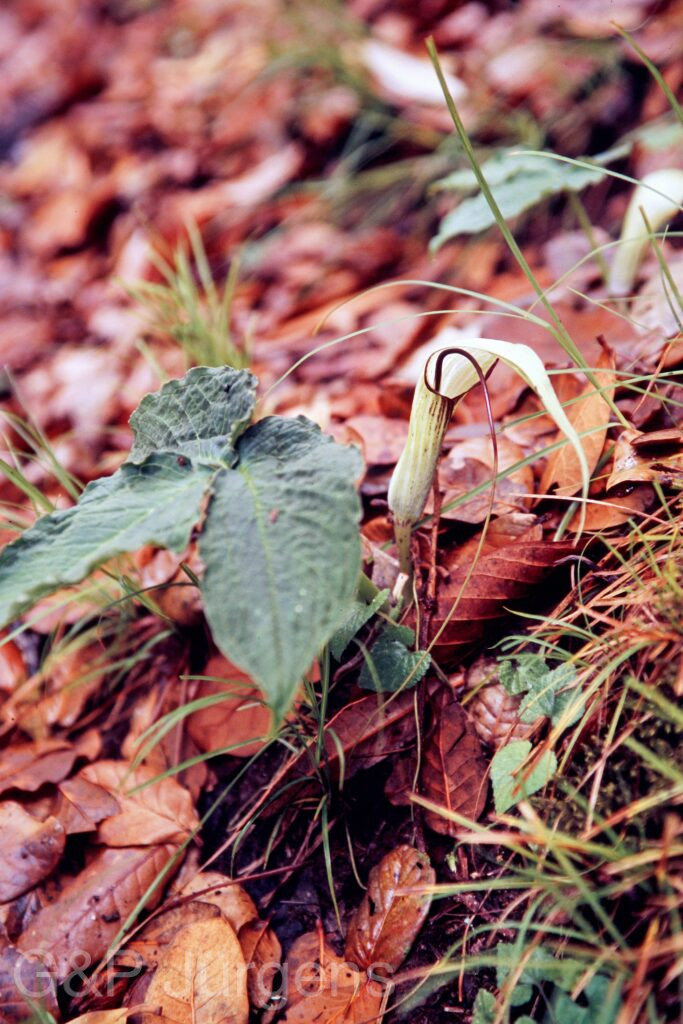
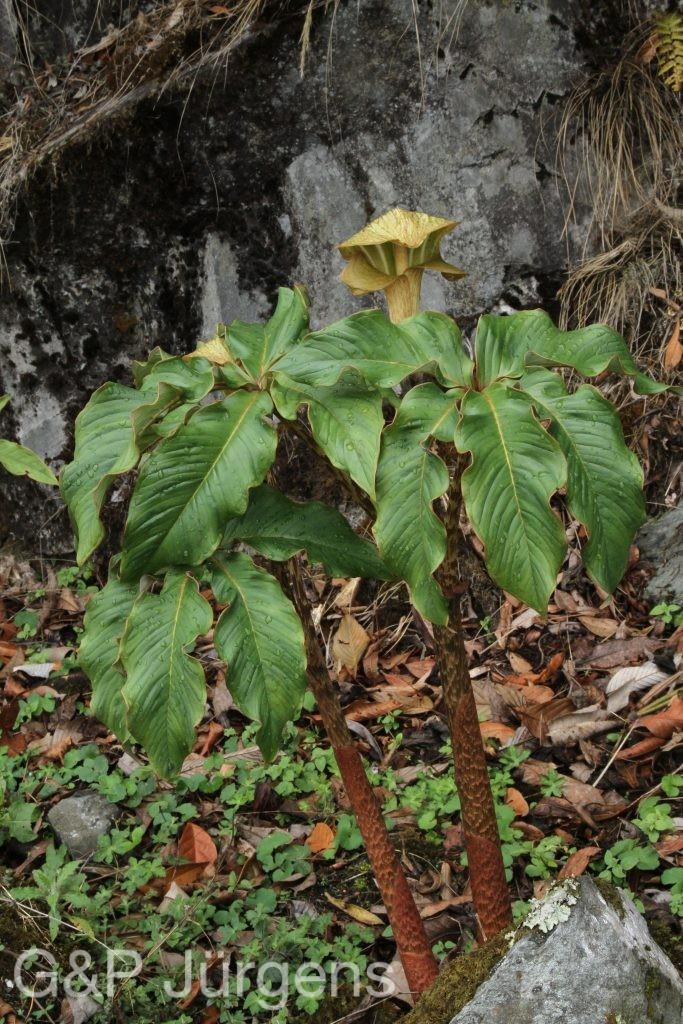
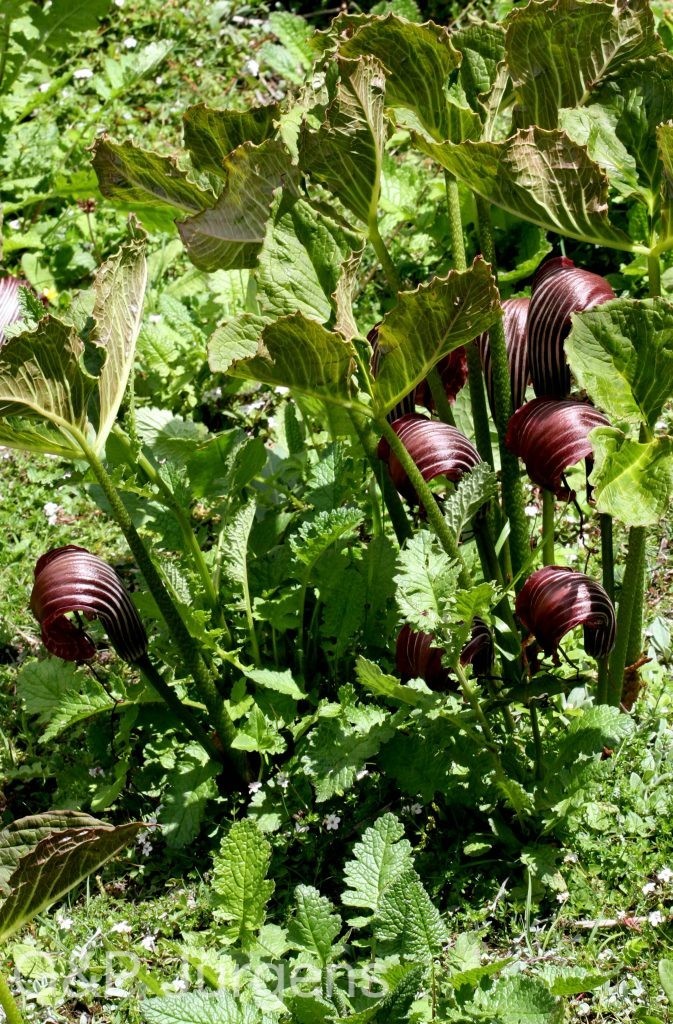
The plant arises from a depressed-globose tuber producing usually a single leaf with a long sheathing petiole. The leaf is pedately divided into several oblong-lanceolate, acuminate leaflets. The inflorescence is a spathe with a convolute tube and an arching, acuminate limb, greenish to purplish and often pale-striped. As the epithet indicates, the spadix appendix is reduced or absent (exappendiculate), the spadix tapering abruptly above the fertile zone. The plants are dioecious, sex expression depending on tuber size; the fruiting spadix bears a cluster of red berries.
The absence of a developed spadix appendage distinguishes A. exappendiculatum within the predominantly Asian genus Arisaema and aligns it with related Himalayan species. Owing to its narrow range and modest population sizes it warrants monitoring, though no formal IUCN assessment is established. Note that the input wp_link references A. erubescens, with which this taxon should not be confused.
Author: Hara · Sources: POWO (Kew), Flora of Nepal, Flora of China Vol. 23, GBIF, Gusman & Gusman: The Genus Arisaema (2006)