
C.B.Clarke
Description
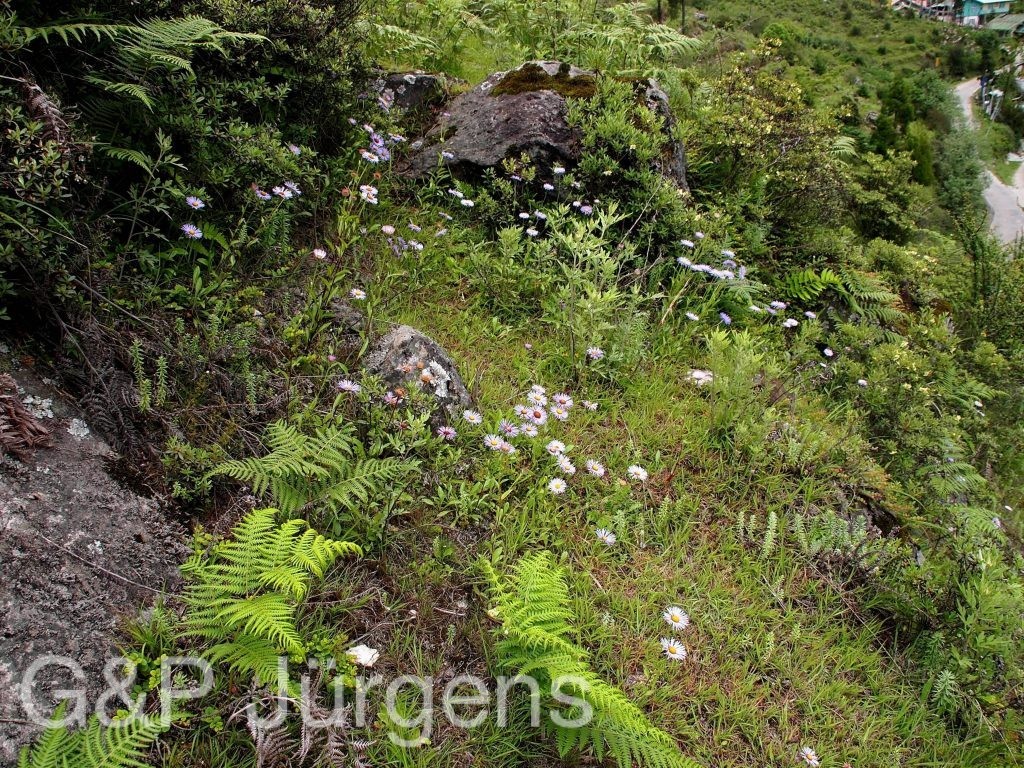
Aster tricephalus is a Himalayan species ranging through India, Nepal, Pakistan, China and Bhutan, GBIF recording some 87 occurrences along the temperate Himalayan chain. It grows on open grassy and shrubby slopes, in forest clearings, along banks and in subalpine meadows where it benefits from full sun and moist, well-drained soils. The cited gatherings span its altitudinal range: Trongsa in central Bhutan at 2200 m in October, Lachung in Sikkim at 2600 m in June, and the Yetong-La at 2900 m in June. This spread of localities, flowering from early summer through to autumn, reflects its presence across the temperate to lower subalpine belt of the Eastern Himalaya.
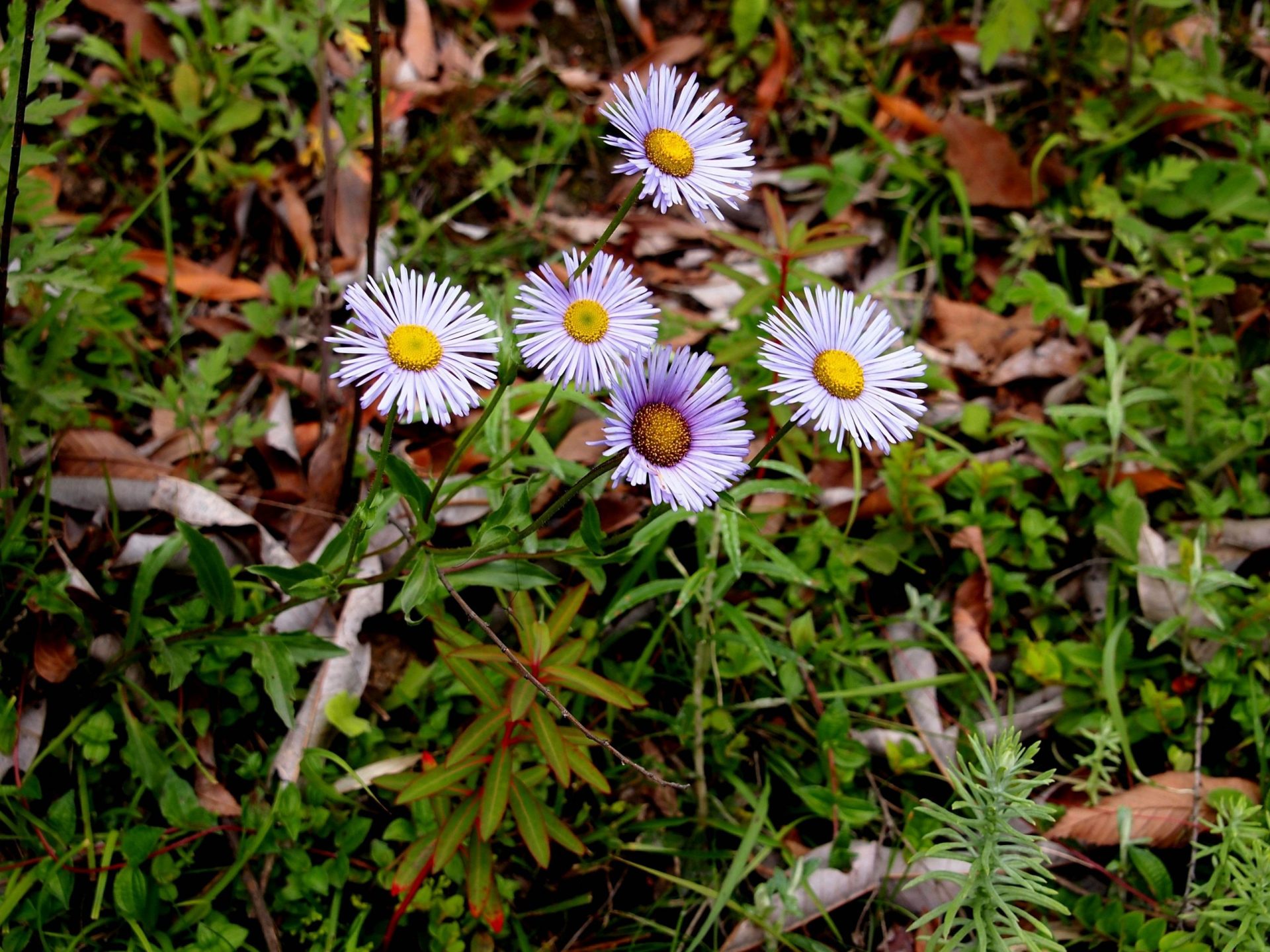
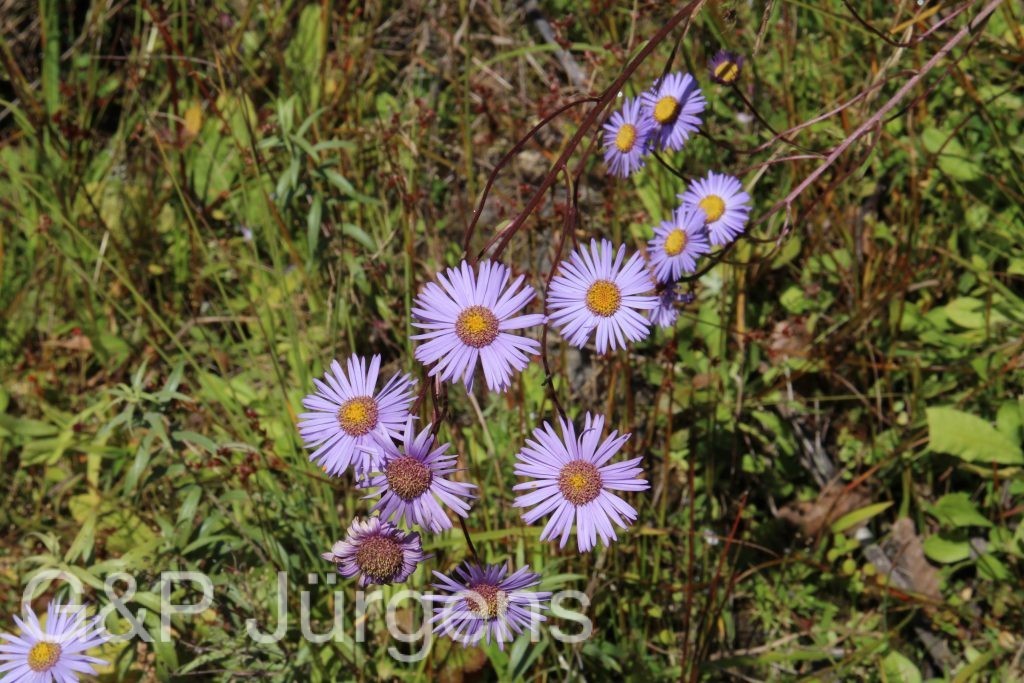
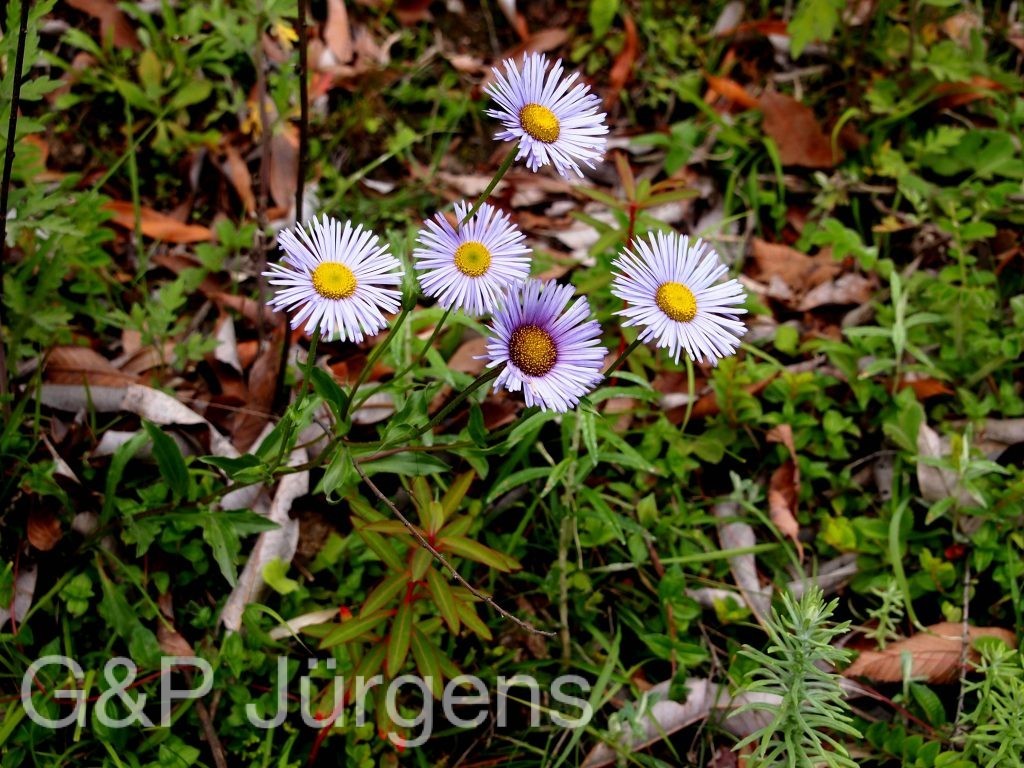
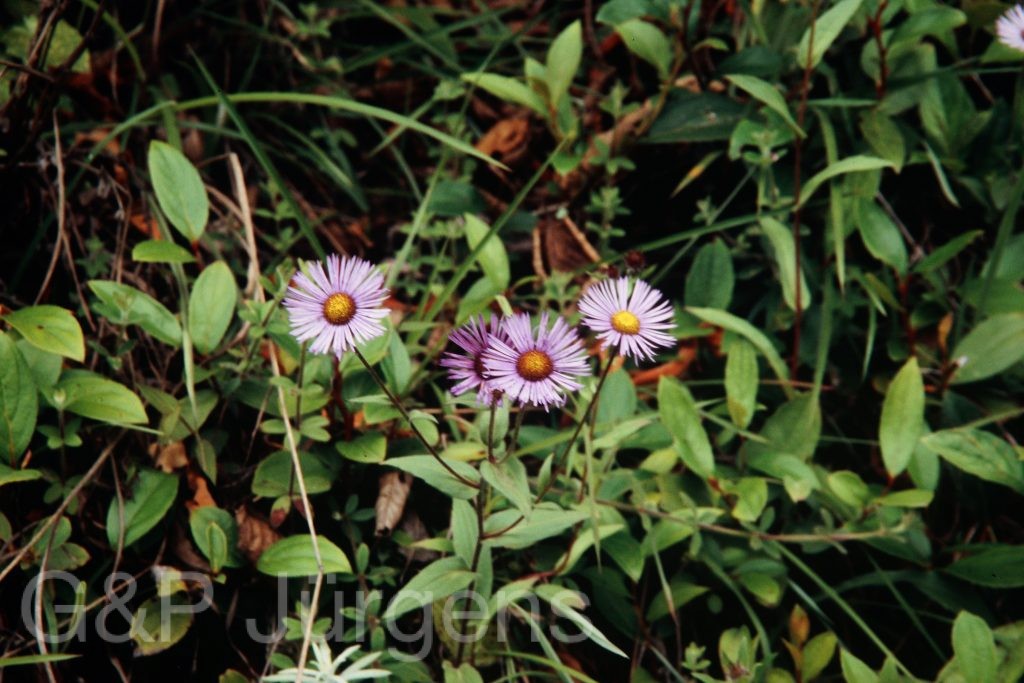
It is a perennial herb arising from a short rhizome, with erect, leafy, often pubescent stems. The leaves are alternate, the lower ones oblanceolate and narrowed to the base, the upper smaller, sessile and somewhat clasping, with entire or slightly toothed margins and scabrid or hairy surfaces. The capitula are radiate and few, sometimes clustered into a small terminal group as the epithet suggests; the involucre is campanulate with imbricate, herbaceous phyllaries in several rows. The ray florets are female and ligulate, mauve to purplish-blue, surrounding numerous yellow tubular disc florets. The cypselae are flattened and hairy, bearing a pappus of fine barbellate bristles.
Aster in the strict modern sense (tribe Astereae) is centred on Eurasia, and many Himalayan species formerly placed here have been variously reassigned among segregate genera, so the generic placement of montane taxa such as A. tricephalus remains under continuing taxonomic scrutiny. Attributed to C. B. Clarke, it is treated as an accepted species. Its violet-rayed heads attract a range of bees, hoverflies and butterflies. As a widespread plant of open montane habitats it is not regarded as threatened.
Author: C.B.Clarke · Sources: POWO (Kew), GBIF, Flora of Bhutan, Flora of China, Annotated Checklist of the Flowering Plants of Nepal, Grierson's revision of Himalayan Aster (Astereae)