Hook.f. & Thomson
Description
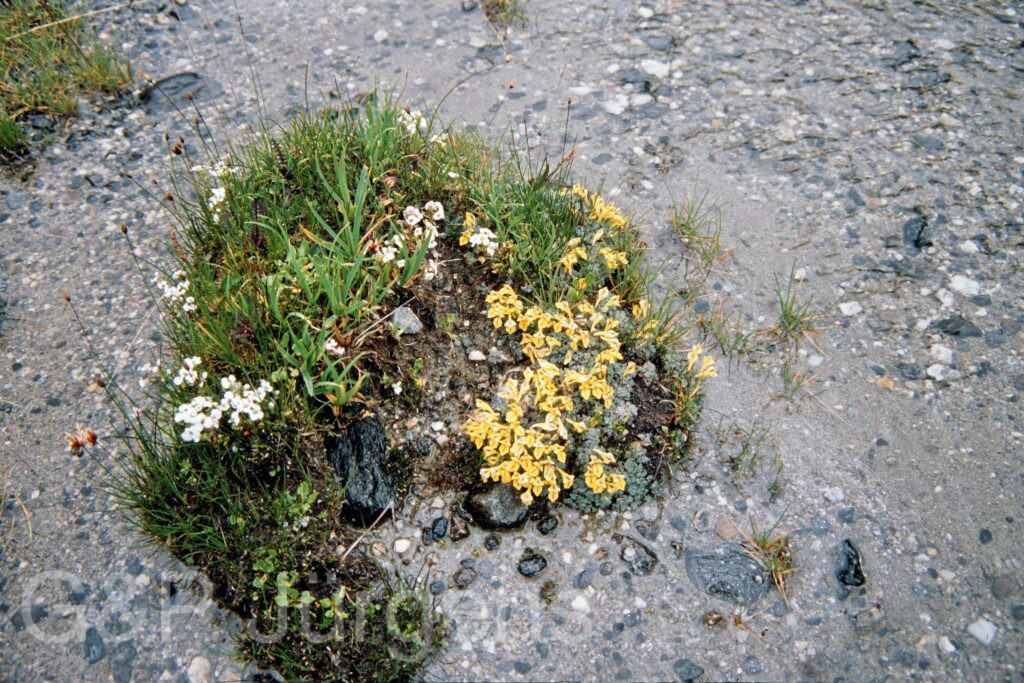
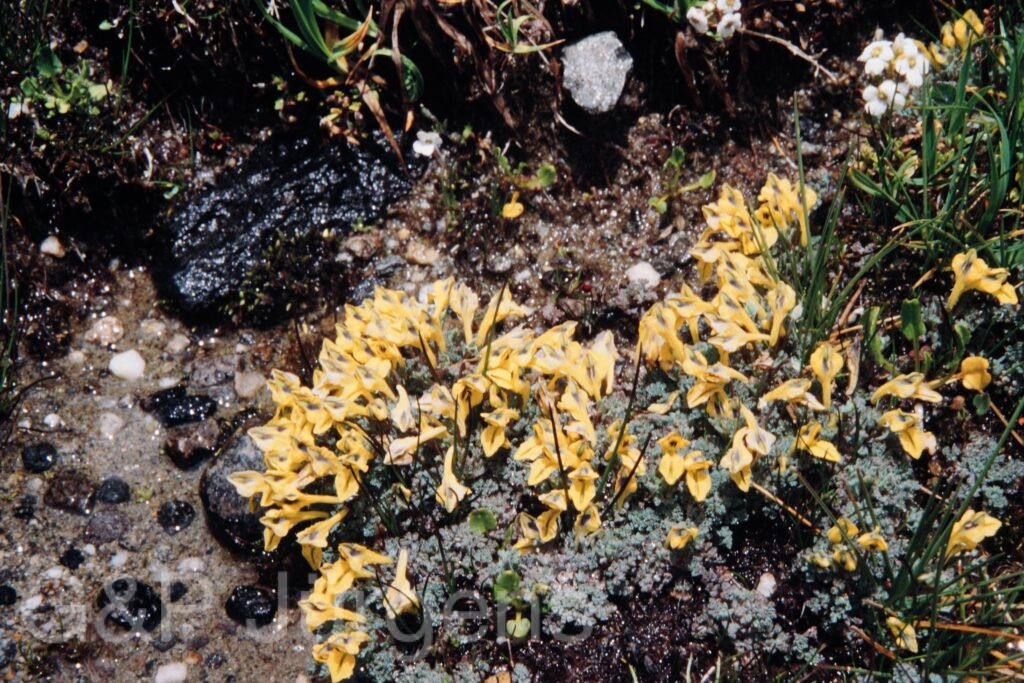
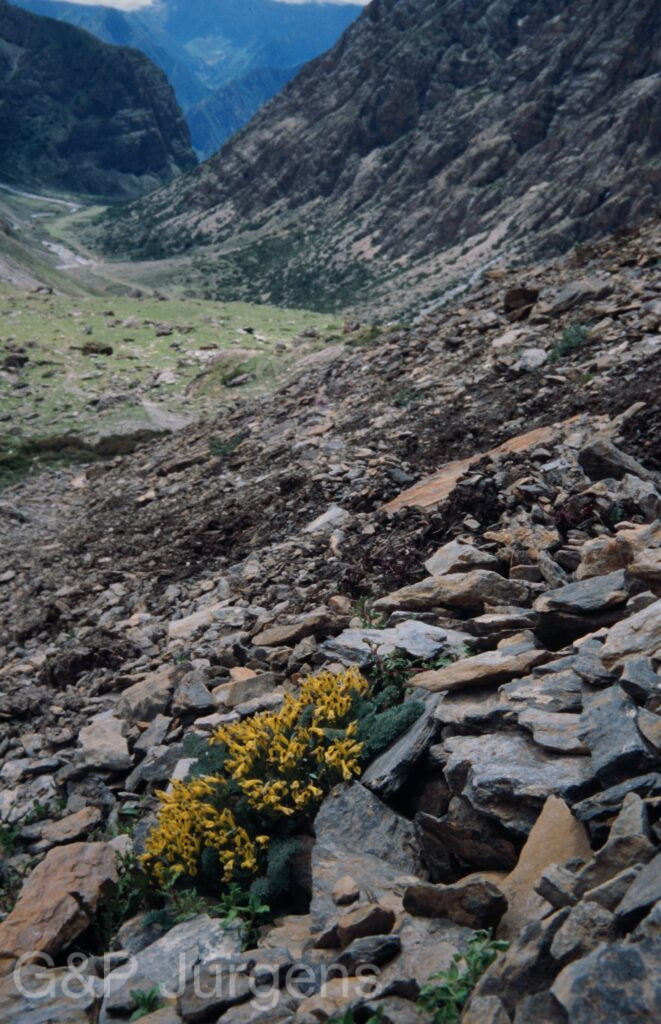
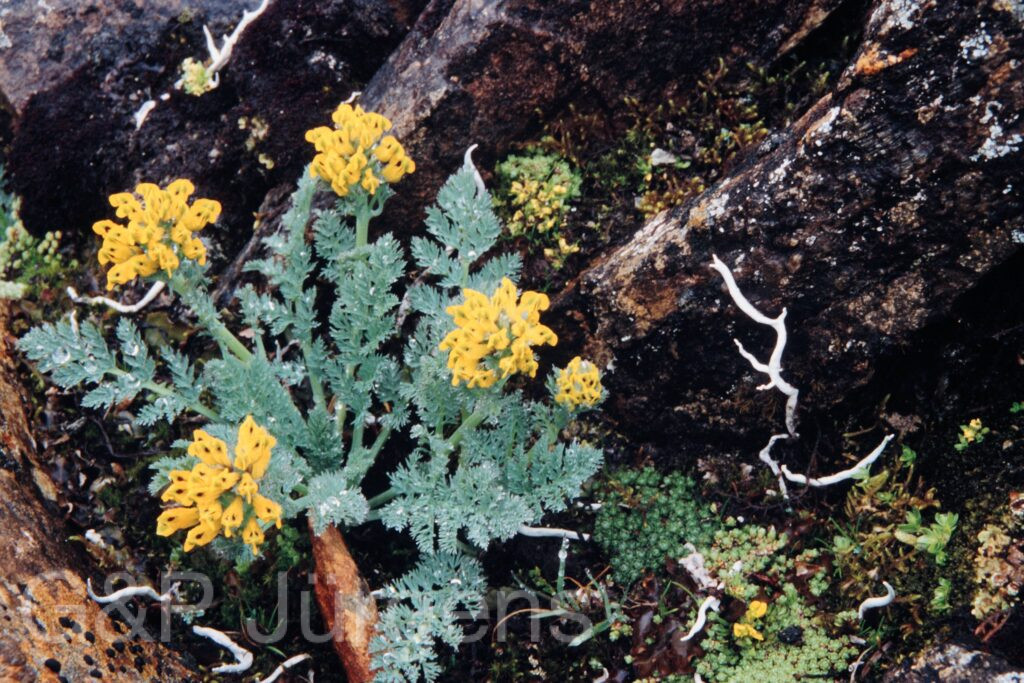
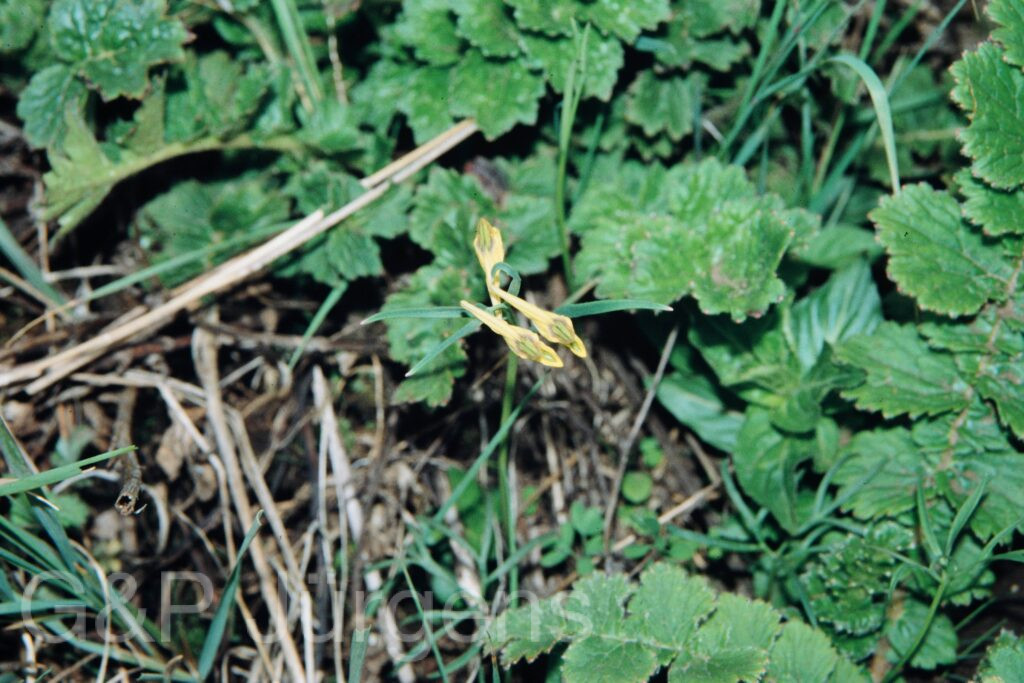
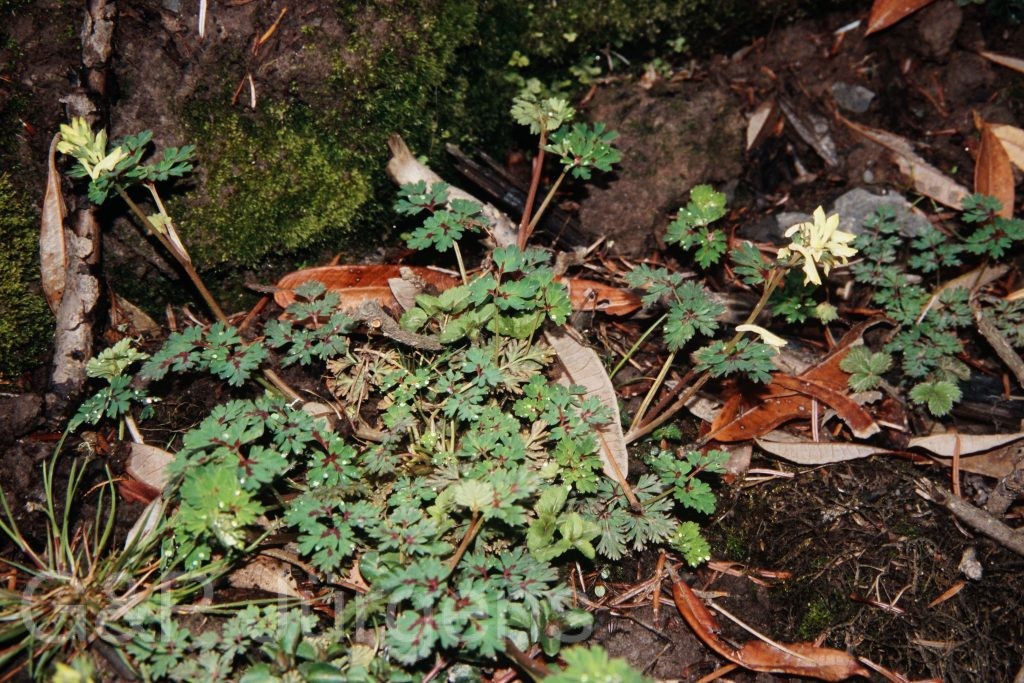
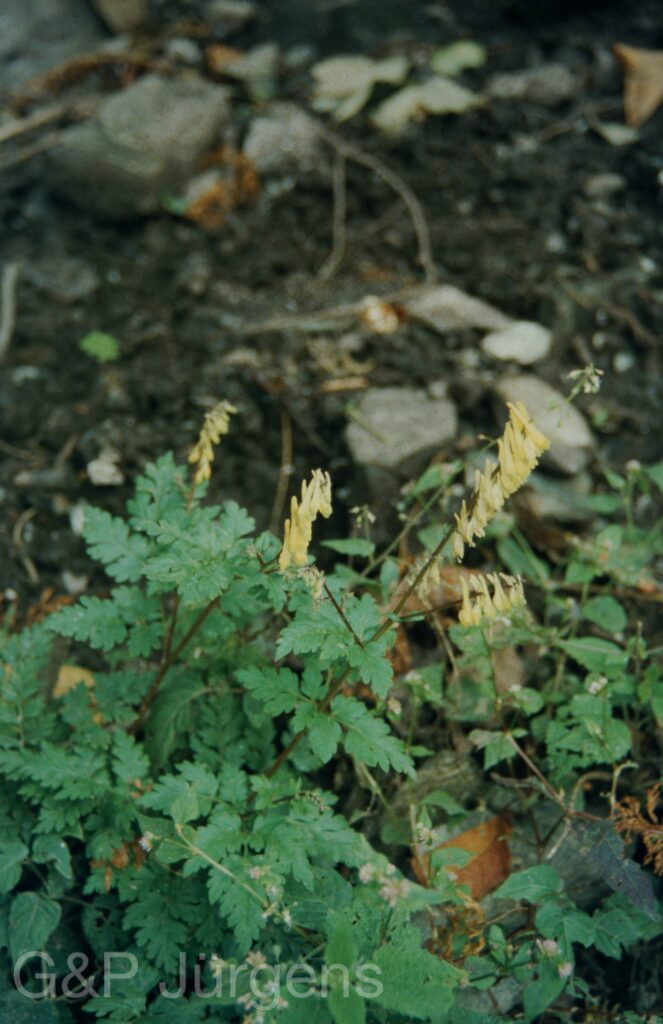
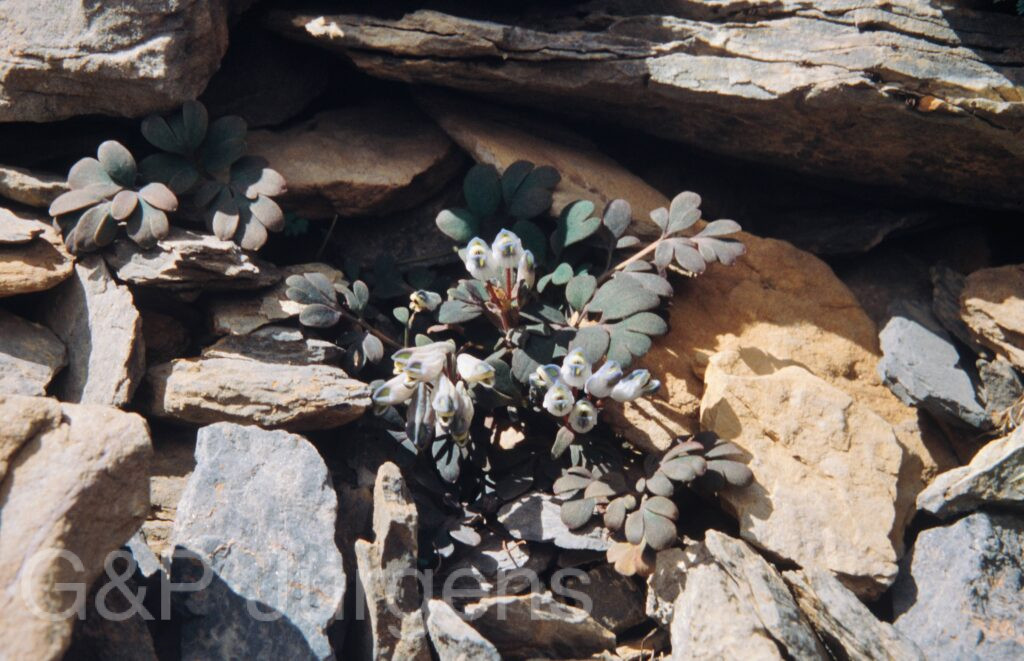
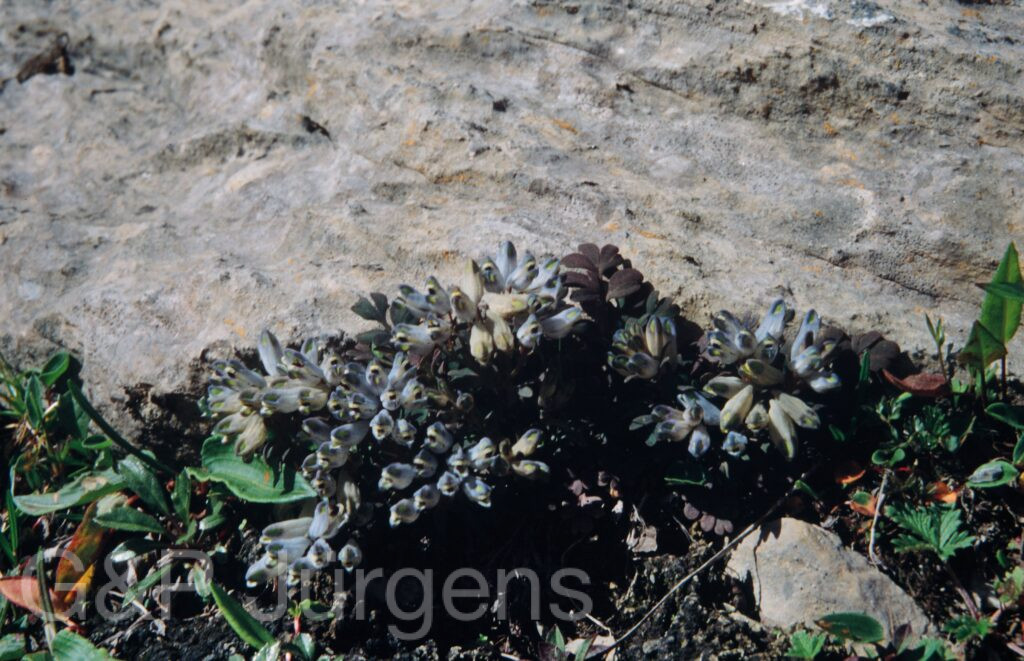
Corydalis latiflora is a high-alpine perennial herb of the central and western Himalaya, recorded from Nepal, northern India and Bhutan with some extension into south-western China, a comparatively narrow distribution reflected in around 78 occurrence records. It grows on open screes, moraines, rocky alpine slopes and gravelly flats, typically between about 4000 and 4800 m, well above the treeline. The specimen photographed at Baga-La-Phedi in west Nepal at 4500 m in July illustrates its flowering during the short summer growing season of the high alpine zone.
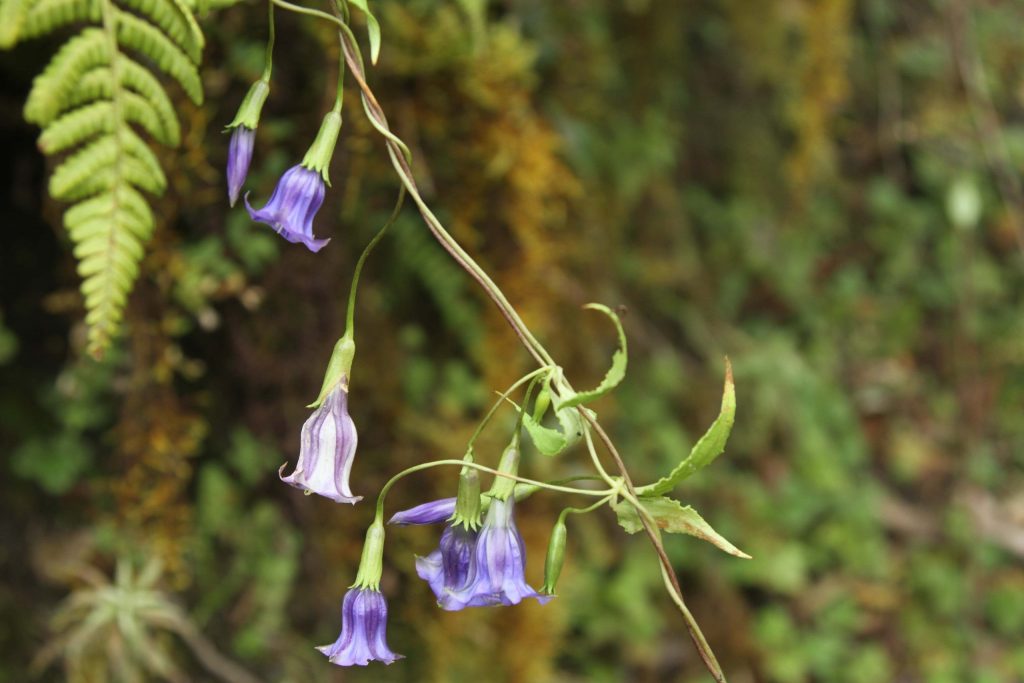
The plant is a low, often glaucous perennial arising from a slender rootstock or small tuber, with a tuft of finely dissected, several-times divided leaves bearing narrow ultimate segments. The flowering stems carry few-flowered racemes of zygomorphic flowers subtended by leafy or divided bracts; each flower has two small outer petals and two inner petals, the upper outer petal prolonged backwards into a conspicuous spur, the corolla broad and blue to purplish-blue as the epithet latiflora ("broad-flowered") suggests. The fruit is a slender, dehiscent capsule (siliqua-like) opening to scatter small, shining seeds often bearing an elaiosome.
Corydalis (Papaveraceae, subfamily Fumarioideae) is an exceptionally large and taxonomically intricate genus, with a great radiation of blue-flowered alpine species across the Himalaya and Hengduan mountains. C. latiflora belongs to this assemblage of high-elevation specialists. The spurred flowers are pollinated by bumblebees and other long-tongued insects, and the elaiosome-bearing seeds are frequently ant-dispersed (myrmecochory). As a narrow-range alpine endemic, it is of biogeographic interest and potentially sensitive to climatic warming of its high-mountain habitat.
Author: Hook.f. & Thomson · Sources: POWO (Kew), GBIF, Flora of China, Flora of Bhutan, Annotated Checklist of the Flowering Plants of Nepal, Lidén & Zetterlund monograph of Corydalis