(Fielding & Gardner) Lipsch.
Description
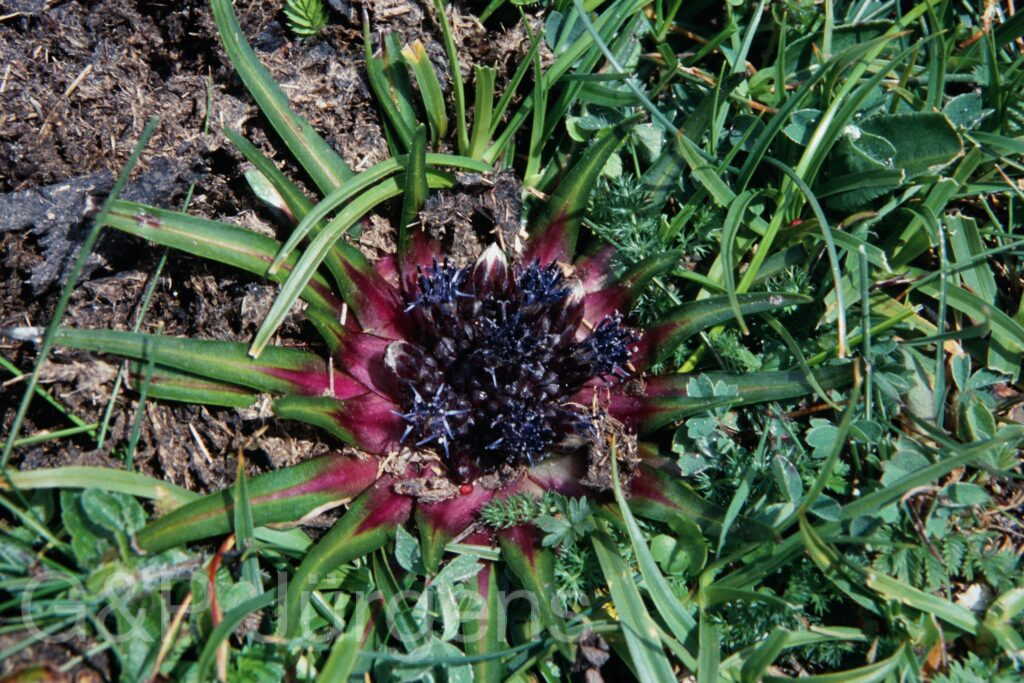
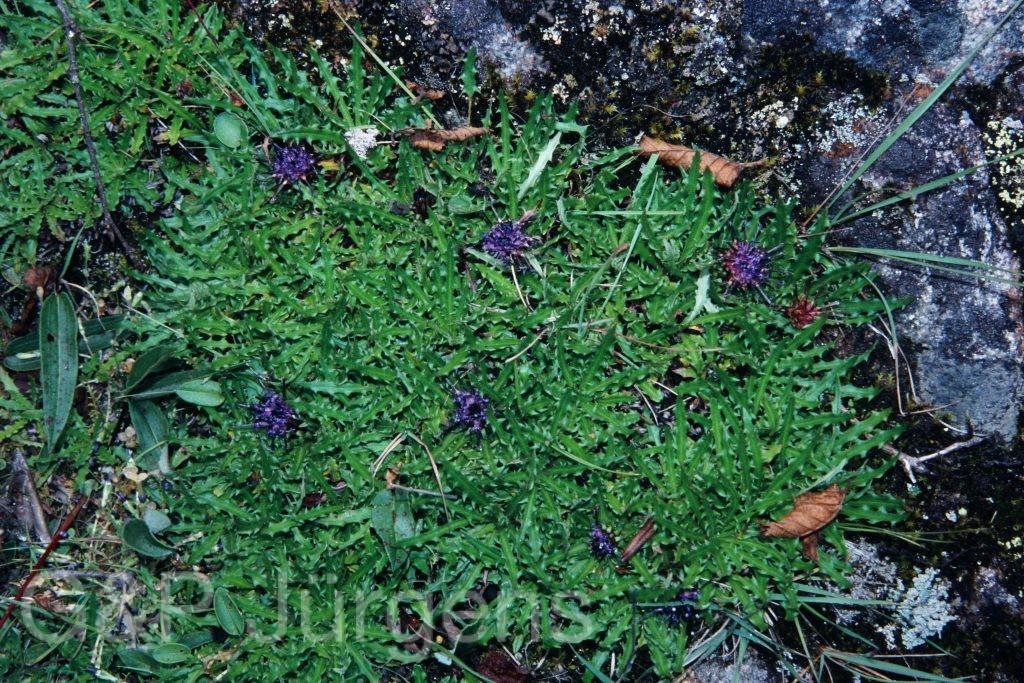
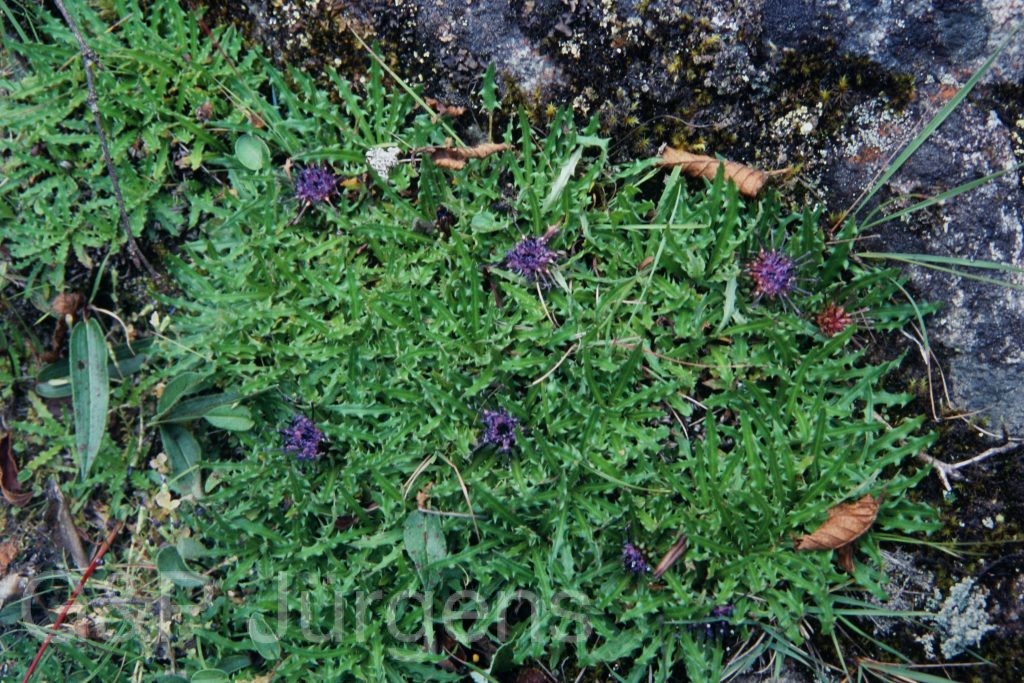
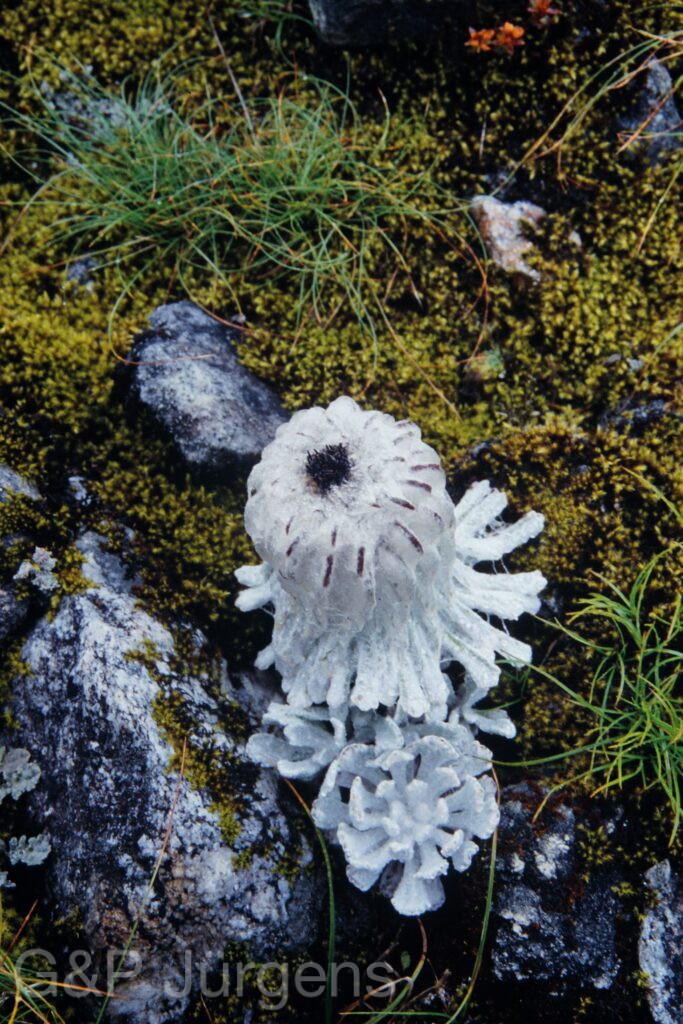
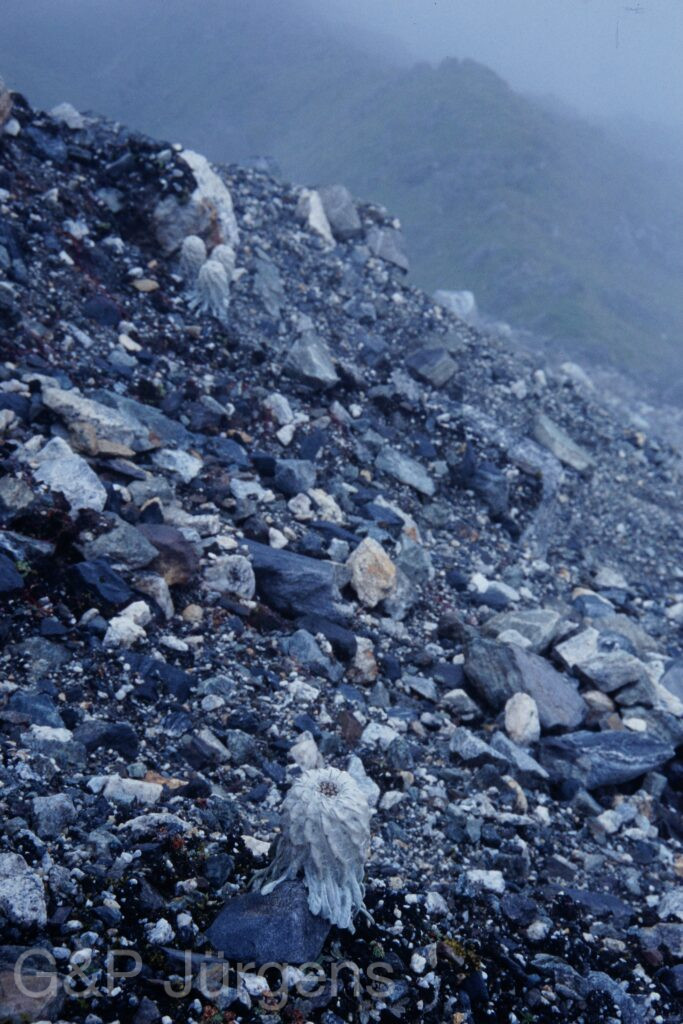
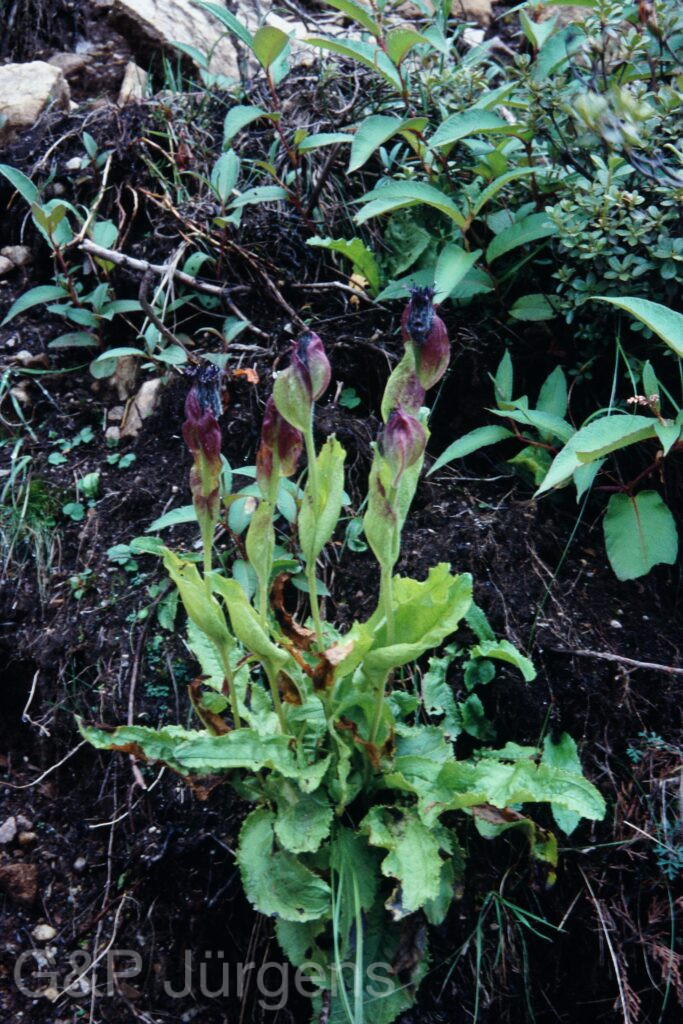
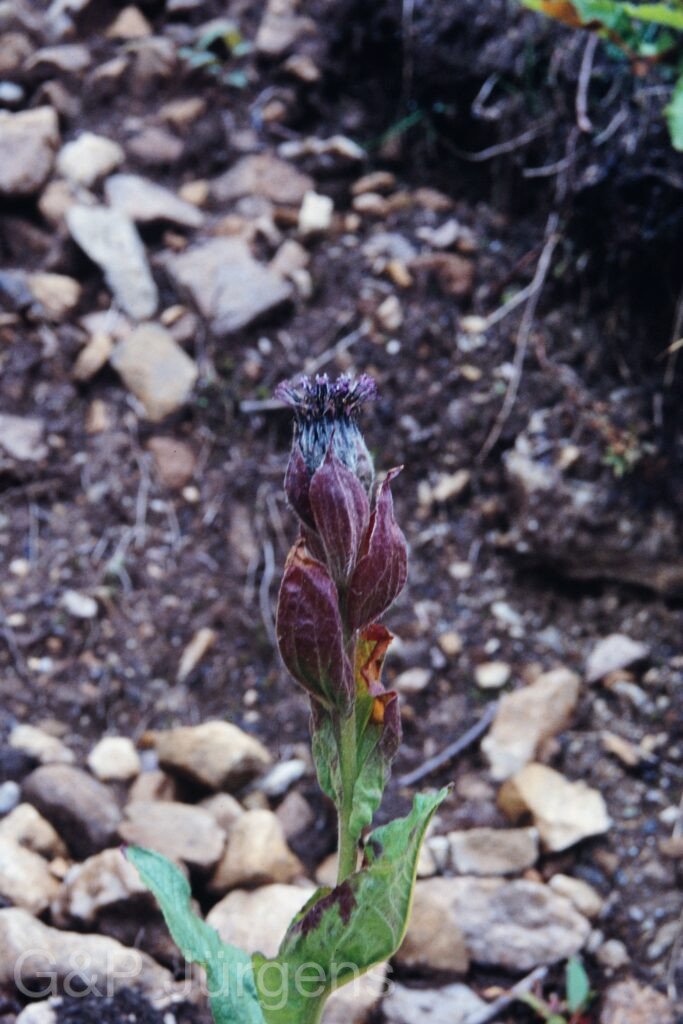
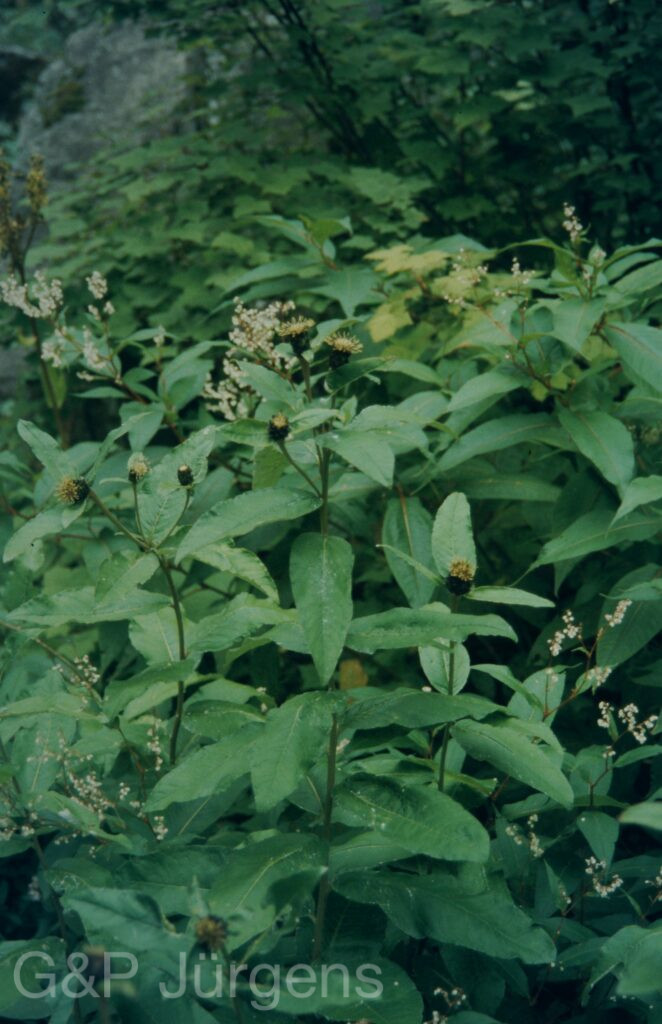
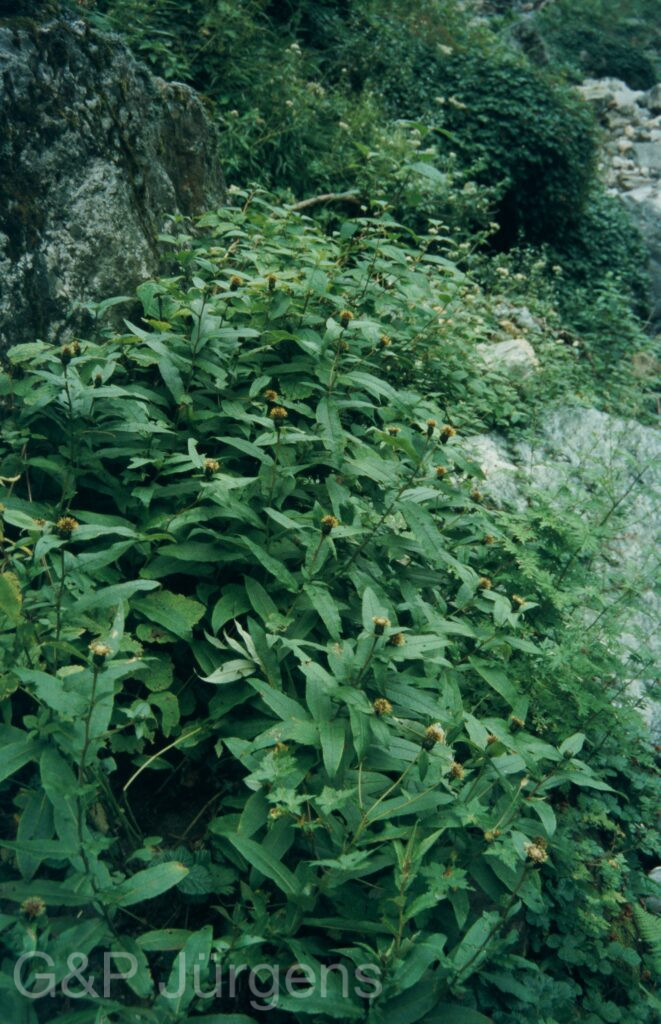
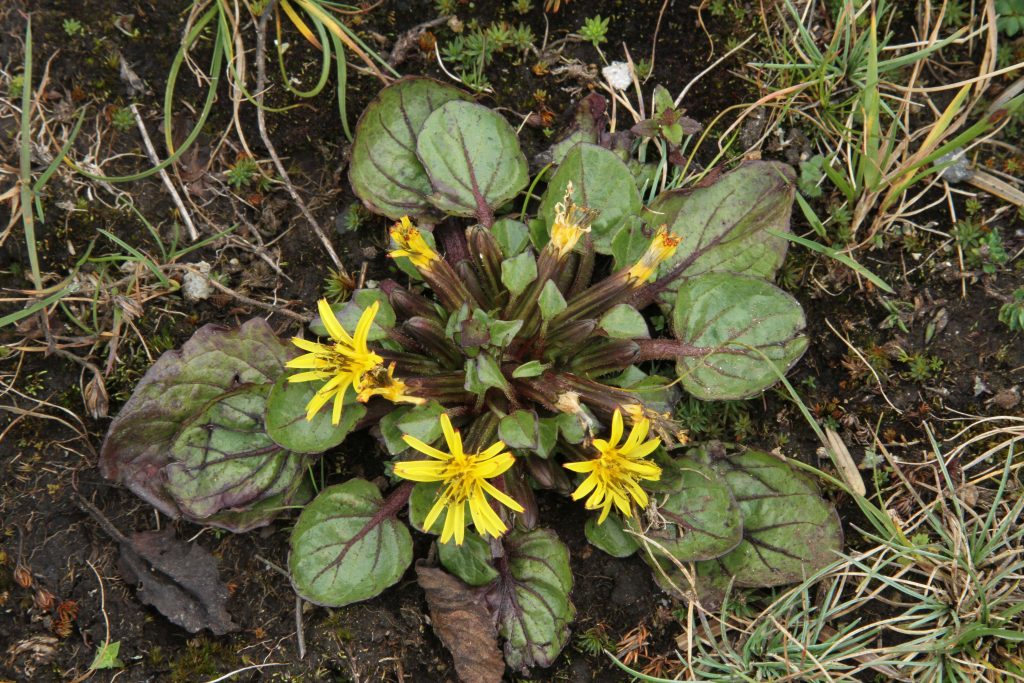
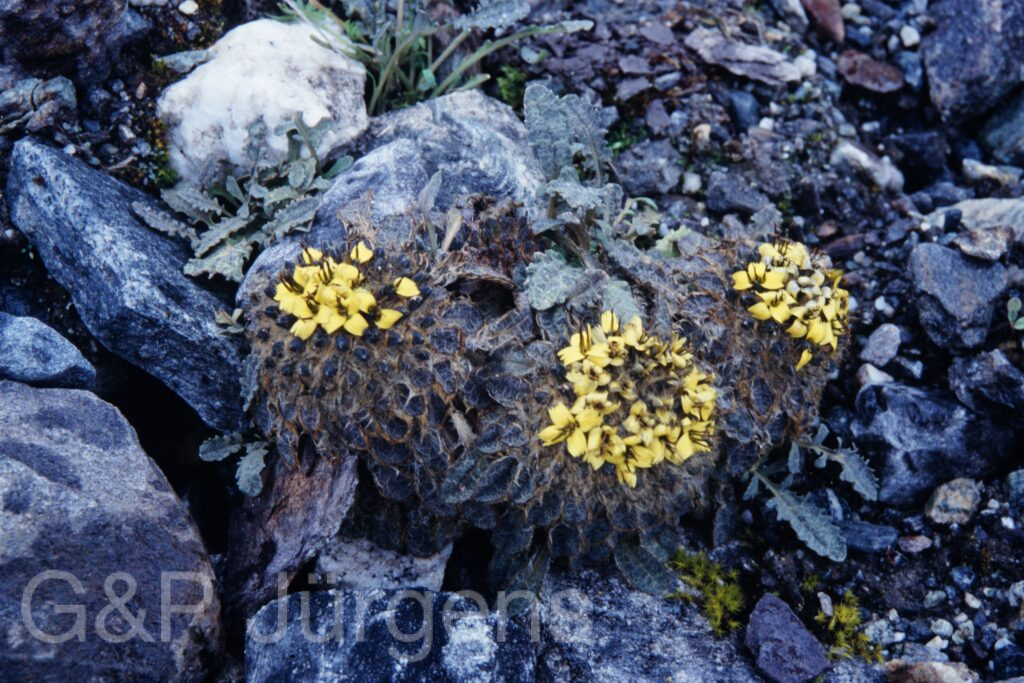
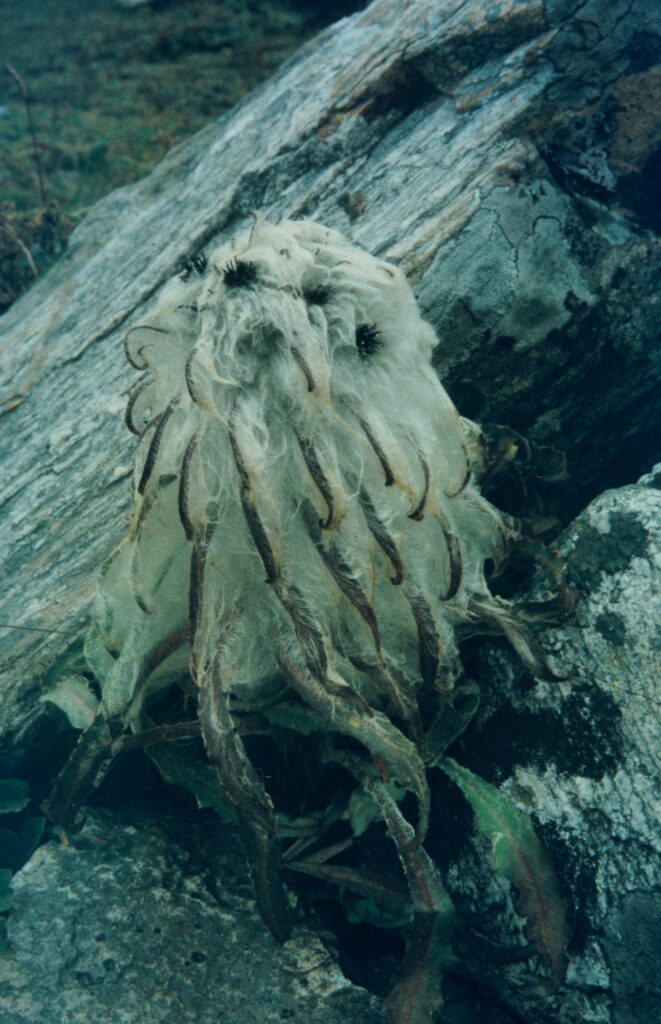
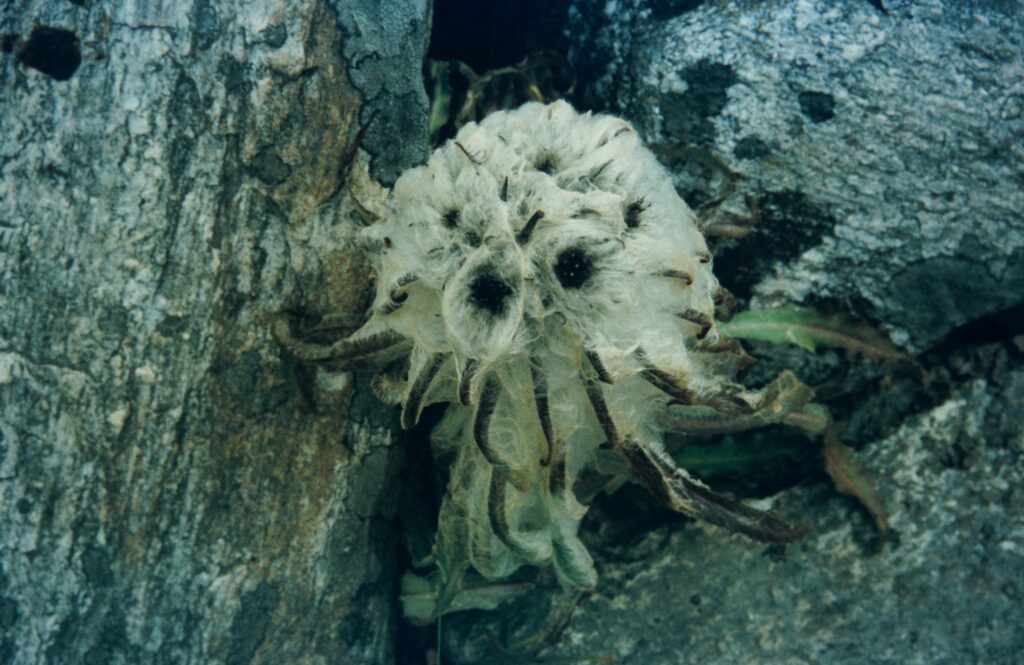
Saussurea simpsoniana is a high-alpine cushion thistle of the Himalaya and adjacent ranges. GBIF documents it from Nepal, India, China, Pakistan and Bhutan, with around 260 occurrences concentrated along the main Himalayan axis. It inhabits open stony slopes, screes, glacial moraines and alpine turf, typically between 4000 and 5500 m, often in the uppermost zone where vascular plant life thins out. The collection figured here was made at Bagubas in Garhwal, northern India, at 4150 m in October, late in the alpine season when the plant persists as a dense persistent rosette.
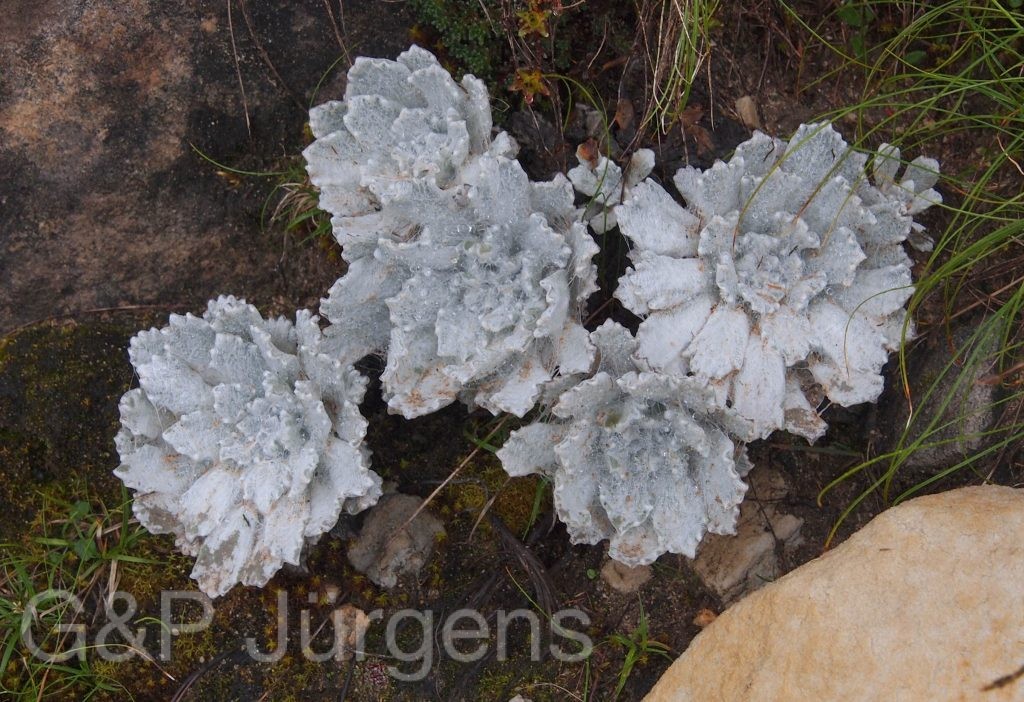
It forms a compact, stemless or short-stemmed perennial with a thick taproot and a rosette of oblanceolate, white-woolly leaves. The capitula are aggregated into a dense terminal cluster nestled among the leaves and enveloped by long, dense, silky-white lanate hairs that form a protective woolly mass. Individual florets are tubular and purple, with bristly pappus; the involucral bracts are concealed within the wool. This dense indumentum, characteristic of the snowball saussureas, traps heat and shelters the developing achenes from intense ultraviolet radiation, desiccation and frost.
The species belongs to Saussurea subgenus Amphilaena, the woolly snowball group whose adaptations to extreme altitude have made them classic subjects of alpine ecophysiology. The woolly bracts elevate floral temperatures and attract the few high-altitude pollinators active in this environment. Widely collected for Tibetan and Ayurvedic medicine, several relatives in this group face harvesting pressure; although S. simpsoniana is not formally assessed as threatened, its restricted high-elevation habitat warrants monitoring under warming alpine climates.
Author: (Fielding & Gardner) Lipsch. · Sources: POWO (Kew), GBIF, Flora of China, Flora of Pakistan, Annotated Checklist of the Flowering Plants of Nepal, A revision of the genus Saussurea (Asteraceae: Cardueae)