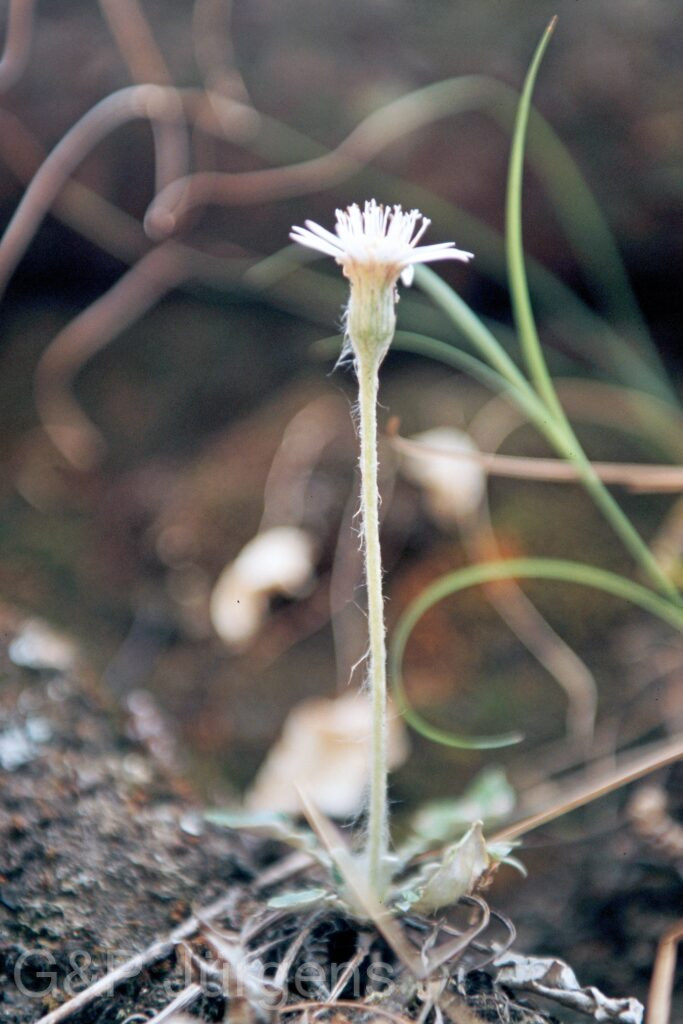
Turcz.
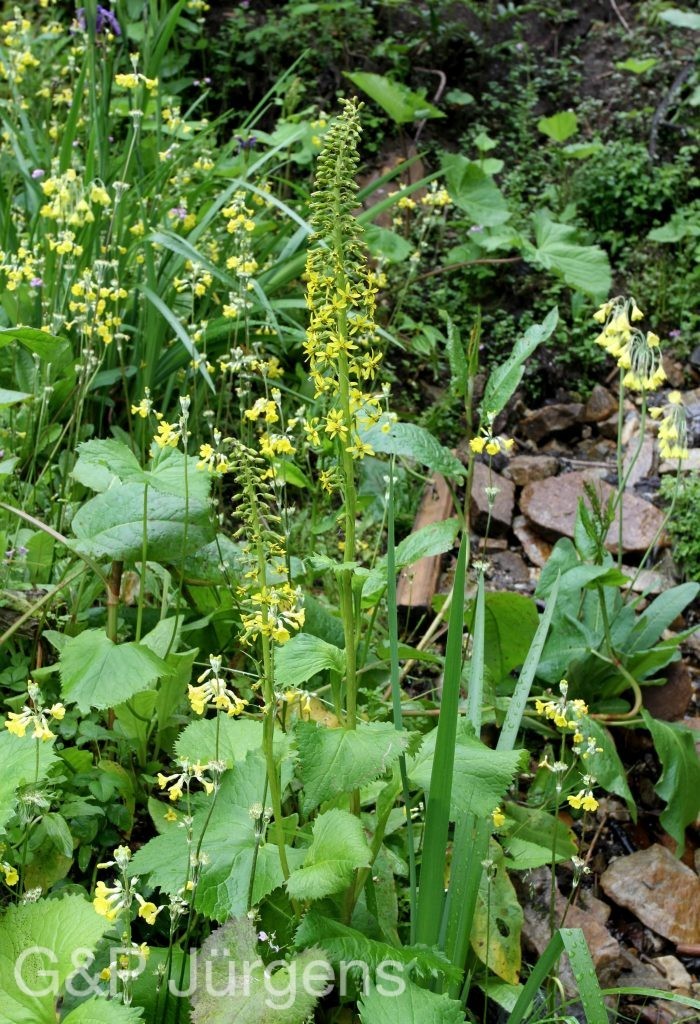
Also: Primula smithiana Craib / Primula sikkimensis Hook.f.
Description
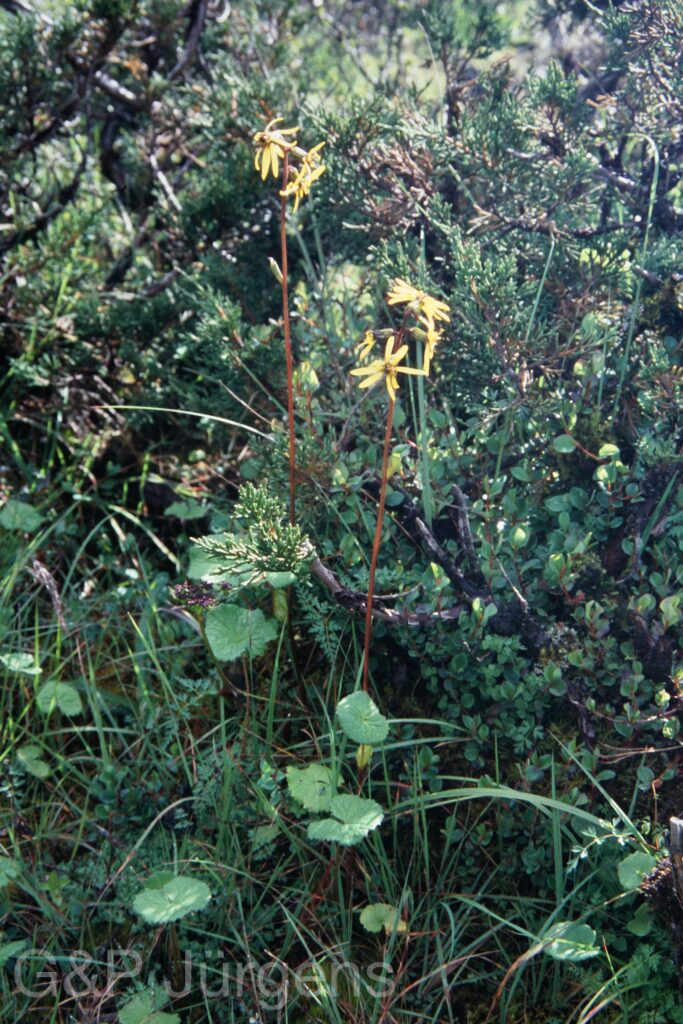
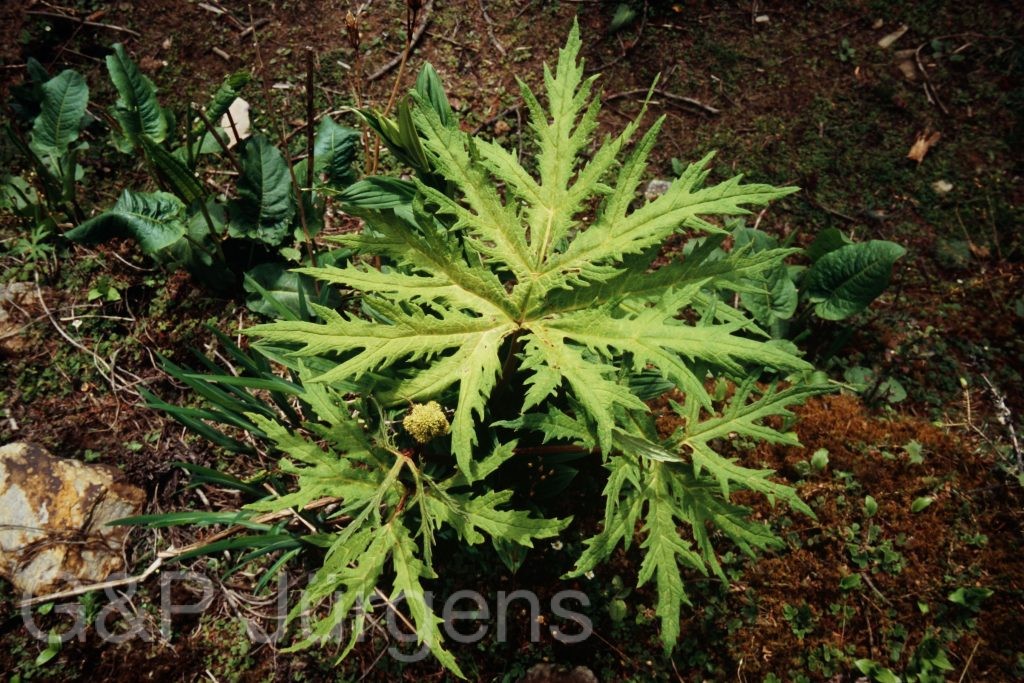
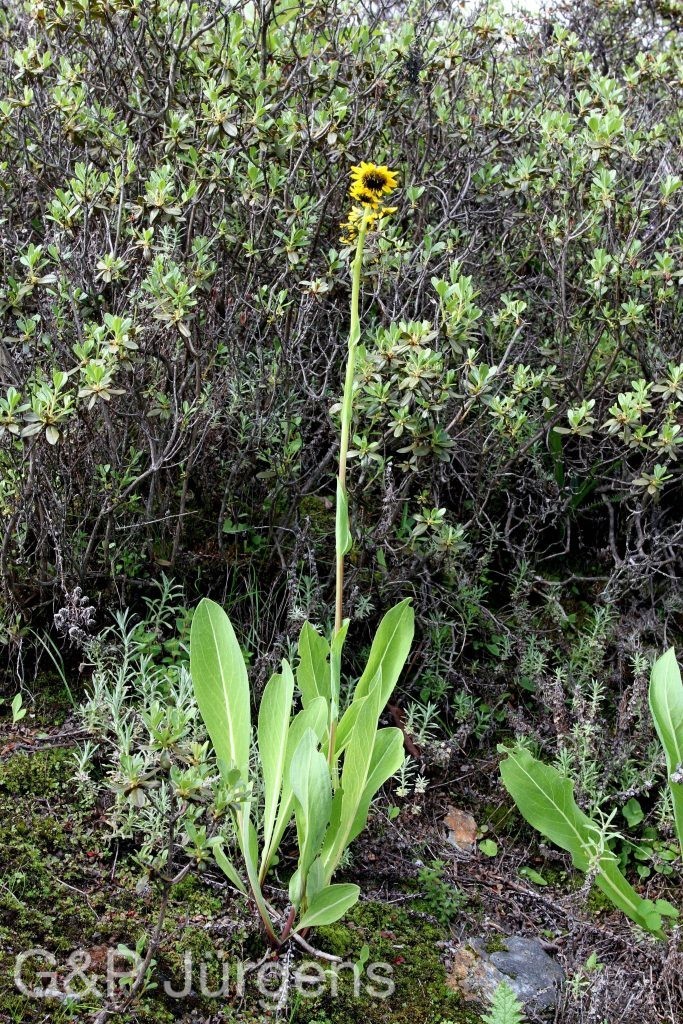
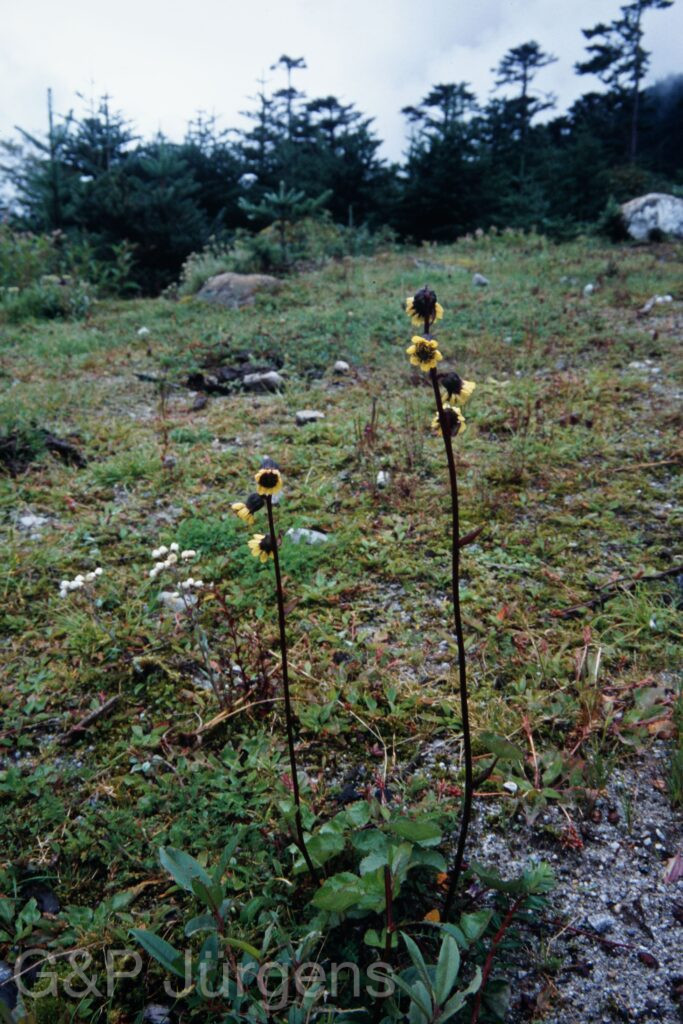
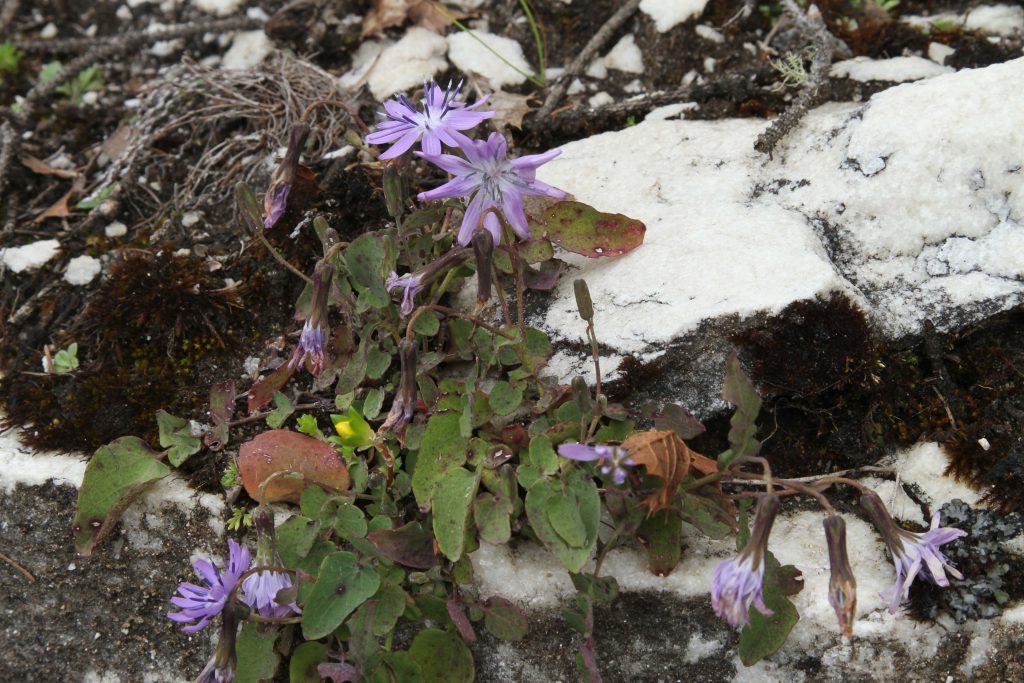
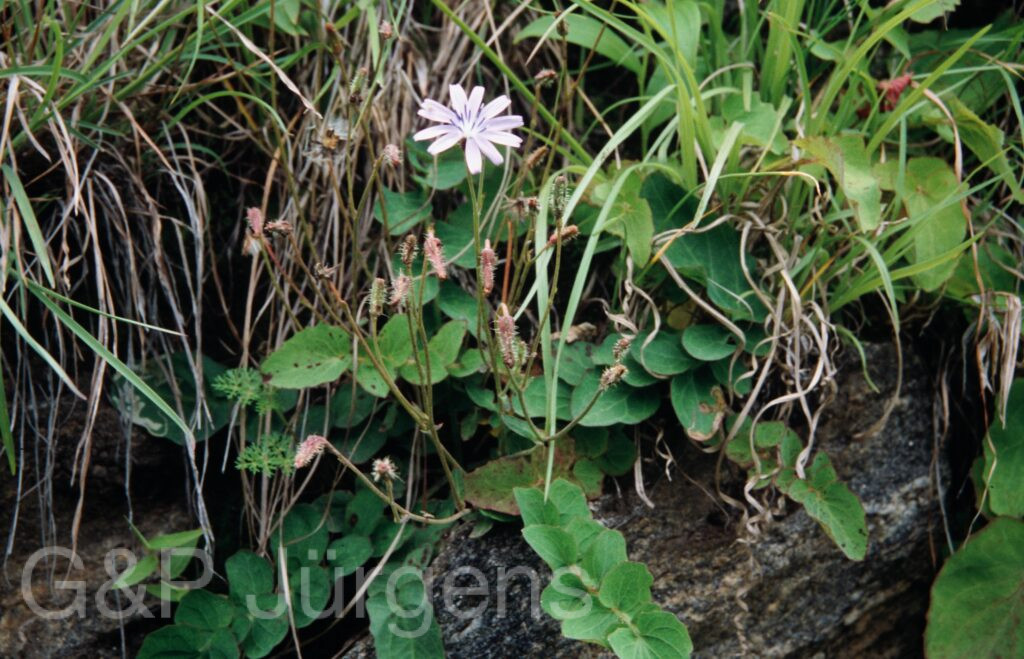
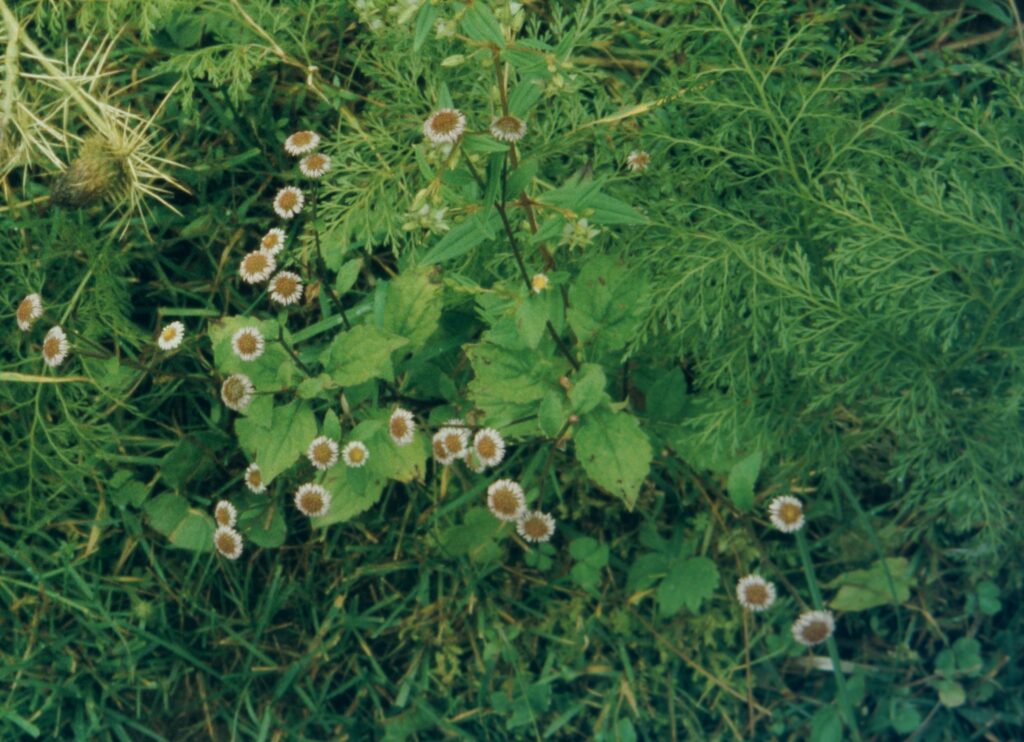
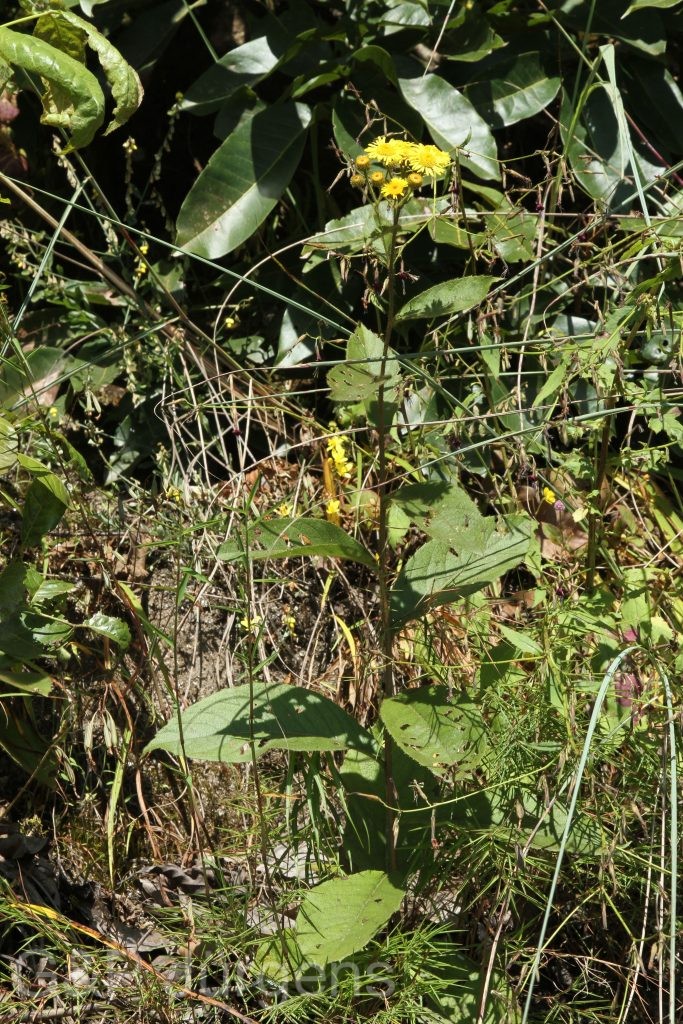
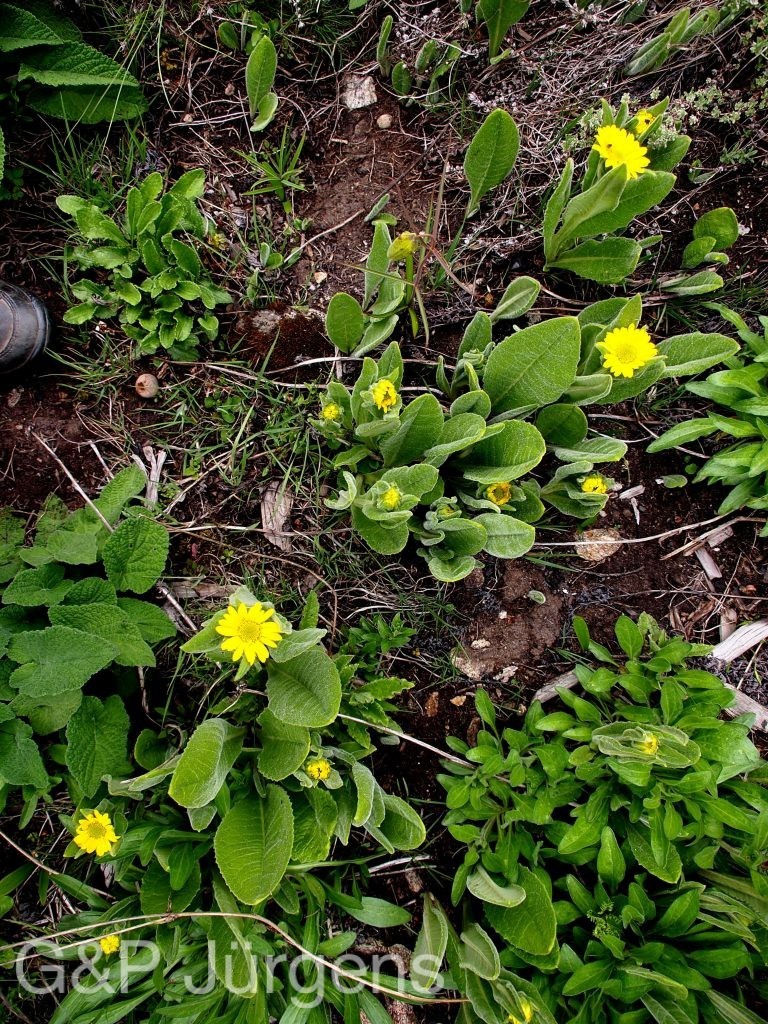
Ligularia fischeri is a robust, broadly distributed temperate-montane composite ranging across East Asia and the Himalaya, recorded from Japan, Korea (KR, KP), China, Russia, Mongolia, Nepal, India, Bhutan, Pakistan and Myanmar (JP, KR, CN, RU, NP, KP, IN, MN, BT, PK, MM), with nearly 3000 GBIF occurrences; further records from Europe and North America reflect cultivation and naturalisation. It favours moist, fertile situations: streamsides, wet meadows, marshy ground, forest margins and damp open slopes from montane to alpine elevations. The photographed plant grew on the Chele-La in Bhutan at 3900 m in August, flowering through the monsoon among tall herbaceous vegetation, here associated with Primula smithiana and Primula sikkimensis.
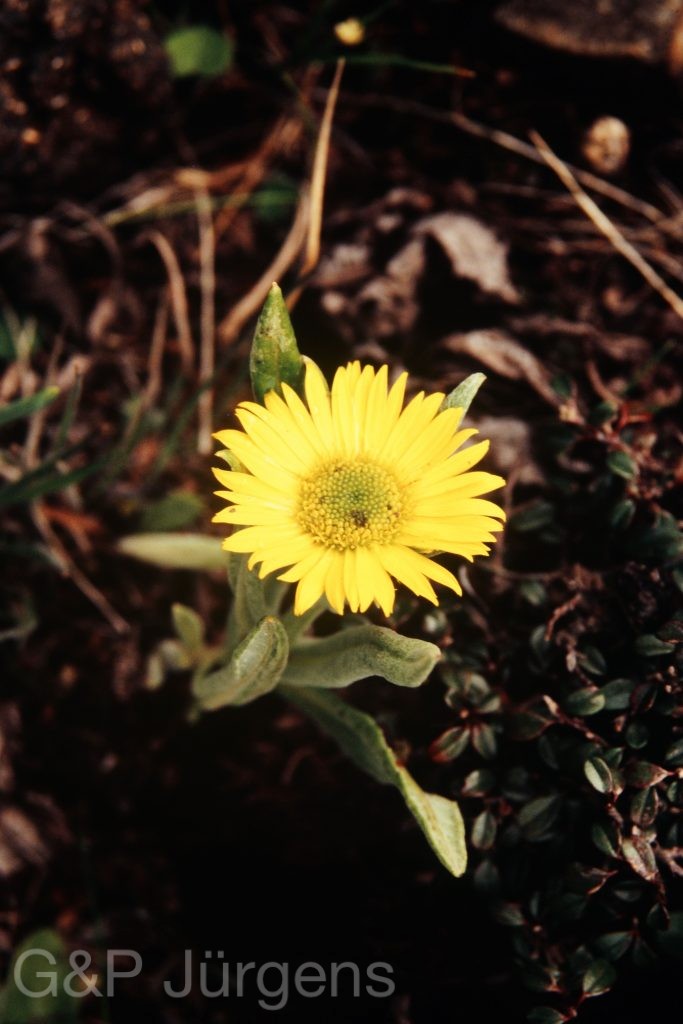
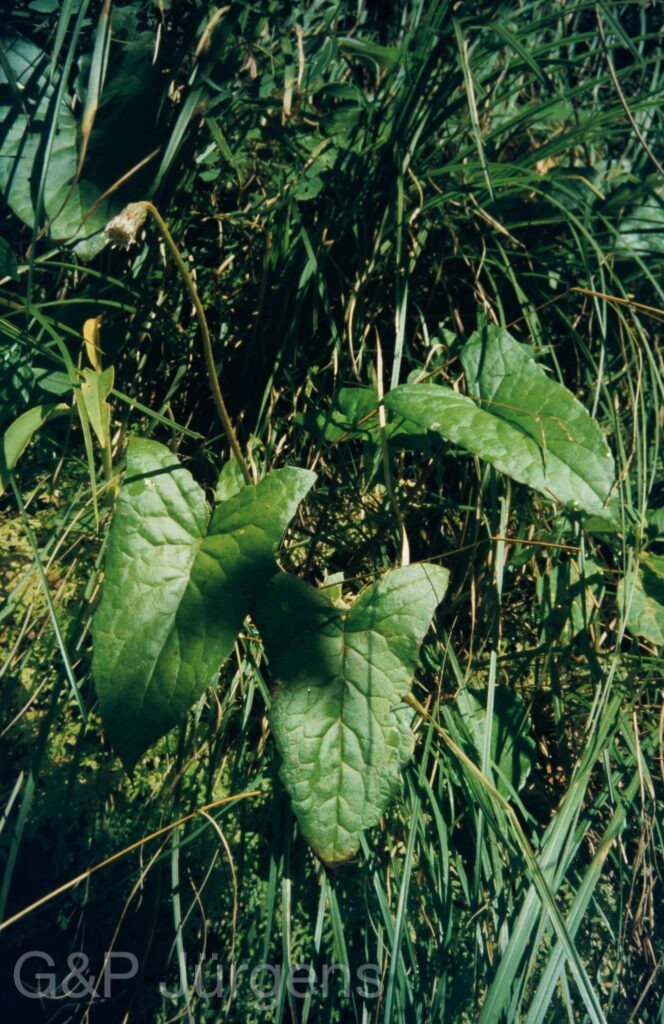
It is a stout perennial herb with a thick, fibrous-rooted rhizome producing erect flowering stems up to 1–1.5 m or more. The basal leaves are large, long-petiolate and reniform-cordate, with toothed margins and a broad, deeply cordate base, the petioles sheathing at the stem; cauline leaves diminish upward and become more clasping. The inflorescence is an elongate terminal raceme or narrow panicle of several to many radiate capitula, each subtended by a cylindric involucre of few phyllaries. The heads bear a few showy, ligulate, golden-yellow ray florets surrounding numerous yellow tubular disc florets. The fruit is a glabrous, cylindric, ribbed cypsela crowned by a pappus of whitish to brownish capillary bristles.
Ligularia (tribe Senecioneae) is a large genus of the temperate Old World especially diverse in the mountains of China; L. fischeri, described by Turczaninow, is among its most familiar and economically used species, its young leaves and shoots being gathered as a traditional vegetable and the plant valued horticulturally for damp gardens. Ecologically it is a tall-herb component of moist subalpine communities and a generalist food source for late-summer pollinators. Common and widespread, it is of least conservation concern.
Author: Turcz. · Sources: POWO (Kew), GBIF, Flora of China Vol. 20-21, Flora of Bhutan, Flora of Nepal, Ligularia monograph (Liu, Senecioneae of China)