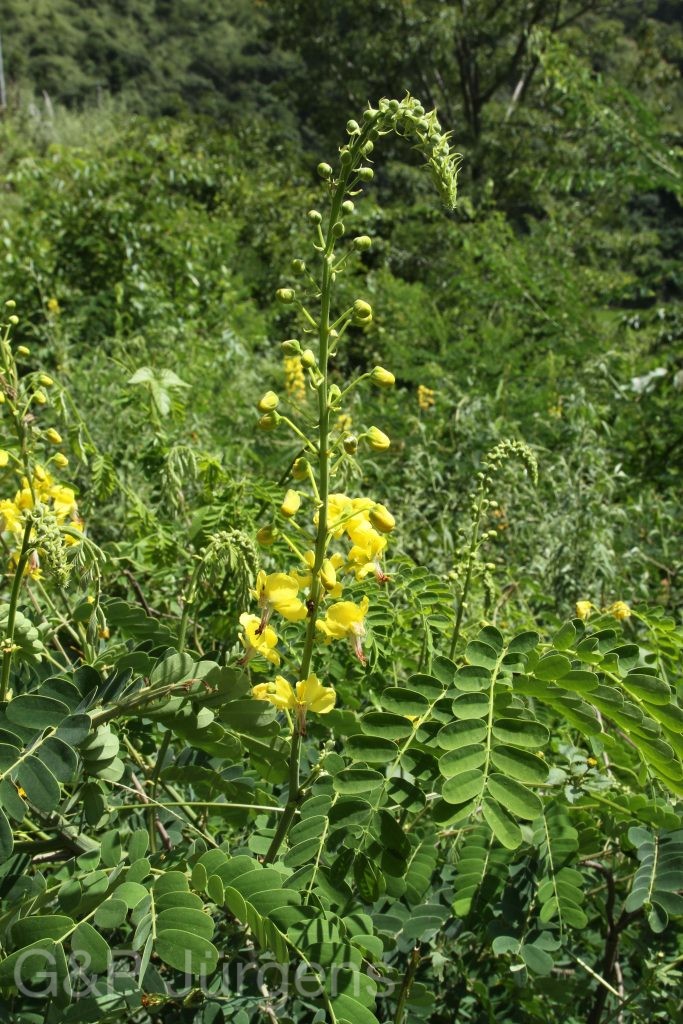
K.Koch
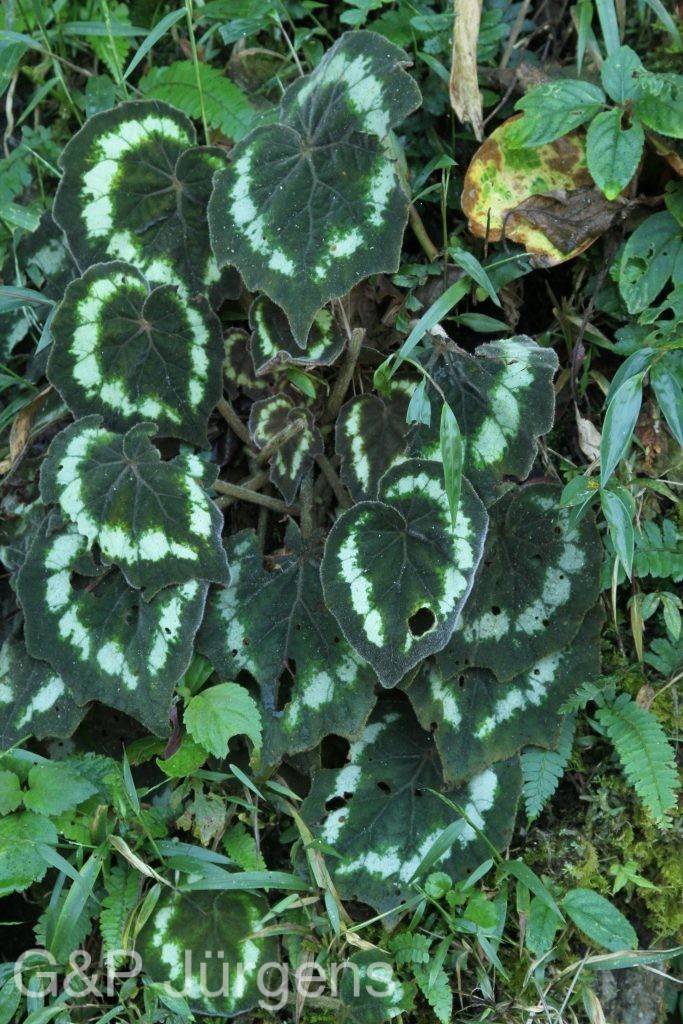
Description
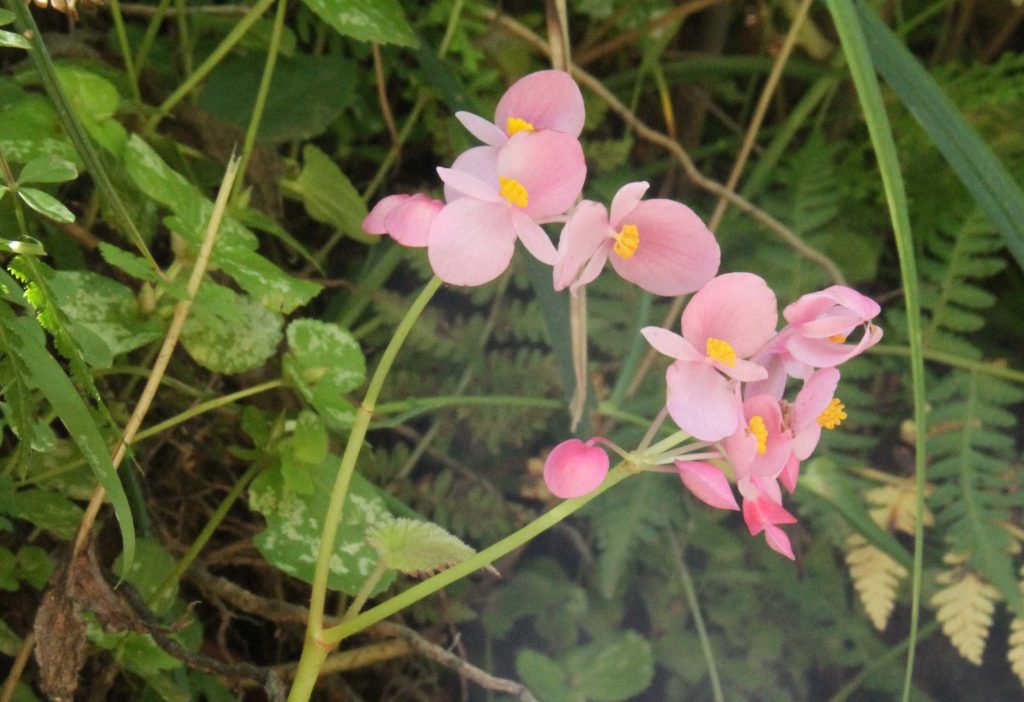
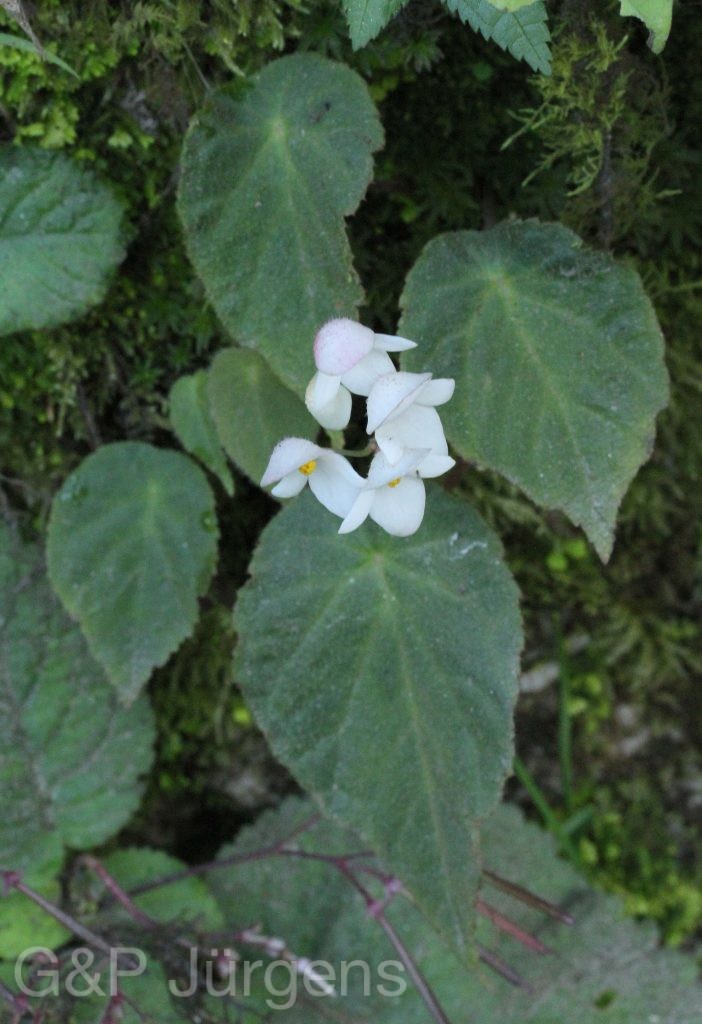
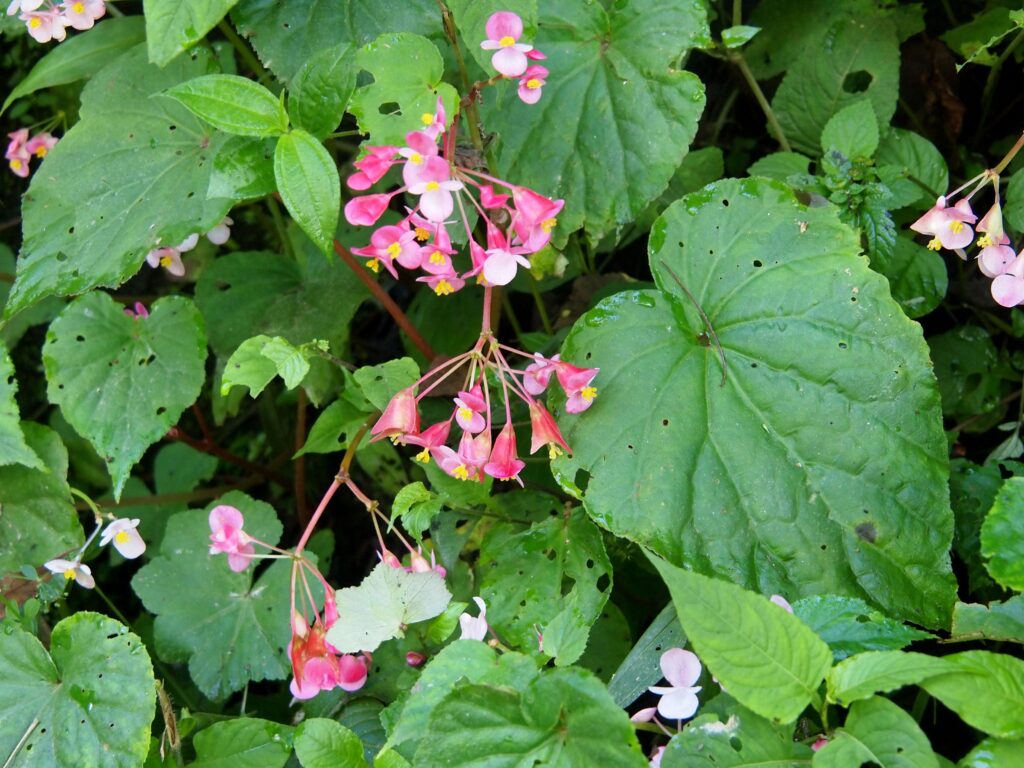
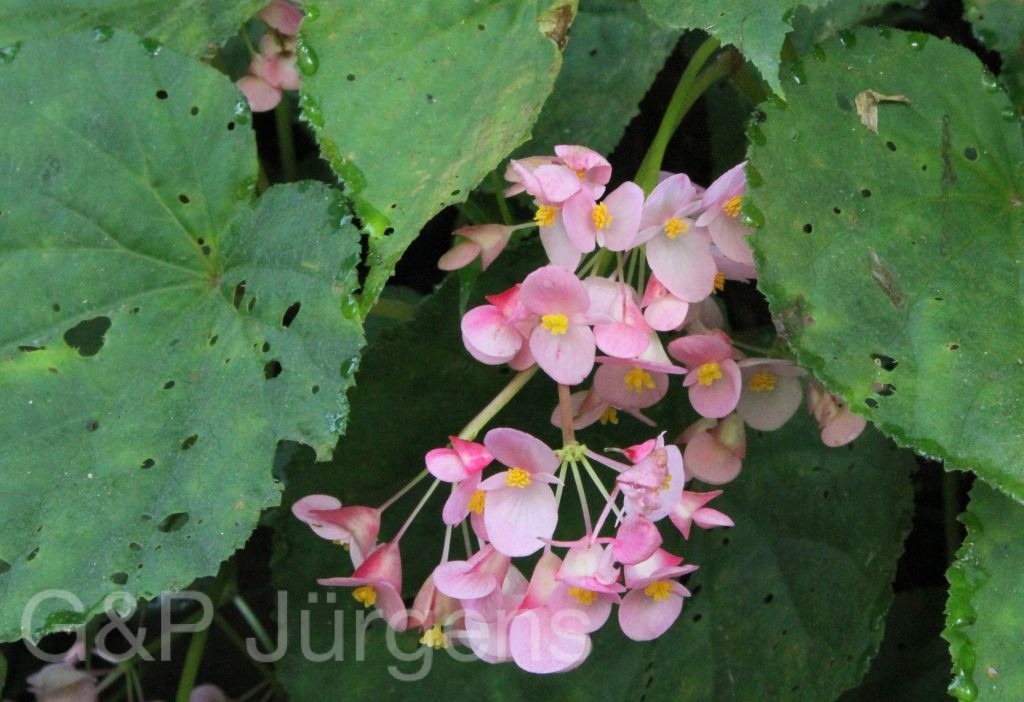
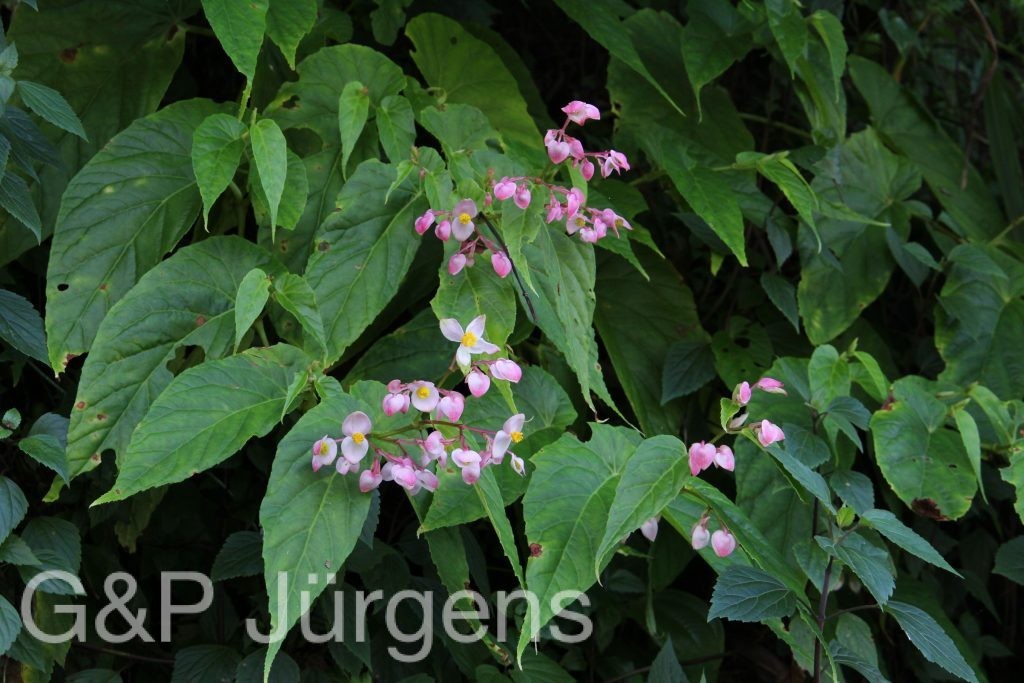
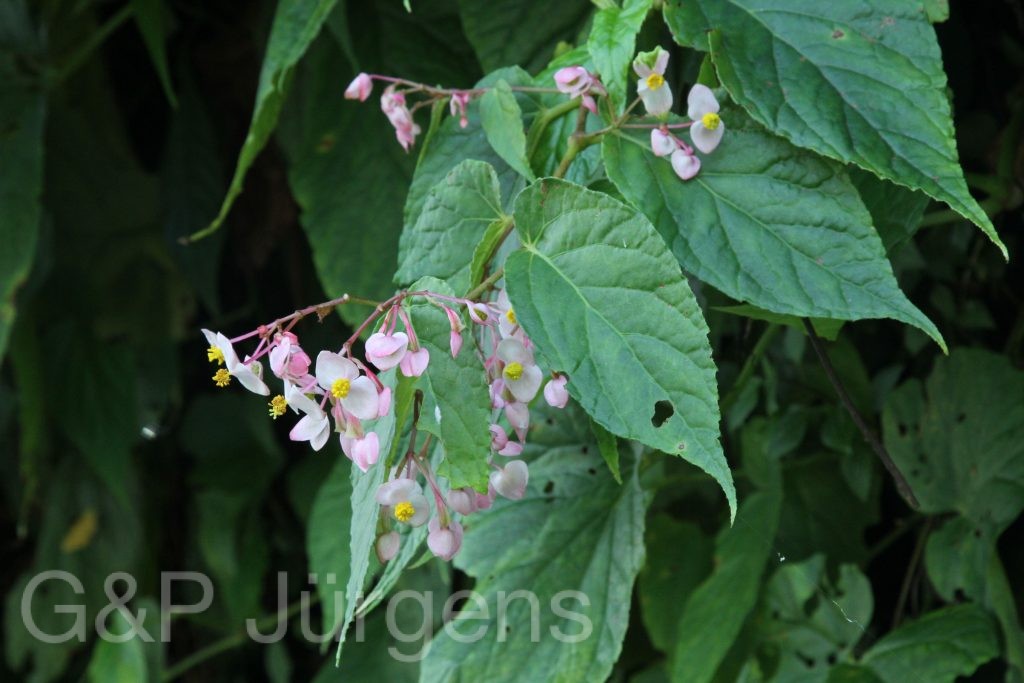
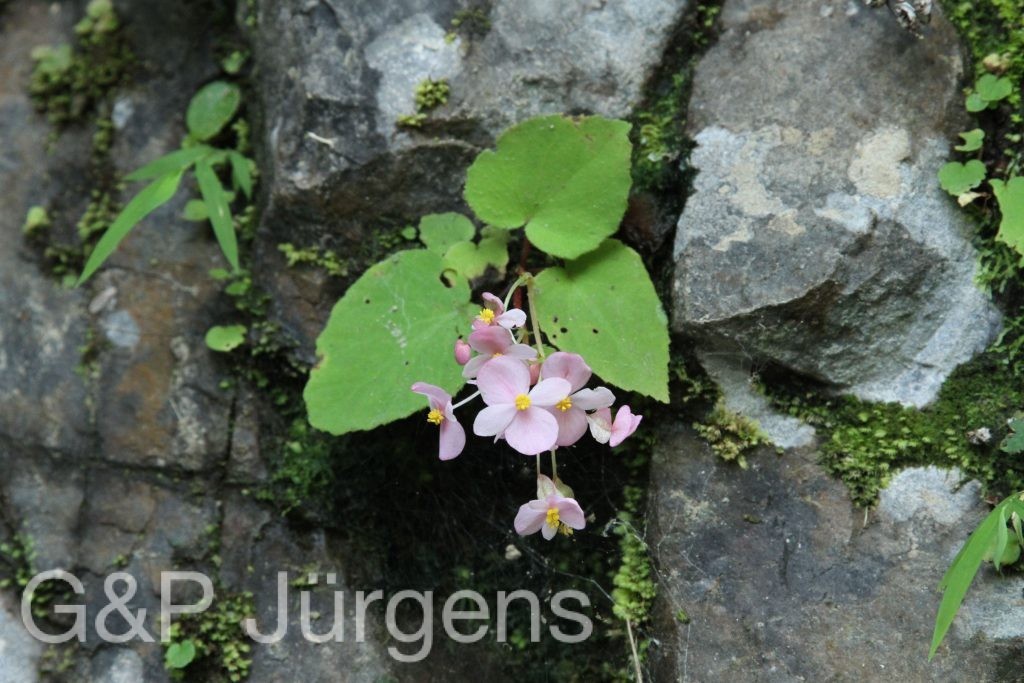
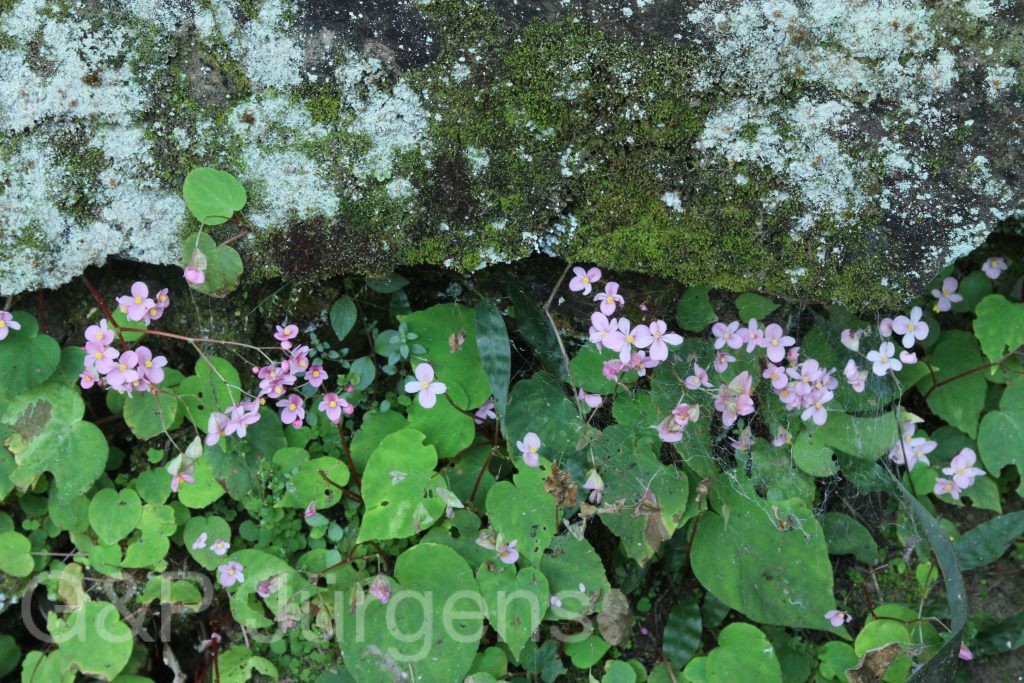
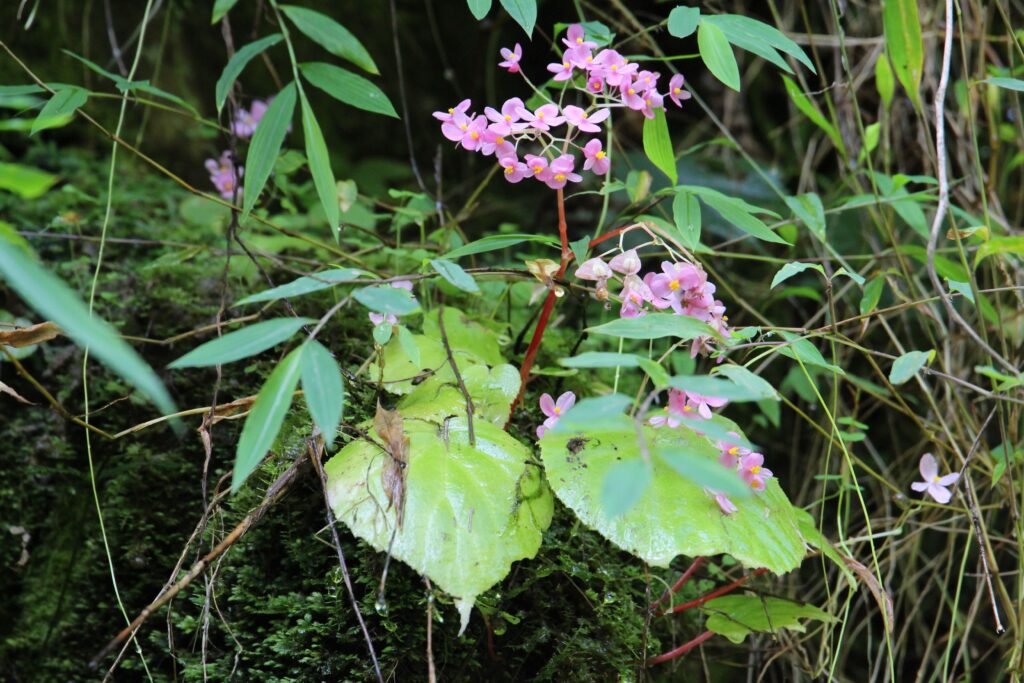
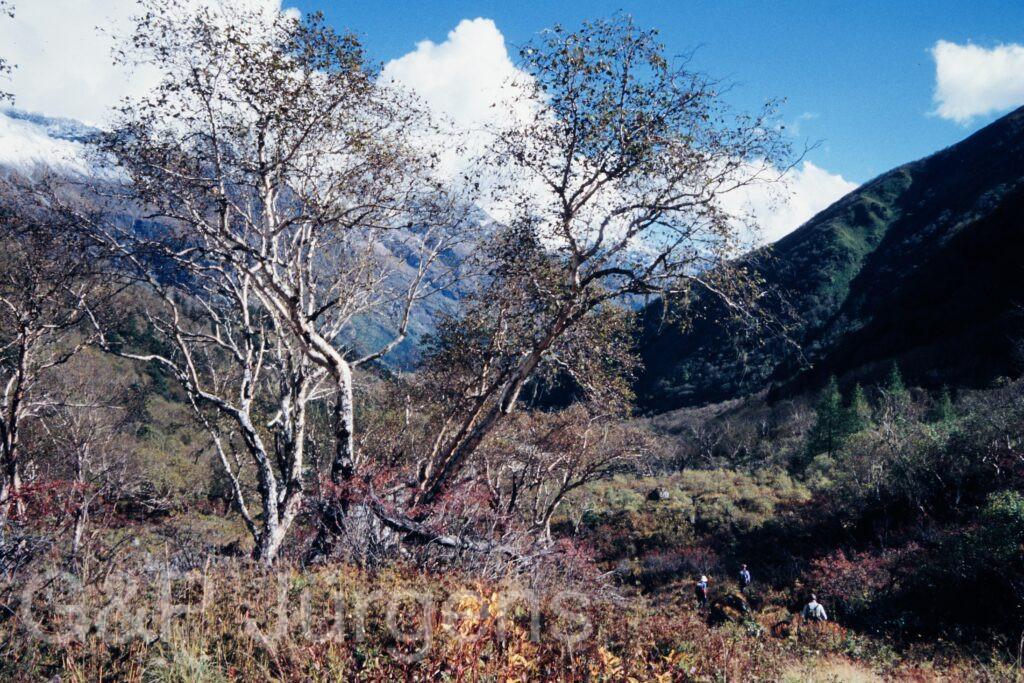
Begonia annulata is a Himalayan and Indo-Burmese begonia ranging through India, Bhutan, Bangladesh, Nepal and Myanmar; GBIF lists about 109 occurrences, the lower figure reflecting its restriction to humid lowland and submontane forest. It grows in warm, shaded, perpetually moist habitats, on damp rocks, mossy banks, ravines and forest-floor seepages in evergreen broadleaved forest of the foothills and outer ranges. The photograph from Galephug in southern Bhutan at about 700 m in October shows it in the low, humid subtropical belt along the Himalayan front, fruiting late in the year where high rainfall and dense canopy sustain its succulent growth.
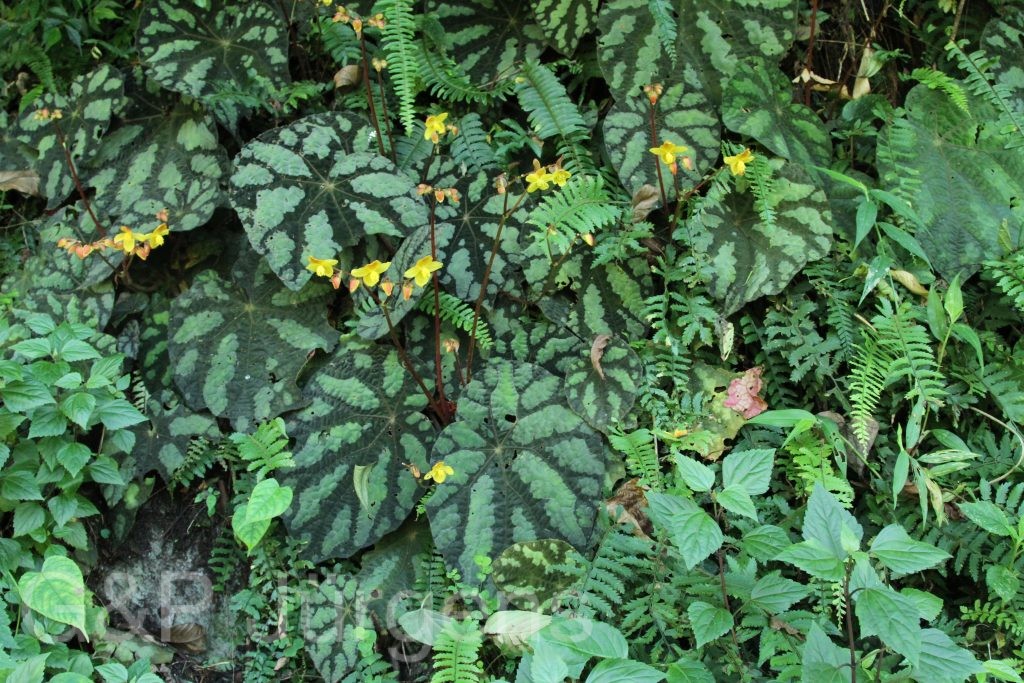
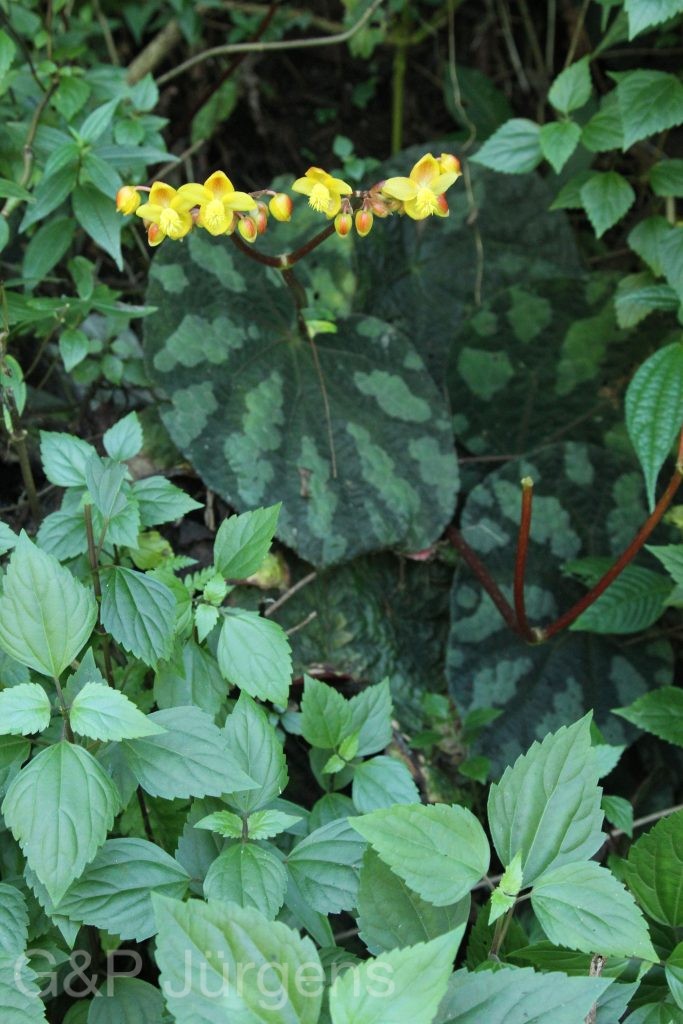
It is a fleshy perennial herb with an erect to ascending, jointed, translucent stem arising from a creeping rhizome or tuberous base. The leaves are alternate, conspicuously asymmetric (oblique) at the base as is typical of the genus, ovate to broadly ovate with an acuminate apex and toothed margin, palmately veined and often bearing scattered hairs, the petioles and nodes sometimes ringed (annulate, the source of the epithet). Plants are monoecious, the flowers white to pale pink and unisexual, borne in axillary cymes; staminate flowers with several stamens and pistillate flowers with a conspicuously winged inferior ovary. The fruit is a three-winged, unequally winged capsule containing very numerous minute seeds.
Begonia is one of the largest angiosperm genera, strongly radiated in the wet forests of tropical Asia, and B. annulata represents the shade- and moisture-demanding rhizomatous group of the eastern Himalaya. Its asymmetric leaves, winged capsules and dust-fine seeds are hallmarks of the family. While not formally assessed as threatened, such narrowly humid-forest specialists are sensitive to lowland deforestation and habitat drying along the Himalayan foothills.
Author: K.Koch · Sources: POWO (Kew), GBIF, Flora of Bhutan, Flora of British India (Hooker), Tebbitt Begonias: Cultivation, Identification and Natural History